Director Names Starting with C
Showing 49-60 out of 218

Chandoo Mondeti
Chandoo Mondeti is a visionary Indian film director known for his exceptional storytelling and unique directorial style. He made his mark in the industry with his debut directorial venture, "Karthikeya," which garnered critical acclaim and commercial success. Mondeti's notable filmography includes the highly anticipated "Karthikeya 2," set to release in 2022. His directorial prowess spans across various genres, including action, adventure, and fantasy, showcasing his versatile storytelling capabilities. Mondeti's directorial style is characterized by his ability to seamlessly blend gripping narratives with visually stunning cinematography, creating an immersive cinematic experience for audiences. His films often delve into the realms of mythology, folklore, and mysticism, exemplifying his penchant for intertwining ancient legends with contemporary storytelling. Mondeti's meticulous attention to detail and nuanced approach to character development have positioned him as a visionary director with a keen understanding of the intricacies of storytelling. "Karthikeya 2" serves as a testament to Mondeti's commitment to pushing the boundaries of cinematic storytelling. The film is poised to captivate audiences with its compelling narrative, high-octane action sequences, and imaginative world-building. Mondeti's directorial vision is set to propel the film into the realm of blockbuster entertainment, solidifying his status as a director with a penchant for crafting larger-than-life cinematic experiences. Mondeti's impact on Indian cinema is undeniable, as he continues to redefine the landscape of filmmaking with his distinct directorial voice. His ability to seamlessly navigate between genres while infusing his narratives with depth and emotional resonance sets him apart as a director to watch. With "Karthikeya 2," Mondeti is poised to leave an indelible mark on the world of cinema, further cementing his legacy as a director whose visionary storytelling continues to captivate audiences globally.
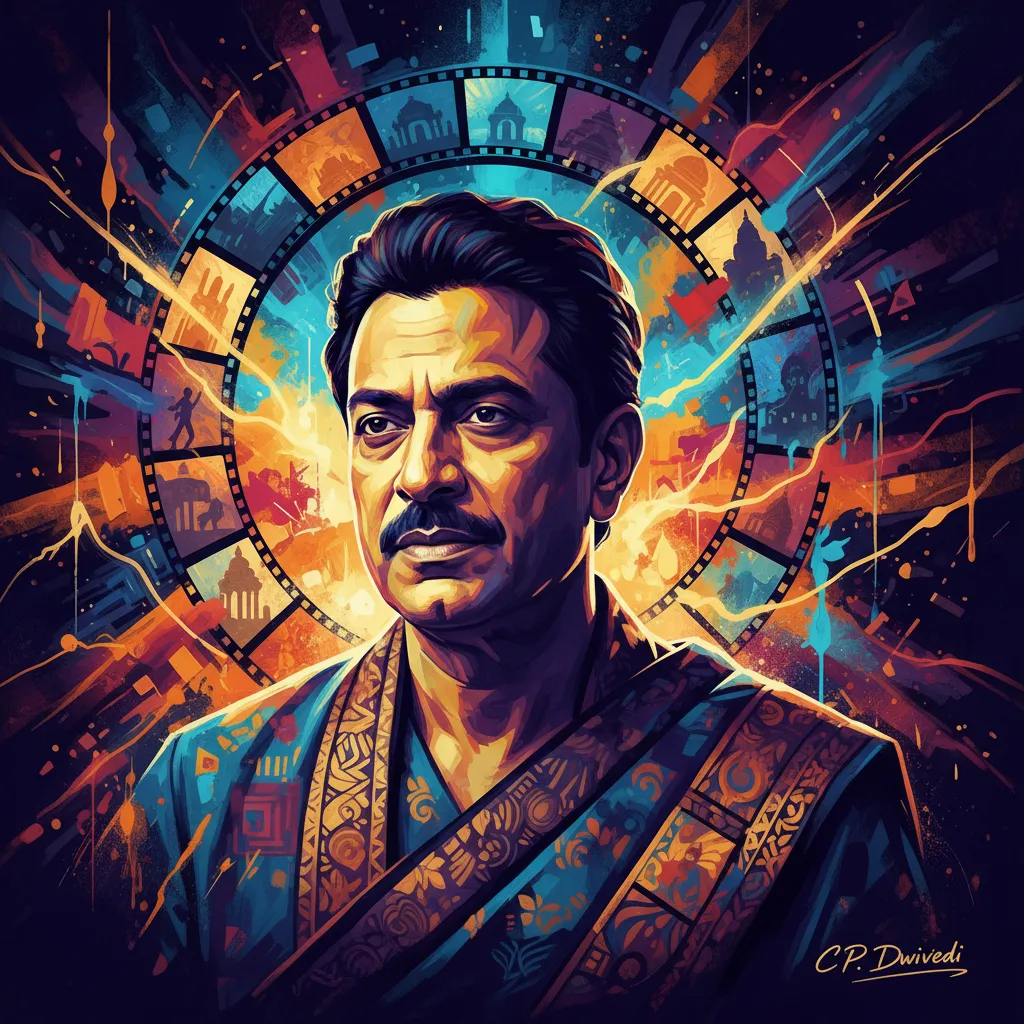
Chandra Prakash Dwivedi
Chandra Prakash Dwivedi is a highly respected Indian film director known for his impactful storytelling and unique directorial style. With a career spanning several decades, Dwivedi has made a significant mark on Indian cinema, tackling a diverse range of subjects with finesse and expertise. His latest directorial venture, "Samrat Prithviraj" (2022), is a testament to his prowess in helming epic action dramas with historical significance. Dwivedi's directorial style is characterized by a meticulous attention to detail and a deep understanding of historical and cultural contexts. He has a penchant for delving into the rich tapestry of Indian history, bringing legendary figures to life on the silver screen with authenticity and grandeur. "Samrat Prithviraj" is poised to be another cinematic triumph, as Dwivedi showcases his ability to seamlessly blend action, drama, and historical elements into a compelling narrative. Notable films in Dwivedi's repertoire include the critically acclaimed "Pinjar" (2003), which garnered widespread acclaim for its poignant portrayal of the partition of India. The film showcased Dwivedi's ability to handle sensitive and complex narratives with sensitivity and artistry, solidifying his reputation as a director with a keen understanding of human emotions and societal dynamics. Throughout his career, Dwivedi has exhibited a recurring theme of exploring the human condition within the framework of historical events, shedding light on the resilience, courage, and tumultuous experiences of individuals grappling with societal upheavals. His films serve as a mirror to Indian society, offering profound insights into its cultural heritage and the enduring spirit of its people. Chandra Prakash Dwivedi's impact on Indian cinema is immeasurable, as he continues to enrich the cinematic landscape with his directorial prowess and unwavering commitment to storytelling. His ability to breathe life into historical narratives and capture the essence of bygone eras has cemented his legacy as a visionary director with a distinct cinematic voice. In conclusion, Chandra Prakash Dwivedi's directorial career is a testament to his artistic integrity and storytelling prowess, with "Samrat Prithviraj" poised to be another jewel in his crown. His contributions to Indian cinema have left an indelible mark, and his films stand as timeless testaments to the power of storytelling and the enduring resonance of historical narratives.

Channing Tatum
Channing Tatum is an American actor, producer, and now a burgeoning director who has been making waves in the film industry. Tatum made his directorial debut with the film "Dog" in 2022, a heartwarming comedy-drama that showcases his talents behind the camera. Known for his charismatic on-screen presence, Tatum brings a fresh perspective to the director's chair, infusing his work with authenticity and emotional depth. Tatum's directorial style is characterized by a keen understanding of human emotions and relationships, which is evident in "Dog." The film explores themes of friendship, loyalty, and the transformative power of love, showcasing Tatum's ability to capture the complexities of human connections with nuance and sincerity. Tatum's directorial debut has been praised for its poignant storytelling, evocative visuals, and authentic performances, solidifying his position as a promising filmmaker to watch. While Tatum's directorial career is just beginning, his impact on cinema is already palpable. With "Dog," he has demonstrated a natural ability to connect with audiences on a profound level, offering a refreshing take on the human experience. Tatum's foray into directing has opened up new avenues for creative expression, allowing him to further explore his artistic vision and contribute to the evolving landscape of filmmaking. As Tatum continues to expand his directorial repertoire, audiences can anticipate more thought-provoking and emotionally resonant work from this multifaceted talent. With his unique blend of charisma, insight, and creativity, Tatum is poised to leave an indelible mark on the world of cinema, establishing himself as a directorial force to be reckoned with. As he continues to evolve and refine his directorial style, Tatum's contributions to film are sure to endure, leaving an enduring legacy in the art of storytelling through the lens of a gifted director.

Chantal Akerman
Chantal Akerman, a pioneering Belgian filmmaker, left an indelible mark on cinema with her distinctive directorial style and thought-provoking narratives. Her magnum opus, "Jeanne Dielman, 23, quai du commerce, 1080 Bruxelles" (1975), stands as a testament to her unparalleled artistry. This landmark work, characterized by its meticulous long takes and immersive portrayal of domesticity, solidified Akerman's reputation as a trailblazer in the world of cinema. Akerman's directorial approach was marked by its deliberate pacing and meticulous attention to detail, often immersing viewers in the everyday lives of her characters. Her films were renowned for their exploration of female identity, domesticity, and the human experience. "Jeanne Dielman" in particular, with its unflinching examination of a woman's daily routines, challenged traditional cinematic conventions and offered a powerful critique of societal expectations. Throughout her career, Akerman continued to produce a diverse body of work, ranging from experimental documentaries to deeply personal narratives. Her films often delved into themes of alienation, displacement, and the passage of time, reflecting her own experiences as a Jewish woman and an immigrant. Notable works such as "News from Home" (1977) and "The Meetings of Anna" (1978) further underscored her ability to craft poignant, introspective stories that resonated with audiences on a profound level. Chantal Akerman's enduring impact on cinema cannot be overstated. Her innovative storytelling techniques and unwavering commitment to authenticity continue to inspire filmmakers and cinephiles alike. As a visionary auteur, she challenged the conventions of narrative cinema, paving the way for a new wave of filmmakers to explore the complexities of human existence. Akerman's legacy lives on as a testament to the power of film to illuminate the depths of the human soul and provoke introspection and empathy.
Chan-wook Park
Chan-wook Park is a visionary South Korean film director renowned for his visually stunning and emotionally gripping films. With a career spanning over two decades, Park has become a significant figure in the world of cinema, known for his distinctive directorial style and thought-provoking storytelling. His filmography includes a diverse range of genres, such as action, drama, mystery, crime, and thriller, with each film showcasing his unparalleled creativity and artistic prowess. One of Park's most iconic works is "Oldeuboi" (2003), a gripping action-drama that captivated audiences worldwide with its intense storytelling and masterful direction. The film's intricate plot and striking visuals solidified Park's reputation as a director with a unique and uncompromising vision. Additionally, "Boksuneun naui geot" (2002) and "Gongdong gyeongbi guyeok JSA" (2000) further showcased Park's ability to seamlessly blend genres while delving into complex themes of identity, morality, and human nature. Park's directorial style is characterized by his meticulous attention to detail, innovative use of cinematography, and a penchant for exploring dark and psychological themes. His films often feature morally ambiguous characters, unexpected plot twists, and a profound exploration of the human psyche, captivating audiences and critics alike. With "Ah-ga-ssi" (2016), Park demonstrated his versatility as a director, seamlessly blending elements of drama, romance, and thriller to create a visually stunning and emotionally resonant cinematic experience. Throughout his career, Park has established himself as a master storyteller, consistently pushing the boundaries of traditional filmmaking and leaving an indelible mark on the industry. His films often confront societal taboos, challenge conventional narrative structures, and offer profound insights into the human condition, earning him a dedicated global following. Park's impact on cinema extends far beyond his native South Korea, influencing a new generation of filmmakers and solidifying his legacy as a true auteur. In conclusion, Chan-wook Park's directorial career is a testament to his unparalleled creativity, bold storytelling, and unwavering commitment to pushing the boundaries of cinema. His films continue to resonate with audiences worldwide, cementing his status as a visionary director with a profound impact on the art of storytelling. With a diverse and compelling body of work, Park's legacy as a trailblazing filmmaker remains unparalleled, and his influence on the world of cinema will undoubtedly endure for generations to

Charise Castro Smith
Charise Castro Smith is an accomplished film director known for her exceptional work in the animation genre. With her directorial debut in the highly anticipated Disney animated feature, "Encanto" (2021), Smith has left an indelible mark on the entertainment industry. Her directorial style is characterized by a seamless blend of heartwarming storytelling, captivating visuals, and a keen understanding of family dynamics. Smith's ability to infuse her projects with humor, emotion, and compelling characters has earned her widespread acclaim. "Encanto" stands as a testament to Smith's directorial prowess, with its vibrant animation, enchanting narrative, and memorable musical numbers. The film's exploration of family bonds, self-discovery, and the celebration of Colombian culture showcases Smith's penchant for weaving rich, multi-layered themes into her work. Her ability to bring diverse perspectives to the forefront has resonated with audiences of all ages, cementing her status as a visionary director with a unique ability to craft immersive cinematic experiences. Smith's impact on cinema extends beyond her directorial achievements, as she continues to inspire aspiring filmmakers and storytellers to embrace their cultural heritage and infuse their work with authenticity and inclusivity. Her commitment to representing underrepresented voices in the industry has contributed to a more diverse and inclusive landscape in filmmaking, setting a precedent for future generations of directors. As she continues to make strides in the world of animation and beyond, Charise Castro Smith's innovative approach to storytelling and her unwavering dedication to authentic representation solidify her as a director to watch. With "Encanto" serving as a testament to her directorial talent, audiences eagerly anticipate her future projects, eager to witness the next chapter in her remarkable career.

Charles Barton
Charles Barton was an influential film director known for his work in the comedy, family, and fantasy genres. His most notable film, "Abbott and Costello Meet Frankenstein" (1948), is a classic that showcases his directorial prowess. Barton's directorial style was characterized by his ability to blend comedy with elements of fantasy and horror, creating timeless and beloved films that have left a lasting impact on cinema. "Abbott and Costello Meet Frankenstein" remains one of Barton's most enduring contributions to cinema. The film masterfully combines humor and horror, showcasing Barton's skill in seamlessly blending disparate genres. His ability to balance these elements made the film a classic and solidified Barton's reputation as a versatile and innovative director. Throughout his career, Barton exhibited a knack for creating family-friendly entertainment that appealed to audiences of all ages. His films often featured themes of friendship, courage, and the triumph of the underdog, resonating with viewers and leaving a lasting impression on the industry. Barton's ability to infuse his work with heart and humor set him apart as a director with a unique vision and approach to storytelling. Barton's impact on cinema is undeniable, as his films continue to be celebrated and cherished by audiences worldwide. His influence can be seen in the work of subsequent directors who have drawn inspiration from his ability to seamlessly blend genres and create enduring, entertaining films. Charles Barton's legacy as a director is one of innovation, creativity, and the ability to captivate audiences with his unique vision and storytelling prowess.

Charles Chaplin
Charles Chaplin, known as one of the most influential figures in the history of cinema, was a pioneer in the art of storytelling through silent films. His directorial style, marked by physical comedy, social commentary, and emotional depth, revolutionized the medium and captivated audiences worldwide. Chaplin's notable films include "The Gold Rush" (1925), a timeless adventure-comedy that showcases his iconic Tramp character navigating the harsh Klondike landscape; "Modern Times" (1936), a poignant satire on industrialization and its impact on humanity; and "The Great Dictator" (1940), a bold political satire that challenged the rise of fascism and totalitarianism. Throughout his career, Chaplin's recurring themes encompassed the resilience of the human spirit, the plight of the underprivileged, and the pursuit of love and happiness amidst adversity. His unique blend of humor and pathos transcended language barriers, resonating with audiences of all backgrounds. In "The Kid" (1921), Chaplin explored the bond between a tramp and an abandoned child, delving into themes of poverty and compassion. "City Lights" (1931) further showcased his mastery of blending comedy and romance, as the Tramp falls in love with a blind flower girl. Chaplin's impact on cinema cannot be overstated. His directorial innovations, including his use of physical comedy, expressive pantomime, and innovative storytelling techniques, set the standard for generations of filmmakers. Beyond his artistic contributions, Chaplin's personal journey and his struggles with fame, politics, and social issues continue to inspire filmmakers and audiences alike. His film "Limelight" (1952) provided a poignant reflection on the passage of time and the pursuit of artistic excellence, serving as a testament to Chaplin's enduring legacy. In conclusion, Charles Chaplin's directorial career epitomizes the power of cinema to transcend cultural boundaries and evoke profound emotions. His timeless films continue to entertain and provoke thought, cementing his status as a visionary director whose impact on the medium remains unparalleled.

Charles Crichton
Charles Crichton was a British film director whose career spanned over five decades, leaving an indelible mark on the world of cinema. Crichton began his career in the 1930s as an editor and transitioned to directing in the 1940s. Known for his versatility, he displayed a remarkable ability to traverse various genres, including drama, horror, comedy, and crime. One of his early notable works is the anthology horror film "Dead of Night" (1945), which showcased his adeptness at creating atmospheric and chilling narratives. This film, with its innovative storytelling and eerie atmosphere, solidified Crichton's reputation as a director with a keen eye for visual storytelling and suspenseful pacing. Crichton's directorial prowess shone brightly in the iconic comedy-crime film "The Lavender Hill Mob" (1951), which remains a beloved classic to this day. His deft handling of the film's comedic elements and skillful direction of its caper storyline cemented his status as a master of blending wit and suspense. The film's enduring popularity and critical acclaim underscored Crichton's ability to captivate audiences with his unique blend of humor and storytelling. However, it was with the timeless comedy-crime film "A Fish Called Wanda" (1988) that Crichton achieved widespread international recognition and success. The film, with its razor-sharp wit, memorable characters, and expertly choreographed comedic sequences, showcased Crichton's directorial finesse and ability to elicit top-notch performances from his cast. "A Fish Called Wanda" not only garnered critical acclaim but also achieved commercial success, firmly establishing Crichton as a director with an unparalleled talent for crafting sharp, intelligent comedies. Crichton's directorial style was characterized by meticulous attention to detail, nuanced storytelling, and a penchant for infusing his films with a delightful blend of suspense and humor. His films often revolved around themes of human foibles, the complexities of relationships, and the absurdities of everyday life, all of which he portrayed with a keen sense of observation and wit. Charles Crichton's impact on cinema is undeniable, as his legacy continues to inspire filmmakers and entertain audiences, cementing his status as a visionary director whose timeless works remain a testament to his unparalleled contributions to the art of filmmaking.
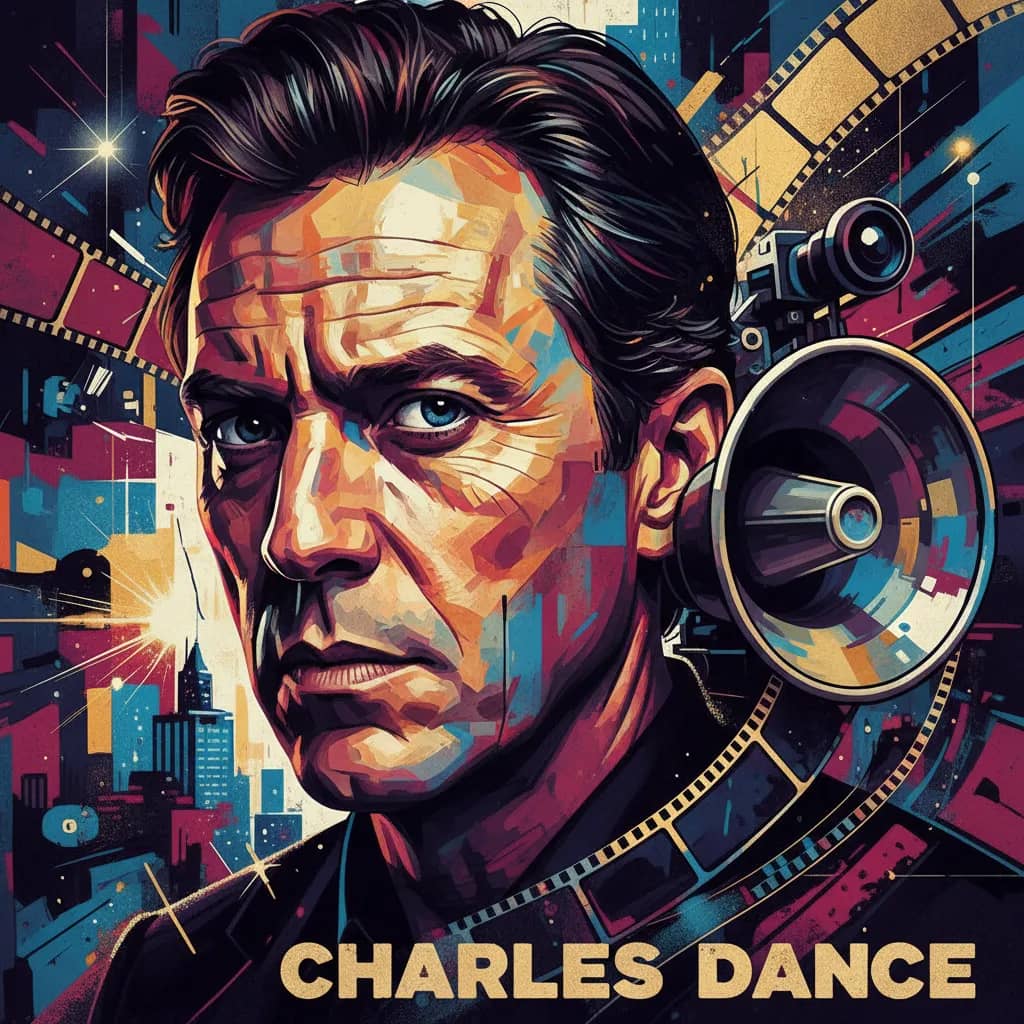
Charles Dance
Charles Dance is a British actor, screenwriter, and director who has left an indelible mark on the world of cinema. While he is best known for his acting roles in films such as "The Golden Child" and "Gosford Park" and his iconic portrayal of Tywin Lannister in the hit TV series "Game of Thrones," Dance has also made a significant impact as a director. His directorial debut came in 2004 with the film "Ladies in Lavender," a period drama that beautifully captured the essence of love, music, and the human spirit. In "Ladies in Lavender," Dance showcased his directorial style, which is characterized by a keen eye for detail, an emphasis on emotional depth, and a gift for storytelling. The film, set in picturesque Cornwall, England, follows the lives of two elderly sisters who take in a young Polish violinist after he washes ashore near their home. Through his direction, Dance skillfully weaves together themes of love, longing, and the passage of time, creating a poignant and visually stunning cinematic experience. Dance's directorial vision is marked by a commitment to portraying the complexities of human relationships and the beauty of the natural world. His ability to elicit powerful performances from his actors and his adept use of visuals and music have set him apart as a director with a distinct and evocative style. "Ladies in Lavender" stands as a testament to Dance's talent as a director, earning critical acclaim for its compelling storytelling and timeless appeal. While Dance's directorial career may be relatively brief, "Ladies in Lavender" has solidified his reputation as a filmmaker with a unique perspective and a profound understanding of the human experience. His contributions to cinema have resonated with audiences and critics alike, and his directorial debut serves as a testament to his enduring impact on the world of film. As he continues to explore new creative endeavors, Charles Dance's legacy as a multifaceted talent in the entertainment industry remains firmly established.

Charles E. Sellier Jr.
Charles E. Sellier Jr. was an American film director best known for his work in the horror genre. His most notable film, "Silent Night, Deadly Night" (1984), is a cult classic that solidified his reputation as a master of suspense and horror. Sellier's directorial style often incorporated a blend of tension-building atmosphere, psychological depth, and shocking imagery, captivating audiences and leaving a lasting impression on the horror genre. Sellier's impact on cinema can be seen in his ability to subvert expectations and deliver thought-provoking narratives within the horror genre. "Silent Night, Deadly Night" stands out as a prime example of his ability to create a chilling and unsettling atmosphere while exploring the complex psychology of its characters. Sellier's approach to storytelling often delved into the darker aspects of human nature, making his films not only terrifying but also deeply thought-provoking. Sellier's career was marked by his unique ability to tap into the fears and anxieties of his audience, creating films that resonated with viewers on a visceral level. His work often featured themes of psychological trauma, the duality of human nature, and the consequences of unchecked emotions. Sellier's films had a lasting impact on the horror genre, influencing subsequent filmmakers and contributing to the evolution of the genre's storytelling techniques. In conclusion, Charles E. Sellier Jr.'s directorial career left an indelible mark on the horror genre, with "Silent Night, Deadly Night" standing as a testament to his unique vision and storytelling prowess. His ability to craft immersive and psychologically intense narratives set him apart as a master of horror, and his influence continues to be felt in the genre to this day. Sellier's films remain essential viewing for horror enthusiasts and serve as a testament to his lasting impact on cinema.
Charles Guard
Charles Guard is a British filmmaker known for his directorial work in the fantasy, horror, and mystery genres. His most notable film to date is "The Uninvited" (2009), a haunting and atmospheric supernatural thriller that showcases Guard's flair for building tension and creating a sense of unease. The film received critical acclaim for its visually stunning cinematography and skillful direction, firmly establishing Guard as a talented director with a penchant for crafting gripping and immersive narratives. Guard's directorial style is characterized by his ability to blend elements of fantasy and horror with a keen focus on atmosphere and mood. His films often feature evocative visuals and a sense of foreboding, drawing audiences into the otherworldly realms he creates. Guard's meticulous attention to detail and mastery of visual storytelling have made him a standout director in the realm of genre cinema. "The Uninvited" stands as a testament to Guard's ability to infuse supernatural themes with emotional depth, creating a film that resonates with both fans of the horror genre and cinephiles alike. Guard's work often explores the complexities of human emotions within the framework of fantastical or mysterious narratives, adding layers of depth to his storytelling. With "The Uninvited," Charles Guard has left an indelible mark on the world of cinema, showcasing his talent for crafting immersive and haunting tales that captivate audiences. His unique vision and directorial prowess have solidified his status as a filmmaker to watch, and his contributions to the genre have undoubtedly left a lasting impact on the landscape of contemporary film. In conclusion, Charles Guard's directorial career is defined by his masterful storytelling, evocative visuals, and ability to transport audiences into the realms of fantasy and horror. His work on "The Uninvited" cements his status as a director with a distinct and compelling vision, and his contributions to cinema continue to resonate with audiences and critics alike.