Director Names Starting with B
Showing 145-156 out of 201

Brett Pierce
Brett Pierce is a rising star in the horror film genre, known for his distinct directorial style and ability to craft spine-chilling narratives. His most notable work to date is "The Wretched" (2019), a gripping horror-mystery that captivated audiences and critics alike. Pierce's directorial approach is marked by a keen attention to detail, an affinity for atmospheric storytelling, and a knack for creating an immersive viewing experience that leaves audiences on the edge of their seats. "The Wretched" stands as a testament to Pierce's directorial prowess, as he expertly weaves together elements of horror and mystery to deliver a truly haunting cinematic experience. The film showcases his ability to build tension and suspense, as well as his talent for crafting memorable and terrifying on-screen moments. With "The Wretched," Pierce has cemented his status as a director to watch in the horror genre, earning acclaim for his ability to breathe new life into classic horror tropes while delivering fresh and innovative storytelling. Pierce's directorial style often explores themes of the supernatural, folklore, and the darkness that lurks within seemingly ordinary settings. He has a keen eye for capturing the eeriness of everyday surroundings and infusing them with a sense of dread, creating a unique and unsettling atmosphere that sets his work apart. His ability to blend psychological horror with visceral scares has solidified his reputation as a director with a distinct and powerful vision. In a cinematic landscape filled with horror directors, Brett Pierce has emerged as a standout talent, bringing his unique perspective and storytelling sensibilities to the forefront. With "The Wretched," he has demonstrated a mastery of the genre and a willingness to push boundaries, leaving an indelible mark on the horror film landscape. As he continues to evolve and expand his body of work, audiences can expect Pierce to continue delivering captivating and chilling cinematic experiences that push the boundaries of horror storytelling.
Brett Ratner
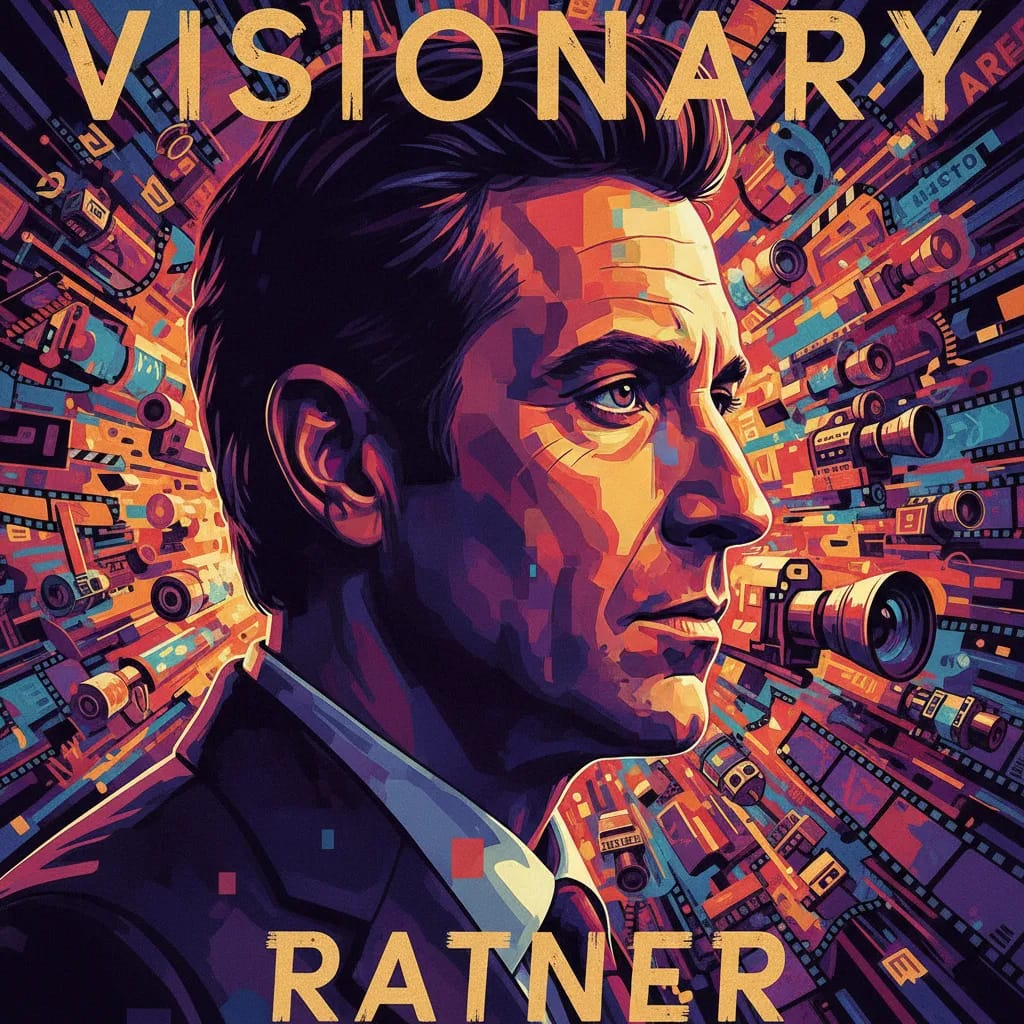
Brett Ratner is a renowned director known for his slick, high-energy style and knack for blending action and comedy in a way that resonates with audiences worldwide. His notable filmography includes "Tower Heist" (2011), a clever heist comedy featuring an all-star cast, "X-Men: The Last Stand" (2006), the third installment in the popular X-Men franchise, and the wildly successful "Rush Hour" (1998) series, which paired Jackie Chan and Chris Tucker in action-packed buddy comedies. Ratner's directorial approach is characterized by fast-paced storytelling, visually dynamic sequences, and a keen understanding of audience appeal. Ratner's films often explore themes of camaraderie, redemption, and the triumph of the underdog, while infusing them with his signature blend of humor and spectacle. His works have left a lasting impact on the action-comedy genre, influencing a generation of filmmakers and captivating audiences with their mix of adrenaline-pumping thrills and laugh-out-loud moments. Ratner's ability to seamlessly navigate between genres, from crime capers like "After the Sunset" (2004) to the supernatural drama "The Family Man" (2000) and the gripping thriller "Red Dragon" (2002), showcases his versatility and range as a director. Throughout his career, Ratner has demonstrated a keen eye for casting and a talent for eliciting dynamic performances from his actors, elevating his films with memorable characters and electrifying chemistry. His directorial prowess has solidified his status as a master storyteller with a flair for crafting crowd-pleasing blockbusters that resonate with audiences of all ages. In the ever-evolving landscape of cinema, Brett Ratner's contributions continue to leave an indelible mark, cementing his legacy as a visionary director whose work transcends genres and captivates audiences with its infectious energy and enduring appeal.

Brett Simmons
Brett Simmons is a talented director known for his work in the horror and thriller genres. His notable filmography includes the 2011 supernatural horror film "Husk," which showcased his ability to create tension and suspense through his unique directorial style. Simmons has made a name for himself as a filmmaker with a keen eye for storytelling and an adeptness at creating chilling atmospheres that immerse audiences in his films. In "Husk," Simmons demonstrated his ability to blend psychological horror with visceral scares, delivering a film that resonated with both critics and audiences. His directorial style often incorporates elements of the supernatural, psychological terror, and character-driven narratives, making his films both thought-provoking and terrifying. Simmons has a knack for creating immersive and haunting experiences that leave a lasting impact on viewers. Throughout his career, Simmons has showcased a recurring theme of exploring the darker aspects of human nature and the unknown, delving into the depths of fear and the human psyche. His films often delve into the complexities of fear, survival, and the supernatural, offering audiences a gripping and unsettling cinematic experience. Simmons' impact on cinema lies in his ability to push the boundaries of horror and thriller genres, delivering films that are not only terrifying but also thought-provoking. His unique vision and directorial prowess have solidified his status as a filmmaker to watch in the horror and thriller genres, and his contributions continue to shape the landscape of contemporary horror cinema. In conclusion, Brett Simmons is a director whose work exemplifies a deep understanding of horror and thriller storytelling. His films, particularly "Husk," stand as testaments to his ability to craft chilling narratives that resonate with audiences. Simmons' unique directorial style, recurring themes, and impact on cinema make him a standout figure in the world of horror filmmaking. As he continues to evolve as a filmmaker, audiences can anticipate even more captivating and spine-tingling experiences from this talented director.

Brett Simon
Brett Simon is an American film director known for his unique blend of comedy, crime, and mystery in his films. His notable work includes "Assassination of a High School President," a 2008 release that showcased his distinctive directorial style. Simon's films often feature sharp wit, clever storytelling, and a keen eye for capturing the nuances of teenage life. With a focus on satire and dark humor, Simon's directorial approach has made a lasting impact on the comedy-crime genre in cinema. In "Assassination of a High School President," Simon skillfully navigates the complexities of high school politics and the crime thriller elements, creating a film that resonates with audiences through its sharp dialogue and unexpected twists. His directorial style reflects a deep understanding of the teenage experience, capturing the humor and drama of high school life with authenticity and originality. Simon's recurring themes often revolve around the subversion of stereotypes and the exploration of power dynamics in unconventional settings. His films are characterized by their bold storytelling and inventive narrative structures, setting him apart as a director with a distinct and compelling vision. Through his work, Brett Simon has demonstrated a commitment to pushing the boundaries of genre filmmaking and offering audiences a fresh perspective on familiar storytelling tropes. His impact on cinema extends beyond his individual films, as he has contributed to the evolution of comedy and crime genres, inspiring a new generation of filmmakers to explore similar thematic and stylistic territories. In conclusion, Brett Simon's directorial career is defined by his ability to infuse comedy, crime, and mystery with a distinct and captivating vision, creating films that leave a lasting impression on audiences. With a keen eye for storytelling and a unique directorial style, Simon continues to make a significant impact on the cinematic landscape, solidifying his place as a visionary filmmaker in the comedy-crime genre.

Brett Sullivan
Brett Sullivan, a Canadian film director, is renowned for his work in the horror and fantasy genres. Sullivan's directorial style is characterized by his ability to infuse tension, suspense, and a touch of dark humor into his films, creating a unique and immersive experience for audiences. His keen eye for atmospheric storytelling and his adeptness at crafting compelling narratives have established him as a force to be reckoned with in the world of genre cinema. One of Sullivan's notable directorial works is "Ginger Snaps 2: Unleashed" (2004), a gripping horror-thriller that serves as a sequel to the cult classic "Ginger Snaps." With this film, Sullivan demonstrated his prowess in creating intense and chilling atmospheres while delving into the complexities of female relationships and the monstrous transformation of the protagonist. The success of "Ginger Snaps 2: Unleashed" solidified Sullivan's reputation as a director capable of delivering captivating and thought-provoking horror experiences. In 2015, Sullivan further solidified his standing in the horror genre with "A Christmas Horror Story," a film that seamlessly blends fantasy, horror, and mystery. This anthology film showcases Sullivan's versatility as a director, as he skillfully weaves together multiple storylines, each imbued with its own distinct brand of terror and suspense. Through "A Christmas Horror Story," Sullivan demonstrated his ability to breathe new life into established holiday themes by infusing them with a dark and chilling twist, captivating audiences with his innovative storytelling. Sullivan's films often explore themes of transformation, identity, and the macabre, drawing audiences into worlds where darkness and the supernatural collide with the human experience. His unique vision and ability to craft enthralling narratives have left an indelible mark on the horror and fantasy genres, earning him a dedicated following of fans who eagerly anticipate his next directorial endeavor. With his impactful contributions to cinema, Brett Sullivan continues to shape the landscape of genre filmmaking, leaving an enduring legacy as a master of atmospheric and immersive storytelling.

Brian Andrew Mendoza
Brian Andrew Mendoza is a rising talent in the film industry, making a mark as a director with his debut feature film "Sweet Girl" (2021). His directorial style is characterized by a seamless blend of action, drama, and thriller elements, showcasing his ability to create high-stakes, emotionally gripping narratives. Mendoza's keen eye for visceral storytelling and compelling character development is evident in "Sweet Girl," which stars Jason Momoa and Isabela Merced. The film's intense action sequences, coupled with its poignant exploration of family dynamics and personal vendettas, attest to Mendoza's prowess as a director who can skillfully navigate multiple genres to deliver a captivating cinematic experience. Mendoza's directorial debut with "Sweet Girl" has already left a lasting impression on audiences and critics alike, firmly establishing him as a director to watch in the industry. His ability to infuse adrenaline-pumping action with heartfelt human drama sets him apart as a versatile filmmaker capable of delivering both spectacle and emotional depth. Mendoza's directorial vision is marked by a commitment to creating immersive storytelling experiences that resonate with audiences on a visceral and emotional level. In "Sweet Girl," Mendoza explores themes of justice, vengeance, and the unbreakable bond between a father and daughter, showcasing a penchant for tapping into universal human experiences while also delivering edge-of-your-seat thrills. His nuanced approach to storytelling and character development sets him apart as a director with a keen understanding of the complexities of the human condition, infusing his films with depth and resonance. As Mendoza continues to make his mark in the industry, his impact on cinema is poised to grow, with "Sweet Girl" serving as a compelling introduction to his directorial prowess. With his ability to seamlessly blend action, drama, and thriller elements, Mendoza is set to carve out a unique space for himself in the film landscape, offering audiences a fresh perspective on storytelling and genre fusion. As his career unfolds, Mendoza's directorial contributions are sure to leave an indelible mark on the cinematic landscape, cementing his status as a director with a distinctive vision and a talent for crafting captivating, emotionally resonant narratives.

Brian Dannelly
Brian Dannelly is a talented film director known for his unique blend of comedy and drama, exploring themes of religion, adolescence, and the complexities of human relationships. Dannelly's directorial style is characterized by his ability to infuse his storytelling with wit, heart, and a keen eye for capturing the emotional nuances of his characters. His notable films include "Saved!" (2004) and "Struck by Lightning" (2012), both of which have garnered critical acclaim for their thought-provoking narratives and compelling performances. In "Saved!" (2004), Dannelly delves into the world of Christian high school culture, offering a satirical yet poignant exploration of faith, morality, and the struggles of adolescence. The film challenges traditional religious beliefs while celebrating the complexities of human experience, earning praise for its sharp humor and heartfelt portrayal of its characters. Dannelly's ability to navigate sensitive subject matter with both sensitivity and irreverence has solidified his reputation as a director unafraid to tackle challenging themes with nuance and authenticity. "Struck by Lightning" (2012) further showcases Dannelly's skill in crafting compelling coming-of-age narratives, as he explores the aspirations and challenges of a high school student determined to create a literary magazine. The film seamlessly weaves together humor and drama, offering a candid portrayal of the complexities of teenage ambition and the pursuit of creative expression. Dannelly's directorial approach highlights his commitment to capturing the emotional authenticity of his characters, creating films that resonate with audiences on a deeply human level. Dannelly's impact on cinema lies in his ability to infuse his storytelling with a distinct blend of humor, sincerity, and social commentary. Through his exploration of religion, adolescence, and the human experience, he has carved out a niche for himself as a director unafraid to challenge societal norms while celebrating the complexities of human emotion. His films serve as a testament to his unique vision and his dedication to crafting narratives that entertain, provoke thought, and resonate with audiences on a profound level. Brian Dannelly's contributions to the film industry have left an indelible mark, solidifying his place as a director with a distinctive voice and an unwavering commitment to storytelling.

Brian DeCubellis
Brian DeCubellis is a visionary film director known for his unique approach to storytelling and visual style. He made a significant impact on cinema with his directorial debut, "Manhattan Night" (2016), a compelling crime drama that showcased his talent for creating atmospheric and suspenseful narratives. DeCubellis' directorial style is characterized by his meticulous attention to detail and his ability to immerse audiences in the world of his films. "Manhattan Night" is a prime example of his skill in crafting a dark and brooding atmosphere, as well as his adeptness at building tension throughout the narrative. His films often delve into the complexities of human nature, presenting morally ambiguous characters and thought-provoking themes. One of DeCubellis' notable contributions to cinema is his exploration of the noir genre, infusing it with modern sensibilities and a distinct visual flair. His work reflects a deep appreciation for the classic elements of film noir while incorporating contemporary storytelling techniques, resulting in a fresh and captivating cinematic experience. Throughout his career, DeCubellis has demonstrated a penchant for delving into the darker aspects of society and human behavior, often exploring themes of moral ambiguity, obsession, and the consequences of one's choices. His films have garnered praise for their compelling narratives, strong character development, and evocative visuals, solidifying his reputation as a director with a unique and compelling vision. In conclusion, Brian DeCubellis has made a significant impact on cinema with his directorial work, particularly through "Manhattan Night." His distinct visual style, exploration of noir themes, and ability to craft compelling narratives have established him as a filmmaker to watch in the industry. As he continues to evolve as a director, audiences can anticipate more thought-provoking and visually arresting films from this talented visionary.
Brian De Palma
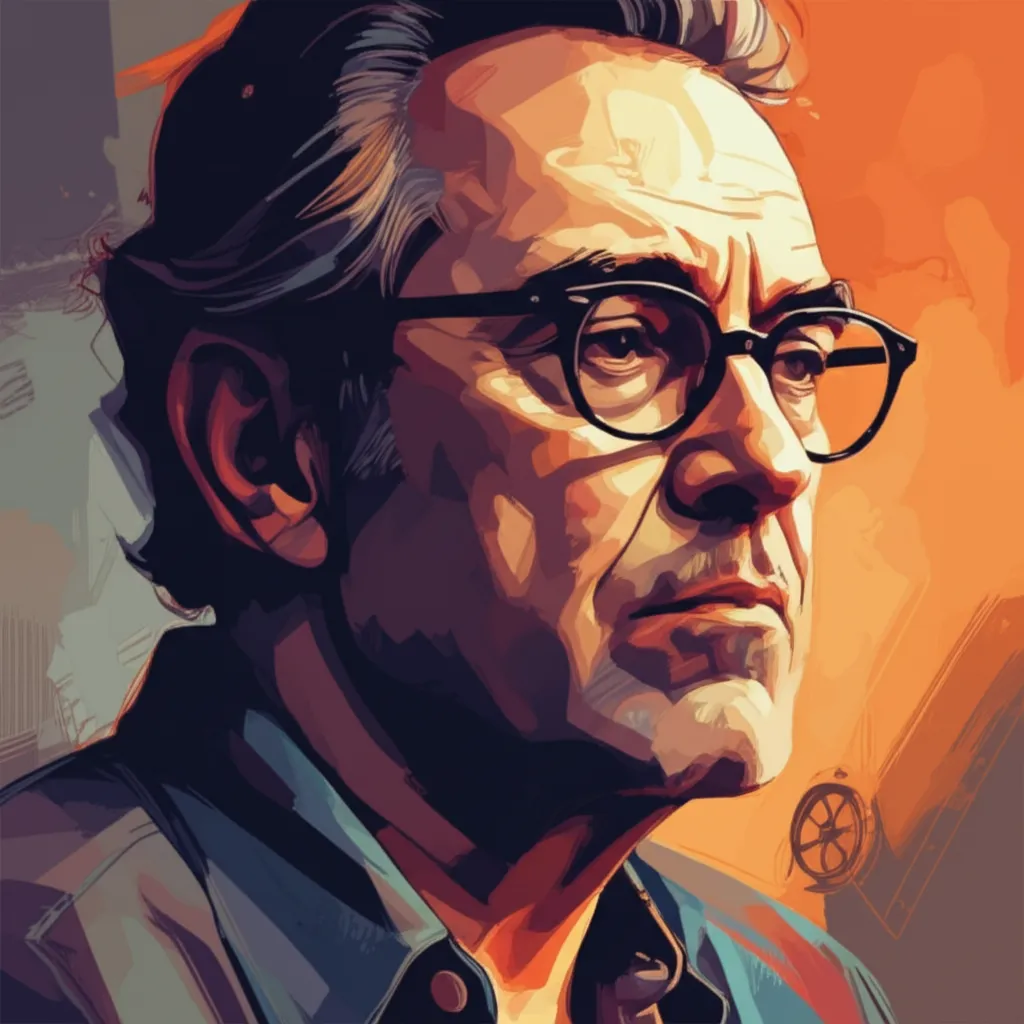
Brian De Palma is a visionary director known for his unique and influential contributions to the world of cinema. With a career spanning over five decades, De Palma has established himself as a master of suspense and thriller genres, creating a distinctive directorial style that is characterized by his use of split-screen, long tracking shots, and his meticulous attention to detail. His filmography boasts a diverse range of genres, from crime and drama to horror and sci-fi, showcasing his versatility and creativity as a filmmaker. One of De Palma's most iconic films is "Scarface" (1983), a gripping crime drama that has achieved cult status and continues to influence popular culture. With its intense performances, violent imagery, and memorable quotes, "Scarface" remains a timeless classic in the crime genre. Additionally, "Carrie" (1976), based on Stephen King's novel, is another standout in De Palma's filmography, exploring themes of adolescence, bullying, and supernatural powers with a haunting and psychological depth. Throughout his career, De Palma has consistently explored recurring themes such as voyeurism, obsession, and the duality of human nature, often incorporating elements of mystery and suspense into his storytelling. His meticulous attention to visual composition and his ability to create tension through expertly crafted sequences have left an indelible mark on the world of cinema, inspiring countless filmmakers and captivating audiences worldwide. In addition to his directorial achievements, De Palma's impact on cinema extends to his influence on subsequent generations of filmmakers, who have been inspired by his innovative techniques and bold storytelling. His ability to push boundaries and challenge conventions has cemented his legacy as a true auteur, leaving an indelible mark on the art of filmmaking. De Palma's dedication to his craft and his unwavering commitment to storytelling have solidified his status as a visionary director whose work will continue to captivate audiences for years to come.
Brian Duffield
Brian Duffield is a talented film director known for his unique blend of comedy, drama, and horror. His notable film, "Spontaneous" (2020), showcases his distinct directorial style and marks his impressive debut as a director. Duffield's work is characterized by its sharp wit, compelling storytelling, and an uncanny ability to seamlessly blend different genres to create a wholly original cinematic experience. Duffield's directorial debut, "Spontaneous," garnered critical acclaim for its fresh take on the coming-of-age genre, as it follows high school students dealing with the inexplicable phenomenon of spontaneous combustion. The film's seamless fusion of comedy, drama, and horror exemplifies Duffield's penchant for pushing creative boundaries and defying genre conventions. His directorial style is marked by a keen sense of visual storytelling, compelling character development, and a knack for injecting dark humor into thought-provoking narratives. Throughout his career, Duffield has demonstrated a penchant for tackling thought-provoking themes and creating multi-layered narratives that resonate with audiences. His work often delves into the complexities of human emotions, the unpredictability of life, and the existential challenges faced by his characters. Duffield's ability to infuse his films with genuine emotion while maintaining an edge of dark humor has solidified his reputation as a director with a unique and compelling vision. In the relatively short span of his directorial career, Brian Duffield has made a significant impact on cinema with his innovative storytelling and distinct directorial style. His work has garnered a dedicated following and has established him as a rising talent in the film industry. As he continues to explore new creative avenues and challenge genre norms, Duffield's influence on contemporary cinema is sure to endure, leaving a lasting impression on audiences and filmmakers alike.

Brian Fee
Brian Fee is an accomplished director known for his work in the animation genre, particularly for his directorial debut in the highly successful film "Cars 3" (2017). Fee's directorial style is characterized by his keen ability to infuse heartwarming storytelling with visually stunning animation, creating an immersive cinematic experience for audiences of all ages. His attention to detail and dedication to crafting compelling narratives have solidified his reputation as a visionary director in the industry. In "Cars 3," Fee masterfully combines elements of animation, adventure, and comedy to deliver a captivating tale that explores themes of determination, mentorship, and the pursuit of dreams. His adept direction brings to life the beloved characters of the "Cars" franchise while adding depth and emotional resonance to the story. With a keen eye for visual storytelling and a commitment to authenticity, Fee's directorial approach elevates the film to a level of emotional poignancy and universal appeal. Fee's impact on cinema is evident through his ability to create films that resonate with audiences on a profound level. His work reflects a commitment to pushing the boundaries of storytelling within the animation genre, showcasing his capacity to deliver films that are both visually stunning and emotionally compelling. Through his directorial efforts, Fee has contributed to the evolution of animated filmmaking, leaving an indelible mark on the industry. As a director, Brian Fee's unique vision and dedication to storytelling have resulted in a filmography that continues to captivate audiences worldwide. With "Cars 3," he has demonstrated his ability to craft narratives that transcend the traditional boundaries of animation, solidifying his status as a director to watch in the industry. Fee's commitment to delivering impactful storytelling and his innovative approach to animation make him a standout figure in the world of filmmaking, with his work leaving a lasting impression on cinema and the hearts of audiences everywhere.
Brian G. Hutton
Brian G. Hutton was an American film director known for his work in action and war genres. His notable films include "Where Eagles Dare" (1968) and "Kelly's Heroes" (1970). Hutton's directorial style was characterized by his ability to create intense and suspenseful action sequences while infusing elements of humor and camaraderie among his characters. His films often explored the complexities of wartime missions, showcasing themes of bravery, betrayal, and the human psyche under extreme circumstances. "Where Eagles Dare" stands as one of Hutton's most iconic works, featuring a gripping plot set in World War II and starring legendary actors Richard Burton and Clint Eastwood. The film's tense atmosphere and intricate plot twists have solidified its status as a classic in the action-adventure genre. Hutton's adept direction in seamlessly blending heart-pounding action with intricate storytelling elevated the film to a masterpiece that continues to captivate audiences. In "Kelly's Heroes," Hutton displayed his versatility as a director by infusing elements of comedy into a war-themed narrative. The film's unique blend of adventure, humor, and wartime drama set it apart as a standout in the genre. Hutton's ability to balance intense battle scenes with lighthearted moments showcased his keen understanding of pacing and storytelling, cementing his reputation as a director capable of delivering multifaceted cinematic experiences. Hutton's impact on cinema lies in his ability to craft compelling narratives within the backdrop of war, capturing the human spirit and moral dilemmas inherent to such settings. His films continue to resonate with audiences, and his legacy as a director who seamlessly merged action, adventure, and war themes remains influential in the world of filmmaking. Brian G. Hutton's directorial vision and his contributions to the action and war genres have left an indelible mark on the cinematic landscape, earning him a place among the esteemed filmmakers of his era.