Director Names Starting with B
Showing 193-201 out of 201

Buck Henry
Buck Henry was a multi-talented filmmaker, screenwriter, and actor whose career left an indelible mark on the world of cinema. Born on December 9, 1930, in New York City, he became renowned for his wit, sharp humor, and distinctive directorial style. Henry's foray into directing began with the 1978 film "Heaven Can Wait," a delightful blend of comedy, drama, and fantasy. The film, which he co-directed with Warren Beatty, showcased his ability to infuse lighthearted storytelling with depth and whimsy, earning him critical acclaim and a place in cinematic history. As a director, Henry's approach was characterized by a keen understanding of human nature, which he skillfully translated onto the screen. His ability to blend humor with thought-provoking themes made his directorial style both entertaining and intellectually stimulating. "Heaven Can Wait" exemplifies Henry's knack for crafting narratives that resonate with audiences on multiple levels, cementing his reputation as a director with a unique vision and storytelling prowess. In addition to his directorial achievements, Henry's impact on cinema extended to his work as a screenwriter, where he earned widespread recognition for his sharp wit and incisive dialogue. His collaboration with acclaimed directors and actors further solidified his status as a revered figure in the film industry. With an impressive career that spanned decades, Henry's contributions to cinema continue to inspire and entertain audiences to this day. Henry's directorial debut with "Heaven Can Wait" not only showcased his ability to seamlessly blend genres but also set the stage for his enduring influence on the world of filmmaking. His distinct directorial style, marked by a balance of humor and depth, resonated with audiences and critics alike, establishing him as a filmmaker with a lasting impact. Henry's legacy as a director, screenwriter, and actor remains an integral part of cinematic history, and his work continues to captivate and inspire new generations of filmmakers and movie enthusiasts.

Buddy Van Horn
Buddy Van Horn, an esteemed American film director, has made significant contributions to the action and comedy genres throughout his illustrious career. With a filmography boasting notable works such as "Pink Cadillac" (1989), "The Dead Pool" (1988), and "Any Which Way You Can" (1980), Van Horn has left an indelible mark on the world of cinema. Known for his adeptness in directing action-packed films infused with comedy and crime elements, Van Horn has carved a niche for himself in the industry. Van Horn's directorial style is characterized by his ability to seamlessly blend action, comedy, and crime, creating a unique and captivating cinematic experience for audiences. His films often feature exhilarating action sequences, laced with witty humor and engaging crime narratives, showcasing his versatility as a director. Notably, "Pink Cadillac" stands out as a quintessential example of Van Horn's directorial prowess, combining high-octane action with comedic moments and a compelling crime storyline. Throughout his career, Van Horn has masterfully tackled recurring themes such as unconventional protagonists, daring escapades, and the intersection of humor and danger, thereby establishing a signature style that sets his work apart. His impact on cinema is undeniable, as his films have garnered a dedicated following and have influenced subsequent directors in the action-comedy genre. Van Horn's ability to infuse adrenaline-pumping action with lighthearted comedy has resonated with audiences, solidifying his status as a visionary director. In conclusion, Buddy Van Horn's directorial career has been defined by his exceptional ability to craft captivating films that effortlessly combine action, comedy, and crime. With a filmography featuring iconic works like "Pink Cadillac," "The Dead Pool," and "Any Which Way You Can," Van Horn has left an indelible imprint on the world of cinema. His unique vision and contributions to the action-comedy genre have cemented his legacy as a trailblazing director, and his films continue to entertain and inspire audiences worldwide.

Burak Aksak
Burak Aksak is a Turkish film director known for his unique blend of comedy, fantasy, and romance in his films. Aksak made his directorial debut with the 2015 film "Telling Tales," which quickly gained attention for its whimsical storytelling and imaginative visuals. His directorial style is characterized by a playful and imaginative approach to storytelling, often infusing his films with surreal elements and larger-than-life characters. Aksak's films are noted for their ability to transport audiences into fantastical worlds while maintaining a deep emotional resonance. "Telling Tales" exemplifies Aksak's directorial prowess, showcasing his ability to seamlessly intertwine comedy, fantasy, and romance. The film follows the enchanting journey of its characters through a world where imagination knows no bounds, capturing the essence of Aksak's directorial vision. Aksak's recurring themes often revolve around the power of storytelling, the triumph of love, and the celebration of the human spirit, resonating with audiences on a universal level. Aksak's impact on cinema lies in his ability to breathe new life into the comedy, fantasy, and romance genres, pushing the boundaries of storytelling and visual aesthetics. His films have garnered a dedicated following, with "Telling Tales" in particular earning critical acclaim for its imaginative narrative and captivating performances. Aksak's unique vision and innovative storytelling have contributed to the diversification of film offerings, offering audiences an escape into fantastical realms while delivering profound messages about the human experience. In conclusion, Burak Aksak has carved a niche for himself in the world of cinema with his distinct directorial style that seamlessly weaves together comedy, fantasy, and romance. His film "Telling Tales" stands as a testament to his ability to create immersive and emotionally resonant cinematic experiences, solidifying his reputation as a visionary director. Aksak's impact on cinema is marked by his unwavering commitment to pushing the boundaries of storytelling and creating enchanting worlds that captivate audiences worldwide.

Burny Mattinson
Burny Mattinson is a revered name in the animation industry, known for his exceptional directorial skills and invaluable contributions to some of the most beloved animated films. With a career spanning several decades, Mattinson has left an indelible mark on the world of animation. His notable directorial credit includes the classic film "The Great Mouse Detective" (1986), a captivating animated adventure that enchanted audiences with its endearing characters and thrilling narrative. Mattinson's directorial style is characterized by his meticulous attention to detail and his ability to infuse warmth and depth into his animated creations. Renowned for his ability to bring characters to life, Mattinson's work often showcases a strong emphasis on storytelling, with a keen focus on character development and emotional resonance. His films are marked by a seamless blend of humor, heart, and adventure, captivating audiences of all ages. "The Great Mouse Detective" stands as a testament to Mattinson's directorial prowess, earning acclaim for its captivating storytelling, vibrant animation, and memorable characters. The film's success cemented Mattinson's reputation as a masterful director, showcasing his ability to craft timeless tales that continue to resonate with audiences to this day. Throughout his career, Mattinson has demonstrated a remarkable ability to infuse his films with enduring themes of friendship, courage, and the triumph of the human spirit. His work has had a lasting impact on the animation industry, inspiring future generations of filmmakers and captivating audiences with his timeless stories. In conclusion, Burny Mattinson's directorial legacy is defined by his unparalleled storytelling abilities, his masterful animation craftsmanship, and his enduring impact on the world of cinema. With "The Great Mouse Detective" and his other directorial endeavors, Mattinson has left an indelible mark on the animation industry, earning a place among the most esteemed directors in the history of film.
Burr Steers
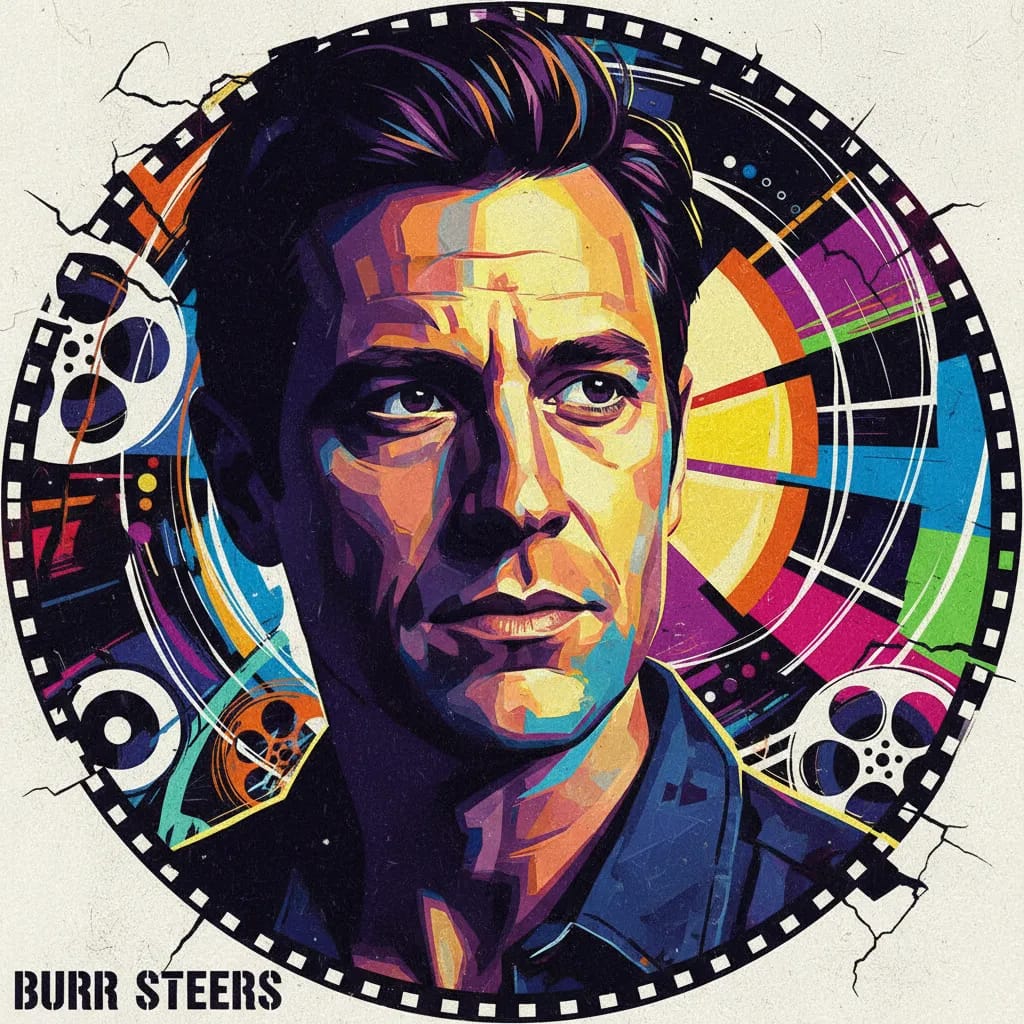
Burr Steers is a versatile American film director known for his unique blend of genres and visually captivating storytelling. With a career spanning over two decades, Steers has made a mark in the film industry with his distinct directorial style and diverse range of projects. He first gained recognition for his directorial debut, "Igby Goes Down" (2002), a darkly comedic drama that showcased his ability to create complex, multi-dimensional characters within a dysfunctional family dynamic. Steers continued to showcase his directorial prowess with "Charlie St. Cloud" (2010), a poignant drama infused with elements of fantasy and romance. The film demonstrated Steers' adeptness at handling emotionally charged narratives while incorporating elements of magical realism. His ability to seamlessly blend genres and evoke powerful, relatable emotions from his audience has become a hallmark of his directorial style. In 2016, Steers ventured into uncharted territory with "Pride and Prejudice and Zombies," a unique take on the classic Jane Austen novel infused with elements of action, comedy, and fantasy. The film showcased Steers' willingness to take creative risks and push the boundaries of traditional storytelling, cementing his reputation as a director unafraid to challenge genre conventions. Throughout his career, Burr Steers has demonstrated a recurring theme of exploring the complexities of human relationships and the human experience. His films often delve into the intricacies of familial dynamics, love, loss, and the supernatural, all while maintaining a visually captivating and emotionally resonant storytelling approach. Steers' impact on cinema lies in his ability to defy genre constraints and deliver thought-provoking narratives that resonate with audiences. His unique vision and willingness to experiment with storytelling have set him apart as a director who continues to push the boundaries of traditional filmmaking. As Steers continues to evolve and expand his directorial repertoire, audiences can expect to be captivated by his compelling storytelling and innovative approach to filmmaking.

Burt Kennedy
Burt Kennedy was an American film director and screenwriter known for his work in the Western and comedy genres. With a career spanning over four decades, Kennedy made a significant impact on cinema with his distinctive directorial style and storytelling prowess. His notable films include "Support Your Local Sheriff!" (1969), a comedic Western, and "The War Wagon" (1967), a classic drama set in the Old West. Kennedy's directorial style was characterized by a blend of humor, action, and a deep understanding of the Western genre. He had a knack for infusing his films with wry humor and memorable characters, making them stand out in the crowded landscape of Western cinema. His ability to balance comedic elements with the rugged backdrop of the Wild West set him apart as a versatile director with a keen eye for storytelling. Throughout his career, Kennedy explored recurring themes such as justice, redemption, and the complexities of human nature. His films often delved into the moral ambiguities of the Western frontier, portraying characters who grapple with their own sense of right and wrong in a lawless landscape. This thematic depth, coupled with his penchant for comedic moments, added a layer of complexity to his work that resonated with audiences and critics alike. Kennedy's impact on cinema can be seen in his ability to breathe new life into the Western genre, infusing it with humor and fresh perspectives. His films captured the essence of the American frontier while offering a refreshing take on familiar tropes. His contributions to the Western genre helped shape its evolution, influencing a new generation of filmmakers and leaving an indelible mark on the cinematic landscape. In conclusion, Burt Kennedy was a visionary director whose unique blend of humor, action, and thematic depth set him apart as a trailblazer in the Western and comedy genres. His films continue to captivate audiences and serve as a testament to his enduring legacy in cinema. Kennedy's directorial prowess and storytelling acumen solidify his status as a cinematic icon whose work transcends the boundaries of time and genre.
Buster Keaton
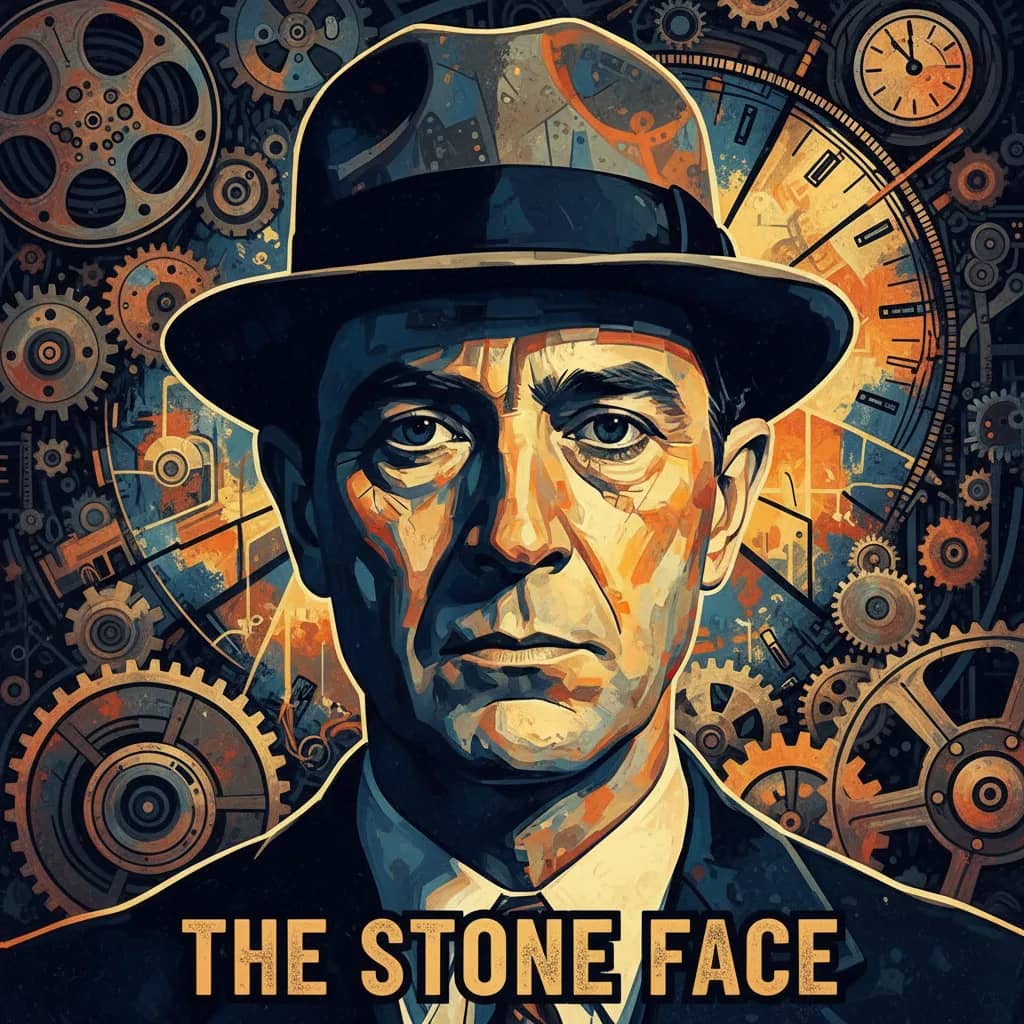
Buster Keaton, born Joseph Frank Keaton in 1895, was a pioneering figure in the early days of cinema, known for his exceptional work as an actor, director, and stunt performer. Keaton's directorial career was marked by a unique blend of physical comedy, innovative filmmaking techniques, and a deep understanding of visual storytelling. His directorial style was characterized by a meticulous attention to detail, breathtaking stunt work, and a deadpan expression that became his trademark. Keaton's filmography includes several iconic works that have left an indelible mark on cinema. "Sherlock Jr." (1924) stands out as a prime example of Keaton's directorial prowess, seamlessly blending action, comedy, and romance while showcasing his unparalleled physicality and comedic timing. Another notable film, "The Cameraman" (1928), demonstrated Keaton's ability to infuse heartfelt drama into his comedic storytelling, earning him widespread acclaim for his directorial skills. Throughout his directorial career, Keaton explored recurring themes such as the resilience of the human spirit in the face of adversity, the absurdity of modern life, and the triumph of the underdog. His films often featured breathtaking stunts and physical comedy that pushed the boundaries of what was considered possible in the silent film era, solidifying his reputation as a visionary director ahead of his time. Keaton's impact on cinema cannot be overstated. His innovative use of visual gags, elaborate set pieces, and dynamic camera work has influenced generations of filmmakers, earning him a revered place in the pantheon of film history. His ability to seamlessly blend comedy and drama while pushing the boundaries of filmmaking techniques has cemented his legacy as one of the most influential directors of the silent era. In conclusion, Buster Keaton's directorial career was defined by his unparalleled creativity, technical ingenuity, and a deep understanding of the art of visual storytelling. His iconic films continue to inspire and delight audiences, and his legacy as a pioneering director remains an enduring testament to his visionary contributions to cinema.

Byron Haskin
Byron Haskin was a visionary film director known for his impactful contributions to the science fiction and action genres. With a career spanning over four decades, Haskin left an indelible mark on cinema with his unique directorial style and innovative storytelling techniques. Born in 1899, Haskin's early career in the film industry saw him working as a cinematographer and visual effects artist, which greatly influenced his directorial approach, characterized by visually stunning and technically proficient filmmaking. Haskin's most notable work includes the iconic 1953 film "The War of the Worlds," a gripping adaptation of H.G. Wells' classic novel. This seminal sci-fi thriller showcased Haskin's adeptness at creating immersive and visually striking cinematic experiences, firmly establishing him as a master of the genre. His meticulous attention to detail and innovative use of special effects set a new standard for science fiction filmmaking, influencing generations of filmmakers to come. Throughout his career, Haskin's directorial style was marked by a penchant for dynamic action sequences, intricate visual effects, and a keen ability to evoke a sense of awe and wonder in his audiences. His films often explored themes of technological advancement, human resilience, and the unknown, captivating viewers with their thought-provoking narratives and groundbreaking visual storytelling. Haskin's impact on cinema extends far beyond his directorial prowess, as he played a pivotal role in shaping the trajectory of science fiction and action films, leaving an enduring legacy that continues to inspire filmmakers today. His innovative approach to storytelling and technical mastery cemented his status as a trailblazer in the industry, earning him a revered place in the pantheon of visionary directors. Byron Haskin's unparalleled vision and groundbreaking contributions have solidified his legacy as a true pioneer of cinematic storytelling.

Byron Howard
Byron Howard is a visionary film director known for his exceptional talent in the animation genre. With a career spanning several decades, Howard has made a profound impact on the film industry with his distinct directorial style and storytelling prowess. He has captivated audiences worldwide with his innovative approach to animation and his ability to infuse depth and relevance into his work. One of Howard's most notable directorial achievements is the critically acclaimed "Zootopia" (2016). This animated film not only showcased his exceptional ability to create visually stunning worlds but also delved into complex societal issues, garnering praise for its thought-provoking narrative and compelling characters. "Zootopia" solidified Howard's reputation as a director capable of crafting meaningful and entertaining storytelling for audiences of all ages. Another standout film in Howard's repertoire is "Bolt" (2008), which further established his penchant for blending humor, adventure, and heartwarming narratives in his directorial work. The film's success not only resonated with audiences but also demonstrated Howard's versatility and creative range as a director. In 2021, Howard once again left a lasting impression with "Encanto," a heartwarming animated feature that showcases his ability to create enchanting worlds and endearing characters. With "Encanto," Howard continued to push the boundaries of animation, delivering a visually stunning and emotionally resonant film that further solidified his status as a visionary director. Howard's directorial style is characterized by his ability to infuse depth and relevance into his storytelling, addressing complex themes with nuance and sensitivity. His films often explore themes of inclusivity, identity, and the human experience, resonating with audiences on a profound level. In essence, Byron Howard's impact on cinema is undeniable. His unique vision, exceptional storytelling abilities, and dedication to pushing the boundaries of animation have earned him a well-deserved place among the most influential directors in the industry. As he continues to create compelling and visually stunning films, Howard's legacy as a pioneering director in the world of animation is sure to endure for generations to come.