Director Names Starting with B
Showing 157-168 out of 201

Brian Gibson
Brian Gibson was a British film director known for his diverse range of work spanning various genres. With a career marked by a distinctive directorial style, Gibson's impact on cinema is undeniable. His ability to delve into the emotional depths of his subjects and bring their stories to life on the big screen is a testament to his artistry. One of Gibson's most notable films is "What's Love Got to Do with It" (1993), a biographical drama that chronicles the tumultuous life of Tina Turner. This film exemplifies Gibson's talent for capturing the raw essence of real-life stories and infusing them with emotional depth. His ability to blend the elements of biography, drama, and music resulted in a powerful and memorable portrayal of Turner's life. In the realm of horror, Gibson showcased his directorial prowess with "Poltergeist II: The Other Side" (1986). His approach to the horror genre involved creating an atmosphere of dread and suspense, while also delving into the psychological aspects of fear. This film stands as a testament to Gibson's ability to craft compelling narratives within the horror genre. Gibson's foray into crime, drama, and thriller genres is evident in "The Juror" (1996), a film that showcases his versatility as a director. His skill in building tension and suspense, combined with his adept handling of complex characters, solidifies his status as a director capable of navigating diverse genres with finesse. Throughout his career, Gibson's recurring themes centered on the human experience, often delving into the complexities of relationships, personal struggles, and the pursuit of identity. His ability to capture the emotional nuances of his characters and their journeys has left an indelible mark on cinema. In conclusion, Brian Gibson's unique vision and directorial contributions have left an enduring impact on the film industry. His ability to breathe life into diverse genres and tell compelling stories with depth and emotion has solidified his place as a revered director in the world of cinema.

Brian Gilbert
Brian Gilbert is a British film director known for his visually stunning and emotionally resonant works. He made a significant impact on cinema with his thought-provoking storytelling and visually captivating narratives. Gilbert's directorial style is marked by a keen eye for detail, a deep understanding of human emotions, and an ability to bring out the best from his cast and crew. His films often delve into the complexities of human relationships and the inner struggles of his characters. One of Gilbert's most notable films is "Wilde" (1997), a biographical drama that chronicles the life of the renowned playwright and poet Oscar Wilde. The film beautifully captures Wilde's wit, intellect, and ultimately, his downfall, offering viewers a poignant exploration of his life and legacy. Gilbert's sensitive and nuanced approach to storytelling shines through in "Wilde," making it a standout in his filmography. In "Vice Versa" (1988), Gilbert showcases his versatility as a director by venturing into the realm of comedy and fantasy. The film tells the story of a father and son who magically swap bodies, leading to a series of hilarious and heartwarming escapades. Gilbert's ability to balance humor with genuine emotional depth is evident in this film, cementing his reputation as a director capable of navigating diverse genres with finesse. Gilbert's directorial prowess is further exemplified in "Not Without My Daughter" (1991), a gripping drama-thriller that follows an American woman's harrowing journey to escape from Iran with her daughter. The film masterfully builds tension and captures the protagonist's resilience in the face of overwhelming adversity, highlighting Gilbert's skill in crafting narratives that resonate with audiences on a profound level. Throughout his career, Brian Gilbert has demonstrated a remarkable ability to infuse his films with timeless themes of love, identity, and the human experience. His unique vision and contributions to cinema have left an indelible mark, earning him a well-deserved place among the most influential directors of his generation. Gilbert's body of work continues to inspire and captivate audiences, solidifying his legacy as a director whose films are as thought-provoking as they are visually stunning.

Brian Goodman
Brian Goodman is a versatile filmmaker known for his gripping storytelling and intense character-driven narratives. With a career spanning several decades, Goodman has made a name for himself as a director who excels in the thriller, action, and crime drama genres. His notable films include "Black Butterfly" (2017), a psychological thriller that keeps audiences on the edge of their seats, "Last Seen Alive" (2022), a pulse-pounding action mystery, and "What Doesn't Kill You" (2008), a gritty crime drama that delves into the complexities of loyalty and survival. Goodman's directorial style is marked by his ability to create tension and suspense through meticulous pacing and compelling character development. His films often explore the darker aspects of human nature, diving deep into the psyche of his characters and the moral dilemmas they face. With a keen eye for detail and a knack for crafting immersive atmospheres, Goodman's work leaves a lasting impact on audiences, drawing them into the complex worlds he brings to life on screen. Throughout his career, Goodman has shown a penchant for delving into themes of deception, redemption, and the thin line between right and wrong. His characters are often flawed and morally ambiguous, adding layers of complexity to his narratives. This thematic depth, combined with his skillful direction, has cemented Goodman's reputation as a director who pushes boundaries and challenges audiences to confront uncomfortable truths. Goodman's contributions to cinema are underscored by his ability to infuse his films with raw emotion and unflinching realism. His work resonates with viewers on a visceral level, immersing them in the visceral experiences of his characters. As a director, he continues to captivate audiences with his unique vision and unwavering commitment to storytelling that leaves a lasting impression. In conclusion, Brian Goodman's directorial career is a testament to his ability to craft compelling, thought-provoking films that resonate with audiences on a profound level. With a diverse body of work that spans multiple genres, Goodman has established himself as a director who fearlessly explores the complexities of the human experience. His impact on cinema is undeniable, and his films stand as a testament to his unique vision and unwavering dedication to the art of storytelling.

Brian Helgeland
Brian Helgeland is a highly versatile film director known for his unique blend of genres and ability to breathe new life into classic storytelling. With a career spanning over two decades, Helgeland has left an indelible mark on cinema through his diverse filmography and directorial style. His notable films showcase his adeptness at seamlessly blending action, adventure, romance, crime, and drama, demonstrating his multifaceted talent behind the camera. One of Helgeland's most celebrated works is "A Knight's Tale" (2001), a refreshing take on the medieval adventure genre that seamlessly weaves together elements of action, adventure, and romance. Helgeland's directorial finesse in capturing the exhilarating jousting tournaments and infusing the film with an anachronistic rock soundtrack solidifies his ability to reimagine classic narratives for contemporary audiences. "Legend" (2015), another standout film in his repertoire, delves into the biographical crime drama genre, showcasing Helgeland's versatility in navigating complex real-life narratives with an intense and compelling directorial approach. His directorial style in "Legend" underscores his ability to bring gritty, character-driven stories to the forefront, leaving a lasting impact on viewers. Helgeland's directorial themes often revolve around the exploration of complex characters, the allure of rebellion, and the intricacies of human relationships amidst tumultuous circumstances. His recurring themes highlight his penchant for delving into the human psyche and crafting narratives that resonate on an emotional level. His impact on cinema is evident through his ability to infuse traditional genres with a contemporary sensibility, captivating audiences with his innovative storytelling techniques. In conclusion, Brian Helgeland's directorial legacy is defined by his ability to transcend genre boundaries and deliver compelling narratives that resonate with audiences across diverse cinematic landscapes. His unique vision and directorial prowess have solidified his status as a revered filmmaker, leaving an indelible mark on the film industry. With a penchant for reinventing classic genres and an unwavering commitment to storytelling, Helgeland continues to shape the cinematic landscape with his distinct directorial style and unparalleled contributions to the art of filmmaking.

Brian Henson
Brian Henson, son of the legendary puppeteer Jim Henson, has left an indelible mark on the film industry as a director, producer, and puppeteer. With a career spanning over three decades, Henson's directorial style is characterized by his innovative use of puppetry and his ability to seamlessly blend live action with puppet performances. His keen sense of humor and creative storytelling have made him a beloved figure in the world of family-friendly entertainment. Henson's directorial debut came in 1992 with "The Muppet Christmas Carol," a heartwarming adaptation of the classic Charles Dickens tale. This film showcased Henson's unique ability to infuse warmth and charm into his storytelling, while also pushing the boundaries of puppetry in cinema. He continued to showcase his directorial prowess with the swashbuckling adventure "Muppet Treasure Island" in 1996, further solidifying his reputation as a director capable of creating entertaining and visually captivating family films. In 2018, Henson took a bold step into R-rated territory with "The Happytime Murders," a raucous action-comedy that combined puppets with live-action in a way that had never been seen before. While the film polarized critics, it demonstrated Henson's willingness to push the boundaries of puppetry and explore new genres, showcasing his versatility as a director. Henson's films often revolve around themes of friendship, adventure, and the importance of embracing one's individuality. His work has had a lasting impact on cinema, influencing a generation of filmmakers and inspiring audiences with his imaginative storytelling and groundbreaking use of puppetry. Henson's unique vision and contributions to film have solidified his status as a trailblazer in the world of family-friendly entertainment, and his influence continues to be felt in the industry today.

Brian Klugman
Brian Klugman is an American film director and actor known for his work in the 2012 drama-mystery-romance film "The Words". With a career that spans both in front of and behind the camera, Klugman has showcased a keen eye for storytelling and a deep understanding of human emotions. His directorial style is characterized by intimate, character-driven narratives that delve into complex themes and relationships. "The Words" stands as a notable addition to Klugman's filmography, showcasing his ability to craft a compelling and emotionally resonant story. The film weaves together multiple narratives, blurring the lines between reality and fiction, and delving into the consequences of one's choices. Klugman's direction brings a sense of depth and poignancy to the film, capturing the intricacies of the characters' dilemmas and moral struggles. Throughout his career, Klugman has demonstrated a penchant for exploring themes of identity, ambition, and the human condition. His films often delve into the complexities of human relationships and the consequences of pivotal decisions, resonating with audiences on a deeply emotional level. Klugman's directorial approach is marked by a nuanced understanding of the human psyche, reflected in the authenticity of his characters and the emotional depth of his storytelling. Klugman's impact on cinema lies in his ability to create thought-provoking narratives that resonate with audiences on a universal level. His directorial work has contributed to the evolution of storytelling in film, emphasizing the importance of emotional authenticity and the exploration of profound human experiences. As he continues to carve his path as a director, Klugman's unique vision and commitment to compelling storytelling are sure to leave a lasting impression on the cinematic landscape.
Brian Koppelman
Brian Koppelman is an American film director, screenwriter, and producer known for his distinctive style and thought-provoking storytelling. Koppelman made his directorial debut with "Knockaround Guys" in 2001, a crime drama thriller that showcased his knack for creating tension-filled narratives and complex character dynamics. His directorial prowess was further solidified with "Solitary Man" in 2009, a comedy-drama that delves into the complexities of human relationships and personal redemption. Koppelman's directorial style is characterized by its emphasis on nuanced character development and introspective storytelling. He has a keen eye for capturing the emotional depth of his characters and delving into the moral dilemmas they face. Koppelman's films often explore themes of morality, redemption, and the consequences of one's choices, offering audiences a thought-provoking and introspective viewing experience. With a filmography that includes "Solitary Man" and "Knockaround Guys," Koppelman has established himself as a director with a penchant for crafting compelling narratives that resonate with audiences on a profound level. His films often challenge conventional storytelling tropes and offer a fresh perspective on familiar themes, earning him a reputation as a director unafraid to tackle complex, morally ambiguous subject matter. Koppelman's impact on cinema lies in his ability to infuse his films with a sense of authenticity and emotional depth, drawing audiences into the intricate worlds he creates on screen. His unique vision and commitment to exploring the human condition through his work have solidified his place as a notable figure in the film industry, and his contributions continue to inspire aspiring filmmakers and captivate audiences worldwide.
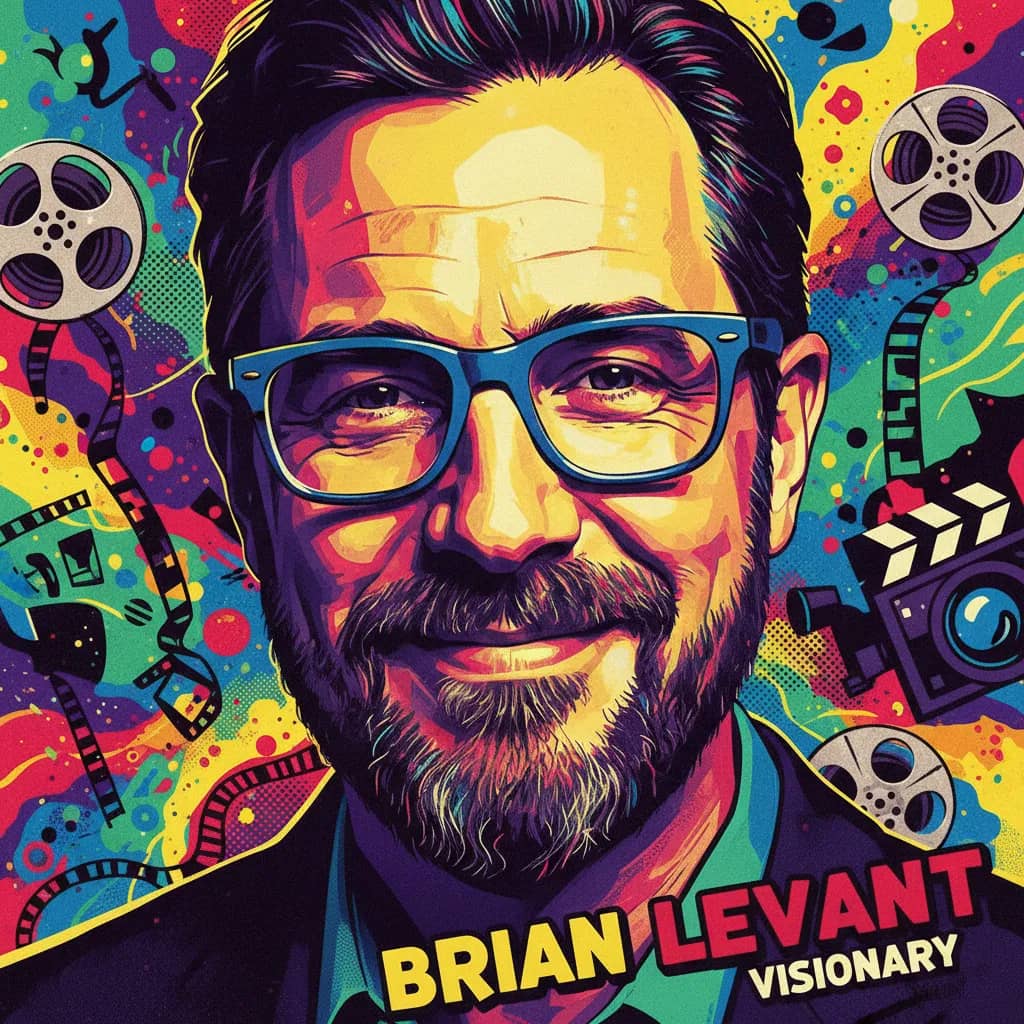
Brian Levant
Brian Levant is a prolific director known for his work in family-friendly comedies and adventures. With a career spanning several decades, Levant has made a mark on cinema with his unique directorial style and ability to create entertaining and heartwarming films that appeal to audiences of all ages. His filmography includes a diverse range of movies, such as "Beethoven" (1992), "Problem Child 2" (1991), "Jingle All the Way" (1996), "Are We There Yet?" (2005), "The Flintstones" (1994), "Snow Dogs" (2002), and "The Spy Next Door" (2010). Levant's directorial style is characterized by his talent for blending comedy, adventure, and family themes to create engaging and memorable films. His movies often feature endearing characters, humorous situations, and heartwarming storylines that resonate with audiences. Levant's ability to infuse his films with lighthearted humor and relatable family dynamics has made him a respected figure in the realm of family entertainment. Notable for his knack for bringing beloved characters and stories to life, Levant's adaptations of iconic properties such as "The Flintstones" have left a lasting impact on popular culture. His imaginative and visually captivating approach to filmmaking has endeared him to audiences and solidified his status as a director with a keen understanding of what resonates with viewers. Levant's recurring themes of friendship, perseverance, and the importance of family have made his films enduring favorites for generations. Brian Levant's contributions to cinema have helped shape the landscape of family-friendly entertainment, and his films continue to be cherished by audiences worldwide. His ability to craft entertaining, heartwarming stories with universal appeal has cemented his legacy as a director with an enduring impact on the industry. With a diverse body of work that spans various genres, Brian Levant remains a beloved and influential figure in the world of film.

Brian O'Malley
Brian O'Malley is an Irish film director known for his work in the horror genre. His standout film, "Let Us Prey" (2014), showcases his distinctive directorial style, characterized by a keen eye for atmospheric visuals and a knack for building tension. O'Malley's directorial debut marked a significant addition to the horror genre, earning him acclaim for his ability to craft a chilling and immersive experience for audiences. O'Malley's directorial style is marked by a meticulous attention to detail and a flair for creating an ominous atmosphere that keeps viewers on the edge of their seats. His films often delve into the darker aspects of human nature, exploring themes of morality, redemption, and the supernatural. O'Malley's ability to blend these elements together results in a unique and compelling storytelling approach that resonates with horror enthusiasts and cinephiles alike. "Let Us Prey" stands as a testament to O'Malley's impact on cinema, as it garnered praise for its innovative take on the horror genre. With this film, O'Malley solidified his reputation as a director capable of delivering spine-tingling narratives that captivate audiences. His contribution to the genre has helped push the boundaries of horror filmmaking, demonstrating his ability to infuse fresh perspectives into a genre often characterized by tropes and clichés. O'Malley's work reflects a dedication to crafting visually stunning and emotionally evocative films that leave a lasting impression on viewers. His directorial talents have positioned him as a rising star in the horror genre, and his future projects are highly anticipated by fans and critics alike. As O'Malley continues to make his mark on cinema, his unique vision and innovative storytelling are sure to leave an indelible imprint on the film industry for years to come.

Brian Percival
Brian Percival is a renowned film and television director known for his visually stunning and emotionally resonant storytelling. With a career spanning over three decades, Percival has made a significant impact on the film industry, particularly with his adaptation of the best-selling novel "The Book Thief" in 2013. Percival's directorial style is characterized by his ability to bring out the emotional depth of a story while creating visually striking cinematic experiences. His keen eye for detail and mastery of storytelling techniques have earned him critical acclaim and a dedicated fan base. "The Book Thief" stands as one of Percival's most notable films, showcasing his talent for capturing the human experience amidst the backdrop of war. The film's poignant narrative and powerful performances underscore Percival's ability to delve into complex and profound themes, resonating with audiences on a deep and personal level. Through his meticulous attention to historical accuracy and nuanced character development, Percival's directorial prowess shines in this compelling drama. Percival's recurring themes often revolve around the resilience of the human spirit, the impact of historical events on individuals, and the power of storytelling as a means of survival and connection. His films are marked by their ability to evoke empathy and provoke introspection, making them timeless contributions to the cinematic landscape. Percival's dedication to authenticity and emotional authenticity has solidified his reputation as a director capable of crafting immersive and thought-provoking narratives. In the realm of cinema, Brian Percival's work has left an indelible mark, earning him a place among the most respected directors in the industry. His commitment to storytelling that transcends the screen, coupled with his ability to bring historical and literary narratives to life, has cemented his legacy as a visionary director. Percival's unique vision and profound impact on audiences make him a director to be celebrated for his enduring contributions to the art of filmmaking.
Brian Robbins
Brian Robbins is an accomplished film director who has made a significant impact on the entertainment industry. With a diverse filmography spanning various genres, Robbins has demonstrated a versatile directorial style that resonates with audiences. Known for his ability to blend comedy with drama and fantasy, Robbins has successfully brought to life an array of compelling stories that have captivated viewers worldwide. One of Robbins' most notable films is "Good Burger" (1997), a beloved comedy that has become a cult classic. The film's enduring popularity is a testament to Robbins' talent for creating memorable and entertaining movies that stand the test of time. Additionally, "Varsity Blues" (1999) showcased Robbins' ability to infuse drama, romance, and comedy into a gripping sports narrative, earning acclaim for its engaging storytelling and dynamic characters. Throughout his career, Robbins has explored recurring themes such as the power of friendship, the pursuit of dreams, and the triumph of the human spirit. His films often feature relatable characters facing both humorous and poignant challenges, resonating with audiences on a deep and emotional level. Robbins' directorial vision has left an indelible mark on cinema, inspiring countless filmmakers and contributing to the rich tapestry of storytelling within the industry. In "A Thousand Words" (2012), Robbins delved into the realm of fantasy and introspection, showcasing his ability to navigate complex themes with a touch of whimsy. His directorial finesse was also evident in "Meet Dave" (2008), a captivating adventure comedy that displayed Robbins' knack for blending heartwarming moments with comedic flair. "Hardball" (2001) and "The Perfect Score" (2004) further exemplify Robbins' talent for crafting compelling narratives across various genres, solidifying his status as a versatile and impactful director. Brian Robbins' contributions to film have been both influential and enduring, leaving an indelible mark on the cinematic landscape. His unique directorial style, ability to resonate with audiences, and commitment to storytelling excellence have cemented his place as a revered filmmaker. With a remarkable body of work that continues to captivate viewers, Robbins' legacy in cinema remains a testament to his creative vision and lasting impact on the art of storytelling through film.

Brian Taylor
Brian Taylor is an American filmmaker known for his distinctive and unapologetically edgy directorial style, which has garnered attention and acclaim within the film industry. Taylor made his mark with his directorial debut, "Crank" (2006), a high-octane action thriller that showcased his penchant for kinetic storytelling and visually arresting sequences. The film's success led to a sequel, "Crank: High Voltage" (2009), further solidifying Taylor's reputation as a director unafraid to push boundaries and defy traditional genre conventions. One of Taylor's notable works is "Gamer" (2009), a dystopian action sci-fi film that delves into the implications of technology and its impact on society. With its intense action sequences and thought-provoking themes, the film exemplifies Taylor's ability to infuse genre fare with social commentary and a distinct visual flair. In "Mom and Dad" (2017), Taylor showcased his versatility by blending comedy and horror to deliver a satirical and darkly comedic take on parental instincts gone awry, further establishing his reputation as a director with a penchant for subversive storytelling. Taylor's directorial style is characterized by an unapologetic embrace of bold, visceral storytelling, amplified by his innovative use of visuals and sound. His films often explore themes of societal decay, the human condition, and the consequences of unchecked technological advancement. Taylor's impact on cinema lies in his ability to challenge and redefine genre boundaries, infusing his work with a raw, unfiltered energy that captivates audiences and leaves a lasting impression. In conclusion, Brian Taylor's directorial career is defined by a fearless commitment to pushing the boundaries of genre filmmaking, resulting in a body of work that is as thought-provoking as it is visually exhilarating. With a distinct directorial style and a penchant for subversive storytelling, Taylor continues to make a significant impact on the cinematic landscape, solidifying his status as a visionary director with a unique and uncompromising vision.