Director Names Starting with A
Showing 37-48 out of 342
Adam Nee
Adam Nee is a visionary director known for his unique blend of action, adventure, and comedy. With a distinct directorial style that combines heart-pounding action sequences with sharp comedic timing, Nee has left an indelible mark on the world of cinema. His most notable film, "The Lost City" (2022), exemplifies his ability to seamlessly weave together thrilling adventure and laugh-out-loud humor, making him a standout talent in the industry. Nee's directorial approach is characterized by his keen attention to detail and his ability to infuse his films with a sense of wonder and excitement. His films often feature dynamic cinematography, kinetic action sequences, and a strong emphasis on character-driven storytelling, all of which contribute to his distinct cinematic voice. Nee's work is marked by a playful yet thoughtful exploration of the human experience, often delving into themes of self-discovery, resilience, and the enduring power of friendship. "The Lost City" stands as a testament to Nee's ability to create immersive and wildly entertaining cinematic experiences. The film's seamless blend of high-stakes adventure and clever humor has resonated with audiences, firmly establishing Nee as a director with a finger on the pulse of contemporary storytelling. His impact on cinema is undeniable, as he continues to push boundaries and challenge conventions, earning him a well-deserved reputation as a maverick in the industry. In summary, Adam Nee is a director whose visionary approach to filmmaking has made a lasting impression on audiences and critics alike. With his ability to seamlessly marry action, adventure, and comedy, Nee has carved out a unique niche in the cinematic landscape. As he continues to captivate audiences with his distinctive brand of storytelling, Nee remains a director to watch, with a promising career ahead.

Adam Randall
Adam Randall is a British film director known for his distinct and unique approach to storytelling, often blending genres to create thought-provoking and visually stunning films. With a career that spans over a decade, Randall has made a significant impact on the world of cinema with his bold and innovative directorial style. One of Randall's most notable films is "I See You" (2019), a gripping crime drama that keeps audiences on the edge of their seats with its intricate mystery and unexpected twists. The film showcases Randall's ability to masterfully build suspense and create a sense of unease, establishing him as a director with a keen eye for tension and atmosphere. "iBoy" (2017), another of Randall's compelling works, delves into the realm of action, crime, and sci-fi, demonstrating his versatility as a director in seamlessly navigating diverse genres while maintaining a strong narrative and compelling visual style. Randall's recurring themes often revolve around the complexities of human nature, the blurred lines between good and evil, and the consequences of our actions. His films often feature morally ambiguous characters and explore the darker aspects of society, all while maintaining a sense of empathy and understanding for the human condition. This thematic depth adds layers of complexity to his work, elevating it beyond traditional genre fare. Randall's impact on cinema lies in his ability to push boundaries and defy genre conventions, creating films that resonate with audiences on a deeper level. His unique vision and uncompromising approach to storytelling have solidified his status as a director to watch, with each new project generating anticipation and excitement within the industry and among cinephiles. In conclusion, Adam Randall's directorial career is marked by a commitment to storytelling that challenges, engages, and captivates audiences. With a diverse filmography that spans across genres, his work continues to leave a lasting impression on the world of cinema, cementing his status as a visionary director with a distinctive voice.
Adam Rifkin
Adam Rifkin is an American director known for his distinctive blend of genres and storytelling prowess. Rifkin's directorial style is characterized by his ability to seamlessly weave together different elements, resulting in a diverse range of films that captivate audiences. His notable works include "The Chase" (1994), a gripping crime thriller that showcases his adeptness at creating tension and suspense, and "Detroit Rock City" (1999), an energetic coming-of-age comedy set in the world of rock music. Rifkin's films often explore themes of rebellion, youthful exuberance, and the pursuit of freedom. His unique vision is evident in the way he infuses his narratives with a sense of adventure and a rebellious spirit, creating a cinematic experience that resonates with audiences. Rifkin's impact on cinema lies in his ability to push boundaries and defy conventions, consistently delivering films that challenge the status quo and offer a fresh perspective on storytelling. With a career spanning several decades, Rifkin has established himself as a versatile director with a knack for delivering compelling narratives across different genres. His ability to seamlessly navigate between crime thrillers and lighthearted comedies showcases his versatility and adaptability as a filmmaker. Rifkin's films are a testament to his commitment to pushing the boundaries of storytelling and engaging audiences with thought-provoking narratives. In conclusion, Adam Rifkin's contributions to cinema are characterized by his unique directorial style, diverse filmography, and ability to capture the essence of rebellion and youthful spirit on screen. His impact on the industry is evident in the way his films continue to resonate with audiences, showcasing his enduring influence as a director. Rifkin's ability to merge different genres and craft compelling narratives has solidified his position as a visionary filmmaker with an indelible mark on the world of cinema.

Adam Robitel
Adam Robitel is an American film director known for his distinctive contributions to the horror and thriller genres. He first gained attention with his directorial debut, "The Taking of Deborah Logan" (2014), a chilling horror film that showcased Robitel's ability to create tension and suspense through atmospheric storytelling. The film's success established him as a promising director with a penchant for crafting gripping narratives within the horror genre. Robitel's directorial style often incorporates elements of mystery and psychological tension, drawing audiences into the intricate and unsettling worlds he creates. His directorial work on "Insidious: The Last Key" (2018) further solidified his reputation as a skilled storyteller within the horror genre. The film's success at the box office and positive reception from both critics and audiences underscored Robitel's ability to deliver compelling and spine-tingling cinematic experiences. In 2019, Robitel ventured into the realm of action and adventure with "Escape Room", a high-octane thriller that combined elements of horror and adrenaline-pumping suspense. The film's success led to a sequel, "Escape Room: Tournament of Champions" (2021), which further showcased Robitel's ability to captivate audiences with his unique blend of genres and storytelling techniques. Throughout his career, Robitel has demonstrated a knack for infusing his films with thought-provoking themes and captivating narratives, earning him a dedicated following among genre enthusiasts. His ability to create immersive and pulse-pounding cinematic experiences has left a lasting impact on the horror and thriller genres, solidifying his status as a director to watch in the industry. Adam Robitel's directorial prowess and distinct vision have undoubtedly left an indelible mark on cinema, and his ability to craft engaging narratives within the horror and thriller genres continues to captivate audiences worldwide. With a growing repertoire of successful films, Robitel's contributions to the world of cinema are poised to resonate with audiences for years to come.

Adam Salky
Adam Salky is a talented American film director known for his compelling storytelling and visually arresting direction. With a keen eye for human emotions and intimate relationships, Salky has made a significant impact on the film industry. His most notable work includes the 2021 thriller "Intrusion," a gripping blend of action, drama, and mystery that showcases his ability to create tension and suspense on screen. Salky's directorial style is characterized by its nuanced exploration of complex characters and their inner struggles. He has a remarkable talent for delving into the psychological depths of his protagonists, crafting narratives that are both emotionally resonant and thought-provoking. This approach has earned him a dedicated following and critical acclaim for his ability to bring raw, authentic performances out of his actors. "Intrusion" stands as a testament to Salky's directorial prowess, as he deftly navigates the intricate web of mystery and suspense, keeping audiences on the edge of their seats throughout the film. His skillful use of cinematography and pacing creates a palpable sense of unease, drawing viewers deeper into the story with each passing moment. Salky's work often explores themes of identity, trauma, and the complexities of human relationships, offering a fresh perspective on familiar subjects. His ability to infuse his films with emotional depth and authenticity sets him apart as a director with a distinctive voice in contemporary cinema. With "Intrusion" and his previous works, Adam Salky has solidified his reputation as a director with a unique vision and a knack for crafting compelling, thought-provoking narratives. His impact on cinema is undeniable, and audiences can eagerly anticipate what captivating stories and powerful visuals he will bring to the screen in the future.
Adam Shankman
Adam Shankman is a prolific film director known for his versatile directorial style and ability to seamlessly blend various genres to create engaging and memorable films. With a diverse filmography spanning across different genres, Shankman has left an indelible mark on the entertainment industry. His notable works include "The Wedding Planner" (2001), "A Walk to Remember" (2002), "Bringing Down the House" (2003), "Cheaper by the Dozen 2" (2005), "The Pacifier" (2005), "Hairspray" (2007), "Bedtime Stories" (2008), "Rock of Ages" (2012), "What Men Want" (2019), and the highly anticipated "Disenchanted" (2022). Shankman's directorial style is characterized by his ability to infuse humor, heart, and spectacle into his films, making them accessible to a wide audience. He has a keen eye for storytelling and a knack for capturing authentic human emotions, often incorporating themes of love, family, and self-discovery into his narratives. Shankman's work often features vibrant visuals, dynamic choreography, and energetic musical sequences, showcasing his passion for creating visually stunning and emotionally resonant cinematic experiences. One of Shankman's most notable contributions to cinema is his directorial work on the critically acclaimed musical "Hairspray." The film received widespread acclaim for its infectious energy, vibrant musical numbers, and poignant social commentary. Shankman's adept handling of the material solidified his reputation as a director capable of breathing new life into beloved stories while staying true to their essence. Throughout his career, Shankman has demonstrated a commitment to pushing creative boundaries and challenging traditional storytelling conventions. His ability to seamlessly transition between genres and capture the essence of each story with authenticity and flair has earned him a dedicated following and solidified his status as a versatile and influential director in the entertainment industry. As "Disenchanted" continues to generate buzz and anticipation, Shankman's impact on cinema is set to endure, leaving an indelible legacy in the world of filmmaking.
Adam Wingard
Adam Wingard is a visionary director known for his unique blend of genre-bending filmmaking and a distinct visual style. With a filmography that includes standout works such as "The Guest" (2014), "Godzilla vs. Kong" (2021), "Blair Witch" (2016), and "You're Next" (2011), Wingard has established himself as a versatile and innovative force in the industry. Wingard's directorial style is marked by a seamless fusion of action, mystery, horror, and thriller elements, creating gripping narratives that captivate audiences. His films often feature intense and suspenseful storytelling, underscored by striking cinematography and dynamic editing. Wingard's ability to seamlessly navigate between different genres while infusing his distinct visual flair sets him apart as a director with a keen understanding of storytelling dynamics. Notable for his skill in reinvigorating established franchises, Wingard's "Godzilla vs. Kong" (2021) exemplifies his ability to inject new life into beloved properties, delivering exhilarating action sequences and awe-inspiring visual effects. Similarly, "Blair Witch" (2016) showcased his knack for revitalizing iconic horror franchises, demonstrating his adeptness at creating tension and fear within the genre. Recurring themes in Wingard's work include the exploration of identity, the psychology of fear, and the blurred lines between reality and illusion. His films often delve into the complexities of human nature, incorporating elements of mystery and psychological depth, creating an immersive experience for viewers. Adam Wingard's impact on cinema is characterized by his ability to push boundaries and challenge traditional storytelling conventions. His innovative approach to genre filmmaking has cemented his status as a director to watch, with a growing influence on the future of cinematic storytelling. As Wingard continues to captivate audiences with his distinct vision, his contributions to the industry are sure to leave a lasting mark on the world of film.

Adil El Arbi
Adil El Arbi is a Belgian-Moroccan filmmaker known for his dynamic and high-octane directorial style. His breakout film "Bad Boys for Life" (2020) catapulted him into the international spotlight and solidified his reputation as a director with a flair for action, comedy, and crime genres. El Arbi's collaboration with co-director Bilall Fallah on this blockbuster hit showcased their ability to infuse adrenaline-pumping sequences with witty humor and compelling storytelling. "Bad Boys for Life" exemplifies El Arbi's penchant for crafting visually stunning and exhilarating action set pieces while also delving into the complex dynamics of friendship and loyalty. His directorial approach balances heart-pounding thrills with nuanced character development, earning praise from audiences and critics alike. Through this film, El Arbi demonstrated his ability to revitalize a beloved franchise while injecting it with his own creative energy. El Arbi's directorial style is characterized by a kinetic and immersive visual language, which captivates viewers and keeps them on the edge of their seats. His use of dynamic camera work, stylish editing, and impactful sound design contributes to the electrifying atmosphere of his films. With "Bad Boys for Life," El Arbi proved his ability to handle large-scale productions while maintaining a focus on authentic storytelling and emotional resonance. In addition to his technical prowess, El Arbi's films often explore themes of identity, brotherhood, and the complexities of human relationships. His storytelling is rooted in a deep understanding of the human experience, allowing him to connect with audiences on a profound level. As a director, El Arbi continues to push boundaries and defy expectations, leaving an indelible mark on the cinematic landscape. Adil El Arbi's impact on cinema extends beyond his directorial achievements, as he represents a new generation of filmmakers bringing fresh perspectives to the industry. His success with "Bad Boys for Life" not only showcased his ability to helm a major Hollywood production but also opened doors for diverse voices in filmmaking. El Arbi's rise to prominence serves as an inspiration for aspiring directors from underrepresented backgrounds, signaling a positive shift toward greater inclusivity and innovation in the world of cinema.
Aditya Chopra
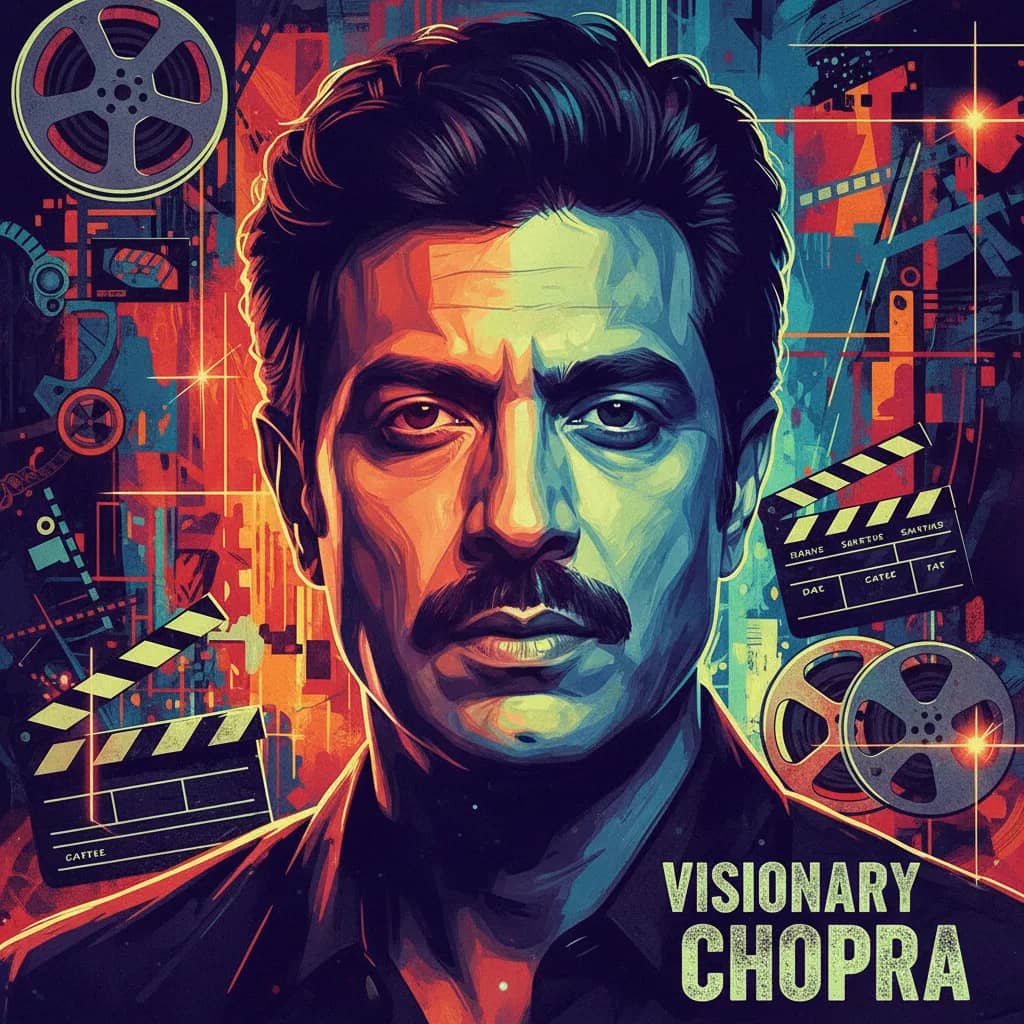
Aditya Chopra is a highly acclaimed Indian film director, producer, and screenwriter known for his exceptional contributions to Bollywood cinema. He is renowned for his distinctive directorial style, which beautifully captures the essence of love, romance, and emotions through compelling storytelling and visually stunning cinematography. Chopra made his directorial debut with the iconic film "Dilwale Dulhania Le Jayenge" (1995), which went on to become one of the most beloved and successful films in Indian cinema history. The film's enduring legacy lies in its portrayal of timeless romance and family values, establishing Chopra as a visionary director with a keen understanding of human emotions. In 2000, Chopra directed "Mohabbatein," a compelling drama that delves into the themes of love, rebellion, and the clash between traditional and modern values. The film showcased his ability to create poignant narratives with a perfect blend of drama and music, captivating audiences and earning critical acclaim. Another milestone in Chopra's directorial career came with "Rab Ne Bana Di Jodi" (2008), a heartwarming tale that explores the transformative power of love and self-discovery. The film reflected his ability to infuse humor and emotional depth into his storytelling, further solidifying his reputation as a masterful director. Chopra's films often revolve around the central theme of love, portraying it in all its complexities and nuances. His unique vision and ability to craft emotionally resonant narratives have made a profound impact on Indian cinema, inspiring a new generation of filmmakers and captivating audiences worldwide. Aditya Chopra's directorial prowess continues to shape the landscape of Bollywood cinema, leaving an indelible mark on the industry.
Aditya Datt
Aditya Datt is an Indian film director known for his work in the adventure, drama, and thriller genres. With a keen eye for storytelling and a knack for creating gripping narratives, Datt has made a significant impact on Indian cinema. His notable film, "Table No. 21" (2013), stands as a testament to his directorial prowess, showcasing his ability to craft intense and thought-provoking stories that captivate audiences. Datt's directorial style is characterized by a seamless blend of tense and suspenseful storytelling, combined with compelling character development. His films often delve into the complexities of human nature, pushing the boundaries of traditional storytelling to deliver unique and engaging experiences for viewers. "Table No. 21" exemplifies Datt's ability to masterfully build tension and suspense, keeping audiences on the edge of their seats from start to finish. In "Table No. 21," Datt explores themes of morality, ethics, and the consequences of one's actions, creating a thought-provoking and emotionally resonant cinematic experience. His meticulous attention to detail and ability to infuse his films with gripping intensity have solidified his reputation as a director with a distinct and compelling vision. Aditya Datt's impact on Indian cinema is undeniable, as he continues to push the boundaries of storytelling and captivate audiences with his unique directorial style. His ability to craft powerful narratives and create immersive cinematic experiences has established him as a director to watch in the industry. Overall, Aditya Datt's directorial career is marked by a commitment to delivering compelling stories that resonate with audiences, solidifying his status as a formidable force in Indian cinema. With his distinct directorial style and a track record of creating impactful films, Datt's contributions to the industry are sure to leave a lasting impression on audiences and fellow filmmakers alike.
Aditya Dhar
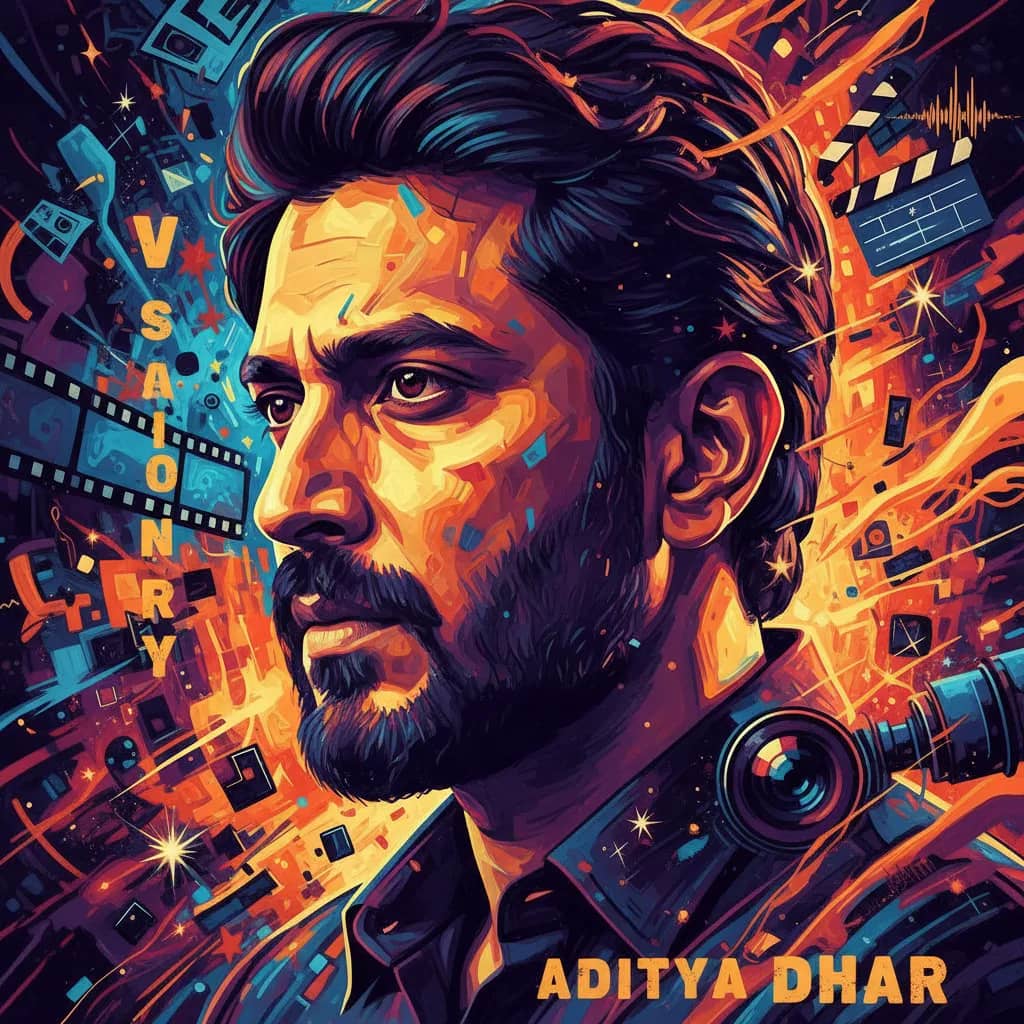
Aditya Dhar burst onto the Indian film scene with his directorial debut, "Uri: The Surgical Strike" (2018), a gripping action-packed drama set against the backdrop of the 2016 Uri attack in Jammu and Kashmir. Dhar's directorial style is characterized by his ability to infuse intense, adrenaline-pumping action sequences with emotionally resonant storytelling, creating a powerful cinematic experience for audiences. His meticulous attention to detail and penchant for realism have established him as a director who brings a sense of authenticity to his work. "Uri: The Surgical Strike" not only garnered critical acclaim but also became a massive commercial success, setting new benchmarks for Indian war films. Dhar's ability to seamlessly blend high-octane action with compelling human drama has solidified his reputation as a director who can deliver both adrenaline-fueled entertainment and thought-provoking narratives. The film's success also positioned Dhar as a prominent figure in the Indian film industry, with his unique directorial approach and storytelling prowess earning him widespread recognition. In "Uri: The Surgical Strike," Dhar skillfully explores themes of patriotism, sacrifice, and resilience, showcasing his ability to delve into the complexities of human emotions within the context of a war narrative. His directorial vision extends beyond mere spectacle, as he brings a depth of character development and emotional depth to his storytelling. Dhar's impact on Indian cinema has been profound, as he has redefined the war genre by infusing it with a contemporary sensibility and a heightened emphasis on realism. As Aditya Dhar continues to make his mark on the film industry, audiences eagerly anticipate his future projects, eager to experience his distinctive blend of pulsating action, emotional depth, and compelling storytelling. With "Uri: The Surgical Strike," Dhar has firmly established himself as a director who has reinvigorated the war film genre, leaving an indelible imprint on Indian cinema with his unique directorial vision and storytelling prowess.
Adrian Edmondson
Adrian Edmondson's career as a film director has been defined by his unique blend of comedy and thriller elements, resulting in films that are both entertaining and thought-provoking. His most notable work as a director includes "Guest House Paradiso" (1999), a film that exemplifies his ability to seamlessly intertwine humor and suspense. Edmondson's directorial style is characterized by his sharp wit, clever storytelling, and a keen eye for visual comedy, all of which have contributed to his distinct voice in the world of cinema. "Guest House Paradiso" stands as a testament to Edmondson's directorial prowess, showcasing his ability to create a film that keeps audiences on the edge of their seats while eliciting genuine laughter. In this film, Edmondson expertly weaves together elements of farce and suspense, delivering a unique viewing experience that is emblematic of his directorial style. His ability to balance comedic timing with tension-filled moments has established him as a director with a penchant for crafting genre-defying films that leave a lasting impact. Throughout his career, Edmondson has exhibited a knack for exploring recurring themes such as the absurdity of human behavior, the unpredictability of life, and the interplay between comedy and suspense. His films often delve into the complexities of human nature while infusing them with his signature brand of humor, resulting in works that are both entertaining and thought-provoking. Edmondson's impact on cinema lies in his ability to push the boundaries of genre conventions, creating films that defy categorization and offer audiences a fresh perspective on storytelling. As a director, Adrian Edmondson has carved out a niche for himself with his distinct directorial style, seamlessly blending comedy and thriller elements to create films that resonate with audiences. His body of work, particularly "Guest House Paradiso," serves as a testament to his ability to craft captivating narratives that transcend traditional genre boundaries. With his sharp wit, keen storytelling instincts, and a penchant for blending humor and suspense, Edmondson continues to make a lasting impression on the world of cinema, solidifying his status as a director with a truly unique vision.