Director Names Starting with A
Showing 25-36 out of 342
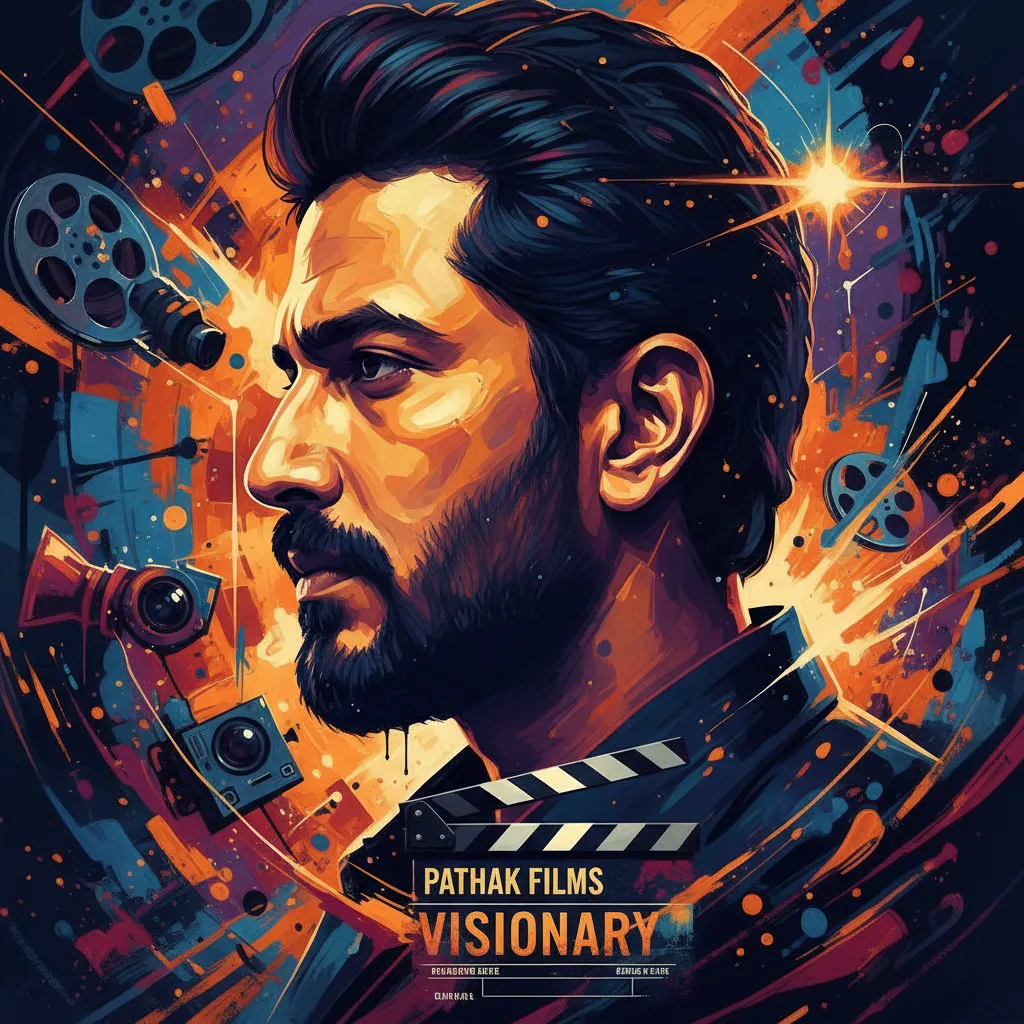
Abhishek Pathak
Abhishek Pathak is a talented Indian film director known for his work in the crime, drama, and thriller genres. His most notable directorial venture to date is "Drishyam 2," released in 2022. Pathak's directorial style is characterized by his ability to create tension and suspense while delving into the complexities of human nature. He has a keen eye for detail and is skilled at crafting intricate narratives that keep audiences on the edge of their seats. "Drishyam 2" stands as a testament to Pathak's directorial prowess, receiving critical acclaim for its gripping storytelling and compelling character development. The film showcases his ability to seamlessly blend elements of mystery and drama, captivating audiences with its nuanced portrayal of moral dilemmas and the consequences of past actions. Pathak's directorial finesse shines through in his meticulous attention to character motivations and the gradual unravelling of the plot, establishing him as a master of suspenseful storytelling. Throughout his career, Pathak has demonstrated a penchant for exploring themes of morality, justice, and the human psyche, often challenging societal norms and ethical boundaries within his narratives. His films resonate with audiences by tapping into universal emotions and moral quandaries, inviting viewers to introspect and contemplate the complexities of right and wrong. Abhishek Pathak's impact on Indian cinema is undeniable, as he continues to push the boundaries of storytelling through his directorial vision. His ability to craft gripping narratives and delve into the intricacies of human behavior has earned him a dedicated following and solidified his position as a formidable force in the industry. As Pathak's career continues to unfold, audiences eagerly anticipate the next chapter in his directorial journey, eager to be captivated once again by his unique storytelling prowess. In conclusion, Abhishek Pathak's directorial career is marked by a commitment to crafting compelling narratives that delve into the depths of human nature. His directorial style, characterized by suspenseful storytelling and nuanced character development, has left an indelible mark on Indian cinema. With "Drishyam 2" serving as a testament to his directorial finesse, Pathak's contributions to the film industry are poised to continue captivating audiences and cementing his legacy as a visionary director.
Abhishek Sharma
Abhishek Sharma is a talented Indian film director known for his unique storytelling and compelling cinematic vision. With a diverse filmography that includes genres ranging from action and drama to comedy, Sharma has made a significant impact on Indian cinema with his distinct directorial style. One of his notable films is "Tere Bin Laden" (2010), a satirical comedy that garnered critical acclaim and showcased Sharma's ability to blend humor with social commentary. The film's success marked Sharma as a director with a keen understanding of storytelling and audience engagement. Sharma's directorial prowess was further evidenced in "Parmanu: The Story of Pokhran" (2018), a gripping action-drama that delved into the historical events surrounding India's nuclear tests. Through meticulous attention to detail and powerful storytelling, Sharma successfully brought this pivotal moment in Indian history to the big screen, earning accolades for his directorial vision and narrative execution. The film's success cemented Sharma's reputation as a director capable of tackling complex historical narratives with finesse and authenticity. In "Ram Setu" (2022), Sharma once again showcased his versatility as a director by delving into the action-adventure genre. The film promises to further solidify Sharma's position as a director with a knack for delivering compelling narratives across diverse genres. Sharma's recurring themes often revolve around patriotism, historical events, and social issues, reflecting his commitment to exploring stories that resonate with audiences on a deeper level. Abhishek Sharma's contributions to Indian cinema have left a lasting impression, as his films continue to captivate audiences with their thought-provoking storytelling and visual appeal. His ability to seamlessly navigate various genres while maintaining a distinct directorial style sets him apart as a visionary filmmaker in the industry. As he continues to expand his directorial repertoire, Sharma's impact on cinema is sure to endure, solidifying his position as a director to watch in the dynamic landscape of Indian filmmaking.

Abhishek Varman
Abhishek Varman is a prominent Indian film director known for his distinctive style and ability to blend genres seamlessly. He made his directorial debut with the successful romantic comedy-drama, "2 States" (2014), which was a film adaptation of Chetan Bhagat's best-selling novel. Varman's adept handling of complex relationships and his knack for portraying emotional depth garnered critical acclaim and established him as a filmmaker to watch in the Indian film industry. Varman's notable film, "2 States," showcased his directorial prowess in navigating the intricacies of love, cultural differences, and family dynamics. His keen eye for capturing authentic emotions and his skillful storytelling resonated with audiences, making the film a commercial success. Varman's directorial style is characterized by his ability to infuse humor, drama, and music into his narratives, creating a wholesome cinematic experience that appeals to a wide audience demographic. Following the success of "2 States," Varman ventured into the musical drama genre with the 2019 film "Kalank." This epic period drama featured an ensemble cast and showcased Varman's affinity for grand visuals, elaborate dance sequences, and evocative storytelling. Despite receiving mixed reviews, "Kalank" highlighted Varman's ambition to push the boundaries of storytelling and his commitment to delivering visually captivating narratives. Abhishek Varman's impact on Indian cinema lies in his ability to craft compelling stories that resonate with contemporary audiences while infusing them with grandeur and spectacle. His recurring themes of love, cultural diversity, and familial relationships reflect his understanding of human emotions and societal dynamics. Varman's contributions to film have cemented his position as a director with a unique vision and an unwavering commitment to creating immersive cinematic experiences. In conclusion, Abhishek Varman's directorial career has been marked by his ability to seamlessly blend genres, capture authentic emotions, and deliver visually stunning narratives. With a successful debut and a foray into grand musical dramas, Varman has proven his versatility and vision as a filmmaker. His impact on Indian cinema is evident in his ability to engage audiences with compelling storytelling and his dedication to pushing the boundaries of visual storytelling. As he continues to evolve as a director, audiences can anticipate more captivating narratives and cinematic experiences from Abhishek Varman.
Adam Berg
Adam Berg is a Swedish film director renowned for his visually stunning and emotionally charged works. With a background in advertising and music videos, Berg made a successful transition to feature filmmaking with his highly anticipated action-adventure drama "Black Crab," released in 2022. Known for his distinct directorial style, Berg seamlessly blends breathtaking visuals with compelling storytelling, captivating audiences with his immersive cinematic experiences. "Black Crab" stands as a testament to Berg's directorial prowess, showcasing his ability to craft intense action sequences while delving into the emotional depths of his characters. His keen eye for detail and mastery of visual storytelling have solidified his position as a director to watch in the industry. Berg's films often explore themes of resilience, survival, and the human spirit, drawing audiences into immersive worlds that resonate on a profound level. Berg's impact on cinema is evident in his ability to push the boundaries of visual storytelling, utilizing innovative techniques to create awe-inspiring spectacles on screen. His work reflects a deep understanding of the power of imagery and its ability to evoke raw emotion, leaving a lasting impression on viewers. Berg's distinct directorial voice has garnered widespread acclaim, earning him a dedicated following of fans and cementing his status as a visionary director. With "Black Crab," Adam Berg continues to showcase his unique vision and storytelling prowess, solidifying his place as a directorial force to be reckoned with in the world of cinema. As he continues to push the boundaries of visual storytelling, audiences can eagerly anticipate the next cinematic masterpiece from this visionary director. In conclusion, Adam Berg's directorial career is characterized by his ability to seamlessly blend striking visuals with compelling narratives, crafting immersive cinematic experiences that resonate with audiences on a profound level. From his groundbreaking work in advertising and music videos to his foray into feature filmmaking with "Black Crab," Berg's unique vision and directorial style have left an indelible mark on the world of cinema, establishing him as a true visionary in the industry.
Adam Brooks
Adam Brooks is a talented director known for his work in the comedy, drama, and romance genres. His most notable film, "Definitely, Maybe," released in 2008, showcases his ability to blend heartwarming storytelling with humor, earning him a dedicated fan base and critical acclaim. Brooks is celebrated for his distinct directorial style, characterized by his keen sense of character development and ability to create relatable, emotionally resonant narratives. In "Definitely, Maybe," Brooks masterfully weaves together a charming romantic storyline with elements of self-discovery and coming-of-age, setting the tone for his directorial prowess. His films often explore themes of love, identity, and the complexities of human relationships, resonating with audiences on a deeply personal level. Brooks' directorial style is marked by his attention to detail, nuanced character interactions, and an innate ability to capture the intricacies of human emotions on screen. With "Definitely, Maybe," Adam Brooks made a significant impact on cinema, contributing to the revitalization of the romantic comedy genre. His film presented a fresh take on traditional romantic narratives, earning praise for its authentic portrayal of love and its ability to transcend clichés. Brooks' directorial vision continues to inspire aspiring filmmakers, as he adeptly balances lighthearted humor with poignant storytelling, creating an enduring legacy in the world of cinema. Adam Brooks' career is defined by his commitment to crafting compelling, character-driven narratives that resonate with audiences across the globe. His unique directorial voice and ability to infuse his films with emotional depth have solidified his reputation as a visionary filmmaker. As he continues to leave an indelible mark on the industry, Brooks' contributions to cinema are celebrated for their enduring impact and timeless appeal.
Adam Elliot
Adam Elliot is a celebrated Australian director known for his distinctive stop-motion animation style and emotionally poignant storytelling. His most renowned work, "Mary and Max" (2009), captivated audiences and critics alike with its blend of dark comedy, heartfelt drama, and masterful animation. Elliot's directorial style is characterized by his keen attention to detail, nuanced character development, and ability to tackle complex themes with sensitivity and humor. "Mary and Max" stands as a testament to Elliot's unparalleled storytelling prowess, as he artfully navigates the unlikely pen-pal friendship between an eight-year-old girl from Australia and a middle-aged man from New York. The film delves into themes of loneliness, mental health, and the human need for connection, all of which are recurring motifs in Elliot's body of work. His ability to infuse his characters with depth, vulnerability, and relatability has solidified his reputation as a director with a profound understanding of the human condition. Elliot's impact on cinema extends beyond his technical proficiency in stop-motion animation. His films serve as a testament to the power of storytelling and the universal resonance of human experiences. Through his distinctive visual style and emotionally resonant narratives, Elliot has carved out a unique space in the film industry, earning accolades and awards for his contributions to the art form. As a visionary director, Adam Elliot has left an indelible mark on the world of cinema with his ability to seamlessly weave together the profound and the whimsical. His films continue to inspire and resonate with audiences, cementing his status as a director with an unparalleled ability to elicit empathy and introspection through the medium of animation. With an unwavering commitment to authenticity and emotional depth, Adam Elliot remains a trailblazer in the realm of animated storytelling, leaving an enduring legacy that transcends the boundaries of traditional filmmaking.
Adam Gierasch
Adam Gierasch is an American film director who has made a name for himself in the horror genre. Known for his distinct directorial style and knack for creating atmospheric and intense films, Gierasch has left an indelible mark on the industry. With a career spanning over two decades, he has garnered a dedicated following of fans who appreciate his unique approach to storytelling and his ability to evoke visceral reactions from audiences. One of Gierasch's notable works is "Tales of Halloween" (2015), a horror anthology film that showcases his versatility as a director. Blending elements of adventure, comedy, and fantasy, the film demonstrates Gierasch's ability to navigate different genres while maintaining a cohesive and engaging narrative. His skillful direction in "Tales of Halloween" highlights his penchant for creating visually striking and thematically rich films that resonate with viewers. Throughout his career, Gierasch has shown a propensity for exploring dark and macabre themes, often delving into the psychological depths of his characters. His films are characterized by a sense of unease and a palpable tension that keeps audiences on the edge of their seats. Gierasch's directorial style is marked by a meticulous attention to detail, allowing him to craft immersive and chilling cinematic experiences that linger long after the credits roll. Gierasch's impact on cinema extends beyond his individual filmography, as he has contributed to the evolution of the horror genre, influencing a new generation of filmmakers. His commitment to pushing boundaries and challenging conventions has solidified his reputation as a visionary director with a distinct voice. As he continues to captivate audiences with his compelling storytelling and masterful direction, Adam Gierasch remains a vital force in the realm of genre filmmaking.
Adam Green
Adam Green is an American director known for his distinct style in the horror genre. With a penchant for blending comedy and horror, Green has made a significant impact on the genre through his unique storytelling and visual flair. His most notable films include "Hatchet" (2006) and its sequel "Hatchet II" (2010), both of which have solidified his reputation as a formidable force in the world of horror cinema. Green's directorial style is characterized by his ability to infuse humor into the horror genre, creating a blend of scares and laughs that resonate with audiences. His films often feature elements of gore and practical effects, paying homage to classic horror while injecting his own modern sensibilities. Green's use of practical effects and attention to detail in crafting terrifying creatures and visceral gore has garnered praise from horror aficionados and critics alike. Notably, Green's recurring themes in his films include the exploration of survival, the human psyche under extreme circumstances, and the concept of fear itself. His films often delve into the primal instincts of human nature when faced with terror, offering a deeper exploration of the human condition within the framework of a horror narrative. Adam Green's impact on cinema lies in his ability to revitalize the horror genre by infusing it with fresh perspectives and a contemporary approach. His films have resonated with audiences, proving that there is a demand for horror that can both terrify and entertain. Green's contributions to horror cinema have sparked a resurgence of interest in practical effects and creature design, inspiring a new generation of filmmakers to explore the boundaries of horror storytelling. In conclusion, Adam Green's directorial career is defined by his unique vision and bold approach to horror filmmaking. With a focus on blending comedy and horror, his films have left an indelible mark on the genre. His ability to create immersive and visceral experiences for audiences cements his status as a director who continues to push the boundaries of horror cinema, earning him a dedicated following and a lasting legacy in the industry.
Adam Kassen
Adam Kassen is a talented director known for his work in the film "Puncture" (2011), a gripping biographical drama that showcases his unique directorial style. Kassen, along with his brother Mark Kassen, co-directed this film, marking their debut feature. The film stars Chris Evans and explores the real-life story of a drug-addicted lawyer who takes on a healthcare giant. Kassen's directorial approach in "Puncture" demonstrates his ability to infuse intense and thought-provoking narratives with a strong visual style, capturing the emotional depth of the characters and the societal issues they confront. Kassen's directorial style is characterized by his adeptness at blending compelling storytelling with visually striking cinematography. His meticulous attention to detail and ability to evoke raw, authentic performances from his actors are notable hallmarks of his work. "Puncture" exemplifies Kassen's commitment to shedding light on important social and ethical issues, as the film delves into the complexities of the healthcare industry and the struggles of individuals fighting against powerful institutions. The themes prevalent in Kassen's work often revolve around the pursuit of justice, the resilience of the human spirit, and the moral dilemmas faced by individuals in the face of adversity. Through his films, Kassen consistently delivers narratives that resonate with audiences on a profound level, prompting introspection and sparking conversations about the societal challenges depicted on screen. His impact on cinema lies in his ability to craft compelling stories that not only entertain but also provoke meaningful discourse. Adam Kassen's directorial debut with "Puncture" established him as a filmmaker with a distinct voice and a commitment to bringing important stories to the forefront of cinema. His unique vision and dedication to exploring profound subject matter have solidified his place in the industry, leaving audiences eager to witness the future contributions of this talented director.
Adam MacDonald
Canadian director Adam MacDonald has made a name for himself in the film industry with his compelling storytelling and unique directorial style. His notable films include "Pyewacket" (2017) and "Backcountry" (2014), both of which showcase his ability to blend drama, horror, and mystery in captivating ways. MacDonald's directorial approach is characterized by his skillful navigation of tension and suspense, creating an immersive experience for audiences. "Backcountry" marked MacDonald's directorial debut and immediately established him as a filmmaker to watch. The film, based on a true story, follows a couple's harrowing encounter with a bear while camping in the Canadian wilderness. MacDonald's adept handling of the film's tension and intense moments garnered critical acclaim and solidified his reputation as a director with a keen eye for gripping storytelling. In "Pyewacket," MacDonald delves into the realm of horror and the supernatural, further showcasing his versatility as a director. The film follows a teenage girl who delves into the occult to seek revenge after a family tragedy, and MacDonald's ability to seamlessly blend drama and horror elements creates a haunting and atmospheric experience for viewers. MacDonald's films often explore themes of survival, human resilience, and the psychological impact of harrowing experiences. His ability to create tension and evoke visceral reactions from audiences sets him apart as a director with a distinct vision and a penchant for crafting gripping narratives. Adam MacDonald has left an indelible mark on cinema with his ability to masterfully blend genres and deliver captivating storytelling. His unique directorial style, coupled with his knack for creating intense and immersive experiences, positions him as a director poised to continue making impactful contributions to the film industry. As audiences eagerly await his future projects, MacDonald's body of work stands as a testament to his talent and artistry as a filmmaker. In conclusion, Adam MacDonald has carved out a niche for himself in the film industry with his ability to craft compelling narratives that seamlessly blend drama, horror, and suspense. His directorial style, marked by tension and immersive storytelling, has garnered critical acclaim and cemented his status as a director with a distinct vision. As he continues to make waves in the industry, MacDonald's impact on cinema is undeniable, and his body of work serves as a testament to his talent and artistry as a filmmaker.
Adam Mason
Adam Mason is an English director known for his captivating and thought-provoking films that often blend elements of drama, sci-fi, and thriller genres. His most notable work to date is the 2020 film "Songbird," which garnered significant attention for its timely themes and innovative approach to storytelling. With a career spanning over two decades, Adam Mason has established himself as a visionary filmmaker with a distinct directorial style that pushes the boundaries of traditional storytelling. Mason's directorial style is characterized by his ability to infuse gripping narratives with a palpable sense of tension and urgency. His films often explore dystopian worlds and the human condition in the face of overwhelming adversity, creating an immersive experience for audiences. "Songbird" in particular showcases Mason's adeptness at crafting a compelling and suspenseful narrative within a futuristic backdrop, cementing his reputation as a director unafraid to tackle complex and relevant subject matter. One of the recurring themes in Mason's work is the exploration of societal and existential struggles, often set against a backdrop of heightened reality. His films delve into the depths of human emotion and resilience, offering a poignant reflection on the human experience. Through his unique storytelling approach, Adam Mason has managed to carve out a niche in the industry, captivating audiences with his thought-provoking narratives and visually stunning cinematography. Adam Mason's impact on cinema is undeniable, as he continues to push the boundaries of genre filmmaking and challenge conventional storytelling norms. His ability to seamlessly blend drama, sci-fi, and thriller elements has solidified his status as a director who defies categorization. With "Songbird" serving as a testament to his innovative vision and directorial prowess, Adam Mason stands out as a filmmaker to watch, poised to make even greater waves in the industry with his future endeavors.
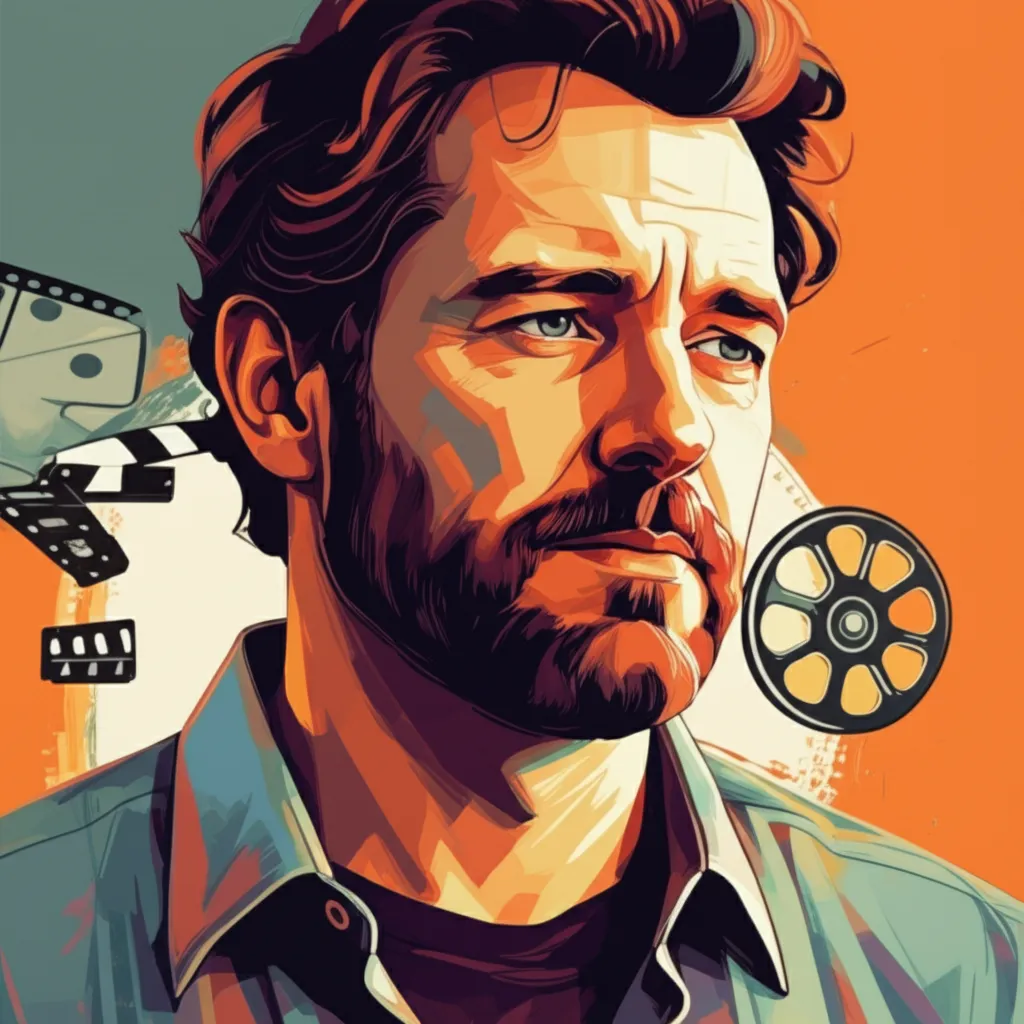
Adam McKay
Adam McKay is a versatile director known for his unique blend of comedy and drama, often infused with biting social commentary. His career took off with the cult classic Anchorman: The Legend of Ron Burgundy (2004), a hilarious satire of 1970s newsrooms that showcased his irreverent humor and penchant for ensemble casts. McKay further solidified his reputation with Talladega Nights: The Ballad of Ricky Bobby (2006), a raucous comedy that parodied the world of NASCAR racing. His directorial style is marked by fast-paced, irreverent humor, and a knack for tackling weighty subjects with a light touch. One of McKay's most notable achievements is The Big Short (2015), a riveting and darkly comic exploration of the 2008 financial crisis. The film earned critical acclaim and an Academy Award for Best Adapted Screenplay, showcasing McKay's ability to infuse complex subject matter with wit and insight. Similarly, Vice (2018) delved into the life of former Vice President Dick Cheney, blending sharp political satire with biographical drama. McKay's recurring themes often revolve around power, ambition, and the absurdity of modern society, all underscored by his irreverent and subversive comedic sensibilities. In 2021, McKay directed Don't Look Up, a star-studded satire of the media, politics, and climate change, further cementing his status as a director unafraid to tackle contemporary issues with fearless humor and insight. His impact on cinema lies in his ability to craft entertaining, thought-provoking films that challenge audiences while keeping them thoroughly entertained. McKay's unique vision and contributions have left an indelible mark on the film industry, earning him a reputation as a director who fearlessly pushes boundaries and confronts uncomfortable truths with unapologetic humor and humanity.