Director Names Starting with A
Showing 13-24 out of 342

Abbas Tyrewala
Abbas Tyrewala is an Indian film director who made a significant impact on the Bollywood industry with his unique storytelling and directorial style. His most notable work includes the 2008 romantic comedy-drama "Jaane Tu... Ya Jaane Na," which garnered critical acclaim and achieved commercial success. Tyrewala's directorial debut immediately established him as a distinctive voice in Indian cinema, known for his ability to blend humor, romance, and relatable characters in a captivating narrative. Tyrewala's directorial style is characterized by his adeptness at portraying the complexities of modern relationships and the youthful exuberance of his characters. He has a knack for infusing his films with heartfelt emotions while maintaining a lighthearted and entertaining atmosphere. "Jaane Tu... Ya Jaane Na" showcased Tyrewala's skill in crafting a coming-of-age story that resonated with audiences across generations, cementing his reputation as a director capable of capturing the essence of contemporary romance. Throughout his career, Tyrewala has explored recurring themes such as friendship, love, and self-discovery, often employing witty dialogues and endearing character dynamics to drive his narratives. His meticulous attention to detail and ability to create authentic, relatable characters have set him apart as a director with a keen understanding of human emotions and interpersonal relationships. Abbas Tyrewala's contribution to Indian cinema extends beyond his directorial endeavors, as he has also made significant contributions as a screenwriter and lyricist. His versatility and multifaceted talents have further enhanced his impact on the film industry, solidifying his position as a multifaceted creative force. With his distinct vision and ability to connect with audiences on an emotional level, Abbas Tyrewala continues to be a revered figure in Bollywood, leaving an indelible mark on the landscape of Indian cinema.

Abby Kohn
Abby Kohn is a talented film director known for her work in the comedy and romance genres. Her most notable film to date is "I Feel Pretty" (2018), which garnered attention for its refreshing take on self-esteem and body image. Kohn's directorial style is characterized by a blend of humor, heart, and relatable storytelling, making her films both entertaining and thought-provoking. With a keen eye for capturing human emotions and experiences, Kohn has carved out a niche for herself in the industry. "I Feel Pretty" stands as a testament to Kohn's ability to infuse lightheartedness with meaningful messages, as the film challenges societal beauty standards and encourages self-acceptance. Kohn's directorial approach often revolves around empowering narratives and characters, as seen in her emphasis on personal growth and inner beauty. Her films resonate with audiences through their genuine portrayal of human vulnerabilities and triumphs, creating a connection that transcends the screen. Kohn's impact on cinema lies in her commitment to diversifying the representation of women in film and addressing relevant social issues with sensitivity and humor. Her work reflects a dedication to telling stories that resonate with a wide range of viewers, contributing to a more inclusive and empathetic cinematic landscape. As a director, Kohn continues to push boundaries and challenge conventions, earning her a reputation as a visionary filmmaker who brings a fresh perspective to the screen. In the years to come, audiences can anticipate Kohn's continued exploration of complex themes and engaging storytelling, as she remains a driving force in shaping the future of comedy and romance in cinema. With her distinct directorial voice and impactful contributions, Abby Kohn stands as a trailblazer in the industry, leaving an indelible mark on the cinematic landscape.

Abdellatif Kechiche
Abdellatif Kechiche is a Tunisian-French director known for his emotionally charged and visually stunning films. He burst onto the international cinema scene with his breakout film "La faute à Voltaire" (2000), which garnered critical acclaim for its raw portrayal of the immigrant experience in France. Kechiche's directorial style is characterized by his intense focus on the human experience, often delving deep into the complexities of relationships and identity. His films are marked by long, unbroken takes that immerse the audience in the characters' world, creating an intimate and immersive viewing experience. One of Kechiche's most notable works is "Blue Is the Warmest Colour" (2013), a coming-of-age drama that garnered widespread attention and controversy for its explicit portrayal of a same-sex relationship. The film received the prestigious Palme d'Or at the Cannes Film Festival and solidified Kechiche's reputation as a bold and uncompromising filmmaker. His keen eye for capturing raw emotions and authentic performances led to the film's success and cemented his status as a director unafraid to push boundaries. Another standout in Kechiche's filmography is "La vie d'Adèle" (2013), also known as "Blue Is the Warmest Colour," which further showcased his ability to delve into the complexities of human relationships. The film received widespread acclaim for its unflinching portrayal of love and desire, earning accolades for its powerful performances and deeply moving storytelling. Kechiche's films often revolve around themes of identity, desire, and societal pressures, offering a thought-provoking exploration of human experiences. Abdellatif Kechiche's impact on cinema extends beyond his individual films. His unapologetic approach to storytelling and his commitment to capturing the raw essence of human emotions have influenced a new generation of filmmakers. Kechiche's bold and uncompromising vision continues to challenge and inspire audiences, making him a significant figure in contemporary cinema. With his unique ability to create deeply immersive narratives and evoke profound emotions, Kechiche's work stands as a testament to the power of storytelling and the enduring impact of a visionary director.

Abderrahmane Sissako
Abderrahmane Sissako is a renowned Mauritanian film director known for his visually striking and emotionally resonant storytelling. With a career spanning over three decades, Sissako has solidified his place as a leading figure in African cinema. His directorial style is characterized by a keen eye for humanistic storytelling, nuanced characters, and a profound exploration of social and political issues. Sissako's most notable film, "Timbuktu" (2014), garnered widespread critical acclaim and earned him an Academy Award nomination for Best Foreign Language Film. Set against the backdrop of the jihadist occupation of Timbuktu in Mali, the film is a powerful exploration of the impact of extremism on a peaceful community. Sissako's directorial prowess shines through in the film's poignant portrayal of human resilience and the complexities of cultural and religious identity. Throughout his career, Sissako has consistently delved into themes of displacement, cultural identity, and the human experience in the face of adversity. His films often confront pressing social issues with sensitivity and thought-provoking narratives, offering a unique perspective on contemporary African life. Sissako's directorial vision has contributed to a greater representation of African stories in global cinema, challenging stereotypes and offering a platform for marginalized voices. Sissako's impact on cinema extends beyond his directorial work, as he has been an influential advocate for African filmmaking and a mentor to emerging talents. His commitment to authentic storytelling and visual artistry has inspired a new generation of filmmakers to explore diverse narratives and push the boundaries of cinematic expression. As a trailblazer in African cinema, Sissako's legacy continues to shape the landscape of international film, making him a revered figure in the world of cinema.
Abe Forsythe
Abe Forsythe is an Australian film director known for his unique blend of comedy, horror, and sci-fi elements that create a distinct and captivating directorial style. His notable film, "Little Monsters" (2019), exemplifies his ability to seamlessly weave together these genres, showcasing his talent for creating darkly comedic and visually striking narratives. Forsythe's directorial style is characterized by his ability to infuse humor into unexpected and often macabre situations, creating a sense of unease and amusement in equal measure. His films often explore the human condition through the lens of the absurd, delivering thought-provoking commentary on society while keeping audiences entertained with a healthy dose of wit and clever storytelling. "Little Monsters" (2019) stands as a testament to Forsythe's skill in crafting a unique cinematic experience. The film follows the story of a washed-up musician, played by Lupita Nyong'o, who teams up with a kindergarten teacher and a children's television personality to protect a group of young students from a sudden zombie outbreak during a field trip. Forsythe's ability to blend elements of horror and comedy in a seamless and engaging manner has garnered critical acclaim and solidified his reputation as a director with a distinct and innovative vision. Throughout his career, Forsythe has demonstrated a penchant for exploring themes of resilience, unexpected heroism, and the resilience of the human spirit in the face of adversity. His films often challenge traditional genre boundaries, offering audiences a fresh and unconventional take on familiar storytelling tropes. Abe Forsythe's impact on cinema lies in his ability to carve out a unique niche for himself within the industry, pushing the boundaries of genre filmmaking and offering audiences a refreshing and inventive perspective. His directorial contributions have reinvigorated the comedy-horror genre, earning him a dedicated following of fans who eagerly anticipate his next imaginative and boundary-pushing project. As Forsythe continues to leave his mark on the world of cinema, his innovative approach and unwavering commitment to storytelling are sure to cement his status as a director to watch in the years to come.

Abel Ferrara
Abel Ferrara is a prolific and influential American film director known for his gritty and unflinching portrayals of urban life, crime, and human depravity. His directorial style is characterized by raw, visceral storytelling, intense performances, and a fearless exploration of taboo subjects. Ferrara's filmography is filled with dark, brooding dramas and intense thrillers that have left an indelible mark on the world of cinema. One of Ferrara's most notable films is "Bad Lieutenant" (1992), a harrowing and unapologetic portrayal of a corrupt and drug-addicted NYPD detective, played with ferocious intensity by Harvey Keitel. The film's unflinching portrayal of guilt, redemption, and moral decay solidified Ferrara's reputation as a director unafraid to confront the darkest aspects of human nature. Another standout in Ferrara's filmography is "King of New York" (1990), a stylish and brutal crime thriller starring Christopher Walken as a ruthless drug lord seeking to reclaim his criminal empire. The film's bold visual style and uncompromising depiction of violence and power dynamics have made it a cult classic. Ferrara's films often explore themes of addiction, redemption, and the moral ambiguity of human existence. His unapologetic approach to storytelling and willingness to delve into the darkest recesses of the human psyche have earned him a devoted following among cinephiles and critics alike. In addition to his exploration of urban crime and moral decay, Ferrara has also ventured into the realms of horror and science fiction with films like "The Addiction" (1995) and "Body Snatchers" (1993), showcasing his versatility as a director. Abel Ferrara's impact on cinema is undeniable, as his uncompromising vision and willingness to tackle taboo subjects have influenced countless filmmakers and pushed the boundaries of storytelling in film. His films continue to resonate with audiences for their unflinching portrayal of human nature and the seedy underbelly of urban life. Ferrara's unique directorial style and fearless exploration of the human condition have cemented his status as a visionary filmmaker with a lasting impact on the world of cinema.

Abe Sylvia
Abe Sylvia is an American film director known for his unique blend of comedy and drama, as demonstrated in his notable film "Dirty Girl" (2010). Sylvia's directorial style is characterized by his ability to infuse poignant storytelling with humor, creating emotionally resonant narratives that captivate audiences. "Dirty Girl" exemplifies his ability to tackle complex themes with a refreshing and lighthearted approach, showcasing his talent for crafting compelling characters and engaging plotlines. In "Dirty Girl," Sylvia expertly weaves together elements of comedy and drama, delivering a poignant coming-of-age story set against the backdrop of 1980s Oklahoma. The film's exploration of friendship, self-discovery, and the complexities of family dynamics demonstrates Sylvia's knack for delving into the human experience with authenticity and heart. His astute direction brings a sense of sincerity to the characters' journeys, making "Dirty Girl" a standout addition to his filmography. Sylvia's directorial contributions have left an indelible mark on cinema, as he continues to push boundaries and challenge conventions within the industry. His ability to infuse his films with humor, warmth, and emotional depth has garnered acclaim from audiences and critics alike. Through his unique vision and storytelling prowess, Sylvia has established himself as a director capable of crafting compelling narratives that resonate with viewers on a profound level. Overall, Abe Sylvia's directorial career is marked by his distinctive ability to blend comedy and drama, creating films that are both entertaining and thought-provoking. With "Dirty Girl" as a standout example of his directorial prowess, Sylvia has solidified his status as a filmmaker with a keen understanding of human emotions and a talent for bringing compelling stories to life on the silver screen. His impact on cinema is undeniable, and his future projects are eagerly anticipated by fans and industry professionals alike.

Abhay Chopra
Abhay Chopra, a promising director in the Indian film industry, made his directorial debut with the gripping crime thriller "Ittefaq" in 2017. As the grandson of the legendary filmmaker B.R. Chopra and the nephew of the esteemed director Ravi Chopra, Abhay comes from a prestigious lineage of filmmakers, and he has successfully carried forward the family legacy with his unique directorial style. "Ittefaq" is a contemporary adaptation of the 1969 film of the same name and is known for its intense storytelling and powerful performances. Abhay Chopra's directorial style is characterized by his ability to create tension and suspense, keeping the audience on the edge of their seats throughout the narrative. He skillfully blends elements of crime, mystery, and thriller genres, delivering a cinematic experience that captivates the audience from start to finish. In "Ittefaq," Chopra's directorial prowess is evident in his meticulous attention to detail and his ability to extract compelling performances from the cast. His directorial vision brings a fresh perspective to the crime thriller genre, showcasing his adeptness at crafting a narrative that keeps the audience guessing until the very end. The film's success solidified Abhay Chopra's position as a director to watch in the Indian film industry. While "Ittefaq" remains Abhay Chopra's sole directorial venture to date, his impact on cinema is undeniable. He has demonstrated a keen understanding of storytelling and a flair for creating gripping narratives that resonate with audiences. As he continues to carve his path in the world of filmmaking, audiences eagerly anticipate Abhay Chopra's future projects, eager to witness more of his distinct directorial style and innovative storytelling techniques. With a strong foundation laid by "Ittefaq," Abhay Chopra is poised to make a lasting impression on Indian cinema with his future directorial endeavors.
Abhinav Kashyap
Abhinav Kashyap is an Indian film director known for his distinct style and impactful contributions to Indian cinema. Kashyap burst onto the scene with his directorial debut, "Dabangg" in 2010, which became a massive commercial success and established him as a promising filmmaker in the industry. The film, a unique blend of action, comedy, and crime, showcased Kashyap's ability to seamlessly intertwine various genres, creating a captivating cinematic experience for audiences. Kashyap's directorial style is characterized by his adeptness in crafting high-energy, entertaining narratives infused with elements of humor, action, and drama. His films often feature strong, charismatic characters and compelling storylines that resonate with audiences across diverse demographics. "Dabangg" in particular, exemplifies Kashyap's knack for blending larger-than-life action sequences with witty humor and a touch of emotional depth, earning widespread acclaim from both critics and viewers. Notable for his ability to infuse his films with a distinct Indian flavor while appealing to a global audience, Kashyap's work has had a significant impact on the Indian film industry. With "Dabangg," he revitalized the action-comedy genre, setting a new standard for storytelling and entertainment in Indian cinema. His innovative approach to filmmaking has influenced a new generation of directors, inspiring them to push creative boundaries and explore diverse storytelling techniques. Kashyap's recurring themes often revolve around the complexities of human relationships, the triumph of the underdog, and the juxtaposition of humor within intense situations. His films resonate with audiences by portraying relatable characters facing extraordinary circumstances, creating a sense of empathy and connection. Kashyap's unique vision and storytelling prowess have cemented his status as a director to watch in the ever-evolving landscape of Indian cinema. In conclusion, Abhinav Kashyap's directorial career is marked by his ability to seamlessly blend action, comedy, and crime genres, delivering compelling narratives that resonate with audiences on a profound level. His impactful contributions to Indian cinema have solidified his position as a visionary director, and his work continues to inspire and captivate film enthusiasts worldwide.
Abhinay Deo
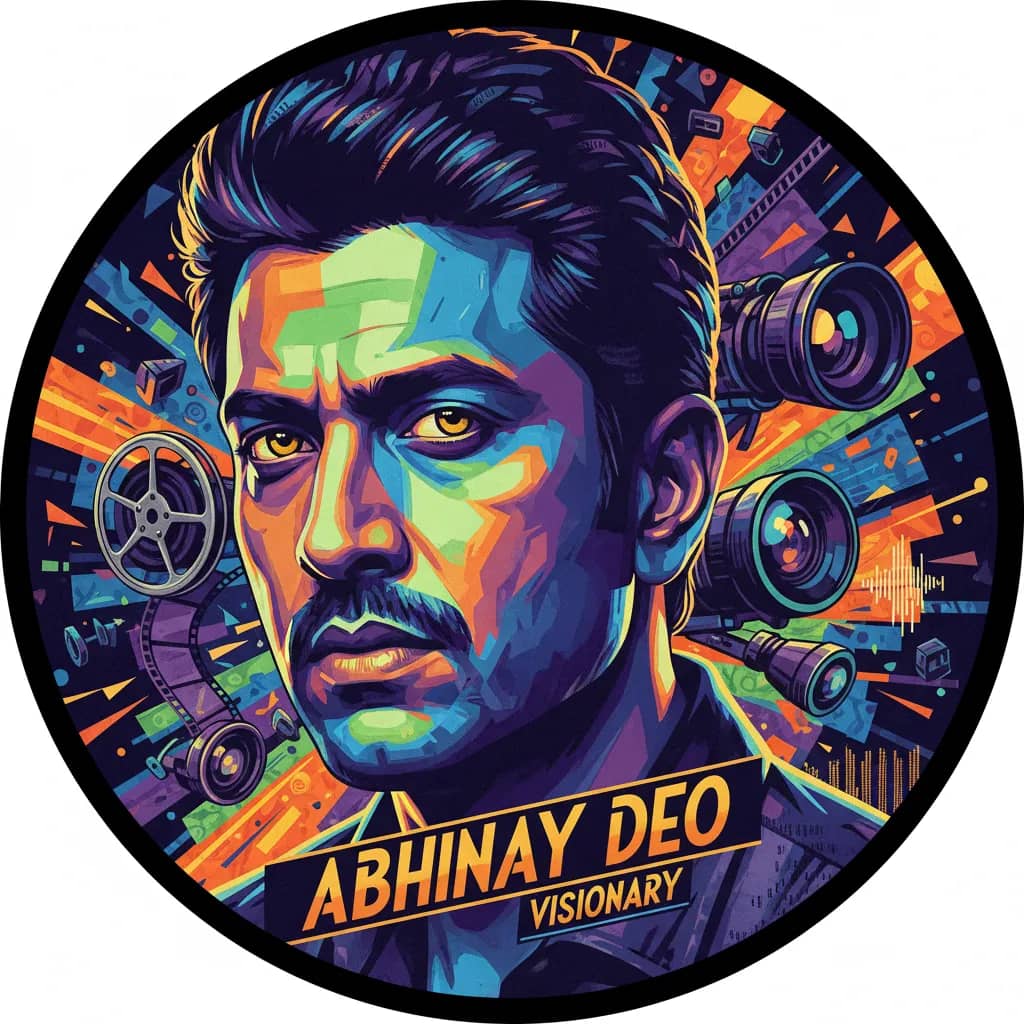
Abhinay Deo is a highly acclaimed Indian film director known for his distinctive style and innovative storytelling. With a career spanning over a decade, Deo has made a significant impact on the Indian film industry with his unique vision and directorial prowess. His filmography boasts a diverse range of genres, with notable films such as "Delhi Belly" (2011) and "Blackmail" (2018) showcasing his versatility and storytelling prowess. Deo's directorial style is characterized by its dynamic energy, sharp wit, and gripping narratives that seamlessly blend genres. In "Delhi Belly," he masterfully combined action, comedy, and crime elements to deliver a refreshingly edgy and irreverent cinematic experience. The film was lauded for its bold storytelling, razor-sharp humor, and memorable characters, earning Deo widespread acclaim and establishing him as a director to watch. "Blackmail" further solidified Deo's reputation as a visionary director, as he expertly navigated the realms of comedy and thriller, crafting a darkly comedic and suspenseful narrative that kept audiences on the edge of their seats. His ability to infuse tension with humor and deliver compelling, multi-layered narratives has set him apart as a director with a keen understanding of audience engagement and storytelling dynamics. Throughout his career, Deo has consistently explored themes of human folly, moral ambiguity, and the unpredictability of life, infusing his films with a distinct blend of realism and dark humor. His work reflects a deep understanding of human nature and societal dynamics, capturing the complexities of the human experience with an unflinching and thought-provoking approach. Abhinay Deo's contributions to Indian cinema have been nothing short of transformative, as he continues to push boundaries, defy genre conventions, and captivate audiences with his bold and innovative storytelling. His unique vision and directorial acumen have firmly established him as a trailblazer in the industry, and his films stand as a testament to his enduring impact on contemporary Indian cinema. With a penchant for crafting compelling narratives that transcend traditional genre boundaries, Deo's work continues to resonate with audiences and critics alike, cementing his status as one of the most influential and visionary directors of his generation.

Abhishek Chaubey
Abhishek Chaubey is a visionary Indian film director known for his unique storytelling and bold cinematic style. Throughout his career, Chaubey has consistently delivered thought-provoking and impactful films that have resonated with audiences and critics alike. His directorial debut, "Ishqiya" (2010), immediately established him as a filmmaker to watch, showcasing his adeptness at blending elements of comedy, drama, and romance into a compelling narrative. Chaubey's directorial style is characterized by his ability to seamlessly weave together complex and gritty narratives, often set against the backdrop of rural India. His films delve into the underbelly of society, shedding light on social issues and human complexities with unflinching honesty. "Udta Punjab" (2016), a hard-hitting drama that tackled the rampant drug abuse in the state of Punjab, exemplifies Chaubey's fearless approach to storytelling and his commitment to shedding light on pressing societal concerns. In "Sonchiriya" (2019), Chaubey once again demonstrated his prowess as a director with a keen eye for detail and an innate understanding of character dynamics. The film, set in the Chambal valley, delves into the world of dacoits and explores themes of redemption, morality, and the human condition. Chaubey's ability to infuse his narratives with raw emotion and authenticity sets him apart as a director who fearlessly confronts the complexities of human nature. Chaubey's impact on Indian cinema is undeniable, as he continues to push the boundaries of storytelling and challenge conventional norms. His films have garnered critical acclaim and have resonated with audiences, cementing his status as a trailblazing director with a distinct cinematic voice. With an impressive body of work that deftly navigates the intricacies of human relationships and societal issues, Abhishek Chaubey stands as a director who continues to leave an indelible mark on the world of cinema.

Abhishek Kapoor
Abhishek Kapoor is a visionary Indian film director known for his distinct directorial style, which seamlessly blends compelling storytelling with visually stunning cinematography. With a career spanning over a decade, Kapoor has made an indelible mark on Indian cinema through his thought-provoking narratives and visually captivating films. Kapoor's directorial debut, "Rock On!!" (2008), was a game-changer in Bollywood, as it brought a fresh perspective to the music and drama genre. The film not only resonated with audiences but also received critical acclaim for its innovative storytelling and memorable music. This success solidified Kapoor's reputation as a director with a keen eye for intricately weaving music into his narratives, a recurring theme in many of his works. In "Kai Po Che!" (2013), Kapoor showcased his prowess in adapting novels to the big screen, as he masterfully brought Chetan Bhagat's bestseller to life. The film's compelling storytelling and poignant depiction of friendship and resilience garnered widespread praise and further established Kapoor as a director capable of delivering emotionally resonant narratives. "Kedarnath" (2018) marked another milestone in Kapoor's career, as he ventured into the romance genre while addressing pertinent social issues. The film's breathtaking visuals and heartfelt storytelling captivated audiences and critics alike, showcasing Kapoor's ability to merge romance with social commentary seamlessly. With his latest directorial venture, "Chandigarh Kare Aashiqui" (2021), Kapoor once again displayed his versatility by delving into the realm of comedy, crime, and drama. The film's engaging narrative and nuanced portrayal of complex relationships further exemplify Kapoor's ability to diversify his directorial portfolio while maintaining his signature style. Abhishek Kapoor's impact on Indian cinema is profound, as he continues to push the boundaries of storytelling and visual aesthetics. His unique vision, coupled with a keen understanding of human emotions, has solidified his status as a director who consistently delivers compelling and visually arresting films. In conclusion, Abhishek Kapoor's directorial journey has been characterized by a commitment to storytelling excellence, an innovative approach to filmmaking, and an unwavering dedication to captivating audiences with his unique vision. As he continues to push artistic boundaries and redefine genres, Kapoor's influence on Indian cinema remains indelible, setting him apart as a director whose work is both timeless and impactful.