Director Names Starting with Y
Showing 25-30 out of 30
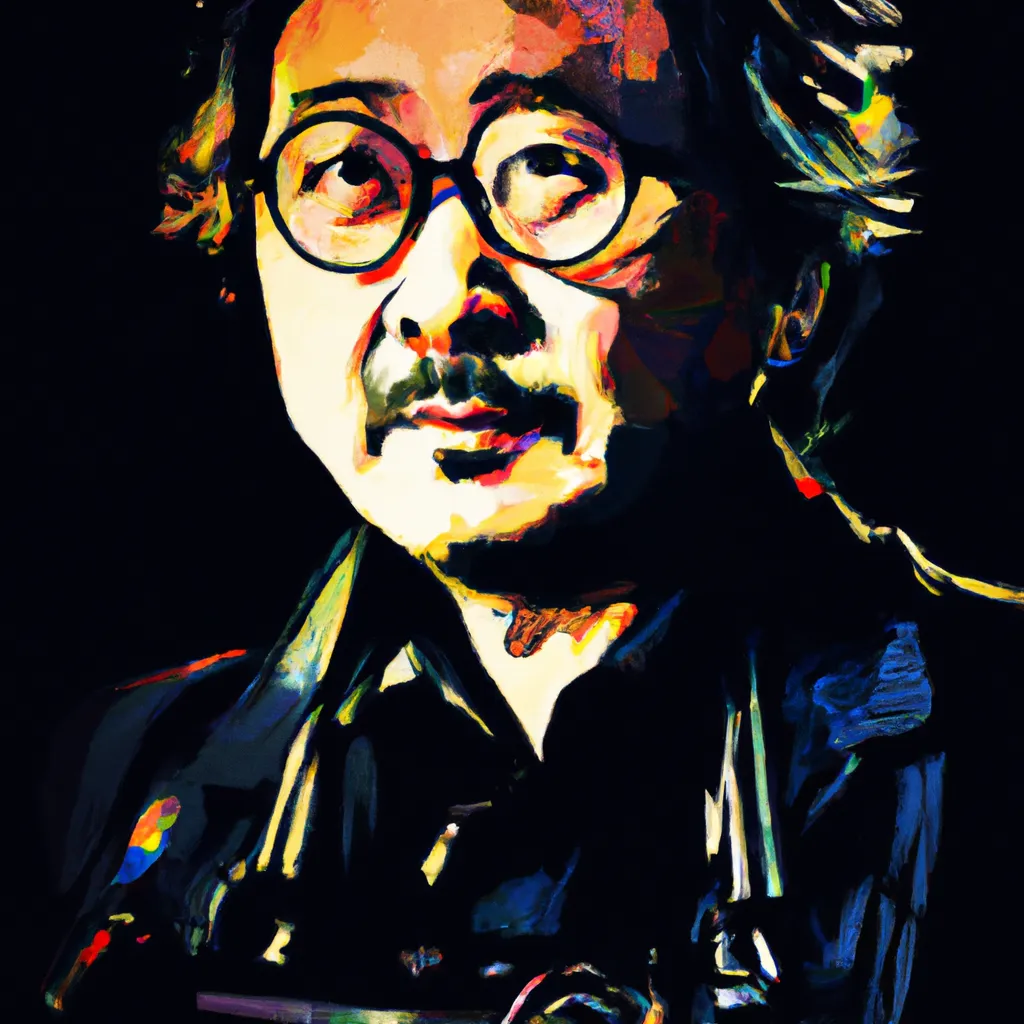
Yoshihiro Nishimura
Yoshihiro Nishimura is a visionary Japanese film director known for his unique blend of extreme gore, dark humor, and over-the-top action. With a career spanning over two decades, Nishimura has left an indelible mark on the horror and cult film genres. He gained international recognition with his directorial debut, "Tokyo Gore Police" (2008), a film that encapsulates his signature style of visceral violence, bizarre creature designs, and satirical social commentary. Nishimura's directorial approach is characterized by his unapologetic embrace of grotesque and fantastical elements, creating a cinematic experience that is both shocking and visually captivating. His films often feature a fusion of practical effects and CGI, resulting in grotesque and imaginative visuals that push the boundaries of conventional horror. Additionally, Nishimura infuses his work with dark humor and social satire, offering a unique perspective on contemporary issues through the lens of extreme horror. "Tokyo Gore Police" stands as a testament to Nishimura's directorial prowess, earning a cult following for its audacious and unrelenting depiction of violence, surreal imagery, and unconventional storytelling. The film's impact on the horror genre is undeniable, inspiring a new wave of filmmakers to explore the boundaries of visual storytelling and embrace the surreal and macabre. Nishimura's filmography may be limited, but his influence on modern cult cinema is unmistakable. His directorial style has redefined the parameters of horror filmmaking, inspiring a new generation of filmmakers to push the boundaries of visual storytelling and embrace the surreal and macabre. With his fearless approach to taboo subject matter and a penchant for pushing the limits of practical effects, Nishimura has solidified his status as a maverick in the realm of extreme horror cinema.
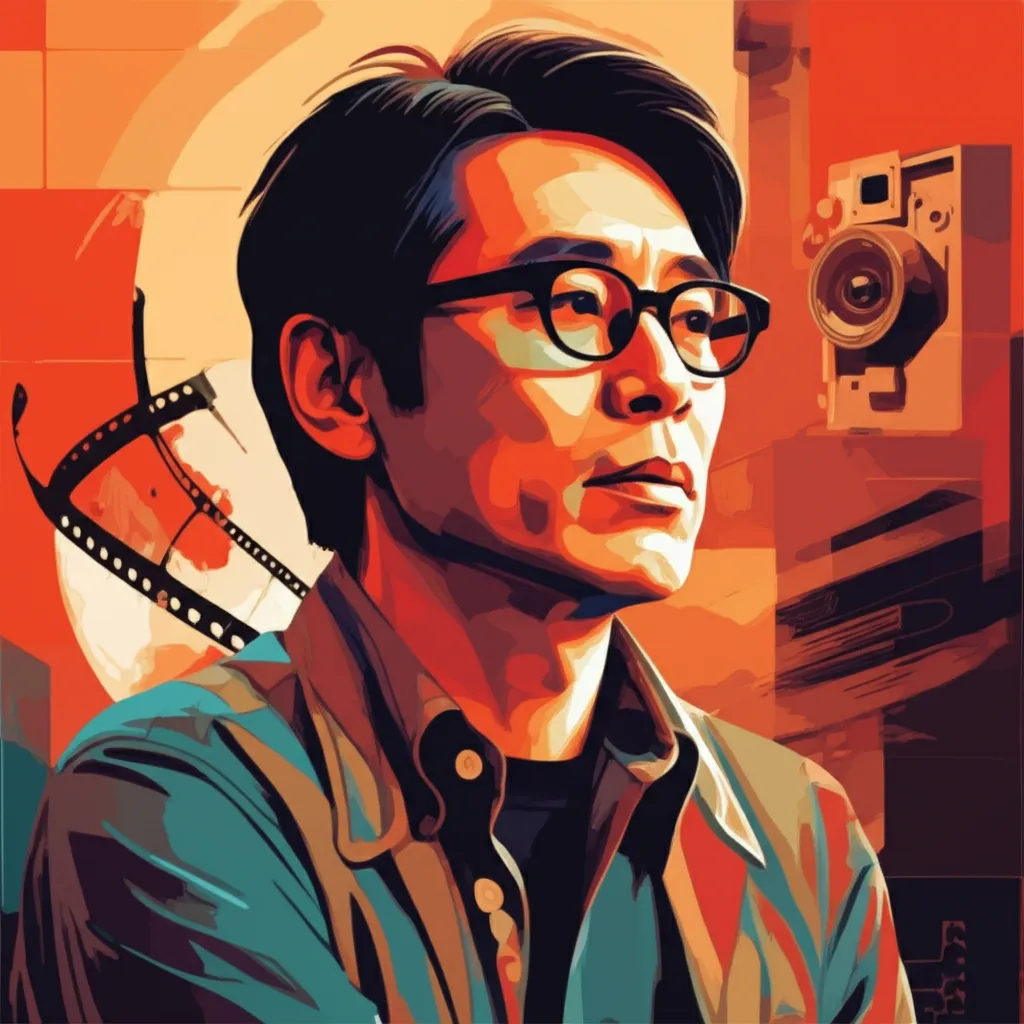
Yoshio Suzuki
Yoshio Suzuki is a visionary Japanese director celebrated for his distinctive blend of animation, drama, and romance. His standout work, "The Place Promised in Our Early Days" (2004), showcases Suzuki's signature style, earning critical acclaim and garnering a loyal following. Suzuki's directorial approach is marked by a profound attention to emotional depth and an exquisite visual aesthetic that captivates audiences and critics alike. "The Place Promised in Our Early Days" is a testament to Suzuki's ability to seamlessly weave together complex narratives with breathtaking animation. The film's exploration of love, longing, and the passage of time resonates deeply with viewers, demonstrating Suzuki's mastery in crafting heartfelt, evocative storytelling. His penchant for infusing his works with poignant themes of human connection and the intricacies of relationships sets Suzuki apart as a director with a keen understanding of the human experience. Suzuki's filmography reflects a consistent commitment to pushing the boundaries of animated storytelling, cementing his legacy as a trailblazer in the genre. His works often feature stunning, meticulously crafted visuals that elevate the storytelling, underscoring his dedication to creating immersive cinematic experiences. Suzuki's impact on cinema extends beyond his individual films, as he has left an indelible mark on the animation landscape, inspiring a new generation of filmmakers and captivating audiences worldwide. With a career defined by a profound artistic vision and a dedication to pushing the boundaries of animated storytelling, Yoshio Suzuki has solidified his place as a revered director in the world of cinema. His ability to infuse his works with emotional resonance and visual splendor has established him as a luminary in the industry, ensuring that his contributions to film will continue to be cherished for years to come.
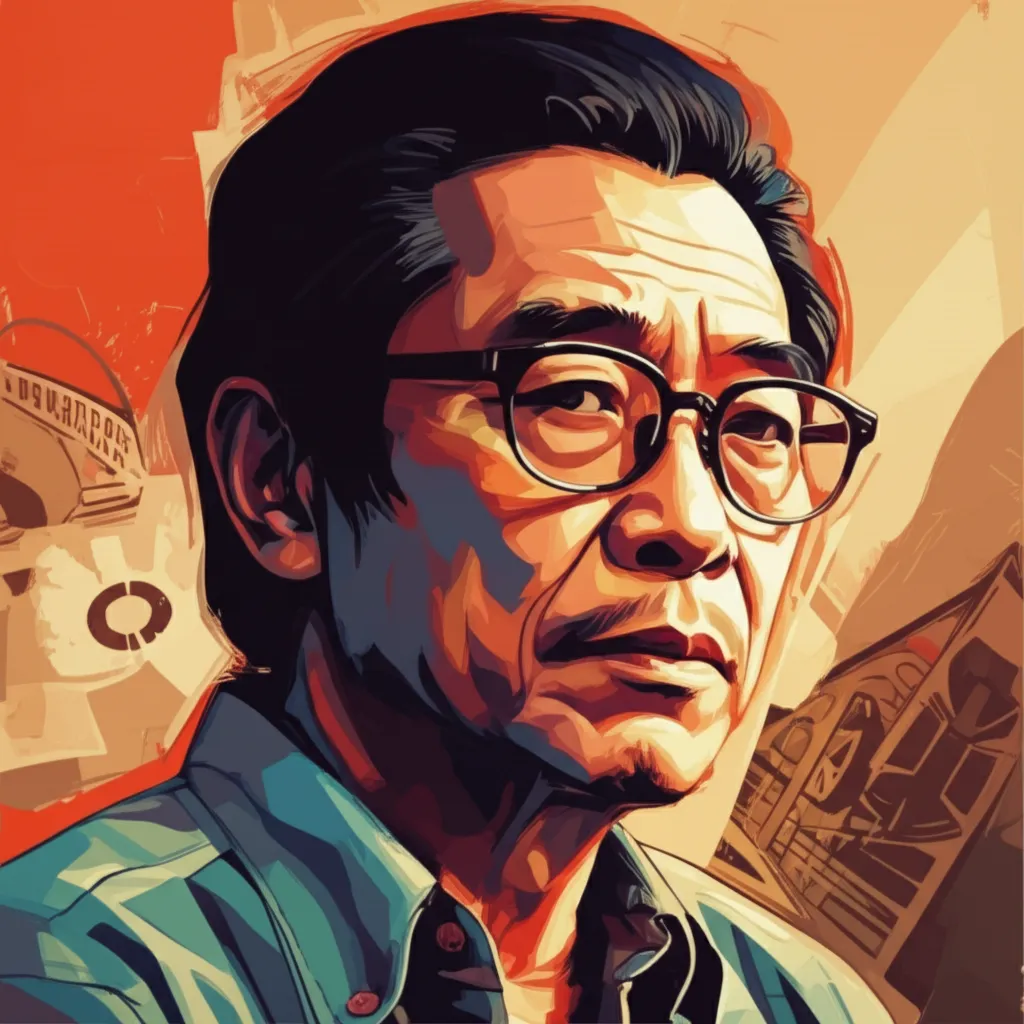
Yuen Woo-Ping
Yuen Woo-Ping is a legendary film director and choreographer renowned for his groundbreaking work in martial arts cinema. With a career spanning several decades, Yuen has left an indelible mark on the industry, revolutionizing action choreography and directing some of the most iconic martial arts films of all time. Born in Guangzhou, China, Yuen's early exposure to traditional Chinese martial arts laid the foundation for his innovative and influential approach to filmmaking. Yuen's directorial style is characterized by his meticulous attention to detail in fight choreography, fluid camera work, and a perfect fusion of action and storytelling. His films often feature breathtaking and gravity-defying fight sequences that have set the standard for martial arts action in cinema. Yuen's directorial debut, "Drunken Master" (1978), starring Jackie Chan, showcased his unique blend of action and comedy, establishing him as a trailblazer in the genre. The film's success catapulted Yuen to international acclaim and laid the groundwork for his illustrious career. In "Tai Chi Master" (1993), Yuen masterfully combined stunning martial arts choreography with themes of friendship, betrayal, and redemption, showcasing his ability to infuse depth and emotion into his action-packed narratives. The film solidified Yuen's reputation as a visionary director capable of transcending the boundaries of traditional martial arts storytelling. Yuen's directorial prowess reached new heights with "Crouching Tiger, Hidden Dragon: Sword of Destiny" (2016), a visually stunning and emotionally resonant sequel to Ang Lee's original masterpiece. Through this film, Yuen demonstrated his ability to seamlessly blend traditional martial arts elements with contemporary storytelling, further cementing his status as a cinematic pioneer. Yuen Woo-Ping's films often explore themes of honor, justice, and the duality of human nature, resonating with audiences on a profound and universal level. His impact on cinema extends beyond his directorial achievements, as his innovative fight choreography has inspired countless filmmakers and performers, leaving an indelible imprint on the action genre. Yuen's unique vision and unparalleled contributions to martial arts cinema have solidified his legacy as one of the most influential and revered directors in the history of film.
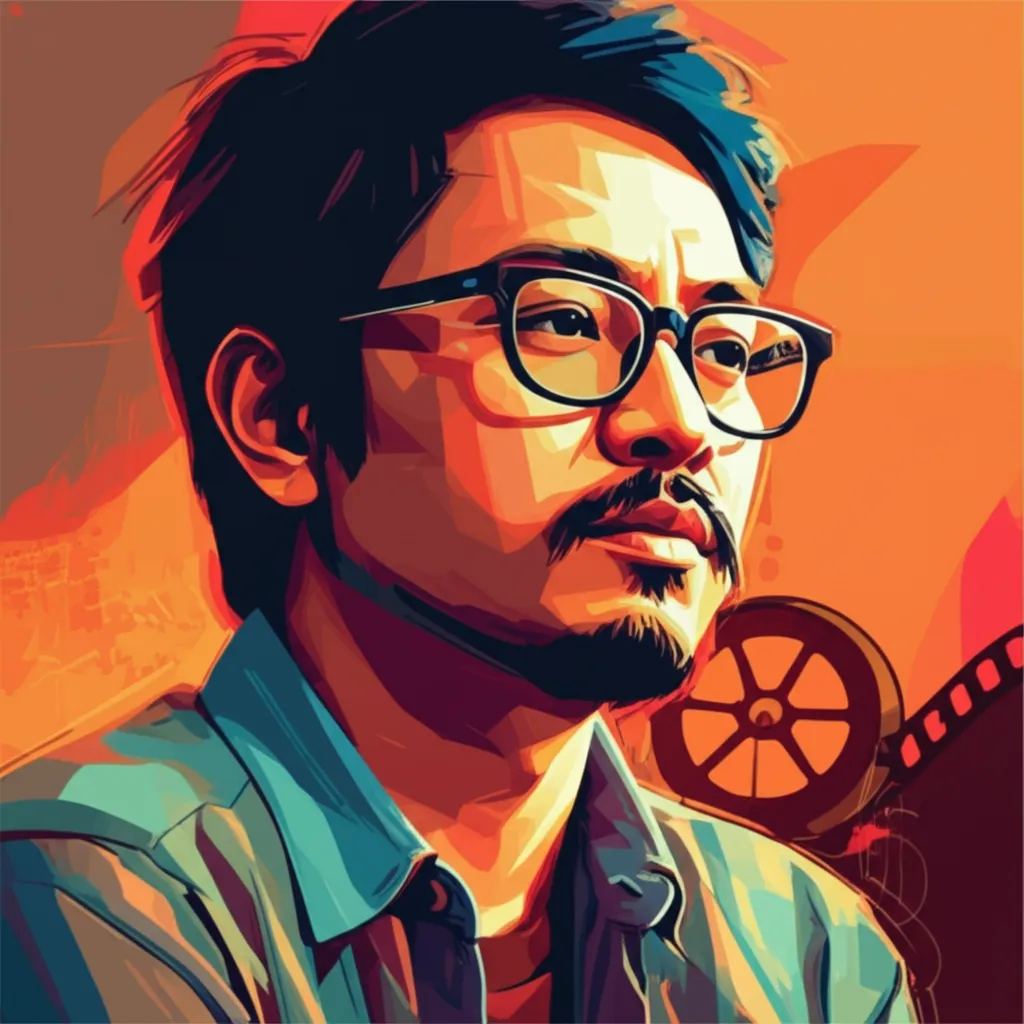
Yûgô Sakô
Yûgô Sakô is a visionary Japanese director known for his groundbreaking work in animation and his distinct directorial style that has left an indelible mark on the world of cinema. His most notable work includes the animated epic "Ramayana: The Legend of Prince Rama" (1993), a visually stunning and culturally rich retelling of the ancient Indian epic, which showcases Sakô's mastery of storytelling and animation techniques. Throughout his career, Sakô has demonstrated a keen ability to infuse his films with a sense of grandeur and emotional depth, capturing the essence of his subjects with meticulous attention to detail. His directorial style often incorporates a blend of traditional and cutting-edge animation techniques, resulting in visually stunning and immersive cinematic experiences that have captivated audiences worldwide. "Ramayana: The Legend of Prince Rama" stands as a testament to Sakô's ability to seamlessly blend action, adventure, and mythology to create a timeless and universally resonant story. His films often explore themes of heroism, destiny, and the human experience, earning him a reputation as a masterful storyteller with a gift for bringing ancient tales to life in a contemporary context. Sakô's impact on cinema is undeniable, as his work has inspired a new generation of animators and filmmakers, and has contributed to the global appreciation of animation as a powerful storytelling medium. His dedication to preserving and reimagining classic stories through the lens of animation has solidified his legacy as a visionary director whose influence continues to shape the landscape of cinema. In conclusion, Yûgô Sakô has left an indelible mark on the world of animation and filmmaking through his unparalleled directorial vision and his ability to breathe new life into timeless tales. His unique approach to storytelling and his commitment to pushing the boundaries of animation have cemented his status as a true pioneer in the world of cinema, and his films will undoubtedly continue to inspire and captivate audiences for generations to come.
Yuriy Bykov
Yuriy Bykov is a prominent Russian filmmaker known for his impactful and thought-provoking works. With a keen eye for social issues and a distinct directorial style, Bykov has made a significant mark on the international film scene. His notable film "The Fool" (2014) is a compelling exploration of crime, drama, and thriller genres, showcasing his ability to delve into complex narratives with depth and intensity. Bykov's directorial style is characterized by its raw authenticity and unflinching portrayal of societal injustices. He fearlessly tackles pressing issues, shedding light on corruption, inequality, and moral dilemmas. Through his films, he challenges viewers to confront uncomfortable truths and engage in critical reflection on the world around them. "The Fool" exemplifies Bykov's adeptness at weaving together suspenseful storytelling with profound social commentary, leaving a lasting impact on audiences. A recurring theme in Bykov's works is the examination of power dynamics and the human cost of systemic failures. His films often center around individuals who find themselves at the mercy of oppressive structures, navigating the moral complexities of their circumstances. Bykov's empathetic approach to storytelling allows him to capture the humanity within his characters, evoking empathy and introspection from viewers. Yuriy Bykov's contributions to cinema extend beyond his directorial prowess, as he has emerged as a vital voice in contemporary filmmaking. His works have garnered critical acclaim and recognition at prestigious international film festivals, solidifying his position as a visionary director with a distinctive perspective. Bykov's uncompromising commitment to showcasing the realities of the human condition through his art has cemented his legacy as a filmmaker unafraid to challenge the status quo. In conclusion, Yuriy Bykov's directorial career is defined by his bold storytelling, incisive social commentary, and unwavering dedication to illuminating the struggles of the marginalized. His impact on cinema reverberates through his compelling narratives and unyielding commitment to truth-telling. As audiences continue to be captivated by Bykov's work, his influence on the cinematic landscape remains enduring and indispensable.
Yvan Attal
Yvan Attal is a renowned French director, actor, and screenwriter known for his distinct storytelling style and thought-provoking narratives. With a career spanning over three decades, Attal has established himself as a versatile filmmaker with a keen eye for human emotions and relationships, often explored through the lens of comedy, drama, and romance. His directorial debut came with the film "Ma femme est une actrice" (2001), which garnered critical acclaim and set the stage for a successful career behind the camera. Attal's directorial style is characterized by a raw and intimate portrayal of human interactions, often delving into the complexities of love, identity, and existential dilemmas. His films frequently feature multi-layered characters and explore the intricacies of interpersonal relationships, offering audiences a deeply immersive cinematic experience. Notable for his ability to infuse humor with poignant moments, Attal's directorial approach resonates with audiences on a profound emotional level. One of Attal's most significant contributions to cinema is his directorial work on "New York, I Love You" (2008), a collaborative anthology film featuring a diverse ensemble cast and a collection of short stories set in the bustling city of New York. Attal's segment in the film masterfully captures the essence of human connections and the unpredictability of love, showcasing his adeptness at capturing authentic moments of vulnerability and passion. The film's success further solidified Attal's reputation as a director capable of crafting compelling narratives with universal appeal. Throughout his career, Attal has demonstrated a propensity for exploring themes of love, longing, and the human condition, often drawing inspiration from his own life experiences and observations. His nuanced approach to storytelling has left an indelible mark on the cinematic landscape, influencing a new generation of filmmakers and captivating audiences worldwide. With a commitment to authenticity and a deep understanding of the human psyche, Yvan Attal continues to shape the cinematic narrative, earning a well-deserved place among the most influential directors of his generation.