Director Names Starting with Y
Showing 13-24 out of 30
Yavuz Turgul
Yavuz Turgul is a prominent Turkish director known for his compelling storytelling and poignant portrayal of human emotions. His directorial career spans several decades, during which he has left an indelible mark on the world of cinema. Turgul's films often delve into the complexities of human nature, showcasing a deep understanding of the human experience and societal dynamics. His directorial style is characterized by a masterful blend of drama, crime, and thriller elements, creating riveting narratives that captivate audiences worldwide. One of Turgul's most acclaimed works is "Eskiya" (The Bandit) (1996), a gripping crime drama that unfolds the turbulent journey of a notorious criminal seeking redemption and reconciliation. The film received widespread critical acclaim and solidified Turgul's reputation as a visionary director with an unparalleled ability to craft emotionally resonant narratives. Another notable entry in Turgul's filmography is "Mr. Muhsin" (1987), a captivating comedy-drama that showcases his versatility as a director, seamlessly blending humor and profound human insights. Turgul's films often explore themes of love, loyalty, and redemption, offering poignant reflections on the human condition. His keen ability to depict the intricacies of human relationships and the moral dilemmas faced by his characters sets him apart as a director with a profound understanding of the human psyche. Turgul's impact on Turkish cinema is undeniable, as his films have not only garnered international acclaim but have also significantly contributed to the global recognition of Turkish cinema. With a filmography that includes compelling works such as "Lovelorn" (2005) and "Hunting Season" (2010), Turgul continues to leave an indelible mark on the world of cinema, captivating audiences with his evocative storytelling and profound exploration of the human experience. His legacy as a director is defined by his ability to create deeply affecting narratives that resonate on a universal level, cementing his status as a visionary filmmaker with a unique and enduring impact on the cinematic landscape. Yavuz Turgul's contributions to film are a testament to his unparalleled talent and unwavering commitment to crafting timeless stories that resonate with audiences across the globe.

Yeon Sang-ho
Yeon Sang-ho is a visionary South Korean film director known for his distinctive blend of action, horror, and thriller genres. With a career spanning over two decades, Yeon has carved a niche for himself in the global film industry with his unique storytelling and directorial style. His most notable works include "Train to Busan" (2016) and its sequel "Peninsula" (2020), both of which have garnered critical acclaim and commercial success. Yeon Sang-ho's directorial style is characterized by intense action sequences, heart-pounding suspense, and a keen focus on character-driven storytelling. His films often explore the human condition under extreme circumstances, delving into themes of survival, morality, and the resilience of the human spirit. Yeon's ability to seamlessly blend genres has set him apart as a versatile filmmaker capable of delivering compelling narratives that resonate with audiences worldwide. "Train to Busan" catapulted Yeon Sang-ho into the international spotlight, earning praise for its relentless tension, gripping performances, and innovative approach to the zombie genre. The film's success solidified Yeon's reputation as a master of crafting high-octane, emotionally resonant cinema. Its sequel, "Peninsula," further showcased Yeon's directorial prowess, expanding the post-apocalyptic world while delivering adrenaline-fueled action and thought-provoking themes. Yeon Sang-ho's impact on cinema extends beyond his individual films, as he has become a leading voice in contemporary South Korean cinema. His ability to infuse genre elements with social commentary and compelling characters has influenced a new generation of filmmakers, shaping the landscape of Asian cinema. With a growing international fan base and a reputation for pushing creative boundaries, Yeon continues to be a driving force in the evolution of genre filmmaking. In conclusion, Yeon Sang-ho's directorial career has been defined by a commitment to pushing the boundaries of genre filmmaking while infusing his works with thematic depth and emotional resonance. His ability to captivate audiences with thrilling narratives while exploring the human experience has cemented his status as a visionary director. As he continues to expand his cinematic universe, Yeon's impact on the global film industry and his contributions to the art of storytelling are sure to endure for years to come.

Yilmaz Erdogan
Yilmaz Erdogan is a prominent Turkish director, known for his captivating storytelling and visually stunning films. His directorial style often combines elements of drama, comedy, and historical narratives, creating a compelling and immersive experience for audiences. Erdogan's notable films include "The Butterfly's Dream" (2013), a poignant biographical drama set against the backdrop of World War II, and "Magic Carpet Ride" (2005), a charming comedy-drama that showcases his versatility as a director. One of Erdogan's recurring themes is his exploration of Turkish history and culture, which he skillfully weaves into his narratives. His films often delve into the complexities of human relationships and the resilience of the human spirit, offering profound insights into the human experience. Erdogan's ability to infuse his stories with emotional depth and authenticity has earned him critical acclaim and a dedicated fan base. Erdogan's impact on cinema extends beyond his directorial prowess. His work has played a significant role in showcasing Turkish cinema on the global stage, earning accolades and recognition at international film festivals. With a keen eye for detail and a distinctive storytelling approach, Erdogan continues to push the boundaries of filmmaking, leaving an indelible mark on the industry. Overall, Yilmaz Erdogan's unique vision and contributions to film have solidified his status as a prolific director with a remarkable body of work. His ability to craft compelling narratives that resonate with audiences, coupled with his commitment to exploring diverse themes, cements his place as a trailblazer in Turkish cinema. As Erdogan's career continues to evolve, audiences can anticipate more captivating storytelling and visually arresting films that showcase his unparalleled talent and creativity. Keywords: Yilmaz Erdogan, Turkish director, The Butterfly's Dream, Magic Carpet Ride, Turkish cinema, directorial style, recurring themes, impact on cinema

Yimou Zhang
Yimou Zhang, a seminal figure in Chinese cinema and a pivotal member of the Fifth Generation of Chinese filmmakers, has carved out a distinguished career with a portfolio that spans over three decades. His journey from a cinematographer to one of the most acclaimed directors in the world underscores a career arc marked by both critical and commercial success. Zhang's work is known for its visually stunning aesthetic, poetic storytelling, and profound exploration of Chinese culture, history, and identity. Zhang's directorial style is distinguished by his masterful use of color, meticulous composition, and innovative narrative techniques, which together create an immersive cinematic experience. His films often grapple with themes of love, sacrifice, and the human spirit against the backdrop of China's rich historical tapestry. This thematic and visual signature is evident in his internationally celebrated works such as "Raise the Red Lantern" (Dà hóng denglong gaogao guà), "Hero" (Ying xiong), and "House of Flying Daggers." These films not only showcase his narrative dexterity and visual flair but also his ability to weave complex emotional narratives within spectacular historical settings. Zhang's influence extends beyond the confines of Chinese cinema, inspiring filmmakers worldwide with his unique amalgamation of traditional Chinese storytelling and cutting-edge cinematic technique. His contributions to the wuxia genre, in particular, have been instrumental in bringing the beauty and depth of Chinese martial arts to a global audience. Over the years, Yimou Zhang has garnered numerous accolades for his visionary work, including Golden Globe and BAFTA awards, while his film "Hero" received an Academy Award nomination for Best Foreign Language Film. His enduring legacy is not only a testament to his personal achievements but also to the universal appeal and transformative power of his cinematic vision. As a trailblazer in the international film community, Zhang’s films continue to captivate audiences around the world, solidifying his status as a master storyteller whose work transcends cultural and linguistic boundaries.

Yoann-Karl Whissell
Yoann-Karl Whissell burst onto the film scene with the 2015 cult classic "Turbo Kid," a thrilling blend of action, adventure, and comedy that quickly garnered a devoted fanbase. Known for his distinct directorial style and innovative storytelling, Whissell has made a significant impact on the cinematic landscape. With a career marked by bold creativity and a penchant for infusing nostalgia with a modern twist, Whissell has solidified his status as a visionary director. "Turbo Kid" cemented Whissell's reputation as a director unafraid to push boundaries and reimagine genre conventions. The film's seamless fusion of adrenaline-pumping action and tongue-in-cheek humor showcased Whissell's ability to deliver a truly unique cinematic experience. His penchant for blending retro aesthetics with contemporary sensibilities has set him apart as a director with a keen eye for visual storytelling. Whissell's work often explores themes of resilience, friendship, and the human spirit, resonating with audiences on a deeply emotional level. This ability to infuse his films with genuine heart and relatable characters has contributed to his enduring appeal as a director. His dedication to creating immersive, captivating narratives has earned him a devoted following and critical acclaim. With "Turbo Kid," Whissell demonstrated his adeptness at crafting visually stunning worlds and captivating audiences with his distinctive directorial voice. His ability to transport viewers to imaginative realms while grounding his narratives in universal themes has solidified his position as a director to watch. As he continues to leave an indelible mark on cinema, Whissell's future projects are highly anticipated, promising to further showcase his unparalleled creativity and storytelling prowess.
Yoav Paz
Yoav Paz is an Israeli film director and screenwriter known for his work in the horror, sci-fi, and thriller genres. His most notable film to date is "Jeruzalem" (2015), a found footage horror film that garnered attention for its innovative approach to the genre. Paz's directorial style is characterized by his ability to create immersive and suspenseful experiences for audiences, often blending elements of horror with cutting-edge technology and compelling storytelling. "Jeruzalem" stands as a testament to Paz's directorial prowess, as he skillfully weaves together elements of horror, mythology, and the supernatural to create a captivating cinematic experience. The film's unique setting in Jerusalem's Old City and inventive use of found footage techniques set it apart from traditional horror fare, earning Paz recognition for his bold and boundary-pushing approach to filmmaking. Paz's work often explores themes of fear, the unknown, and the intersection of technology and the supernatural. His films are characterized by their ability to tap into primal fears while offering audiences a fresh perspective on familiar genre tropes. Through his distinct directorial vision, Paz has made a notable impact on the horror and thriller genres, inspiring other filmmakers to push the boundaries of storytelling and visual presentation. In an industry often saturated with formulaic horror films, Yoav Paz has carved out a distinct niche for himself as a director unafraid to take risks and challenge audience expectations. With "Jeruzalem," he has demonstrated his ability to infuse the genre with new life, offering a fresh take on horror that resonates with audiences around the world. As Paz continues to expand his body of work, audiences can anticipate more boundary-pushing films that showcase his unique directorial perspective and further solidify his standing as a visionary in the world of genre filmmaking.

Yôjirô Takita
Yôjirô Takita is a highly esteemed Japanese film director known for his exceptional storytelling, emotional depth, and meticulous attention to detail. His career spans several decades, during which he has left an indelible mark on the world of cinema. Takita's directorial style is characterized by a delicate balance of drama, music, and profound human emotion, which is evident in his critically acclaimed films "Okuribito" (2008) and "Departures" (2008). "Departures" garnered international acclaim and won the Academy Award for Best Foreign Language Film, catapulting Takita into the global spotlight. The film masterfully explores the delicate subject of death and the rituals surrounding it in Japanese society, showcasing Takita's ability to infuse profound themes with sensitivity and grace. His adept use of music and cinematography adds an ethereal quality to his storytelling, further enhancing the emotional impact of his films. Takita's recurring themes often revolve around the human experience, cultural traditions, and the universal emotions that connect us all. His films delve into the complexities of life and death, often navigating sensitive topics with an unparalleled level of empathy and authenticity. Through his work, Takita has demonstrated a deep understanding of the human condition and an unwavering commitment to portraying it on screen with honesty and integrity. Yôjirô Takita's impact on cinema extends beyond his artistic prowess. His ability to captivate audiences with compelling narratives and visually stunning compositions has solidified his status as a visionary director. His contributions to the medium have not only enriched Japanese cinema but also inspired filmmakers worldwide to explore the intricacies of human existence with profound insight and empathy. Yôjirô Takita's directorial legacy continues to resonate, leaving an indelible imprint on the fabric of global filmmaking.

Yôji Yamada
Yôji Yamada is a revered Japanese director known for his masterful storytelling and poignant exploration of human emotions. With a career spanning over six decades, Yamada has made a significant impact on world cinema. He is best known for his film "The Twilight Samurai" (2002), a compelling drama that garnered widespread critical acclaim and earned an Academy Award nomination for Best Foreign Language Film. This success solidified Yamada's reputation as a director with a remarkable ability to capture the depth of human experiences on screen. Yamada's directorial style is characterized by its subtle yet profound approach to storytelling. His films often delve into the complexities of human relationships, portraying the everyday struggles and triumphs of ordinary people with a rare sensitivity and authenticity. His meticulous attention to detail and emphasis on character development have earned him a dedicated global following. Yamada's films are celebrated for their evocative portrayal of Japanese culture and traditions, offering audiences a window into the rich tapestry of Japanese society. "The Twilight Samurai" stands as a testament to Yamada's exceptional talent as a director. The film beautifully encapsulates his thematic preoccupations with honor, duty, and the human spirit. Set in the 19th century, the story follows a low-ranking samurai who finds himself torn between his obligations as a warrior and his responsibilities as a father. Through nuanced performances and exquisite cinematography, Yamada crafts a deeply moving narrative that resonates with audiences on a profound level. Yamada's enduring contributions to cinema have left an indelible mark on the industry, inspiring a new generation of filmmakers. His films continue to be celebrated for their timeless storytelling and universal themes. As a visionary director, Yamada's legacy extends far beyond the boundaries of Japanese cinema, leaving an indelible imprint on the global film landscape. His unparalleled ability to capture the human experience with grace and authenticity ensures that his work will continue to be cherished for generations to come.

Yolanda Ramke
Yolanda Ramke is an Australian director known for her work in the drama, horror, and sci-fi genres. Her notable filmography includes "Cargo" (2017), a gripping post-apocalyptic thriller that garnered widespread acclaim for its unique take on the zombie genre. Ramke's directorial style is characterized by a keen ability to infuse her narratives with palpable tension, emotional depth, and thought-provoking thematic content. In "Cargo," Ramke skillfully navigates the complexities of survival in a world ravaged by a viral outbreak, delving into the human condition and the primal instincts that drive individuals in the face of adversity. Her adept handling of character development and atmospheric storytelling sets her apart as a director with a distinct cinematic voice. Ramke's emphasis on interpersonal relationships, inner turmoil, and societal disarray adds a layer of depth to her films, resonating with audiences on a profound level. Ramke's impact on cinema lies in her adeptness at crafting compelling narratives that transcend genre conventions, offering audiences a fresh perspective on familiar themes. Her ability to blend horror, drama, and sci-fi elements while maintaining a focus on human emotion and existential dilemmas showcases her versatility as a director. With "Cargo," she demonstrated a knack for infusing the zombie sub-genre with poignant social commentary and introspective storytelling, cementing her status as a visionary filmmaker. As a director, Yolanda Ramke has proven herself to be a trailblazer in the realm of genre cinema, consistently pushing boundaries and challenging audience expectations. Her commitment to crafting immersive, emotionally resonant narratives has garnered her widespread recognition and solidified her as a director to watch in the industry. With her distinctive vision and unwavering dedication to storytelling, Ramke continues to leave an indelible mark on the world of cinema, promising a future filled with thought-provoking and visually captivating works.
Yorgos Lanthimos
Yorgos Lanthimos is a visionary Greek filmmaker known for his distinctive and thought-provoking cinematic style. With a career spanning over two decades, Lanthimos has garnered widespread acclaim for his unconventional narratives, dark humor, and unflinching exploration of human nature. He first gained international recognition with his breakout film "Dogtooth" (2009), a disturbing yet mesmerizing drama that won the Prix Un Certain Regard at the Cannes Film Festival. This marked the beginning of Lanthimos' journey as a director unafraid to push boundaries and challenge traditional storytelling conventions. One of Lanthimos' most celebrated works is "The Lobster" (2015), a surreal and satirical romantic drama set in a dystopian society where single people are given 45 days to find a romantic partner or face transformation into an animal. The film received widespread critical acclaim and earned Lanthimos an Academy Award nomination for Best Original Screenplay. His follow-up, "The Killing of a Sacred Deer" (2017), continued his exploration of human morality and societal norms, blending elements of drama, horror, and mystery to create a deeply unsettling yet compelling narrative. In 2018, Lanthimos achieved even greater acclaim with "The Favourite," a darkly comedic period drama that garnered multiple Academy Award nominations and solidified his status as a master filmmaker. Known for his meticulous attention to detail, striking visual aesthetics, and unorthodox storytelling, Lanthimos has carved a niche for himself in the film industry, captivating audiences with his unique directorial approach. Lanthimos' films often grapple with themes of power dynamics, control, and the absurdity of societal norms, all presented through a lens of dark humor and surrealism. His ability to elicit powerful performances from his actors and craft immersive, atmospheric worlds has cemented his reputation as a director with an unparalleled artistic vision. With his impactful contributions to cinema, Lanthimos has left an indelible mark on the industry, inspiring a new generation of filmmakers to embrace bold storytelling and challenge the status quo.
Yoshiaki Kawajiri
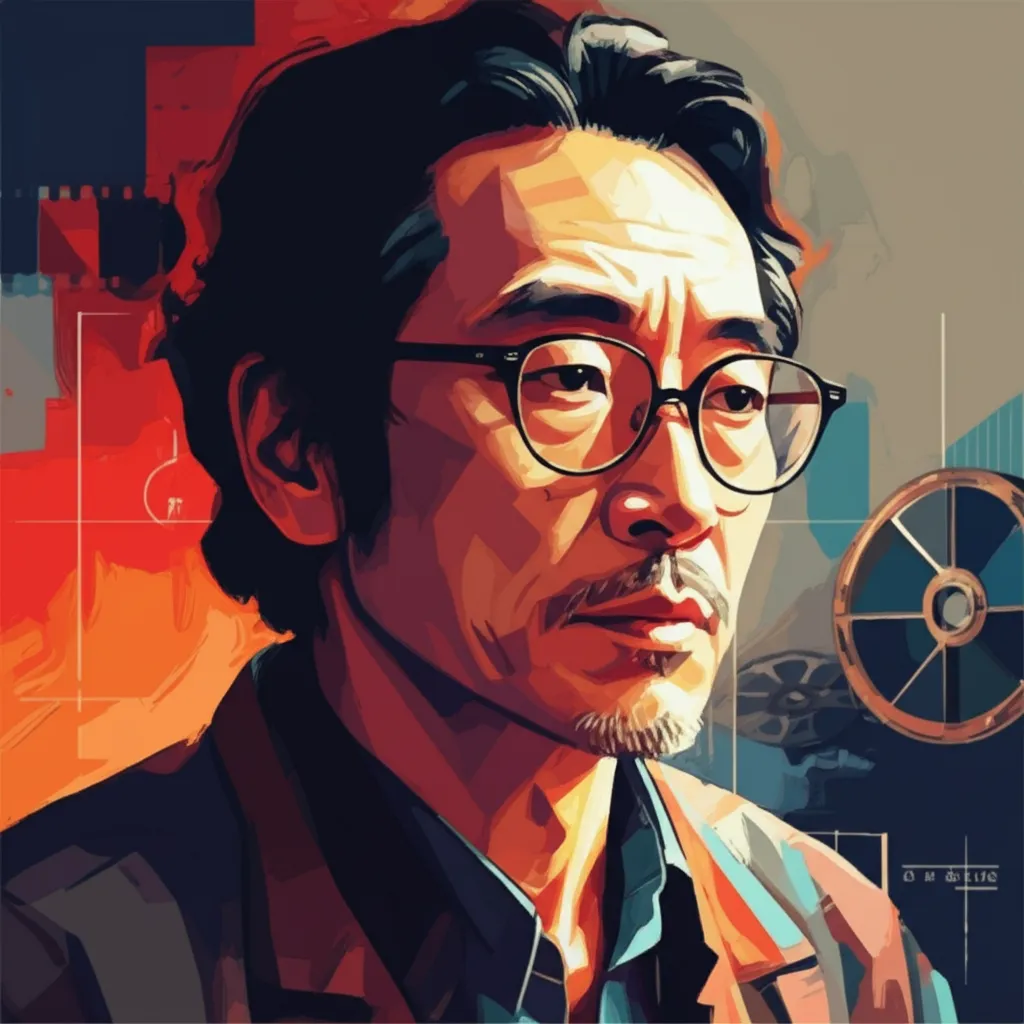
Yoshiaki Kawajiri is a visionary Japanese director renowned for his contributions to the anime genre. With a career spanning several decades, Kawajiri has left an indelible mark on the world of animation and action cinema. His directorial style is characterized by a seamless blend of traditional Japanese aesthetics with cutting-edge animation techniques, resulting in visually stunning and emotionally resonant films. One of Kawajiri's most notable works is "Ninja Scroll" (1993), a groundbreaking film that seamlessly combines action, adventure, and dark fantasy. The film's intricate animation and gripping narrative have cemented its status as a cult classic, influencing a generation of filmmakers and animators. "Vampire Hunter D: Bloodlust" (2000) further showcases Kawajiri's mastery of storytelling, as he delivers a compelling blend of horror, action, and fantasy, captivating audiences with its richly detailed world and complex characters. Kawajiri's directorial oeuvre often explores themes of mythology, the supernatural, and the human condition, weaving together intricate narratives that delve into the depths of the human psyche. His films frequently feature complex, morally ambiguous characters navigating treacherous landscapes, grappling with their inner demons, and confronting formidable adversaries. This thematic richness has contributed to Kawajiri's reputation as a director who elevates the genre, infusing his work with depth and philosophical undertones. Kawajiri's impact on cinema extends beyond his individual films, as he has played a pivotal role in popularizing Japanese animation on the global stage. His distinct visual style and storytelling prowess have garnered a dedicated international following, earning him a place among the most influential directors in the anime industry. Kawajiri's visionary approach to filmmaking continues to inspire a new generation of directors and animators, ensuring that his legacy endures in the ever-evolving landscape of cinema.
Yoshifumi Kondô
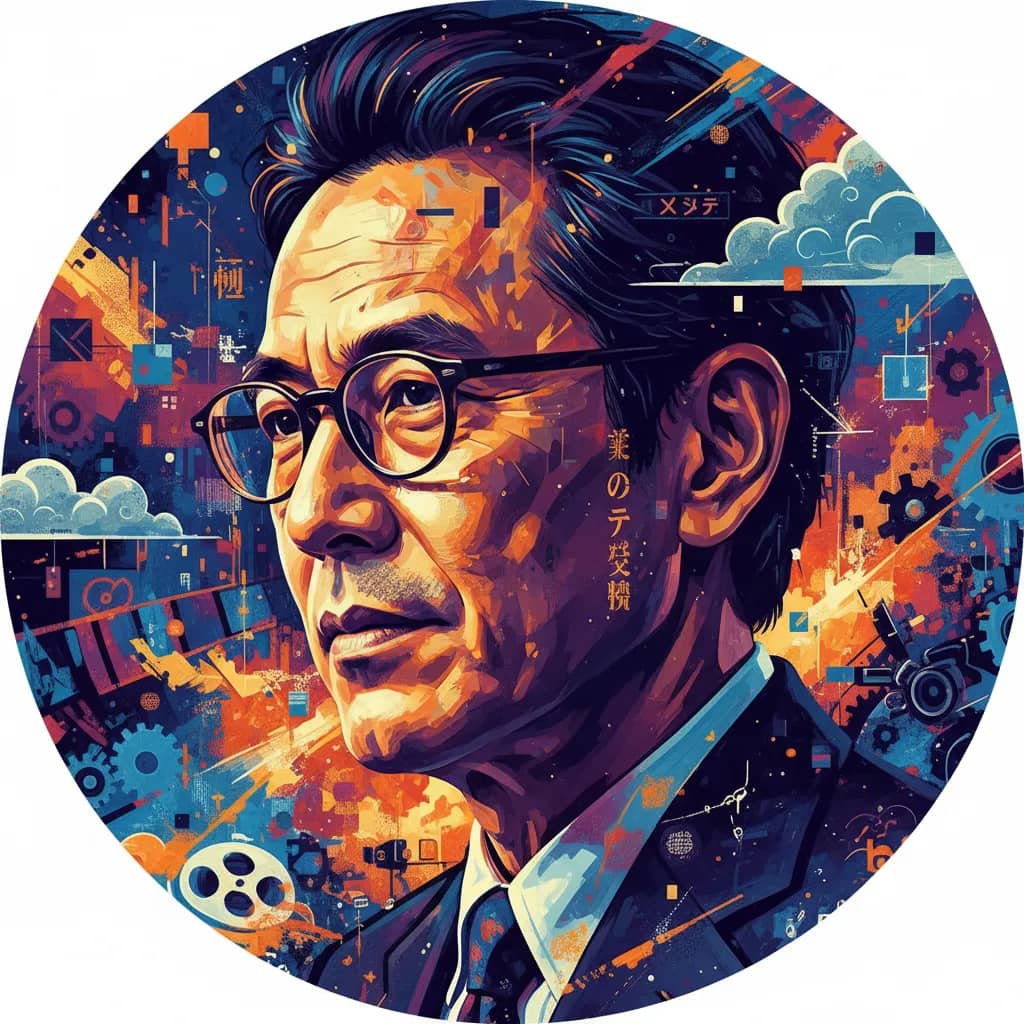
Yoshifumi Kondô was a visionary Japanese director known for his profound impact on the world of animation. With a career tragically cut short, Kondô's legacy continues to inspire filmmakers and audiences alike. His directorial style was defined by a delicate balance of poignant storytelling, intricate character development, and immersive visuals. Kondô's dedication to portraying authentic human emotions and coming-of-age narratives set him apart as a master storyteller. Kondô's notable works include "Mimi wo Sumaseba" (1995) and "Whisper of the Heart" (1995), both of which showcase his ability to capture the essence of youth, first love, and the complexities of adolescence. These films exemplify Kondô's signature blend of tender drama, enchanting animation, and relatable family dynamics, earning him a dedicated following among animation enthusiasts and cinephiles worldwide. Throughout his career, Kondô's films often revolved around themes of self-discovery, personal growth, and the transformative power of artistic expression. His profound understanding of human nature and ability to evoke genuine empathy from his audience cemented his reputation as a director with a profound emotional depth and a keen insight into the human experience. Kondô's impact on cinema extends beyond his directorial achievements, as he played a pivotal role in shaping the artistic direction of Studio Ghibli, where he worked closely with the legendary Hayao Miyazaki and Isao Takahata. His contributions to the studio's unparalleled legacy continue to resonate, as his influence can be felt in the works of subsequent filmmakers who have been inspired by his emotive storytelling and visual craftsmanship. In conclusion, Yoshifumi Kondô's tragically brief yet impactful career left an indelible mark on the world of animation and storytelling. His unique vision, profound empathy, and unparalleled ability to capture the emotional nuances of life continue to inspire filmmakers and enchant audiences, solidifying his status as a timeless luminary in the realm of cinematic artistry.