Director Names Starting with W
Showing 25-36 out of 71
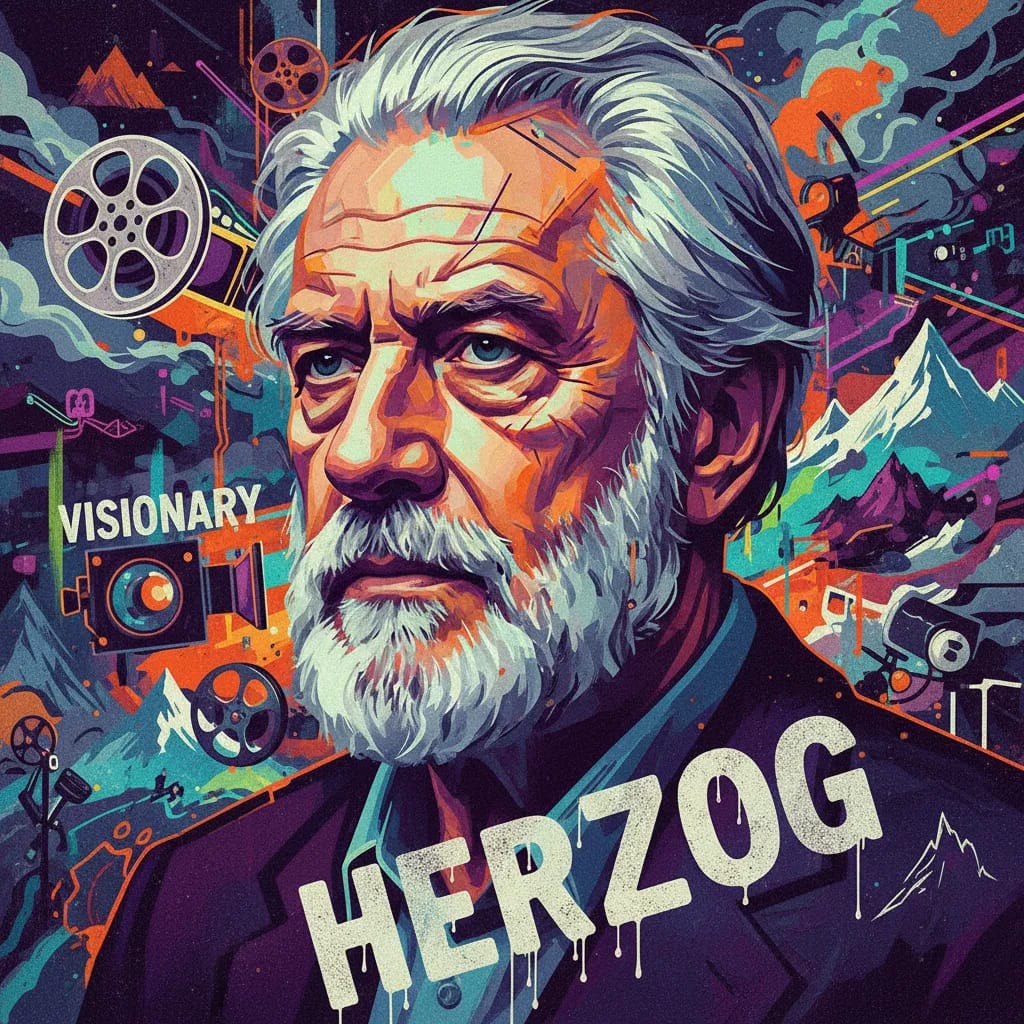
Werner Herzog
Werner Herzog is a German film director known for his distinctive and visionary approach to cinema. With a career spanning over five decades, Herzog has left an indelible mark on the film industry with his eclectic filmography and bold storytelling. His directorial style is characterized by a blend of intense realism, poetic lyricism, and a penchant for exploring the depths of human psychology. Herzog's films often delve into the complexities of human existence, showcasing an unflinching portrayal of the human condition. One of Herzog's most notable films is "Aguirre, the Wrath of God" (1972), an epic adventure drama that follows a Spanish expedition's descent into madness as they search for the mythical El Dorado. The film showcases Herzog's ability to capture the raw emotions and psychological unraveling of his characters in the midst of unforgiving natural landscapes. Another standout in Herzog's filmography is "Fitzcarraldo" (1982), a visually stunning adventure drama that chronicles the ambitious endeavor of a man determined to build an opera house in the Amazon jungle. Herzog's films often explore themes of obsession, ambition, and the clash between nature and civilization. Herzog's impact on cinema extends beyond his directorial prowess, as he has also garnered acclaim for his documentary work. His documentary "Grizzly Man" (2005) stands out as a haunting and provocative exploration of the life and tragic demise of bear enthusiast Timothy Treadwell. Through his documentaries, Herzog has demonstrated a keen ability to shed light on the complexities of human nature and the inherent mysteries of the natural world. In addition to his directorial achievements, Herzog has also ventured into narrative storytelling with films such as "My Son, My Son, What Have Ye Done" (2009) and "Rescue Dawn" (2006), showcasing his versatility as a filmmaker. His impact on cinema can be felt in the profound influence he has had on subsequent generations of filmmakers, inspiring them to push the boundaries of storytelling and visual storytelling. Herzog's unique vision and uncompromising dedication to his craft have cemented his status as a pioneering force in the world of cinema, leaving an enduring legacy that continues to inspire and captivate audiences worldwide.
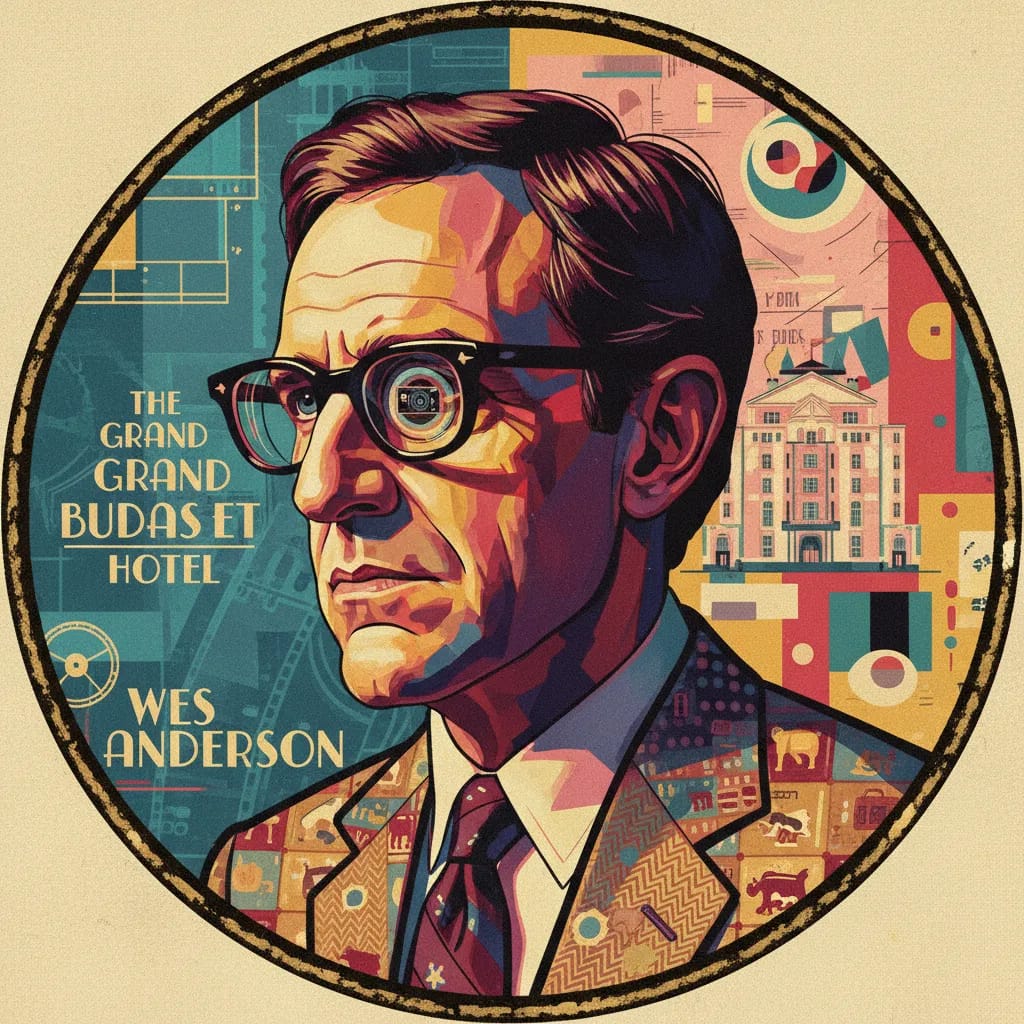
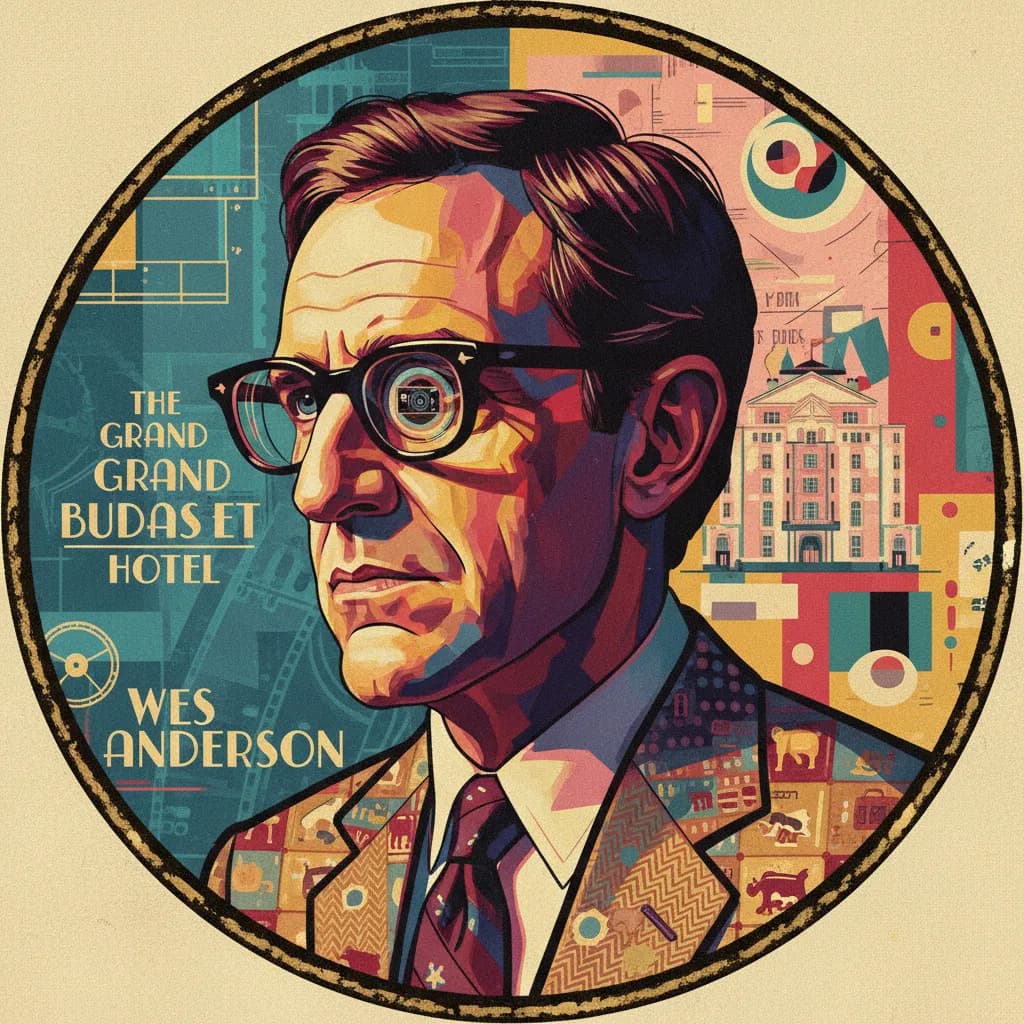
Wes Anderson
Wes Anderson is a visionary filmmaker renowned for his distinct directorial style, characterized by meticulously crafted visuals, whimsical storytelling, and idiosyncratic characters. With a career spanning over two decades, Anderson has left an indelible mark on cinema, consistently delivering a string of critically acclaimed and commercially successful films. His filmography includes a diverse array of works, such as "Fantastic Mr. Fox," "The Darjeeling Limited," "Bottle Rocket," "The Royal Tenenbaums," "Moonrise Kingdom," "The Grand Budapest Hotel," "Rushmore," "The Life Aquatic with Steve Zissou," "Isle of Dogs," and "The French Dispatch." Notable for his meticulous attention to detail and meticulously crafted visual compositions, Anderson's films often feature surreal and symmetrical aesthetics, vibrant color palettes, and elaborate production design. His directorial style is marked by an offbeat and quirky sensibility, characterized by a blend of deadpan humor, poignant storytelling, and eccentric characters. Anderson's films often explore themes of familial dysfunction, existentialism, and the pursuit of belonging, all underscored by a sense of nostalgia and longing. Anderson's impact on cinema extends beyond his directorial prowess, as he has significantly influenced a generation of filmmakers and garnered a dedicated fan base. His ability to infuse each film with his distinctive artistic vision has cemented his status as a revered auteur. Moreover, his collaborations with a recurring ensemble cast, including actors such as Bill Murray, Owen Wilson, and Jason Schwartzman, have contributed to the enduring appeal of his oeuvre. In conclusion, Wes Anderson's directorial career is a testament to his unparalleled creativity and artistic vision, as evidenced by his diverse body of work and the profound impact he has had on the cinematic landscape. His ability to transport audiences into whimsical and meticulously constructed worlds has solidified his reputation as one of the most innovative and influential directors of his generation. With each new release, Anderson continues to captivate audiences with his unique storytelling and visual flair, ensuring his legacy as a master of modern cinema.
Wes Ball
Wes Ball is a visionary film director known for his work in the action, adventure, and sci-fi genres. His notable directorial debut came with "The Maze Runner" in 2014, a gripping action-mystery film that captivated audiences with its thrilling storytelling and visually stunning world-building. The success of the film led to two sequels, "Maze Runner: The Scorch Trials" in 2015 and "Maze Runner: The Death Cure" in 2018, solidifying Ball's reputation as a director with a knack for creating immersive and pulse-pounding cinematic experiences. Ball's directorial style is characterized by his ability to infuse high-octane action sequences with compelling character dynamics and thought-provoking themes. His films often explore the resilience of the human spirit in the face of adversity, as well as the complexities of survival in dystopian settings. Ball's meticulous attention to detail and mastery of visual storytelling have set a new standard for the sci-fi genre, earning him a dedicated following among fans of immersive and adrenaline-fueled cinema. The "Maze Runner" trilogy stands as a testament to Ball's impactful contributions to the film industry, showcasing his talent for crafting expansive, visually arresting worlds while keeping the human element at the heart of the narrative. His directorial prowess has left an indelible mark on modern cinema, inspiring a new generation of filmmakers to push the boundaries of storytelling and visual effects. In conclusion, Wes Ball's directorial career has been defined by his ability to transport audiences to captivating and perilous worlds, delivering adrenaline-pumping action alongside rich character development. His work has cemented his status as a visionary director with a unique cinematic voice, and his impact on the sci-fi and action genres is sure to resonate for years to come. With his exceptional storytelling skills and visionary approach to filmmaking, Wes Ball remains a director to watch as he continues to shape the future of cinematic storytelling.
Wes Craven
Wes Craven, a visionary in the horror genre, rose to prominence with his groundbreaking 1984 film "A Nightmare on Elm Street." Known for his distinctive directorial style, Craven's work often delves into the darkest corners of the human psyche, exploiting primal fears and pushing the boundaries of the horror genre. His filmography boasts a range of influential and iconic works, including the "Scream" franchise, "The Serpent and the Rainbow," "Shocker," and "The People Under the Stairs." Craven's films are characterized by their subversive storytelling, deftly blending elements of horror, mystery, and fantasy to create immersive and spine-chilling experiences for audiences. His directorial approach often incorporates psychological terror, surreal imagery, and thought-provoking narratives, setting his work apart from traditional horror fare. Notably, Craven's "Scream" series revitalized the slasher genre, introducing self-aware and meta elements that redefined audience expectations and influenced a new wave of horror filmmakers. Throughout his career, Craven explored recurring themes such as the nature of fear, the blurred lines between reality and nightmare, and the concept of the "final girl" archetype. His impact on cinema is undeniable, as he challenged conventions and brought a fresh perspective to the horror genre, earning him a dedicated following and critical acclaim. Additionally, Craven's forays into other genres, such as the drama "Music of the Heart," demonstrated his versatility as a director, showcasing his ability to transcend genre boundaries and tackle diverse storytelling. Wes Craven's indelible mark on the film industry continues to resonate, inspiring a new generation of filmmakers and captivating audiences with his unparalleled storytelling prowess. His legacy as a master of horror endures, cementing his status as a pioneer whose innovative contributions have left an indelible imprint on cinema. With a body of work that remains a testament to his unparalleled creativity and impact, Wes Craven remains an iconic figure in the realm of cinematic horror.

Whit Stillman
Whit Stillman is a celebrated American writer-director known for his distinctive voice and keen observations of the upper-class society. His directorial style is characterized by witty dialogue, astute social commentary, and a penchant for exploring the lives and relationships of privileged characters. Stillman's films often delve into the intricacies of human behavior, social mores, and the complexities of interpersonal relationships, all within the backdrop of elite social circles. One of Stillman's most notable films is "Metropolitan" (1989), which marked his directorial debut and received widespread critical acclaim. The film, set against the backdrop of debutante balls and high society gatherings, established Stillman as a filmmaker with a sharp eye for detail and a knack for crafting nuanced characters. His ability to infuse comedy, drama, and romance into his narratives has set him apart as a master of the genre. In 1998, Stillman further solidified his reputation with "The Last Days of Disco," a film that encapsulates his signature style, blending sharp wit with poignant insights. The movie, set in the vibrant world of 1980s New York City nightlife, garnered praise for its evocative storytelling and rich character development. Stillman's acute understanding of human dynamics and his ability to capture the zeitgeist of an era have made this film a timeless classic. In 2016, Stillman once again showcased his directorial prowess with "Love & Friendship," a period comedy-drama adapted from Jane Austen's novella. The film received acclaim for its elegant cinematography, witty dialogue, and strong performances, further establishing Stillman as a versatile filmmaker capable of breathing new life into classic literature. Throughout his career, Stillman's films have consistently explored themes of class, privilege, and the complexities of human interaction, all while maintaining his trademark dry humor and incisive wit. His impact on cinema lies in his ability to create compelling narratives that resonate with audiences while offering a unique perspective on the societal dynamics of the elite. Stillman's distinct directorial voice and his ability to infuse his work with both humor and depth have cemented his status as a filmmaker of exceptional talent and vision.
Wilfred Jackson
Wilfred Jackson was a pioneering figure in the world of animation and film direction, leaving an indelible mark on the industry with his visionary work and innovative storytelling techniques. With a career spanning several decades, Jackson's directorial prowess is evident in his outstanding contributions to timeless classics such as "Snow White and the Seven Dwarfs" (1937), "Pinocchio" (1940), "Dumbo" (1941), "Song of the South" (1946), and "Peter Pan" (1953). His directorial style was characterized by a seamless fusion of captivating visuals, compelling narratives, and memorable musical compositions, cementing his status as a trailblazer in the realm of animation. Jackson's cinematic legacy is defined by his ability to imbue his films with relatable characters, enchanting landscapes, and profound emotional depth. He was a master at infusing his work with themes of resilience, hope, and the triumph of the human spirit, which resonated deeply with audiences of all ages. Notably, his films often showcased the transformative power of friendship, the enduring nature of love, and the inherent goodness of the human heart, establishing a timeless appeal that continues to captivate generations of viewers. Beyond his creative prowess, Jackson's impact on cinema extends to his pioneering use of cutting-edge animation techniques and his commitment to pushing the boundaries of visual storytelling. His innovative approach to animation, including the implementation of synchronized sound and groundbreaking special effects, set a new standard for the industry and paved the way for future generations of animators and directors. His visionary contributions to the art of animation have left an indelible imprint on the medium, shaping the trajectory of animated filmmaking and inspiring countless filmmakers to follow in his footsteps. In conclusion, Wilfred Jackson's directorial career stands as a testament to his unparalleled creativity, visionary storytelling, and lasting impact on the world of cinema. His ability to craft timeless narratives, coupled with his innovative approach to animation, solidified his status as a true luminary in the realm of film direction. Jackson's enduring legacy continues to inspire and enchant audiences, ensuring that his contributions to the art of animation and filmmaking will be celebrated for generations to come.

Willard Carroll
Willard Carroll is a versatile and visionary film director known for his ability to blend comedy, drama, and romance in a seamless and captivating manner. His notable work includes the 1998 film "Playing by Heart," which showcases his directorial prowess and storytelling finesse. Carroll's directorial style is characterized by his adeptness at interweaving complex narratives and compelling characters, creating emotionally resonant and thought-provoking cinematic experiences. "Playing by Heart" exemplifies Carroll's directorial acumen, featuring an ensemble cast and intertwining storylines that delve into the intricacies of love, relationships, and human connection. His ability to navigate between different genres while maintaining a cohesive and engaging narrative is a testament to his directorial skill. Carroll's films often explore the multifaceted nature of human relationships, portraying the depth of emotions and the complexities of interpersonal dynamics with authenticity and insight. Carroll's impact on cinema lies in his ability to infuse his films with heartfelt storytelling, genuine emotions, and relatable characters. His work resonates with audiences by capturing the essence of human experiences and relationships, transcending the boundaries of genre and leaving a lasting impression. With a keen eye for detail and a deep understanding of human nature, Carroll has carved a niche for himself as a director who brings depth and sincerity to his storytelling. In the realm of romantic dramas, Carroll's contributions have left an indelible mark, garnering acclaim for his ability to evoke genuine emotions and create compelling narratives that resonate with audiences. His directorial vision continues to inspire and influence filmmakers, setting a standard for authentic storytelling and nuanced character portrayals. With a career marked by insightful storytelling and impactful filmmaking, Willard Carroll stands as a director whose work continues to captivate and leave a lasting impression on the cinematic landscape.
Willard Huyck
Willard Huyck is an American film director known for his distinctive approach to storytelling and his contributions to the world of cinema. Huyck made a significant impact on the industry with his diverse filmography, showcasing his versatility and unique directorial style. His most notable work includes the cult classic "Howard the Duck" (1986), a science fiction action-adventure comedy that has become a beloved cult favorite. Huyck's directorial style is characterized by his ability to blend genres, creating films that are both entertaining and thought-provoking. He is known for his keen sense of visual storytelling, as well as his skillful handling of humor and action. "Howard the Duck" exemplifies Huyck's ability to infuse fantastical elements with humor and adventure, creating a film that continues to resonate with audiences decades after its release. Throughout his career, Huyck has explored diverse themes in his films, often delving into the realms of science fiction, comedy, and adventure. His ability to seamlessly blend these genres has set him apart as a visionary director with a unique perspective. Huyck's work has left a lasting impact on the film industry, inspiring other filmmakers and captivating audiences with his imaginative storytelling. "Howard the Duck" remains a standout film in Huyck's filmography and has solidified his reputation as a director with a penchant for crafting memorable and unconventional narratives. Huyck's ability to push boundaries and defy traditional genre conventions has made him a trailblazer in the world of cinema. His influence continues to be felt in the industry, and his work serves as a testament to the power of creativity and originality in filmmaking. Willard Huyck's legacy as a director is defined by his ability to transport audiences to imaginative worlds while delivering compelling and entertaining stories.
Will Becher
Will Becher is a talented film director best known for his work in the animated film industry. He made his directorial debut with the highly acclaimed "A Shaun the Sheep Movie: Farmageddon" in 2019. This delightful animation, a sequel to "A Shaun the Sheep Movie," seamlessly blends comedy and adventure, capturing the hearts of audiences of all ages. Becher's directorial style is characterized by his ability to infuse warmth, humor, and creativity into his storytelling, making him a standout figure in the world of animation. One of Becher's notable strengths lies in his keen attention to detail, evident in the intricate and expressive animation featured in "A Shaun the Sheep Movie: Farmageddon." His ability to bring characters to life through subtle movements and nuanced expressions adds depth and charm to his films. Becher's directorial vision shines through in his meticulous approach to storytelling, ensuring that each frame is filled with visual splendor and narrative richness. Throughout his career, Becher has demonstrated a knack for creating endearing and relatable characters, as well as crafting imaginative and immersive worlds. He has contributed significantly to the animation genre, showcasing a distinctive blend of wit, heart, and visual appeal in his work. Becher's impact on cinema is evident in his ability to captivate audiences with his storytelling prowess and his dedication to pushing the boundaries of what animated films can achieve. In "A Shaun the Sheep Movie: Farmageddon," Becher explores themes of friendship, adventure, and the power of resilience, resonating with audiences on a profound level. His commitment to crafting narratives that resonate with universal emotions and experiences has solidified his status as a director capable of creating enduring and beloved films. As Becher continues to make his mark in the world of animation, audiences can look forward to more enchanting and heartwarming stories brought to life by his exceptional directorial talent.

Will Canon
Will Canon is an American film director known for his work in the horror, mystery, and thriller genres. His notable filmography includes the 2015 supernatural horror film "Demonic." Canon's directorial style often incorporates elements of suspense, psychological tension, and supernatural intrigue, making him a distinctive voice in the realm of genre filmmaking. "Demonic" marked a significant milestone in Canon's career, showcasing his ability to craft a gripping and atmospheric narrative within the horror genre. The film demonstrates his penchant for building tension through expertly crafted visuals and sound design, creating an immersive and chilling experience for audiences. Canon's directorial approach in "Demonic" reflects his skill in blending traditional horror tropes with innovative storytelling techniques, resulting in a film that resonates with fans of the genre. Throughout his career, Canon has exhibited a recurring interest in exploring the complexities of human psychology and the unknown. His films often delve into themes of fear, paranoia, and the supernatural, inviting audiences to confront their deepest anxieties through the lens of compelling storytelling. This thematic underpinning has contributed to Canon's reputation as a director who infuses his work with thought-provoking narratives that linger in the minds of viewers long after the credits roll. Canon's impact on cinema lies in his ability to infuse the horror, mystery, and thriller genres with fresh perspectives and innovative storytelling techniques. His unique vision and directorial prowess have left an indelible mark on the film industry, earning him a dedicated following among genre enthusiasts. As Canon continues to shape his directorial legacy, audiences can anticipate further captivating and evocative cinematic offerings that push the boundaries of traditional genre conventions. With a keen eye for atmospheric storytelling and a penchant for tapping into primal fears, Will Canon stands as a formidable presence in the world of genre filmmaking, poised to leave an enduring imprint on the cinematic landscape.

Will Finn
Will Finn is a highly respected director known for his work in the animation genre. With a career that spans over several decades, he has left an indelible mark on the film industry. Finn's most notable directorial work includes his contribution to the animated feature "Home on the Range" (2004), a film that seamlessly weaves together elements of animation, adventure, and comedy to create a memorable and entertaining cinematic experience. Finn's directorial style is characterized by his ability to infuse heartwarming storytelling with a distinct sense of humor, making his films universally appealing to audiences of all ages. His keen understanding of character development and narrative structure allows him to create compelling and relatable stories that resonate with viewers on a deep emotional level. One of Finn's recurring themes in his directorial work is the exploration of friendship, resilience, and the triumph of the underdog. His films often celebrate the power of teamwork and the importance of staying true to oneself, delivering uplifting messages that inspire and uplift audiences. Finn's impact on cinema is undeniable, as he has contributed to the enduring legacy of animated films. His dedication to pushing the boundaries of storytelling within the animation genre has cemented his status as a visionary director. Finn's ability to craft visually stunning and emotionally resonant films has set a high standard for future generations of filmmakers to aspire to. In conclusion, Will Finn's directorial career is a testament to his unparalleled talent and dedication to the art of storytelling through animation. His unique vision and contributions have not only made a lasting impact on the world of cinema but have also brought joy and inspiration to countless audiences around the globe.

Will Gluck
Will Gluck is an accomplished film director known for his distinctive blend of humor, heart, and visual flair. With a diverse filmography spanning various genres, Gluck has made an indelible mark on the industry with his unique directorial style. His notable films include "Peter Rabbit" (2018), "Easy A" (2010), "Fired Up!" (2009), and "Friends with Benefits" (2011), all of which showcase his ability to seamlessly merge comedy, drama, and romance to create engaging and entertaining cinematic experiences. Gluck's directorial approach is characterized by his keen sense of comedic timing and his ability to infuse his films with relatable, authentic characters. His films often feature witty dialogue, dynamic visual storytelling, and a lighthearted yet thought-provoking exploration of human relationships. Gluck has a knack for bringing out the best in his cast, eliciting natural and endearing performances that resonate with audiences. One of Gluck's most significant contributions to cinema is his adeptness at crafting films that appeal to a wide audience demographic. His works seamlessly blend humor and heart, making them accessible and enjoyable for viewers of all ages. Additionally, Gluck's films often explore themes of friendship, love, and self-discovery, offering viewers a poignant and relatable reflection of the human experience. With the success of "Peter Rabbit" and its sequel "Peter Rabbit 2: The Runaway," Gluck has solidified his reputation as a director capable of creating visually stunning and emotionally resonant family-friendly films. His impact on cinema is evident in his ability to create works that not only entertain but also leave a lasting impression on audiences, solidifying his status as a director with a distinct and influential voice in the industry. Will Gluck's unique vision and storytelling prowess continue to captivate audiences and cement his legacy as a versatile and talented filmmaker.