Director Names Starting with W
Showing 13-24 out of 71

Wanuri Kahiu
Wanuri Kahiu is an acclaimed Kenyan film director known for her unique and vibrant storytelling style that captures the essence of African culture while addressing universal themes. Her notable directorial work includes the 2022 film "Look Both Ways," a compelling blend of comedy, drama, and romance that showcases Kahiu's ability to infuse her narratives with heart and authenticity. Kahiu's directorial style is characterized by her vivid visual aesthetic and her ability to tackle complex emotions with a light touch. She has a talent for crafting stories that resonate with audiences on a deeply emotional level while incorporating elements of humor and romance. "Look Both Ways" exemplifies Kahiu's skill in weaving together diverse genres to create a rich and engaging cinematic experience. Throughout her career, Kahiu has explored a wide range of themes in her films, including identity, love, and the human experience. Her work often celebrates the beauty of African culture while addressing universal themes that transcend geographical boundaries. As a director, Kahiu has made a significant impact on cinema by amplifying diverse voices and narratives from the African continent, contributing to a more inclusive and representative landscape in the global film industry. Wanuri Kahiu's visionary approach to storytelling and her commitment to showcasing the richness of African culture have solidified her as a trailblazing director with a distinct and influential voice in the world of cinema. Her directorial work continues to inspire and resonate with audiences worldwide, making her a pivotal figure in the ongoing evolution of international filmmaking. In conclusion, Wanuri Kahiu's directorial career is distinguished by her ability to craft compelling narratives that blend humor, drama, and romance while authentically portraying the African experience. Her impact on cinema extends beyond her storytelling prowess, as she has played a crucial role in amplifying diverse voices and narratives from the African continent, contributing to a more inclusive and representative global film industry. With her visionary approach and commitment to storytelling, Kahiu continues to make a significant impact on the world of cinema, solidifying her status as a pioneering director with a lasting influence on the industry.

Ward Kimball
Ward Kimball was a pioneering figure in the world of animation, known for his exceptional directorial contributions to the industry. Kimball's directorial style was characterized by a whimsical and imaginative approach, often incorporating innovative animation techniques and a playful sense of humor. His work consistently showcased a penchant for pushing the boundaries of traditional animation, leading to the creation of visually stunning and captivating films. One of Kimball's most notable directorial credits includes the beloved Disney film "Bedknobs and Broomsticks" (1971). As the director of animation for the film, Kimball played a pivotal role in bringing the enchanting story to life through his innovative storytelling and creative vision. His ability to infuse the film with a sense of wonder and magic left a lasting impact on audiences and solidified his reputation as a visionary director within the animation genre. Throughout his career, Kimball's work often featured recurring themes of adventure, whimsy, and fantastical storytelling. His unique ability to transport viewers to imaginative worlds through his directorial prowess set him apart as a trailblazer in the animation industry. Kimball's influence on cinema extends beyond his individual directorial projects, as his innovative techniques and creative vision have continued to shape the landscape of animation and inspire future generations of filmmakers. Ward Kimball's directorial legacy has left an indelible mark on the world of animation, earning him a place among the most influential and visionary directors in the industry. His innovative approach to storytelling, coupled with his ability to push the boundaries of traditional animation, has cemented his status as a revered figure in cinema. Kimball's enduring impact on the medium serves as a testament to his unparalleled talent and unwavering dedication to bringing imaginative stories to life on the silver screen.
Warren Beatty
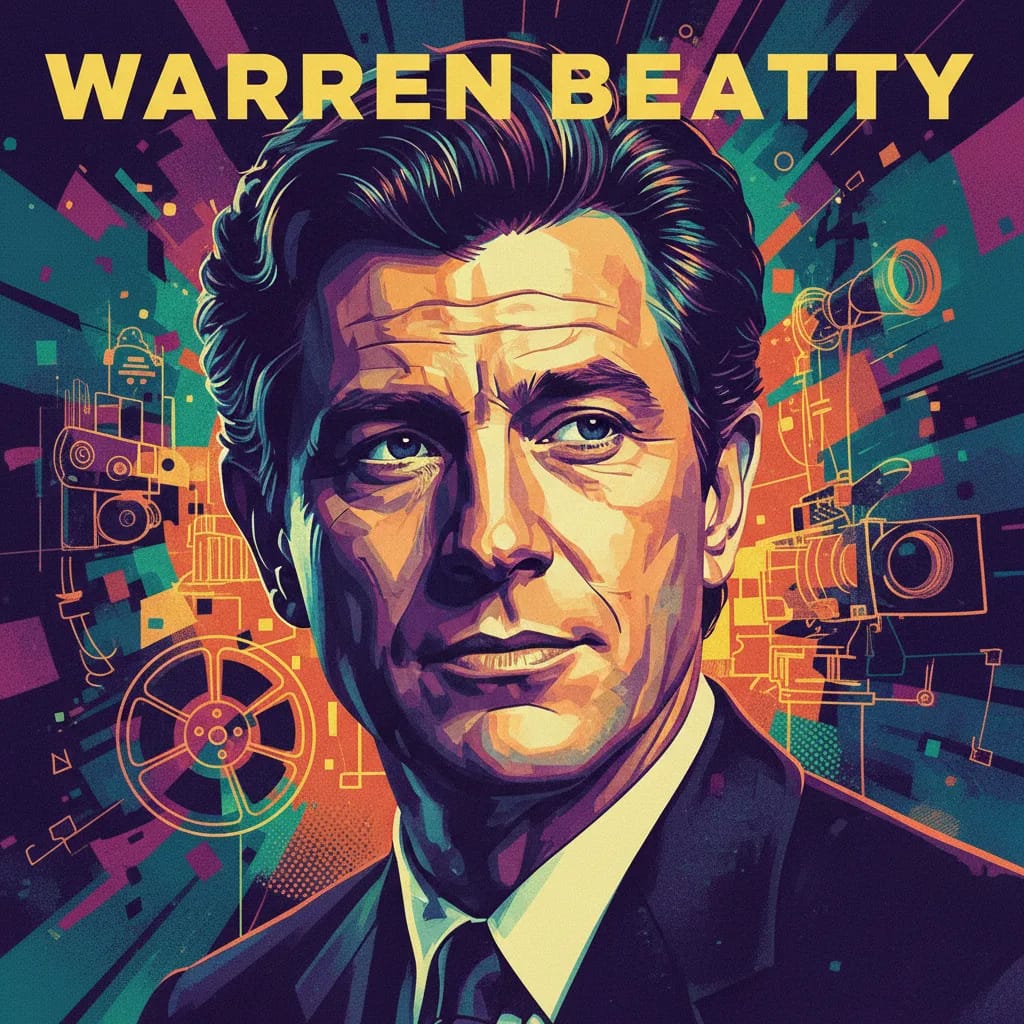
Warren Beatty is a prolific filmmaker known for his versatile career as a director, actor, producer, and screenwriter. His directorial style is marked by a keen attention to detail, compelling storytelling, and an ability to infuse his films with a rich blend of genres, from historical epics to quirky comedies. Beatty's career in film direction spans several decades, during which he has left an indelible mark on the industry. One of Beatty's most celebrated directorial achievements is "Reds" (1981), a sweeping epic that delves into the life of American journalist and socialist activist John Reed. This biographical drama showcases Beatty's ability to capture the complexity of historical events while also delving into the personal lives of his characters. The film earned Beatty critical acclaim and numerous accolades, including Academy Awards for Best Director and Best Picture. In "Dick Tracy" (1990), Beatty demonstrated his prowess in blending action, comedy, and crime genres to create a visually striking and entertaining film. His dedication to bringing the iconic comic strip character to life on the big screen resulted in a vibrant and stylized cinematic experience that showcased his directorial flair. Beatty's directorial repertoire also includes "Heaven Can Wait" (1978), a charming comedy with elements of fantasy and romance, and "Bulworth" (1998), a politically charged satire that showcased his ability to tackle societal issues with wit and insight. In "Rules Don't Apply" (2016), Beatty portrayed the eccentric and reclusive billionaire Howard Hughes while also directing and producing the film, showcasing his multifaceted talents. Throughout his career, Beatty has explored themes of love, power, politics, and the human experience, all while leaving an indelible impact on cinema. His ability to seamlessly navigate between genres and his dedication to crafting compelling narratives have solidified his status as a visionary filmmaker. Warren Beatty's contributions to film continue to inspire and influence filmmakers and audiences alike, making him an enduring figure in the cinematic landscape.

Warren Coleman
Warren Coleman is a talented Australian director best known for his work on the animated film "Happy Feet" (2006). With a background in animation, adventure, and comedy, Coleman's directorial style is characterized by his ability to blend heartwarming storytelling with visually stunning animation. His passion for creating immersive, family-friendly films has earned him a reputation as a director with a keen eye for detail and a knack for delivering powerful, emotional narratives. "Happy Feet" stands as a testament to Coleman's directorial prowess, as the film received critical acclaim and went on to win the Academy Award for Best Animated Feature. The movie's success not only solidified Coleman's status as a visionary director but also showcased his ability to craft engaging stories that resonate with audiences of all ages. With a focus on environmental conservation and the power of self-expression, "Happy Feet" reflects Coleman's penchant for weaving important themes into his work, making it both entertaining and thought-provoking. Coleman's impact on cinema can be seen through his dedication to pushing the boundaries of animated storytelling. His commitment to creating visually stunning and emotionally resonant films has set a high standard for the animation genre. By infusing his work with a mix of humor, heart, and social commentary, Coleman has carved out a niche for himself in the industry, inspiring a new generation of filmmakers to follow in his footsteps. His contributions to the world of animation have left an indelible mark, making him a director worth celebrating and studying for years to come. In conclusion, Warren Coleman's directorial career is defined by his ability to create captivating animated films that leave a lasting impression on audiences. Through his work on "Happy Feet," Coleman has proven himself to be a director with a unique vision, a commitment to storytelling, and a dedication to pushing the boundaries of animated cinema. With his ability to blend entertainment with important messages, Coleman has solidified his place as a director whose impact on the industry will be felt for years to come.

Wash Westmoreland
Wash Westmoreland is a talented director known for his unique vision and compelling storytelling. With a career spanning over two decades, Westmoreland has made a significant impact on cinema with his thought-provoking films. His directorial style is characterized by a keen attention to detail, nuanced character development, and a deep exploration of complex human emotions. One of Westmoreland's notable films is "Still Alice" (2014), a poignant drama that delves into the devastating effects of early-onset Alzheimer's disease on a renowned linguistics professor. The film garnered critical acclaim and earned numerous accolades, including an Academy Award for Best Actress for Julianne Moore's powerful portrayal of the protagonist. Westmoreland's sensitive and empathetic approach to storytelling shines through in "Still Alice," as he skillfully navigates the emotional landscape of the characters. In "Colette" (2018), Westmoreland takes on the biographical drama genre, bringing to life the fascinating story of the French novelist Sidonie-Gabrielle Colette. The film explores themes of gender identity, artistic expression, and societal constraints, showcasing Westmoreland's ability to tackle complex and relevant subject matter with finesse. "Colette" received praise for its captivating narrative and strong performances, further solidifying Westmoreland's reputation as a director with a keen eye for compelling storytelling. Westmoreland's most recent film, "Earthquake Bird" (2019), exemplifies his versatility as a director, as he ventures into the crime, drama, and mystery genres. Set in 1980s Tokyo, the film weaves a gripping tale of love, jealousy, and psychological intrigue, demonstrating Westmoreland's ability to captivate audiences with his engaging and atmospheric storytelling. Through his diverse filmography, Westmoreland has showcased his versatility and storytelling prowess, cementing his status as a director to watch in the industry. Overall, Wash Westmoreland's directorial career is defined by his unwavering commitment to bringing compelling narratives to the screen and his ability to elicit powerful performances from his actors. His films consistently tackle thought-provoking themes and showcase a deep understanding of the human experience, leaving a lasting impression on audiences. As he continues to push creative boundaries and craft impactful stories, Westmoreland's contributions to cinema are sure to endure for years to come. Keywords: Wash Westmoreland, director, filmography, Still Alice, Colette, Earthquake Bird, directorial

Wayne Blair
Wayne Blair is a talented Australian director known for his exceptional work in the film industry. His directorial debut came in 2012 with the critically acclaimed film "The Sapphires," a heartwarming and soulful story that seamlessly blends biography, comedy, and drama. The film, based on a true story, follows a group of four talented Indigenous Australian women who form a music group and entertain American troops during the Vietnam War. "The Sapphires" received widespread praise for its engaging storytelling, vibrant musical performances, and poignant exploration of themes such as identity, culture, and the power of music. Blair's directorial style is characterized by his ability to infuse his films with a strong sense of authenticity and emotional depth. His keen eye for capturing the nuances of human relationships and experiences has resonated with audiences and critics alike. In "The Sapphires," Blair masterfully balances the film's comedic elements with its heartfelt dramatic moments, creating a compelling narrative that celebrates the resilience and talent of its characters. His skillful direction brings out powerful performances from the cast, adding layers of depth to the storytelling. One of Blair's notable contributions to cinema is his commitment to representing diverse voices and stories on screen. Through "The Sapphires," he brought to light an inspiring and often overlooked chapter of Australian history, shining a spotlight on the experiences of Indigenous women in the music industry. His dedication to telling stories that celebrate cultural diversity and resilience has made a significant impact on the film landscape, opening doors for underrepresented narratives to be shared with global audiences. Blair's work often explores themes of empowerment, resilience, and the transformative power of music, resonating with audiences on a universal level. His directorial vision has left an indelible mark on the industry, earning him recognition as a filmmaker with a distinctive voice and a commitment to storytelling that inspires, entertains, and enlightens. As Wayne Blair continues to make his mark in the world of cinema, audiences eagerly anticipate his future projects, knowing that each film will bring a captivating and meaningful story to the screen.

Wayne Kramer
Wayne Kramer is a versatile film director known for his compelling storytelling and visually striking cinematic style. With a career spanning over two decades, Kramer has left an indelible mark on the film industry through his diverse filmography that encompasses various genres. His notable directorial credits include "Pawn Shop Chronicles" (2013), an action-packed comedy crime film, "The Cooler" (2003), a captivating drama romance, "Running Scared" (2006), an intense action crime drama, and "Crossing Over" (2009), a thought-provoking crime drama. Kramer's directorial style is characterized by his ability to seamlessly blend intense action sequences with poignant character-driven narratives. His films often explore the gritty underbelly of society, delving into the complexities of human nature and morality. Kramer's visual storytelling is marked by his use of dynamic camera work and innovative editing techniques, creating a visceral and immersive experience for the audience. One of Kramer's recurring themes is the exploration of moral ambiguity and the consequences of one's actions. His films often present morally complex characters grappling with difficult choices, adding layers of depth and authenticity to his storytelling. Kramer's keen understanding of human psychology and the human condition shines through in his character portrayals, making his films resonate on a profound emotional level. Throughout his career, Wayne Kramer has made a significant impact on cinema by pushing creative boundaries and challenging conventional storytelling norms. His ability to infuse raw emotion and tension into his films has garnered critical acclaim and a dedicated fan base. As a director, Kramer continues to captivate audiences with his distinct vision and unwavering commitment to crafting compelling narratives that leave a lasting impression. In conclusion, Wayne Kramer's directorial prowess has solidified his status as a visionary filmmaker with a penchant for crafting gripping and emotionally resonant stories. His diverse filmography and unique directorial style have cemented his place in the pantheon of influential directors, making him a force to be reckoned with in the world of cinema.

Wayne Roberts
Wayne Roberts is a talented film director known for his unique vision and storytelling prowess. His notable filmography includes "The Professor" (2018), a comedy-drama that showcases his ability to blend humor and poignant human experiences. Roberts' directorial style is characterized by a keen eye for detail, compelling character development, and a penchant for exploring the complexities of the human condition. "The Professor" stands as a testament to Roberts' ability to deftly navigate the nuances of dark comedy while delving into deeper emotional themes. His work often delves into the struggles and triumphs of everyday individuals, weaving together narratives that resonate with audiences on a profound level. Roberts' films are marked by their thought-provoking storytelling, rich character dynamics, and a genuine exploration of the human experience. Roberts' impact on cinema lies in his ability to infuse his films with authenticity and emotional depth, making them stand out in the crowded landscape of contemporary cinema. His recurring themes often revolve around the exploration of personal growth, resilience in the face of adversity, and the often tumultuous journey of self-discovery. Through his directorial endeavors, Roberts has carved out a niche for himself as a filmmaker who fearlessly tackles complex subject matter with a deft touch and a nuanced perspective. In conclusion, Wayne Roberts has made a significant mark on the film industry through his compelling directorial style and his ability to craft narratives that resonate with audiences. His film "The Professor" is a testament to his talent and serves as a testament to his ability to create emotionally resonant stories. As Roberts continues to pursue his directorial career, audiences can eagerly anticipate more thought-provoking and emotionally impactful films from this visionary director.

Wayne Wang
Wayne Wang is a renowned film director whose diverse career has spanned across various genres, leaving an indelible mark on the cinematic landscape. With a distinct directorial style that effortlessly blends humor, drama, and heart, Wang has consistently delivered compelling narratives that resonate with audiences worldwide. One of his most notable works is "The Joy Luck Club" (1993), a poignant drama that beautifully weaves together the stories of Chinese immigrant mothers and their American-born daughters. This film not only showcased Wang's exceptional storytelling ability but also served as a breakthrough moment for Asian representation in Hollywood, earning widespread critical acclaim and leaving a lasting impact on the industry. Wang's directorial prowess extends beyond dramas, as evidenced by his foray into the realms of comedy and family-centric storytelling with films like "Because of Winn-Dixie" (2005), "Anywhere But Here" (1999), "Maid in Manhattan" (2002), and "Last Holiday" (2006). Through these films, Wang demonstrated his versatility as a director, adeptly navigating different genres while maintaining his signature touch of emotional depth and relatable characters. A recurring theme in Wang's work is the exploration of cultural identity, familial relationships, and the human experience, all of which are expertly interwoven into his narratives. His ability to capture the complexities of human emotions and interpersonal dynamics has earned him a reputation as a director with a keen understanding of the human condition, further solidifying his impact on cinema. Wayne Wang's contributions to film extend far beyond his individual works, as he has played a pivotal role in paving the way for diverse voices and perspectives in the industry. Through his compelling storytelling and unwavering commitment to authenticity, Wang has left an indelible legacy, inspiring future generations of filmmakers and enriching the cinematic landscape with his unique vision. In conclusion, Wayne Wang's directorial career is a testament to the power of storytelling and the profound impact it can have on audiences. With a diverse filmography that spans across genres, his work continues to captivate and resonate with viewers, solidifying his status as a visionary director whose influence transcends the silver screen.

W.D. Richter
W.D. Richter is a visionary film director known for his unique blend of adventure, comedy, and science fiction. His most notable work, "The Adventures of Buckaroo Banzai Across the 8th Dimension" (1984), exemplifies his distinct directorial style, characterized by imaginative storytelling, quirky humor, and a seamless fusion of genres. Richter's directorial approach is marked by his ability to create immersive cinematic experiences that transport audiences to fantastical worlds while infusing his narratives with thought-provoking themes and larger-than-life characters. "The Adventures of Buckaroo Banzai Across the 8th Dimension" stands as a cult classic and a testament to Richter's directorial prowess. The film showcases his penchant for pushing the boundaries of conventional storytelling, as he weaves a captivating tale of a rock star, neurosurgeon, and scientist who lead a double life as they battle interdimensional threats. Richter's ability to seamlessly blend elements of adventure, comedy, and science fiction into a cohesive and captivating narrative is a testament to his directorial ingenuity. Richter's directorial contributions have had a lasting impact on cinema, influencing a generation of filmmakers and captivating audiences with his imaginative storytelling. His work reflects a recurring theme of embracing the extraordinary within the mundane, as his characters navigate surreal and otherworldly challenges while remaining relatable and endearing. Richter's ability to infuse his films with a sense of wonder and whimsy has solidified his place in the pantheon of visionary directors, and his distinct directorial style continues to inspire and captivate audiences to this day. In conclusion, W.D. Richter's career as a film director is defined by his innovative storytelling, seamless genre blending, and ability to transport audiences to captivating and otherworldly realms. His impact on cinema is undeniable, as he has left an indelible mark with his unique directorial vision. As audiences continue to revisit and rediscover his work, Richter's legacy as a pioneering director in the realms of adventure, comedy, and science fiction remains as vibrant and influential as ever.
Wei Lo
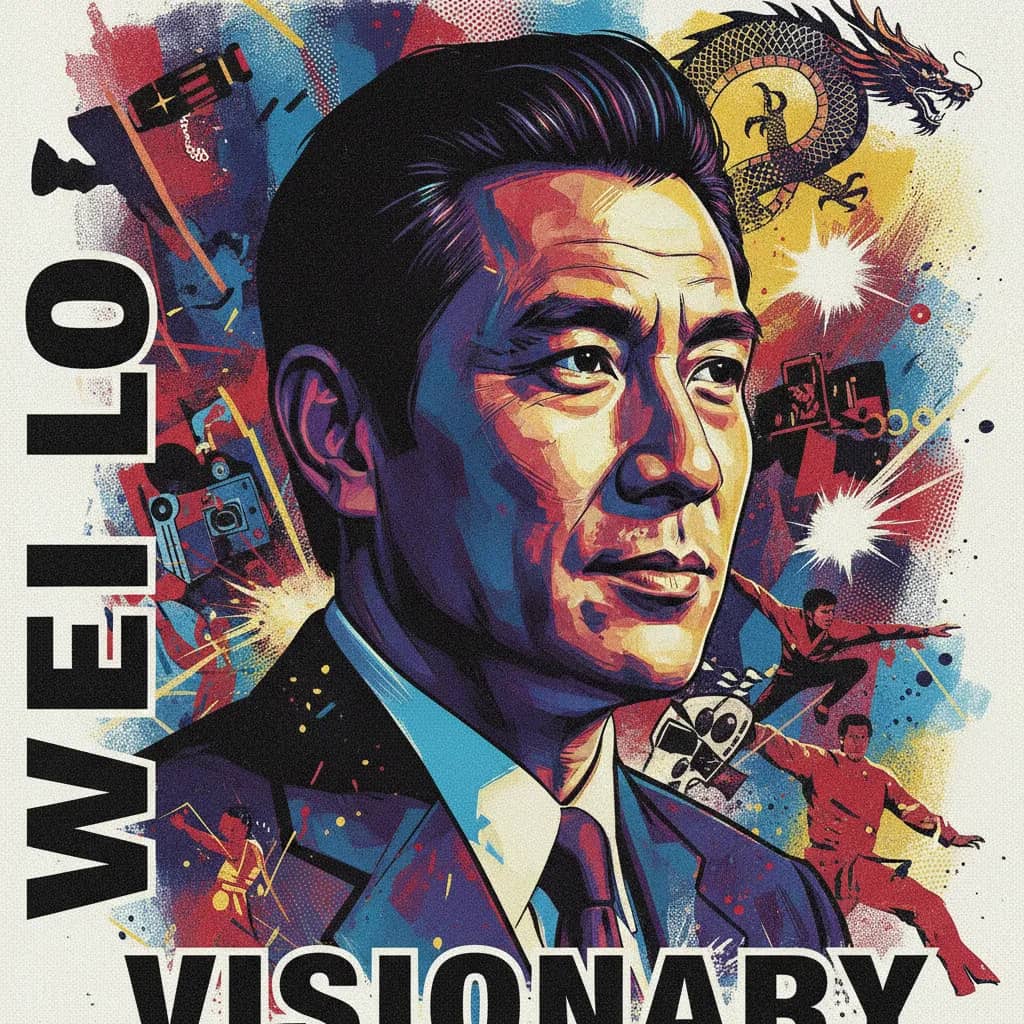
Wei Lo was a pioneering figure in the Hong Kong film industry, leaving an indelible mark on the global cinematic landscape. Born in 1918, Lo began his career as an actor before transitioning to directing in the 1960s. His directorial style was marked by a focus on action, drama, and romance, with an emphasis on martial arts and crime genres. Lo's keen eye for choreographing intense fight sequences and his ability to infuse emotional depth into his characters set him apart as a visionary director. One of Lo's most iconic directorial works is "The Big Boss" (1971), which catapulted martial arts legend Bruce Lee to international stardom. The film showcased Lo's penchant for crafting gripping action scenes while delving into themes of power, corruption, and personal redemption. Following the success of "The Big Boss," Lo continued to showcase his directorial prowess in "Fist of Fury" (1972), a film that further solidified his reputation as a maestro of martial arts cinema. With this film, Lo delved into themes of honor, justice, and societal inequality, cementing his place as a director who seamlessly blended thrilling action with profound storytelling. Throughout his career, Wei Lo's films often revolved around themes of heroism, resilience, and the human spirit, resonating with audiences globally. His contributions to the martial arts genre and the broader realm of filmmaking have left an indelible impact on cinema, inspiring generations of directors and captivating audiences with his unique vision. Wei Lo's directorial legacy continues to influence and shape the landscape of action cinema, making him a revered figure in the annals of film history. In conclusion, Wei Lo's directorial career stands as a testament to his innovative approach to storytelling and his ability to elevate the martial arts genre to unprecedented heights. His films continue to be celebrated for their gripping action sequences, compelling narratives, and enduring themes. Wei Lo's impact on cinema is undeniable, and his directorial legacy remains a source of inspiration for filmmakers around the world.

Wen Jiang
Wen Jiang is a prominent figure in the world of Chinese cinema, renowned for his diverse directorial style and ability to seamlessly blend action, comedy, and drama in his films. With an impressive filmography that spans over three decades, Jiang has established himself as a visionary director, leaving an indelible mark on the global cinematic landscape. His directorial debut came in 1994 with "In the Heat of the Sun," a coming-of-age drama set during the Cultural Revolution, which garnered critical acclaim and set the stage for a prolific career. One of Jiang's most notable films is "Let the Bullets Fly" (2010), which exemplifies his unique directorial style. The film seamlessly weaves together elements of action, comedy, and drama, showcasing Jiang's ability to create a multi-layered narrative while maintaining a distinct visual flair. "Let the Bullets Fly" not only solidified Jiang's reputation as a master storyteller but also became a commercial success, further establishing his influence in the industry. Jiang's directorial style often explores themes of power, corruption, and the human condition, offering a nuanced perspective on societal dynamics. His films often feature complex characters navigating morally ambiguous situations, adding depth and complexity to his narratives. Jiang's ability to infuse his films with thought-provoking themes while maintaining mass appeal has set him apart as a director with a profound impact on both Chinese and international cinema. Throughout his career, Jiang has demonstrated a keen eye for capturing the essence of human emotions and societal intricacies, earning him a dedicated following of cinephiles and critics alike. His ability to seamlessly blend genres and craft compelling narratives has cemented his status as a trailblazing director with a lasting legacy in the world of cinema. As the global film industry continues to evolve, Wen Jiang's contributions serve as a testament to the enduring power of storytelling and the boundless creativity of visionary directors.