Director Names Starting with V
Showing 49-55 out of 55

Vivek
Vivek is an emerging talent in the world of cinema, known for his distinct directorial style and compelling storytelling. With a keen eye for detail and a penchant for creating intense, thought-provoking narratives, Vivek has made a mark in the industry with his debut feature film, "The Teacher" (2022). This gripping drama-thriller showcases his ability to delve into intricate character dynamics and explore the depths of human emotions, establishing him as a promising director to watch. "The Teacher" serves as a testament to Vivek's directorial prowess, as he deftly weaves a suspenseful narrative that captivates audiences from start to finish. His ability to seamlessly blend drama with elements of suspense and psychological intrigue sets him apart as a director with a unique vision. Through his meticulous attention to visual details and expert pacing, Vivek creates an immersive cinematic experience that resonates with viewers long after the credits roll. Notable for his exploration of complex relationships and moral dilemmas, Vivek's directorial style often delves into the darker aspects of human nature, challenging audiences to confront uncomfortable truths. His films frequently confront societal issues and human behavior, offering a raw and unflinching look at the human experience. With "The Teacher," Vivek establishes himself as a filmmaker unafraid to tackle challenging themes with nuance and depth, leaving a lasting impact on audiences. Vivek's contribution to cinema lies in his ability to craft compelling narratives that push boundaries and provoke introspection. His directorial debut has already garnered attention for its fresh perspective and bold storytelling, signaling the arrival of a director poised to make a significant impact on the industry. As Vivek continues to hone his craft and expand his body of work, audiences can anticipate more thought-provoking films that showcase his unique directorial voice and commitment to pushing the boundaries of storytelling in cinema.
Vivek Agnihotri
Vivek Agnihotri is a renowned Indian film director known for his thought-provoking storytelling and unflinching portrayal of social and political issues. With a career spanning over two decades, Agnihotri has left an indelible mark on Indian cinema with his distinctive directorial style and impactful narratives. His filmography includes critically acclaimed works such as "The Tashkent Files" (2019) and "The Kashmir Files" (2022), both of which have garnered widespread attention and accolades. Agnihotri's directorial style is marked by a compelling blend of drama, mystery, and thriller elements, which he masterfully weaves together to create gripping and poignant narratives. His films are characterized by their unapologetic exploration of controversial and sensitive subjects, offering audiences a thought-provoking and immersive cinematic experience. Agnihotri's storytelling prowess is evident in his ability to delve into historical and political themes, shedding light on untold stories and challenging prevailing narratives. Notable for his courage to tackle contentious topics, Agnihotri's films often center around themes of political intrigue, historical events, and societal injustices. Through his work, he has become a voice for marginalized perspectives, unearthing hidden truths and sparking meaningful conversations within the public sphere. His dedication to amplifying the voices of the unheard and shining a light on forgotten chapters of history has earned him widespread acclaim and recognition. Agnihotri's impact on Indian cinema extends beyond his directorial achievements, as his films have sparked societal discourse and ignited movements for social change. His commitment to using cinema as a powerful medium for advocacy and awareness has cemented his legacy as a trailblazing director with a resounding influence. With "The Tashkent Files" and "The Kashmir Files," Agnihotri has solidified his position as a visionary filmmaker with a distinctive vision and an unwavering dedication to storytelling that resonates deeply with audiences. In conclusion, Vivek Agnihotri's directorial career stands as a testament to his unwavering commitment to storytelling that challenges conventions, confronts difficult truths, and leaves a lasting impact on viewers. His ability to navigate complex narratives with finesse, as well as his fearlessness in addressing contentious subjects, has positioned him as a formidable force in Indian cinema. As audiences eagerly anticipate his future projects, Agnihotri's legacy as a director with a profound impact on both cinematic artistry and
Vivek Sharma
Vivek Sharma is an accomplished Indian film director known for his work in the Bollywood industry. He made his directorial debut with the heartwarming and imaginative film "Bhoothnath" in 2008, which seamlessly blended elements of comedy, drama, and family entertainment. Sharma's directorial style is characterized by his ability to infuse his storytelling with humor, emotion, and a strong sense of family dynamics, making his films resonate with audiences on a deeply personal level. "Bhoothnath" stands as a testament to Sharma's directorial prowess, as he skillfully navigates the narrative to deliver a compelling and touching story about the bond between a young boy and a friendly ghost. Sharma's ability to seamlessly blend supernatural elements with heartfelt human emotions showcases his unique vision as a director. Throughout his career, Sharma has explored themes of friendship, the power of imagination, and the importance of familial relationships, which are recurrent motifs in his work. His films have left an indelible impact on Indian cinema, as he has demonstrated a keen ability to create an emotional connection with audiences while delivering entertaining and thought-provoking content. Vivek Sharma's contributions to Bollywood cinema have been significant, as he has carved a niche for himself as a director who can skillfully balance comedy, drama, and family-oriented storytelling. His ability to create films that appeal to audiences across generations has solidified his reputation as a director with a unique and enduring vision. As he continues to make his mark in the film industry, Sharma's work will undoubtedly continue to captivate and inspire audiences with its heartfelt storytelling and universal themes.

Vivek Soni
Vivek Soni is a talented Indian film director known for his unique storytelling style and fresh approach to filmmaking. His notable filmography includes the 2021 romantic comedy "Meenakshi Sundareshwar," a heartwarming and visually stunning tale that captivated audiences with its delightful blend of humor and romance. Soni's directorial style is characterized by his ability to seamlessly merge traditional storytelling with modern sensibilities, creating films that resonate with a diverse audience. "Meenakshi Sundareshwar" stands as a testament to Soni's directorial prowess, showcasing his ability to craft visually stunning narratives while infusing them with genuine emotions and relatable characters. The film's success solidified Soni's position as a director with a keen understanding of human emotions and relationships, evident in his ability to portray them on the silver screen with authenticity and depth. Soni's work often explores themes of love, identity, and cultural nuances, offering a fresh perspective on age-old narratives. His films have made a significant impact on Indian cinema by bridging the gap between traditional storytelling and contemporary audiences, earning him a dedicated fan base and critical acclaim. With "Meenakshi Sundareshwar," Vivek Soni has firmly established himself as a director with a distinct vision and a knack for capturing the complexities of human relationships with sensitivity and charm. As he continues to pave his way in the film industry, audiences eagerly anticipate his future projects, knowing that each film will be a testament to his unique directorial prowess and profound storytelling abilities.

Vladimir Menshov
Vladimir Menshov is a prolific Russian director whose impact on cinema is profound and enduring. He is best known for his iconic film "Moscow Does Not Believe in Tears" (1980), a classic comedy-drama that captured the hearts of audiences worldwide. Menshov's directorial style is marked by a keen ability to blend humor and emotion, creating deeply resonant narratives that delve into the complexities of human relationships and societal dynamics. "Moscow Does Not Believe in Tears" remains Menshov's most acclaimed work, earning him an Academy Award for Best Foreign Language Film and solidifying his status as a master storyteller. The film's universal themes of love, ambition, and the pursuit of happiness struck a chord with audiences, cementing Menshov's reputation as a director with a profound understanding of the human experience. Throughout his career, Menshov has exhibited a penchant for crafting narratives that explore the intricacies of everyday life in the Soviet Union and Russia, offering poignant insights into the challenges and triumphs of ordinary people. His films often reflect a deep sense of empathy for his characters, drawing audiences into their struggles and triumphs with authenticity and compassion. Menshov's influence on cinema extends beyond his directorial accomplishments. His ability to infuse his films with both humor and poignancy has set a standard for storytelling that continues to inspire filmmakers around the world. His work serves as a testament to the power of cinema to illuminate the human condition and provoke introspection. In summary, Vladimir Menshov's legacy as a director is defined by his ability to create films that resonate on a deeply emotional level while offering profound insights into the human experience. His unique blend of comedy and drama, coupled with his compassionate portrayal of characters, has left an indelible mark on cinema, solidifying his place as a visionary director whose influence transcends borders and generations.
Volker Schlöndorff
Volker Schlöndorff is a highly influential and accomplished German film director known for his thought-provoking and visually stunning works. Born in Wiesbaden, Germany in 1939, Schlöndorff's career spans over five decades, during which he has made a significant impact on international cinema. His directorial style is characterized by a keen attention to detail, a profound understanding of complex characters, and a masterful use of symbolism and allegory to explore political and social themes. One of Schlöndorff's most renowned works is "The Tin Drum" (1979), which won the Palme d'Or at the Cannes Film Festival and the Academy Award for Best Foreign Language Film. Adapted from Günter Grass's novel, the film is a provocative and surreal exploration of the horrors of war and the human condition, set against the backdrop of Nazi-occupied Poland. Schlöndorff's adept storytelling and bold visual style in "The Tin Drum" solidified his reputation as a director capable of tackling weighty and controversial subject matter with artistic finesse. Throughout his career, Schlöndorff has consistently delved into themes of identity, power dynamics, and historical reckoning. His films often confront the complexities of German history and collective memory, offering incisive commentary on the nation's tumultuous past. With a keen eye for period detail and a knack for drawing out emotionally charged performances from his actors, Schlöndorff's films resonate with audiences on both an intellectual and visceral level. In addition to "The Tin Drum," Schlöndorff's notable works include "The Lost Honor of Katharina Blum" (1975), "The Handmaid's Tale" (1990), and "Diplomacy" (2014), each of which showcases his directorial prowess and unwavering commitment to cinematic storytelling. His impact on cinema extends beyond his individual films, as he has contributed to shaping the landscape of European and world cinema through his evocative and socially conscious storytelling. Volker Schlöndorff's directorial legacy endures as an indelible mark on the art of filmmaking, cementing his status as a visionary auteur with an enduring influence on the medium.
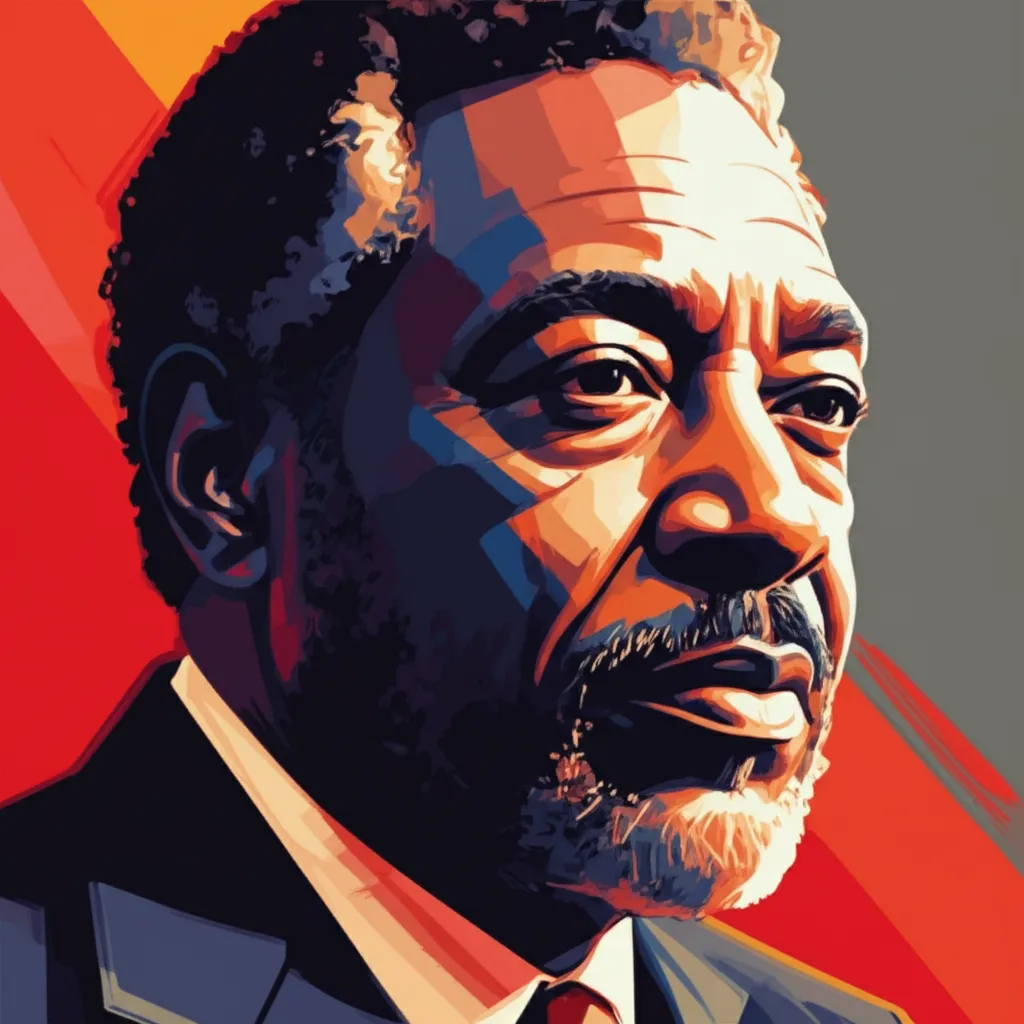
Vondie Curtis-Hall
Vondie Curtis-Hall is an accomplished film director known for his distinctive style and thought-provoking storytelling. With a career spanning over two decades, Curtis-Hall has made a significant impact on cinema with his visually captivating and emotionally resonant films. His directorial debut came with the critically acclaimed "Gridlock'd" in 1997, a darkly comedic crime drama that showcased his ability to seamlessly blend genres and tackle complex social issues. The film, starring Tupac Shakur and Tim Roth, garnered attention for its gritty portrayal of addiction and the struggles of inner-city life, establishing Curtis-Hall as a director unafraid to confront challenging subject matter. In 2006, Curtis-Hall further solidified his reputation as a director with a distinct voice in the industry with "Waist Deep." This action-packed crime drama delved into the world of crime and redemption, featuring intense performances and high-stakes storytelling. Known for his dynamic visual style and knack for creating compelling narratives, Curtis-Hall's films often explore themes of survival, resilience, and the human spirit in the face of adversity. Curtis-Hall's directorial approach is characterized by his ability to infuse his films with raw authenticity and emotional depth, drawing audiences into the lives of his characters and the worlds they inhabit. His films often feature morally complex characters navigating challenging circumstances, offering a window into the human experience with unflinching honesty. Curtis-Hall's work stands as a testament to his unwavering commitment to storytelling that is both thought-provoking and visually striking. With a filmography that reflects a diverse range of genres and themes, Vondie Curtis-Hall has left an indelible mark on cinema. His ability to craft compelling narratives that resonate with audiences has solidified his status as a director with a unique vision and an enduring impact on the art of filmmaking. Whether delving into the complexities of urban life or exploring the depths of the human psyche, Curtis-Hall's films continue to captivate and inspire, cementing his legacy as a director to watch in the ever-evolving landscape of cinema.