Director Names Starting with V
Showing 25-36 out of 55

Victor Salva
Victor Salva is an American film director known for his distinctive style and thought-provoking storytelling. With a career spanning several decades, Salva has left an indelible mark on the horror and drama genres. His notable films include "Jeepers Creepers" (2001) and its sequel "Jeepers Creepers 2" (2003), which are celebrated for their unique blend of horror and mystery. Salva's directorial style is characterized by a keen sense of suspense, atmospheric tension, and an ability to tap into primal fears, making his work both gripping and memorable. In addition to his horror films, Salva has also demonstrated his versatility as a director with the drama "Peaceful Warrior" (2006) and the fantasy-drama "Powder" (1995). These films showcase Salva's ability to explore deep, emotional themes while engaging his audience with compelling narratives and well-developed characters. Throughout his career, Salva has consistently pushed the boundaries of storytelling, delivering films that resonate with audiences on both an emotional and intellectual level. One of the recurring themes in Salva's work is the exploration of the human psyche and the darker aspects of humanity. Whether through the lens of horror or drama, Salva has a talent for delving into the complexities of the human experience, often challenging societal norms and conventions. His films often provoke introspection and contemplation, leaving a lasting impact on viewers long after the credits roll. Victor Salva's contributions to cinema have been significant, as he has continually pushed the boundaries of genre filmmaking. His ability to craft compelling narratives, evoke genuine emotion, and tap into universal fears has solidified his reputation as a director with a unique vision. As a result, Salva's work continues to captivate audiences and inspire aspiring filmmakers, cementing his legacy in the world of cinema.
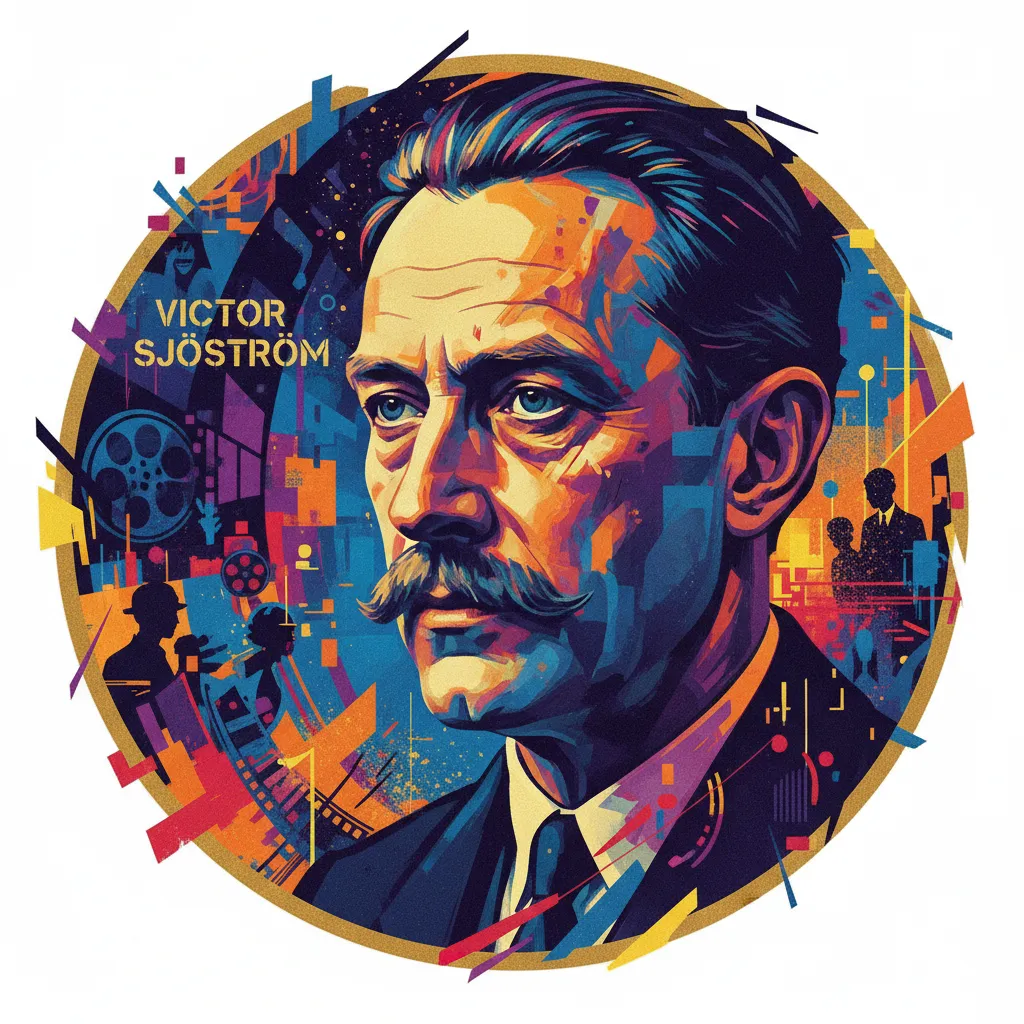
Victor Sjöström
Victor Sjöström, a pioneering Swedish filmmaker, left an indelible mark on cinema with his innovative directorial style and profound storytelling. Born in 1879, Sjöström's directorial career began in the silent film era and spanned several decades, during which he crafted timeless classics that continue to influence filmmakers to this day. Sjöström's directorial style was characterized by his meticulous attention to detail, evocative cinematography, and poignant exploration of human emotions. One of Sjöström's most notable and influential works is "The Phantom Carriage" (1921), a haunting drama that seamlessly blends elements of fantasy and horror. The film's innovative narrative structure and atmospheric visuals captivated audiences and solidified Sjöström's reputation as a visionary director. His masterful use of chiaroscuro lighting and expressionistic imagery in "The Phantom Carriage" showcased his unparalleled ability to create a sense of unease and otherworldly beauty on screen. Throughout his career, Sjöström often delved into themes of mortality, redemption, and the human psyche, infusing his films with a profound sense of introspection and emotional depth. His exploration of existential themes and complex character dynamics set a new standard for storytelling in cinema. Sjöström's impact on the horror genre, in particular, is undeniable, as he demonstrated a keen understanding of how to elicit genuine terror and psychological unease through his directorial choices. Victor Sjöström's enduring legacy lies in his groundbreaking contributions to the art of filmmaking. His ability to seamlessly blend genres, his mastery of visual storytelling, and his exploration of universal themes continue to inspire directors and cinephiles alike. Sjöström's unparalleled vision and directorial prowess have left an indelible imprint on cinema, solidifying his status as a true pioneer of the medium. His timeless films continue to be celebrated for their artistic innovation and emotional resonance, ensuring that his legacy will endure for generations to come.
Vijay Kiran
Vijay Kiran is an Indian film director known for his unique storytelling and visually stunning approach to cinema. His directorial debut came with the 2015 film "RamLeela," which showcased his prowess in crafting compelling narratives within the realms of drama, music, and romance. Kiran's directorial style is characterized by his ability to seamlessly weave together vibrant musical sequences with emotionally charged storytelling, captivating audiences with his distinct vision. "RamLeela" stands as a testament to Kiran's ability to bring out the depth of human emotions through his characters, while also showcasing his knack for creating visually striking cinematic moments. The film's success solidified Kiran's position as a director to watch in the Indian film industry, with his unique blend of drama and music resonating with audiences and critics alike. Kiran's work often explores themes of love, passion, and the complexities of human relationships, offering audiences a profound and immersive viewing experience. His directorial flair lies in his ability to infuse his narratives with a sense of grandeur, elevating the storytelling through visually captivating sequences and evocative musical scores. Kiran's impact on cinema extends beyond his individual films, as he continues to push the boundaries of traditional storytelling, inspiring a new generation of filmmakers to explore the intersection of music, drama, and romance in their work. With "RamLeela," Vijay Kiran has firmly established himself as a director with a unique vision, leaving an indelible mark on Indian cinema and paving the way for a new wave of storytelling in the industry. In conclusion, Vijay Kiran's directorial career is marked by his distinct ability to craft visually stunning narratives that seamlessly blend music, drama, and romance. His debut film "RamLeela" stands as a testament to his unique vision and storytelling prowess, solidifying his status as a director to watch in Indian cinema. With a keen eye for evocative storytelling and a penchant for grandeur, Kiran continues to leave an indelible mark on the industry, inspiring a new wave of filmmakers to explore the intersection of music and drama in their work.
Vijay Lalwani
Vijay Lalwani is an Indian film director known for his work in the Hindi film industry. Lalwani made his directorial debut with the psychological thriller "Karthik Calling Karthik" in 2010, which garnered attention for its unique blend of drama, mystery, and romance. The film, starring Farhan Akhtar and Deepika Padukone, showcased Lalwani's distinct directorial style marked by intricate storytelling and compelling character development. Lalwani's directorial approach is characterized by his ability to seamlessly blend diverse genres, creating a cinematic experience that resonates with audiences on multiple levels. "Karthik Calling Karthik" served as a testament to his adeptness at weaving suspenseful narratives while delving into the complexities of human emotions. His meticulous attention to detail and nuanced portrayal of relationships has set him apart as a director with a keen understanding of human psychology, which is evident in the depth of his storytelling. Notably, Lalwani's directorial debut left a lasting impression on the industry, showcasing his ability to infuse depth and originality into his work. His film resonated with audiences and critics alike, earning him recognition for his unique vision and storytelling prowess. Lalwani's exploration of themes such as identity, self-discovery, and the intricacies of human relationships has solidified his status as a director with a penchant for thought-provoking narratives. Lalwani's impact on Indian cinema extends beyond his directorial debut, as his distinct directorial style has influenced a new wave of filmmakers. His ability to craft compelling narratives that transcend traditional genre boundaries has paved the way for a more nuanced and layered approach to storytelling in Indian cinema. As he continues to make his mark in the industry, Vijay Lalwani's contributions to film are set to leave a lasting legacy, shaping the landscape of Indian cinema for years to come.

Vikas Bahl
Vikas Bahl is a prominent Indian film director known for his unique storytelling and impactful cinematic vision. With a career spanning over a decade, Bahl has made significant contributions to the Indian film industry, particularly in the genres of adventure, comedy, drama, and biography. His directorial style is characterized by a keen focus on character development, nuanced storytelling, and visually compelling narratives. One of Bahl's most notable films is "Queen" (2013), which garnered widespread critical acclaim and commercial success. This adventure-comedy-drama follows the journey of a young woman who embarks on a solo honeymoon trip to Europe after her marriage falls apart. Bahl's sensitive portrayal of the protagonist's transformative journey resonated with audiences and established him as a director with a penchant for crafting emotionally resonant narratives. In 2019, Bahl further showcased his directorial prowess with "Super 30," a biographical drama that chronicles the inspiring story of mathematician Anand Kumar and his educational program for underprivileged students. The film received accolades for its compelling storytelling, strong performances, and Bahl's adept handling of the real-life subject matter. Through "Super 30," Bahl demonstrated his ability to bring socially relevant stories to the forefront, shedding light on important issues through the medium of cinema. Throughout his career, Bahl has exhibited a recurring theme of empowerment, resilience, and self-discovery in his films. His emphasis on strong, multifaceted characters and their personal growth has set his work apart and resonated with audiences. Bahl's impact on Indian cinema is evident in his ability to blend entertainment with thought-provoking narratives, effectively engaging viewers while addressing societal themes. Vikas Bahl's directorial contributions have left an indelible mark on the Indian film landscape, earning him a reputation as a visionary filmmaker with a commitment to telling compelling stories that resonate with diverse audiences. His distinct directorial style, focus on character-driven narratives, and ability to tackle socially relevant subjects ensure that his films continue to captivate and inspire viewers, solidifying his status as a director to watch in the global cinematic landscape.
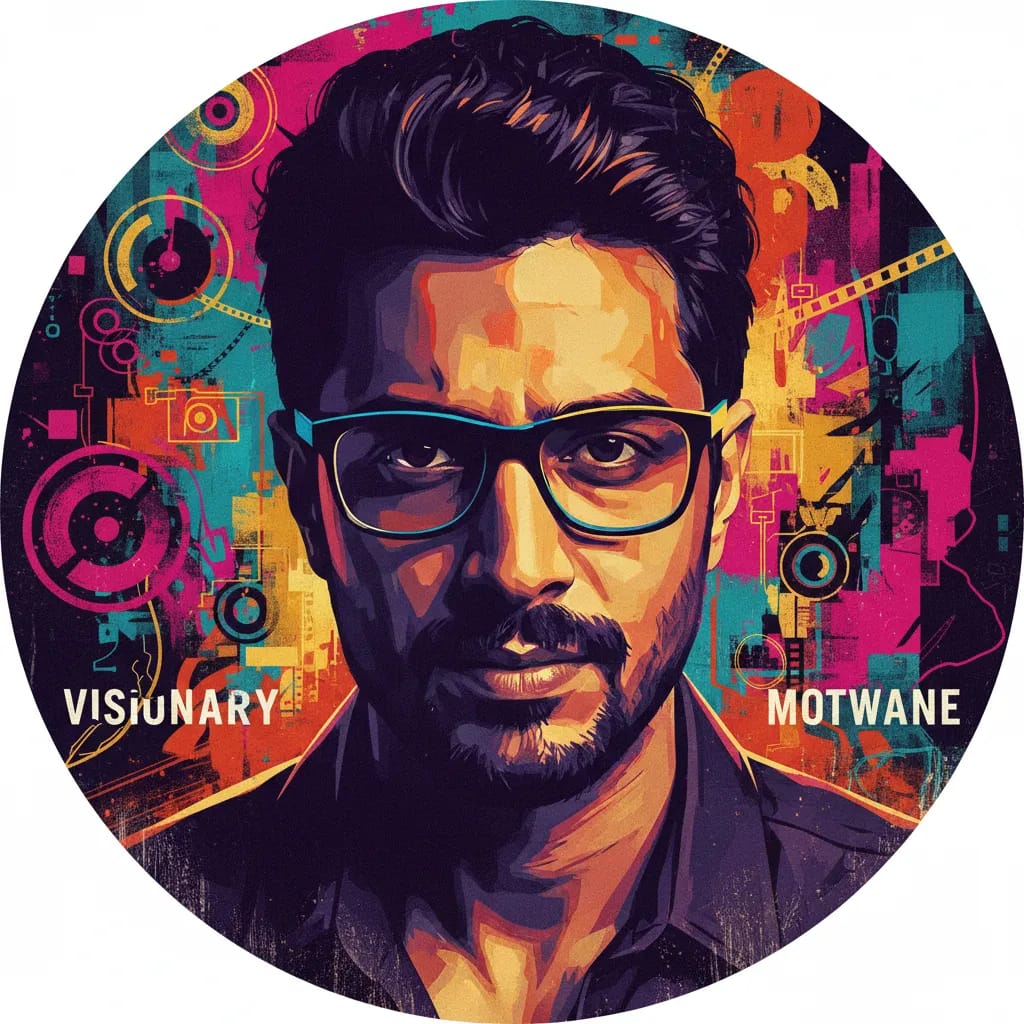
Vikramaditya Motwane
Vikramaditya Motwane is an Indian filmmaker renowned for his distinctive directorial style and thought-provoking storytelling. With a career spanning over a decade, Motwane has made a significant impact on Indian cinema through his unique vision and directorial prowess. He is widely recognized for his ability to blend various genres and capture raw human emotions on screen. Motwane's directorial debut, "Udaan" (2010), garnered widespread critical acclaim and established him as a formidable force in the Indian film industry. The coming-of-age drama, which revolves around the strained relationship between a father and his rebellious son, showcased Motwane's ability to craft compelling narratives and elicit powerful performances from his cast. The film's poignant exploration of familial dynamics and societal pressures resonated with audiences and critics alike, earning it several prestigious awards and accolades. In 2020, Motwane directed the highly anticipated film "AK vs AK," a genre-bending action-comedy-crime thriller that captivated audiences with its innovative storytelling and unconventional narrative structure. The film, which unfolds as a meta-fictional feud between a director and a movie star, exemplifies Motwane's penchant for pushing creative boundaries and challenging traditional filmmaking norms. "AK vs AK" not only showcased Motwane's versatility as a director but also solidified his reputation as a trailblazer in the Indian film industry. Motwane's directorial style is characterized by his meticulous attention to detail, nuanced character development, and evocative storytelling. His films often delve into themes of individuality, rebellion, and the complexities of human relationships, offering audiences a profound and introspective cinematic experience. Motwane's ability to infuse depth and authenticity into his narratives has cemented his status as a visionary director with a keen understanding of the human condition. As a director, Vikramaditya Motwane continues to leave an indelible mark on Indian cinema, inspiring aspiring filmmakers and captivating audiences with his compelling storytelling and innovative approach to filmmaking. With a repertoire that boasts a diverse range of genres and themes, Motwane's cinematic contributions have undoubtedly enriched the landscape of Indian cinema and positioned him as a directorial luminary with an enduring legacy. In summary, Vikramaditya Motwane's directorial career is defined by his ability to craft emotive and immersive narratives that resonate with audiences on a profound level. His films, including "Udaan
Vikram Bhatt
Vikram Bhatt is a prominent Indian film director known for his versatile storytelling and captivating directorial style. With a career spanning over two decades, Bhatt has made a significant impact on Indian cinema, particularly in the genres of thriller, horror, and romance. His 1998 directorial venture, "Ghulam," is a standout film in his filmography, showcasing his adeptness in crafting compelling narratives within the action, crime, and drama genres. Bhatt's directorial style is characterized by his ability to immerse audiences in gripping, high-stakes narratives while seamlessly blending elements of suspense, emotion, and adrenaline-pumping action. "Ghulam," starring Aamir Khan and Rani Mukerji, exemplifies his knack for infusing intense drama with adrenaline-fueled action sequences, solidifying his reputation as a director with a keen eye for storytelling and cinematic flair. Throughout his career, Bhatt has explored recurring themes such as the human psyche, societal complexities, and the interplay of love and fear, often delving into the supernatural and psychological realms. His films often delve into the depths of human emotions, offering audiences a captivating exploration of the human experience within the backdrop of thrilling narratives. Vikram Bhatt's contributions to Indian cinema have been instrumental in redefining the thriller and horror genres, earning him a dedicated following of cinephiles who appreciate his distinct directorial approach. His unique vision and ability to craft engaging narratives have solidified his status as a director who continually pushes the boundaries of storytelling, leaving an indelible mark on the cinematic landscape. In conclusion, Vikram Bhatt's directorial career has been marked by a string of compelling films that have showcased his prowess in crafting gripping narratives across various genres. With "Ghulam" as a standout entry in his filmography, Bhatt's directorial style continues to captivate audiences with its seamless blend of action, drama, and suspense. His impact on Indian cinema is undeniable, and his ability to weave engaging stories with a unique directorial flair cements his legacy as a trailblazing filmmaker.
Vikram K. Kumar
Vikram K. Kumar is a talented Indian film director known for his versatile storytelling and unique directorial style. With a career spanning over two decades, Kumar has made a significant impact on Indian cinema, particularly in the genres of comedy, drama, and fantasy. His notable film, "Manam" (2014), exemplifies his ability to seamlessly blend genres while delivering compelling narratives. Kumar's directorial style is characterized by his adeptness at infusing emotional depth into his stories while maintaining a lighthearted and entertaining tone. "Manam" stands as a testament to his ability to craft emotionally resonant narratives within the framework of fantasy and comedy. His films often explore themes of family dynamics, love, and the human experience, resonating with audiences on a deep and personal level. "Manam," in particular, garnered widespread acclaim for its innovative storytelling and heartfelt portrayal of interconnected lives across different time periods. Kumar's seamless navigation between past and present timelines in the film showcases his skillful storytelling and ability to engage audiences with complex narratives. Kumar's impact on Indian cinema is evident through his ability to push the boundaries of traditional storytelling, infusing his films with a sense of originality and depth. His work has paved the way for a new wave of storytelling in Indian cinema, inspiring aspiring filmmakers to explore unconventional narratives and genres. Overall, Vikram K. Kumar's directorial career is marked by his ability to captivate audiences with his distinctive storytelling, seamlessly blending genres, and crafting emotionally resonant narratives. His contributions to Indian cinema have solidified his status as a visionary director, whose work continues to inspire and influence the industry.
Vinay Sapru
Vinay Sapru, along with his directing partner Radhika Rao, has made a significant impact on Indian cinema with their distinctive directorial style and heartfelt storytelling. Best known for their 2016 film "Sanam Teri Kasam," Sapru and Rao have carved a niche for themselves in the industry with their emotive narratives and visually striking films. Sapru and Rao's directorial style is characterized by its emphasis on emotional depth and immersive storytelling. Their films often feature a blend of drama, music, and romance, creating a captivating cinematic experience for audiences. "Sanam Teri Kasam" in particular showcases their ability to weave a poignant love story with soul-stirring music, showcasing Sapru's skill in capturing raw human emotions on screen. Throughout their career, Sapru and Rao have explored themes of love, sacrifice, and redemption, which are recurrent motifs in their films. Their storytelling is marked by its ability to resonate with audiences on a profoundly emotional level, making their films memorable and impactful. This unique ability to connect with viewers through relatable narratives has set them apart as directors with a keen understanding of human emotions and relationships. "Sanam Teri Kasam" stands as a testament to Sapru's directorial prowess, as the film received widespread acclaim for its powerful performances, evocative music, and visually stunning cinematography. The film's success solidified Sapru and Rao's position as influential directors in the Indian film industry, further establishing their reputation for creating emotionally resonant cinema. Sapru's contribution to Indian cinema lies in his ability to craft visually captivating films that delve deep into the complexities of human relationships. With "Sanam Teri Kasam," he has left an indelible mark on the industry, showcasing his talent for evoking genuine emotions and creating a lasting impact through his directorial vision. As Sapru continues to shape the cinematic landscape with his evocative storytelling, audiences can eagerly anticipate more poignant narratives and visually arresting films from this visionary director.

Vince Marcello
Vince Marcello is a prolific and innovative film director known for his exceptional work in the romantic comedy genre. With an impressive filmography that includes hits such as "The Kissing Booth" (2018) and its sequel "The Kissing Booth 2" (2020), Marcello has made a significant mark in the world of cinema. His directorial style is characterized by a perfect blend of humor, heart, and relatable storytelling, making him a favorite among audiences of all ages. Marcello's directorial debut, "The Kissing Booth," quickly garnered a cult following and solidified his reputation as a master of modern rom-coms. His keen eye for capturing the complexities of young love and friendship, coupled with his ability to infuse humor and authenticity into his narratives, has set him apart as a visionary in the genre. With "The Kissing Booth 2," Marcello continued to enchant audiences with his signature charm and wit, further establishing himself as a leading director in the romantic comedy landscape. Notable themes that recur in Marcello's work include the exploration of coming-of-age experiences, the intricacies of relationships, and the importance of self-discovery. His films often feature endearing characters navigating the ups and downs of love and friendship against a backdrop of humor and genuine emotion. Marcello's innate talent for crafting engaging, lighthearted stories that resonate with audiences has cemented his status as a director with a unique and compelling vision. Through his work, Marcello has made a significant impact on cinema by revitalizing the romantic comedy genre and appealing to a new generation of moviegoers. His ability to capture the essence of youthful exuberance and the complexities of human connection has earned him widespread acclaim and admiration. With his refreshing approach to storytelling and his gift for creating heartwarming and entertaining films, Vince Marcello continues to leave an indelible mark on the film industry, captivating audiences with his distinct directorial prowess.
Vincente Minnelli
Vincente Minnelli was a visionary film director known for his exquisite visual style and masterful storytelling. Born in 1903, Minnelli began his career as a set designer and costume designer, which greatly influenced his directorial approach. He made his mark in Hollywood with a string of iconic films that showcased his unique blend of drama, romance, and musical elements. Minnelli's directorial style was marked by his meticulous attention to detail and his ability to create visually stunning and emotionally resonant scenes. His films often featured elaborate set designs, vibrant color palettes, and innovative camera work, which set him apart as a true visual artist. His ability to seamlessly integrate music and dance into his narratives made him a pioneer in the musical genre, with films like "An American in Paris" and "The Band Wagon" becoming timeless classics. Notable films in Minnelli's filmography include "Meet Me in St. Louis," a heartwarming family drama set against the backdrop of the 1904 World's Fair, and "The Bad and the Beautiful," a gripping and introspective look at the darker side of Hollywood. His biographical film "Lust for Life," which delved into the tumultuous life of artist Vincent van Gogh, showcased his versatility as a director, while "Gigi" demonstrated his ability to infuse romantic comedies with elegance and sophistication. Throughout his career, Minnelli explored recurring themes of love, ambition, and the pursuit of dreams, often through the lens of show business and the arts. His films were celebrated for their emotional depth, captivating visuals, and timeless appeal, cementing his status as one of the most influential directors in cinema history. Vincente Minnelli's impact on cinema cannot be overstated, as he helped redefine the musical genre and elevate the art of storytelling through his unparalleled visual storytelling. His legacy continues to inspire filmmakers and audiences alike, ensuring that his timeless films will be cherished for generations to come.

Vincent Gallo
Vincent Gallo is a multifaceted artist known for his work as a film director, actor, musician, and visual artist. Born in Buffalo, New York, Gallo gained recognition for his directorial debut, "Buffalo '66" (1998), a critically acclaimed film that showcased his distinct style and vision. The movie, which he wrote, directed, produced, and starred in, established him as a filmmaker with a unique and uncompromising approach to storytelling. Gallo's directorial style is characterized by its raw, unflinching honesty and emotional intensity, often delving into the complexities of human relationships and the human condition. His films are marked by an intimate, almost voyeuristic quality, drawing audiences into the inner lives of his characters. "Buffalo '66" is a prime example of his auteurship, as he deftly weaves together elements of comedy, drama, and romance to create a captivating and deeply personal narrative. In 2003, Gallo directed "The Brown Bunny," a polarizing film that garnered both controversy and acclaim for its unorthodox storytelling and provocative content. The movie further solidified Gallo's reputation as a boundary-pushing director willing to challenge conventional cinematic norms. His willingness to explore taboo subjects and push the boundaries of traditional storytelling has cemented his status as a director unafraid to provoke and challenge his audience. Gallo's films often explore themes of alienation, redemption, and the search for human connection, delving into the complexities of the human experience with unflinching honesty. His impact on cinema lies in his unapologetic commitment to his artistic vision, refusing to conform to mainstream expectations and instead opting to create films that are deeply personal and thought-provoking. Despite the divisive nature of his work, Gallo's influence on independent cinema is undeniable, inspiring a new generation of filmmakers to embrace their individuality and fearlessly pursue their artistic instincts. In conclusion, Vincent Gallo's directorial career is defined by his uncompromising commitment to his artistic vision, creating films that challenge and provoke audiences while delving into the raw, unfiltered emotions of the human experience. His impact on cinema extends beyond his individual films, inspiring a new wave of independent filmmakers to embrace their unique voices and create work that defies traditional conventions. Gallo's legacy as a director lies in his unyielding dedication to crafting films that are deeply personal, emotive, and unapologet