Director Names Starting with T
Showing 61-72 out of 189
Thor Freudenthal
Thor Freudenthal is a German-born film director known for his adeptness in bringing beloved literary works to life on the silver screen. With a distinguished career that spans over two decades, Freudenthal has left an indelible mark on the film industry with his unique directorial style and ability to infuse fantastical elements with heartfelt storytelling. His notable films include "Percy Jackson: Sea of Monsters" (2013), "Words on Bathroom Walls" (2020), "Hotel for Dogs" (2009), and "Diary of a Wimpy Kid" (2010). Freudenthal's directorial approach is marked by his skillful blend of adventure, fantasy, and family-friendly themes. His films often transport audiences into enchanting worlds, where imagination reigns supreme, making them ideal choices for both younger viewers and the young at heart. Freudenthal's ability to capture the essence of beloved literary works, such as the "Percy Jackson" series and "Diary of a Wimpy Kid," has endeared him to fans of these popular franchises while also introducing new audiences to these captivating stories. A recurring theme in Freudenthal's work is the exploration of the human experience, often delving into the complexities of adolescence and the power of resilience. His films deftly navigate the emotional landscape, offering poignant narratives that resonate with audiences across generations. Freudenthal's storytelling prowess shines through in his ability to infuse humor, heart, and a touch of whimsy into his films, creating an immersive experience for viewers. Freudenthal's impact on cinema lies in his ability to bring cherished literary works to cinematic life, captivating audiences with his imaginative storytelling and visually stunning worlds. His films have carved a niche in the industry by appealing to a broad spectrum of viewers, from families seeking heartwarming entertainment to fantasy enthusiasts craving captivating adventures. Freudenthal's unique vision and contributions to film continue to inspire a new generation of filmmakers and storytellers, cementing his legacy as a director with an unparalleled ability to transport audiences to wondrous realms through the magic of cinema.

Thurop Van Orman
Thurop Van Orman is a renowned American animator, director, and writer known for his work in the animation industry. He made his directorial debut with the highly anticipated animated film "The Angry Birds Movie 2" in 2019. The film, a sequel to the popular "The Angry Birds Movie," showcased Van Orman's unique directorial style, combining animated storytelling with action and adventure to create an entertaining and visually stunning cinematic experience. Van Orman's directorial style is characterized by his ability to infuse humor and heart into his storytelling, appealing to audiences of all ages. His work often features vibrant and lively animation, engaging action sequences, and compelling character development. With "The Angry Birds Movie 2," Van Orman demonstrated his adeptness at bringing beloved characters to life on the big screen while delivering a thrilling and visually captivating adventure. "The Angry Birds Movie 2" stands as a testament to Van Orman's impact on the animation genre, showcasing his ability to craft entertaining and family-friendly films that resonate with audiences worldwide. Through his directorial work, Van Orman has contributed to the evolution of animated storytelling, bringing his unique vision and creativity to the forefront of cinema. Despite having a relatively short directorial career, Thurop Van Orman has already left a significant mark on the film industry. His directorial debut with "The Angry Birds Movie 2" solidified his position as a talented animator, director, and storyteller. With his ability to infuse humor, action, and adventure into his films, Van Orman continues to make valuable contributions to the world of animation, captivating audiences with his distinct directorial style and imaginative storytelling. In conclusion, Thurop Van Orman's directorial career is marked by his ability to create visually stunning and entertaining animated films that appeal to audiences of all ages. With "The Angry Birds Movie 2," he has solidified his position as a director with a unique vision and a knack for bringing beloved characters to life on the big screen. As he continues to hone his craft, Van Orman remains a director to watch, poised to make further meaningful contributions to the world of animation and cinema.

Tibor Takács
Tibor Takács is a Hungarian-Canadian director known for his contributions to the fantasy and horror genres. Takács made a significant impact on cinema with his 1987 film "The Gate," which has since become a cult classic. This film showcased his distinctive directorial style, blending elements of fantasy and horror to create a visually captivating and suspenseful experience. Takács' ability to tap into the audience's deepest fears and desires through his storytelling and visuals has solidified his reputation as an influential director in the genre. "The Gate" remains one of Takács' most notable films, demonstrating his penchant for crafting atmospheric and chilling narratives. The film's success is a testament to Takács' unique vision and directorial prowess. His ability to create immersive worlds filled with supernatural elements and otherworldly creatures has earned him a dedicated following among fans of the fantasy and horror genres. Throughout his career, Takács has often explored recurring themes such as the supernatural, coming-of-age experiences, and the unknown. His films often delve into the complexities of youth and the timeless battle between good and evil, resonating with audiences on a deeper level. Takács' storytelling is characterized by its ability to evoke a sense of wonder and terror, drawing viewers into his meticulously crafted cinematic universes. Takács' impact on cinema extends beyond his individual films, as his directorial style has influenced and inspired a new generation of filmmakers within the fantasy and horror genres. His work continues to be celebrated for its innovation and ability to push the boundaries of traditional storytelling. With a career spanning decades, Takács has proven himself to be a visionary director whose unique perspective has left an indelible mark on the world of cinema.

Tiger Hu Chen
Tiger Hu Chen is a renowned martial artist, actor, and director who made a significant impact on the film industry with his directorial debut, "Man of Tai Chi" in 2013. Chen's career began as a stuntman and martial arts choreographer, working alongside the legendary Keanu Reeves in "The Matrix" trilogy. His expertise in martial arts and action sequences allowed him to seamlessly transition into the role of director, bringing a unique and authentic perspective to the genre. "Man of Tai Chi" marked Chen's directorial debut and showcased his distinct directorial style, characterized by intense and visually stunning martial arts sequences coupled with compelling storytelling. The film, which also stars Keanu Reeves, explores the world of underground martial arts tournaments and the moral and spiritual dilemmas faced by its protagonist. Chen's directorial approach emphasizes the artistry and philosophy behind Tai Chi, elevating the action genre with a deeper thematic resonance. Chen's directorial style is marked by his meticulous attention to choreography and his ability to infuse action sequences with emotional depth and philosophical undertones. His background as a martial artist and stunt performer allows him to capture the raw physicality and grace of the martial arts on screen, creating a visceral and immersive viewing experience for audiences. "Man of Tai Chi" stands as a testament to Chen's commitment to authenticity and innovation in action cinema. His directorial debut not only showcased his prowess as a filmmaker but also contributed to the representation of martial arts as a legitimate and profound art form in cinema. With his directorial debut, Tiger Hu Chen has solidified his status as a visionary director with a unique perspective on action filmmaking, and his impact on the genre continues to resonate within the industry. In conclusion, Tiger Hu Chen's directorial career is characterized by his dedication to elevating martial arts cinema through his distinctive vision and expertise in action choreography. "Man of Tai Chi" serves as a testament to his directorial prowess and his ability to infuse the genre with philosophical depth and emotional resonance. As a director, Chen has left an indelible mark on action cinema, and his contributions to the art form continue to be celebrated by audiences and industry professionals alike.

Tigmanshu Dhulia
Tigmanshu Dhulia, a prominent figure in Indian cinema, has made a significant impact with his directorial prowess, distinctive storytelling, and unique vision. With a career spanning over two decades, Dhulia has carved a niche for himself in the industry, known for his compelling narratives and intense character portrayals. His notable film "Paan Singh Tomar" (2012) stands as a testament to his directorial excellence, showcasing his ability to blend action, biography, and crime genres seamlessly. Dhulia's directorial style is characterized by its raw authenticity and unfiltered portrayal of societal issues. He has a knack for delving into the depths of human emotions and bringing out the complexities of his characters. "Paan Singh Tomar" is a prime example of his ability to depict the real-life story of an athlete turned rebel with unflinching honesty, capturing the audience's attention with its gripping narrative and powerful performances. Recurring themes in Dhulia's work often revolve around the resilience of the human spirit, the impact of socio-political dynamics on individuals, and the exploration of unconventional heroes. His films often serve as a reflection of the society, shedding light on the struggles and triumphs of the underprivileged and marginalized sections of the society. Through his storytelling, Dhulia brings to the forefront the untold stories of unsung heroes, leaving a lasting impact on the audience. Dhulia's contributions to Indian cinema have been instrumental in redefining the narrative and pushing the boundaries of storytelling. His films have garnered critical acclaim and resonated with audiences, earning him a dedicated fan base. As a director, Dhulia continues to inspire aspiring filmmakers and leaves an indelible mark on the cinematic landscape with his thought-provoking narratives and masterful direction. With a keen eye for detail and a deep understanding of human emotions, Tigmanshu Dhulia remains a trailblazer in the realm of Indian cinema, and his legacy continues to thrive through his impactful body of work.
Til Schweiger
Til Schweiger is a German actor, director, and producer who has made a significant impact on cinema with his unique directorial style and storytelling prowess. Schweiger's directorial career took off with the success of "Rabbit Without Ears" (2007), a romantic comedy that showcased his ability to blend humor and heartfelt storytelling. The film's success catapulted Schweiger into the spotlight as a talented director with a keen eye for capturing human emotions and relationships on screen. His subsequent directorial effort, "Kokowääh" (2011), further solidified his reputation as a filmmaker with a knack for crafting engaging and entertaining narratives. Schweiger's directorial style is characterized by a seamless blend of comedy and romance, often delving into the complexities of human relationships with wit and sincerity. His films often explore themes of love, friendship, and personal growth, resonating with audiences on a deep emotional level. Schweiger's ability to infuse his films with humor and heart has endeared him to viewers, establishing him as a prominent figure in the German film industry. Notable for his versatility as a filmmaker, Schweiger has demonstrated a keen understanding of storytelling across different genres, showcasing his range as a director. His commitment to delivering compelling narratives with universal themes has earned him a dedicated fan base and critical acclaim. Schweiger's impact on cinema extends beyond his directorial work, as he continues to inspire and influence aspiring filmmakers with his innovative approach to storytelling. In conclusion, Til Schweiger's directorial career is marked by a commitment to crafting engaging narratives that resonate with audiences on a profound level. His ability to seamlessly blend comedy and romance, coupled with his insightful exploration of human relationships, has solidified his reputation as a director with a distinct and compelling vision. Schweiger's contributions to cinema have left an indelible mark, and his work continues to captivate and inspire audiences worldwide.

Tim Blake Nelson
Tim Blake Nelson is a multifaceted filmmaker known for his thought-provoking and visually captivating directorial style. With a diverse filmography that spans various genres, Nelson has left an indelible mark on the world of cinema. His notable films include "O" (2001), a modern-day adaptation of Shakespeare's "Othello" that delves into the complexities of love, jealousy, and betrayal. "The Grey Zone" (2001) is a powerful exploration of the Holocaust, highlighting the moral dilemmas faced by prisoners in Auschwitz, while "Leaves of Grass" (2009) is a darkly comedic tale of mistaken identities and familial bonds. Nelson's directorial approach is marked by a keen eye for detail and a willingness to tackle challenging subject matter. His films often delve into the darker aspects of human nature, exploring themes of moral ambiguity, societal injustice, and the human condition. Nelson's work is characterized by its emotional depth, evocative visuals, and compelling storytelling, drawing audiences into immersive cinematic experiences that linger long after the credits roll. Throughout his career, Nelson has demonstrated a remarkable ability to infuse his films with a sense of urgency and emotional resonance. His directorial efforts have showcased a commitment to pushing boundaries and challenging audiences to confront uncomfortable truths. By fearlessly tackling complex and morally challenging narratives, Nelson has cemented his reputation as a director unafraid to explore the depths of the human psyche. Tim Blake Nelson's impact on cinema is undeniable, as his films continue to resonate with audiences and critics alike. His unique vision and unwavering dedication to storytelling have solidified his status as a director who fearlessly confronts the human experience, leaving an indelible mark on the cinematic landscape. With a career defined by bold storytelling and uncompromising vision, Tim Blake Nelson stands as a director whose work will continue to captivate and provoke audiences for years to come. In summary, Tim Blake Nelson's directorial career is defined by a commitment to storytelling that fearlessly confronts the complexities of the human experience. His films, including "O," "The Grey Zone," and "Leaves of Grass," showcase a directorial style marked by emotional depth, evocative visuals, and a willingness to tackle challenging subject matter. Through his unique vision and unwavering dedication to storytelling, Nelson has left an indelible mark on the world of cinema, solidifying his status as a director unafraid to explore the depths of
Tim Burton
Tim Burton is a visionary director known for his distinctive gothic and whimsical style, often blending dark and macabre elements with fantastical storytelling. Throughout his illustrious career, Burton has crafted a diverse array of films that have left an indelible mark on the cinematic landscape. His directorial repertoire includes a wide range of genres, from fantasy and horror to drama and comedy, showcasing his versatility and penchant for storytelling that resonates with audiences of all ages. One of Burton's most notable films, "Edward Scissorhands" (1990), exemplifies his ability to imbue fantastical worlds with poignant emotional depth. This dark fairy tale, featuring Johnny Depp as the titular character, showcases Burton's unique aesthetic and introspective storytelling. Additionally, "Beetlejuice" (1988) and "The Nightmare Before Christmas" (1993), for which he served as a producer and writer, highlight his penchant for blending the macabre with whimsy, creating timeless cult classics that continue to captivate audiences. Burton's directorial prowess extends to iconic films such as "Batman" (1989) and "Batman Returns" (1992), which redefined the superhero genre with their dark, atmospheric portrayal of Gotham City and complex characters. His bold reinterpretation of the Caped Crusader left an indelible mark on the comic book film genre, influencing subsequent iterations of the Batman franchise. A recurring theme in Burton's work is the celebration of outsiders and misfits, often portrayed with empathy and compassion. This thematic thread is evident in films like "Ed Wood" (1994), a biopic chronicling the life of the eccentric filmmaker Ed Wood, and "Big Fish" (2003), which explores the power of storytelling and the complexities of family relationships. Influential and innovative, Burton's impact on cinema is undeniable, as he continues to push boundaries and challenge conventions. His distinct visual aesthetic, characterized by striking imagery and evocative storytelling, has solidified his status as a revered auteur. From his early collaborations with actor Johnny Depp to his imaginative reimaginings of classic tales, Tim Burton's directorial legacy is a testament to his unparalleled creativity and enduring influence on the art of filmmaking. Keywords: Tim Burton, director, filmography, gothic, whimsical, dark, fantasy, horror, iconic, Batman, Edward Scissorhands, Beetlejuice, cinematic, auteur, Johnny Depp, cult classics
Tim Fywell
Tim Fywell is a British director known for his work in film and television. With a career spanning over three decades, Fywell has made a significant impact on cinema with his unique directorial style and ability to bring compelling stories to life on the screen. His notable film, "Ice Princess" (2005), is a heartwarming comedy-drama that resonated with audiences, showcasing Fywell's talent for capturing the complexities of human relationships and personal growth. Fywell's directorial style is characterized by his ability to blend humor and drama, creating emotionally resonant narratives that resonate with audiences of all ages. In "Ice Princess," Fywell deftly navigates the challenges and triumphs of a young figure skater as she pursues her dreams, infusing the film with a sense of warmth and authenticity that has become a hallmark of his work. Fywell's keen eye for storytelling and his skillful direction of actors have cemented his reputation as a talented filmmaker capable of crafting compelling and emotionally impactful narratives. Throughout his career, Fywell has demonstrated a penchant for exploring themes of self-discovery, ambition, and the complexities of family dynamics. His ability to delve into the emotional core of his characters and narratives has garnered him widespread acclaim and has solidified his status as a director with a keen understanding of the human experience. Fywell's work continues to resonate with audiences, as he consistently delivers thought-provoking and emotionally engaging stories that leave a lasting impression. Fywell's contributions to cinema have left an indelible mark, as he continues to inspire and entertain audiences with his insightful storytelling and nuanced direction. His ability to bring compelling and relatable narratives to the screen has earned him a dedicated following and a well-deserved place among the ranks of esteemed filmmakers. With a career marked by creativity, empathy, and a deep understanding of the human condition, Tim Fywell remains a director to watch, as he continues to make his mark on the world of cinema with his distinctive vision and storytelling prowess.
Tim Heidecker
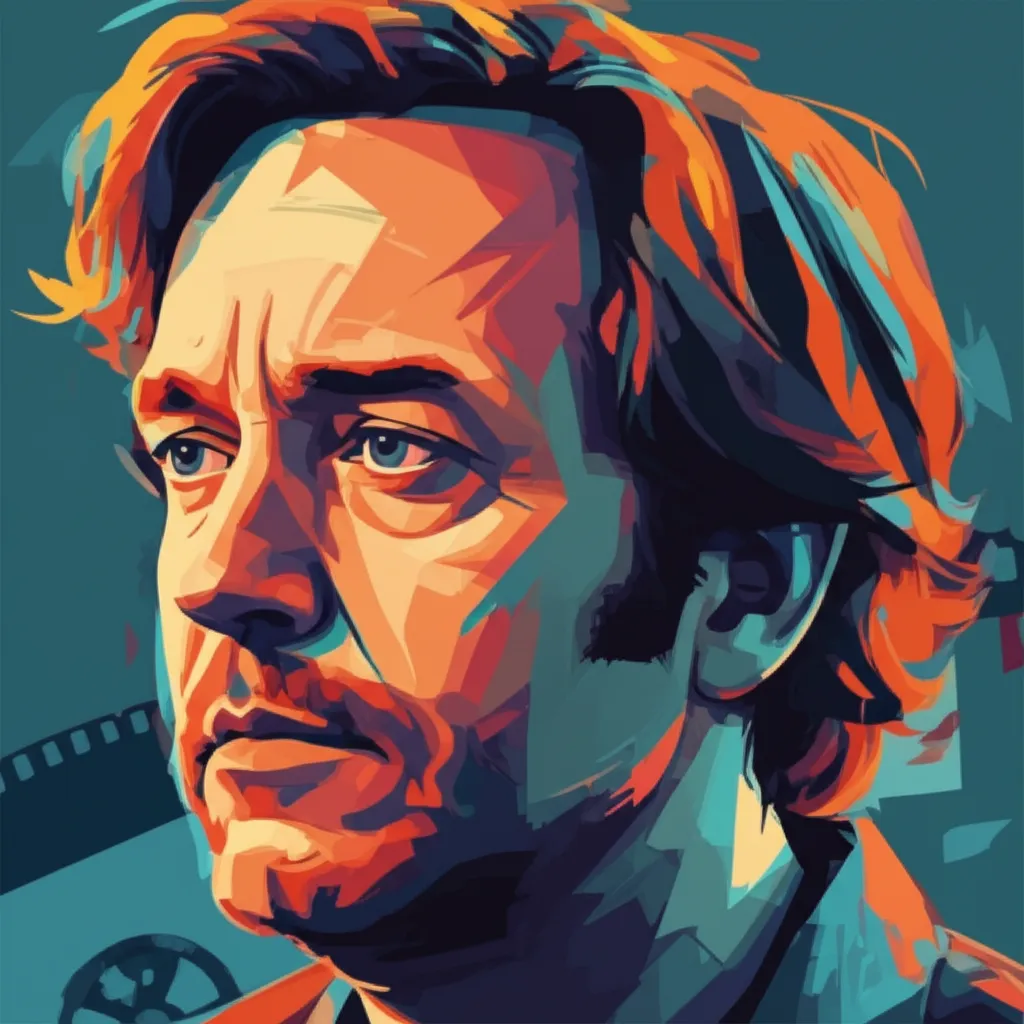
Tim Heidecker is a multi-talented filmmaker, known for his unique, offbeat comedic sensibilities and irreverent approach to filmmaking. He first gained widespread recognition as one half of the comedy duo Tim & Eric, alongside Eric Wareheim. Together, they created the cult hit television series "Tim and Eric Awesome Show, Great Job!" which showcased their avant-garde and often surreal comedic style. In 2012, Heidecker made his directorial debut with "Tim and Eric's Billion Dollar Movie," a comedy film based on their popular television show. "Tim and Eric's Billion Dollar Movie" is a prime example of Heidecker's directorial style, characterized by its absurdist humor, unconventional storytelling, and boundary-pushing comedic antics. The film follows the misadventures of Tim and Eric as they squander a billion dollars on a disastrous movie production, leading to a series of outlandish and absurd scenarios. Heidecker's directorial approach embraces chaos and unpredictability, creating a cinematic experience that defies traditional storytelling conventions. Heidecker's directorial work reflects his penchant for subverting expectations and challenging societal norms through humor and satire. His films often feature recurring themes of consumerism, media saturation, and the absurdity of modern life, all filtered through his distinctive comedic lens. Heidecker's impact on cinema lies in his ability to push the boundaries of comedic storytelling, paving the way for a new wave of alternative comedy in the film industry. With "Tim and Eric's Billion Dollar Movie," Heidecker established himself as a director unafraid to take risks and defy conventions, earning a dedicated following of fans drawn to his unconventional approach to comedy. His influence can be seen in the rise of alternative comedy filmmaking, as well as the continued success of Tim & Eric's unique brand of humor. As he continues to expand his directorial repertoire, Tim Heidecker remains a trailblazer in the world of unconventional, boundary-pushing comedy cinema.

Tim Hill
Tim Hill is a prolific director known for his work in animation, adventure, and comedy genres. With a career spanning over two decades, Hill has made a significant mark on cinema with his unique directorial style and contributions to the film industry. His notable films include "Garfield: A Tail of Two Kitties" (2006), "Hop" (2011), "The War with Grandpa" (2020), "Muppets from Space" (1999), "The SpongeBob Movie: Sponge on the Run" (2020), and "Alvin and the Chipmunks" (2007). Hill's directorial style is characterized by a blend of humor, heartwarming storytelling, and visually stunning animation. He is adept at creating family-friendly entertainment that appeals to audiences of all ages, making him a sought-after director for animated and live-action family films. Hill's films often feature themes of friendship, adventure, and the importance of family, resonating with viewers on a universal level. One of Hill's most notable contributions to cinema is his ability to bring beloved animated characters to life on the big screen. His work on "The SpongeBob Movie: Sponge on the Run" and "Alvin and the Chipmunks" demonstrates his skill in adapting iconic animated properties into successful feature films, capturing the essence of the original characters while adding a fresh cinematic perspective. Hill's impact on cinema is undeniable, as he continues to create entertaining and visually captivating films that have garnered a loyal fan base. His ability to infuse humor and heart into his storytelling, coupled with his expertise in directing animated and live-action family films, has solidified his reputation as a director with a unique vision and a lasting influence on the entertainment industry. Tim Hill's filmography continues to delight audiences and showcase his talent as a versatile and visionary director.
Tim Hunter
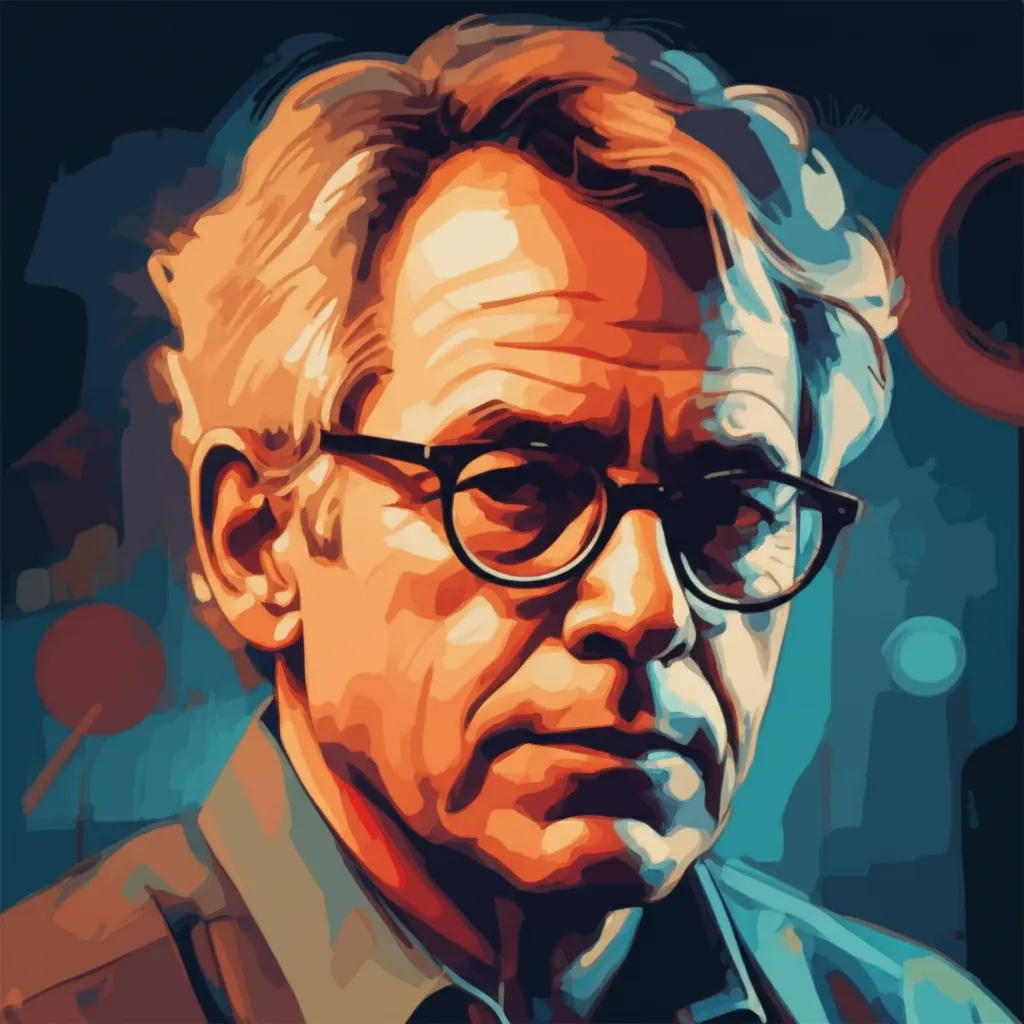
Tim Hunter is a prolific American film director, widely recognized for his distinct directorial style and his significant impact on the crime and drama genres. Hunter's career took off with the critically acclaimed film "River's Edge" in 1986. This gritty and unflinching drama, based on a true story, delved into the lives of a group of disaffected teenagers who grapple with the aftermath of a murder. The film was praised for its raw and unapologetic portrayal of youth culture, solidifying Hunter's reputation as a director with a keen eye for exploring the darker aspects of human nature. Known for his skillful handling of complex characters and intense storytelling, Hunter's directorial style often delves into the psychological depths of his protagonists, capturing the nuances of their emotional turmoil. His films often confront uncomfortable truths and moral ambiguity, offering audiences a thought-provoking and immersive experience. Hunter's work frequently explores themes of alienation, disillusionment, and the human capacity for violence, all of which contribute to the enduring impact of his films on cinema. "River's Edge" remains a standout in Hunter's filmography, showcasing his ability to craft narratives that resonate with audiences on a profound level. The film's unflinching portrayal of societal decay and moral decay set a benchmark for the crime and drama genres, influencing subsequent filmmakers and earning Hunter a place in cinematic history. His legacy as a director who fearlessly confronts the darker aspects of human nature continues to inspire a new generation of filmmakers. Tim Hunter's directorial career has left an indelible mark on the film industry, solidifying his reputation as a visionary filmmaker who fearlessly explores the complexities of the human psyche. His unique directorial style and thematic exploration of societal disillusionment have cemented his status as a director with a profound impact on cinema. As audiences continue to engage with his work, Hunter's legacy as a masterful storyteller and a trailblazer in the crime and drama genres endures, ensuring his place in the pantheon of influential directors.