Director Names Starting with T
Showing 49-60 out of 189

The Vicious Brothers
The Vicious Brothers, the Canadian filmmaking duo consisting of Colin Minihan and Stuart Ortiz, burst onto the horror scene with their directorial debut, "Grave Encounters" in 2011. This found footage horror film follows a paranormal investigation reality TV show that goes awry when the crew becomes trapped inside an abandoned asylum. With a blend of jump scares and psychological horror, the film received critical acclaim for its innovative approach to the found footage genre, garnering a dedicated cult following. Known for their distinct directorial style, The Vicious Brothers are skilled at creating tension and suspense through immersive storytelling and atmospheric visuals. Their work often features a visceral, handheld camera aesthetic, heightening the sense of immediacy and fear. "Grave Encounters" showcased their ability to deliver a fresh take on supernatural horror, utilizing claustrophobic settings and eerie visuals to terrify audiences. The Vicious Brothers' impact on cinema lies in their ability to revitalize the found footage subgenre and inject it with new life. Their approach to horror storytelling is characterized by a keen understanding of audience expectations and a willingness to subvert traditional tropes. Through their innovative use of cinematography and sound design, they have left an indelible mark on the horror landscape, inspiring a new wave of filmmakers to push the boundaries of the genre. While "Grave Encounters" remains their most notable film, The Vicious Brothers' influence extends beyond this single project. Their work often explores themes of isolation, psychological terror, and the unknown, tapping into primal fears to deliver spine-chilling experiences for audiences. With their commitment to pushing the boundaries of horror filmmaking, The Vicious Brothers continue to be revered as pioneers in the genre, leaving an enduring legacy in the world of cinema. In conclusion, The Vicious Brothers have cemented their status as visionary directors, redefining the found footage horror genre with their unique directorial style and innovative storytelling. Their impact on cinema can be felt through their ability to captivate audiences with immersive, fear-inducing experiences and their enduring influence on the next generation of horror filmmakers. With a keen eye for atmospheric visuals and a penchant for crafting unsettling narratives, The Vicious Brothers have solidified their place as trailblazers in the realm of horror cinema.

Thiagarajan Kumararaja
Thiagarajan Kumararaja is a trailblazing Indian film director known for his unconventional and boundary-pushing storytelling techniques. His most notable film, "Super Deluxe" (2019), is a genre-defying masterpiece that seamlessly weaves together elements of comedy, crime, and drama. Kumararaja's directorial style is characterized by his bold and audacious approach to storytelling, refusing to adhere to traditional genre boundaries and narrative structures. "Super Deluxe" garnered widespread critical acclaim for its innovative narrative, complex characters, and thought-provoking themes. Kumararaja's ability to seamlessly blend humor, suspense, and emotional depth has established him as a visionary director with a penchant for pushing the boundaries of cinema. The film's impact on Indian cinema has been profound, as it challenged conventional storytelling norms and paved the way for a new wave of experimental and daring filmmaking. Kumararaja's directorial vision often explores themes of morality, redemption, and the human experience, delving into the complexities of everyday life with a raw and unflinching gaze. His commitment to authenticity and originality has set him apart as a director unafraid to take risks and defy cinematic conventions. With "Super Deluxe," Kumararaja solidified his status as a maverick filmmaker, earning accolades for his fearless approach to storytelling and his ability to provoke introspection and discourse. In a cinematic landscape often dominated by formulaic storytelling, Thiagarajan Kumararaja stands out as a visionary director who fearlessly challenges the status quo. His impact on Indian cinema cannot be overstated, as he continues to inspire a new generation of filmmakers to embrace innovation, originality, and the fearless pursuit of artistic expression. As Kumararaja's career continues to unfold, his unique vision and groundbreaking contributions to film are sure to leave an indelible mark on the industry for years to come.

Thomas Bezucha
Thomas Bezucha is an accomplished director known for his unique blend of heartfelt storytelling and captivating visuals. With a career spanning over two decades, Bezucha has left an indelible mark on the film industry. His directorial debut came with the 2005 film "The Family Stone," a heartwarming comedy-drama that showcased his ability to craft compelling narratives while exploring the complexities of family dynamics. The film's success catapulted Bezucha into the spotlight, establishing him as a director with a keen eye for human emotions and relationships. In 2011, Bezucha ventured into the realm of adventure and comedy with "Monte Carlo," a delightful family film that further showcased his versatility as a director. His ability to infuse lighthearted humor with emotionally resonant storytelling endeared him to audiences and critics alike. Bezucha's keen sense of visual storytelling and his ability to create immersive cinematic experiences became evident in "Monte Carlo," solidifying his reputation as a director with a distinct and compelling vision. Bezucha's most recent directorial endeavor, "Let Him Go" (2020), marked a departure from his previous works, delving into the crime and thriller genres. The film, starring Kevin Costner and Diane Lane, underscored Bezucha's evolution as a director, demonstrating his adeptness at navigating diverse genres while maintaining his signature storytelling prowess. "Let Him Go" further underscored Bezucha's ability to elicit powerful performances from his cast and create an atmosphere of palpable tension, solidifying his status as a versatile and visionary director. Throughout his career, Bezucha has consistently explored themes of love, familial bonds, and the intricacies of human relationships. His ability to infuse these themes into narratives across genres has set him apart as a director with a profound understanding of the human experience. Bezucha's impact on cinema lies in his adeptness at crafting emotionally resonant stories that resonate with audiences on a profound level, making him a director to watch in the ever-evolving landscape of filmmaking. With a keen eye for detail and a commitment to storytelling, Thomas Bezucha continues to captivate audiences with his compelling directorial style and visionary approach to filmmaking.

Thomas Carter
Thomas Carter is a director known for his powerful storytelling and ability to capture the essence of human emotion in his films. With a diverse range of works that span across various genres, Carter has left an indelible mark on the world of cinema. His directorial style is characterized by a keen attention to detail and a knack for bringing out authentic performances from his cast. He has a talent for delving into the human psyche and bringing out the underlying emotions that drive his characters. One of Carter's most notable works is "Coach Carter" (2005), a biographical sports drama film that tells the story of a high school basketball coach who takes a stand against his players' poor academic performance. The film showcases Carter's ability to blend elements of sports, drama, and inspiration into a compelling narrative that resonates with audiences. Another standout film in Carter's repertoire is "When the Game Stands Tall" (2014), a heartwarming biographical drama that follows the journey of a high school football coach and his team as they navigate through triumph and adversity. Carter's skill in capturing the human spirit and the triumph of the human will is evident in this emotionally charged film. Carter's recurring themes often revolve around perseverance, mentorship, and the triumph of the human spirit. His films are often characterized by their ability to inspire and uplift audiences, showcasing the resilience of the human soul in the face of challenges. Carter's impact on cinema lies in his ability to craft narratives that transcend the screen, leaving a lasting impression on viewers. His unique vision and dedication to authentic storytelling have cemented his status as a director with a profound understanding of the human experience. In summary, Thomas Carter's directorial career is defined by a diverse body of work that encompasses a wide range of genres, each marked by his commitment to authentic storytelling and his ability to capture the complexities of the human spirit. With notable films such as "Coach Carter" and "When the Game Stands Tall," Carter has proven himself as a director capable of delivering emotionally resonant narratives that leave a lasting impact on audiences. His contributions to film have solidified his reputation as a director with a unique vision and a deep understanding of the human experience.
Thomas Guard
Thomas Guard is a visionary film director renowned for his exceptional work in the fantasy, horror, and mystery genres. Guard made a significant impact on cinema with his directorial debut, "The Uninvited" (2009), which showcased his distinctive storytelling style and innovative approach to the supernatural genre. His directorial style is characterized by meticulous attention to detail, atmospheric visuals, and a penchant for psychological depth, which captivate audiences and immerse them in his cinematic worlds. Guard's films often explore the blurred lines between reality and the supernatural, creating an eerie and enigmatic atmosphere that lingers long after the credits roll. "The Uninvited" (2009) stands as a testament to Guard's directorial prowess, as he expertly weaves together elements of fantasy, horror, and mystery to deliver a chilling and thought-provoking narrative. The film's success solidified Guard's reputation as a master of suspense and supernatural storytelling. Guard's recurring themes often delve into the complexities of the human psyche, the impact of trauma, and the haunting presence of the supernatural, all of which are expertly interwoven into his narratives. Guard's impact on cinema is undeniable, as his films have left an indelible mark on the genre, inspiring a new wave of filmmakers to explore the depths of the human psyche and the unknown. His unique vision and unwavering commitment to pushing the boundaries of storytelling have earned him a dedicated following and critical acclaim. Guard's contribution to the fantasy, horror, and mystery genres has reshaped the cinematic landscape, setting a new standard for atmospheric storytelling and psychological depth. In conclusion, Thomas Guard's directorial career is defined by his unparalleled ability to craft immersive and haunting narratives that resonate with audiences on a profound level. His directorial style, notable films, recurring themes, and impact on cinema have solidified his status as a visionary filmmaker, and his contributions to the genre continue to inspire and captivate audiences worldwide. Guard's legacy as a master of suspense and supernatural storytelling will undoubtedly endure for generations to come.

Thomas Jahn
Thomas Jahn is a German director known for his impactful contributions to the world of cinema. With a career spanning over several decades, Jahn has left an indelible mark on the film industry with his unique directorial style and compelling storytelling. Perhaps his most notable work is the 1997 film "Knockin' on Heaven's Door," which seamlessly blends action, crime, and comedy, showcasing Jahn's versatility as a director. Jahn's directorial style is characterized by a keen understanding of pacing, dynamic visuals, and a knack for capturing authentic human emotions on screen. His ability to blend different genres in a single film demonstrates his innovative approach to storytelling, making him a standout figure in the world of cinema. "Knockin' on Heaven's Door" is a testament to Jahn's directorial prowess, as the film received critical acclaim for its compelling narrative, well-crafted action sequences, and poignant moments of humor. The film's success solidified Jahn's position as a director capable of delivering captivating and multifaceted cinematic experiences. Throughout his career, Jahn has explored recurring themes such as redemption, camaraderie, and the human experience, often delving into the complexities of human relationships and the pursuit of personal growth. His films often resonate with audiences on a profound level, as he masterfully weaves together thought-provoking themes with engaging storytelling. Thomas Jahn's impact on cinema extends beyond his individual works, as he has inspired and influenced a new generation of filmmakers with his innovative approach to storytelling and his ability to push the boundaries of traditional genre conventions. His legacy as a director continues to shape the landscape of contemporary cinema, cementing his status as a visionary filmmaker with a lasting impact on the industry.

Thomas Kail
Thomas Kail is a highly acclaimed film and theater director known for his outstanding work in bringing historical and biographical stories to life on screen. Kail made a significant impact on the film industry with his directorial debut, "Hamilton" (2020), which was a groundbreaking musical biopic that captured the essence of Alexander Hamilton's life and legacy. This film not only showcased Kail's exceptional directorial skills but also solidified his reputation as a visionary director with a unique ability to breathe new life into historical narratives. Kail's directorial style is characterized by his meticulous attention to detail, innovative use of camera work, and his ability to elicit powerful, authentic performances from his actors. His keen eye for capturing the emotional depth of characters and historical events has made him a sought-after director for biographical and historical films. Through his work, Kail has demonstrated a deep understanding of the human experience, often infusing his films with themes of ambition, resilience, and the pursuit of greatness. Notable for his ability to seamlessly blend elements of drama, music, and history, Kail has carved a niche for himself as a director capable of delivering captivating narratives that resonate with audiences across generations. His visionary approach to storytelling has redefined the biopic genre, setting a new standard for historical dramas and cementing his status as a trailblazer in the industry. Kail's contributions to cinema have left an indelible mark, inspiring future filmmakers and earning him widespread acclaim from critics and audiences alike. In conclusion, Thomas Kail's directorial career is characterized by a remarkable ability to bring historical figures and events to life with unparalleled authenticity and emotional resonance. His innovative directorial style and profound understanding of storytelling have redefined the biopic genre, leaving an enduring impact on cinema. As he continues to push boundaries and challenge conventions, Kail's influence on the film industry is sure to endure, shaping the landscape of historical and biographical storytelling for years to come.

Thomas Langmann
Thomas Langmann is a French film director, producer, and actor known for his work in the adventure, comedy, and family genres. Langmann's directorial style is marked by his ability to infuse humor and adventure into his films, creating an entertaining experience for audiences of all ages. His notable film, "Asterix at the Olympic Games" (2008), showcased his talent for bringing beloved characters to life on the big screen while delivering high-energy action and witty comedy. One of Langmann's recurring themes is his dedication to bringing classic stories to modern audiences. "Asterix at the Olympic Games" is an adaptation of the beloved comic book series, and Langmann's direction ensured that the iconic characters and their adventures were faithfully represented while also adding his own creative flair. His commitment to storytelling and character development has made his films accessible and enjoyable for fans of the original source material as well as newcomers to the stories. Langmann's impact on cinema lies in his ability to create visually stunning and immersive worlds that captivate audiences. His work on "Asterix at the Olympic Games" demonstrated his skill in bringing larger-than-life settings to the screen, complete with vibrant visuals and engaging action sequences. His directorial contributions have enriched the family entertainment genre, offering films that entertain and inspire while maintaining a universal appeal. In summary, Thomas Langmann's directorial career reflects his passion for storytelling, humor, and adventure. His ability to bring beloved characters to life with a modern twist and his dedication to creating visually captivating worlds have solidified his place in the film industry. Langmann's films continue to leave a lasting impression on audiences, showcasing his unique vision and contributions to the world of cinema. Keywords: Thomas Langmann, film director, Asterix at the Olympic Games, adventure, comedy, family, French director, cinema, directorial style, impact, storytelling, classic stories, visual storytelling
Thomas Schlamme
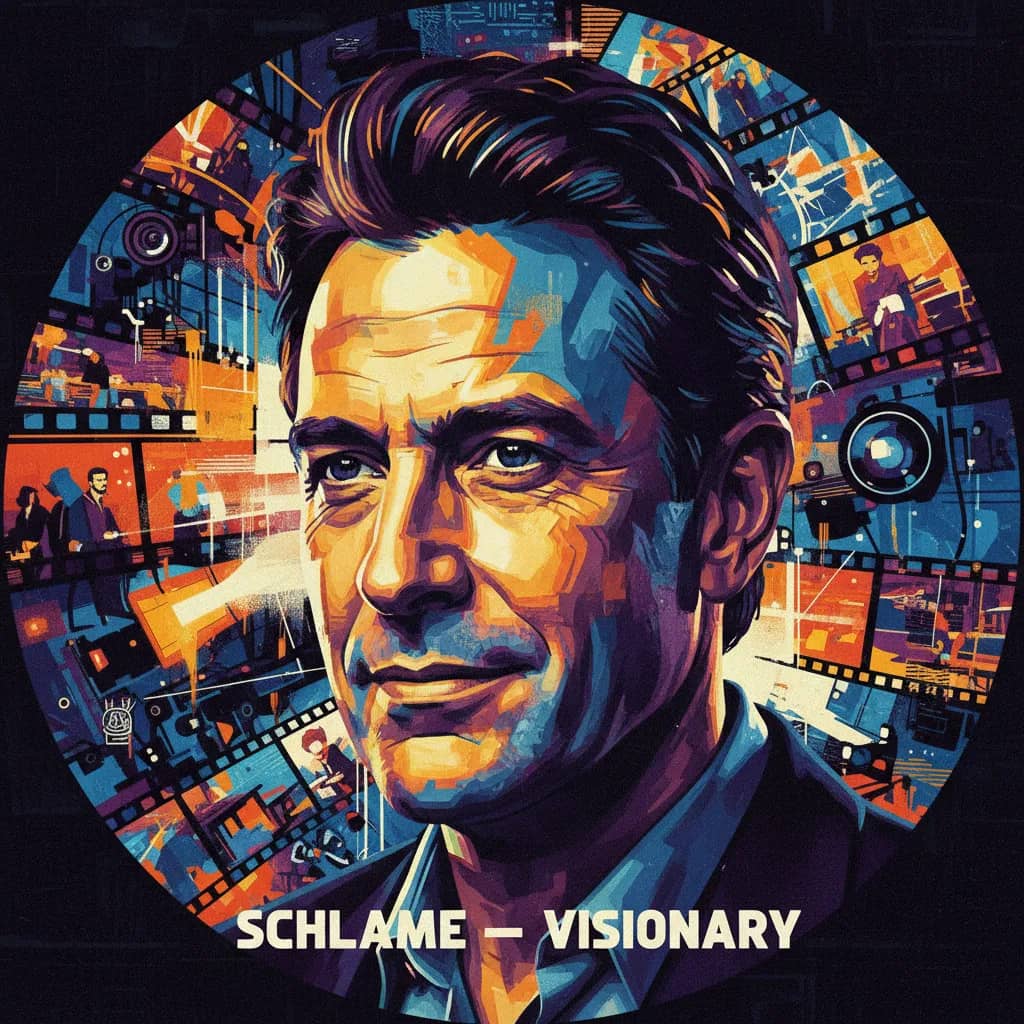
Thomas Schlamme is an accomplished film and television director known for his impeccable storytelling and distinctive visual style. With a career spanning several decades, Schlamme has made significant contributions to the entertainment industry through his diverse body of work. While he is primarily recognized for his work in television, including his collaborations with renowned writer Aaron Sorkin on series like "The West Wing" and "Sports Night," Schlamme has also left a lasting mark on the film world. Schlamme's directorial style is characterized by his ability to seamlessly blend humor and drama, creating a captivating and emotionally resonant viewing experience. His meticulous attention to detail and innovative approach to visual storytelling have earned him widespread acclaim among audiences and critics alike. Schlamme's keen understanding of pacing and character development allows him to craft narratives that are both thought-provoking and entertaining, making him a sought-after director in the industry. One of Schlamme's most notable films is the 1993 romantic comedy "So I Married an Axe Murderer," which showcased his ability to infuse lighthearted humor with genuine emotional depth. The film's success solidified Schlamme's reputation as a director with a unique vision and an innate ability to connect with audiences on a profound level. Through his work, Schlamme has consistently explored themes of love, relationships, and the human experience, drawing from his own life and observations to infuse his projects with authenticity and relatability. In addition to his individual directorial achievements, Schlamme's impact on cinema extends to his collaborative efforts with some of the industry's most prolific talents. His partnerships with esteemed writers and actors have resulted in the creation of timeless storytelling that continues to resonate with audiences across generations. Schlamme's commitment to pushing creative boundaries and his unwavering dedication to his craft have cemented his status as a visionary director whose influence continues to shape the landscape of film and television. In conclusion, Thomas Schlamme's career stands as a testament to his unparalleled talent and unwavering commitment to storytelling. His ability to craft compelling narratives and evoke genuine emotion from his audiences has solidified his place as a respected and influential figure in the entertainment industry. As Schlamme continues to leave an indelible mark on cinema, his legacy serves as an inspiration for aspiring filmmakers and a reminder of the transformative power of storytelling.

Thomas Vinterberg
Thomas Vinterberg is a Danish director known for his emotionally charged and thought-provoking films that often explore the complexities of human relationships and societal issues. His career took off with the release of "The Celebration" (1998) and "Festen" (1998), which are both part of the Dogme 95 movement, showcasing his early penchant for raw, intimate storytelling and powerful character-driven narratives. Vinterberg's directorial style often incorporates handheld camera work and naturalistic performances, creating an immersive and authentic experience for the audience. One of Vinterberg's most acclaimed works is "The Hunt" (2012), a gripping drama that delves into the destructive power of false accusations and societal hysteria. The film's intense portrayal of a man wrongly accused of child molestation earned widespread critical acclaim and garnered international attention, solidifying Vinterberg as a master of psychological drama. His recent film, "Druk" (2020), also known as "Another Round," is a poignant exploration of midlife crisis and the pursuit of happiness through alcohol consumption, showcasing Vinterberg's ability to tackle sensitive subjects with nuance and empathy. Throughout his career, Vinterberg has exhibited a recurring theme of human vulnerability and the consequences of societal pressures, often challenging traditional norms and pushing the boundaries of cinematic storytelling. His films are characterized by their emotional depth, striking visuals, and powerful performances, making him a significant voice in contemporary European cinema. Vinterberg's impact on the industry extends beyond his storytelling prowess, as he continues to inspire a new generation of filmmakers with his innovative approach and unwavering dedication to capturing the human experience on screen. With a diverse filmography that spans across different genres, including drama, comedy, and adventure, Thomas Vinterberg has proven himself to be a versatile and influential director with a distinct artistic vision. His ability to tackle complex themes with sensitivity and honesty has cemented his place as a vital force in the world of cinema, and his contributions continue to shape and enrich the art of storytelling on the silver screen.

Thom Eberhardt
Thom Eberhardt is a prolific American film director known for his distinctive blend of humor, adventure, and genre-bending storytelling. With a career spanning several decades, Eberhardt has left an indelible mark on the film industry through his unique directorial style and visionary approach to storytelling. His filmography boasts an array of critically acclaimed works, including "Without a Clue" (1988), a comedic take on the Sherlock Holmes universe, "Night of the Comet" (1984), a cult classic blending comedy, horror, and science fiction, and "Captain Ron" (1992), a rollicking adventure comedy. Eberhardt's directorial style is characterized by a deft balance of wit, whimsy, and genre-bending narratives, which have solidified his reputation as a master of blending diverse cinematic elements. His films often feature strong, resourceful female protagonists and a sharp sense of humor, showcasing his penchant for subverting genre tropes and creating compelling, multidimensional characters. Eberhardt's ability to seamlessly interweave humor with suspense and adventure has made him a revered figure in the realm of genre filmmaking. Notably, Eberhardt's films frequently explore themes of survival, resilience, and the human experience in the face of extraordinary circumstances. His storytelling prowess lies in his ability to imbue seemingly disparate genres with a sense of humanity and emotional depth, elevating his works beyond mere entertainment to resonate with audiences on a profound level. Through his directorial vision, Eberhardt has carved out a niche for himself as a filmmaker unafraid to challenge conventions and push the boundaries of storytelling, leaving an indelible impact on cinema. Thom Eberhardt's contributions to the film industry have been instrumental in redefining the possibilities of genre filmmaking, inspiring a new generation of storytellers to embrace creativity, humor, and innovation. His legacy as a director remains an enduring testament to the power of imagination and the boundless potential of cinema to captivate and inspire audiences worldwide. With a career marked by a rich tapestry of compelling narratives and offbeat charm, Thom Eberhardt stands as a luminary in the pantheon of visionary filmmakers, leaving an indelible imprint on the cinematic landscape for generations to come.

Thorbjørn Christoffersen
Thorbjørn Christoffersen is a highly acclaimed Danish film director known for his exceptional work in the field of animation. With a remarkable career spanning several decades, Christoffersen has made a significant impact on the global animation industry. His unique directorial style, coupled with his innate storytelling abilities, has earned him a well-deserved reputation as a visionary director. Christoffersen's directorial debut came with the animated film "The Trouble with Terkel" in 2010. This film showcased his prowess in blending animation, comedy, and musical elements to create an engaging and entertaining narrative. The success of "The Trouble with Terkel" solidified Christoffersen's position as a director to watch in the animation genre. In 2011, Christoffersen directed "Ronal the Barbarian," a visually stunning animated feature that seamlessly combined action and adventure. The film captivated audiences with its breathtaking animation, compelling characters, and immersive storytelling. Christoffersen's ability to infuse his films with both humor and heart has made him a celebrated figure in the world of animated cinema. Throughout his career, Christoffersen has demonstrated a consistent commitment to exploring diverse themes and narratives within the realm of animation. His films often feature elements of wit, satire, and a distinct visual style that sets them apart from conventional animated fare. Christoffersen's directorial vision has undoubtedly left an indelible mark on the animation landscape, inspiring future generations of filmmakers and animators. Thorbjørn Christoffersen's contributions to the animation industry have been nothing short of groundbreaking. His imaginative storytelling, coupled with his technical prowess, has elevated the art of animation, earning him a dedicated fan base and critical acclaim. As he continues to push the boundaries of animated filmmaking, Christoffersen remains a director whose work is eagerly anticipated by audiences and industry professionals alike.