Director Names Starting with T
Showing 157-168 out of 189
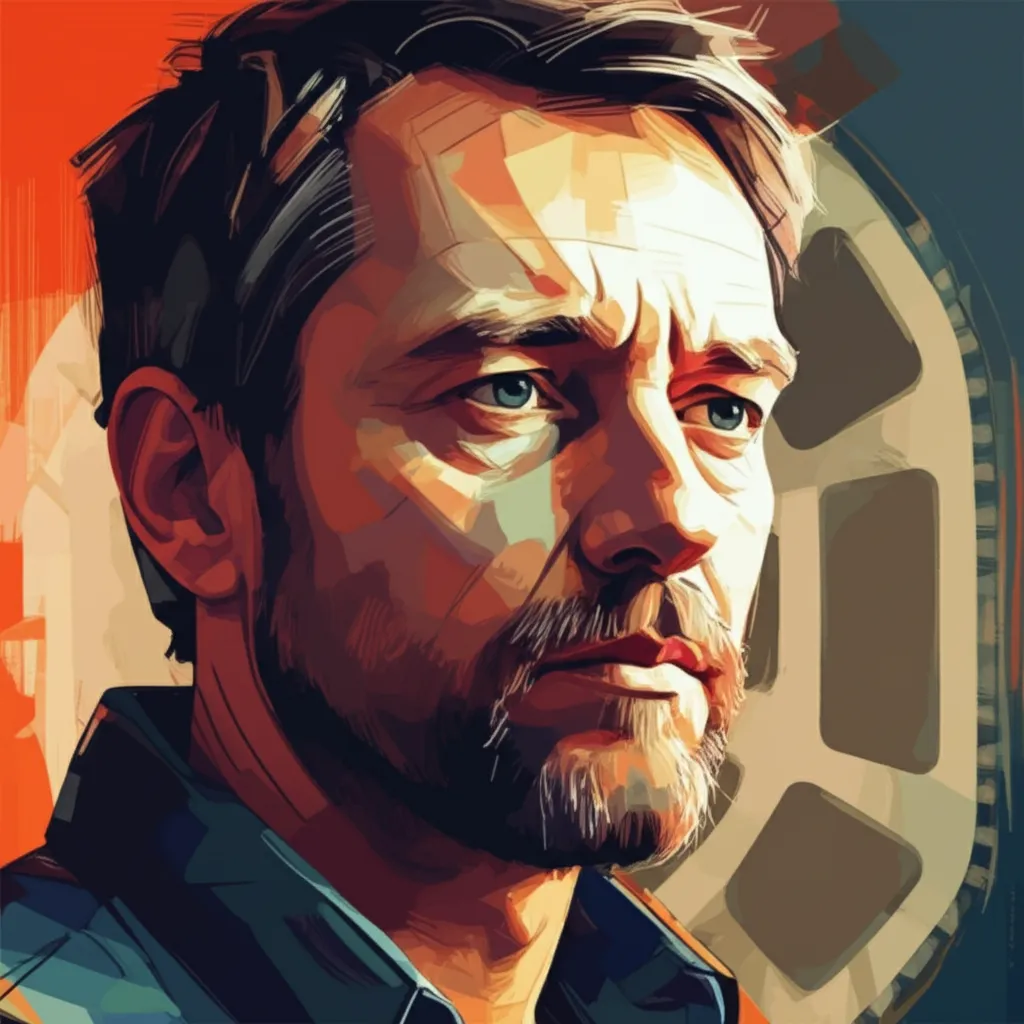
Tony Randel
Tony Randel is a British film director known for his work in the horror genre, particularly for his directorial debut with "Hellbound: Hellraiser II" (1988). Randel's directorial style is characterized by his ability to build tension and atmosphere, creating a sense of dread that permeates his films. His meticulous attention to detail and affinity for practical effects have made his work stand out in the horror genre. "Hellbound: Hellraiser II" is perhaps Randel's most notable film, a sequel to Clive Barker's original "Hellraiser." Randel's direction brought a nightmarish quality to the film, delving deeper into the sinister mythology of the Hellraiser universe. The film's visual flair and macabre imagery solidified Randel's reputation as a director with a knack for crafting terrifying and visually striking scenes. Randel's recurring themes often revolve around the exploration of the human psyche and the blurred lines between reality and the supernatural. His films frequently delve into the darkest recesses of human experience, confronting audiences with their deepest fears and anxieties. Randel's impact on cinema lies in his ability to push the boundaries of horror, offering audiences a unique and unsettling cinematic experience that lingers long after the credits roll. With "Hellbound: Hellraiser II," Tony Randel established himself as a director capable of delivering visceral terror while maintaining a strong narrative drive. His contributions to the horror genre have left an indelible mark on cinema, inspiring a new generation of filmmakers to explore the depths of human terror and psychological horror. As a director, Randel's unique vision continues to captivate audiences and cement his legacy in the realm of horror cinema.

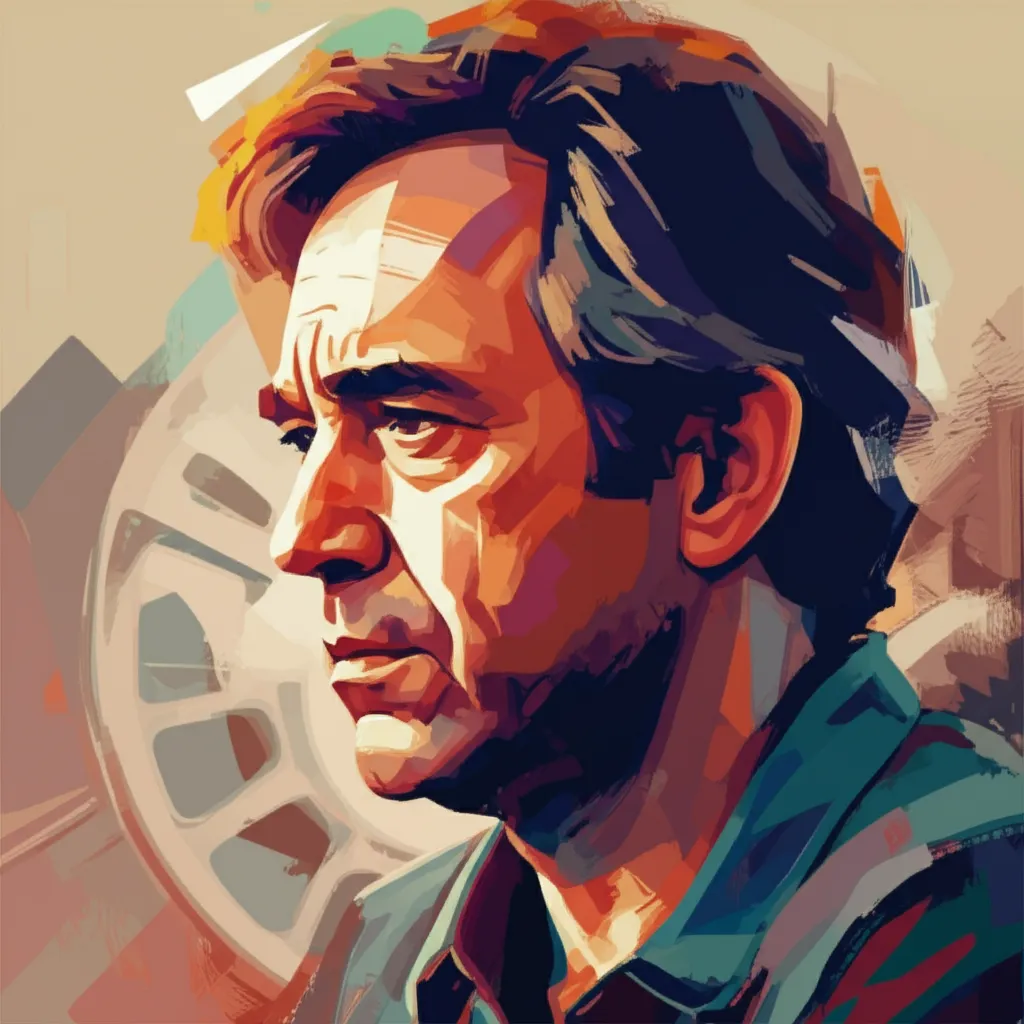
Tony Richardson
Tony Richardson was an influential British film director whose career spanned several decades, leaving an indelible mark on cinema. Known for his innovative and bold approach to storytelling, Richardson's directorial style was characterized by a keen eye for visual composition, sharp wit, and a knack for capturing the essence of his characters and their surroundings. His work often explored themes of social class, sexuality, and human nature, infusing his films with a sense of realism and depth. One of Richardson's most acclaimed films is "Tom Jones" (1963), a rollicking adventure-comedy set in 18th-century England. The film, based on Henry Fielding's classic novel, showcases Richardson's ability to blend historical drama with irreverent humor, resulting in a cinematic experience that feels both timeless and modern. "Tom Jones" earned Richardson an Academy Award for Best Director and solidified his reputation as a visionary filmmaker with a distinct voice. Throughout his career, Richardson demonstrated a commitment to challenging conventions and pushing boundaries, often tackling controversial subject matter with courage and insight. His films delved into the complexities of human relationships, shedding light on the human condition with nuance and empathy. Richardson's impact on cinema extended beyond his directorial achievements, as he also played a pivotal role in shaping the British New Wave movement, influencing a generation of filmmakers and contributing to the evolution of film as an art form. In conclusion, Tony Richardson's legacy as a director is defined by his fearless creativity, thought-provoking storytelling, and unwavering commitment to authenticity. His body of work continues to inspire and resonate with audiences, standing as a testament to the enduring power of cinema to provoke, entertain, and enlighten. Richardson's contributions to the art of filmmaking are both timeless and invaluable, cementing his status as a true visionary of the silver screen.
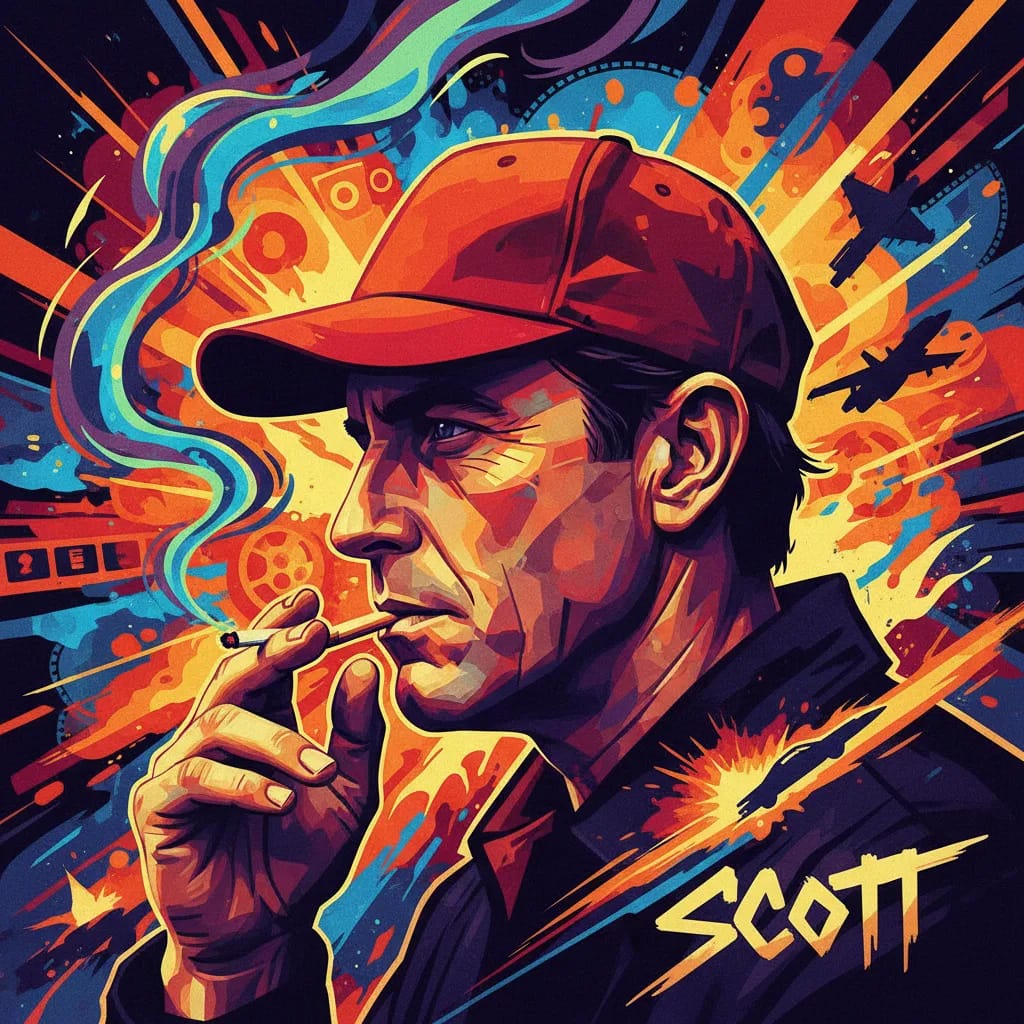
Tony Scott
Tony Scott was an iconic film director renowned for his high-octane style and visually striking storytelling. With a career spanning several decades, Scott left an indelible mark on the action and thriller genres with his dynamic, adrenaline-fueled films. He burst onto the scene with the iconic "Top Gun" (1986), which not only became a cultural phenomenon but also solidified his reputation as a director who could deliver riveting aerial sequences and heart-pounding action. Scott's signature style often encompassed kinetic editing, intense visuals, and a pulsating soundtrack, creating a visceral experience for audiences. Throughout his career, Scott helmed a diverse array of films, showcasing his versatility across genres. From the gritty crime drama "True Romance" (1993) to the taut submarine thriller "Crimson Tide" (1995) and the revenge-fueled action of "Man on Fire" (2004), Scott consistently demonstrated his ability to craft compelling narratives with a distinct visual flair. His collaborations with A-list actors and his keen eye for suspenseful storytelling further cemented his status as a master of tension and excitement on screen. Scott's films often explored themes of heroism, sacrifice, and the human spirit in the face of adversity, resonating with audiences on a visceral level. His influence on cinema is undeniable, as he redefined the action genre with his bold, larger-than-life approach to storytelling. Whether it was the adrenaline-fueled pursuits in "Unstoppable" (2010) or the gripping espionage thriller "Spy Game" (2001), Scott's films consistently delivered edge-of-your-seat entertainment while also delving into complex character dynamics and moral dilemmas. Tony Scott's impact on the film industry is immeasurable, as he not only entertained audiences with his gripping narratives and visually stunning sequences but also inspired a generation of filmmakers with his innovative directorial techniques. His untimely passing in 2012 was a profound loss to the cinematic world, but his legacy lives on through his timeless films, which continue to captivate and exhilarate audiences to this day. With a career defined by bold storytelling and a relentless commitment to pushing the boundaries of visual storytelling, Tony Scott will forever be remembered as a visionary director who reshaped the action genre and left an indelible mark on the art of filmmaking.

Tony Spataro
Tony Spataro is an enigmatic film director known for his distinctive vision and unconventional storytelling in the horror genre. His notable film, "Next Door" (2005), captivated audiences with its eerie atmosphere, suspenseful narrative, and spine-chilling thrills. Spataro's directorial style is characterized by his ability to immerse viewers into a world of psychological terror and mystery, creating an unsettling and haunting experience that lingers long after the credits roll. Throughout his career, Spataro has demonstrated a penchant for delving into the darker aspects of human nature, often exploring themes of paranoia, isolation, and the unknown. His films are marked by their atmospheric tension, meticulously crafted suspense, and unexpected twists, showcasing his mastery in building palpable dread and suspense. Spataro's unique approach to storytelling has left an indelible mark on the horror genre, earning him recognition as a director with an uncanny ability to tap into primal fears and deliver impactful cinematic experiences. "Next Door" stands as a testament to Spataro's ability to subvert genre conventions and deliver a fresh take on horror, solidifying his reputation as a director with a keen eye for atmospheric storytelling and evocative visuals. His directorial prowess has left an enduring impact on cinema, inspiring a new wave of filmmakers to push the boundaries of the genre and explore the depths of psychological horror. With an unparalleled ability to craft immersive and unsettling narratives, Tony Spataro has carved a niche for himself in the realm of horror cinema, cementing his status as a visionary director whose work continues to resonate with audiences and fellow filmmakers alike. As he continues to shape the landscape of horror filmmaking, Spataro's legacy is destined to endure, leaving an indelible imprint on the genre for years to come.

Torsten Künstler
Torsten Künstler is a German film director known for his unique blend of comedy and heartfelt storytelling. His notable film "Kokowääh," released in 2011, showcased his directorial style, which often combines humor with genuine emotional depth. Künstler has made a significant impact on German cinema, drawing audiences in with his ability to create relatable characters and engaging narratives. In "Kokowääh," Künstler demonstrated his directorial prowess by crafting a comedic yet poignant tale of a man who discovers he has a daughter and must navigate the complexities of fatherhood. The film's success solidified Künstler's reputation as a director who can seamlessly fuse humor with touching, human stories. His ability to balance lighthearted moments with deep emotional resonance has set him apart in the film industry. Künstler's directorial style often incorporates themes of family, self-discovery, and the ups and downs of relationships. His films are known for their authentic portrayal of human experiences, resonating with audiences on a personal level. Künstler's work has had a lasting impact on cinema, as he continues to push the boundaries of storytelling and create memorable characters that audiences connect with. With "Kokowääh," Künstler cemented his status as a director capable of delivering entertaining and emotionally rich films. His ability to infuse humor with genuine human experiences has made him a beloved figure in the German film industry. Künstler's unique vision and contributions to cinema have left an indelible mark, and audiences eagerly anticipate his future projects, eager to experience his signature blend of comedy and heartfelt storytelling.
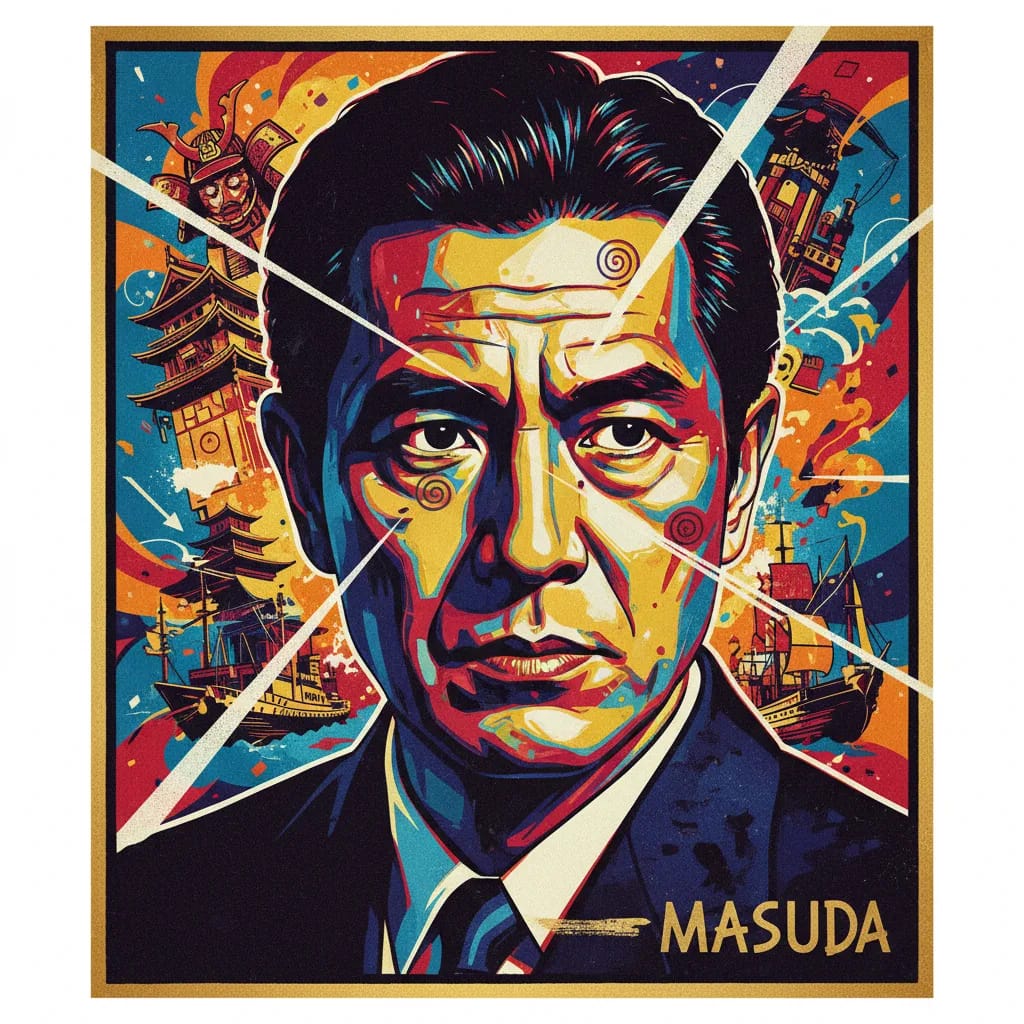
Toshio Masuda
Toshio Masuda was a prominent Japanese film director known for his contributions to action, drama, and historical genres. His most renowned work, "Tora! Tora! Tora!" (1970), cemented his reputation as a director with a keen eye for meticulous historical reenactments and compelling storytelling. Masuda's directorial style was characterized by his ability to seamlessly blend intense action sequences with deeply emotional and humanistic narratives, creating a gripping cinematic experience for audiences. "Tora! Tora! Tora!" stands as a testament to Masuda's mastery in capturing the complexities of historical events, as the film meticulously depicts the events leading up to the attack on Pearl Harbor from both the American and Japanese perspectives. His dedication to historical accuracy and attention to detail in recreating pivotal moments in history contributed to the film's critical acclaim and enduring legacy. Throughout his career, Masuda displayed a talent for infusing his films with recurring themes of honor, sacrifice, and the human cost of war. His portrayal of characters grappling with moral dilemmas and the impact of conflict on individuals resonated deeply with audiences, establishing him as a director capable of evoking profound emotional responses through his work. Masuda's impact on cinema extends beyond his directorial achievements, as he played a significant role in shaping the historical and action genres. His meticulous approach to storytelling and his ability to humanize historical events set a standard for future filmmakers tackling similar subject matter. Masuda's legacy as a director continues to influence and inspire filmmakers, cementing his status as a visionary in the world of cinema. In conclusion, Toshio Masuda's directorial career is marked by his exceptional ability to bring historical events to life on the silver screen, infusing them with emotional depth and authenticity. His dedication to historical accuracy, compelling storytelling, and exploration of profound human themes solidifies his place as a master filmmaker whose impact on cinema endures to this day.
Toshiya Fujita
Toshiya Fujita, a visionary Japanese director, made a significant impact on the world of cinema with his unique directorial style and compelling storytelling. Fujita is best known for his seminal work "Lady Snowblood" (1973), a groundbreaking film that combined elements of action, crime, and drama to create a visually stunning and emotionally gripping masterpiece. His directorial approach was marked by a keen eye for detail, innovative camera work, and a deep understanding of character dynamics, which set him apart as a true auteur. Fujita's directorial style was characterized by his ability to seamlessly blend elements of Japanese tradition with modern storytelling techniques. His films often featured strong, complex female protagonists who defied societal norms and challenged traditional gender roles, a recurring theme that resonated with audiences and critics alike. Fujita's meticulous attention to visual composition and his use of striking imagery have left an indelible mark on the world of cinema, influencing countless filmmakers and shaping the evolution of the action and crime genres. "Lady Snowblood" stands as a testament to Fujita's directorial prowess, showcasing his ability to craft a compelling narrative filled with intense action sequences, poignant drama, and thought-provoking themes. The film's impact on cinema cannot be overstated, as it continues to be celebrated for its innovative storytelling and influential visual style. Fujita's legacy as a director is further cemented by the enduring popularity of "Lady Snowblood," which has inspired numerous adaptations and continues to captivate audiences around the world. In conclusion, Toshiya Fujita's directorial career is a testament to his unparalleled vision and creative genius. His ability to weave together captivating stories, compelling characters, and breathtaking visuals has solidified his status as a true master of his craft. Fujita's influence on the world of cinema is undeniable, and his legacy continues to inspire filmmakers and audiences alike, ensuring that his contributions to the art of filmmaking will be celebrated for generations to come.

Toshiyuki Kubooka
Toshiyuki Kubooka is a highly acclaimed Japanese film director known for his exceptional work in the animation, action, and adventure genres. His most notable directorial contributions come from the "Berserk: The Golden Age Arc" trilogy, consisting of "The Egg of the King" (2012), "The Battle for Doldrey" (2012), and "The Advent" (2013). Kubooka's directorial style is marked by his ability to infuse intense action sequences with deep emotional resonance, creating a captivating cinematic experience for audiences. Kubooka's "Berserk: The Golden Age Arc" trilogy has solidified his position as a visionary director in the animation realm. His meticulous attention to detail and masterful storytelling have garnered widespread acclaim from both critics and viewers. The trilogy, based on the popular manga series by Kentaro Miura, showcases Kubooka's ability to bring rich and complex characters to life through stunning animation and powerful narratives. One of Kubooka's recurring themes is the exploration of the human psyche amidst epic battles and personal struggles, adding layers of depth and complexity to his storytelling. His films often delve into the darker aspects of human nature, presenting a thought-provoking commentary on the human condition. Kubooka's unique vision and directorial prowess have left an indelible mark on the world of animation and have contributed to the evolution of the medium. Kubooka's impact on cinema extends beyond his directorial achievements, as he has inspired a new generation of filmmakers and animation enthusiasts. His ability to seamlessly blend heart-pounding action with profound storytelling has set a new standard for animated films, influencing the industry as a whole. Toshiyuki Kubooka's dedication to pushing artistic boundaries and delivering compelling narratives has cemented his legacy as a pioneering director in the world of animation and adventure cinema.

Toshiyuki Tsuru
Toshiyuki Tsuru is a highly acclaimed Japanese film director and animator known for his exceptional work in the animation, action, and adventure genres. Tsuru's most notable work includes his directorial role in the animated feature film "Boruto: Naruto The Movie" (2015). This film is a part of the immensely popular Naruto franchise and has received widespread acclaim for its stunning animation, compelling action sequences, and captivating adventure elements. Tsuru's directorial style is characterized by his meticulous attention to detail, dynamic storytelling, and seamless integration of action and adventure into his narratives. His ability to bring to life the beloved characters of the Naruto universe while introducing fresh and exhilarating elements has solidified his reputation as a visionary director in the animation genre. In "Boruto: Naruto The Movie," Tsuru showcases his talent for creating visually stunning and emotionally resonant animated sequences, captivating audiences with his dynamic and immersive storytelling. His directorial prowess is evident in the film's seamless blend of heart-pounding action, poignant character development, and breathtaking adventure, making it a standout addition to the Naruto franchise. Tsuru's impact on cinema is reflected in his ability to transport audiences to fantastical worlds while delivering compelling narratives that resonate across generations. His work has not only contributed to the success of the Naruto franchise but has also left an indelible mark on the animation, action, and adventure genres. Tsuru's dedication to his craft and his unique vision have established him as a director whose influence extends far beyond the screen, inspiring a new generation of filmmakers and captivating audiences worldwide.

Toyoo Ashida
Toyoo Ashida is a renowned Japanese animation director known for his influential work in the anime industry. With a career spanning several decades, Ashida has left a significant impact on cinema through his distinctive directorial style and groundbreaking contributions to the world of animation. Throughout his career, Ashida has consistently showcased a remarkable ability to bring fantastical and otherworldly stories to life through his unique vision and innovative approach to storytelling. One of Ashida's most notable works is the iconic 1985 film "Vampire Hunter D." This animated feature, which falls into the genres of action and fantasy, quickly became a cult classic and solidified Ashida's reputation as a visionary director within the animation landscape. The film's dark and atmospheric visuals, coupled with its compelling narrative, underscore Ashida's penchant for creating immersive and captivating cinematic experiences. Ashida's directorial style is characterized by a seamless blend of intricate animation, dynamic action sequences, and a penchant for exploring complex and esoteric themes. His films often feature enigmatic and brooding protagonists set against richly detailed and immersive worlds, showcasing his ability to craft visually stunning and thought-provoking narratives. Ashida's work has had a lasting influence on the anime genre, inspiring subsequent generations of filmmakers and animators to push the boundaries of visual storytelling. Throughout his career, Ashida has demonstrated a consistent exploration of themes such as the supernatural, existentialism, and the human condition, often imbuing his films with a sense of philosophical depth and emotional resonance. His unique ability to infuse his work with a profound sense of atmosphere and mood has earned him a dedicated following of fans and admirers, cementing his legacy as a pioneering force in the world of animation. In conclusion, Toyoo Ashida's directorial career is a testament to his enduring impact on cinema, particularly within the realm of animation. His visionary approach to storytelling, coupled with his ability to create immersive and visually stunning worlds, has solidified his status as a revered figure in the anime industry. With a body of work that continues to captivate audiences and inspire filmmakers, Ashida's contributions to film remain an integral part of the cinematic landscape.

Travis Knight
Travis Knight is a visionary director known for his groundbreaking work in animation and action films. His directorial debut came with the critically acclaimed "Kubo and the Two Strings" (2016), a stop-motion animated masterpiece that captured audiences with its stunning visuals and heartfelt storytelling. Knight's meticulous attention to detail and innovative approach to animation garnered widespread praise and earned him a nomination for the Academy Award for Best Animated Feature. In 2018, Knight made his transition to live-action filmmaking with "Bumblebee," a highly anticipated installment in the "Transformers" franchise. With this film, Knight demonstrated his prowess in directing action and adventure, delivering a fresh and exhilarating take on the beloved robots-in-disguise saga. His ability to infuse depth and emotion into the narrative while maintaining thrilling action sequences showcased his versatility as a director. Knight's directorial style is characterized by a commitment to pushing the boundaries of visual storytelling, whether through the intricate artistry of stop-motion animation or the adrenaline-pumping spectacle of live-action blockbusters. His films often explore themes of heroism, inner strength, and the power of imagination, resonating with audiences of all ages. Moreover, Knight's dedication to crafting compelling characters and immersive worlds has left an indelible mark on the cinematic landscape. As an accomplished director, Knight has redefined the possibilities of animation and action cinema, earning a reputation for his innovative vision and storytelling prowess. His ability to seamlessly blend cutting-edge technology with timeless storytelling has cemented his status as a trailblazer in the industry. With a penchant for crafting visually stunning and emotionally resonant films, Travis Knight continues to captivate audiences and inspire fellow filmmakers, solidifying his legacy as a visionary director shaping the future of cinema.
Travis Milloy
Travis Milloy is an American filmmaker known for his work in the science fiction and thriller genres. His most notable film to date is "Infinity Chamber" (2016), a thought-provoking sci-fi thriller that showcases his distinct directorial style and storytelling prowess. Milloy's approach to filmmaking is characterized by his ability to create immersive and intellectually stimulating narratives that captivate audiences and leave a lasting impression. "Infinity Chamber" exemplifies Milloy's penchant for crafting intricate, mind-bending narratives that challenge conventional storytelling norms. The film follows a man trapped in a futuristic prison controlled by an artificial intelligence system, blending elements of suspense, psychological drama, and speculative fiction. Milloy's directorial style is marked by his meticulous attention to detail, innovative visual storytelling, and a knack for building tension and suspense through compelling character dynamics. Throughout his career, Milloy has demonstrated a consistent commitment to exploring existential themes, human resilience, and the impact of technology on society. His films often delve into the complexities of the human experience, inviting audiences to contemplate the intersection of humanity and technology. This thematic through-line underscores Milloy's unique perspective and his ability to infuse his work with thought-provoking philosophical undertones. Milloy's impact on cinema lies in his ability to push the boundaries of genre filmmaking, delivering thought-provoking narratives that resonate with audiences on a deeper level. His distinctive directorial voice and innovative storytelling have positioned him as a rising talent in the science fiction and thriller genres, garnering attention for his ability to craft compelling narratives that transcend traditional genre conventions. As he continues to expand his body of work, Travis Milloy is poised to make a lasting impression on the cinematic landscape, solidifying his status as a visionary director with a unique creative vision.