Director Names Starting with T
Showing 145-156 out of 189
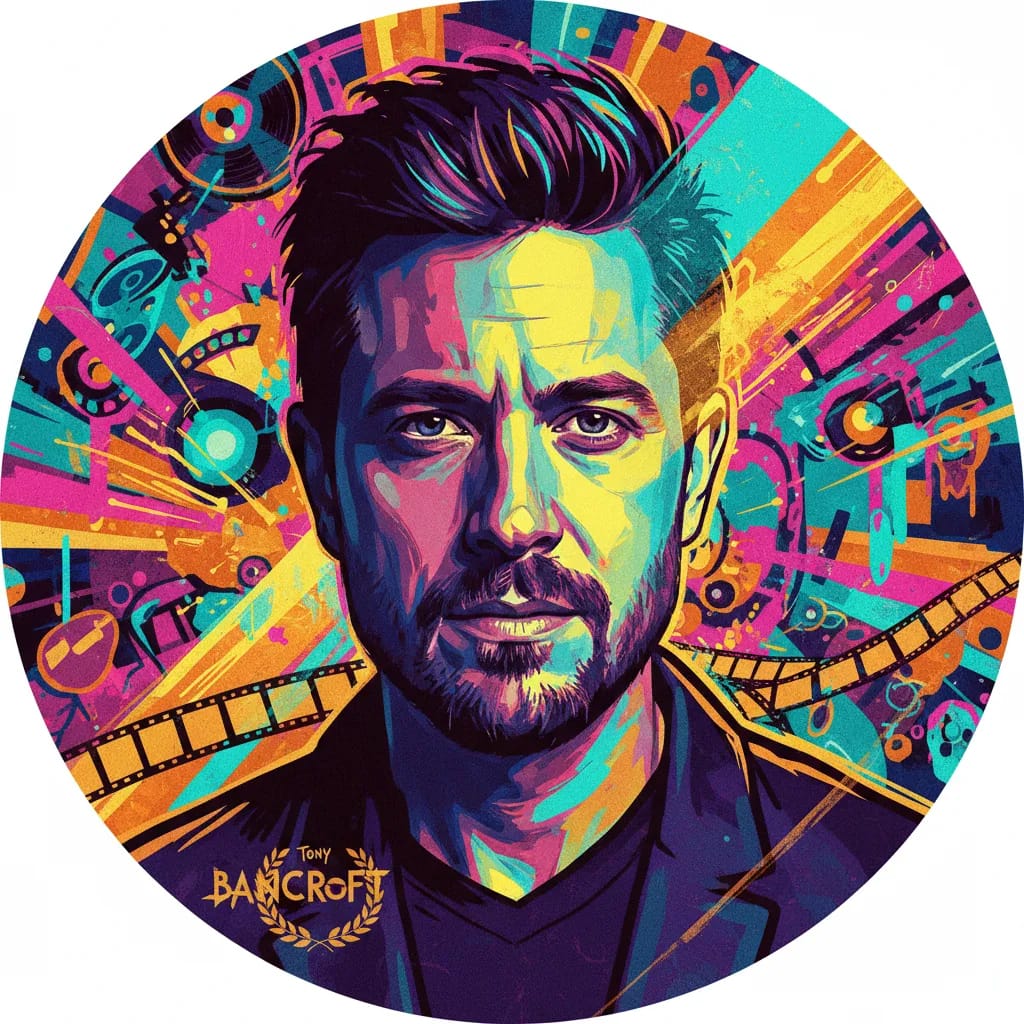
Tony Bancroft
Tony Bancroft is a renowned film director best known for his exceptional work in the animation genre. His most notable directorial achievement is the Disney animated feature, "Mulan" (1998), which garnered widespread acclaim for its captivating storytelling and stunning visuals. Bancroft's directorial style is characterized by a keen attention to detail, a deep understanding of character development, and a talent for crafting visually engaging and emotionally resonant narratives. In "Mulan," Bancroft brought to life a timeless tale of empowerment and courage, set against the backdrop of ancient China. The film not only showcased Bancroft's ability to breathe life into captivating characters, but also highlighted his skill in seamlessly blending humor, action, and heartwarming moments. Under Bancroft's direction, "Mulan" became a beloved classic, earning a special place in the hearts of audiences and leaving an indelible mark on the animation landscape. One of Bancroft's recurring themes in his work is the exploration of inner strength and resilience in the face of adversity. Through his films, he has masterfully depicted the journey of characters overcoming challenges, finding their true identities, and embracing their unique strengths. This thematic depth has contributed to Bancroft's reputation as a director capable of delivering narratives that resonate with audiences on a profound level. Bancroft's impact on cinema extends beyond his individual films, as he has played a pivotal role in shaping the landscape of animated storytelling. His dedication to pushing the boundaries of animation and his ability to infuse his projects with emotional depth have solidified his status as a visionary director. With a career defined by a commitment to excellence and a passion for storytelling, Tony Bancroft continues to inspire and influence aspiring filmmakers, leaving an indelible legacy in the world of animation.
Tony Bill
Tony Bill is an accomplished film director known for his unique vision and diverse range of directorial offerings. With a career spanning several decades, he has left an indelible mark on cinema with his distinct directorial style and ability to bring compelling stories to life on the silver screen. Bill's filmography includes a variety of genres, showcasing his versatility as a director. Notable films in his repertoire include "My Bodyguard" (1980), a heartwarming comedy-drama that resonated with audiences of all ages, "Flyboys" (2006), an action-packed historical drama, and "Untamed Heart" (1993), a poignant romantic drama that tugs at the heartstrings. Throughout his career, Tony Bill has demonstrated a keen ability to infuse his films with a sense of authenticity and emotional depth, often exploring themes of friendship, courage, and human connection. His directorial style is characterized by a deft touch in balancing humor and drama, creating engaging narratives that captivate audiences. Bill's films are known for their compelling storytelling, rich character development, and visually stunning cinematography, all of which contribute to the enduring impact of his work on the cinematic landscape. Tony Bill's contributions to the film industry have been significant, earning him a reputation as a director with a distinct and compelling artistic vision. His ability to transcend genres and craft memorable cinematic experiences has established him as a respected figure in the world of filmmaking. Through his diverse filmography, Bill has showcased his versatility and storytelling prowess, leaving an indelible mark on audiences and fellow filmmakers alike. His films continue to resonate with viewers, standing as a testament to his enduring impact on cinema. In summary, Tony Bill's career as a film director is defined by his ability to bring stories to life with depth, emotion, and resonance. His diverse filmography reflects his versatility and vision, with each project offering a unique cinematic experience. With a legacy that spans decades, Bill's impact on cinema is undeniable, and his contributions continue to enrich the world of film with their enduring appeal and artistry.

Tony Cervone
Tony Cervone is an accomplished film director known for his exceptional work in the animation genre. Cervone's most notable directorial work includes the highly anticipated animated feature "Scoob!" (2020), which brought the beloved characters of Scooby-Doo and the Mystery Inc. gang to the big screen in a modern, comedic adventure. With an impressive filmography, Cervone has made a significant impact on the world of animation, showcasing his unique directorial style and storytelling prowess. Cervone's directorial style is characterized by his ability to bring beloved cartoon characters to life while infusing his projects with humor, heart, and adventure. His keen understanding of animation and storytelling has allowed him to create films that resonate with audiences of all ages. Through his work, Cervone has demonstrated a deep appreciation for the source material while also infusing his projects with a fresh, contemporary sensibility. "Scoob!" stands as a testament to Cervone's directorial talent, with its vibrant animation, engaging storytelling, and memorable characters. Cervone's ability to capture the essence of the beloved Scooby-Doo franchise while introducing new elements has solidified his reputation as a visionary director in the animation industry. Cervone's impact on cinema extends beyond his directorial achievements, as he has played a pivotal role in shaping the landscape of animated films. His dedication to creating compelling stories and bringing iconic characters to life has earned him a well-deserved place among the top talents in the industry. With his distinct directorial style and ability to connect with audiences on an emotional level, Cervone continues to leave a lasting impression on the world of animation. In conclusion, Tony Cervone's career as a film director has been defined by his exceptional contributions to the animation genre. With "Scoob!" and other notable projects, Cervone has proven himself to be a visionary director with a deep understanding of storytelling and animation. His impact on cinema is undeniable, and his work continues to inspire and entertain audiences around the world.

Tony Elliott
Tony Elliott is a visionary director known for his distinct blend of action, science fiction, and thriller genres. His most notable work to date is the 2016 film "ARQ," which showcases his expertise in creating high-octane, thought-provoking cinema. Elliott's directorial style is characterized by a masterful command of tension and suspense, coupled with intricate storytelling and visually stunning sequences. His films are marked by a seamless fusion of gripping action and compelling narratives, making him a standout talent in the industry. In "ARQ," Elliott demonstrates his adeptness at crafting complex, dystopian worlds while maintaining a focus on the human experience within them. The film's premise revolves around a time loop and a technological device that holds the key to survival, showcasing Elliott's knack for weaving intricate plotlines with a keen eye for detail. His ability to immerse audiences in gripping, high-stakes scenarios while exploring profound existential themes sets him apart as a director with a unique and captivating vision. Elliott's recurring themes often revolve around the ethical implications of technology and the resilience of the human spirit in the face of adversity, showcasing his deep understanding of the human condition. His impact on cinema lies in his ability to push the boundaries of genre filmmaking, infusing his work with intellectual depth and emotional resonance. He has carved a niche for himself as a director who fearlessly ventures into the realms of speculative fiction, offering audiences compelling narratives that resonate long after the credits roll. As Elliott continues to make his mark in the film industry, his distinct directorial style and unwavering commitment to storytelling ensure that his work will continue to captivate and challenge audiences. With "ARQ" serving as a testament to his prowess behind the camera, Elliott's future projects are eagerly anticipated, promising to further solidify his status as a director with a bold and visionary approach to filmmaking.

Tony Giglio
Tony Giglio is a prolific film director known for his work in the action, crime, and drama genres. His notable filmography includes the 2005 film "Chaos," which showcased his distinct directorial style and cemented his reputation as a skilled filmmaker in the industry. Giglio's directorial approach is characterized by high-octane action sequences, intricate crime narratives, and intense dramatic storytelling, which have captivated audiences and critics alike. "Chaos" exemplifies Giglio's ability to craft compelling and adrenaline-pumping action scenes while delving into the complexities of crime and human drama. His keen eye for detail and mastery of visual storytelling are evident throughout the film, earning him recognition for his directorial prowess. Giglio's work often explores themes of morality, justice, and the human condition, adding depth and resonance to his storytelling. Giglio's impact on cinema lies in his ability to deliver gripping, edge-of-your-seat entertainment while infusing his films with thought-provoking themes and emotional depth. His directorial vision has resonated with audiences, establishing him as a director with a distinct voice in the action and crime genres. Giglio's contributions to film have left an indelible mark on the industry, inspiring aspiring filmmakers and garnering the respect of his peers. Overall, Tony Giglio's career as a director has been defined by his unwavering commitment to crafting compelling narratives and delivering exhilarating cinematic experiences. His unique directorial style, notable films like "Chaos," and recurring themes have solidified his status as a formidable talent in the world of action and crime cinema. Giglio's impact on the industry is undeniable, and his body of work continues to captivate audiences, cementing his legacy as a visionary filmmaker.
Tony Gilroy
Tony Gilroy is an accomplished film director known for his distinctive directorial style and a string of successful films that have left a lasting impact on the world of cinema. With a career spanning several decades, Gilroy has established himself as a master storyteller with a keen eye for blending genres and delivering compelling narratives. His filmography includes notable works such as "Duplicity" (2009), a witty blend of comedy, crime, and romance, "The Bourne Legacy" (2012), an action-packed adventure thriller, and "Michael Clayton" (2007), a gripping crime drama with mystery elements. Gilroy has a knack for infusing his films with a sense of intelligence and sophistication, often weaving intricate plots and complex characters into his storytelling. His directorial style is marked by meticulous attention to detail, sharp dialogue, and a knack for building tension and suspense. Gilroy's films often explore themes of deception, morality, and the consequences of one's actions, adding layers of depth and nuance to his narratives. His ability to craft multi-layered stories that resonate with audiences has solidified his reputation as a director with a unique vision and storytelling prowess. Notably, Gilroy's impact on cinema extends beyond his directorial work, as he has also made significant contributions to the art of screenwriting. His screenplays are revered for their sharp wit, clever dialogue, and intricate plotting, further cementing his status as a versatile and talented filmmaker. Gilroy's ability to seamlessly transition between writing and directing roles has allowed him to bring a cohesive and distinctive vision to his films, elevating them to a level of critical and commercial success. In summary, Tony Gilroy's directorial career is characterized by a remarkable ability to craft compelling narratives that captivate and challenge audiences. His distinct directorial style, combined with his contributions to screenwriting, have made him a celebrated figure in the world of cinema. With a diverse range of films that span various genres, Gilroy continues to leave an indelible mark on the industry, solidifying his status as a director with a unique vision and a lasting impact on the art of filmmaking.
Tony Goldwyn
Tony Goldwyn is a multifaceted director known for his ability to seamlessly blend comedy, drama, and romance in his films. With a career spanning over two decades, Goldwyn has made a significant impact on the film industry, delivering thought-provoking and emotionally resonant stories. His directorial style is characterized by an astute understanding of human emotions and relationships, often portraying complex characters in compelling narratives. In 2006, Goldwyn made his directorial debut with "The Last Kiss," a poignant exploration of love, commitment, and the challenges of adulthood. The film showcased his adeptness at capturing the intricacies of human relationships while infusing moments of levity and introspection. Goldwyn's directorial prowess was further showcased in "Conviction" (2010), a gripping biographical drama that delved into the true story of a woman's unwavering determination to exonerate her wrongfully convicted brother. Through his direction, Goldwyn brought a raw authenticity to the narrative, skillfully balancing the emotional gravity of the story with moments of resilience and hope. "Someone Like You" (2001) exemplifies Goldwyn's adeptness at infusing romantic comedies with depth and sincerity. With a keen eye for nuance and emotion, Goldwyn crafted a film that transcended the typical tropes of the genre, offering audiences a genuine portrayal of love, heartbreak, and self-discovery. Goldwyn's films often explore themes of love, redemption, and the resilience of the human spirit. His directorial approach consistently emphasizes the complexities of interpersonal relationships, presenting characters with depth and authenticity. Goldwyn's impact on cinema lies in his ability to create compelling narratives that resonate with audiences on a profound level, showcasing his distinctive vision and storytelling prowess. In conclusion, Tony Goldwyn's directorial career has been marked by a remarkable ability to navigate the intricacies of human emotions and relationships, delivering films that are both captivating and emotionally resonant. His unique directorial style has left an indelible mark on cinema, offering audiences thought-provoking narratives that transcend genre conventions. With a diverse filmography that spans comedy, drama, and romance, Goldwyn continues to solidify his reputation as a director with a keen understanding of the human experience, leaving an enduring impact on the cinematic landscape.

Tony Jaa
Tony Jaa is a Thai martial artist, actor, and director renowned for his exceptional contributions to the action film genre. Born Panom Yeerum, Jaa made his directorial debut with the high-octane action film "Ong Bak 2" in 2008. As a director, Jaa's signature style is characterized by his unparalleled mastery of martial arts, intense fight choreography, and visually stunning action sequences. His films are known for their raw, gritty realism and a relentless focus on showcasing traditional Muay Thai techniques and athleticism. "Ong Bak 2" stands as a testament to Jaa's directorial prowess, featuring breathtaking fight scenes and a compelling narrative that immerses audiences in the world of ancient Thailand. Jaa's directorial work reflects a deep reverence for Thai culture and history, often incorporating themes of honor, loyalty, and the pursuit of justice. His films also highlight the beauty of traditional Thai martial arts, elevating them to an art form through his dynamic and kinetic directing style. Jaa's impact on cinema is undeniable, as he has brought Thai action cinema to global prominence, earning acclaim for his innovative approach to directing and his dedication to showcasing authentic martial arts traditions on screen. His directorial efforts have not only captivated audiences worldwide but have also inspired a new generation of filmmakers and action choreographers. Jaa's unique vision and relentless commitment to pushing the boundaries of action filmmaking have solidified his status as a trailblazer in the genre, earning him a revered place in the pantheon of action cinema. In conclusion, Tony Jaa's directorial career is defined by his unyielding passion for martial arts and his unparalleled ability to translate that passion onto the screen. His films serve as a testament to the beauty and power of traditional Thai martial arts, offering audiences a thrilling and authentic cinematic experience. Jaa's contributions to film have left an indelible mark on the action genre, cementing his legacy as a visionary director and a true ambassador for Thai cinema on the global stage.
Tony Kaye
Tony Kaye is a British director known for his uncompromising and visually striking films that explore complex social and moral issues. Kaye made his feature film debut with the critically acclaimed "American History X" in 1998. The film, a powerful drama starring Edward Norton, delves into the world of neo-Nazism and the impact of hate on individuals and communities. Kaye's bold and unflinching approach to storytelling received widespread praise, earning him a reputation as a director unafraid to tackle controversial subject matter. In 2011, Kaye directed "Detachment," a poignant drama that delves into the struggles of public education in America. The film features an ensemble cast led by Adrien Brody and explores the emotional and psychological toll on educators and students within the public school system. Kaye's signature style is evident in his use of visually arresting cinematography and his ability to draw raw, emotionally charged performances from his actors. Kaye's films often confront societal issues, challenging audiences to confront uncomfortable realities and question deeply ingrained prejudices. His work is characterized by its gritty realism and unapologetic portrayal of human nature, making him a distinct voice in the world of cinema. Kaye's impact on the industry extends beyond his films, as he has been a vocal advocate for artistic freedom and the importance of preserving the integrity of a director's vision. Although Kaye's filmography is relatively small, his impact on cinema is significant, with his films leaving a lasting impression on audiences and fellow filmmakers alike. His uncompromising directorial style and commitment to exploring thought-provoking themes have solidified his place as a director of immense talent and influence in the world of cinema. With a career marked by a dedication to tackling challenging subject matter and pushing boundaries, Tony Kaye continues to be a director whose work resonates deeply with audiences and leaves a lasting impact on the film industry.

Tony Leondis
Tony Leondis is a visionary director known for his exceptional contributions to the world of animation and family films. With a career spanning several decades, Leondis has made a significant impact on cinema through his unique directorial style and storytelling prowess. His notable film, "Igor" (2008), stands as a testament to his creative vision and ability to blend comedy and heartwarming themes in an animated setting. As a director, Leondis has consistently infused his films with a distinct blend of whimsy, humor, and emotional depth, captivating audiences of all ages. His directorial style embraces the use of vibrant animation, clever dialogue, and compelling characters, creating immersive worlds that resonate with viewers. Through "Igor," Leondis showcased his adeptness at crafting compelling narratives that appeal to both children and adults, establishing himself as a masterful storyteller in the animation genre. Leondis' directorial approach often centers around themes of empowerment, friendship, and self-discovery, offering poignant messages while maintaining a lighthearted and entertaining atmosphere. His films have resonated with audiences worldwide, earning praise for their ability to deliver meaningful storytelling alongside visual spectacle. Leondis' dedication to creating memorable cinematic experiences has solidified his place as a director who continues to shape the landscape of family entertainment. In the realm of animation, Tony Leondis has left an indelible mark, proving himself as a director capable of crafting enduring and beloved films. His commitment to pushing the boundaries of storytelling and animation has earned him recognition as a director whose work transcends generations. With a keen understanding of the power of visual storytelling, Leondis has cemented his legacy as a director whose contributions to cinema will continue to inspire future generations of filmmakers.

Tony Maylam
Tony Maylam is a British film director known for his work in the horror and action genres. Maylam's career began with the cult classic horror film "The Burning" in 1981. The film is noted for its innovative special effects and gore, and is considered one of the early examples of the slasher subgenre. Maylam's directorial style in "The Burning" showcased his ability to create tension and suspense, as well as his talent for visually striking and visceral storytelling. In 1992, Maylam directed the action-packed horror film "Split Second," starring Rutger Hauer. The film combined elements of science fiction, crime, and horror, and showcased Maylam's versatility as a director. "Split Second" is notable for its gritty and atmospheric depiction of a dystopian future, as well as its intense action sequences and inventive creature design. Maylam's directorial approach in "Split Second" highlighted his ability to blend different genres while maintaining a distinct visual style. Throughout his career, Tony Maylam has demonstrated a penchant for exploring the darker aspects of human nature and the visceral thrills of horror and action. His films often feature intense and suspenseful storytelling, as well as compelling visual aesthetics that leave a lasting impact on audiences. Maylam's work has left an indelible mark on the horror and action genres, influencing subsequent filmmakers and contributing to the evolution of cinematic storytelling. Tony Maylam's directorial career is defined by his ability to create immersive and thrilling experiences for audiences, with a focus on delivering visually striking and engrossing narratives. His contributions to cinema have solidified his status as a visionary director in the horror and action genres, and his films continue to resonate with audiences and filmmakers alike. Whether delving into the realms of horror or crafting adrenaline-fueled action, Tony Maylam's unique vision has left an enduring legacy in the world of film.
Tony McNamara
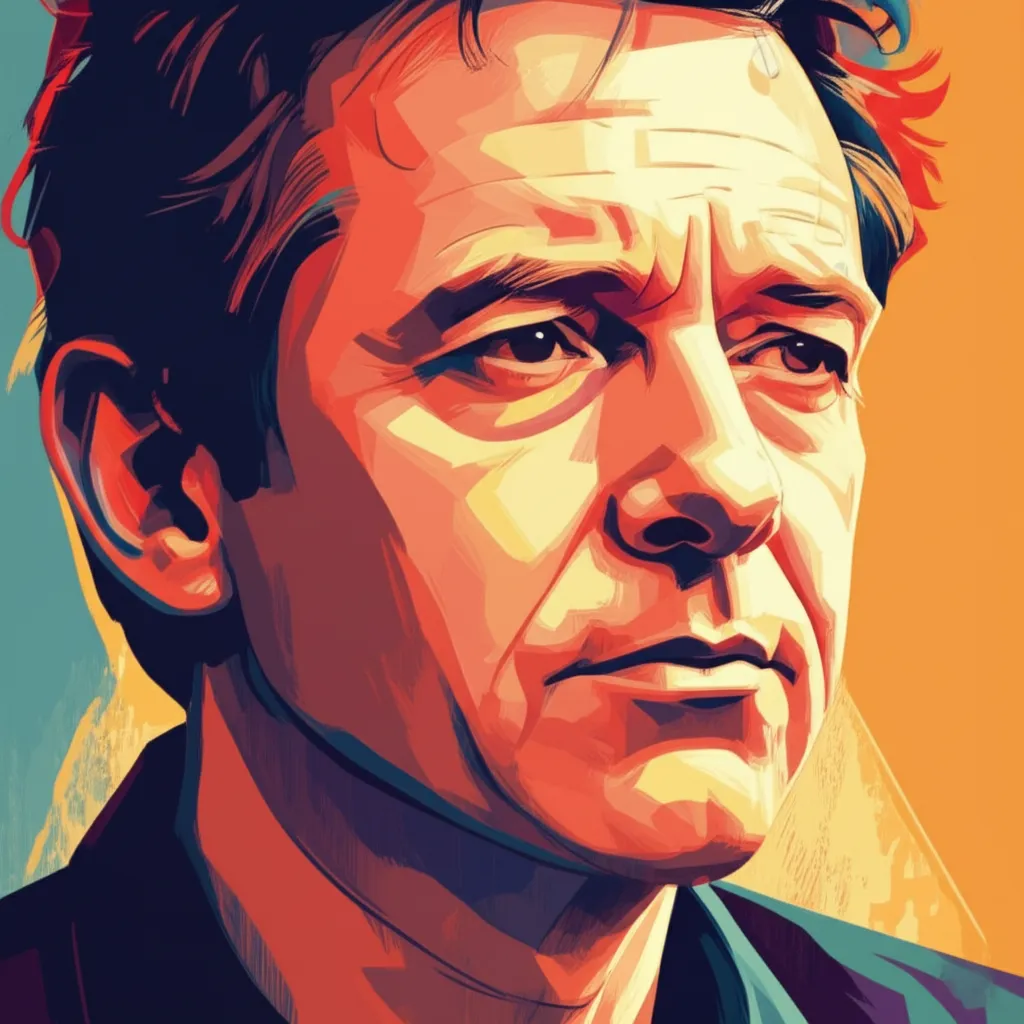
Tony McNamara is an Australian film director known for his unique blend of comedy, crime, and drama. His notable film, "Ashby" (2015), showcases his distinct directorial style, characterized by witty dialogue, dark humor, and compelling storytelling. McNamara's directorial approach often explores the complexities of human relationships, delving into the intricacies of the human psyche while infusing his narratives with a touch of irreverence and unpredictability. "Ashby" stands as a testament to McNamara's ability to seamlessly intertwine comedic elements with compelling character-driven drama. His directorial vision is underscored by a keen understanding of human nature, as he deftly navigates themes of redemption, moral ambiguity, and the unexpected connections that form between individuals from disparate walks of life. McNamara's films often serve as a reflection of the human experience, shedding light on the often messy and nuanced aspects of human behavior with a sharp and incisive wit. McNamara's impact on cinema lies in his ability to carve out a niche for himself as a director unafraid to explore the darker, more complex facets of human nature while infusing his narratives with humor and heart. His ability to craft characters that resonate with audiences on a deeply human level has solidified his reputation as a director capable of marrying depth with levity in his storytelling. McNamara's films are a testament to his directorial prowess, offering audiences a fresh and thought-provoking perspective on the human condition. In conclusion, Tony McNamara's directorial career is marked by a distinctive blend of comedy, crime, and drama, with "Ashby" serving as a standout example of his directorial prowess. His films delve into the intricacies of human relationships, offering a unique lens through which to explore the complexities of the human experience. McNamara's impact on cinema is characterized by his ability to infuse his narratives with humor and depth, crafting stories that resonate with audiences on both an emotional and intellectual level.