Director Names Starting with S
Showing 157-168 out of 341

Shona Auerbach
Shona Auerbach is a Scottish film director known for her emotionally resonant storytelling and intimate character-driven dramas. Her notable filmography includes the critically acclaimed "Dear Frankie" (2004), a touching drama that beautifully captures the complexities of human relationships and the power of communication. Auerbach's directorial style is marked by her ability to create deeply moving narratives that explore the depths of human emotions with sensitivity and authenticity. In "Dear Frankie," Auerbach displays her gift for crafting poignant and heartfelt storytelling, using a delicate touch to bring her characters to life. The film follows the story of a single mother who fabricates letters from her son's absent father to shield him from the truth, leading to an unexpected journey of self-discovery and connection. Auerbach's keen eye for capturing the nuances of human interaction and her ability to draw out powerful performances from her actors make "Dear Frankie" a standout in her body of work. A recurring theme in Auerbach's films is the exploration of family dynamics, the impact of secrets, and the universal longing for connection and understanding. Her work delves into the complexities of human relationships, often with a focus on the emotional intricacies that define our experiences. Auerbach's films are characterized by their depth of feeling and the authenticity with which she portrays the inner lives of her characters, resonating with audiences on a deeply personal level. Shona Auerbach's impact on cinema lies in her ability to craft stories that resonate with audiences on an emotional level, leaving a lasting impression long after the credits roll. Her unique vision and directorial approach have contributed to the enrichment of the cinematic landscape, offering audiences compelling narratives that evoke genuine empathy and introspection. As a director, Auerbach's commitment to storytelling with depth and heart has established her as a notable voice in the realm of intimate and affecting filmmaking.
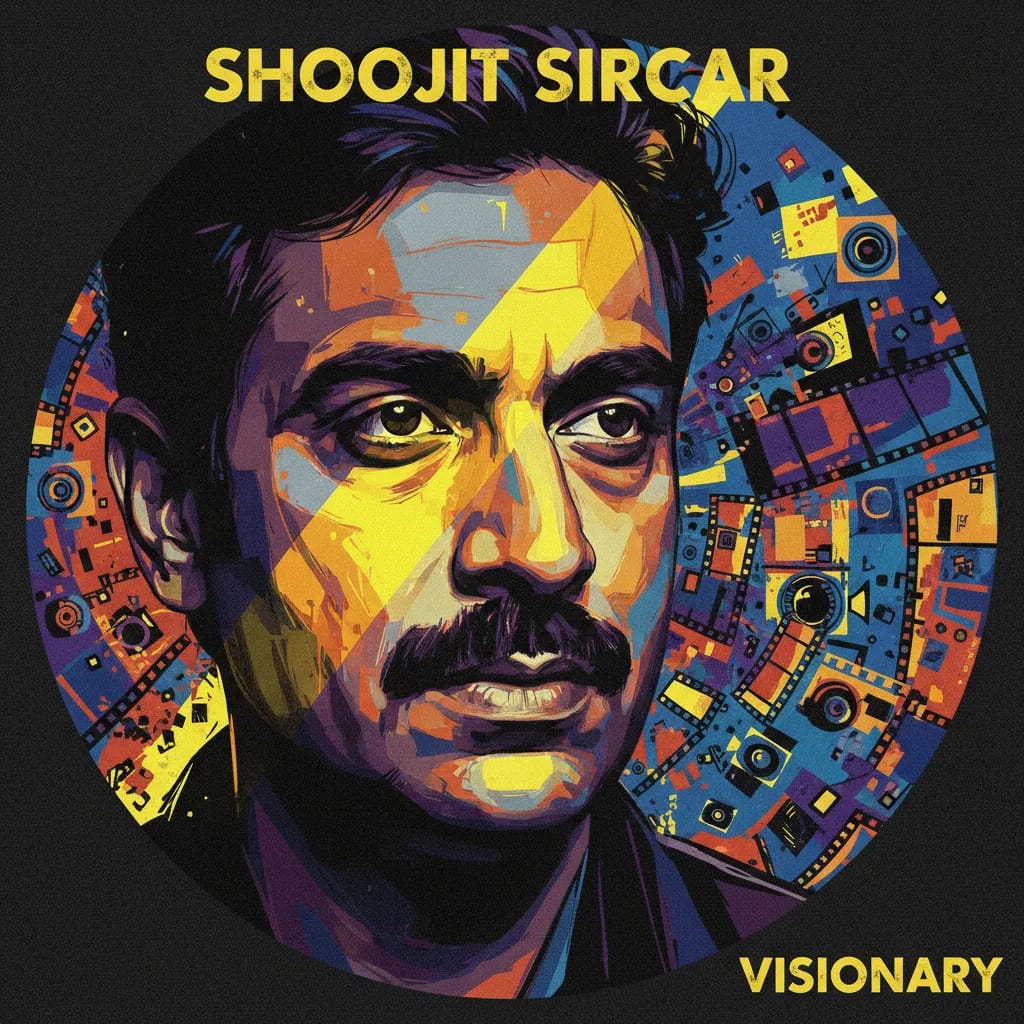
Shoojit Sircar
Shoojit Sircar is a highly acclaimed Indian film director known for his unique storytelling and ability to blend different genres seamlessly. With a career spanning over a decade, Sircar has made a significant impact on Indian cinema with his distinctive directorial style. He has garnered widespread recognition for his ability to infuse realism and emotional depth into his narratives, making him a standout figure in the industry. Sircar made his directorial debut with the groundbreaking film "Vicky Donor" in 2012, a comedy-drama that tackled the sensitive topic of sperm donation with humor and sensitivity. This film not only established Sircar as a director to watch but also set the tone for his future works, showcasing his ability to explore taboo subjects with empathy and wit. His subsequent films, such as "Piku" (2015) and "October" (2018), continued to showcase his penchant for crafting emotionally resonant stories that delve into the complexities of human relationships. One of Sircar's most notable works is the critically acclaimed "Madras Cafe" (2013), a gripping political thriller that highlighted his versatility as a director. The film, set against the backdrop of the Sri Lankan civil war, showcased Sircar's adeptness at handling intense and politically charged narratives. His ability to switch effortlessly between genres is further evident in "Gulabo Sitabo" (2020), a quirky comedy-drama that explores the dynamics between a landlord and his tenant with a refreshing and offbeat approach. In 2021, Sircar directed "Sardar Udham," a biographical crime drama that chronicles the life of Udham Singh, a revolutionary freedom fighter. This film further showcases Sircar's penchant for delving into real-life stories and infusing them with a compelling cinematic narrative. Sircar's films often resonate with audiences due to their authentic portrayal of human emotions and relationships, making him a director with a distinct and impactful cinematic vision. Shoojit Sircar's directorial style is characterized by his ability to infuse depth and authenticity into his narratives, creating compelling stories that resonate with audiences on a profound level. His films often explore the nuances of human relationships, societal issues, and political landscapes, offering a multifaceted view of the world. Sircar's impact on Indian cinema is undeniable, as he continues to push boundaries and challenge conventional storytelling, cementing his position as one of the most influential directors in the industry

Shree Narayan Singh
Shree Narayan Singh is a highly acclaimed Indian film director known for his exceptional storytelling and impactful narratives. With a keen eye for societal issues and a penchant for blending humor with drama, Singh has made a significant mark in the Indian film industry. His notable work includes the critically acclaimed film "Toilet: A Love Story" (2017), which garnered widespread acclaim for its compelling storyline and powerful social commentary. Singh's directorial style is characterized by his ability to seamlessly intertwine thought-provoking themes with entertaining narratives. His films often revolve around societal issues, offering a poignant reflection on real-life challenges while maintaining a lighthearted and relatable tone. "Toilet: A Love Story" exemplifies Singh's directorial prowess as it addresses the prevalent issue of sanitation in India, shedding light on the importance of access to proper sanitation facilities while delivering a heartwarming love story. Throughout his career, Singh has become synonymous with thought-provoking cinema that resonates with audiences on a profound level. His ability to infuse social relevance into his storytelling has earned him widespread acclaim and positioned him as a director with a distinct voice in Indian cinema. Singh's films often carry a powerful message, advocating for social change while captivating audiences with his engaging storytelling. Singh's impact on cinema extends beyond his directorial achievements, as he has successfully brought important social issues to the forefront of public consciousness through his work. His unique vision and storytelling prowess have not only entertained audiences but have also sparked meaningful conversations about pertinent societal challenges. Singh's dedication to addressing relevant issues through the medium of cinema has cemented his status as a director with a purpose, making him a significant figure in the Indian film industry. In conclusion, Shree Narayan Singh's directorial career is defined by his ability to blend compelling narratives with social relevance, creating films that entertain, enlighten, and inspire. With "Toilet: A Love Story," Singh has solidified his position as a director with a unique vision and a commitment to addressing crucial societal issues through the power of storytelling. His impact on Indian cinema is undeniable, and his contributions continue to shape the landscape of thought-provoking and socially conscious filmmaking.

Shubzz
Shubzz is an emerging film director known for his unique approach to storytelling and visually stunning cinematography. His notable filmography includes "Jagga Jasoos" (2017), a captivating blend of action, adventure, and comedy that showcases his distinct directorial style. Shubzz's films are characterized by their seamless fusion of genres, inventive narrative structures, and an emphasis on immersive visual experiences. In "Jagga Jasoos," Shubzz demonstrated his ability to create a whimsical yet action-packed world, drawing audiences into a thrilling adventure filled with humor and heart. The film's dynamic pacing, imaginative set pieces, and innovative use of music as a storytelling device exemplify Shubzz's directorial flair. His unique vision and inventive approach to genre conventions have established him as a director to watch in the industry. Shubzz's directorial style is marked by a penchant for pushing boundaries and challenging traditional storytelling norms. He infuses his films with a sense of wonder and playfulness, transporting viewers to imaginative realms while delivering compelling narratives. His ability to seamlessly blend action, adventure, and comedy in "Jagga Jasoos" showcases his versatility and willingness to experiment with genre fusion. Notably, Shubzz's impact on cinema lies in his ability to create visually arresting and emotionally resonant films that appeal to a wide audience. His innovative storytelling techniques and commitment to originality have garnered attention and praise within the industry. As Shubzz continues to carve out his niche in the world of filmmaking, his unique directorial voice and dedication to pushing creative boundaries are sure to leave a lasting impression on cinema. In conclusion, Shubzz's directorial career is defined by his visionary approach to storytelling, genre-defying creativity, and commitment to crafting visually captivating narratives. With "Jagga Jasoos" serving as a testament to his directorial prowess, Shubzz has established himself as an exciting talent with the potential to make a significant impact on the film industry. His ability to seamlessly blend action, adventure, and comedy while delivering compelling narratives showcases his versatility and willingness to experiment with genre fusion. As he continues to evolve as a director, Shubzz's innovative storytelling techniques and commitment to originality are poised to leave a lasting impression on cinema.
Shunji Iwai
Shunji Iwai is a highly influential and innovative Japanese director known for his emotionally resonant storytelling and visually stunning filmmaking. With a career spanning over three decades, Iwai has left an indelible mark on world cinema through his unique directorial style and thought-provoking narratives. He is revered for his ability to capture the complexities of human relationships and emotions with a delicate touch, often exploring themes of love, loss, and the passage of time. One of Iwai's most celebrated works is "All About Lily Chou-Chou" (2001), a gripping and haunting film that delves into the lives of troubled teenagers and the solace they find in music. Through this film, Iwai masterfully weaves together themes of adolescence, alienation, and the power of music, creating a strikingly immersive experience for audiences. "Love Letter" (1995) is another standout in Iwai's filmography, showcasing his ability to craft poignant and heartfelt love stories that resonate deeply with viewers. The film beautifully explores the themes of grief, memory, and the enduring nature of love, establishing Iwai as a maestro of romantic storytelling. Iwai's directorial style is characterized by his meticulous attention to detail, stunning cinematography, and an unwavering commitment to portraying the human experience in its rawest form. His films often feature non-linear narratives and introspective character studies, inviting audiences to immerse themselves in the rich emotional landscapes he creates. Iwai's impact on cinema extends beyond his native Japan, as his work has garnered international acclaim and inspired a new generation of filmmakers to push boundaries and challenge conventions. Through his masterful storytelling and unparalleled visual artistry, Shunji Iwai has solidified his status as a visionary director whose work continues to captivate and inspire audiences worldwide. His ability to infuse his films with profound emotional depth and universal themes has earned him a well-deserved place among the most revered directors in contemporary cinema, leaving an enduring legacy that will continue to shape the landscape of film for years to come.

Shûsuke Kaneko
Shûsuke Kaneko is a renowned Japanese director known for his impactful contributions to the world of cinema. With a career spanning several decades, Kaneko has left an indelible mark on the industry with his unique directorial style and storytelling prowess. His ability to seamlessly blend elements of adventure, crime, drama, and fantasy has earned him widespread acclaim and a dedicated global fan base. Kaneko's notable directorial credits include the critically acclaimed "Death Note: The Last Name" (2006) and "Death Note: Desu nôto" (2006). These films, adapted from the popular manga series, showcase his adeptness at crafting compelling narratives within the crime, drama, and fantasy genres. His visionary approach to storytelling, coupled with his keen eye for character development, has solidified his reputation as a masterful director. Throughout his career, Kaneko has demonstrated a penchant for exploring thought-provoking themes, delving into the complexities of morality, justice, and the human psyche. His films often feature intricate plotlines that challenge audiences to contemplate ethical dilemmas and the consequences of power. This thematic depth, combined with his skillful direction, has set Kaneko apart as a director with a distinct and resonant voice in the industry. Kaneko's impact on cinema extends beyond his individual films, as he has influenced a new generation of filmmakers and storytellers. His ability to captivate audiences with compelling narratives and visually stunning imagery has set a standard for excellence in the realm of genre filmmaking. Kaneko's directorial legacy continues to inspire and shape the landscape of contemporary cinema, cementing his status as a visionary auteur with a lasting imprint on the art form. In conclusion, Shûsuke Kaneko's directorial career is defined by a commitment to pushing the boundaries of storytelling and exploring the depths of human experience. His ability to seamlessly navigate multiple genres and infuse his films with thematic richness has solidified his position as a pioneering force in the world of cinema. With a body of work that continues to captivate and resonate with audiences worldwide, Kaneko remains a filmmaker whose visionary approach and artistic integrity will continue to shape the future of filmmaking for years to come.

Sian Heder
Sian Heder is a talented film director known for her insightful storytelling and unique perspective on human relationships and societal issues. Her directorial style is characterized by a blend of comedy, drama, and romance, combined with a deep exploration of complex emotions and personal growth. Heder's notable films include "Tallulah" (2016) and "CODA" (2021), both of which have garnered critical acclaim for their compelling narratives and heartfelt performances. In "Tallulah," Heder delves into the unconventional bond between a young drifter and a wealthy, neglectful mother, examining themes of motherhood, identity, and the desire for connection. The film showcases her ability to infuse poignant moments with humor and warmth, creating a thought-provoking and emotionally resonant experience for audiences. "CODA," Heder's most recent directorial effort, centers on a teenage girl who is the only hearing member of her deaf family and dreams of pursuing a career in music. The film masterfully weaves together themes of self-discovery, familial dynamics, and the power of music, establishing Heder as a director with a keen eye for human experiences and the complexities of personal aspirations. Heder's impact on cinema lies in her adeptness at crafting authentic and compelling narratives that resonate with audiences on a profound level. Her films often shine a light on marginalized voices and explore the intricacies of human emotions with sensitivity and nuance. Heder's commitment to telling stories that reflect the diversity of human experiences has contributed to a more inclusive and empathetic landscape in contemporary cinema. With her distinctive vision and storytelling prowess, Sian Heder has solidified her position as a director to watch in the industry. Her ability to infuse her films with emotional depth, humor, and thought-provoking themes sets her apart as a director whose work continues to leave a lasting impression on audiences. As she continues to evolve as a filmmaker, Heder's contributions to the art of storytelling and her dedication to amplifying underrepresented narratives make her an influential and vital voice in modern cinema. In summary, Sian Heder's directorial career is defined by her ability to craft poignant, emotionally resonant stories that offer a fresh perspective on human connections and societal dynamics. With her distinctive blend of comedy, drama, and romance, Heder's films have left an indelible mark on contemporary cinema, showcasing her talent for delving into the complexities of personal relationships and the human experience.

Siddharth Anand
Siddharth Anand is an Indian film director known for his versatile work in Bollywood. With a career spanning several successful films, Anand has established himself as a director with a keen eye for engaging storytelling and visually striking cinema. His directorial style is characterized by a blend of different genres, including comedy, drama, romance, action, and adventure, making his films accessible to a wide audience. One of Anand's notable works is "Bachna Ae Haseeno" (2008), a romantic comedy-drama that showcased his ability to capture the complexities of human relationships with a refreshing and light-hearted touch. The film resonated with audiences and critics alike, establishing Anand as a director with a knack for crafting compelling narratives that strike an emotional chord. In 2014, Anand ventured into the action-adventure genre with "Bang Bang," a high-octane thriller that combined adrenaline-pumping sequences with charismatic performances. The film's success further demonstrated Anand's versatility as a director, proving his ability to helm different genres with equal finesse. Anand's upcoming project "Pathaan" (2023) is highly anticipated, promising to deliver an exhilarating mix of action, adventure, and thriller elements. With Anand at the helm, audiences can expect a visually stunning and tightly paced cinematic experience that showcases his distinct directorial vision. Throughout his career, Siddharth Anand has consistently explored themes of love, adventure, and the triumph of the human spirit, infusing his films with a sense of optimism and larger-than-life storytelling. His impact on Indian cinema is undeniable, as he continues to push boundaries and redefine genres, earning a reputation as a director with a unique ability to captivate audiences while delivering commercially successful films. Siddharth Anand's contributions to the film industry have solidified his position as a director to watch, and his distinct directorial style and diverse filmography continue to resonate with audiences, making him a significant figure in contemporary Indian cinema. With each project, Anand reaffirms his commitment to creating captivating and memorable cinematic experiences, cementing his legacy as a visionary director.

Siddharth P Malhotra
Siddharth P Malhotra is an Indian film director known for his unique blend of comedy and drama, as evidenced in his notable film "Hichki" (2018). Malhotra's directorial style is characterized by his ability to seamlessly weave together heartwarming narratives with a touch of humor, creating films that resonate with audiences on an emotional level. Through his work, Malhotra has made a significant impact on Indian cinema, contributing to the growing popularity of feel-good, socially relevant films. "Hichki" (2018), starring the acclaimed actress Rani Mukerji, tells the story of a woman with Tourette syndrome who becomes an inspirational teacher despite facing numerous challenges. The film's success at the box office and its positive reception from both critics and audiences solidified Malhotra's reputation as a director with a keen understanding of human emotions and societal issues. His ability to tackle sensitive topics with empathy and lightheartedness sets him apart in the Indian film industry. Malhotra's recurring themes often revolve around resilience, triumph over adversity, and the power of human connections. His storytelling is characterized by a strong emphasis on character development and the exploration of inner strength, making his films relatable and uplifting. His unique vision has not only resonated with audiences but has also contributed to a shift in the Indian film landscape, showcasing the demand for more nuanced, socially conscious narratives. As a director, Siddharth P Malhotra continues to make strides in shaping the contemporary Indian film scene, offering a refreshing perspective on storytelling that celebrates the human spirit. With "Hichki" as a standout example of his directorial prowess, Malhotra has proven himself to be a filmmaker with a distinct voice, bringing warmth, humor, and emotional depth to his work. His contributions to cinema have undoubtedly left an indelible mark, and audiences eagerly anticipate his future projects, eager to experience more of his heartfelt and uplifting storytelling.

Sidney Franklin
Sidney Franklin was a visionary film director whose impact on the cinematic world cannot be overstated. Born in 1893, he began his career during the silent film era, eventually transitioning to sound films and leaving an indelible mark on the industry. Known for his meticulous attention to detail and ability to capture the human experience with grace and depth, Franklin's directorial style was marked by emotional resonance and a keen understanding of storytelling. One of Franklin's most notable films is the timeless classic "Goodbye, Mr. Chips" (1939). This drama and romance film, based on the novel by James Hilton, perfectly encapsulates Franklin's directorial prowess. The film, which follows the life of a beloved schoolteacher, showcases his ability to elicit powerful performances from his actors and create a deeply moving narrative that resonates with audiences across generations. Throughout his career, Franklin's films often explored themes of love, loss, and the human condition. His keen eye for capturing raw emotion on screen and his ability to delve into the complexities of relationships made him a master of his craft. His work continues to inspire and influence filmmakers to this day, cementing his legacy as a true pioneer of the art form. Sidney Franklin's impact on cinema cannot be overstated. His ability to infuse his films with depth, emotion, and timeless storytelling has left an indelible mark on the industry. With a filmography that spans the silent era to the golden age of Hollywood, Franklin's contributions to film continue to be celebrated and revered, making him a true luminary in the world of cinema.

Sidney J. Furie
Sidney J. Furie is a prolific Canadian film director known for his versatile career encompassing various genres and styles. With a filmography that spans over six decades, Furie has left an indelible mark on the world of cinema. His directorial style is characterized by a keen eye for detail, compelling storytelling, and a knack for eliciting powerful performances from his actors. Furie's breakout film, "The Ipcress File" (1965), firmly established his reputation as a director capable of delivering gripping dramas with a touch of thrilling suspense. The film, a Cold War espionage thriller, showcased Furie's ability to create tension and intrigue on screen, earning him critical acclaim and setting the stage for his subsequent success. In the action genre, Furie made his mark with "Iron Eagle" (1986), a high-octane film that captivated audiences with its adrenaline-pumping aerial combat sequences and pulse-pounding thrills. The film demonstrated Furie's skill in crafting intense action sequences while infusing the narrative with emotional depth and character development. Furie's foray into horror came with "The Entity" (1982), a chilling and psychologically intense film that delved into themes of supernatural terror and the fragility of the human psyche. The film showcased Furie's ability to create an atmosphere of dread and suspense, leaving a lasting impression on audiences and critics alike. In "Ladybugs" (1992), a heartwarming comedy centered around the world of youth soccer, Furie displayed his versatility by seamlessly transitioning into the realm of family-friendly entertainment. The film's endearing humor and positive messaging further underscored Furie's ability to connect with audiences across diverse genres. Sidney J. Furie's impact on cinema is defined by his willingness to push boundaries and explore a wide range of storytelling styles. His ability to seamlessly navigate between drama, action, horror, and comedy has solidified his status as a versatile director with a distinct creative vision. Furie's films continue to resonate with audiences, cementing his legacy as a director who has made a lasting impression on the world of filmmaking.
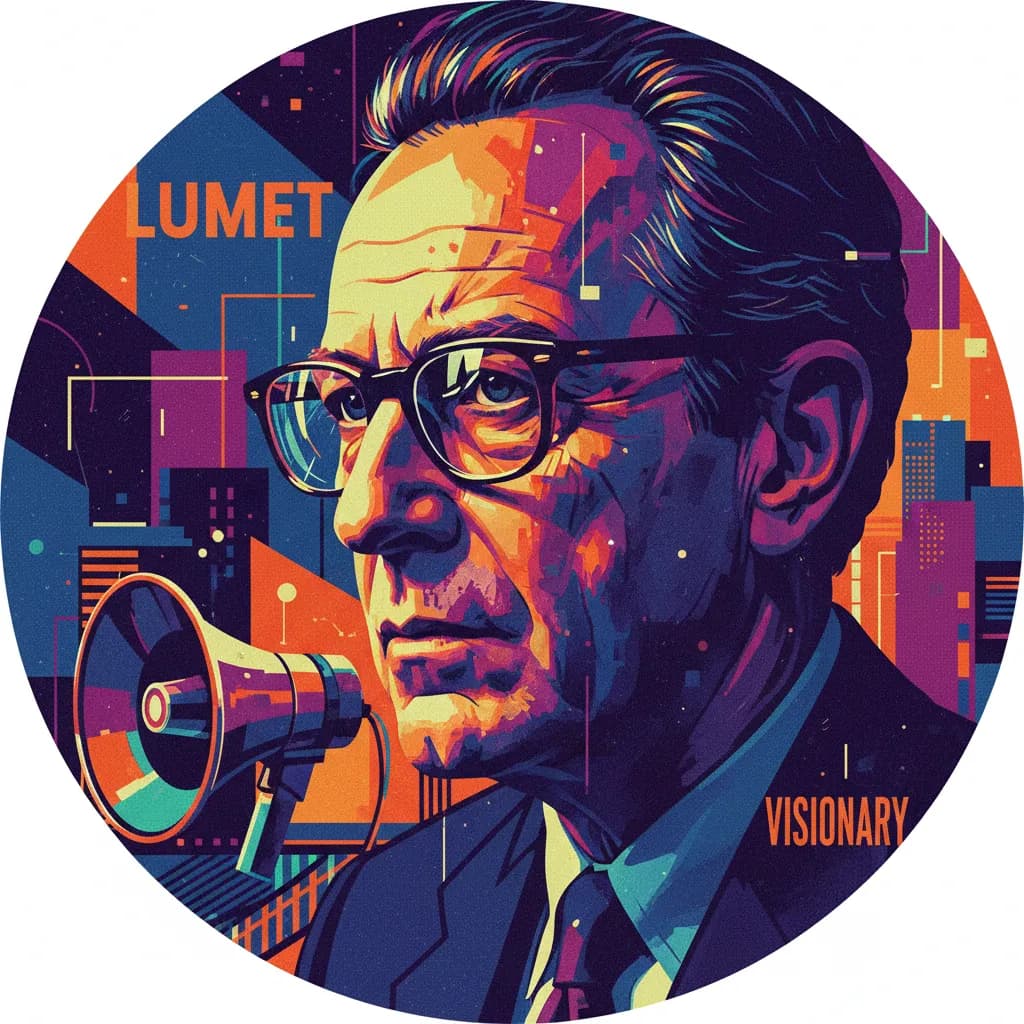
Sidney Lumet
Sidney Lumet was a legendary director known for his gritty, realistic portrayal of human drama and social issues. Over his prolific career, Lumet helmed a diverse range of films, including the groundbreaking courtroom drama "12 Angry Men" (1957), the gripping crime saga "Serpico" (1973), and the intense hostage situation in "Dog Day Afternoon" (1975). His directorial style was marked by a raw, documentary-like approach, often utilizing long takes and intense close-ups to capture the emotional intensity of his characters. Lumet's films often explored themes of justice, morality, and human resilience, delving into the complexities of the human condition. His keen eye for social commentary and unflinching portrayal of societal issues earned him critical acclaim and left an indelible impact on cinema. Notably, his film "Network" (1976) remains a scathing critique of the media and corporate influence, with its prophetic depiction of the blurred lines between news and entertainment. In addition to his socially conscious dramas, Lumet also ventured into other genres, such as the musical fantasy "The Wiz" (1978) and the taut thriller "Before the Devil Knows You're Dead" (2007). His ability to navigate diverse genres while maintaining his distinct directorial voice testified to his versatility and storytelling prowess. Lumet's influence on subsequent generations of filmmakers is immeasurable, as his work continues to inspire and resonate with audiences today. With a career spanning over five decades, Sidney Lumet's impact on cinema is profound, and his body of work stands as a testament to his unwavering commitment to authentic storytelling and thought-provoking narratives. His legacy as a trailblazing director continues to shape the landscape of filmmaking, solidifying him as a true visionary in the art of cinema. Keywords: Sidney Lumet, director, films, 12 Angry Men, Serpico, Dog Day Afternoon, Network, directorial style, social commentary, impact on cinema