Director Names Starting with S
Showing 145-156 out of 341

Shigeyasu Yamauchi
Shigeyasu Yamauchi is a renowned Japanese animation director known for his work in the anime industry. His most notable work includes the highly acclaimed "Dragon Ball Z: Broly - The Legendary Super Saiyan" (1993), a film that has left a significant impact on the anime genre. With a career spanning several decades, Yamauchi has made substantial contributions to the world of animation through his unique directorial style and visionary storytelling. Yamauchi's directorial style is characterized by his ability to seamlessly blend action, fantasy, and emotion, creating a captivating cinematic experience for audiences. His attention to detail and mastery of visual storytelling have garnered him a dedicated fan base and critical acclaim within the anime community. Yamauchi's films often feature dynamic and intense action sequences, combined with intricate character development and fantastical elements, showcasing his versatility as a director. "Dragon Ball Z: Broly - The Legendary Super Saiyan" stands as one of Yamauchi's most iconic works, showcasing his talent for bringing beloved anime characters to life on the big screen. The film's success solidified Yamauchi's status as a visionary director and further cemented his legacy in the world of anime. Yamauchi's ability to capture the essence of the "Dragon Ball" franchise and elevate it to new heights has left a lasting impression on both fans and critics alike. Throughout his career, Yamauchi has consistently explored themes of power, friendship, and the struggle between good and evil, resonating with audiences on a profound level. His films often delve into the complexities of human emotions and the enduring power of hope, creating a sense of universality that transcends cultural boundaries. Yamauchi's impact on cinema extends beyond his directorial prowess, as his work has inspired generations of animators and filmmakers, shaping the future of the anime industry. In conclusion, Shigeyasu Yamauchi's illustrious career as an animation director has left an indelible mark on the world of cinema. His unique vision, directorial style, and ability to connect with audiences on an emotional level have solidified his reputation as a master storyteller. Yamauchi's contributions to the anime genre continue to resonate with fans around the world, making him a revered figure in the realm of animation.

Shimit Amin
Shimit Amin is an Indian film director known for his distinctive storytelling and strong visual style. Amin made his directorial debut with the critically acclaimed sports drama "Chak De! India" in 2007. The film, starring Shah Rukh Khan, received widespread praise for its powerful narrative and Amin's adept handling of the sports genre. Amin's ability to seamlessly blend intense sports action with heartfelt human drama established him as a director to watch in the Indian film industry. In 2009, Amin continued to showcase his versatility with "Rocket Singh: Salesman of the Year," a comedy-drama that delved into the corporate world with a refreshing and insightful approach. The film, starring Ranbir Kapoor, received accolades for its engaging storytelling and nuanced characters. Amin's directorial style often emphasizes authentic performances and emotionally resonant storytelling, earning him a reputation for bringing out the best in his actors while crafting compelling narratives. Amin's directorial vision is characterized by a focus on underdog narratives and the triumph of the human spirit, as evidenced in his films "Chak De! India" and "Rocket Singh: Salesman of the Year." His ability to infuse his stories with genuine emotion and relatable characters has resonated with audiences and critics alike. Amin's work stands as a testament to the power of cinema to inspire, uplift, and provoke introspection. Amin's filmography also includes the drama "Let's Go! India," which further showcased his adeptness at capturing the essence of human relationships and the pursuit of dreams. His ability to navigate diverse genres while maintaining a consistent directorial voice has cemented his status as a versatile filmmaker with a keen understanding of human emotions and interpersonal dynamics. Amin's impact on Indian cinema lies in his ability to craft compelling narratives that resonate with audiences on a deeply emotional level, making him a director whose work continues to leave a lasting impression on the industry.
Shin'ichirô Ueda
Shin'ichirô Ueda is a visionary Japanese film director known for his innovative approach to storytelling and his unique blend of comedy, drama, and horror in his films. His most notable work, "One Cut of the Dead" (2017), has garnered international acclaim for its unconventional narrative and clever use of the found-footage genre. Ueda's directorial style is characterized by his ability to seamlessly blend different genres, creating a fresh and engaging cinematic experience for audiences. "One Cut of the Dead" is a prime example of his mastery in crafting a film that keeps viewers on the edge of their seats while delivering unexpected moments of humor and emotional depth. His skillful direction and storytelling have earned him critical praise and a dedicated fan base. Notably, "One Cut of the Dead" has become a cult classic and a game-changer in the horror-comedy genre, showcasing Ueda's remarkable talent for subverting audience expectations and creating an immersive and entertaining film. His ability to infuse humor into the horror genre and seamlessly transition between tones has set him apart as a director with a distinct and refreshing vision. Throughout his career, Ueda has explored themes of resilience, creativity, and the power of storytelling, often using unconventional narrative structures to deliver his messages. His impact on cinema can be seen in the way he has reinvigorated the horror-comedy genre and challenged traditional storytelling conventions, inspiring a new generation of filmmakers to push boundaries and embrace creativity. In conclusion, Shin'ichirô Ueda's directorial career has been defined by his remarkable ability to craft compelling and genre-defying films. With "One Cut of the Dead," he has solidified his reputation as a director with a unique vision and a profound impact on the cinematic landscape. Audiences can anticipate more boundary-pushing and exhilarating work from Ueda as he continues to leave his mark on the world of filmmaking.
Shin'ichirô Watanabe
Shin'ichirô Watanabe is a visionary Japanese director known for his groundbreaking work in both anime and film. With a career spanning over three decades, Watanabe has left an indelible mark on the entertainment industry, captivating audiences with his distinct directorial style and innovative storytelling techniques. Renowned for his ability to seamlessly blend genres and infuse his works with rich character development, Watanabe has solidified his status as a trailblazer in the world of animation and cinema. One of Watanabe's most notable accomplishments is his directorial role in the critically acclaimed "Cowboy Bebop: The Movie" (2001). This animated masterpiece seamlessly integrates elements of action, crime, and neo-noir, showcasing Watanabe's penchant for crafting intricate narratives and captivating visuals. The film, a continuation of the beloved anime series "Cowboy Bebop," further solidified Watanabe's reputation as a director capable of pushing the boundaries of traditional storytelling within the anime genre. Watanabe's directorial prowess is also evident in "Cowboy Bebop: Tengoku no tobira" (2001), a film that further explores the complex and multi-dimensional characters introduced in the original series. Known for his ability to infuse his works with a sense of depth and emotional resonance, Watanabe's directorial style has resonated with audiences on a global scale, cementing his status as a visionary director with an unparalleled ability to connect with viewers on a profound level. Throughout his career, Watanabe has consistently demonstrated a keen eye for detail and a distinct directorial style that sets him apart from his peers. His works often feature recurring themes of existentialism, identity, and the human condition, all of which are expertly woven into the fabric of his storytelling. Watanabe's impact on cinema extends far beyond the realm of anime, as his innovative approach to storytelling has influenced a new generation of filmmakers and continues to shape the landscape of contemporary cinema. In conclusion, Shin'ichirô Watanabe's directorial career stands as a testament to his unparalleled creativity and visionary approach to storytelling. With a filmography that spans across genres and mediums, Watanabe has left an indelible mark on the entertainment industry, captivating audiences with his unique directorial style and thought-provoking narratives. As a trailblazer in the world of animation and film, Watanabe's contributions to cinema are nothing short of extraordinary,
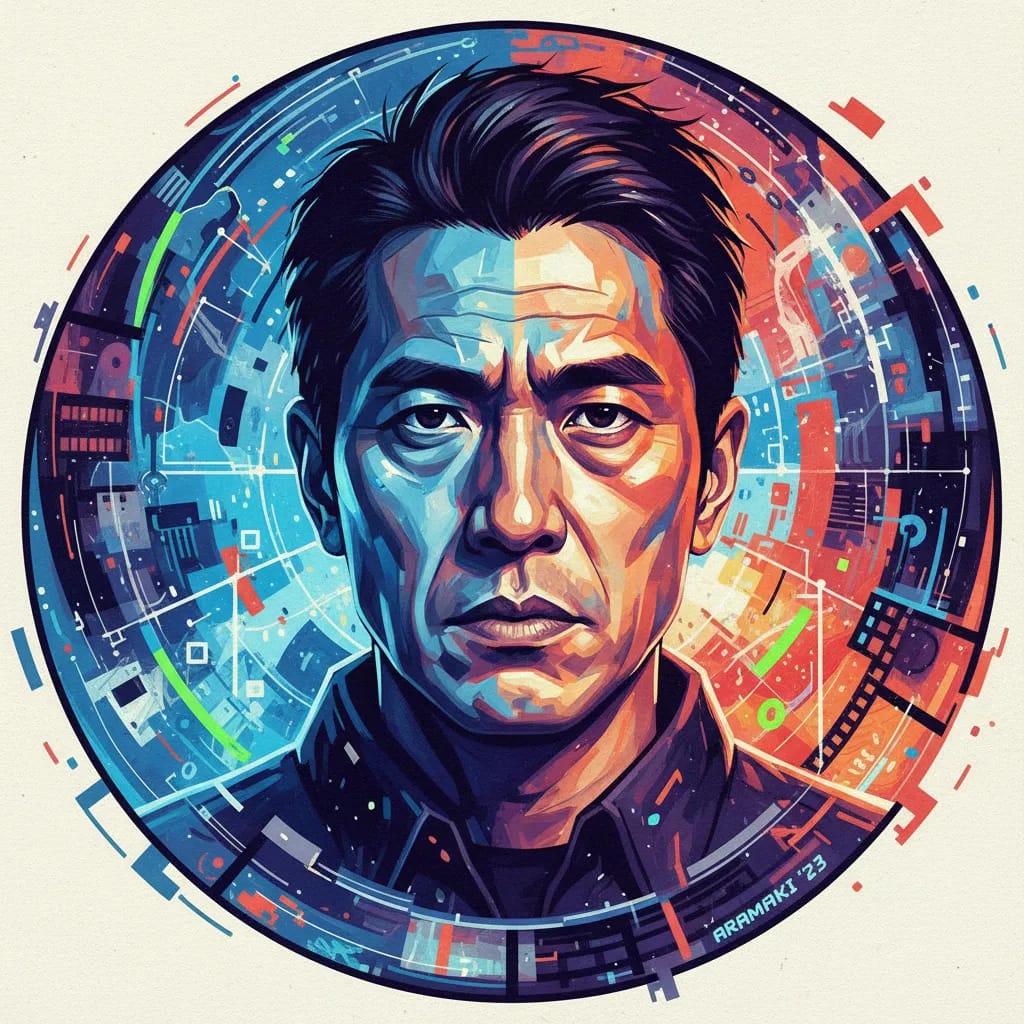
Shinji Aramaki
Shinji Aramaki is a visionary Japanese director known for his groundbreaking work in animation and science fiction. With a career spanning several decades, Aramaki has left an indelible mark on the film industry, captivating audiences with his unique directorial style and innovative storytelling. He is renowned for his seamless blend of cutting-edge animation techniques, exhilarating action sequences, and thought-provoking narratives, establishing himself as a trailblazer in the realm of animated science fiction cinema. Aramaki first gained widespread recognition with his directorial debut, "Appleseed" (2004), a visually stunning and action-packed film that showcased his exceptional talent for creating immersive, futuristic worlds. The success of "Appleseed" solidified Aramaki's reputation as a visionary director, setting the stage for his subsequent directorial endeavors. His directorial prowess was further exemplified in "Starship Troopers: Invasion" (2012), a gripping animated feature that seamlessly combined exhilarating action with compelling science fiction storytelling, cementing Aramaki's status as a maestro of the genre. Throughout his career, Aramaki has consistently explored themes of technology, humanity, and the future, infusing his films with thought-provoking allegories and philosophical undertones. His directorial vision is characterized by a meticulous attention to detail, stunning visual aesthetics, and a penchant for pushing the boundaries of animation, earning him acclaim from both audiences and critics alike. With "Harlock: Space Pirate" (2013), Aramaki once again demonstrated his ability to craft visually arresting cinematic experiences, captivating viewers with his unparalleled artistic vision and storytelling prowess. Shinji Aramaki's impact on cinema extends beyond his directorial achievements, as he has significantly influenced the evolution of animated science fiction films, inspiring a new generation of filmmakers and captivating audiences with his unparalleled creativity. His commitment to pushing the boundaries of animation and storytelling has solidified his legacy as a visionary director, and his contributions continue to shape the landscape of contemporary cinema. With an illustrious career defined by innovation and creativity, Shinji Aramaki stands as a trailblazing force in the realm of animated science fiction filmmaking, leaving an indelible mark on the industry and captivating audiences with his unparalleled directorial vision.
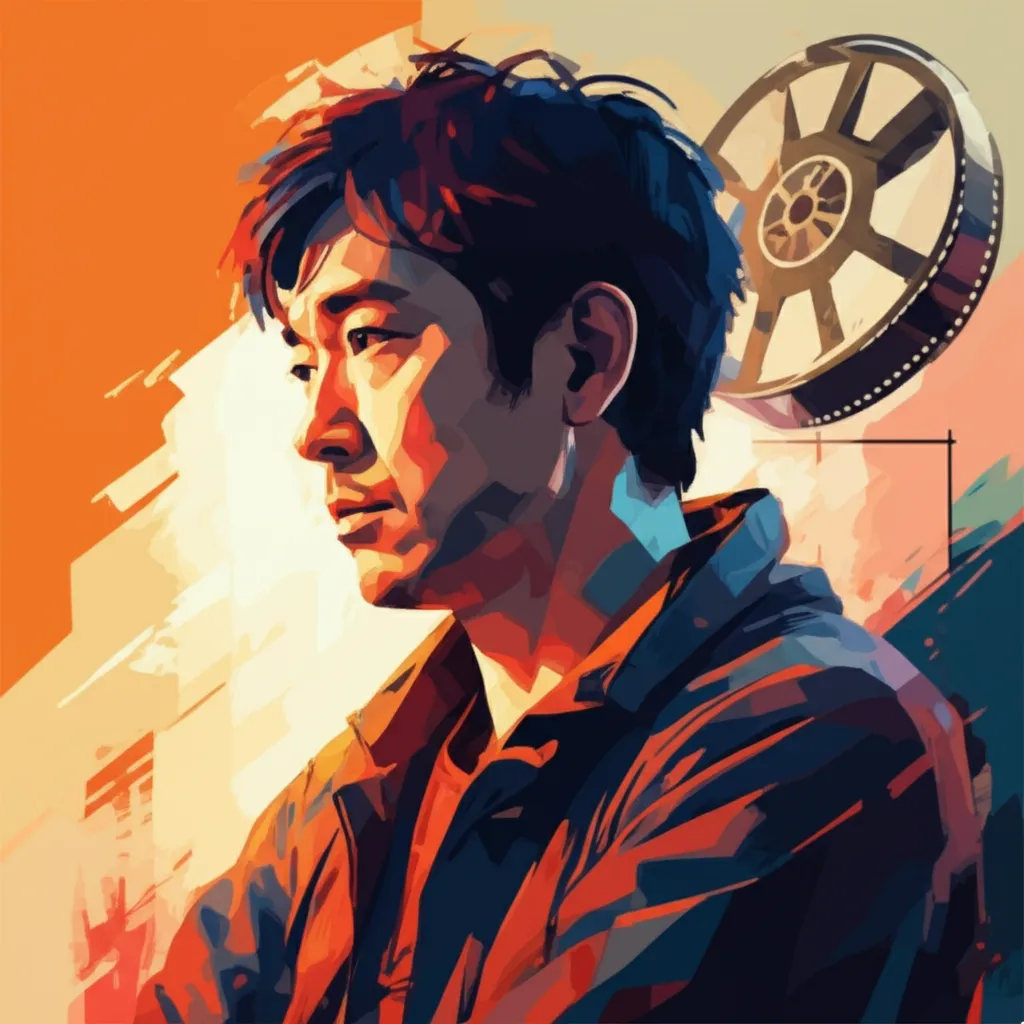
Shinji Higuchi
Shinji Higuchi is a renowned Japanese film director and special effects expert known for his impactful contributions to the world of cinema. With a career spanning over three decades, Higuchi has established himself as a visionary director with a distinct directorial style that blends action, adventure, drama, and horror, creating visually stunning and emotionally gripping films. One of Higuchi's notable directorial works is "Attack on Titan Part 1" (2015), a gripping action-adventure film adapted from the popular manga series. Higuchi's masterful direction brought the epic battles between humans and gigantic humanoid creatures to life with visceral intensity, showcasing his prowess in creating captivating and adrenaline-pumping action sequences. The film's success solidified Higuchi's reputation as a director with a keen eye for dynamic storytelling and visually striking compositions. In 2016, Higuchi further demonstrated his directorial prowess with "Shin Godzilla," a captivating blend of action, drama, and horror that reimagined the iconic monster for a new generation. Higuchi's innovative approach to the beloved Godzilla franchise breathed new life into the classic creature feature, earning critical acclaim and commercial success. His ability to infuse the film with palpable tension and awe-inspiring spectacle solidified his status as a director capable of delivering groundbreaking cinematic experiences. Throughout his career, Higuchi has showcased a penchant for exploring themes of survival, resilience, and the human spirit in the face of overwhelming adversity. His films often delve into the psychological and emotional impact of catastrophic events, offering audiences thought-provoking narratives that resonate on a profound level. Higuchi's directorial vision has left an indelible mark on the world of cinema, inspiring and influencing a new generation of filmmakers with his innovative storytelling and technical expertise. Shinji Higuchi's contributions to film have transcended borders, earning him international acclaim and cementing his legacy as a visionary director with a bold and distinctive creative voice. With a remarkable body of work that continues to captivate audiences worldwide, Higuchi remains a trailblazing force in the world of filmmaking, and his impact on cinema is sure to endure for years to come.

Shinji Takagi
Shinji Takagi is a visionary Japanese director renowned for his unparalleled contributions to the world of animation and film. With an illustrious career spanning over decades, Takagi has left an indelible mark on the industry, captivating audiences with his distinct directorial style and imaginative storytelling. One of his most celebrated works is "Steamboy" (2004), a visually stunning animated feature that seamlessly blends elements of action and adventure, showcasing Takagi's unparalleled talent and creative prowess. Takagi's directorial style is characterized by a masterful blend of intricate storytelling, breathtaking visuals, and compelling character development. His meticulous attention to detail and ability to create immersive, fantastical worlds have firmly established him as a trailblazer in the animation genre. In "Steamboy," Takagi takes audiences on a thrilling journey through a steampunk-inspired alternate Victorian era, where he expertly weaves together themes of technology, ambition, and the human spirit. Notably, Takagi's work often explores recurring themes such as the impact of technological advancement on society, the resilience of the human spirit in the face of adversity, and the interplay between innovation and ethics. His thought-provoking narratives and visually captivating storytelling have earned him a dedicated global fanbase and critical acclaim. Takagi's impact on cinema is undeniable, as he continues to push the boundaries of animation and storytelling, inspiring a new generation of filmmakers and animators. His ability to seamlessly blend cutting-edge animation techniques with deeply resonant storytelling has solidified his status as a visionary director and a true pioneer in the world of animation. In conclusion, Shinji Takagi's visionary directorial style and unparalleled contributions to the world of animation have firmly established him as a luminary in the industry. With "Steamboy" standing as a testament to his creative genius, Takagi's impact on cinema is undeniable, and his legacy as a visionary director continues to inspire and captivate audiences worldwide.
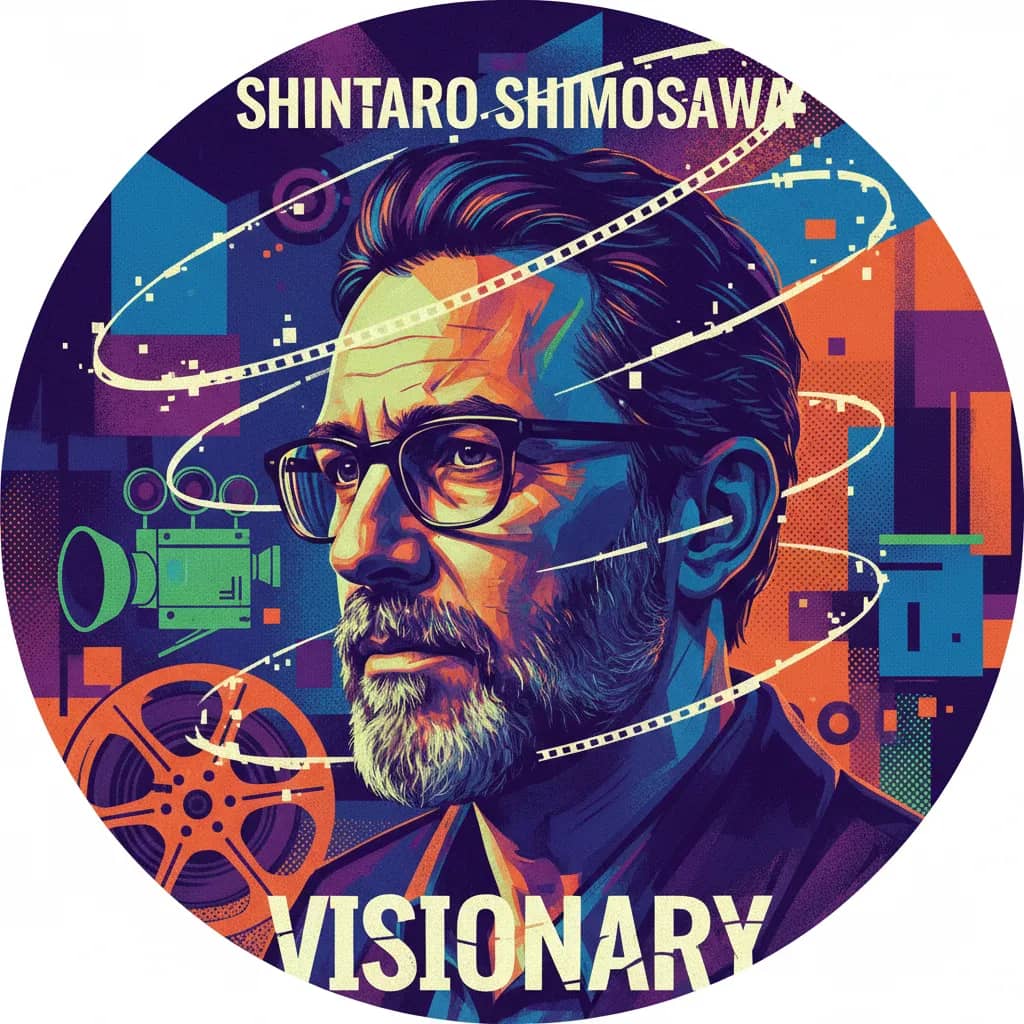
Shintaro Shimosawa
Shintaro Shimosawa is a Japanese film director known for his work in the crime, drama, and mystery genres. His notable directorial debut, "Misconduct," released in 2016, showcased his distinct style and storytelling prowess. Shimosawa's directorial approach often intertwines suspense, moral dilemmas, and complex characters, creating a gripping cinematic experience for audiences. Throughout his career, Shimosawa has exhibited a knack for delving into the darker aspects of human nature, often exploring themes of deceit, power dynamics, and the consequences of one's actions. His films frequently feature morally ambiguous characters and intricate plotlines, keeping viewers on the edge of their seats while delving into the complexities of the human psyche. Shimosawa's impact on cinema lies in his ability to craft compelling narratives that challenge conventional storytelling tropes. With "Misconduct," he demonstrated his adeptness at creating atmospheric tension and delivering thought-provoking narratives that resonate with audiences. His directorial vision has contributed to the evolution of the crime and mystery genres, infusing them with a fresh perspective and a profound exploration of human behavior. As a director, Shintaro Shimosawa continues to leave an indelible mark on the film industry, pushing boundaries and captivating audiences with his distinctive storytelling. His dedication to crafting immersive and emotionally resonant experiences solidifies his position as a filmmaker with a keen eye for riveting storytelling and compelling character dynamics. Shimosawa's contributions to cinema are a testament to his artistry and his ability to engage audiences with thought-provoking narratives that linger long after the credits roll.

Shin'ya Tsukamoto
Shin'ya Tsukamoto is a visionary Japanese filmmaker known for his avant-garde and boundary-pushing works in the horror and science fiction genres. He first gained international recognition with his groundbreaking film "Tetsuo: The Iron Man" in 1989. This cult classic, which Tsukamoto directed, wrote, and starred in, showcased his distinctive directorial style characterized by kinetic editing, industrial aesthetics, and visceral storytelling. The film's innovative use of low-budget special effects and its exploration of body horror established Tsukamoto as a pioneering force in contemporary cinema. With a career spanning over three decades, Tsukamoto has continued to captivate audiences with his unique cinematic vision and uncompromising storytelling. His filmography boasts an array of thought-provoking works that delve into themes of identity, technology, and the human condition. Notable films in his oeuvre include "Tetsuo II: Body Hammer" (1992), "Tokyo Fist" (1995), and "Bullet Ballet" (1998), all of which further solidified his reputation as a master of visceral and visually arresting cinema. Tsukamoto's directorial style is characterized by its raw energy, gritty aesthetics, and unflinching portrayal of the human psyche. His films often feature protagonists grappling with existential crises and undergoing profound physical and psychological transformations. Through his innovative use of practical effects and immersive sound design, Tsukamoto creates an intense and immersive viewing experience that challenges conventional norms and pushes the boundaries of storytelling. As a trailblazing director, Shin'ya Tsukamoto has left an indelible mark on the global film landscape, inspiring countless filmmakers and captivating audiences with his daring and uncompromising approach to storytelling. His influence can be seen in the works of contemporary filmmakers across the globe, and his enduring legacy continues to shape the evolution of horror and science fiction cinema. With a fearless commitment to pushing creative boundaries and an unparalleled ability to evoke visceral emotions, Tsukamoto stands as a true auteur whose contributions have left an indelible impact on the art of filmmaking.

Shira Piven
Shira Piven is a talented and versatile film director known for her unique storytelling style and ability to blend humor with poignant drama. Piven made her directorial debut with "Welcome to Me" in 2014, a comedy-drama starring Kristen Wiig. The film garnered attention for its offbeat humor and emotional depth, showcasing Piven's ability to tackle complex human experiences with sensitivity and wit. Piven's directorial style is characterized by a keen focus on character development and emotional authenticity. She has a knack for delving into the intricacies of the human psyche, often exploring themes of self-discovery, identity, and the quest for belonging. Her films are distinguished by their unapologetic portrayal of flawed yet relatable characters, and she skillfully navigates the fine line between comedy and drama, creating a nuanced and engaging cinematic experience. "Welcome to Me" stands as a testament to Piven's directorial prowess, as she fearlessly delves into the psyche of a woman grappling with mental health issues while navigating the unpredictable terrain of fame and self-expression. The film received critical acclaim for its bold storytelling and Wiig's captivating performance, cementing Piven's reputation as a director unafraid to tackle challenging and thought-provoking subject matter. Piven's impact on cinema lies in her ability to infuse her films with authenticity and humanity, crafting narratives that resonate with audiences on a profound level. Her work serves as a refreshing departure from conventional storytelling, offering a glimpse into the complexities of the human experience with all its quirks and contradictions. Piven's dedication to pushing the boundaries of storytelling and her commitment to authentic character portrayal position her as a director to watch in the ever-evolving landscape of contemporary cinema. In conclusion, Shira Piven's directorial career is marked by a distinct blend of humor, drama, and emotional depth, making her a standout voice in the world of filmmaking. Her ability to craft compelling narratives and explore the intricacies of human nature sets her apart as a director with a unique vision and a profound impact on cinema. As she continues to captivate audiences with her storytelling prowess, Piven's influence on the film industry is sure to endure, leaving an indelible mark on the art of cinematic storytelling.

Shivu Hiremath
Shivu Hiremath is a rising talent in the world of Indian cinema, known for his dynamic directorial style and ability to bring high-octane action to the screen. His notable film "Kabzaa", released in 2023, showcases his prowess in the action, crime, and thriller genres, solidifying his reputation as a director to watch. Hiremath's films are characterized by their intense and gripping storytelling, with a focus on adrenaline-pumping action sequences and compelling narratives. "Kabzaa" stands as a testament to Hiremath's directorial vision, as it seamlessly blends elements of crime and thriller, delivering a pulse-pounding cinematic experience. His unique approach to storytelling and his adeptness at capturing the gritty underbelly of crime has garnered attention from audiences and critics alike. With an eye for detail and a penchant for creating visually striking sequences, Hiremath has established himself as a director capable of immersing audiences in the worlds he creates on screen. Hiremath's directorial style often delves into the complexities of human nature, exploring themes of power, betrayal, and redemption within the framework of action-packed narratives. His films are marked by a sense of urgency and tension, keeping viewers on the edge of their seats from start to finish. Through his work, Hiremath has made a significant impact on Indian cinema, contributing to the evolution of action and crime genres with his distinct directorial voice. As Hiremath continues to make his mark in the industry, his dedication to pushing the boundaries of storytelling and his commitment to delivering high-quality entertainment ensure that audiences can anticipate more riveting and visually stunning films from this burgeoning director in the years to come. With "Kabzaa" serving as a testament to his directorial prowess, Shivu Hiremath is poised to leave an indelible imprint on the world of cinema, solidifying his status as a director with a unique vision and a penchant for crafting unforgettable cinematic experiences.
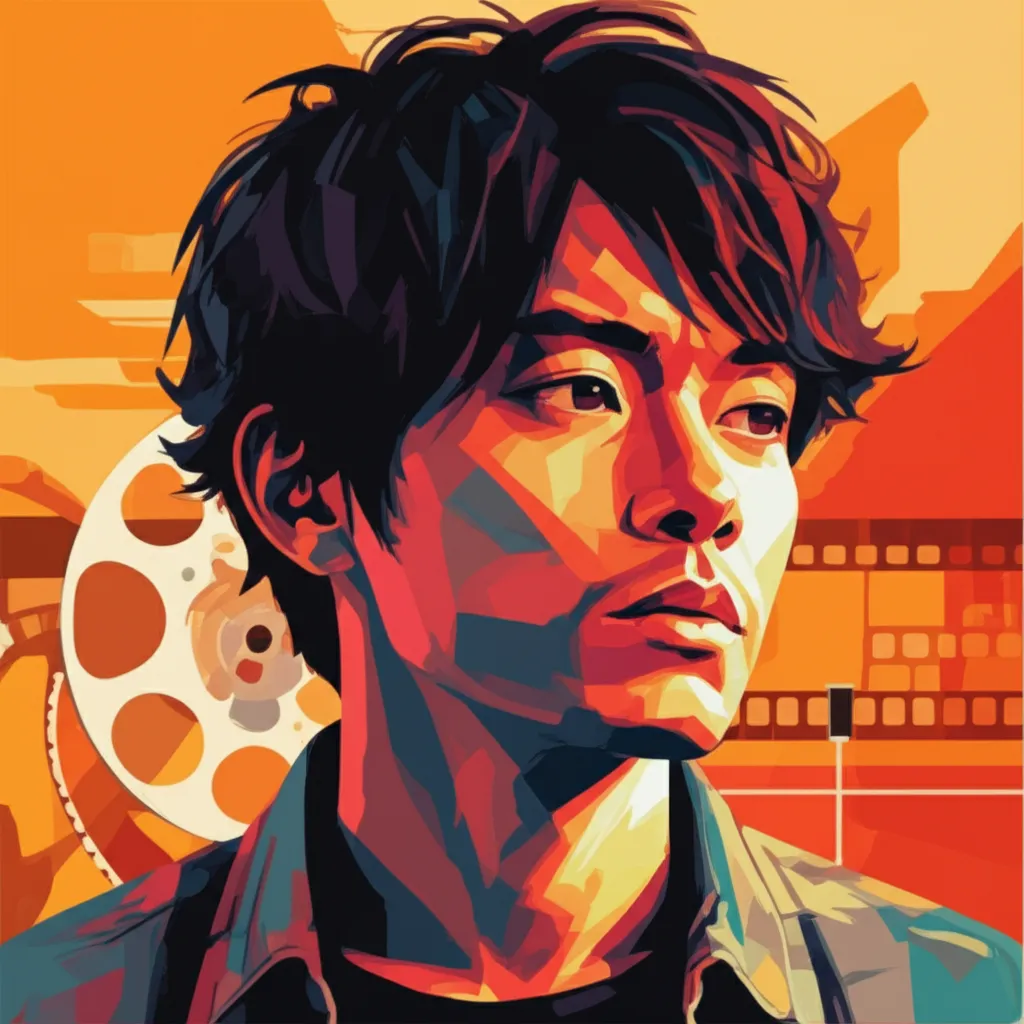
Shôgo Furuya
Shôgo Furuya is a highly accomplished Japanese animation director best known for his exceptional work on the critically acclaimed film "Tokyo Godfathers" (2003). His directorial style is marked by a blend of visually stunning animation, compelling storytelling, and a deep understanding of human emotions. Furuya's contributions to the world of animation have left an indelible mark on the industry, earning him a reputation as a visionary director with a unique and captivating approach to filmmaking. "Tokyo Godfathers" stands as a testament to Furuya's directorial prowess, showcasing his ability to seamlessly weave together elements of animation, adventure, and comedy into a heartwarming and thought-provoking narrative. The film follows the journey of three homeless individuals who find an abandoned baby and embark on a quest to reunite the child with its family, offering a poignant exploration of human resilience and the power of compassion. Furuya's directorial vision shines through in the film's meticulous attention to detail, striking visual imagery, and masterful storytelling, cementing his status as a director with a profound understanding of the human experience. Throughout his career, Furuya has consistently explored themes of redemption, hope, and the intricacies of human relationships, infusing his films with an emotional depth that resonates with audiences on a profound level. His directorial contributions have not only elevated the art of animation but have also had a lasting impact on the cinematic landscape, inspiring a new generation of filmmakers and captivating audiences worldwide. With "Tokyo Godfathers," Shôgo Furuya has solidified his status as a visionary director whose unparalleled creativity and insightful storytelling have redefined the possibilities of animation. His directorial legacy continues to inspire and influence filmmakers, and his films remain timeless classics that continue to captivate audiences with their emotional depth and visual artistry. Shôgo Furuya's impact on cinema is undeniable, and his contributions to the art of animation have secured his place as a trailblazing director with an enduring legacy.