Director Names Starting with R
Showing 97-108 out of 290

Richard LaGravenese
Richard LaGravenese is a multifaceted film director known for his exceptional talent in bringing emotionally resonant stories to the screen. With a career spanning several decades, LaGravenese has made a mark in the industry with his distinct directorial style and ability to craft compelling narratives. His filmography includes a diverse range of genres, from the musical drama "The Last Five Years" (2014) to the heartfelt romance "P.S. I Love You" (2007) and the inspiring biographical drama "Freedom Writers" (2007), showcasing his versatility and proficiency in storytelling. LaGravenese's directorial approach is characterized by his emphasis on complex characters and their interpersonal relationships, often delving into the intricacies of human emotions and the human experience. His films are known for their poignant and thought-provoking themes, combined with a keen attention to detail in capturing the essence of his characters' journeys. Notably, his films often explore themes of love, loss, redemption, and the resilience of the human spirit, resonating deeply with audiences. One of LaGravenese's standout directorial achievements is "Freedom Writers" (2007), based on the true story of a dedicated teacher who inspires her at-risk students to pursue education and strive for a better future. The film's powerful portrayal of the transformative impact of education and the triumph of the human spirit garnered critical acclaim, solidifying LaGravenese's reputation as a director with a deft hand in depicting real-life stories with authenticity and sensitivity. In "Beautiful Creatures" (2013), LaGravenese ventured into the realm of fantasy, weaving a captivating narrative of forbidden love and supernatural forces. His adeptness in bringing a touch of enchantment to the screen while maintaining a focus on the emotional depth of the characters further showcases his directorial range and storytelling prowess. Richard LaGravenese's contributions to cinema have left an indelible mark, with his films resonating with audiences on both an emotional and intellectual level. His ability to infuse his work with profound human insight and empathy sets him apart as a director with a unique vision and a genuine commitment to storytelling. As he continues to captivate audiences with his directorial ventures, LaGravenese remains a prominent figure in the world of cinema, revered for his exceptional storytelling and directorial finesse.

Richard Lester
Richard Lester was an influential film director known for his innovative style and groundbreaking work in the 1960s and 1970s. He first gained widespread acclaim with his directorial debut, "A Hard Day's Night" (1964), a musical comedy film featuring the iconic British rock band, The Beatles. Lester's dynamic and inventive approach to filmmaking, characterized by rapid editing, handheld camera work, and irreverent humor, set him apart as a visionary director with a distinct visual language. Continuing his collaboration with The Beatles, Lester directed "Help!" (1965), another musical adventure-comedy that showcased his ability to blend music, comedy, and action into a cohesive and entertaining cinematic experience. His work on these two films solidified his reputation as a director capable of capturing the spirit of the swinging 60s with his kinetic and imaginative storytelling. In addition to his work with The Beatles, Lester demonstrated his versatility as a director with films such as "Robin and Marian" (1976), a poignant and romantic take on the classic Robin Hood legend, and "The Four Musketeers: Milady's Revenge" (1974), which displayed his skill in crafting thrilling action sequences and period dramas. Lester's penchant for infusing adventure and romance with a modern sensibility made him a sought-after director known for breathing new life into timeless stories. Lester's impact on cinema extended to the superhero genre as well, with his directorial contributions to the "Superman" film series. His work on "Superman II" (1980) and "Superman III" (1983) showcased his ability to handle big-budget action spectacles while infusing the films with humor and heart. His influence on the superhero genre can still be felt today, as he helped shape the tone and visual style of superhero films for generations to come. Richard Lester's directorial legacy is defined by his innovative visual storytelling, seamless integration of music and comedy, and his ability to breathe new life into classic tales. His distinct directorial style and impact on popular culture have solidified his status as a pioneering filmmaker whose contributions continue to resonate with audiences and inspire future generations of directors.
Richard Linklater
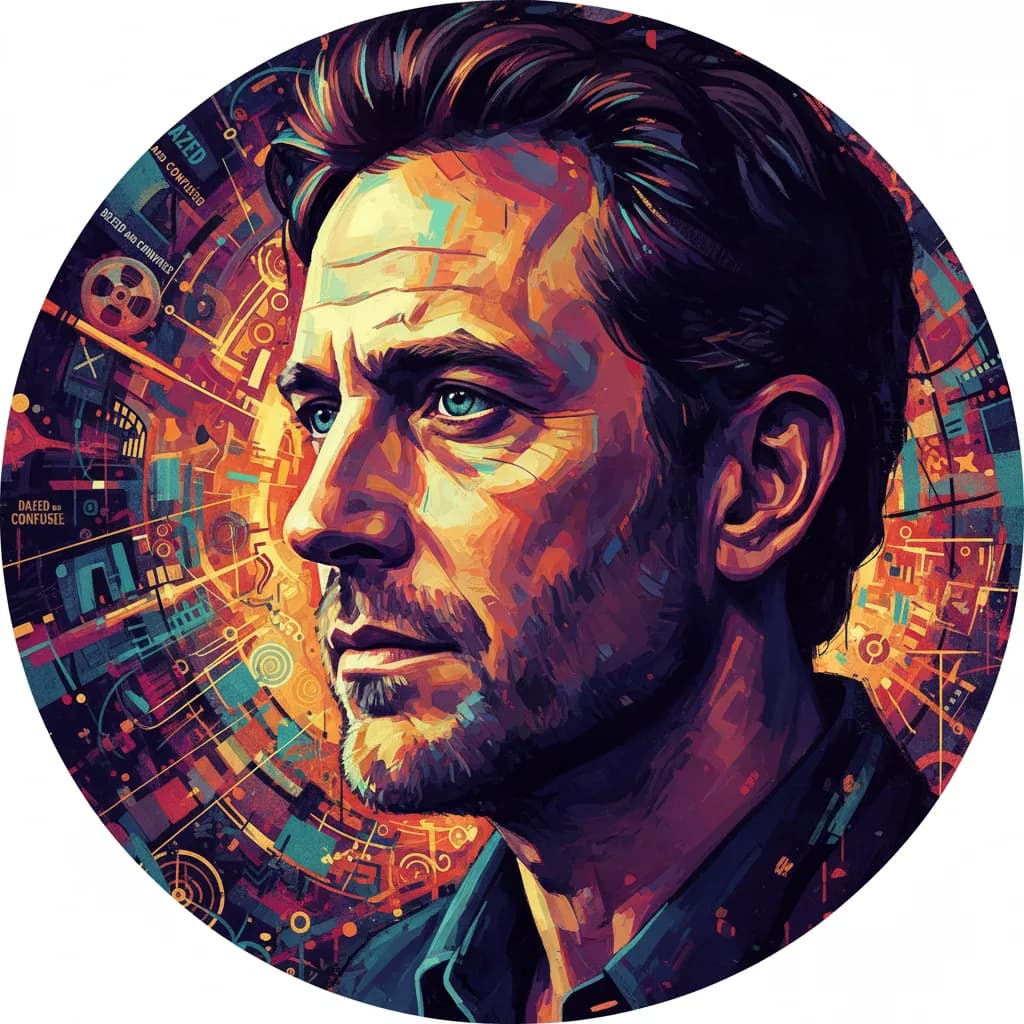
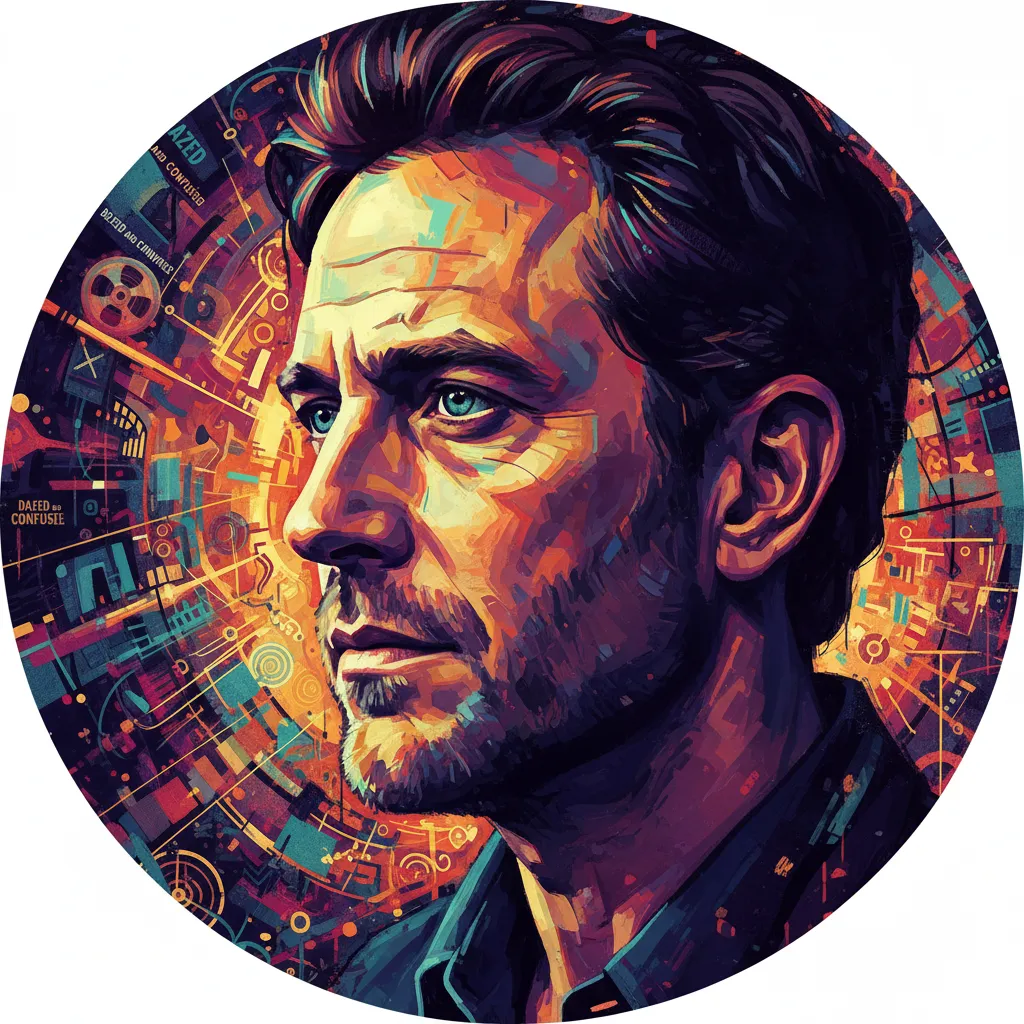
Richard Linklater is a renowned American film director known for his distinctive style and innovative approach to storytelling. With a career spanning over three decades, Linklater has left an indelible mark on cinema with his thought-provoking narratives and unique directorial techniques. His filmography boasts a diverse array of genres, from intimate dramas to animated features, showcasing his versatility and range as a filmmaker. Linklater first gained widespread acclaim with his breakout film, "Slacker" (1990), a groundbreaking comedy-drama that epitomized his trademark storytelling style. Known for his use of long takes and naturalistic dialogue, Linklater's films often explore existential themes and the passage of time. His magnum opus, "Boyhood" (2014), stands as a testament to his visionary approach, as he filmed the coming-of-age drama over the course of 12 years, capturing the real-time growth of the characters. Throughout his career, Linklater has continuously challenged cinematic conventions, seamlessly blending live-action with animation in films like "A Scanner Darkly" (2006) and "Waking Life" (2001). His commitment to pushing boundaries and experimenting with visual storytelling has cemented his status as a trailblazer in the industry. Additionally, Linklater's "Before" trilogy, comprising "Before Sunrise" (1995), "Before Sunset" (2004), and "Before Midnight" (2013), has garnered critical acclaim for its poignant exploration of love, relationships, and human connection. A recurring theme in Linklater's work is his profound examination of human experiences and introspective storytelling, often portrayed through authentic and relatable characters. His ability to infuse philosophical musings with everyday interactions has resonated with audiences and critics alike. Furthermore, Linklater's dedication to capturing the essence of different time periods and cultural milieus, as seen in "Dazed and Confused" (1993) and "Everybody Wants Some!!" (2016), has solidified his reputation as a masterful chronicler of societal shifts and generational dynamics. In conclusion, Richard Linklater's impact on cinema is undeniable, with his innovative directorial style and evocative storytelling leaving an enduring legacy. His ability to capture the nuances of human existence and traverse diverse genres has made him a revered figure in the film industry. Linklater's films continue to inspire and provoke contemplation, showcasing his unyielding commitment to pushing the boundaries of cinematic storytelling and crafting narratives that resonate on

Richard Loncraine
Richard Loncraine is a British film director known for his diverse body of work that spans across multiple genres. With a career that has seen him helm projects ranging from historical dramas to romantic comedies and intense thrillers, Loncraine has showcased his versatility and skill behind the camera. One of his notable works is the 1995 adaptation of Shakespeare's "Richard III," which garnered critical acclaim for its inventive reimagining of the classic play set in a fictional fascist England. This film demonstrated Loncraine's ability to breathe new life into timeless stories and his keen eye for creating visually stunning and thought-provoking narratives. In 2004, Loncraine shifted gears with "Wimbledon," a romantic comedy set in the world of professional tennis. Displaying a lighter touch, he adeptly captured the charm and humor of the sports genre while infusing it with a heartfelt love story. This film highlighted his ability to navigate different cinematic tones and connect with audiences on an emotional level. Loncraine further showcased his range with "Firewall" in 2006, a gripping action thriller that delved into the world of high-stakes cybercrime. The film demonstrated his adeptness at crafting tension-filled narratives and delivering edge-of-your-seat entertainment. Throughout his career, Loncraine has consistently demonstrated a commitment to storytelling that is both compelling and visually striking. His films often explore themes of power, ambition, and the complexities of human relationships, showcasing a deep understanding of the human experience. Loncraine's directorial style is marked by meticulous attention to detail, evocative cinematography, and a knack for eliciting powerful performances from his cast. His impact on cinema lies in his ability to seamlessly transition between genres while maintaining a distinct directorial voice that resonates with audiences. In conclusion, Richard Loncraine's career is a testament to his ability to tackle a wide array of genres with finesse and creativity. Whether bringing Shakespearean drama to life or crafting captivating thrillers, he has left an indelible mark on the film industry. His films continue to captivate audiences and serve as a testament to his enduring influence on the art of storytelling through cinema.

Richard Marquand
Richard Marquand was a British film director known for his versatile skills and ability to tackle various genres. He made a significant impact on cinema, with a career that included directing notable films such as "Star Wars: Episode VI - Return of the Jedi" (1983), "Eye of the Needle" (1981), and "Jagged Edge" (1985). Marquand's directorial style was marked by his keen eye for detail, compelling storytelling, and strong character development. Marquand's most renowned work, "Star Wars: Episode VI - Return of the Jedi," solidified his status as a director capable of handling large-scale fantasy and action-adventure films. His ability to bring the epic conclusion to the original "Star Wars" trilogy to life showcased his skill in creating visually stunning and emotionally resonant cinematic experiences. The film's impact on popular culture and its enduring legacy within the "Star Wars" franchise cannot be understated, firmly establishing Marquand as a director with a lasting influence on the genre. In "Eye of the Needle" (1981), Marquand demonstrated his versatility by delivering a gripping romantic thriller set against the backdrop of World War II. The film showcased his ability to blend suspense, romance, and historical drama, further highlighting his range as a director. "Jagged Edge" (1985) further exemplified Marquand's proficiency in crafting compelling narratives within the mystery and thriller genres, earning critical acclaim for its taut storytelling and engaging performances. Throughout his career, Marquand's films often explored themes of heroism, sacrifice, and the complexities of human nature. His commitment to creating memorable characters and immersive storytelling left an indelible mark on the films he directed. Despite his untimely passing in 1987, Richard Marquand's contributions to cinema continue to be celebrated, with his work remaining influential and revered by audiences and filmmakers alike. In conclusion, Richard Marquand's directorial legacy is defined by his ability to seamlessly navigate various genres, leaving a lasting impression on cinema with his distinct vision and storytelling prowess. His impact on the industry is evident in the enduring popularity of his films, solidifying his status as a director who made significant contributions to the art of filmmaking.
Richard Pearce
Richard Pearce is an American film director with a career spanning over four decades, known for his insightful and emotionally resonant storytelling. With a keen eye for human drama and societal issues, Pearce has left an indelible mark on cinema through his directorial work. His 1992 film "Leap of Faith" stands as a testament to his directorial style, seamlessly blending comedy, drama, and romance to craft a compelling narrative that delves into the complexities of faith and human relationships. Throughout his career, Pearce has exhibited a penchant for delving into the human psyche, often exploring themes of faith, morality, and the human condition. His films frequently navigate the intricacies of interpersonal relationships, offering a raw and unflinching portrayal of human emotions. Pearce's directorial approach is characterized by an astute understanding of character dynamics, allowing him to capture authentic and poignant performances from his actors. "Leap of Faith" serves as a prime example of Pearce's directorial prowess, showcasing his ability to infuse nuanced storytelling with moments of levity and introspection. The film's exploration of faith and belief systems is a testament to Pearce's knack for tackling profound themes with sensitivity and depth. With a keen focus on character development and emotional resonance, Pearce's directorial imprint is unmistakable in "Leap of Faith," cementing his status as a director with a distinct narrative voice. Richard Pearce's impact on cinema lies in his ability to craft narratives that resonate with audiences on a profound level. His directorial contributions have not only enriched the cinematic landscape but have also sparked meaningful conversations about the human experience. As a director, Pearce has consistently demonstrated a commitment to storytelling that transcends the screen, leaving a lasting impression on viewers and industry professionals alike. In conclusion, Richard Pearce's directorial career is defined by a commitment to authentic storytelling and a profound exploration of human emotions. With "Leap of Faith" as a standout example of his directorial prowess, Pearce has solidified his status as a filmmaker capable of capturing the complexities of the human experience with grace and insight. His legacy in cinema continues to inspire and resonate, making him a notable figure in the realm of directorial storytelling.

Richard Phelan
Richard Phelan is a highly acclaimed director known for his work in the animated film industry. His most notable film, "A Shaun the Sheep Movie: Farmageddon" (2019), showcases his exceptional talent for creating heartwarming and humorous stories through animation. Phelan's directorial style is characterized by his ability to infuse his films with a perfect blend of adventure, comedy, and emotion, captivating audiences of all ages. In "A Shaun the Sheep Movie: Farmageddon," Phelan demonstrates his mastery of storytelling and animation, delivering a delightful and visually stunning film that has been praised for its creativity and charm. His keen eye for detail and dedication to creating memorable characters have established him as a prominent figure in the animation industry. Phelan's work exemplifies his commitment to pushing the boundaries of animated filmmaking and delivering captivating narratives that resonate with audiences worldwide. Throughout his career, Phelan has consistently explored themes of friendship, adventure, and the power of imagination, creating films that celebrate the joy of storytelling and the magic of animation. His ability to infuse his work with warmth and humor has made him a beloved figure in the world of animated cinema. Phelan's contributions to the industry have had a significant impact, inspiring aspiring filmmakers and entertaining audiences with his unique vision and storytelling prowess. Overall, Richard Phelan's directorial career has been marked by his exceptional talent for crafting enchanting and engaging animated films. His work on "A Shaun the Sheep Movie: Farmageddon" solidifies his reputation as a director with a distinct creative voice and a deep understanding of the power of animation to captivate and inspire audiences. Phelan's legacy in cinema is one of creativity, innovation, and a commitment to delivering timeless stories that continue to enchant audiences of all ages.

Richard Quine
Richard Quine was an accomplished film director known for his work in the comedy, fantasy, and romance genres. Born in Detroit, Michigan, Quine began his career as an actor before transitioning to directing in the 1940s. His directorial style was characterized by a deft touch in balancing humor and romance, often infusing his films with a delightful whimsy and charm. Quine's notable film "Bell, Book and Candle" (1958) exemplifies his ability to blend elements of comedy, fantasy, and romance seamlessly, making it a beloved classic. "Bell, Book and Candle" remains one of Quine's most iconic works, starring Hollywood legends James Stewart and Kim Novak. The film masterfully combines elements of supernatural fantasy with romantic comedy, showcasing Quine's skill in creating visually enchanting worlds while maintaining a strong emotional core. His adept direction and attention to detail in capturing the nuances of relationships and the complexities of human emotions set "Bell, Book and Candle" apart as a timeless gem in the genre. Throughout his career, Quine explored recurring themes of love, magic, and the extraordinary in the ordinary, often infusing his films with a touch of surrealism and whimsy. His unique vision and ability to infuse his work with a sense of wonder have left an indelible mark on cinema. Quine's contributions to the comedy, fantasy, and romance genres have inspired and influenced countless filmmakers, earning him a well-deserved place in the pantheon of visionary directors. Richard Quine's legacy endures through his timeless films, as his work continues to captivate audiences and inspire new generations of filmmakers. His ability to blend comedy, fantasy, and romance with a touch of magic and charm has solidified his place as a maestro of cinematic storytelling. With a career marked by creativity and innovation, Quine's impact on cinema remains profound, and his films continue to be cherished for their enduring appeal and timeless allure.
Richard Rich
Richard Rich is an American director known for his exceptional work in animation, with a career spanning several decades. He made his mark in the industry with his directorial debut, "The Fox and the Hound" (1981), a heartwarming and emotionally resonant tale of friendship and loyalty. Rich's keen ability to infuse his animated characters with depth and emotion set a strong foundation for his future directorial endeavors. His directorial style often involves capturing the essence of human emotions and relationships through his animated creations. In 1985, Rich directed "The Black Cauldron," a film that showcased his talent for creating visually stunning and immersive worlds. The movie's dark and adventurous themes, combined with Rich's skillful direction, cemented his reputation as a director with a distinctive vision. Rich's ability to blend action, adventure, and fantasy elements in his films made him a sought-after director in the animation genre. One of Rich's most enduring works is "The Swan Princess" (1994), a delightful animated feature that combined adventure, comedy, and romance. The film exemplifies Rich's talent for storytelling, as he weaves a captivating narrative with endearing characters. Throughout his career, Rich has demonstrated a penchant for crafting enchanting and timeless tales that resonate with audiences of all ages. Rich's impact on cinema lies in his ability to create animated films that transcend generational boundaries, captivating audiences with their timeless appeal. His unique directorial style, characterized by compelling storytelling and visually captivating animation, has left an indelible mark on the animation genre. Richard Rich's contributions to film have undoubtedly solidified his status as a visionary director, and his films continue to enchant and inspire audiences worldwide. In conclusion, Richard Rich's directorial career has been defined by his exceptional storytelling skills, visually captivating animation, and an unwavering commitment to creating timeless cinematic experiences. His films, including "The Black Cauldron," "The Fox and the Hound," and "The Swan Princess," showcase his distinctive directorial style and enduring impact on the animation genre. Rich's ability to infuse his animated works with emotion and depth has set him apart as a visionary director, leaving an indelible legacy in the world of cinema.

Richard Rush
Richard Rush was an American film director known for his unique and daring approach to storytelling. With a career spanning several decades, Rush made a significant impact on cinema with his distinctive directorial style and thought-provoking narratives. His notable films include "Color of Night" (1994) and "The Stunt Man" (1980), which showcase his ability to blend drama, mystery, romance, action, comedy, and drama seamlessly. Rush's directorial style is characterized by its boldness and willingness to explore complex and controversial themes. He was a master at creating tension and suspense, often incorporating elements of psychological drama into his work. "Color of Night" exemplifies Rush's ability to delve into the human psyche, as the film navigates themes of trauma, identity, and obsession. Similarly, "The Stunt Man" showcases his adeptness at blending action and comedy with underlying psychological depth, making for an exhilarating and thought-provoking viewing experience. Throughout his career, Rush's films often revolved around the theme of perception versus reality, where characters grapple with their inner demons and confront the complexities of human nature. His narratives were known for their unpredictability and willingness to challenge conventional storytelling norms, earning him a reputation as a director unafraid to push boundaries. Rush's impact on cinema lies in his ability to defy genre constraints and create films that resonate with audiences on a profound level. His work continues to inspire a new generation of filmmakers, emphasizing the importance of bold storytelling and pushing the envelope of cinematic expression. With an unwavering commitment to authenticity and emotional depth, Richard Rush's legacy as a visionary director endures, leaving an indelible mark on the world of film.

Richard Schenkman
Richard Schenkman is an accomplished film director known for his diverse and thought-provoking body of work. With a career spanning over two decades, Schenkman has made a significant impact on the film industry with his unique directorial style and thought-provoking storytelling. His ability to seamlessly transition between genres, from horror to drama to fantasy, showcases his versatility and creative vision. One of Schenkman's most notable films is "The Man from Earth" (2007), a captivating drama that delves into philosophical and existential themes. The film follows a thought-provoking narrative that challenges the audience's perception of human existence. Schenkman's directorial prowess shines through in his ability to engage viewers with intellectually stimulating content while maintaining a compelling cinematic experience. In 2015, Schenkman ventured into the horror genre with "I Spit on Your Grave: Vengeance Is Mine." His foray into the horror-thriller domain further demonstrates his ability to tackle diverse storytelling and engage with audiences across different genres. Schenkman's directorial style is characterized by meticulous attention to detail, immersive storytelling, and a knack for creating atmospheres that resonate with viewers long after the credits roll. Throughout his career, Schenkman has explored recurring themes such as human nature, existentialism, and the complexities of morality. His films often prompt introspection and contemplation, inviting audiences to grapple with profound questions and ethical dilemmas. Schenkman's impact on cinema is palpable, as he continues to push the boundaries of storytelling and challenge conventional norms, earning him a dedicated following of cinephiles and enthusiasts of thought-provoking cinema. Richard Schenkman's directorial contributions have not only enriched the film landscape but also inspired fellow filmmakers to embrace bold, intellectually stimulating narratives. His ability to captivate audiences across various genres, coupled with his thought-provoking storytelling, solidifies his status as a visionary director with a lasting influence on the cinematic landscape.

Richard Shepard
Richard Shepard is a highly accomplished film director known for his distinctive style, which seamlessly blends genres and captivates audiences with its dark humor, gripping storytelling, and visually stunning compositions. With a diverse filmography that includes "The Hunting Party" (2007), "The Matador" (2005), "The Perfection" (2018), and "Dom Hemingway" (2013), Shepard has proven his ability to craft compelling narratives across a variety of genres. Shepard's directorial style is characterized by his adeptness at infusing elements of adventure, comedy, drama, and crime into his films, resulting in a unique and engaging cinematic experience. His ability to seamlessly navigate between different genres while maintaining a consistent and compelling visual and narrative style sets him apart as a director with a truly distinctive vision. In "The Hunting Party," Shepard expertly weaves together elements of adventure, comedy, and drama to tell the story of a group of journalists on a dangerous mission in war-torn Bosnia. The film showcases Shepard's skill in creating a captivating and suspenseful narrative while infusing moments of dark humor and thought-provoking drama. "The Matador" further exemplifies Shepard's prowess as a director, blending comedy, crime, and thriller elements into a story that is both darkly humorous and emotionally resonant. His ability to balance different tones within a single film demonstrates his versatility and keen understanding of storytelling. "The Perfection" and "Dom Hemingway" further showcase Shepard's ability to craft compelling narratives that transcend traditional genre boundaries, delving into themes of horror, music, crime, and drama with a distinct and captivating visual style. Richard Shepard's impact on cinema lies in his ability to challenge genre conventions and deliver thought-provoking narratives that resonate with audiences on a deep and emotional level. Through his unique vision and storytelling prowess, Shepard has carved out a niche for himself as a director who consistently pushes the boundaries of genre filmmaking, leaving an indelible mark on the industry.