Director Names Starting with R
Showing 109-120 out of 290
Richard Stanley
Richard Stanley is a visionary director known for his unique blend of horror, mystery, and science fiction. With a career spanning over three decades, Stanley has made a significant impact on the world of cinema with his distinct directorial style and thought-provoking storytelling. His notable films include "Color Out of Space" (2019) and "Hardware" (1990), both of which showcase his penchant for creating immersive and visually stunning experiences for audiences. Stanley's directorial style is characterized by his ability to seamlessly blend elements of horror, mystery, and science fiction, creating a cinematic experience that is both thought-provoking and visually captivating. His films often delve into the unknown, exploring the depths of human psyche and the mysteries of the universe. Stanley's use of striking visuals and immersive sound design sets him apart as a director with a keen eye for creating atmospheres that linger long after the credits roll. Throughout his career, Stanley has explored recurring themes such as the interplay between humanity and technology, the fragility of the human mind, and the cosmic horrors that lurk beyond the realm of human understanding. His films often challenge traditional genre boundaries, offering audiences a fresh and innovative perspective on familiar themes. "Color Out of Space" and "Hardware" stand as testaments to Stanley's ability to push the boundaries of genre filmmaking, leaving an indelible mark on the horror, mystery, and science fiction genres. With his distinct directorial vision and uncompromising approach to storytelling, Stanley continues to captivate audiences and inspire aspiring filmmakers to push the boundaries of cinematic storytelling. In conclusion, Richard Stanley's contributions to cinema have solidified his status as a visionary director with a unique and impactful directorial style. His ability to seamlessly blend genres, explore thought-provoking themes, and create visually stunning experiences has left an indelible mark on the world of film. As audiences continue to seek out innovative and immersive storytelling, Stanley's directorial legacy is sure to endure for years to come.
Richard Starzak
Richard Starzak is a highly esteemed British director and animator known for his exceptional work in the world of stop-motion animation. With a notable career spanning several decades, Starzak has made significant contributions to the industry, particularly through his directorial role in the critically acclaimed film "Shaun the Sheep Movie" (2015). His unique directorial style and creative vision have earned him a dedicated following and solidified his reputation as a master in the field of animation. Starzak's directorial approach is characterized by a meticulous attention to detail and a deep understanding of the intricacies of stop-motion animation. His ability to infuse warmth, humor, and charm into his films has set him apart as a visionary in the genre. "Shaun the Sheep Movie," a delightful blend of animation, adventure, and comedy, perfectly showcases his talent for crafting endearing characters and captivating storytelling. The film received widespread acclaim for its creative animation techniques and heartwarming narrative, solidifying Starzak's status as a director with a distinct and captivating vision. Notably, Starzak's work often explores themes of friendship, resilience, and the triumph of the underdog, resonating with audiences of all ages. Through his commitment to delivering visually stunning and emotionally resonant storytelling, he has left an indelible mark on the world of animation. His meticulous attention to character development and narrative depth has elevated the medium, making his films not only entertaining but also thought-provoking and emotionally impactful. Starzak's influence on cinema extends beyond his directorial achievements, as he has contributed to the evolution of stop-motion animation, inspiring a new generation of filmmakers to explore the boundless possibilities of the medium. His dedication to pushing the boundaries of storytelling and visual artistry has undoubtedly left a lasting impact on the cinematic landscape, earning him a well-deserved place among the most revered directors in the industry. In conclusion, Richard Starzak's illustrious career as a director and animator has left an indelible mark on the world of cinema. Through his unique directorial style, memorable films, recurring themes, and impact on animation, he has solidified his position as a visionary in the industry. His contributions to storytelling and animation continue to inspire and captivate audiences, ensuring that his legacy will endure for generations to come.
Richard Tanne
Richard Tanne is a talented and promising director known for his work in the drama and romance genres. His most notable film to date is "Chemical Hearts" (2020), which has garnered critical acclaim for its poignant storytelling and emotional depth. Tanne's directorial style is marked by his ability to capture the complexities of human relationships with authenticity and sensitivity, making his work resonate with audiences on a profound level. In "Chemical Hearts," Tanne masterfully explores the themes of love, loss, and coming-of-age, creating a compelling narrative that delves into the intricacies of young love and the emotional turmoil that accompanies it. His keen attention to detail and nuanced approach to character development have solidified his reputation as a director with a profound understanding of the human experience. Tanne's impact on cinema lies in his ability to breathe new life into familiar genres, infusing them with a fresh perspective and a contemporary sensibility. His work stands out for its ability to evoke raw and authentic emotions, drawing viewers into the worlds he creates on screen. Tanne's directorial prowess has positioned him as a rising star in the industry, and his contributions to film continue to garner attention and accolades. With "Chemical Hearts," Richard Tanne has proven himself to be a director with a unique vision and a remarkable ability to craft compelling narratives that resonate with audiences. As he continues to hone his craft and explore new storytelling avenues, Tanne is undoubtedly poised to leave an indelible mark on the world of cinema, solidifying his status as a director to watch in the years to come.
Richard T. Heffron
Richard T. Heffron was an American film director known for his diverse body of work that spanned across various genres. He gained recognition for his directorial style, which often incorporated a blend of innovative storytelling techniques and visual flair. Heffron's impact on cinema can be seen in his ability to seamlessly transition between different genres, infusing each film with his unique vision and storytelling prowess. One of Heffron's most notable films is "Futureworld" (1976), a science fiction thriller that served as a sequel to the iconic "Westworld." The film showcased Heffron's adeptness at creating immersive, futuristic worlds and his skill in building tension and suspense. "Futureworld" demonstrated his ability to tackle complex and thought-provoking themes, such as the ethical implications of technology and artificial intelligence, cementing his reputation as a director capable of delivering compelling and engaging narratives within the science fiction genre. Throughout his career, Heffron exhibited a penchant for exploring a wide range of themes and subjects, showcasing his versatility as a director. His filmography encompassed a diverse array of genres, including crime dramas, historical epics, and action-packed thrillers, showcasing his ability to adapt his directorial style to suit the needs of each project. This versatility allowed Heffron to leave a lasting impact on cinema by demonstrating the breadth of his creative vision and his ability to captivate audiences across different genres. Heffron's legacy as a director is characterized by his commitment to pushing the boundaries of storytelling and visual storytelling. His films continue to resonate with audiences, and his contributions to the world of cinema have solidified his status as a visionary director with an enduring influence on the industry. Richard T. Heffron's ability to craft compelling narratives and his dedication to exploring diverse genres have left an indelible mark on the world of filmmaking, cementing his status as a director whose work continues to inspire and captivate audiences.
Richard Tuggle
Richard Tuggle is an American film director known for his work in the crime, mystery, and thriller genres. Tuggle's most notable film is "Tightrope" (1984), which showcases his distinct directorial style and storytelling prowess. Throughout his career, Tuggle has demonstrated a keen ability to delve into the darker aspects of human nature, often exploring the complexities of morality and the psychological motivations of his characters. "Tightrope" stands as a testament to Tuggle's directorial prowess, offering a gripping narrative and intense character development. The film's atmospheric cinematography and immersive storytelling solidify Tuggle's reputation as a masterful director within the crime genre. His ability to create tension and suspense through meticulous pacing and visual storytelling sets him apart as a filmmaker with a unique vision. Tuggle's directorial style is marked by a focus on psychological depth and intricate character dynamics, drawing audiences into the intricate web of emotions and motivations that drive his narratives. His films often explore the darker facets of human behavior, delving into the complexities of morality, justice, and the human psyche. Tuggle's impact on cinema extends beyond his individual films, as his work has influenced a generation of filmmakers within the crime and thriller genres. His ability to craft compelling narratives and evoke powerful performances from his actors has left an indelible mark on the landscape of cinematic storytelling. In conclusion, Richard Tuggle's career as a film director has been defined by his distinct directorial style, penchant for exploring the complexities of human nature, and his enduring impact on the crime and thriller genres. With "Tightrope" as a standout example of his directorial prowess, Tuggle continues to be revered for his unique vision and contributions to the world of cinema.

Richard Williams
Richard Williams was a visionary film director known for his groundbreaking work in animation. He is best known for directing the animated film "Open Season" (2006), a delightful and heartwarming adventure-comedy that showcased his exceptional directorial talent. Williams' directorial style was characterized by his meticulous attention to detail, innovative use of animation techniques, and his ability to infuse his films with humor, emotion, and captivating storytelling. "Open Season" (2006) exemplifies Williams' unmistakable directorial imprint, with its vibrant and visually stunning animation, engaging characters, and a compelling narrative that resonated with audiences of all ages. Throughout his illustrious career, Williams demonstrated a remarkable ability to seamlessly blend cutting-edge animation with compelling storytelling, solidifying his status as a pioneering force in the world of animated filmmaking. Williams' films often explored timeless themes such as friendship, courage, and the triumph of the underdog, resonating with audiences on a deep and emotional level. His unique vision and directorial prowess left an indelible mark on cinema, inspiring future generations of filmmakers and animators. Williams' impact on animation and storytelling in film is undeniable, as his work continues to be celebrated and admired by audiences and industry professionals alike. Richard Williams' legacy as a director is one of innovation, creativity, and a relentless pursuit of excellence. His contributions to the art of animation have left an enduring impact on the industry, and his films continue to be cherished for their ingenuity and timeless appeal. As a visionary director, Williams' influence on cinema is felt far and wide, and his remarkable body of work stands as a testament to his unparalleled talent and enduring legacy in the world of filmmaking.
Richard Wong
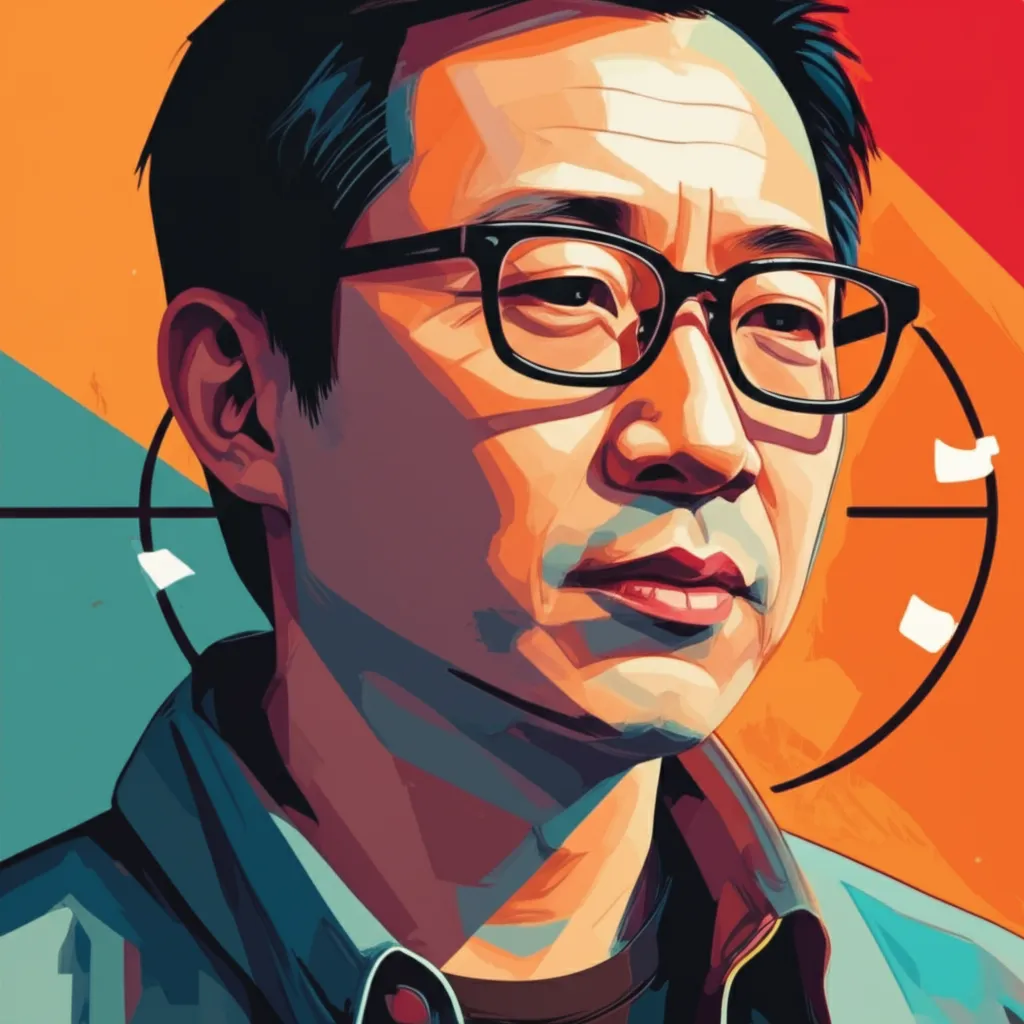
Richard Wong is a visionary filmmaker known for his distinctive directorial style and profound impact on the world of cinema. With a career spanning several decades, Wong has continually proven himself as a master of storytelling, weaving together compelling narratives that resonate with audiences on a deep and emotional level. His filmography showcases a diverse range of genres, with each project bearing his unmistakable signature. Wong's directorial style is characterized by a keen eye for human emotion and an innate ability to capture the complexities of human relationships on screen. He is renowned for his skillful portrayal of intimate, tender moments, often infusing his work with a poignant blend of comedy, drama, and romance. Wong's films delve into the intricacies of the human experience, offering profound insights into the universal themes of love, connection, and self-discovery. One of Wong's most notable works is "The Valet" (2022), a captivating film that seamlessly blends comedy, drama, and romance to deliver a heartfelt and authentic portrayal of human connection. Through his masterful direction, Wong brings to life a rich tapestry of characters and emotions, creating a deeply resonant cinematic experience that lingers long after the credits roll. The film stands as a testament to Wong's remarkable ability to craft narratives that are both profoundly moving and thoroughly entertaining. Throughout his career, Wong has consistently explored themes of identity, belonging, and the transformative power of love, infusing his films with a sense of emotional depth and authenticity. His unique vision and unwavering commitment to storytelling have left an indelible mark on the cinematic landscape, earning him a well-deserved reputation as a director of unparalleled talent and vision. As audiences continue to be captivated by his work, Richard Wong remains a driving force in shaping the future of cinema with his extraordinary contributions to the art of filmmaking.
Richie Keen
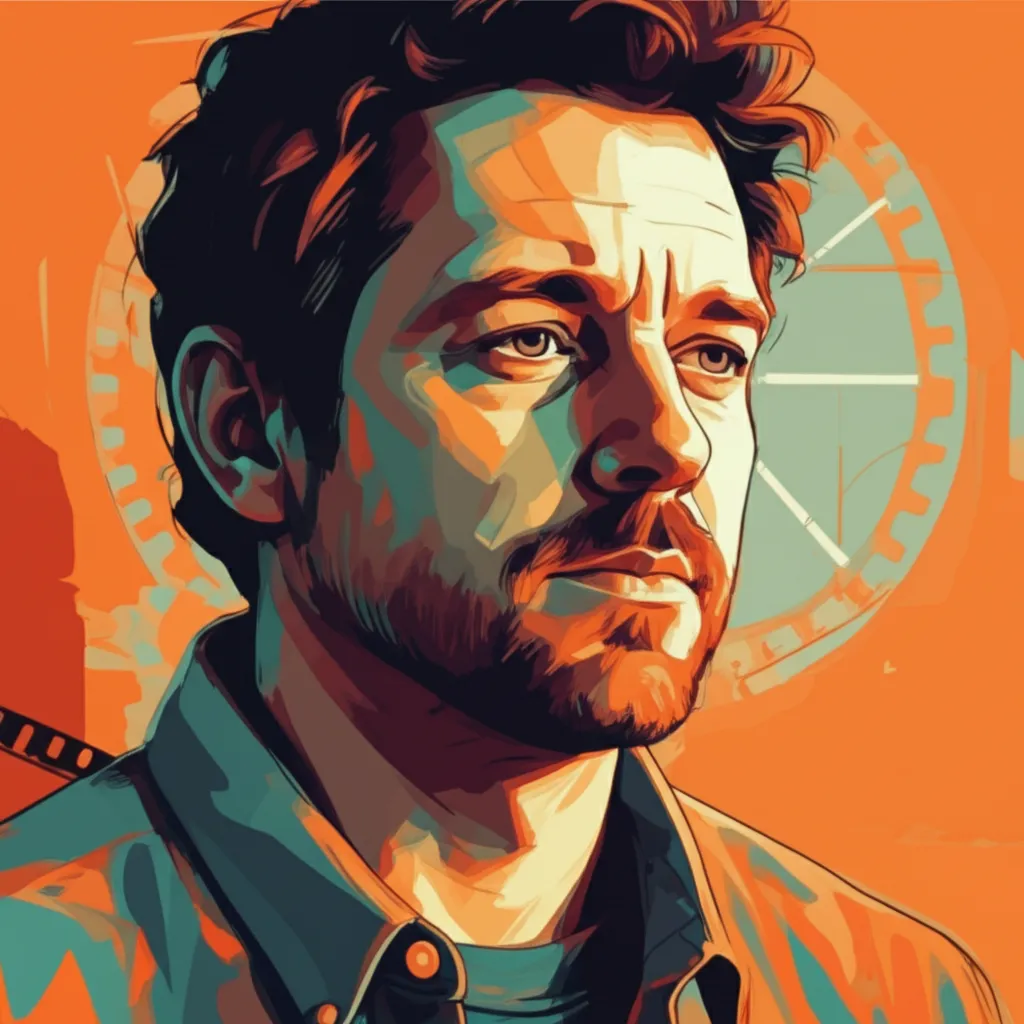
Richie Keen is a talented film director known for his work in the comedy genre. His most notable film to date is "Fist Fight" (2017), which showcased his ability to blend humor with sharp storytelling. Keen's directorial style is characterized by his keen sense of timing and his knack for bringing out the best in his actors, resulting in hilarious and memorable performances. His ability to infuse his work with a mix of physical comedy and witty dialogue has made him a sought-after director in the comedy genre. In "Fist Fight," Keen masterfully captured the chaotic yet comedic energy of a high school setting, delivering a film that resonated with audiences and critics alike. His ability to balance humor with genuine emotion and relatable characters has set him apart in the industry. Keen's work often explores themes of friendship, rivalry, and the absurdity of everyday life, all of which are presented through a lens of humor and wit. Keen's impact on cinema lies in his ability to create films that entertain and resonate with audiences. His unique vision and storytelling prowess have helped to elevate the comedy genre, proving that comedy can be both thought-provoking and side-splittingly funny. With "Fist Fight," Keen solidified his status as a director capable of delivering a fresh and engaging take on the comedy genre. In conclusion, Richie Keen's career as a film director has been marked by his ability to infuse his work with humor, heart, and a unique perspective. With "Fist Fight," he showcased his talent for crafting memorable comedic experiences, and his contributions to cinema have left a lasting impact on the comedy genre. Audiences can look forward to more entertaining and thought-provoking films from this talented director in the future.
Richie Smyth
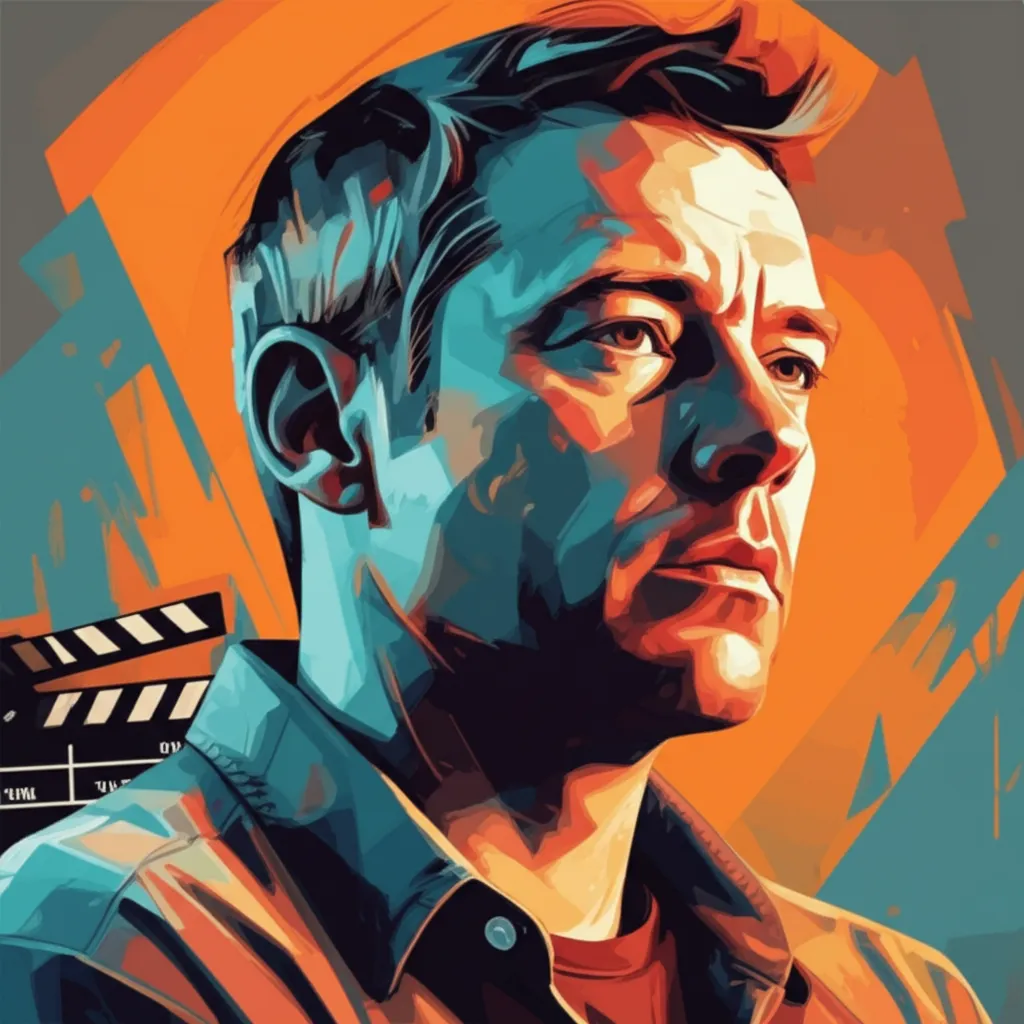
Richie Smyth is an Irish film director known for his compelling storytelling and visually striking directorial style. With a background in music videos and commercials, Smyth made his feature film debut with "The Siege of Jadotville" in 2016. The film, based on the true events of the 1961 Siege of Jadotville during the Congo Crisis, showcased Smyth's ability to seamlessly blend action, drama, and historical elements to create a captivating and immersive cinematic experience. Smyth's meticulous attention to detail and his ability to bring historical events to life on screen have solidified his reputation as a director with a distinct vision and a commitment to authenticity. "The Siege of Jadotville" stands as a testament to Smyth's directorial prowess, as he expertly navigates the complexities of war and human resilience, while also delving into themes of bravery, camaraderie, and the human cost of conflict. The film received critical acclaim for its intense battle sequences, nuanced character portrayals, and the depth of historical accuracy that Smyth brought to the screen. With this film, Smyth demonstrated his ability to infuse historical narratives with modern cinematic sensibilities, resonating with audiences and critics alike. Smyth's impact on cinema lies in his dedication to bringing lesser-known historical events to the forefront through his directorial lens. His commitment to authenticity and storytelling has set him apart as a director who is unafraid to tackle challenging subjects with a keen eye for detail and emotional resonance. As he continues to expand his filmography, Richie Smyth's unique vision and contributions to the world of cinema are sure to leave an indelible mark on audiences, ensuring that his work will be remembered for years to come.
Rich Moore
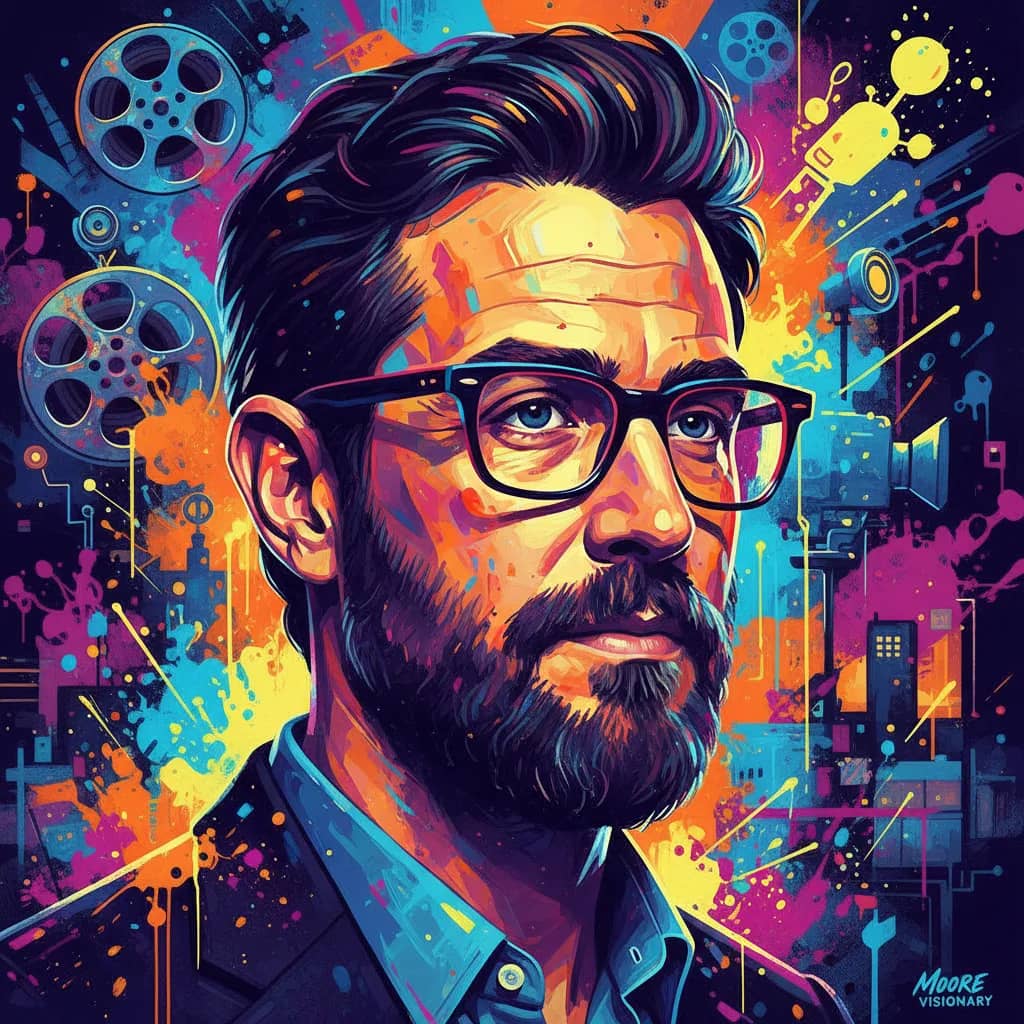
Rich Moore is a highly acclaimed director known for his groundbreaking work in the animation genre. With a career spanning over several decades, Moore has established himself as a visionary filmmaker, renowned for his unique directorial style and contributions to cinema. His exceptional talent and creative vision have left an indelible mark on the industry, influencing the way stories are told and characters are brought to life on the big screen. Moore's directorial debut came with the critically acclaimed and commercially successful "Wreck-It Ralph" in 2012. This animated adventure-comedy film showcased Moore's ability to blend cutting-edge animation with captivating storytelling, earning him widespread praise from audiences and critics alike. The film's imaginative world-building and relatable characters catapulted Moore to the forefront of the animation industry, solidifying his reputation as a master storyteller. In 2018, Moore continued to captivate audiences with the highly anticipated sequel, "Ralph Breaks the Internet." Once again, Moore demonstrated his directorial prowess by seamlessly blending humor, heart, and stunning visuals to create a compelling cinematic experience. His ability to infuse complex themes with lighthearted humor has set him apart as a director with a keen understanding of human emotions and universal experiences. Moore's directorial style is characterized by his knack for crafting immersive and emotionally resonant narratives, often exploring themes of friendship, self-discovery, and the power of resilience. His films are known for their vibrant animation, dynamic characters, and thought-provoking storytelling, all of which have contributed to shaping the landscape of modern animation. Rich Moore's impact on cinema is undeniable, as his films have not only entertained audiences but also pushed the boundaries of what animated storytelling can achieve. His ability to connect with viewers on a profound level while delivering visually stunning and narratively rich films has solidified his status as a pioneering director in the animation genre. With a career marked by innovation and artistic excellence, Moore continues to inspire and influence the next generation of filmmakers, leaving an enduring legacy in the world of cinema.
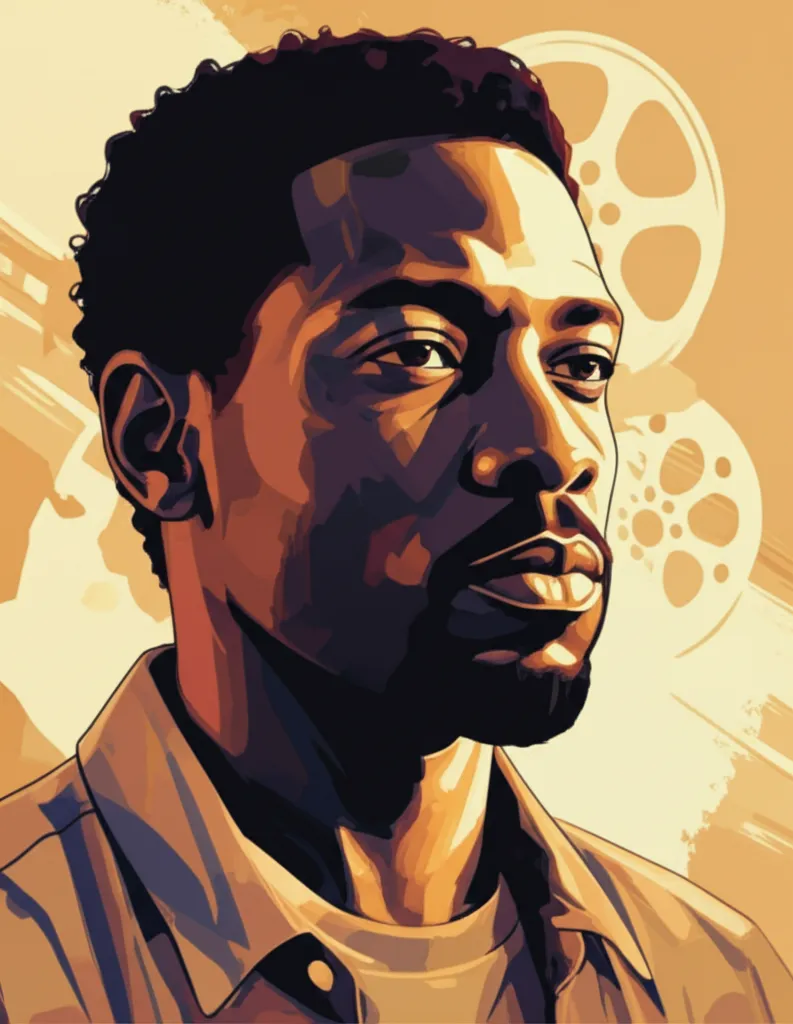
Rick Famuyiwa
Rick Famuyiwa is a visionary director known for his unique blend of comedy, drama, and social commentary. With a career spanning over two decades, Famuyiwa has established himself as a distinctive voice in contemporary cinema. His most notable film, "Dope" (2015), is a coming-of-age adventure that seamlessly combines elements of comedy and crime, showcasing his ability to tackle complex themes with humor and authenticity. Famuyiwa's directorial style is characterized by his keen insight into the lives of marginalized youth and his knack for infusing his narratives with genuine emotion and wit. His films often explore the challenges and triumphs of young people navigating societal pressures, identity politics, and personal growth. "Dope" exemplifies Famuyiwa's ability to craft compelling, multi-layered characters and deliver thought-provoking social commentary within the framework of an entertaining and engrossing story. Throughout his career, Famuyiwa has consistently championed diversity and representation in cinema, using his platform to amplify underrepresented voices and tell stories that resonate with audiences from all walks of life. His work has had a profound impact on the industry, inspiring a new generation of filmmakers to push boundaries and challenge conventional norms in storytelling. Famuyiwa's directorial prowess, coupled with his commitment to authentic storytelling, has solidified his reputation as a trailblazer in the film industry. His ability to infuse his films with humor, heart, and social relevance has garnered critical acclaim and a dedicated fan base. As he continues to shape the cinematic landscape with his bold and insightful narratives, Rick Famuyiwa remains a director to watch, poised to leave an indelible mark on the world of cinema for years to come.
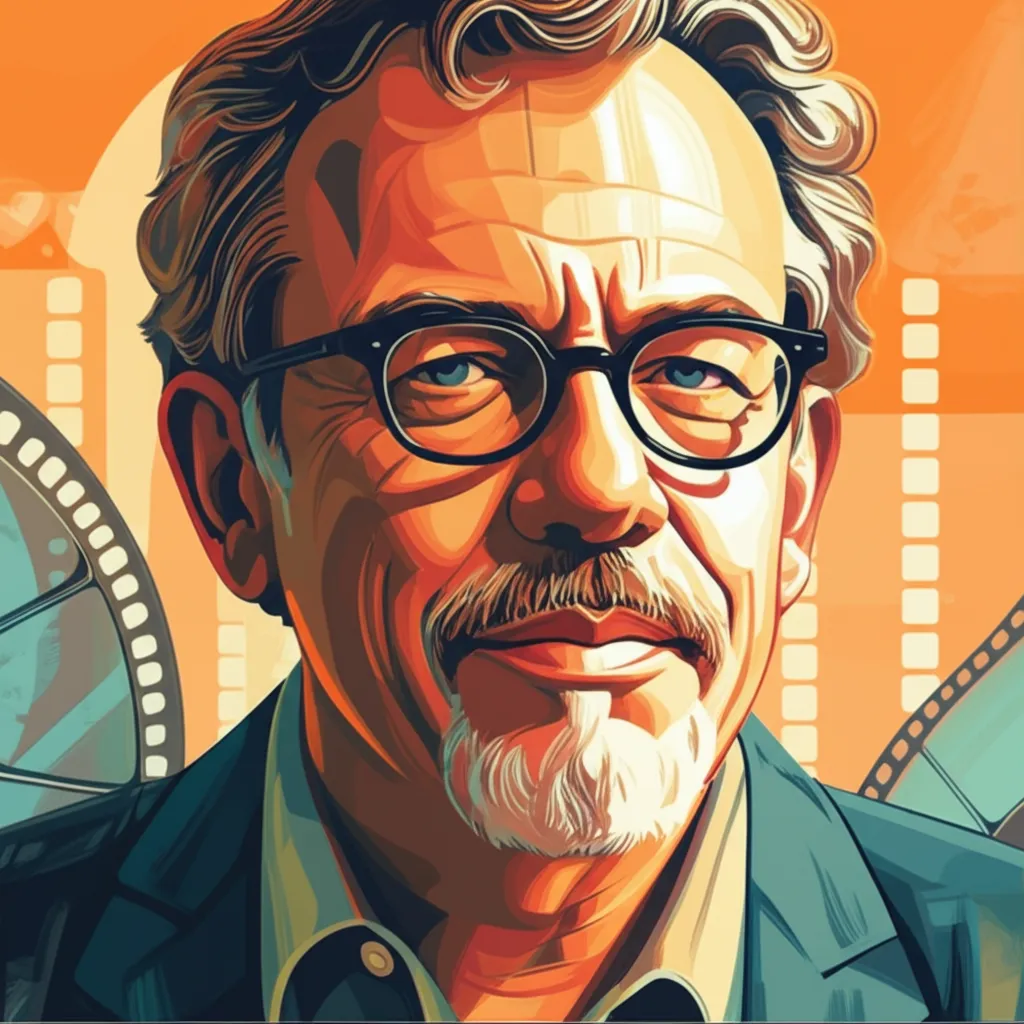
Rick Friedberg
Rick Friedberg is an accomplished film director known for his unique blend of action and comedy. With Spy Hard (1996) as his notable directorial debut, Friedberg showcased his knack for weaving together fast-paced action sequences with clever comedic elements. His directorial style is characterized by a keen sense of timing, sharp wit, and a flair for delivering tongue-in-cheek humor within the action genre. In Spy Hard, Friedberg adeptly parodied the spy film genre, infusing it with his signature comedic sensibilities. His ability to seamlessly blend over-the-top action with laugh-out-loud moments has solidified his reputation as a director with a distinct and engaging vision. Friedberg's work often features outlandish scenarios, larger-than-life characters, and a playful approach to genre conventions, making his films both entertaining and memorable. Throughout his career, Friedberg has brought his unique brand of humor to the forefront of cinema, leaving an indelible mark on the action-comedy genre. His films consistently resonate with audiences, as he skillfully navigates the fine line between action-packed spectacle and comedic relief. Friedberg's contributions to cinema have not only entertained audiences but have also influenced the way action-comedy films are approached, inspiring a new generation of filmmakers to explore the genre with a fresh perspective. In conclusion, Rick Friedberg's directorial career has been defined by his ability to infuse action-packed films with his trademark comedic touch. With Spy Hard as a standout example of his directorial prowess, Friedberg has carved a niche for himself in the industry, earning a reputation as a director with a distinct vision and a penchant for crafting entertaining, high-octane films that leave a lasting impact on audiences.