Director Names Starting with R
Showing 73-84 out of 290

Rémy Belvaux
Rémy Belvaux was a Belgian filmmaker best known for his iconic mockumentary "Man Bites Dog" (1992), a dark comedy crime drama that left an indelible mark on the film industry. Belvaux, along with his co-directors André Bonzel and Benoît Poelvoorde, crafted a groundbreaking film that blurred the line between fiction and reality, showcasing their innovative directorial style and commentary on media sensationalism and violence. "Man Bites Dog" stands as a testament to Belvaux's directorial prowess, as he fearlessly pushed the boundaries of filmmaking with its raw, handheld camerawork and unflinching portrayal of a charismatic but chillingly amoral serial killer. The film's exploration of the media's complicity in glorifying violence and desensitizing audiences earned it critical acclaim and a cult following, cementing Belvaux's reputation as a visionary director unafraid to tackle controversial subjects. Belvaux's directorial style was characterized by his daring approach to storytelling and his ability to provoke introspection and dialogue. His films often delved into the darker aspects of human nature, challenging audiences to confront uncomfortable truths while maintaining a darkly comedic edge. "Man Bites Dog" exemplifies Belvaux's knack for subverting genre conventions and offering a fresh perspective on societal issues, making it a standout in his filmography. While Belvaux's career was tragically cut short with his untimely passing in 2006, his impact on cinema endures through the lasting influence of "Man Bites Dog." The film continues to be studied and celebrated for its innovative narrative techniques and incisive social commentary, solidifying Belvaux's legacy as a director whose uncompromising vision and thought-provoking storytelling continue to resonate with audiences and filmmakers alike. In conclusion, Rémy Belvaux's directorial career was defined by his audacious and boundary-pushing approach to filmmaking, with "Man Bites Dog" serving as a testament to his unique vision and impact on cinema. His legacy lives on through his seminal work, which continues to inspire and challenge audiences, cementing his status as a pioneering filmmaker whose contributions to the art form remain as relevant and influential as ever.
René Clément
René Clément was a pioneering French director known for his impactful contributions to cinema during the mid-20th century. With a career spanning several decades, Clément's directorial style and thematic explorations left an indelible mark on the film industry. His unique vision and storytelling prowess solidified his status as a revered auteur. One of Clément's most acclaimed works, "Forbidden Games" (1952), stands as a testament to his directorial prowess. This poignant film, set against the backdrop of World War II, masterfully combines elements of comedy, drama, and war to deliver a deeply moving narrative. Clément's ability to infuse emotive storytelling with historical context showcases his adeptness in crafting multifaceted and resonant cinematic experiences. In "Purple Noon" (1960), Clément further showcased his directorial finesse by delving into the realm of crime, drama, and thriller. This adaptation of Patricia Highsmith's "The Talented Mr. Ripley" captivated audiences with its gripping narrative and compelling character portrayals. Clément's adept handling of suspense and psychological depth in this film underscored his versatility as a director capable of seamlessly navigating diverse genres. Throughout his career, Clément displayed a penchant for exploring themes of human resilience, moral ambiguity, and the impact of societal upheaval on individuals. His films often delved into the complexities of human nature, offering profound insights into the human experience. Clément's directorial legacy continues to resonate, as his works remain revered for their timeless relevance and artistic merit. René Clément's influence on the cinematic landscape is undeniable, with his films serving as touchstones for aspiring filmmakers and cinephiles alike. His ability to infuse storytelling with emotional depth and thematic richness cements his status as a visionary director whose impact transcends generations. Clément's enduring legacy as a director continues to inspire and captivate audiences, solidifying his place in the pantheon of influential filmmakers.

René Goscinny
René Goscinny, best known as the co-creator of the beloved Asterix comic series, made a significant impact on the world of cinema as a director. While Goscinny was primarily recognized for his work as a writer and illustrator, he also ventured into directing animated films based on his iconic creations. His directorial debut came with "Asterix the Gaul" in 1967, a lively and humorous adaptation of the first Asterix comic book. This marked the beginning of Goscinny's foray into filmmaking and set the stage for his subsequent directorial efforts. Goscinny's directorial style was characterized by his ability to seamlessly translate the whimsical and adventurous spirit of the Asterix comics onto the silver screen. His films often featured vibrant animation, witty humor, and endearing characters, staying true to the essence of the original source material. One of his most notable directorial achievements was "Asterix and Cleopatra" in 1968, which captivated audiences with its imaginative storytelling and delightful visuals. The film showcased Goscinny's knack for bringing larger-than-life tales to life through the magic of animation. In 1976, Goscinny directed "The Twelve Tasks of Asterix," a film that further solidified his reputation as a director capable of creating enchanting and entertaining cinematic experiences. His contributions to the world of animation and comedy left an indelible mark, as his films continue to be cherished by audiences of all ages. Goscinny's work as a director reflected his commitment to preserving the charm and wit of the Asterix universe, earning him a special place in the hearts of fans and critics alike. Goscinny's impact on cinema extended beyond his directorial ventures, as his creative genius and storytelling prowess reverberated throughout the entertainment industry. His influence on the animation genre and his ability to enchant audiences with timeless tales have cemented his legacy as a visionary director. Goscinny's directorial career may have been relatively brief, but his dedication to bringing the magic of Asterix to the big screen endures as a testament to his remarkable talent and enduring impact on the world of cinema. In conclusion, René Goscinny's directorial contributions, though limited in number, remain an integral part of his illustrious career. His films continue to enchant and entertain audiences, serving as a testament to his enduring legacy. As a director, Goscinny skillfully brought the beloved characters and stories of

René Laloux
René Laloux was an influential French film director known for his groundbreaking work in animation and science fiction. Laloux's career took off with the release of "La Planète Sauvage" (1973), also known as "Fantastic Planet." This visually stunning and thought-provoking film, co-written with Roland Topor, garnered international acclaim and solidified Laloux's reputation as a visionary director. The film's unique animation style, combined with its thought-provoking storytelling, made it a cult classic and a landmark in the history of animation. Laloux's directorial style is characterized by his use of surreal and dreamlike imagery, often delving into philosophical and existential themes. His films often explore the relationship between humanity and technology, as well as the consequences of unchecked progress. Laloux's ability to blend fantastical visuals with deep, introspective narratives set him apart as a director with a truly unique vision. In addition to "La Planète Sauvage," Laloux's filmography includes other notable works such as "Les Maîtres du temps" (1982) and "Gandahar" (1988), both of which further exemplify his distinct directorial style and thematic explorations. His films are known for their imaginative worlds, complex characters, and thought-provoking commentary on society and human nature. Laloux's impact on cinema extends beyond his individual films, as he played a crucial role in pushing the boundaries of what animation could achieve as a storytelling medium. His influence can be seen in the work of subsequent filmmakers and animators who have been inspired by his innovative approach to storytelling and animation techniques. In conclusion, René Laloux's career as a film director is defined by his groundbreaking work in animation and science fiction. His unique directorial style, which blends surreal visuals with profound narratives, has left an indelible mark on the world of cinema. Laloux's films continue to inspire and captivate audiences, solidifying his legacy as a visionary director whose impact will be felt for generations to come.

Renny Harlin
Renny Harlin is a Finnish film director known for his high-octane, action-packed films that have left an indelible mark on the action thriller genre. His career took off with the release of "A Nightmare on Elm Street 4: The Dream Master" in 1988, showcasing his talent for horror and suspense. Harlin continued to make a name for himself with "Die Hard 2" in 1990, a sequel to the iconic action film, where he demonstrated his knack for crafting intense and adrenaline-pumping sequences. His directorial style often incorporates intricate stunts, breathtaking set pieces, and a relentless pace that keeps audiences on the edge of their seats. One of Harlin's most iconic films is "Cliffhanger" (1993), which solidified his status as a master of the action-adventure genre. The film's breathtaking mountainous landscapes and heart-stopping action sequences captivated audiences and cemented Harlin's reputation as a director with a keen eye for visually arresting storytelling. "The Long Kiss Goodnight" (1996) further showcased Harlin's ability to infuse gripping action with compelling characters and a strong narrative, earning the film a cult following. Harlin's filmography is marked by a recurring theme of high-stakes, pulse-pounding thrills, and his skillful direction has influenced a generation of filmmakers. His impact on cinema extends beyond his individual films, as he has played a significant role in shaping the action genre. Harlin's dedication to pushing the boundaries of action cinema has left an enduring legacy, inspiring filmmakers to strive for the same level of excitement and spectacle in their own work. With a diverse filmography that ranges from horror to adventure to comedy, Renny Harlin continues to leave an indelible mark on the world of cinema, solidifying his status as a visionary director with an unparalleled flair for crafting exhilarating and unforgettable cinematic experiences.

Rian Johnson
Rian Johnson is a visionary filmmaker known for his distinctive directorial style, innovative storytelling, and genre-defying approach to cinema. With a diverse filmography that spans across different genres, Johnson has cemented his reputation as a versatile and bold filmmaker. His notable films include "Brick" (2005), "The Brothers Bloom" (2008), "Looper" (2012), "Star Wars: Episode VIII - The Last Jedi" (2017), and "Knives Out" (2019). Each film showcases Johnson's ability to seamlessly blend genres while infusing his narratives with compelling characters and thought-provoking themes. Johnson's directorial style is characterized by his meticulous attention to detail, visually striking cinematography, and a penchant for subverting audience expectations. He has a distinct knack for crafting intricate and layered narratives that challenge conventional storytelling norms. His films often explore themes of identity, morality, and the intricacies of human nature, captivating audiences with their depth and complexity. "Brick" marked Johnson's directorial debut and immediately garnered attention for its neo-noir sensibilities and innovative approach to the high school drama genre. The film showcased Johnson's ability to infuse familiar settings with unexpected twists and turns, setting the stage for his future groundbreaking work. "Looper" further solidified Johnson's reputation as a director unafraid to push boundaries, blending elements of science fiction and crime drama to deliver a riveting and thought-provoking cinematic experience. In 2017, Johnson made a significant impact on the film industry with his direction of "Star Wars: Episode VIII - The Last Jedi." His bold choices and willingness to deconstruct established tropes within the Star Wars universe sparked fervent discussions among fans and critics alike. This further demonstrated his commitment to storytelling that challenges and engages audiences on a profound level. "Knives Out" (2019) stands as a testament to Johnson's ability to breathe new life into the murder mystery genre, earning critical acclaim and commercial success. The film's sharp wit, complex characters, and masterful storytelling solidified Johnson's status as a director with a keen understanding of audience expectations and a willingness to defy them in the most satisfying ways. Rian Johnson's impact on cinema is undeniable, as he continues to push the boundaries of storytelling and genre conventions. His ability to craft compelling narratives while seamlessly weaving together disparate genres has solidified his place as a visionary director with an enduring influence on the film industry. In conclusion, Rian

Ribhu Dasgupta
Ribhu Dasgupta is an Indian film director known for his work in the crime, drama, and mystery genres. His most notable film to date is "Te3n," released in 2016, which garnered attention for its gripping storytelling and strong performances. Dasgupta's directorial style is characterized by his ability to create intense and suspenseful narratives that captivate audiences. In "Te3n," Dasgupta showcased his talent for crafting intricate plots and building tension, making the film a standout in the genre. His keen eye for detail and ability to evoke emotional depth from his characters has solidified his reputation as a director with a unique vision. Dasgupta's work often delves into the complexities of human nature, and he excels at creating thought-provoking narratives that resonate with audiences. One of the recurring themes in Dasgupta's films is the exploration of the human psyche and the moral dilemmas that characters face. His storytelling is often layered with depth and nuance, offering audiences a rich and immersive cinematic experience. As a director, Dasgupta has made a significant impact on Indian cinema by pushing the boundaries of storytelling and bringing a fresh perspective to the crime and mystery genres. With "Te3n," Ribhu Dasgupta has cemented his status as a director to watch, and his contributions to the industry have been widely recognized. His ability to create compelling narratives and his distinctive directorial style have set him apart as a filmmaker with a promising future. As he continues to hone his craft and explore new storytelling avenues, audiences can expect to be captivated by Ribhu Dasgupta's unique vision for years to come.

Ricardo Oliveira
Ricardo Oliveira is a visionary director known for his impactful contributions to the horror genre. With a career spanning over two decades, Oliveira has carved a niche for himself with his distinct directorial style and compelling storytelling. His notable film, "Verónica" (2010), stands as a testament to his mastery in creating an immersive and spine-chilling cinematic experience. Oliveira's directorial style is characterized by his meticulous attention to detail, atmospheric visuals, and an innate ability to evoke visceral emotions from his audience. His films often delve into the depths of human psychology, exploring themes of fear, trauma, and the supernatural with a unique and thought-provoking perspective. "Verónica" (2010) stands as a testament to Oliveira's directorial prowess, as the film received critical acclaim for its haunting narrative, atmospheric cinematography, and spine-tingling suspense. Oliveira's adeptness at building tension and crafting unforgettable scares has solidified his reputation as a master of horror cinema. Throughout his career, Oliveira has consistently pushed the boundaries of the horror genre, infusing his films with a sense of psychological depth and emotional resonance. His unique vision and dedication to storytelling have left an indelible mark on cinema, inspiring a new generation of filmmakers to explore the darker realms of human experience with nuance and artistry. In conclusion, Ricardo Oliveira's directorial career has been defined by his unwavering commitment to crafting immersive and thought-provoking horror films. With "Verónica" (2010) serving as a standout example of his directorial prowess, Oliveira continues to captivate audiences with his unique vision and storytelling finesse, cementing his legacy as a trailblazer in the realm of horror cinema.
Riccardo Romano
Riccardo Romano is an Italian director known for his unique blend of comedy and drama, as showcased in his notable film "Limonata" (2019). With a keen eye for human emotions and interpersonal relationships, Romano has established himself as a director with a distinct vision and storytelling style. His films often explore the complexities of human nature with a touch of humor, creating a compelling and relatable cinematic experience for audiences. In "Limonata," Romano expertly weaves together the comedic and dramatic elements to deliver a poignant narrative that revolves around the lives of the characters, their struggles, and the power of human connections. The film resonates with viewers through its heartfelt portrayal of emotions, reflecting Romano's directorial prowess in capturing the intricacies of human experiences. Romano's directorial style is characterized by his ability to infuse depth and authenticity into his storytelling while incorporating elements of humor to provide a nuanced perspective on life's challenges and triumphs. His films often delve into the complexities of relationships, self-discovery, and the pursuit of happiness, resonating with audiences on a profound level. Through "Limonata" and his other works, Riccardo Romano has made a significant impact on cinema by offering a fresh and insightful take on human experiences. His ability to balance comedy and drama with sensitivity and depth has garnered acclaim from both critics and audiences, cementing his reputation as a director with a distinctive voice in the film industry. Overall, Riccardo Romano's directorial contributions have enriched the cinematic landscape, offering compelling narratives that blend comedy and drama with a profound exploration of the human condition. As he continues to create thought-provoking and emotionally resonant films, Romano's influence on cinema is sure to endure, leaving a lasting impression on audiences worldwide.

Richard Attenborough
Richard Attenborough, a distinguished British filmmaker, left an indelible mark on cinema with his exceptional directorial prowess and a profound commitment to storytelling. Attenborough's directorial style was characterized by his ability to seamlessly blend historical and biographical narratives with poignant human drama, often showcasing the resilience and complexity of the human spirit. His films were marked by meticulous attention to detail, compelling character development, and a keen sensitivity to societal and political issues. Notable for his diverse filmography, Attenborough's directorial contributions encompassed a wide array of genres, including biographical dramas, historical epics, and musicals. His directorial debut, "Oh! What a Lovely War" (1969), set the stage for his future success and garnered critical acclaim for its innovative approach to war commentary. Attenborough's directorial masterpiece, "Gandhi" (1982), earned widespread acclaim, winning eight Academy Awards, including Best Director for Attenborough, and solidifying his status as a visionary filmmaker. Throughout his career, Attenborough exhibited a penchant for delving into the lives of influential figures, as evidenced by his compelling biographical works such as "Chaplin" (1992) and "Shadowlands" (1993). His ability to humanize historical icons and capture the essence of their struggles and triumphs resonated deeply with audiences, elevating the impact of his films beyond mere entertainment. Attenborough's recurring themes often revolved around the pursuit of justice, the quest for freedom, and the enduring power of love and compassion. His films, including "Cry Freedom" (1987) and "A Bridge Too Far" (1977), offered poignant reflections on the human cost of war and the courage of individuals in the face of adversity. Attenborough's directorial legacy continues to inspire filmmakers and audiences alike, as his films remain timeless testaments to the transformative potential of cinema in illuminating the human experience. Richard Attenborough's directorial career stands as a testament to his unwavering dedication to storytelling and his profound impact on the cinematic landscape. His unique vision and unwavering commitment to portraying the human experience with depth and empathy have cemented his place as a revered figure in the annals of film history. Attenborough's directorial contributions have left an indelible mark on cinema, shaping the art of storytelling and inspiring future generations of filmmakers to embrace the power of compelling narratives and resonant characters.
Richard Ayoade
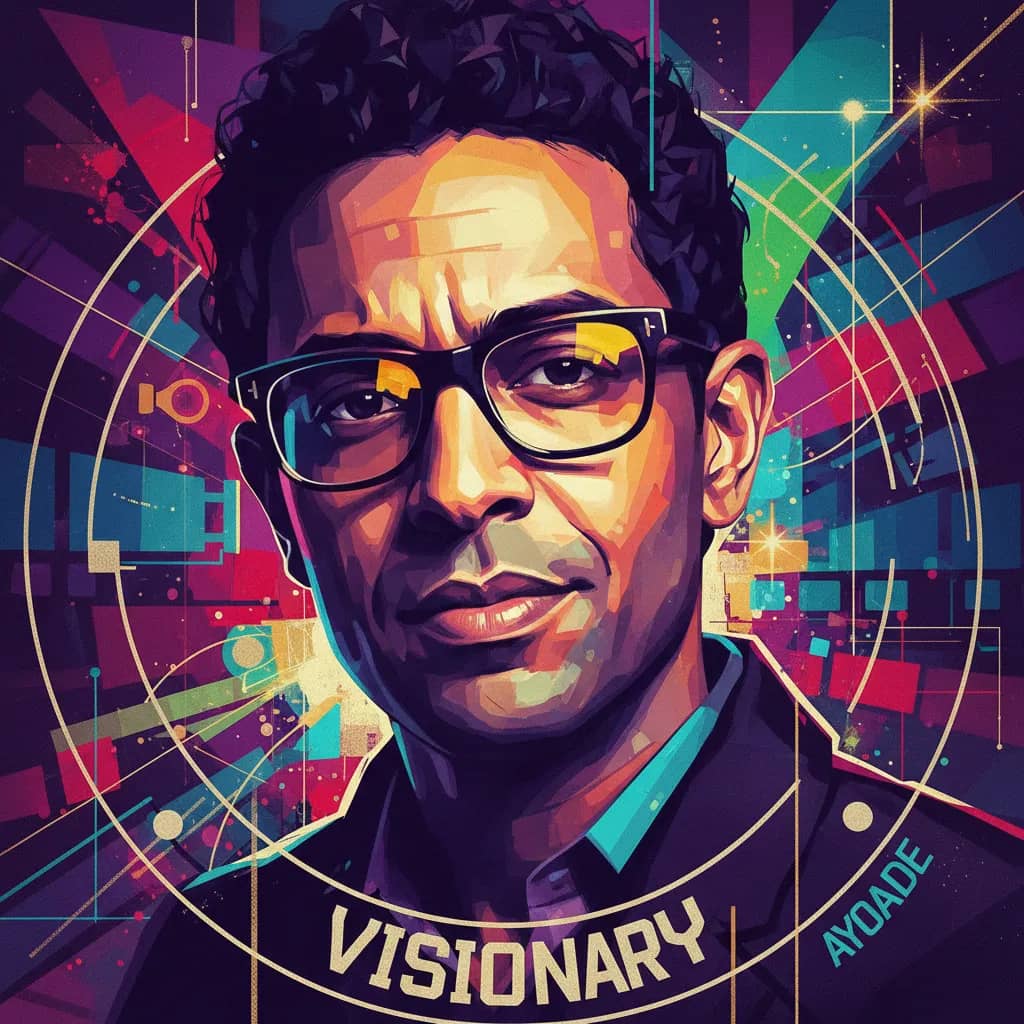
Richard Ayoade is a British director, known for his distinctive directorial style and offbeat storytelling. Ayoade first gained recognition with his directorial debut, "Submarine" (2010), a coming-of-age comedy-drama that showcased his ability to infuse poignant moments with quirky humor. The film received critical acclaim and established Ayoade as a director to watch. In 2013, Ayoade followed up with "The Double," a dark comedy-drama that further highlighted his unique directorial vision. The film, based on Fyodor Dostoevsky's novella, showcased Ayoade's penchant for blending existential themes with surreal and absurdist elements. Ayoade's directorial style often features striking visuals, meticulous attention to detail, and a distinct blend of dark humor and introspection. Ayoade's films often explore themes of alienation, identity, and the complexities of human relationships. His characters are typically introspective and flawed, navigating the absurdities of everyday life in a world that often feels disconnected and surreal. Ayoade's storytelling is marked by its idiosyncratic charm, with a focus on character-driven narratives and wry observations on the human condition. Ayoade's impact on cinema lies in his ability to carve out a niche for himself as a director with a singular voice. His films evoke a sense of nostalgia while offering a fresh take on familiar themes, resonating with audiences who appreciate his unconventional storytelling. As a director, Ayoade continues to push boundaries and defy genre conventions, cementing his status as a filmmaker unafraid to explore the complexities of the human experience through a lens that is uniquely his own.

Richard Bates Jr.
Richard Bates Jr. is a visionary director known for his distinct blend of comedy, drama, and horror in his films. His breakthrough came with his feature debut, "Excision" (2012), which immediately established him as a filmmaker with a penchant for pushing boundaries and challenging audience expectations. Bates' directorial style is characterized by his fearless exploration of the human psyche, often delving into the darkest, most taboo aspects of human nature with a darkly comedic and unapologetic approach. "Excision" garnered widespread critical acclaim for Bates' bold storytelling and unflinching portrayal of a troubled teenage girl's descent into madness. The film's unique fusion of genres, coupled with Bates' keen eye for striking visuals and emotionally charged narratives, solidified his reputation as a director unafraid to confront uncomfortable truths. Bates' ability to seamlessly blend horror, humor, and poignant drama sets him apart as a filmmaker with a distinct and uncompromising vision. Bates' films often explore themes of alienation, mental illness, and the complexities of human relationships, offering audiences a thought-provoking and visceral cinematic experience. His work has resonated with viewers and critics alike, earning him a dedicated following and cementing his status as a director who fearlessly challenges cinematic conventions. Bates' impact on cinema is undeniable, as he continues to push the boundaries of genre filmmaking and redefine the possibilities of storytelling on screen. In a cinematic landscape often saturated with formulaic storytelling, Richard Bates Jr. stands out as a director who fearlessly embraces the unconventional, infusing his films with a raw, unapologetic energy that captivates and unsettles audiences in equal measure. With his distinctive voice and uncompromising approach to storytelling, Bates has carved a unique space for himself in the world of cinema, and his future projects are eagerly anticipated by fans and industry insiders alike.