Director Names Starting with R
Showing 49-60 out of 290

Ranjit Tewari
Ranjit Tewari is a promising Indian film director known for his unique storytelling and directorial prowess. Tewari's directorial career took off with his intriguing mystery-drama film "Cuttputli," which showcased his ability to craft compelling narratives and depict raw human emotions. This debut film laid the foundation for Tewari's signature style characterized by a seamless blend of crime, drama, and mystery elements, captivating audiences with its gripping storytelling and intense character portrayals. In 2021, Tewari made a significant impact on the Indian film industry with his action-packed thriller "Bellbottom." The film marked a milestone in Tewari's career, earning critical acclaim and garnering widespread recognition for its gripping storyline and high-octane action sequences. "Bellbottom" showcased Tewari's versatility as a director, as he adeptly navigated the complexities of the thriller genre, delivering a visually stunning and emotionally resonant cinematic experience. The film's success solidified Tewari's position as a visionary director capable of creating compelling narratives across diverse genres. Tewari's directorial style is characterized by his keen attention to detail, nuanced character development, and a knack for building suspense and tension. His films often delve into the intricacies of human psychology, exploring the darker aspects of human nature while maintaining a sense of empathy and understanding for the characters. Tewari's directorial vision and storytelling prowess have set him apart as a director with a unique ability to captivate audiences and leave a lasting impression with his thought-provoking narratives. Throughout his career, Tewari has demonstrated a penchant for crafting films that resonate with audiences on a profound level, often exploring themes of resilience, redemption, and the human spirit. His directorial contributions have left an indelible mark on Indian cinema, inspiring a new wave of storytelling that pushes boundaries and challenges conventional norms. With a promising career trajectory and a growing body of work, Ranjit Tewari continues to be a trailblazing force in the world of filmmaking, leaving an indelible imprint on the cinematic landscape with his visionary storytelling and directorial finesse.

Raoul Walsh
Raoul Walsh was a prolific and influential film director whose career spanned over five decades, leaving an indelible mark on the world of cinema. Known for his versatile directorial style, Walsh made significant contributions to various genres, including crime, drama, film-noir, action, and adventure. His films are characterized by their dynamic storytelling, strong character development, and visually stunning cinematography, establishing him as a trailblazer in the Golden Age of Hollywood. One of Walsh's most acclaimed works is "The Roaring Twenties" (1939), a gripping crime drama that delves into the underbelly of prohibition-era America. This film exemplifies Walsh's adeptness at capturing the tension and moral ambiguity prevalent in his narratives. Additionally, "High Sierra" (1941) stands as a testament to his proficiency in the action-adventure genre, featuring compelling performances and a taut, suspenseful plot that solidified Walsh's reputation as a master storyteller. A standout achievement in Walsh's filmography is "White Heat" (1949), a seminal crime drama that showcases his knack for depicting complex characters and exploring the psychological depths of human behavior. This film, in particular, exemplifies his recurring themes of power, morality, and the intricacies of the criminal psyche. Walsh's directorial prowess is evident in his ability to craft multi-layered narratives that resonate with audiences and continue to influence filmmakers to this day. Walsh's impact on cinema extends beyond his directorial skills, as he played a pivotal role in shaping the visual language of filmmaking. His innovative use of camera angles and kinetic editing techniques set new standards for action sequences and dramatic storytelling, leaving an enduring legacy in the art of cinematic storytelling. Raoul Walsh's unique vision and unparalleled contributions to film have solidified his status as a visionary director whose work continues to inspire and captivate audiences worldwide. In conclusion, Raoul Walsh's illustrious career is defined by a diverse body of work that reflects his unparalleled talent and artistic innovation. His directorial style, marked by compelling narratives, memorable characters, and groundbreaking visual techniques, has left an indelible impact on the history of cinema. With a filmography that spans multiple genres and a legacy that continues to resonate with audiences, Walsh remains a revered figure in the pantheon of great directors, and his influence on the art of filmmaking endures as a testament to his enduring legacy.
Ratnaa Sinha
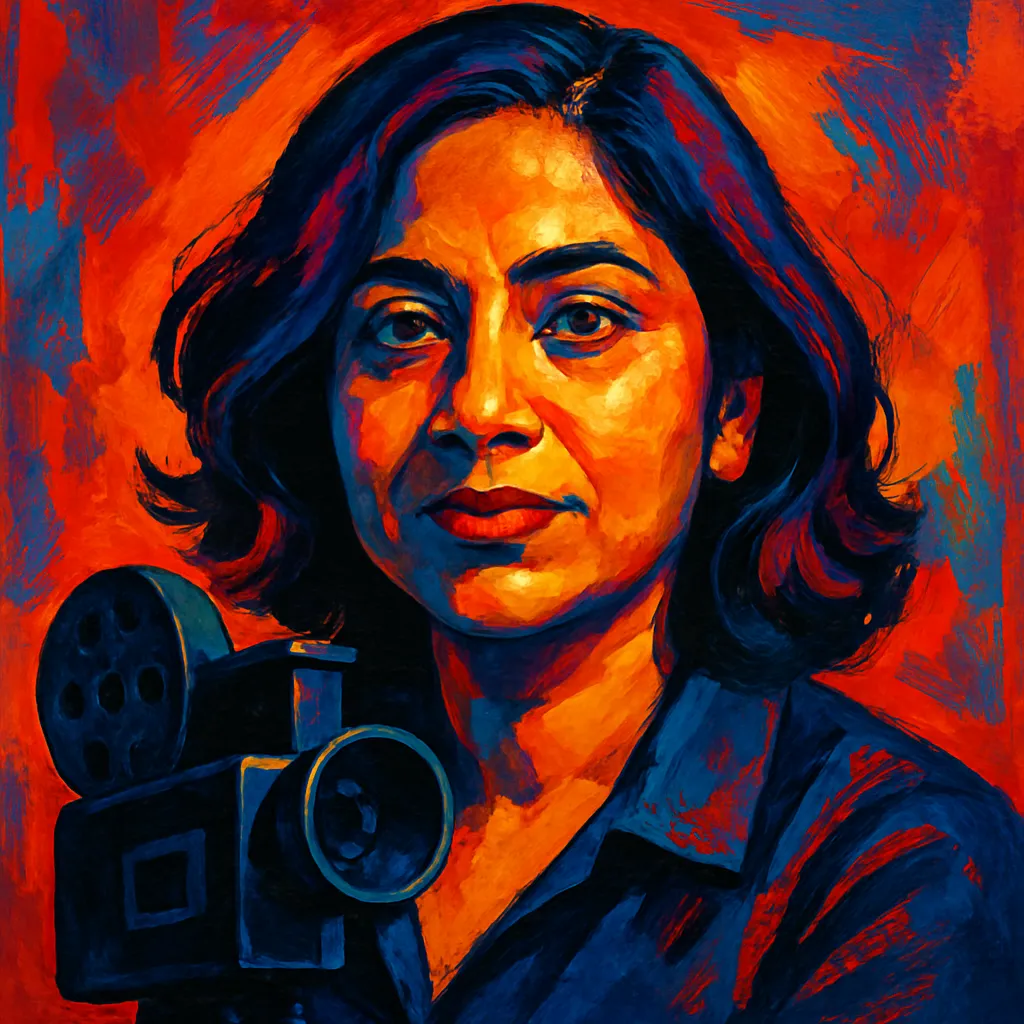
Ratnaa Sinha is a talented Indian film director known for her unique storytelling and captivating directorial style. Her notable filmography includes the critically acclaimed "Shaadi Mein Zaroor Aana" (2017), a compelling drama and romance that garnered widespread acclaim for its poignant narrative and strong performances. Sinha's directorial style is characterized by her ability to seamlessly blend heartfelt storytelling with visually striking cinematography. She has a keen eye for capturing the intricacies of human emotions, and her films often explore themes of love, relationships, and societal norms. In "Shaadi Mein Zaroor Aana," Sinha masterfully weaves a tale of love, betrayal, and redemption, leaving a lasting impact on audiences and critics alike. With "Shaadi Mein Zaroor Aana," Ratnaa Sinha has made a significant contribution to Indian cinema, showcasing her prowess as a director with a distinct vision. Her ability to bring to life complex characters and thought-provoking narratives has solidified her position as a director to watch in the industry. Sinha's work continues to resonate with audiences, as her films delve into universal themes that transcend cultural boundaries. Her dedication to storytelling and her ability to create immersive cinematic experiences have positioned her as a director with a promising future in the industry. As she continues to hone her craft, audiences eagerly anticipate her future projects, eager to be captivated by her unique directorial perspective. In conclusion, Ratnaa Sinha's directorial career is marked by her ability to craft compelling narratives and her distinctive visual storytelling. With "Shaadi Mein Zaroor Aana," she has left an indelible mark on Indian cinema, and her future projects are highly anticipated by both audiences and critics alike. Her unique vision and contributions to the film industry make her a director to watch in the years to come.

Raúl Arévalo
Raúl Arévalo is a highly acclaimed Spanish actor and director, known for his distinct directorial style and compelling storytelling. Born in 1979 in Madrid, Spain, Arévalo made his directorial debut with the gripping crime drama "The Fury of a Patient Man" in 2016. This film garnered widespread praise and firmly established Arévalo as a promising director to watch in the international film scene. Arévalo's directorial style is characterized by its raw intensity, meticulous attention to detail, and an unflinching portrayal of human emotions. His films often delve into the complexities of human nature, exploring the darker facets of society while maintaining a sense of empathy and understanding for his characters. "The Fury of a Patient Man" exemplifies Arévalo's penchant for crafting tense and gripping narratives, as well as his ability to elicit powerful performances from his cast. "The Fury of a Patient Man" stands as a testament to Arévalo's directorial prowess, as he skillfully navigates the intricacies of the crime thriller genre, delivering a film that is both emotionally resonant and viscerally thrilling. The film's success solidified Arévalo's position as a director capable of creating compelling and thought-provoking cinema. In his relatively short directorial career, Arévalo has already made a significant impact on the cinematic landscape, earning accolades and recognition for his directorial debut. His ability to infuse his films with depth, nuance, and a palpable sense of realism has garnered him a dedicated following and positioned him as a director with a unique and compelling vision. As Arévalo continues to expand his directorial repertoire, audiences and critics alike eagerly anticipate his future projects, eager to experience more of his distinctive storytelling and directorial craftsmanship on the big screen. With his remarkable talent and unwavering dedication to his craft, Raúl Arévalo is undoubtedly a director poised to leave an enduring mark on the world of cinema.

Ravi Chopra
Ravi Chopra, the renowned Indian film director, is best known for his exceptional contribution to Indian cinema through his distinctive directorial style and impactful storytelling. Chopra's filmography includes the iconic family drama and romance film "Baghban" (2003), which garnered widespread acclaim and left an indelible mark on the hearts of audiences worldwide. Chopra's directorial style is characterized by his ability to intricately weave together compelling narratives that resonate with universal themes and emotions. His films often explore the complexities of familial relationships, the enduring power of love, and the resilience of the human spirit, captivating audiences with their heartfelt storytelling and poignant character development. "Baghban" stands as a testament to Chopra's directorial prowess, as he masterfully portrays the challenges and triumphs of an aging couple navigating the dynamics of their relationships with their children. The film's evocative portrayal of love, sacrifice, and intergenerational bonds struck a chord with audiences, cementing Chopra's reputation as a visionary director with a keen understanding of human emotions and experiences. Throughout his career, Chopra's films have consistently showcased his commitment to crafting narratives that resonate on a profound level, earning him a revered status in the realm of Indian cinema. His ability to infuse his work with poignant sincerity and emotional depth has solidified his legacy as a director whose films continue to leave an enduring impact on cinema and the hearts of viewers. Ravi Chopra's enduring legacy as a director lies in his ability to create timeless cinematic experiences that transcend cultural boundaries and resonate with audiences across generations. His unparalleled knack for capturing the essence of human relationships and emotions has established him as a luminary in Indian cinema, leaving an indelible imprint on the landscape of filmmaking. Chopra's directorial contributions have not only enriched the cinematic landscape but also enriched the lives of countless viewers through his poignant and evocative storytelling.

Rawson Marshall Thurber
Rawson Marshall Thurber is a highly versatile and accomplished film director known for his ability to seamlessly blend comedy, action, and crime genres to create captivating and entertaining cinematic experiences. With a keen eye for humor and a flair for dynamic storytelling, Thurber has made a significant impact on the film industry through his distinct directorial style and memorable contributions to cinema. Thurber's directorial debut came with the uproarious sports comedy "Dodgeball: A True Underdog Story" (2004), which showcased his knack for crafting witty and irreverent humor alongside high-energy sports action. The film's commercial success and enduring popularity solidified Thurber's reputation as a director with a unique ability to infuse lighthearted comedy with exciting and engaging narratives. In 2013, Thurber further showcased his directorial prowess with "We're the Millers," a comedy crime film that highlighted his adeptness at blending humor and criminal capers with a touch of heart. The film's box office success and critical acclaim solidified Thurber's status as a director capable of delivering crowd-pleasing entertainment with a distinct comedic edge. Thurber continued to demonstrate his versatility as a director with "Central Intelligence" (2016), a comedic action-crime film that further solidified his status as a director capable of seamlessly blending different genres to create compelling and entertaining narratives. The film's success reinforced Thurber's position as a director who could expertly navigate the complexities of action and comedy with a deft touch. In 2018, Thurber ventured into the realm of high-stakes action with "Skyscraper," a thrilling adventure that showcased his ability to craft intense and visually stunning spectacles while maintaining a strong focus on character-driven storytelling. The film's blend of heart-pounding action and compelling drama further cemented Thurber's reputation as a director capable of delivering adrenaline-pumping cinematic experiences. Thurber's most recent directorial venture, "Red Notice" (2021), reaffirms his position as a director with a penchant for crafting exhilarating and entertaining films that transcend traditional genre boundaries. With a keen eye for dynamic storytelling and an innate ability to infuse his films with humor, action, and thrills, Rawson Marshall Thurber continues to leave an indelible mark on cinema, captivating audiences with his unique vision and innovative approach to filmmaking.
Ray Kellogg
Ray Kellogg was an influential film director who made a significant impact on cinema with his unique directorial style and vision. His most notable film, "The Green Berets" (1968), is a powerful drama that depicts the harsh realities of war and the bravery of the soldiers. Kellogg's directorial style is characterized by his ability to capture the emotional depth of his characters and the intense action sequences that immerse audiences in the story. Kellogg's career as a director was marked by his commitment to showcasing the human experience within the context of war. His films often delved into the psychological and emotional toll of combat, offering a raw and unflinching portrayal of the sacrifices made by soldiers. "The Green Berets" is a prime example of Kellogg's recurring themes, as it masterfully weaves together the personal stories of soldiers with the larger narrative of war, creating a deeply affecting and thought-provoking cinematic experience. Kellogg's impact on cinema extends beyond his individual films, as he contributed to the evolution of war films as a genre. His ability to balance the action-packed sequences with compelling character development set a new standard for war dramas, inspiring future generations of filmmakers to explore the complexities of war with nuance and authenticity. Kellogg's directorial legacy continues to resonate in the film industry, as his work remains a benchmark for those seeking to create impactful and emotionally resonant war films. In conclusion, Ray Kellogg's directorial career was defined by his ability to craft compelling narratives that explored the human experience within the context of war. His influential film "The Green Berets" stands as a testament to his unique vision and directorial prowess, leaving an indelible mark on the war film genre. Kellogg's impact on cinema has shaped the way war stories are told on screen, solidifying his status as a visionary director whose work continues to inspire and captivate audiences to this day.
Ray Lawrence
Ray Lawrence is an Australian film director celebrated for his distinctive storytelling and powerful visual style. His most notable work, "Lantana" (2001), is a gripping drama that seamlessly weaves together mystery and romance, showcasing Lawrence's ability to delve into complex human emotions and relationships. With a career spanning over several decades, Lawrence has made a significant impact on Australian cinema and has earned a reputation as a master of character-driven narratives and atmospheric filmmaking. In "Lantana," Lawrence skillfully captures the complexities of human connections and the underlying tensions that simmer beneath the surface of seemingly ordinary lives. His directorial style is marked by a keen attention to detail, nuanced performances from his actors, and a talent for creating an immersive atmosphere that draws audiences into the emotional landscapes of his characters. The film's success solidified Lawrence's status as a director capable of delivering deeply affecting stories with a profound sense of authenticity. Throughout his career, Lawrence has demonstrated a consistent exploration of themes such as love, loss, and the intricacies of human behavior. His films often delve into the depths of interpersonal relationships, offering a window into the inner lives of his characters and the complexities of their experiences. Lawrence's ability to portray the human condition with empathy and insight has resonated with audiences and critics alike, establishing him as a director with a unique and compelling perspective. In addition to "Lantana," Ray Lawrence's filmography includes several other acclaimed works that further showcase his directorial prowess. His contributions to Australian cinema have left an indelible mark, and his films continue to be celebrated for their emotional depth and artistry. As a visionary director, Lawrence has left an enduring legacy, inspiring and influencing a new generation of filmmakers with his evocative storytelling and distinctive cinematic voice. Ray Lawrence's impact on cinema extends beyond his individual films, as he has contributed to the rich tapestry of Australian storytelling and has left an indelible mark on the global film landscape. His ability to capture the complexities of the human experience and translate them into profoundly moving narratives has firmly established him as a director of unparalleled vision and artistry. As audiences continue to be captivated by the emotional depth and authenticity of his work, Ray Lawrence's legacy as a master storyteller and visionary director remains firmly entrenched in the annals of cinematic history.
Raymond Burlet
Raymond Burlet is a French director known for his exceptional work in the animation genre. His most notable film, "Kirikou and the Sorceress" (1998), is a timeless animated classic that has captivated audiences worldwide. Burlet's directorial style is characterized by his ability to seamlessly blend traditional animation techniques with compelling storytelling, creating visually stunning and emotionally resonant cinematic experiences. His keen attention to detail and commitment to authenticity have solidified his reputation as a visionary director in the animation industry. "Kirikou and the Sorceress" stands as a testament to Burlet's unparalleled storytelling prowess and his distinctive approach to animation. The film's rich narrative, vibrant visuals, and poignant themes have left an indelible mark on the world of animated cinema. Burlet's directorial vision transcends the boundaries of traditional animation, elevating the medium to new heights and inspiring future generations of filmmakers. Throughout his career, Burlet has demonstrated a penchant for exploring universal themes such as courage, resilience, and the triumph of the human spirit. His films often celebrate the beauty of diversity and the power of empathy, resonating with audiences of all ages. Burlet's unique ability to infuse his work with profound emotional depth while maintaining a sense of childlike wonder sets him apart as a visionary director with a distinct artistic voice. Raymond Burlet's impact on cinema is undeniable, as his contributions to the animation genre have garnered critical acclaim and captured the hearts of audiences worldwide. His commitment to pushing the boundaries of traditional animation and his dedication to crafting timeless stories have cemented his legacy as a pioneering director in the world of animated filmmaking. As the animation industry continues to evolve, Burlet's influence remains palpable, inspiring a new generation of filmmakers to embrace innovation and storytelling excellence.

Raymond De Felitta
Raymond De Felitta is a distinguished American film director known for his unique storytelling and keen insight into the human experience. With a career spanning over two decades, De Felitta has carved a niche for himself in the industry with his distinct directorial style and compelling narratives. His notable films include "City Island" (2009), a captivating comedy-drama, and "Rob the Mob" (2014), a gripping biography crime drama. De Felitta's directorial style is characterized by his ability to blend humor and drama seamlessly, creating a rich tapestry of emotions that resonate with audiences. His films often delve into the complexities of family dynamics, human relationships, and the pursuit of identity, showcasing his astute understanding of the human condition. This unique approach has earned him a dedicated following and critical acclaim in the film industry. "City Island" stands as a testament to De Felitta's directorial prowess, garnering widespread praise for its authentic portrayal of a dysfunctional yet endearing family. The film's success solidified De Felitta's reputation as a master storyteller with a keen eye for human quirks and idiosyncrasies. "Rob the Mob" further showcased his versatility, delving into the real-life crime story with a deft touch, and cementing his status as a director with a penchant for compelling narratives. Throughout his career, De Felitta has consistently explored themes of redemption, self-discovery, and the pursuit of one's dreams, infusing his films with a sense of authenticity and emotional depth. His ability to capture the intricacies of human emotion and the complexities of interpersonal relationships has left an indelible mark on cinema, inspiring audiences and aspiring filmmakers alike. Raymond De Felitta's contributions to the film industry have been significant, with his unique vision and storytelling prowess earning him a well-deserved place among the most esteemed directors of his generation. His ability to craft engaging narratives that resonate with audiences, coupled with his insightful exploration of the human experience, cements his legacy as a director with a profound impact on contemporary cinema.

R Balki
R Balki is an acclaimed Indian film director known for his unique storytelling and thought-provoking narratives. With a career spanning over a decade, Balki has made a significant impact on Indian cinema, showcasing a distinctive directorial style that blends social issues with humor and emotional depth. His filmography includes notable works such as "Pad Man" (2018), "Chup" (2022), and "Paa" (2009), each of which highlights his ability to tackle diverse genres and subjects with finesse. Balki's directorial style is characterized by a blend of comedy, drama, and social commentary, often delving into taboo topics and societal stigmas. "Pad Man" stands as a testament to his ability to address sensitive issues with humor and empathy, as it revolves around the taboo subject of menstrual hygiene in India. In "Paa," Balki explores the complex relationship between a father and his son, portraying it with heartwarming sincerity and emotional depth. His latest film, "Chup," promises to continue this trend, with a focus on crime, drama, and mystery, further showcasing Balki's versatility as a filmmaker. Notably, Balki's recurring themes often revolve around breaking societal norms, challenging stereotypes, and advocating for social change. His films are known for addressing pertinent social issues while maintaining a lighthearted and engaging narrative, making them both entertaining and thought-provoking for audiences. Balki's impact on Indian cinema is evident through his ability to create compelling stories that resonate with viewers, offering a fresh perspective on societal challenges and human relationships. R Balki's contributions to film have not only garnered critical acclaim but have also sparked meaningful conversations and cultural shifts. His ability to infuse entertainment with social relevance has positioned him as a trailblazer in Indian cinema, inspiring a new wave of thought-provoking storytelling. As Balki continues to push boundaries and challenge conventions, his directorial vision remains a driving force in shaping the landscape of contemporary Indian cinema, making him a director to watch for those seeking impactful, socially conscious storytelling.
R. Chandru
R. Chandru is a versatile and accomplished Indian film director known for his compelling storytelling and visually stunning cinematography. With a keen eye for detail and a flair for creating gripping narratives, Chandru has left an indelible mark on the Indian film industry. His notable film, "Kabzaa" (2023), exemplifies his directorial prowess in the action, crime, and thriller genres. Chandru's directorial style is characterized by a seamless blend of intense action sequences, intricate plotlines, and captivating character development, captivating audiences and critics alike. "Kabzaa" stands as a testament to Chandru's ability to craft high-octane thrillers that resonate with viewers on a visceral level. The film's success underscores Chandru's proficiency in creating a cinematic experience that transcends traditional genre boundaries. His ability to infuse depth into action-packed narratives has set him apart as a visionary director with a distinct storytelling approach. Chandru's recurring themes often revolve around complex characters grappling with moral dilemmas, societal injustices, and the human condition. His films delve into the depths of human emotions, offering audiences thought-provoking insights into the complexities of life. This thematic richness, coupled with his dynamic visual language, has cemented Chandru's reputation as a director with a penchant for pushing the boundaries of conventional storytelling. Chandru's impact on Indian cinema extends beyond his individual films, as he continues to inspire aspiring filmmakers and contribute to the evolution of the industry. His dedication to crafting compelling narratives and his commitment to cinematic excellence have solidified his status as a trailblazing director. As he continues to captivate audiences with his distinct directorial style, R. Chandru remains a formidable force in the realm of Indian cinema, leaving an indelible legacy that will continue to shape the future of filmmaking.