Director Names Starting with R
Showing 25-36 out of 290
Ralph Fiennes
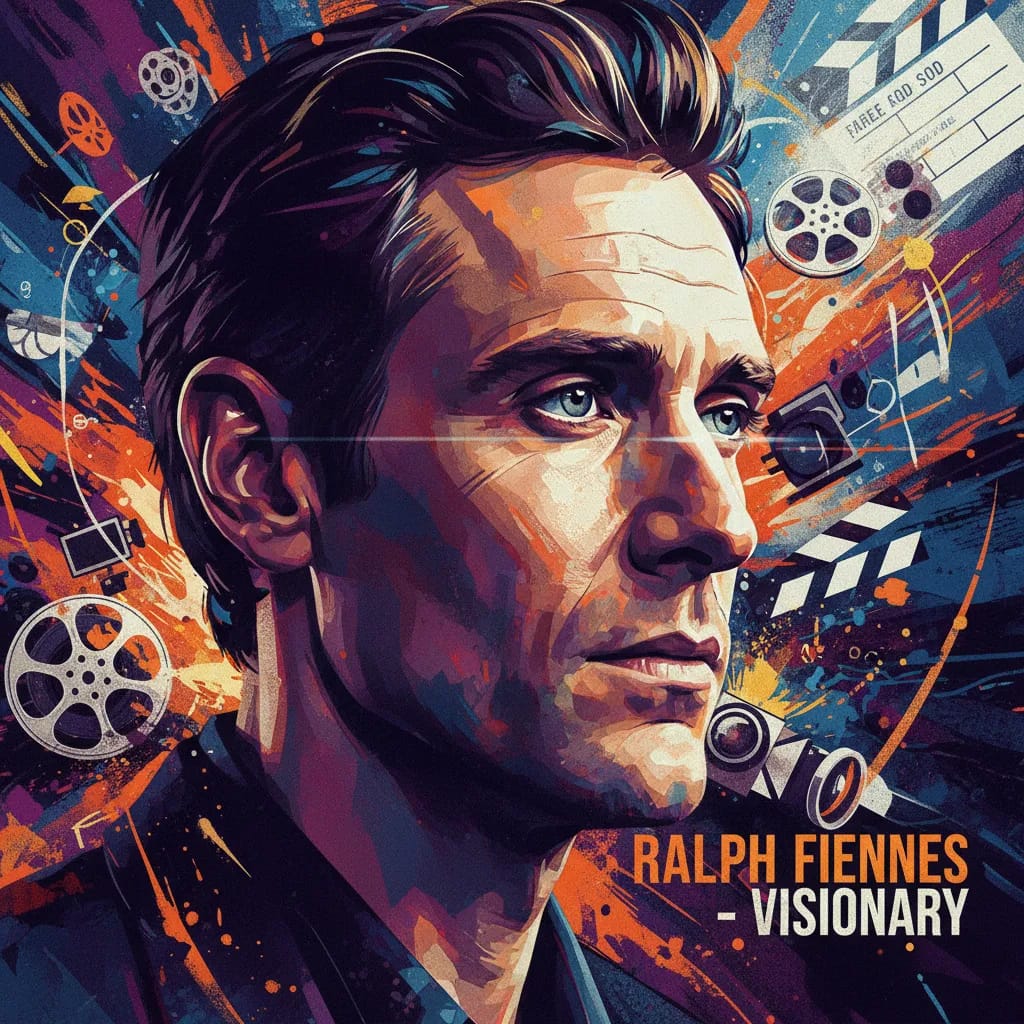
Ralph Fiennes, known for his illustrious acting career, made his directorial debut with "Coriolanus" in 2011, a powerful adaptation of Shakespeare's tragedy. His directorial style showcases a keen understanding of character-driven narratives and a penchant for exploring complex human emotions. The film received critical acclaim for its intense and gritty portrayal of political power struggles and the psychological toll of war. Fiennes' ability to bring out raw, visceral performances from his actors is a hallmark of his directorial approach. In 2013, Fiennes directed "The Invisible Woman," a biographical drama that delves into the hidden love affair between Charles Dickens and a young actress. The film beautifully captures the nuances of forbidden love and societal constraints, demonstrating Fiennes' ability to navigate intricate historical narratives with sensitivity and depth. His directorial work often gravitates towards stories rooted in history, offering audiences a window into the complexities of the human experience. Fiennes' directorial career reflects a recurring theme of exploring the human psyche amidst tumultuous circumstances, whether it be the political turmoil in "Coriolanus" or the clandestine romance in "The Invisible Woman." His films often confront the dichotomy between personal desires and societal expectations, inviting viewers to ponder the intricacies of human relationships and the impact of external forces on individual lives. As a director, Fiennes has left an indelible mark on cinema through his ability to infuse historical narratives with contemporary relevance and emotional resonance. His unique vision and unwavering commitment to storytelling have solidified his position as a director to watch. With a discerning eye for compelling narratives and a dedication to bringing out the best in his cast, Fiennes continues to captivate audiences with his directorial prowess, leaving an enduring impact on the cinematic landscape.

Ralph Nelson
Ralph Nelson was an American film and television director known for his versatile storytelling and ability to capture the human experience with depth and authenticity. Nelson's directorial style was marked by a keen attention to character development, subtle humor, and thought-provoking themes. His notable films include "Lilies of the Field" (1963) and "Father Goose" (1964), which showcase his ability to masterfully blend drama, comedy, and romance into compelling narratives. "Lilies of the Field" stands as one of Nelson's most iconic works, earning him critical acclaim and an Academy Award for Best Actor for Sidney Poitier's unforgettable performance. The film's portrayal of a traveling handyman helping a group of nuns build a chapel in the desert beautifully captures themes of faith, resilience, and the power of human connection. Nelson's deft direction infused the story with warmth and sincerity, making it a timeless classic that continues to resonate with audiences. In "Father Goose," Nelson demonstrated his adeptness in crafting engaging and entertaining adventures. Starring Cary Grant and Leslie Caron, the film expertly balances lighthearted humor with elements of romance and adventure. Nelson's ability to seamlessly blend genres and evoke genuine emotion from his characters showcases his directorial prowess and his commitment to delivering captivating storytelling. Throughout his career, Ralph Nelson's films often grappled with themes of human determination, unconventional relationships, and the triumph of the human spirit. His impact on cinema can be seen in his ability to create emotionally resonant stories that transcend time and continue to captivate audiences. Nelson's unique vision and his dedication to portraying the complexities of the human experience have solidified his place as a celebrated director in the history of film. Ralph Nelson's contributions to cinema have left an indelible mark, with his films serving as enduring testaments to the power of storytelling. His directorial legacy continues to inspire filmmakers and audiences alike, showcasing the enduring impact of his work on the landscape of American cinema.
Ralph S. Singleton
Ralph S. Singleton is a prominent figure in the horror film genre, best known for his directorial debut in "Graveyard Shift" (1990). Singleton's distinct directorial style often involves creating a sense of dread and unease, using atmospheric storytelling and eerie visuals to immerse audiences in his dark, nightmarish worlds. His films often delve into the depths of human fear and the unknown, making for an intense and thrilling viewing experience. "Graveyard Shift" remains Singleton's most notable work, as the film's chilling portrayal of a group of workers battling a monstrous rat in an abandoned textile mill has cemented its status as a cult classic in the horror genre. Singleton's ability to build suspense and tension through masterful pacing and visual storytelling is evident throughout the film, showcasing his knack for creating an unsettling atmosphere that lingers long after the credits roll. One of Singleton's recurring themes is the exploration of the macabre and the grotesque, as he delves into the darker aspects of human nature and the horrors that lurk in the shadows. His films often feature a strong emphasis on the setting, using derelict and foreboding locations to enhance the sense of dread and isolation experienced by his characters. Singleton's impact on cinema lies in his ability to craft visceral and haunting narratives that tap into primal fears, leaving a lasting impression on audiences. His unique vision and dedication to the horror genre have solidified his status as a director who expertly navigates the realms of terror and suspense, making him a celebrated figure in the world of horror filmmaking. In conclusion, Ralph S. Singleton's directorial career has left an indelible mark on the horror genre, with "Graveyard Shift" standing as a testament to his ability to create unnerving and unforgettable cinematic experiences. As a visionary director with a penchant for crafting atmospheric and chilling narratives, Singleton's contributions to film have earned him a well-deserved place in the pantheon of horror cinema.
Ralph Ziman
Ralph Ziman is a South African film director known for his impactful and visually stunning work in the action, crime, and drama genres. His most notable film to date is "Gangster's Paradise: Jerusalema" (2008), which garnered critical acclaim for its raw portrayal of crime and poverty in Johannesburg. Ziman's directorial style is marked by his ability to capture the gritty reality of urban life while infusing his work with a profound sense of social commentary and human emotion. "Gangster's Paradise: Jerusalema" stands as a testament to Ziman's keen eye for storytelling and his deft handling of complex, morally ambiguous characters. The film delves into the harsh realities of South Africa's underworld, seamlessly blending action with a deep exploration of the human condition. Ziman's directorial approach in this film showcases his knack for creating immersive, intense narratives that resonate with audiences on a visceral level. Ziman's work often centers around themes of societal injustice, the human struggle for survival, and the impact of poverty and crime on individuals and communities. His films offer a stark and unflinching look at the harsh realities faced by those living on the fringes of society, shedding light on issues that are often overlooked in mainstream cinema. Ralph Ziman's impact on cinema lies in his ability to bring compelling and thought-provoking stories to the screen, shedding light on underrepresented narratives and challenging viewers to confront uncomfortable truths. His unique vision and unwavering commitment to capturing the complexities of the human experience have solidified his status as a director to watch in the world of international cinema. With an impressive body of work already under his belt, Ziman continues to push boundaries and make a lasting impression on the film industry with his unapologetically raw and socially conscious storytelling.

Ralph Zondag
Ralph Zondag is a renowned film director and animator known for his exceptional work in the animation genre. His most notable directorial contribution is the groundbreaking film "Dinosaur," released in 2000. This animated adventure-drama not only showcased Zondag's directorial prowess but also marked a significant milestone in the realm of computer-animated feature films. Zondag's directorial style is characterized by his ability to infuse emotion and depth into animated storytelling, creating a captivating visual experience that resonates with audiences of all ages. "Dinosaur" stands as a testament to Zondag's commitment to pushing the boundaries of animation and storytelling. The film seamlessly blends breathtaking visuals with a captivating narrative, showcasing the director's keen attention to detail and his dedication to creating a truly immersive cinematic experience. Zondag's directorial vision is evident in the film's ability to evoke a wide range of emotions, from awe-inspiring wonder to heartfelt empathy, making "Dinosaur" a timeless classic in the animation genre. Throughout his career, Zondag has demonstrated a penchant for exploring themes of adventure, camaraderie, and the resilience of the human (or in this case, dinosaur) spirit. His directorial work often delves into the complexities of the natural world, offering a unique perspective on the wonders of the animal kingdom. Zondag's films are known for their ability to transport audiences to mesmerizing and untamed landscapes, showcasing the beauty and majesty of the natural world through the lens of animation. Ralph Zondag's impact on cinema extends beyond his directorial achievements, as his innovative approach to storytelling and animation has paved the way for future generations of filmmakers and animators. His dedication to pushing the boundaries of animation and his ability to infuse depth and emotion into his work have left an indelible mark on the film industry. Zondag's legacy as a visionary director continues to inspire and influence the evolution of animated storytelling, solidifying his status as a trailblazer in the world of animation.
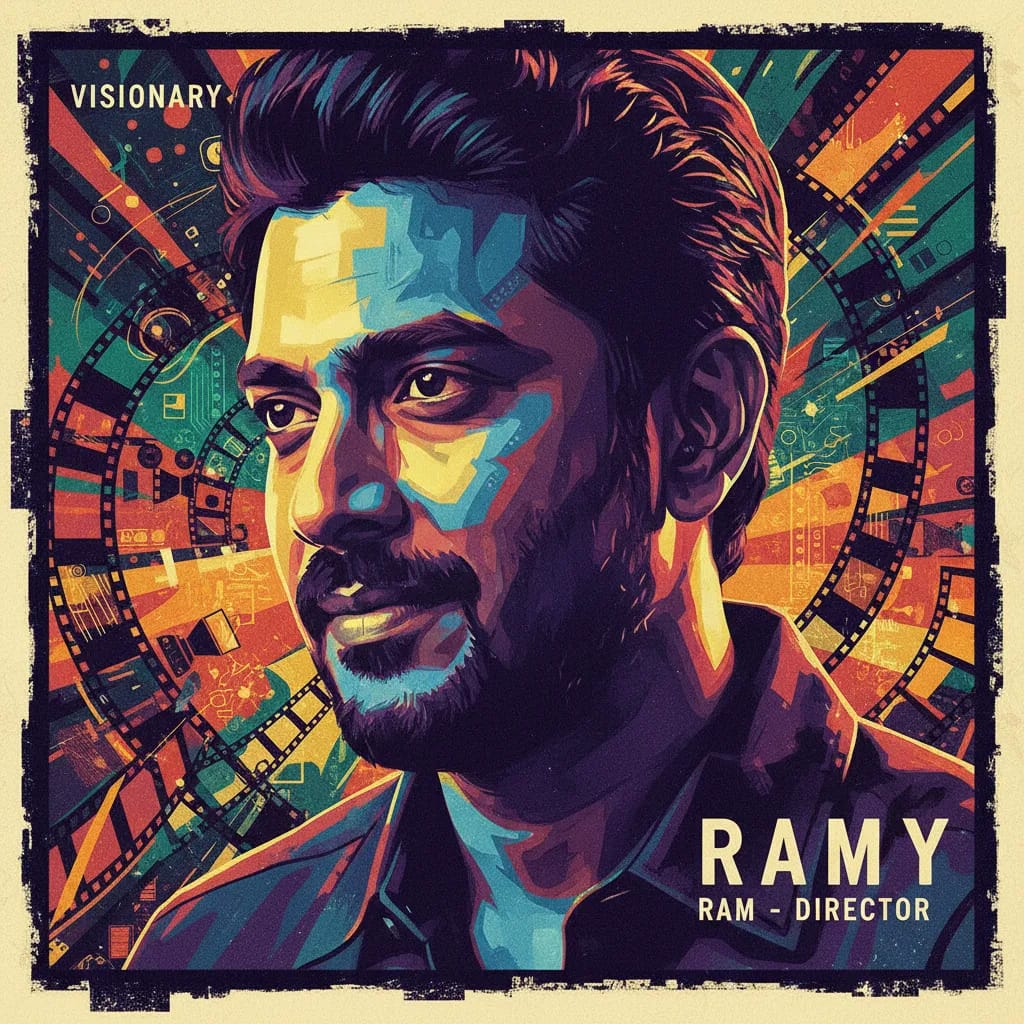
Ram
Ram is a highly acclaimed Indian film director known for his thought-provoking and emotionally stirring storytelling. His 2018 film "Peranbu" stands as a testament to his directorial prowess, earning widespread critical acclaim and accolades for its poignant portrayal of a father-daughter relationship. Ram's directorial style is marked by its raw, unflinching portrayal of human emotions and societal issues, often delving into the complexities of human relationships and the human condition. "Peranbu" serves as a prime example of Ram's ability to craft deeply moving narratives that resonate with audiences on a profound level. The film's exploration of love, acceptance, and the challenges of raising a child with special needs showcases Ram's insightful approach to storytelling. His directorial finesse is evident in his adeptness at capturing the raw essence of human experiences, infusing his films with a sense of authenticity that leaves a lasting impact. Throughout his career, Ram has consistently tackled themes of societal marginalization, familial dynamics, and the resilience of the human spirit. His films often serve as a mirror to the complexities of human existence, shedding light on the intricacies of human emotions and the societal forces that shape our lives. Ram's directorial contributions have significantly enriched Indian cinema, elevating the medium with his unique vision and narrative sensibilities. In the realm of Indian cinema, Ram has emerged as a trailblazing director, pushing the boundaries of storytelling and challenging conventional norms. His directorial endeavors have left an indelible mark on the industry, inspiring a new generation of filmmakers to explore the depths of human experiences through the medium of film. With his masterful storytelling and profound insights, Ram continues to be a revered figure in the world of cinema, leaving an enduring legacy through his impactful directorial oeuvre.

Ramaa Mosley
Ramaa Mosley is an accomplished film director known for her singular vision and ability to seamlessly blend genres to create compelling and thought-provoking cinema. Her most notable work, "The Brass Teapot" (2012), exemplifies her skill in combining comedy, fantasy, and thriller elements to deliver a truly unique and captivating viewing experience. Mosley's directorial style is characterized by a keen sense of storytelling, as well as a deft hand in exploring the human condition through imaginative and often surreal narratives. Her ability to infuse humor and tension into her films, as evidenced in "The Brass Teapot," showcases her versatility and creativity as a director. Mosley's work often delves into themes of desire, morality, and the unexpected consequences of human behavior, offering audiences an insightful and entertaining exploration of the human psyche. "The Brass Teapot" stands as a testament to Mosley's impact on cinema, as it garnered critical acclaim for its originality and engaging storytelling. The film's ability to seamlessly blend multiple genres while maintaining a cohesive and compelling narrative speaks to Mosley's distinct directorial voice and her willingness to push the boundaries of traditional storytelling. With "The Brass Teapot," Ramaa Mosley has solidified her position as a director with a unique and innovative approach to filmmaking. Her ability to craft captivating narratives that seamlessly blend genres, coupled with her exploration of timeless human themes, has cemented her status as a visionary filmmaker whose work continues to resonate with audiences and critics alike. As she continues to expand her body of work, Mosley's impact on cinema is sure to endure, leaving an indelible mark on the industry for years to come.

Raman Hui
Raman Hui is a renowned film director, recognized for his exceptional contributions to the animation industry. Hui is best known for his directorial work on the animated hit "Shrek the Third" (2007), a beloved film that delighted audiences with its unique blend of humor, adventure, and heartwarming storytelling. With a career spanning over three decades, Hui has made a significant impact on the world of animation, leaving an indelible mark with his distinctive directorial style and visionary storytelling. Throughout his career, Raman Hui has demonstrated a keen ability to infuse his films with a perfect balance of humor, emotion, and captivating visuals. His directorial style is characterized by a deep understanding of character development and a penchant for crafting immersive and visually stunning worlds. Hui's meticulous attention to detail and his ability to bring characters to life through animation have earned him widespread acclaim in the industry. "Shrek the Third" stands as a testament to Hui's directorial prowess, as the film not only achieved commercial success but also resonated with audiences of all ages. Hui's directorial vision brought a fresh perspective to the beloved "Shrek" franchise, introducing new characters and expanding the whimsical universe that fans had come to adore. His ability to seamlessly blend humor, adventure, and heartwarming moments solidified his reputation as a director capable of creating enduring cinematic experiences. Hui's notable filmography extends beyond "Shrek the Third," encompassing a range of projects that showcase his versatility and creative innovation. His contributions to the animation genre have had a lasting impact on cinema, inspiring future generations of filmmakers and captivating audiences worldwide. With his unique vision and unparalleled dedication to the craft of storytelling, Raman Hui has firmly established himself as a trailblazing director whose influence continues to shape the landscape of animated filmmaking. In conclusion, Raman Hui's directorial career is a testament to his exceptional talent and unwavering commitment to pushing the boundaries of animation. His directorial style, marked by its captivating storytelling and imaginative visuals, has left an indelible impression on the industry. Through his notable works, including "Shrek the Third," Hui has solidified his status as a visionary director whose impact on cinema resonates far and wide. As the animation landscape continues to evolve, Raman Hui's contributions stand as a testament to his enduring legacy and his invaluable role in shaping the world of animated filmmaking.
Ramesh Sippy
Ramesh Sippy is an iconic Indian film director known for his groundbreaking work in the Bollywood industry. He rose to prominence with his magnum opus "Sholay" (1975), a classic action-adventure film that redefined Indian cinema. Sippy's directorial style is characterized by his ability to seamlessly blend action, adventure, and comedy, creating timeless films that resonate with audiences across generations. "Sholay" remains Sippy's most celebrated work, known for its epic storytelling, memorable characters, and groundbreaking technical achievements. The film's impact on Indian cinema cannot be overstated, as it set new benchmarks for action and adventure films, influencing countless filmmakers and shaping the trajectory of Bollywood. Sippy's visionary direction and ability to capture the essence of Indian culture and storytelling have solidified his legacy as a pioneering director. In addition to "Sholay," Sippy has also helmed other notable films, including "Seeta Aur Geeta" (1972) and "Shaan" (1980), further showcasing his versatility and creative prowess. His films often explore themes of friendship, loyalty, and the triumph of good over evil, resonating with audiences on a deeply emotional level. Sippy's unique storytelling sensibilities and his ability to craft compelling narratives have earned him a revered status in Indian cinema. Ramesh Sippy's contributions to film extend beyond his directorial achievements, as he has played a pivotal role in shaping the landscape of Indian cinema. His ability to infuse grand spectacle with heartfelt storytelling has left an indelible mark on Bollywood, inspiring future generations of filmmakers to push creative boundaries. Sippy's influence continues to be felt in contemporary Indian cinema, as his timeless films continue to captivate audiences and serve as a testament to his enduring legacy as a visionary director.
Ram Gopal Varma
Ram Gopal Varma, often hailed as the maverick of Indian cinema, has carved a niche for himself with his distinct directorial style, unflinching narratives, and uncompromising approach to storytelling. With a career spanning over three decades, Varma has left an indelible mark on the film industry, particularly in the realm of crime dramas and gritty narratives. His filmography boasts an array of influential works, with notable films including "Satya" (1998), "Company" (2002), and "Rangeela" (1995). Varma's directorial style is characterized by its raw, unfiltered portrayal of the underbelly of society, often delving into the criminal underworld and exploring the complexities of human nature. His films are known for their intense and realistic portrayal of violence, coupled with a keen eye for capturing the urban milieu. Varma's storytelling is marked by its unconventional narrative structures and use of non-linear storytelling techniques, adding a layer of complexity to his films. "Satya," a seminal work in Varma's filmography, revolutionized the crime genre in Indian cinema, earning acclaim for its authentic portrayal of Mumbai's underworld. The film's gritty realism and compelling characters set a new benchmark for crime dramas in Bollywood. "Company," another standout in Varma's repertoire, further solidified his prowess in depicting the intricate dynamics of organized crime, garnering widespread acclaim for its gripping narrative and powerful performances. Recurring themes in Varma's films include the exploration of power dynamics, the human psyche, and the impact of societal influences on individuals. His films often serve as a mirror to the darker aspects of society, offering unflinching portrayals of human behavior and the consequences of moral ambiguity. Varma's contributions to Indian cinema extend beyond his directorial ventures, as he has also produced and written films that have pushed the boundaries of conventional storytelling. Ram Gopal Varma's impact on cinema reverberates through his daring storytelling, innovative techniques, and unapologetic approach to filmmaking. His unique vision has inspired a generation of filmmakers and left an indelible imprint on the crime genre in Indian cinema. With his fearless exploration of the human condition and the underbelly of society, Varma continues to be a trailblazer in the realm of gritty, uncompromising storytelling.

Ramin Bahrani
Ramin Bahrani is a highly acclaimed Iranian-American director known for his emotionally resonant storytelling and socially relevant themes. Throughout his career, Bahrani has established himself as a masterful storyteller with a keen eye for the human condition, and his films often delve into the struggles of marginalized individuals navigating the complexities of modern society. His directorial style is marked by a raw and unflinching portrayal of human experiences, often shedding light on the harsh realities faced by those on the fringes of society. One of Bahrani's most notable films is "The White Tiger" (2021), a gripping crime drama that delves into the complexities of class struggle and the pursuit of upward mobility in contemporary India. The film, based on the acclaimed novel by Aravind Adiga, showcases Bahrani's ability to craft compelling narratives that delve into the darker aspects of society while also exploring the aspirations and motivations of its characters. Throughout his filmography, Bahrani's work often touches on recurring themes such as economic disparity, the immigrant experience, and the pursuit of the American Dream. His films, including "Man Push Cart" (2005) and "99 Homes" (2014), offer a poignant exploration of the challenges faced by individuals striving for a better life in the face of adversity. Bahrani's impact on cinema is undeniable, as he continues to push boundaries and challenge audiences with thought-provoking narratives that resonate on a deeply human level. His unique vision and commitment to telling stories that confront societal issues have solidified his status as a director who fearlessly confronts the complexities of the human experience through the lens of marginalized communities. As a result, Bahrani's work has left an indelible mark on the film industry, inspiring a new generation of filmmakers to explore the human condition with honesty and empathy.
Ram Kumar
Ram Kumar is a visionary Indian filmmaker whose directorial style is characterized by its gripping storytelling, intense drama, and meticulous attention to detail. His notable film "Raatchasan" (2018) is a riveting action-packed thriller that captivated audiences and critics alike. The film masterfully combines elements of action, crime, and drama, showcasing Kumar's ability to craft a compelling narrative with a pulse-pounding pace. In "Raatchasan," Kumar demonstrates his prowess in building suspense and delivering spine-tingling sequences that keep viewers on the edge of their seats. His keen eye for visual storytelling and his ability to evoke raw emotions from his characters have firmly established him as a director to watch in the Indian film industry. Kumar's directorial style often delves into the darker aspects of human nature, exploring themes of crime, psychological turmoil, and the depths of human depravity. His films are known for their intense and immersive storytelling, drawing audiences into the gritty, high-stakes worlds he creates on screen. With "Raatchasan," Ram Kumar has made a significant impact on Indian cinema, garnering widespread acclaim for his directorial vision and cementing his reputation as a filmmaker with a unique and compelling storytelling voice. His contribution to the action, crime, and drama genres has not only resonated with audiences but has also influenced a new wave of filmmakers, inspiring them to push the boundaries of storytelling and visual innovation. In conclusion, Ram Kumar's directorial career is marked by his distinctive vision, his ability to craft intense and gripping narratives, and his impact on the Indian film industry. As he continues to evolve as a filmmaker, audiences eagerly anticipate his future projects, knowing that they will be treated to a cinematic experience that is both thought-provoking and exhilarating.