Director Names Starting with R
Showing 13-24 out of 290

Raja Menon
Raja Menon is an Indian film director known for his impactful storytelling and meticulous attention to detail. His directorial style is characterized by a blend of gripping narratives, intense character portrayals, and a keen focus on historical events. Menon's notable film, "Airlift" (2016), stands as a testament to his ability to bring historical events to life on the silver screen. The movie, centered around the evacuation of Indians from Kuwait during the Gulf War, received widespread acclaim for its compelling storytelling and powerful performances. In "Airlift," Menon skillfully captures the human drama and resilience in the face of adversity, showcasing his ability to infuse historical narratives with a contemporary relevance. His directorial approach delves deep into the emotional and psychological aspects of the characters, creating a poignant and immersive experience for the audience. The film's success at the box office and critical acclaim solidified Menon's reputation as a director capable of delivering thought-provoking and commercially successful cinema. Menon's recurring themes often revolve around the triumph of the human spirit in challenging circumstances and the exploration of untold historical events. His meticulous attention to historical accuracy and his ability to craft compelling narratives have left a lasting impact on Indian cinema. Through his work, Menon has contributed to the expansion of the historical drama genre in Indian filmmaking, shedding light on important events that resonate with global audiences. Raja Menon's directorial vision continues to shape the landscape of Indian cinema, inspiring aspiring filmmakers and captivating audiences with his evocative storytelling. His ability to merge historical events with contemporary relevance and his dedication to presenting captivating narratives have established him as a director with a unique and influential voice in the film industry. As he continues to make his mark on the cinematic world, audiences eagerly anticipate the next captivating story that Raja Menon will bring to the big screen.

Rajat Kapoor
Rajat Kapoor is a highly acclaimed Indian film director known for his unique storytelling and directorial style. With a career spanning over two decades, Kapoor has made a significant impact on Indian cinema with his thought-provoking narratives and compelling characters. His directorial debut, "Raghu Romeo" (2003), garnered widespread acclaim and established him as a prominent filmmaker in the industry. However, it was his 2013 film "Ankhon Dekhi" that truly solidified his reputation as a visionary director. "Ankhon Dekhi" is a captivating blend of comedy and drama that delves into the complexities of human relationships and the pursuit of truth. The film follows the story of a middle-aged man who decides to believe only what he sees with his own eyes, leading to a series of transformative experiences. Kapoor's directorial style in "Ankhon Dekhi" is characterized by its nuanced approach to storytelling, profound character development, and a deep exploration of existential themes. The film received widespread critical acclaim and was celebrated for its refreshing take on the human experience. Kapoor's directorial style is distinguished by his ability to infuse depth and emotion into his narratives, creating a profound impact on the audience. His films often explore existential dilemmas, human emotions, and the complexities of interpersonal relationships. Kapoor's unique vision and storytelling prowess have earned him a dedicated fan base and critical acclaim, positioning him as a leading figure in contemporary Indian cinema. Throughout his career, Rajat Kapoor has consistently delivered thought-provoking films that challenge conventions and push the boundaries of storytelling. His contributions to cinema have not only earned him accolades and awards but have also inspired a new generation of filmmakers to explore unconventional narratives and themes. With an impressive body of work and a distinctive directorial style, Kapoor continues to be a trailblazer in the world of Indian cinema, leaving an indelible mark on the industry.

Rajesh A Krishnan
Rajesh A Krishnan is a dynamic and versatile director known for his fresh take on comedy and crime genres in Indian cinema. With a career that spans over a decade, Krishnan has made a significant impact with his distinct directorial style and storytelling prowess. His notable film "Lootcase" (2020) exemplifies his ability to seamlessly blend humor and crime elements, creating an engaging and entertaining cinematic experience. Krishnan's directorial style is characterized by his keen eye for detail and his knack for infusing humor into compelling narratives. His films often feature a blend of wit, satire, and clever storytelling, captivating audiences with their unique charm. "Lootcase" stands as a testament to Krishnan's ability to bring out the comedic essence of a crime caper, showcasing his adeptness at crafting engaging narratives that resonate with viewers. Notably, Krishnan's work often explores themes of human ambition, fate, and the unexpected twists and turns of life. His storytelling often delves into the complexities of human nature while maintaining a lighthearted and humorous tone, providing audiences with a refreshing and relatable cinematic experience. Through his films, Krishnan has made a significant contribution to Indian cinema by offering a fresh perspective on comedy and crime genres, earning him a dedicated following and critical acclaim. With "Lootcase," Rajesh A Krishnan has solidified his position as a director with a unique vision and a talent for delivering entertaining and thought-provoking narratives. His ability to infuse humor with crime elements has redefined the genre, setting him apart as a director to watch in the Indian film industry. As he continues to push the boundaries of storytelling, Krishnan's impact on cinema is undeniable, leaving a lasting impression with his innovative approach to filmmaking.

Rajesh Bhatia
Rajesh Bhatia is a talented Indian film director known for his work in the comedy-drama genre, with his most notable film being "Mimi" released in 2021. Bhatia has made a mark in the industry with his unique storytelling and directorial flair, capturing the essence of human emotions with a blend of humor and depth. His directorial style is characterized by a keen eye for detail, compelling narratives, and a knack for bringing out powerful performances from his actors. In "Mimi," Bhatia showcases his ability to intertwine heartwarming storytelling with thought-provoking themes. The film revolves around the journey of a young woman who becomes a surrogate mother and the ensuing emotional rollercoaster. Bhatia's directorial finesse is evident in the way he delicately balances the comedic elements with the underlying emotional depth, creating a captivating cinematic experience. Bhatia's filmography may be relatively small, but his impact on cinema is undeniable. He has demonstrated a penchant for exploring complex human relationships, societal norms, and the intricacies of human nature, all while infusing his storytelling with humor and warmth. His films often delve into the human experience, portraying characters with depth and authenticity, making them relatable to audiences on a universal level. Overall, Rajesh Bhatia's directorial contributions have added a fresh perspective to Indian cinema, earning him a reputation as a director with a distinct vision and a commitment to storytelling that resonates with audiences. With "Mimi" as a standout example of his directorial prowess, Bhatia's future projects are highly anticipated, as he continues to make his mark in the industry with his unique storytelling and directorial finesse.

Raj Kumar Gupta
Raj Kumar Gupta is a prominent Indian film director known for his compelling storytelling and gripping narratives. He made his directorial debut with "Aamir" in 2008, a taut action crime thriller that garnered critical acclaim for its intense portrayal of a man trapped in a web of crime and conspiracy. This film established Gupta as a director with a keen eye for suspense and a knack for delving into the darker aspects of human nature. "Aamir" also showcased his ability to create a sense of urgency and tension that captivated audiences. In 2011, Gupta further solidified his reputation as a director to watch with "No One Killed Jessica," a biographical crime drama based on the real-life murder of Jessica Lal. The film received widespread praise for its powerful depiction of the quest for justice and the societal issues it explored. Gupta's skillful direction and ability to blend real-life events with cinematic flair earned him accolades and demonstrated his versatility as a filmmaker. Gupta's 2018 film "Raid" marked another successful venture into the crime drama genre. Based on one of the most high-profile income tax raids in India, the film showcased Gupta's signature style of crafting intense and engaging narratives. With meticulous attention to detail and a focus on moral dilemmas, "Raid" further showcased Gupta's ability to bring real-life incidents to the big screen with a compelling cinematic touch. Throughout his career, Gupta has consistently demonstrated a penchant for thought-provoking storytelling, often drawing inspiration from real events and infusing them with his unique directorial vision. His films have often delved into themes of justice, morality, and the human psyche, resonating with audiences and critics alike. With a string of successful films under his belt, Raj Kumar Gupta has undoubtedly made a significant impact on Indian cinema, cementing his status as a director with a distinctive voice and a talent for creating compelling narratives that leave a lasting impression. In conclusion, Raj Kumar Gupta's directorial style is characterized by his ability to create gripping and emotionally resonant narratives that explore the darker facets of human existence. His notable films, including "Aamir," "No One Killed Jessica," and "Raid," showcase his adeptness at blending real-life events with cinematic flair, and his recurring themes of justice, morality, and societal issues reflect his commitment to thought-provoking storytelling. With his unique vision and impactful contributions to cinema, Raj Kumar Gupta stands as a director whose work continues to

Rajkumar Hirani
Rajkumar Hirani is an acclaimed Indian film director known for his distinctive storytelling style and ability to blend humor with social commentary. With a career spanning over two decades, Hirani has left an indelible mark on Indian cinema, redefining the parameters of commercial success and critical acclaim. His filmography includes several iconic movies, such as "Munna Bhai M.B.B.S." (2003), "Lage Raho Munna Bhai" (2006), "3 Idiots" (2009), "PK" (2014), and "Sanju" (2018). Hirani's directorial style is characterized by its seamless fusion of comedy and drama, often punctuated by poignant social messages. He has a knack for addressing serious societal issues with a light-hearted touch, making his films accessible to a wide audience while still provoking meaningful reflection. Hirani's work is also distinguished by its memorable characterizations, engaging narratives, and evocative musical scores, elevating the overall cinematic experience for viewers. Notably, "Munna Bhai M.B.B.S." and its sequel, "Lage Raho Munna Bhai," showcased Hirani's talent for using humor to address complex themes such as the healthcare system and Gandhian philosophy, respectively. "3 Idiots" garnered widespread acclaim for its exploration of the pressures of academic success and societal expectations. "PK" delved into the concept of organized religion and blind faith, while "Sanju" provided an intimate portrayal of the controversial life of actor Sanjay Dutt. Hirani's films often revolve around themes of resilience, redemption, and the human capacity for change, resonating deeply with audiences across generations. His ability to infuse entertainment with substance has solidified his status as a trailblazing director in Indian cinema. Hirani's impact on the industry extends beyond box office success, as his films have sparked conversations and influenced societal perspectives, cementing his legacy as a visionary filmmaker. In conclusion, Rajkumar Hirani's directorial career is a testament to his unparalleled storytelling prowess and his commitment to using cinema as a catalyst for introspection and social change. His ability to craft narratives that seamlessly weave together humor, drama, and profound insights has set him apart as a director with enduring influence. As a visionary in the world of Indian cinema, Hirani continues to captivate audiences with his thought-provoking and entertaining creations, leaving
Rajkumar Santoshi
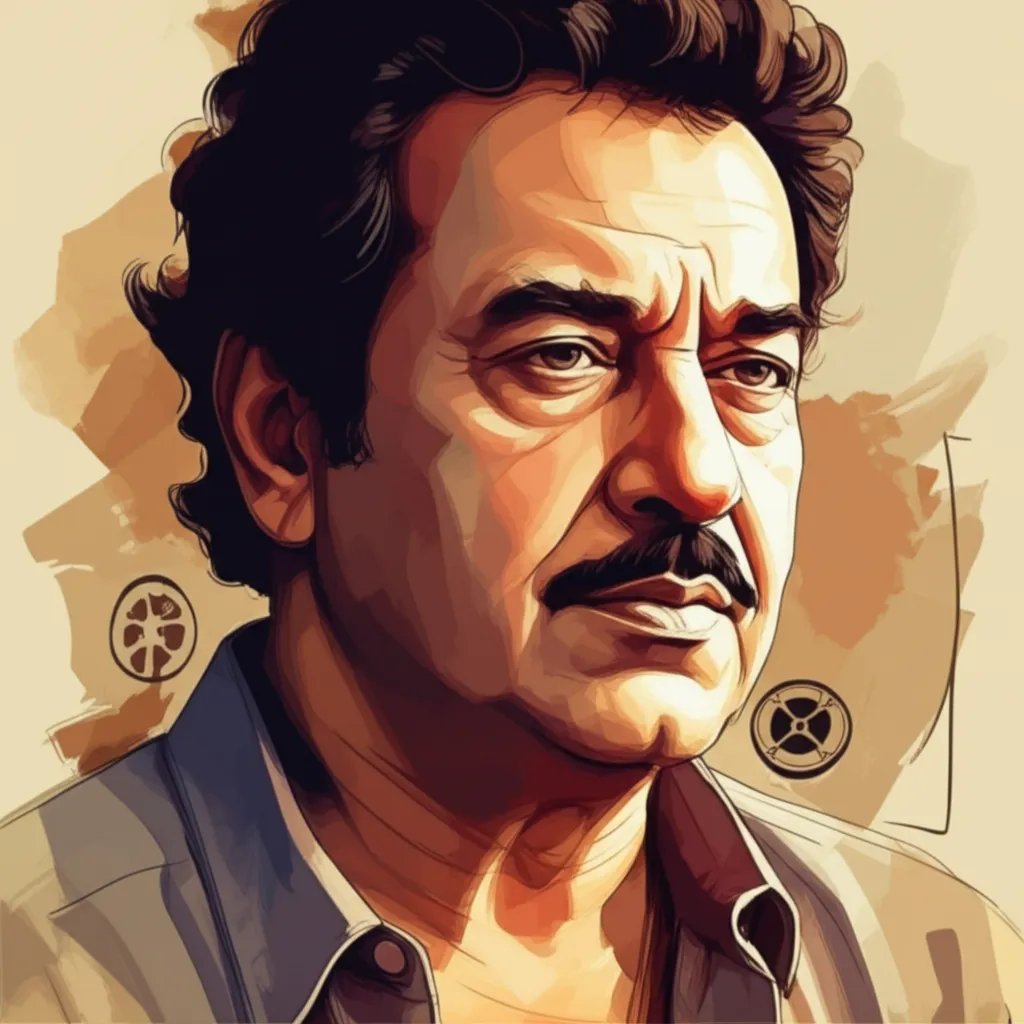
Rajkumar Santoshi is a renowned Indian film director known for his diverse range of films that showcase his versatile storytelling and directorial prowess. With a career spanning several decades, Santoshi has left an indelible mark on Indian cinema through his distinctive directorial style and impactful narratives. Santoshi's directorial style is characterized by his ability to seamlessly blend different genres, including action, comedy, drama, and romance, creating a unique cinematic experience for audiences. His keen attention to detail and skillful direction have earned him a reputation as a master storyteller, capable of evoking a wide range of emotions through his films. One of Santoshi's most notable and acclaimed works is "The Legend of Bhagat Singh" (2002), a gripping biographical drama that delves into the life of the iconic Indian freedom fighter. The film received widespread critical acclaim for its powerful portrayal of historical events and earned Santoshi numerous accolades, including the National Film Award for Best Feature Film in Hindi. In addition, "Andaz Apna Apna" (1994) stands as a beloved cult classic in Indian cinema, showcasing Santoshi's adeptness in directing comedy and romance. The film has garnered a dedicated fan base over the years and continues to be celebrated for its timeless humor and endearing characters. Santoshi's recurring themes often revolve around societal issues, patriotism, and human resilience, infused with a captivating blend of entertainment and thought-provoking storytelling. His films often serve as a reflection of the socio-political landscape, offering audiences a deeper insight into the human experience and the complexities of life. Throughout his illustrious career, Rajkumar Santoshi has made an indelible impact on Indian cinema, influencing aspiring filmmakers and captivating audiences with his compelling narratives. His ability to seamlessly navigate between genres and infuse his films with depth and entertainment has solidified his position as a visionary director, leaving an enduring legacy in the realm of filmmaking. In summary, Rajkumar Santoshi's directorial career is a testament to his unparalleled creativity, storytelling prowess, and significant contributions to Indian cinema. His films continue to resonate with audiences, cementing his status as a revered director with a unique vision and a profound impact on the world of storytelling through film.

Raj Mehta
Raj Mehta is a rising star in the Indian film industry, known for his directorial prowess and unique storytelling style. Mehta made his directorial debut with the 2019 hit film "Good Newwz," a comedy-drama that garnered widespread acclaim for its fresh approach to storytelling and exceptional performances. The film successfully blended humor with underlying emotional depth, showcasing Mehta's ability to strike a balance between entertainment and substance. "Good Newwz" also marked Mehta's collaboration with top-tier actors and his adeptness in handling ensemble casts, setting the stage for his future directorial ventures. In 2022, Mehta further solidified his position in the industry with "Jug Jugg Jeeyo," a heartwarming comedy-drama that resonated with audiences for its portrayal of familial bonds and relatable situations. With this film, Mehta demonstrated his versatility in navigating different genres while maintaining his signature directorial flair. His keen eye for capturing authentic emotions and his skill in extracting compelling performances from actors have become defining aspects of his directorial style. In addition to his comedic ventures, Mehta is set to explore the action genre with his upcoming film "Selfiee" in 2023. This foray into a new genre showcases his willingness to push boundaries and experiment with diverse storytelling, further cementing his status as a director willing to take creative risks. Mehta's films often revolve around themes of family, relationships, and the intricacies of human emotions, resonating with audiences on a profound level. His ability to infuse lighthearted humor into poignant narratives has endeared him to a wide spectrum of viewers, solidifying his status as a director with a finger on the pulse of societal dynamics. Raj Mehta's impact on Indian cinema is undeniable, as he continues to carve a niche for himself through his distinct directorial vision and storytelling finesse. With a promising trajectory and a penchant for crafting impactful narratives, Mehta is poised to leave an indelible mark on the film industry, earning a place among the most celebrated contemporary directors.

Raj Nidimoru
Raj Nidimoru is a prominent Indian film director known for his unique blend of action, adventure, and comedy in his films. His directorial debut came with the 2013 release "Go Goa Gone," which garnered widespread acclaim for its innovative storytelling and fresh take on the zombie genre. Nidimoru's directorial style is characterized by his ability to seamlessly merge diverse genres, infuse humor into high-octane action sequences, and craft narratives that resonate with contemporary audiences. "Go Goa Gone" marked Nidimoru's foray into the director's chair, and it immediately established him as a filmmaker with a distinct vision. The film's success not only solidified his position in the industry but also showcased his prowess in seamlessly blending multiple genres, a signature aspect of his directorial style. Nidimoru's ability to infuse humor into action-packed narratives has set him apart in the Indian film industry, earning him a dedicated fan base and critical acclaim. Nidimoru's impact on cinema lies in his ability to carve a niche for himself within the Indian film landscape. His films often explore unconventional themes, offering audiences a refreshing departure from traditional storytelling. With "Go Goa Gone," Nidimoru demonstrated his knack for crafting narratives that seamlessly blend comedy, adventure, and action, setting a new standard for genre-bending storytelling in Indian cinema. Nidimoru's directorial career is characterized by his commitment to pushing the boundaries of storytelling, and his unique vision has undoubtedly left an indelible mark on the film industry. As he continues to explore new territories and captivate audiences with his innovative approach to filmmaking, Nidimoru remains a trailblazing director whose work continues to inspire and entertain audiences worldwide.

Rakesh Roshan
Rakesh Roshan is a prominent Indian film director known for his unique blend of action, drama, and fantasy in his films. With a career spanning decades, Roshan has left an indelible mark on Indian cinema, creating memorable and visually stunning films that have captivated audiences worldwide. Roshan's directorial debut came with the 1987 film "Khudgarz," which showcased his ability to seamlessly intertwine gripping drama with intense action sequences. However, it was his 1995 film "Karan Arjun" that truly solidified his reputation as a director with a penchant for crafting high-octane action and fantasy-infused dramas. The film's success catapulted Roshan into the limelight and established him as a force to be reckoned with in the industry. One of Roshan's most notable contributions to Indian cinema is his creation of the "Krrish" film series, which includes "Koi... Mil Gaya" (2003), "Krrish" (2006), and "Krrish 3" (2013). These films seamlessly blend action, adventure, and sci-fi elements, showcasing Roshan's visionary approach to storytelling and his ability to push the boundaries of the genre. The "Krrish" series not only redefined the superhero genre in Indian cinema but also showcased Roshan's ability to create visually stunning and emotionally resonant narratives. Roshan's directorial style is characterized by his ability to infuse larger-than-life action sequences with heartfelt emotional storytelling, creating a perfect amalgamation of spectacle and depth. His films often explore themes of heroism, love, and the triumph of good over evil, resonating with audiences on a profound level. Roshan's impact on Indian cinema is undeniable, as he has inspired a new generation of filmmakers and continues to push the boundaries of what is possible within the realm of commercial cinema. In conclusion, Rakesh Roshan's directorial prowess and visionary storytelling have cemented his status as a trailblazer in Indian cinema. With a filmography that boasts timeless classics and groundbreaking contributions to the superhero genre, Roshan's impact on the industry is immeasurable. His unique vision and ability to craft compelling narratives have solidified his legacy as a director whose films will continue to captivate audiences for generations to come.
Rakeysh Omprakash Mehra
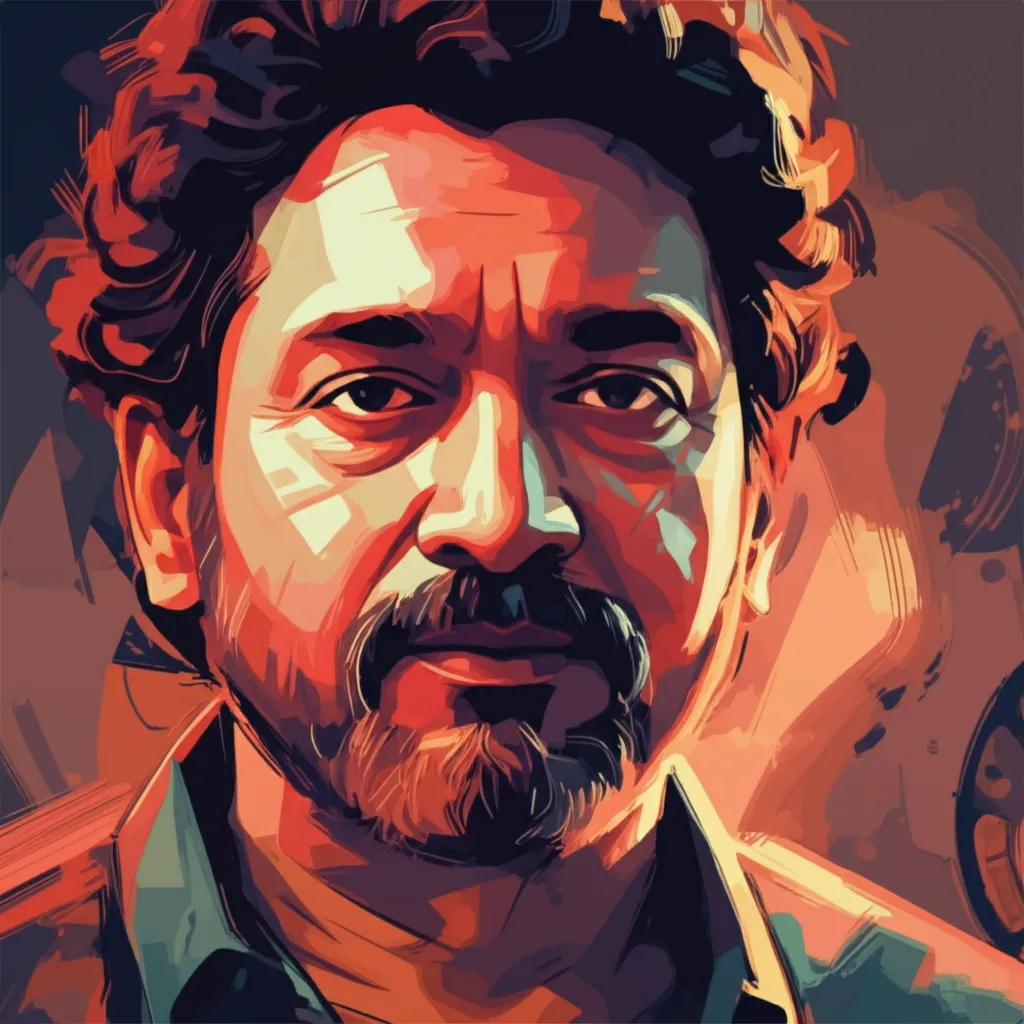
Rakeysh Omprakash Mehra is a prominent Indian director known for his distinctive storytelling and visually captivating filmmaking style. With a career spanning over two decades, Mehra has left an indelible mark on Indian cinema, delivering thought-provoking narratives that resonate with audiences. His filmography boasts a diverse range of genres, from the action-packed drama "Toofaan" (2021) to the inspiring biographical sports drama "Bhaag Milkha Bhaag" (2013) and the socially relevant drama "Rang De Basanti" (2006). Mehra's directorial style is characterized by his ability to seamlessly blend compelling storytelling with striking visuals, creating a cinematic experience that leaves a lasting impression. His films often delve into the human spirit, exploring themes of perseverance, patriotism, and social change. "Bhaag Milkha Bhaag" stands as a testament to Mehra's adeptness in capturing the triumphs and tribulations of real-life figures, while "Rang De Basanti" masterfully intertwines past and present narratives to deliver a powerful social commentary. Notable for his keen eye for detail and emotionally resonant storytelling, Mehra has made a significant impact on Indian cinema. His films have garnered critical acclaim and resonated with audiences globally, earning him accolades and awards for his contributions to the industry. Mehra's ability to infuse his narratives with depth and authenticity has solidified his position as a trailblazer in Indian filmmaking, inspiring a new generation of directors to push boundaries and explore diverse storytelling techniques. Mehra's films often reflect his passion for exploring the human experience, addressing social issues, and celebrating the triumph of the human spirit. His directorial prowess and ability to bring compelling stories to the screen have cemented his status as a visionary filmmaker with a lasting impact on the cinematic landscape. As he continues to push the boundaries of storytelling, Rakeysh Omprakash Mehra remains a revered figure in the world of cinema, leaving an indelible mark with each new project.
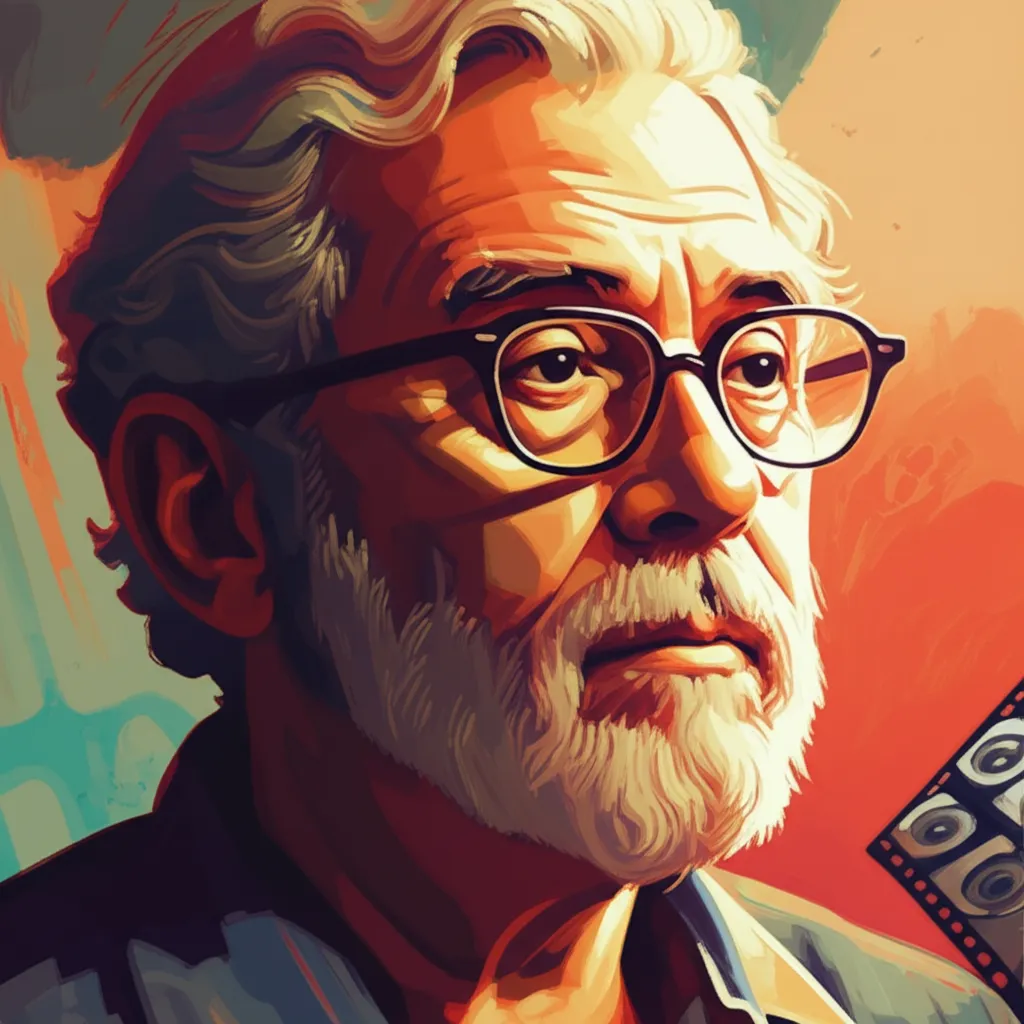
Ralph Bakshi
Ralph Bakshi is a groundbreaking American film director known for his pioneering work in animation and his fearless approach to storytelling. Throughout his career, Bakshi has left an indelible mark on cinema with his distinct directorial style and boundary-pushing films. His filmography spans a wide range of genres, from action and comedy to fantasy and drama, but it is his animated works that have truly solidified his legacy in the industry. Bakshi's directorial style is characterized by its raw and unapologetic approach to storytelling, often delving into gritty and mature themes that challenge societal norms. His films are known for their unconventional animation techniques and bold visual aesthetic, pushing the boundaries of what animated cinema can achieve. Bakshi's use of animation as a medium for adult-oriented storytelling has been both controversial and influential, paving the way for more mature and complex animated films in the years to come. Notable films in Bakshi's oeuvre include "Wizards" (1977), a post-apocalyptic fantasy adventure that showcases his penchant for blending social commentary with imaginative storytelling, and "Fritz the Cat" (1972), a provocative and satirical take on counterculture that became the first animated film to receive an X rating. "The Lord of the Rings" (1978) stands as a landmark adaptation of J.R.R. Tolkien's beloved fantasy epic, showcasing Bakshi's ambitious vision and his ability to tackle complex narratives through animation. Recurring themes in Bakshi's work include societal unrest, the human condition, and the collision of fantasy and reality. His films often explore the darker aspects of humanity while also celebrating the resilience and creativity of the human spirit. Bakshi's impact on cinema is far-reaching, as he has inspired countless filmmakers and animators to push the boundaries of storytelling and animation, cementing his status as a visionary director whose work continues to resonate with audiences and fellow creatives alike. Ralph Bakshi's fearless and innovative approach to animation and storytelling has left an indelible mark on cinema, redefining the possibilities of animated filmmaking and inspiring a new generation of filmmakers to embrace the medium as a powerful tool for adult-oriented storytelling. His uncompromising vision and groundbreaking contributions to the art form have solidified his place as a true pioneer in the world of animation and filmmaking, with his films continuing to captivate and challenge audiences to this day.