Director Names Starting with R
Showing 277-288 out of 290
Russell Crowe
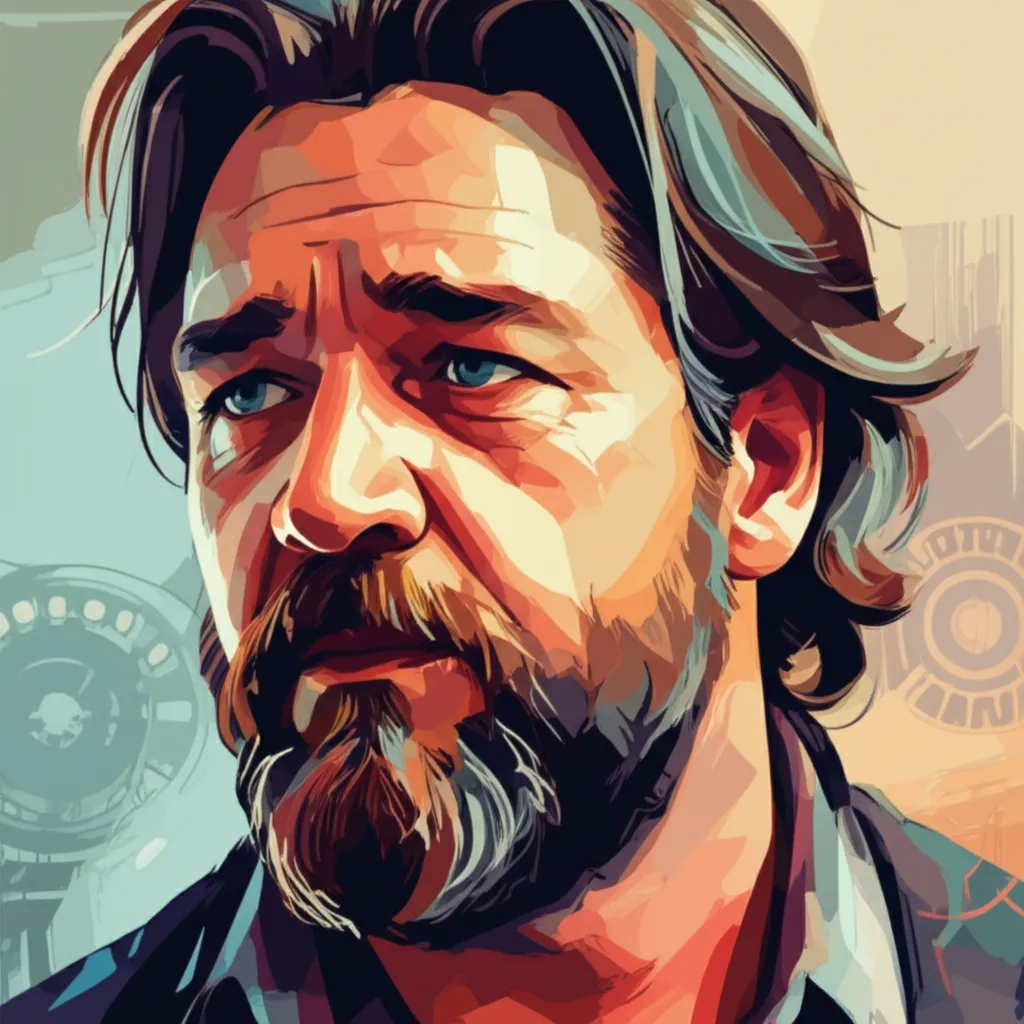
Russell Crowe is an acclaimed actor known for his compelling performances, but he also made a significant impact as a director with his 2014 film, "The Water Diviner." Crowe's directorial debut showcased his ability to bring a poignant and visually striking story to the screen. His directorial style is characterized by a strong emphasis on character development, emotional depth, and historical context, which was evident in "The Water Diviner." "The Water Diviner" is a gripping drama set against the backdrop of World War I. Crowe's film skillfully weaves together the personal journey of a father searching for his sons amidst the turmoil of war with the broader themes of loss, resilience, and the human spirit. The film's powerful storytelling and evocative visuals demonstrate Crowe's adeptness at capturing the emotional nuances of his characters and the historical period in which the story unfolds. Crowe's directorial debut was met with critical acclaim, establishing him as a multi-talented artist capable of crafting compelling narratives both in front of and behind the camera. His notable achievement as a director further solidified his status as a versatile and visionary filmmaker. "The Water Diviner" stands as a testament to Crowe's ability to translate his passion for storytelling into a visually stunning and emotionally resonant cinematic experience. As a director, Crowe's recurring themes often revolve around the human experience in the face of adversity, the complexities of familial relationships, and the impact of historical events on individuals. His keen understanding of character dynamics and his empathetic approach to storytelling have left an indelible mark on cinema, making him a director to watch for future projects. Overall, Russell Crowe's directorial debut with "The Water Diviner" demonstrated his prowess behind the camera and his commitment to crafting narratives that resonate with audiences on a profound level. With his unique vision and ability to bring compelling stories to life, Crowe has undoubtedly made a lasting impact on the cinematic landscape, solidifying his place as a formidable force in the world of filmmaking.
Russell Mulcahy
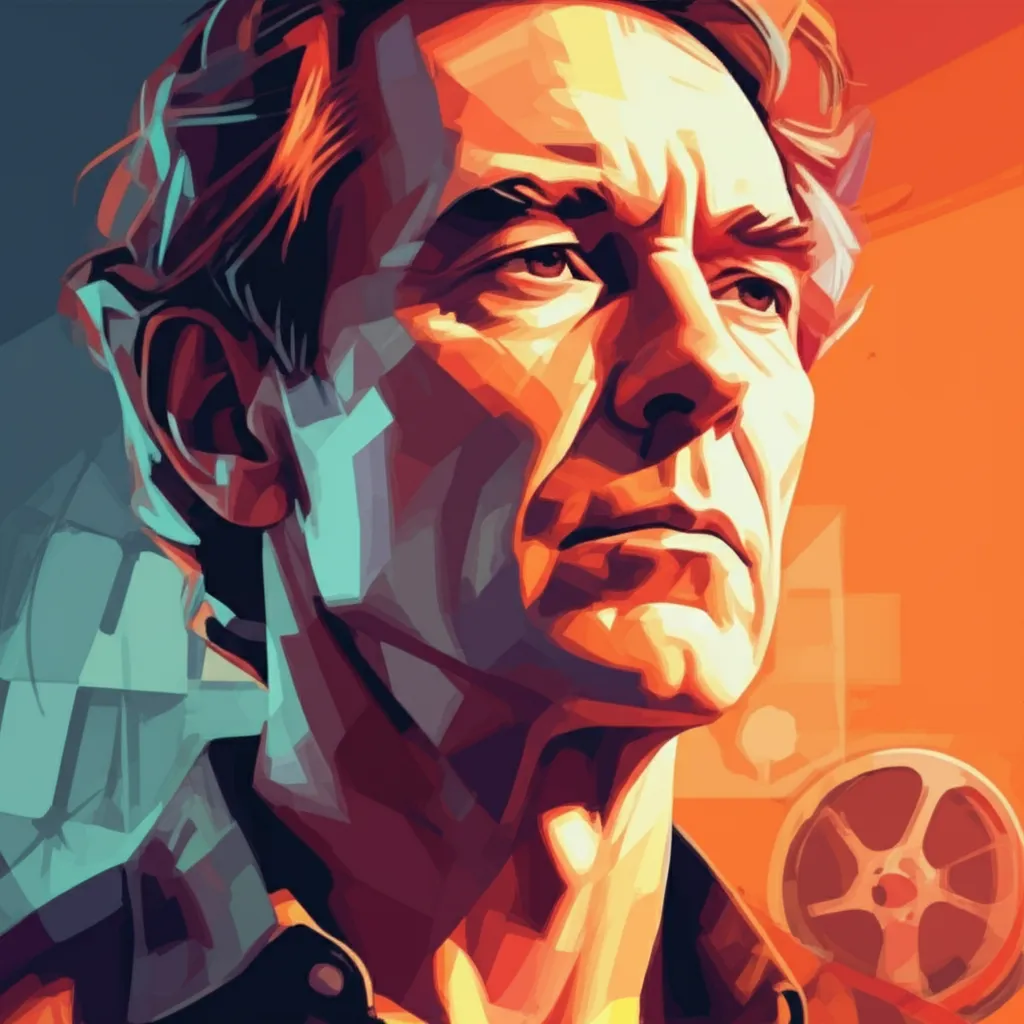
Russell Mulcahy is an Australian film director known for his distinctive visual style and contributions to the action, adventure, and fantasy genres. His career kicked off with a bang in 1986 when he directed "Highlander," a cult classic that combined historical drama with fantasy and action. This film showcased Mulcahy's flair for blending epic storytelling with breathtaking visuals, setting the stage for his future work. Mulcahy's directorial style is characterized by dynamic camera work, high-energy action sequences, and a keen eye for creating visually stunning cinematic worlds. His ability to seamlessly blend practical effects with innovative visuals has set him apart in the industry. Mulcahy's filmography includes "Resident Evil: Extinction" (2007), "Teen Wolf: The Movie" (2023), "The Shadow" (1994), and "Ricochet" (1991), each showcasing his knack for creating captivating and immersive experiences for audiences. Notable themes that frequently appear in Mulcahy's work include the exploration of heroism, the clash between good and evil, and the juxtaposition of ancient and modern worlds. His films often feature larger-than-life characters and epic battles, drawing viewers into fantastical realms while still grounding them in relatable human experiences. Russell Mulcahy's impact on cinema lies in his ability to push the boundaries of visual storytelling. With a career spanning decades, he has left an indelible mark on the action and fantasy genres, inspiring future filmmakers to explore the possibilities of marrying stunning visuals with compelling narratives. Mulcahy's unique vision and dedication to crafting immersive cinematic experiences have solidified his place as a trailblazer in the world of action and fantasy filmmaking.
Russ Meyer
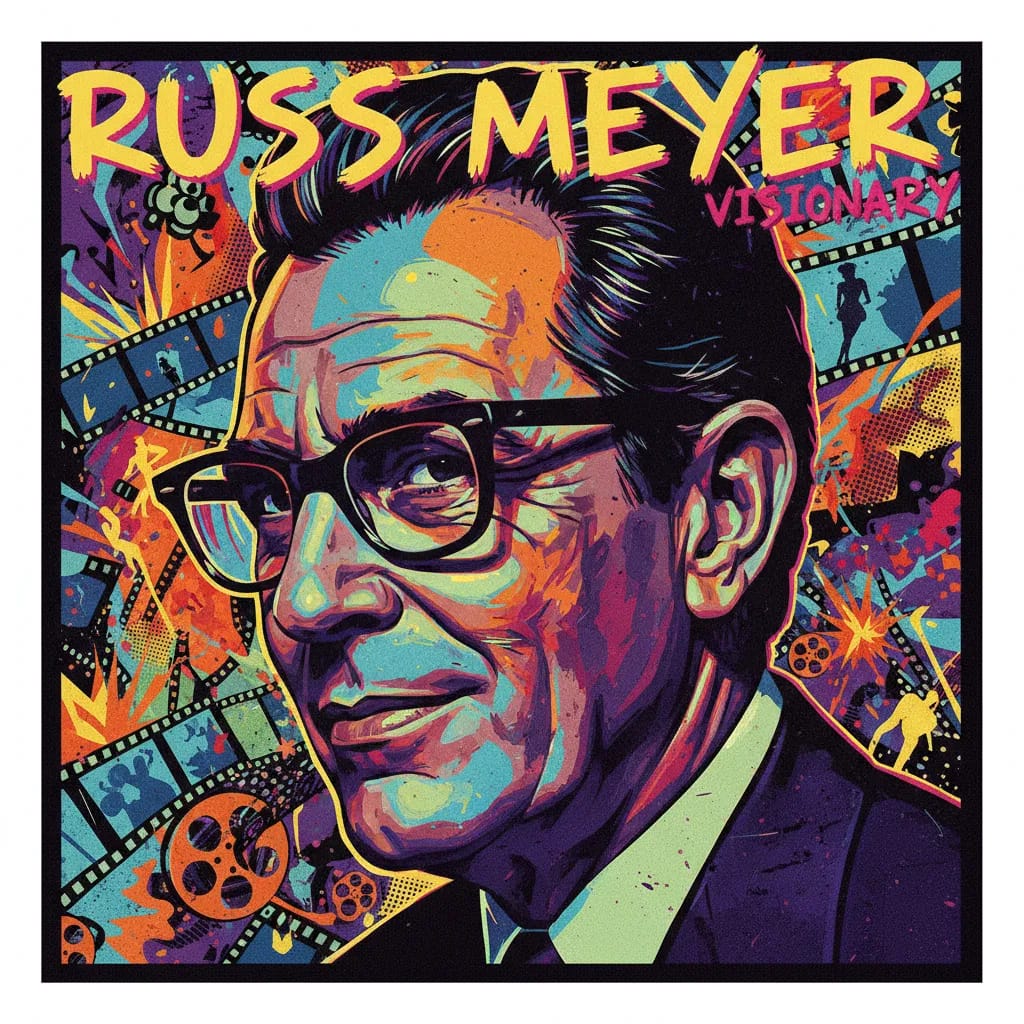
Russ Meyer was an iconic filmmaker known for his provocative and boundary-pushing work in the 1960s and 1970s. With a distinct directorial style characterized by fast-paced editing, exaggerated performances, and an unapologetic embrace of sex and violence, Meyer became a cult figure in the world of exploitation cinema. His filmography includes the influential Faster, Pussycat! Kill! Kill! (1965), a high-octane mix of action and comedy that featured strong, empowered female characters and a visually striking aesthetic. Beyond the Valley of the Dolls (1970) further solidified Meyer's reputation, blending elements of comedy, drama, and music into a psychedelic and surreal exploration of fame and excess. Meyer's films often centered on larger-than-life, sexually liberated women who navigated a world dominated by powerful and often corrupt men. His provocative and unapologetic approach to sexuality and violence challenged societal norms and pushed the boundaries of censorship in cinema. With a penchant for exaggerated characters and over-the-top dialogue, Meyer's films were unapologetically audacious, earning him a dedicated following and cementing his status as a maverick in the industry. Meyer's impact on cinema extends beyond his directorial style and thematic explorations. He was a trailblazer in independent filmmaking, using innovative techniques and guerrilla-style production methods to bring his vision to the screen. His influence can be seen in the work of directors who followed, as well as in the ongoing celebration of his films within the cult and underground film communities. Meyer's legacy continues to inspire filmmakers and audiences alike, showcasing the enduring impact of his unique vision and uncompromising approach to storytelling. In conclusion, Russ Meyer's directorial career was defined by his fearless and provocative storytelling, pioneering independent filmmaking techniques, and his unapologetic embrace of sexuality and violence. His films continue to captivate audiences with their bold visuals, larger-than-life characters, and boundary-pushing narratives. Meyer's impact on cinema is undeniable, and his legacy as a maverick filmmaker remains a testament to his enduring influence on the art of storytelling on screen.
Ryan Coogler
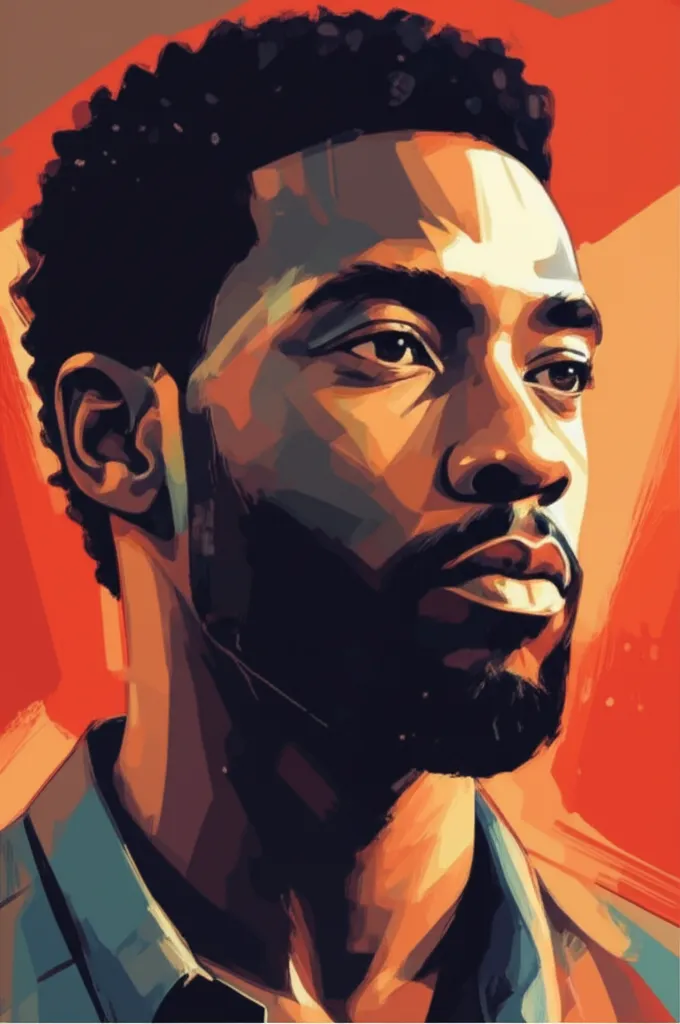
Ryan Coogler is a visionary film director known for his unique storytelling, compelling characters, and impactful themes. His directorial career took off with the critically acclaimed "Fruitvale Station" in 2013, a biographical drama that showcased his ability to portray real-life events with emotional depth and authenticity. Coogler's directorial style is characterized by his skillful blend of intimate storytelling and social commentary, often focusing on the experiences of marginalized communities. In 2015, Coogler's directorial prowess was further showcased with "Creed," a powerful drama in the "Rocky" franchise. The film not only revitalized the iconic series but also solidified Coogler's reputation as a director capable of infusing sports drama with raw emotion and human complexity. This was a testament to Coogler's ability to breathe new life into established narratives while infusing them with his unique perspective. However, it was with the groundbreaking "Black Panther" in 2018 that Coogler cemented his status as a visionary director. The film, set in the Marvel Cinematic Universe, not only shattered box office records but also became a cultural phenomenon. Coogler's directorial approach seamlessly blended action, adventure, and social commentary, creating a superhero film that resonated with audiences on a profound level. "Black Panther" not only showcased Coogler's ability to helm big-budget blockbusters but also highlighted his commitment to diverse representation and thought-provoking storytelling. Coogler's impact on cinema extends beyond his individual films. His recurring themes of identity, community, and social justice have left an indelible mark on the industry, inspiring a new generation of filmmakers to tackle complex, relevant subject matter. With the highly anticipated "Black Panther: Wakanda Forever" set for release in 2022, Coogler continues to push boundaries and redefine the possibilities of storytelling on the big screen. His directorial legacy is one of innovation, empathy, and a steadfast dedication to amplifying underrepresented voices in cinema.
Ryan Eslinger
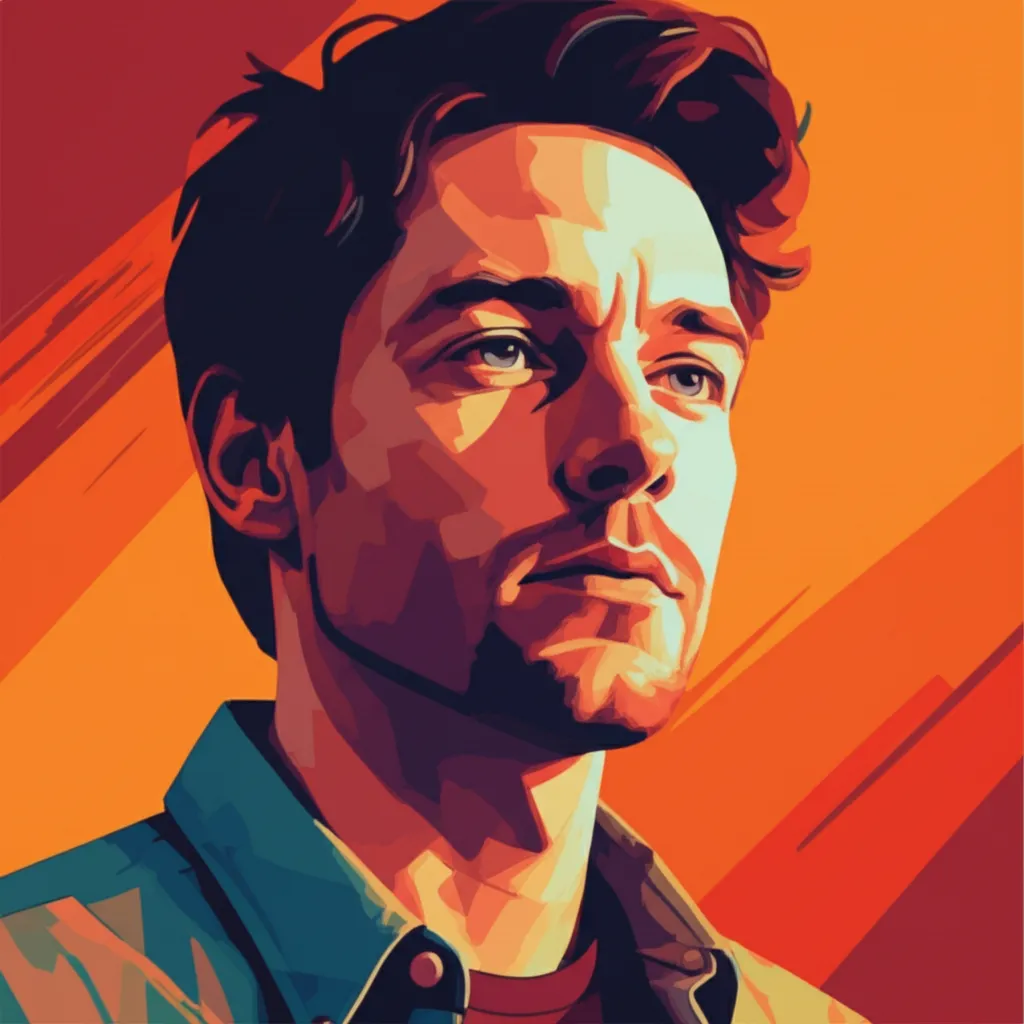
Ryan Eslinger is an American director known for his thought-provoking and visually captivating films. Eslinger's directorial style is characterized by a meticulous attention to detail, a penchant for exploring existential themes, and a knack for blending drama, mystery, and science fiction elements. His most notable film to date is "UFO" (2018), which exemplifies his ability to craft multi-layered narratives that resonate with audiences long after the credits roll. "UFO" is a testament to Eslinger's ability to seamlessly merge genres, creating a film that is both intellectually stimulating and emotionally resonant. His unique approach to storytelling and his mastery of visual language have cemented his reputation as a visionary director. Eslinger's films often delve into the complexities of human existence, the nature of reality, and the mysteries of the universe, captivating audiences with their enigmatic and thought-provoking narratives. Throughout his career, Eslinger has consistently pushed the boundaries of traditional storytelling, infusing his films with a sense of wonder and intrigue. His work has left an indelible mark on cinema, inspiring other filmmakers to explore the outer reaches of the human experience through the lens of science fiction and mystery. Eslinger's films have garnered critical acclaim for their originality, thematic depth, and compelling performances, solidifying his status as a director with a distinct and influential voice in contemporary cinema. In conclusion, Ryan Eslinger's directorial career is defined by his ability to craft immersive and intellectually stimulating films that challenge audiences to ponder life's deepest mysteries. With "UFO" standing as a testament to his unique vision and directorial prowess, Eslinger continues to be an influential figure in the world of cinema. As he continues to explore the boundaries of storytelling and visual artistry, audiences can eagerly anticipate the next mesmerizing chapter in Eslinger's directorial journey.
Ryan Fleck
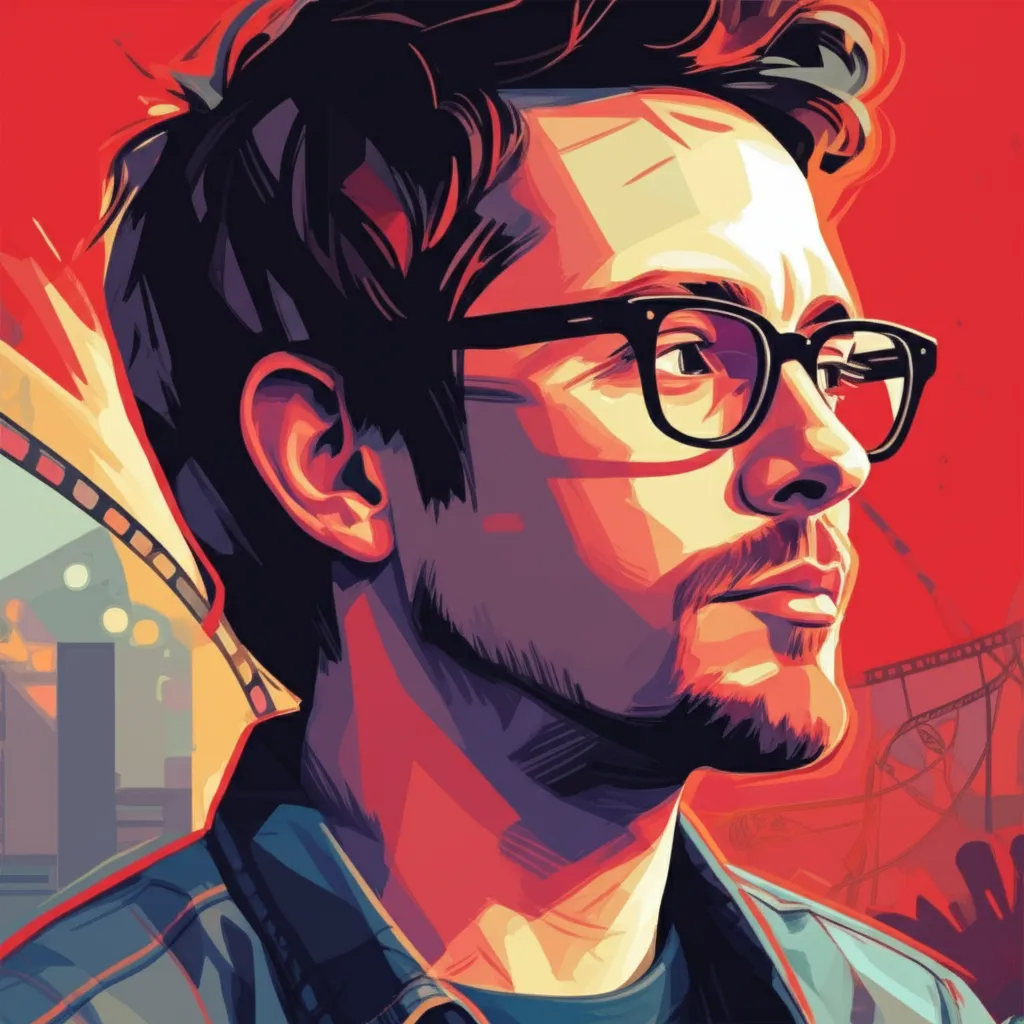
Ryan Fleck is a highly acclaimed director known for his versatile storytelling and keen insight into the human condition. His career has been marked by a series of impactful films that have resonated with audiences and critics alike. Fleck's directorial style is characterized by a deep exploration of complex characters and their emotional journeys, often set against the backdrop of compelling narratives. Fleck's breakout film, "Half Nelson" (2006), garnered widespread critical acclaim and showcased his ability to craft deeply affecting dramas. The film, which delves into the life of a high school teacher struggling with addiction, established Fleck as a director capable of portraying raw, authentic human experiences. His adept handling of sensitive subject matter and his ability to extract powerful performances from his actors became hallmarks of his directorial style. In "It's Kind of a Funny Story" (2010), Fleck demonstrated his versatility by seamlessly blending elements of comedy, drama, and romance. The film, which follows the journey of a young man navigating his way through a psychiatric ward, further showcased Fleck's ability to infuse depth and humanity into his storytelling. His keen sense of empathy and understanding of the human psyche shone through in the film's nuanced portrayal of mental health struggles. "Mississippi Grind" (2015) further solidified Fleck's reputation as a director capable of crafting compelling character-driven narratives. The film, a poignant exploration of the complexities of friendship and the allure of gambling, underscored Fleck's ability to illuminate the intricacies of human relationships and the pursuit of elusive dreams. Fleck's foray into the realm of superhero cinema with "Captain Marvel" (2019) demonstrated his adaptability and willingness to tackle diverse genres. His contribution to the Marvel Cinematic Universe showcased his ability to infuse a blockbuster action-adventure with emotional depth and character-driven storytelling. Throughout his career, Ryan Fleck has consistently delivered thought-provoking films that resonate with audiences on a profound level. His ability to capture the essence of human experiences and translate them into captivating narratives has cemented his status as a director with a unique vision and a lasting impact on cinema. Keywords: Ryan Fleck, director, Half Nelson, It's Kind of a Funny Story, Mississippi Grind, Captain Marvel, character-driven narratives, human experiences, versatile storytelling, emotional depth, impactful films, directorial style
Ryan Gosling
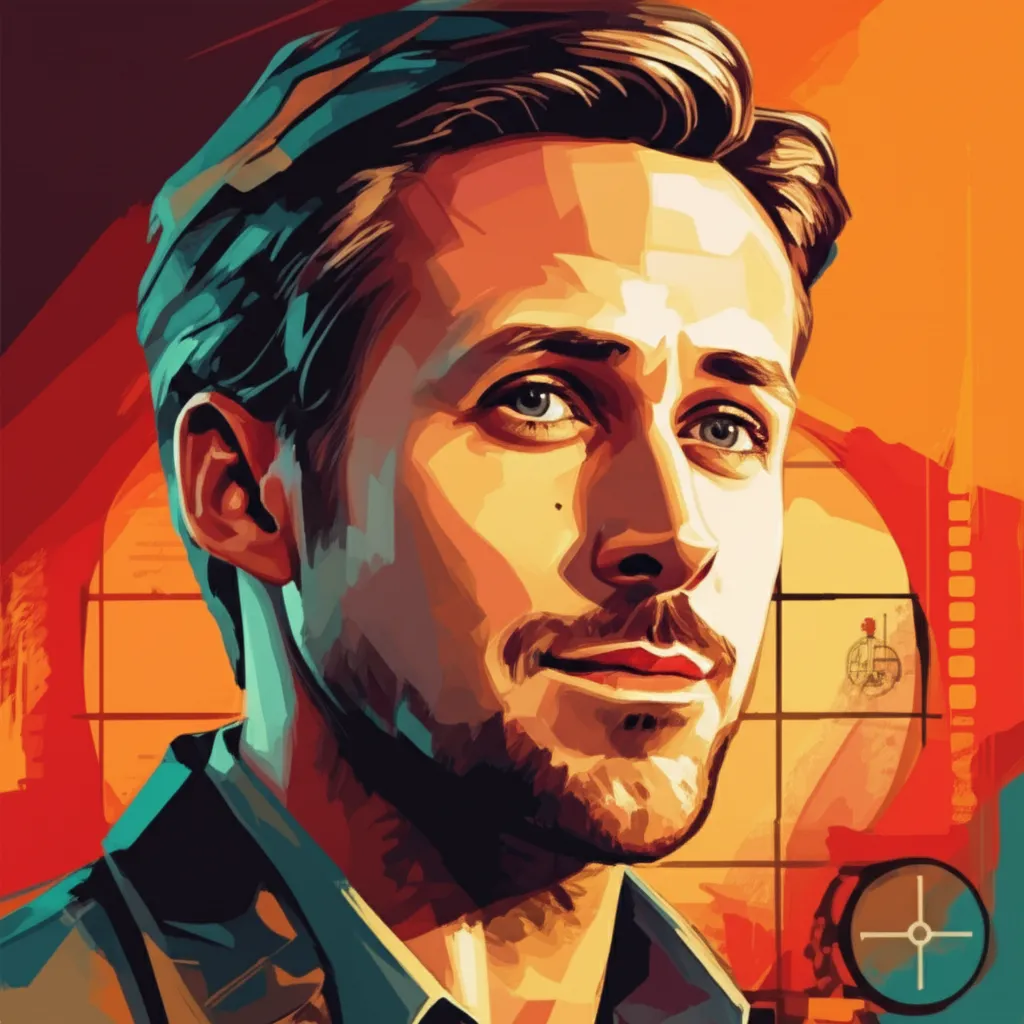
Ryan Gosling made his directorial debut with the visually stunning and enigmatic film "Lost River" in 2014. Known for his profound performances as an actor, Gosling's foray into directing showcased his unique vision and storytelling ability. "Lost River" is a dark and surreal blend of drama, fantasy, and mystery that delves into the decaying urban landscape of a once-thriving city and the desperate individuals navigating its dystopian environment. Gosling's directorial style in "Lost River" is characterized by hauntingly beautiful cinematography, dreamlike sequences, and an atmospheric soundtrack that immerses the audience in the film's otherworldly narrative. His keen eye for detail and evocative imagery creates an immersive and visceral experience for viewers, establishing him as a director with a distinct visual language. In "Lost River," Gosling explores themes of economic hardship, urban decay, and the resilience of the human spirit in the face of adversity. His film captures a sense of desolation and despair, juxtaposed with moments of fleeting beauty and hope, resonating with audiences on a deeply emotional level. While "Lost River" received mixed critical reception, Gosling's directorial debut demonstrated his willingness to take creative risks and push the boundaries of conventional storytelling. His distinct directorial voice and commitment to crafting immersive, thought-provoking narratives have solidified his status as a filmmaker with a unique perspective and a promising future in the industry. As Gosling continues to explore his directorial career, his impact on cinema lies in his ability to create visually striking and thematically rich films that challenge audiences to engage with complex and evocative storytelling. With "Lost River," he has laid the foundation for a directorial style that is both compelling and visually arresting, marking him as a filmmaker to watch in the years to come.
Ryan Little
Ryan Little is a highly accomplished film director known for his work in the genres of drama, sport, action, and war. With a distinctive directorial style that seamlessly blends compelling storytelling with visually stunning cinematography, Little has made a significant impact on cinema. His notable films include "Forever Strong" (2008) and "Saints and Soldiers" (2003), both of which have garnered critical acclaim and resonated with audiences worldwide. One of the hallmarks of Ryan Little's directorial style is his ability to capture the emotional depth of his characters while immersing viewers in the high-stakes world of sports and wartime experiences. His films often feature gripping narratives that delve into themes of resilience, camaraderie, and the human spirit's triumph over adversity. Little's keen attention to detail and penchant for crafting authentic, relatable characters have solidified his reputation as a director who consistently delivers impactful storytelling. "Forever Strong" stands as a testament to Little's adeptness at infusing sports drama with profound emotional resonance. The film masterfully explores the dynamics of a struggling rugby team and their inspirational journey towards redemption and unity. Meanwhile, "Saints and Soldiers" showcases Little's prowess in crafting intense, immersive wartime narratives that resonate with authenticity and poignancy. Through his body of work, Ryan Little has proven himself to be a visionary director with a keen eye for capturing the human experience in all its complexities. His films have left an indelible mark on the cinematic landscape, earning him a well-deserved reputation as a director who consistently delivers powerful, thought-provoking storytelling. As a directorial force to be reckoned with, Little's contributions to the film industry continue to inspire and captivate audiences, cementing his legacy as a true maestro of the silver screen. By adeptly blending compelling storytelling, striking visuals, and deeply resonant themes, Ryan Little's directorial vision has left an enduring impact on cinema, ensuring that his films will be cherished by audiences for years to come.
Ryan Murphy
Ryan Murphy is a prolific and versatile director known for his distinct directorial style and his ability to seamlessly blend genres, creating compelling and visually stunning films. With an impressive filmography that includes hits such as "Running with Scissors" (2006), "Eat Pray Love" (2010), and "The Prom" (2020), Murphy has solidified his reputation as a visionary director with a knack for bringing compelling stories to life on the big screen. Murphy's directorial style is characterized by his keen eye for visual storytelling and his ability to capture the emotional depth of his characters. His films often feature vibrant and colorful cinematography, creating a visually immersive experience for audiences. Murphy's unique blend of genres, from comedy and drama to musicals, sets his work apart and showcases his versatility as a director. One of Murphy's notable contributions to cinema is his ability to tackle a wide range of themes and subject matter in his films. From the complexities of family dynamics in "Running with Scissors" to the journey of self-discovery and empowerment in "Eat Pray Love," Murphy's films often explore the human experience in a deeply relatable and thought-provoking manner. His dedication to portraying diverse and authentic narratives has made a significant impact on the industry, earning him critical acclaim and a dedicated fan base. Throughout his career, Murphy has consistently pushed the boundaries of storytelling, using his platform to shed light on important social issues and marginalized voices. His commitment to inclusivity and representation in his films has paved the way for more diverse storytelling in cinema, influencing a new generation of filmmakers to follow in his footsteps. In conclusion, Ryan Murphy's directorial career is marked by his innovative vision, exceptional storytelling, and unwavering dedication to bringing diverse and compelling narratives to the forefront of cinema. With his distinct directorial style and impactful contributions to the industry, Murphy continues to leave an indelible mark on the world of film, captivating audiences with his captivating and thought-provoking work.
Ryan Spindell
Ryan Spindell is a visionary filmmaker known for his unique blend of fantasy and horror in the film industry. His notable directorial debut came with "The Mortuary Collection" in 2019, which immediately garnered critical acclaim for its captivating storytelling and visually striking aesthetics. Spindell's directorial style often incorporates elements of dark humor, twisted narratives, and a keen eye for the macabre, setting him apart as a distinct voice in the genre. "The Mortuary Collection" serves as a testament to Spindell's ability to craft compelling and atmospheric storytelling, showcasing his penchant for weaving intricate tales within the horror and fantasy realms. His directorial approach often delves into the exploration of the human psyche, with a focus on the darker aspects of human nature and the supernatural, creating a sense of unease that resonates with audiences. Throughout his career, Spindell has demonstrated a consistent thematic exploration of mortality, morality, and the unknown, creating a signature style that sets him apart in the film industry. His impact on cinema lies in his ability to reinvent familiar genres and tropes, infusing them with fresh perspectives and a modern sensibility that resonates with contemporary audiences. As a director, Ryan Spindell's contributions to the film industry have solidified his position as a rising talent to watch. His adeptness at blending fantasy and horror elements with compelling narratives has garnered him a dedicated following and positioned him as a filmmaker with a promising future in shaping the landscape of genre cinema. With his distinct vision and storytelling prowess, Spindell continues to captivate audiences and push the boundaries of traditional genre filmmaking, cementing his status as a directorial force to be reckoned with.

Ry Russo-Young
Ry Russo-Young is a talented American film director known for her distinct directorial style and thought-provoking storytelling. With a focus on drama, fantasy, and mystery, Russo-Young has made a significant impact on cinema with her unique vision and contributions to the film industry. Her notable film "Before I Fall" (2017) exemplifies her ability to blend genres and captivate audiences with her compelling narratives. Russo-Young's directorial style is characterized by her ability to delve deep into the emotional experiences of her characters while seamlessly integrating elements of fantasy and mystery. She has a keen eye for capturing the complexities of human relationships and the passage of time, often intertwining these themes with a touch of the supernatural. Her films are known for their immersive storytelling and compelling visual aesthetics, drawing audiences into rich, atmospheric worlds that resonate long after the credits roll. "Before I Fall" stands as a testament to Russo-Young's directorial prowess, as she skillfully brings Lauren Oliver's bestselling novel to life on the big screen. The film follows a teenage girl who finds herself trapped in a time loop, forced to relive the last day of her life repeatedly. Through this captivating premise, Russo-Young explores themes of redemption, self-discovery, and the profound impact of our choices, all while infusing the narrative with an air of mystery and suspense. Russo-Young's work often delves into the intricacies of identity, self-discovery, and the human experience, resonating with audiences on a deeply personal level. Her ability to blend genres and craft emotionally resonant stories sets her apart as a director with a distinct and impactful voice in the industry. As she continues to make her mark on cinema, Russo-Young's evocative storytelling and compelling directorial style are sure to leave a lasting impression on audiences and fellow filmmakers alike.
Ryûhei Kitamura
Ryûhei Kitamura is a Japanese film director known for his dynamic and visually striking work in the action, horror, and thriller genres. With a distinct directorial style that blends kinetic action sequences with atmospheric storytelling, Kitamura has made a significant impact on cinema with his unique vision and innovative approach to filmmaking. One of Kitamura's early standout films, "Versus" (2000), exemplifies his signature style with its blend of adrenaline-fueled action, supernatural elements, and striking visuals. The film gained a cult following for its inventive approach to the action genre and established Kitamura as a director to watch. His ability to infuse the narrative with intense, stylized action sequences has become a hallmark of his work, captivating audiences and critics alike. In "Azumi" (2003), Kitamura demonstrated his versatility as a director, showcasing his ability to helm epic historical action dramas with a keen eye for detail and a flair for capturing riveting combat sequences. The film's success solidified Kitamura's reputation as a visionary director capable of delivering gripping storytelling alongside breathtaking action set pieces. Kitamura's foray into the horror genre with "The Midnight Meat Train" (2008) further showcased his directorial prowess, as he skillfully crafted a chilling and suspenseful atmosphere while delivering visceral and shocking moments that left a lasting impression on audiences. The film's impact on the horror genre highlighted Kitamura's ability to create tension and terror through his unique visual language and storytelling techniques. With "No One Lives" (2012), Kitamura continued to push boundaries in the horror-thriller genre, delivering a relentless and visceral experience that further solidified his reputation as a director unafraid to explore dark and daring themes. His ability to elicit visceral reactions from audiences while maintaining a distinct directorial style has cemented his status as a filmmaker who continues to influence and inspire others in the industry. Ryûhei Kitamura's career is defined by his fearless approach to storytelling, his innovative visual style, and his ability to captivate audiences across various genres. His impact on cinema is undeniable, as he continues to push the boundaries of genre filmmaking and inspire a new generation of filmmakers with his visionary approach to storytelling and directing.