Director Names Starting with R
Showing 205-216 out of 290
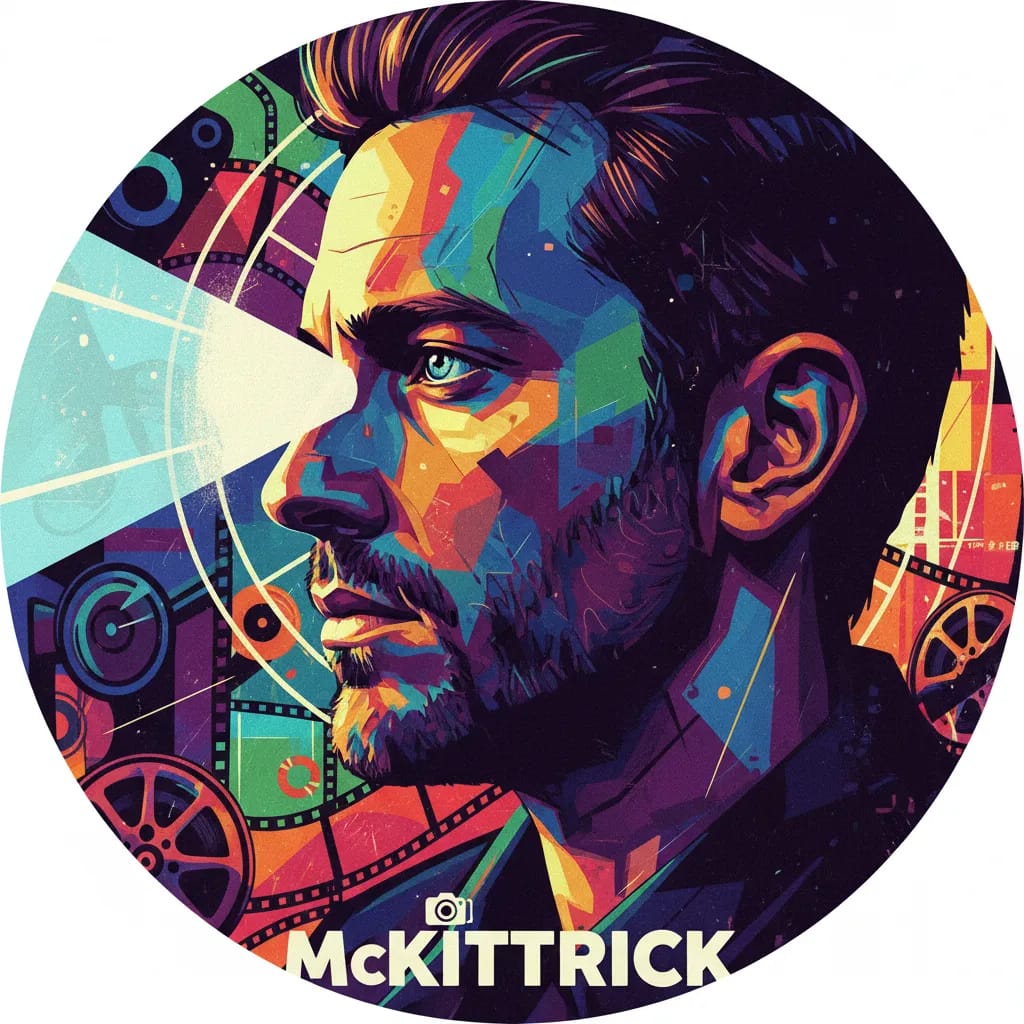
Rob McKittrick
Rob McKittrick is an American film director best known for his work on the 2005 comedy film "Waiting...". McKittrick's directorial style is characterized by his ability to infuse humor with relatable, slice-of-life storytelling. "Waiting..." stands as a testament to his skill in capturing the hilarity and absurdity of the service industry, as it follows a group of restaurant employees navigating the challenges and monotony of their jobs. The film's success lies in McKittrick's adeptness at balancing humor with genuine moments of empathy and camaraderie, making it a cult classic in the comedy genre. McKittrick's notable contribution to cinema is his ability to create authentic and memorable characters within mundane settings. His films often explore the dynamics of interpersonal relationships, workplace culture, and the human experience, showcasing his keen observational storytelling. "Waiting..." is a prime example of his penchant for crafting colorful characters and witty dialogue, drawing audiences into the world he creates with both humor and heart. While "Waiting..." remains McKittrick's most prominent directorial work, his impact on cinema is undeniable. The film's influence can be seen in the emergence of similar workplace comedies that delve into the intricacies of everyday life. McKittrick's ability to find humor in the ordinary and to capture the nuances of human interaction has left a lasting imprint on the comedy genre. Moving forward, fans of Rob McKittrick eagerly anticipate his future directorial endeavors, hoping to see more of his signature wit and insight on display. With "Waiting..." as a testament to his talent, McKittrick's unique vision and directorial contributions continue to resonate with audiences, ensuring his enduring legacy in the realm of comedy filmmaking.
Rob Meltzer
Rob Meltzer is a director known for his distinct blend of action, adventure, and comedy in the world of filmmaking. His notable work includes "Welcome to the Jungle" (2013), which exemplifies his penchant for creating high-energy, entertaining films that resonate with audiences. Meltzer's directorial style is characterized by his ability to infuse humor and adrenaline-pumping action into his storytelling, resulting in a unique cinematic experience that leaves a lasting impression. In "Welcome to the Jungle," Meltzer showcases his talent for crafting comedic scenarios within the backdrop of adventure, demonstrating his adeptness at balancing lighthearted humor with thrilling action sequences. His directorial approach captivates audiences, drawing them into the immersive worlds he creates on screen. Meltzer's work reflects a commitment to delivering engaging, fast-paced entertainment that appeals to a wide audience demographic, making him a distinct voice in the film industry. Meltzer's films often explore themes of camaraderie, resilience, and the triumph of the human spirit, resonating with viewers on an emotional level while providing exhilarating escapism. His ability to infuse his projects with these themes has contributed to his impact on cinema, as he continues to influence and inspire both audiences and fellow filmmakers. Meltzer's dedication to delivering high-octane entertainment with a comedic edge has solidified his reputation as a director with a unique vision and a lasting influence on the industry. Rob Meltzer's career is marked by his commitment to creating memorable cinematic experiences that blend action, adventure, and comedy in a way that resonates with audiences. His directorial style, characterized by a seamless fusion of humor and adrenaline, has left an indelible mark on the film industry. Meltzer's ability to infuse his projects with compelling themes and engaging storytelling has cemented his status as a director whose work continues to captivate and entertain audiences worldwide.
Rob Minkoff
Rob Minkoff is a versatile film director known for his work in a variety of genres, including family-friendly comedies, animated adventures, and action-packed fantasy films. With a career spanning several decades, Minkoff has left an indelible mark on the world of cinema through his unique directorial style and his ability to bring beloved stories to life on the big screen. Minkoff's directorial debut came with the heartwarming and imaginative "Stuart Little" in 1999, which seamlessly blended live-action and CGI to create a whimsical world that captivated audiences of all ages. This film set the stage for Minkoff's future endeavors in the realm of family entertainment, showcasing his adeptness at infusing humor, adventure, and heartwarming moments into his storytelling. In 2003, Minkoff ventured into the realm of fantasy with "The Haunted Mansion," a comedic take on the iconic Disney theme park attraction. His ability to balance eerie atmospheres with lighthearted moments demonstrated his knack for creating films that appeal to broad audiences while staying true to the essence of the source material. Minkoff's foray into animation yielded impressive results with "Mr. Peabody & Sherman" in 2014, a film that showcased his directorial prowess in bringing beloved cartoon characters to life with wit and charm. His work in the animated realm further solidified his reputation as a director capable of infusing timeless stories with modern sensibilities, appealing to both children and adults alike. With films like "The Forbidden Kingdom" and "Flypaper," Minkoff demonstrated his versatility by delving into action-adventure and crime-mystery genres, showcasing his ability to tackle diverse storytelling styles with finesse. Minkoff's impact on cinema lies in his ability to create visually stunning and emotionally resonant films that transcend age barriers, leaving a lasting impression on generations of moviegoers. His unique vision and contributions to the film industry have solidified his place as a director with an enduring legacy, and his ability to bring beloved characters and stories to life continues to captivate audiences worldwide.
Rob Pritts
Rob Pritts is an American film director known for his work in the comedy and crime genres. He made his feature film directorial debut with the 2001 comedy crime film "Corky Romano," which starred Chris Kattan as the bumbling son of a Mafia boss who is forced to go undercover for the FBI. Pritts' directorial style often blends humor with elements of crime, creating a unique and entertaining cinematic experience. In "Corky Romano," Pritts showcased his ability to infuse comedy into a crime-centric narrative, demonstrating his knack for balancing lighthearted humor with the tension and intrigue typically associated with crime films. The movie's success solidified Pritts as a director with a distinct vision and an adeptness for navigating the complexities of both genres. One of Pritts' notable contributions to cinema is his skill in crafting comedic moments within the framework of crime stories, offering audiences a refreshing take on the genre. His work exemplifies a seamless integration of humor and crime, appealing to a wide range of viewers and showcasing his versatility as a director. While "Corky Romano" remains Pritts' primary directorial credit, the film's impact on the intersection of comedy and crime in cinema has left a lasting impression. Pritts' unique directorial approach has influenced subsequent filmmakers, inspiring them to explore the comedic potential within crime narratives. Rob Pritts' directorial career may have been highlighted by a single feature film, but his ability to infuse crime stories with humor has left an indelible mark on the cinematic landscape. His work on "Corky Romano" established him as a director with a distinct vision, and his influence on the comedy-crime genre continues to resonate in the industry.
Rob Reiner
Rob Reiner is a renowned filmmaker who has left an indelible mark on the world of cinema with his diverse array of films spanning multiple genres. Born into a show business family, Reiner began his career as an actor before transitioning into directing. His directorial style is characterized by a deft balance of humor and heart, often delving into the complexities of human relationships and emotions. Reiner's filmography boasts an impressive array of movies that have resonated with audiences for their emotional depth and relatable storytelling. "The Princess Bride" and "When Harry Met Sally..." are standout examples of his ability to infuse romance and comedy with genuine emotion, while "A Few Good Men" and "Misery" showcase his skill in creating gripping, tension-filled dramas. Reiner's versatility as a director is further evident in films like "Stand by Me," "This Is Spinal Tap," and "The Bucket List," each displaying his adeptness at capturing the essence of various genres. Throughout his career, Reiner has explored recurring themes such as the complexities of love, the power of friendship, and the human capacity for resilience, all of which have resonated deeply with audiences. His impact on cinema is profound, as his films continue to be celebrated for their timeless storytelling and enduring appeal. In addition to his directorial prowess, Reiner's influence extends to his collaborations with talented actors and his ability to elicit powerful, authentic performances. Rob Reiner's contributions to film are undeniably significant, and his unique vision has left an indelible mark on the industry. His ability to seamlessly navigate between genres while infusing his films with poignant storytelling has solidified his legacy as a director of immense talent and lasting impact.
Rob Savage
Rob Savage is a visionary British director known for his groundbreaking work in the horror genre. His most notable film to date is "Host," released in 2020, which garnered widespread critical acclaim for its innovative approach to storytelling and its ability to captivate audiences through its use of found footage format. Savage's directorial style is characterized by his keen ability to create tension and suspense, often utilizing minimalistic settings and a documentary-like approach to storytelling. "Host" revolutionized the horror genre by embracing the constraints of the COVID-19 lockdown and utilizing video conferencing as a storytelling device, effectively tapping into the collective anxieties of the global audience during the pandemic. The film's success has solidified Savage's position as a trailblazer in modern horror cinema, demonstrating his capacity to adapt to the ever-changing landscape of filmmaking and connect with contemporary audiences. Savage's work often explores the intersection of technology and horror, showcasing his knack for infusing traditional genre tropes with a fresh and modern perspective. His ability to create immersive and terrifying experiences within a constrained environment sets him apart as a director with a distinct and impactful voice in the industry. With "Host," Rob Savage has not only redefined the found footage genre but has also proven himself as a director capable of pushing the boundaries of storytelling and captivating audiences with his innovative approach. His impact on cinema is undeniable, as he continues to inspire a new generation of filmmakers and solidify his status as a pioneering force in the realm of horror and suspense. In conclusion, Rob Savage's directorial career is marked by his fearless exploration of innovative storytelling techniques and his ability to tap into the fears of contemporary society. With "Host" as a testament to his talent, Savage has cemented his position as a director to watch, with audiences eagerly anticipating his future projects and the fresh perspectives he will bring to the world of cinema.
Rob Schmidt
Rob Schmidt is a talented film director known for his work in the horror genre. His most notable film is "Wrong Turn" (2003), a thrilling and terrifying story of a group of people who become stranded in a remote area and encounter a group of cannibalistic mountain men. Schmidt's directorial style is characterized by his ability to create tension and suspense, as well as his skill in crafting atmospheric and visually striking scenes. In "Wrong Turn," Schmidt showcases his knack for building a sense of dread and fear, using the isolated and foreboding setting to great effect. His attention to detail and ability to create a palpable sense of unease have made the film a cult classic. Schmidt's work in the horror genre often explores themes of survival, human nature, and the primal instincts that emerge in extreme situations. Schmidt's impact on cinema lies in his ability to deliver gripping and visceral experiences for audiences, as well as his contribution to the horror genre. His films often delve into the darker aspects of human nature and the terrifying potential of the unknown. With "Wrong Turn," Schmidt solidified his place as a director capable of delivering intense and unforgettable horror experiences. In addition to "Wrong Turn," Schmidt has also demonstrated his talent for crafting compelling narratives and creating memorable characters. His work continues to resonate with audiences, and his influence on the horror genre is undeniable. As a director, Schmidt has left an indelible mark on cinema, and his films remain a testament to his unique vision and contribution to the art of storytelling through suspense and terror. In conclusion, Rob Schmidt's career as a film director has been defined by his ability to create immersive and chilling cinematic experiences. His work in the horror genre, particularly "Wrong Turn," has earned him a dedicated following and cemented his status as a master of suspense. Schmidt's films continue to captivate audiences, and his impact on cinema is a testament to his unique vision and storytelling prowess.
Rob Schneider
Rob Schneider, known for his unforgettable comedic performances on screen, has also made his mark as a director. Schneider's directorial debut came with the 2007 action-comedy film "Big Stan," which showcased his unique blend of humor and action. As a director, Schneider's work reflects his comedic sensibilities and his ability to infuse lightheartedness into action-packed narratives, making him a distinctive presence in the film industry. Schneider's directorial style is characterized by his knack for blending action and comedy, creating films that appeal to a wide audience. "Big Stan" exemplifies this approach, as it follows the story of a con artist who, after being sentenced to prison, learns martial arts to protect himself. Schneider's directorial debut demonstrates his talent for weaving together comedic elements with engaging action sequences, resulting in a film that entertains and resonates with viewers. Throughout his career as a director, Schneider has explored recurring themes such as underdog protagonists overcoming challenges with humor and resilience. His films often feature characters who find themselves in unusual circumstances, navigating through them with wit and determination. Schneider's unique perspective and ability to infuse his work with humor have contributed to his impact on cinema, as he continues to carve out a niche for himself as a director with a distinct comedic vision. As a director, Rob Schneider's contributions to the film industry are defined by his ability to deliver entertaining and engaging films that showcase his comedic talents. With "Big Stan," Schneider established himself as a director with a penchant for blending action and comedy, setting the stage for future projects that further showcase his unique vision and storytelling style. Schneider's directorial career continues to evolve, and his distinct approach to filmmaking ensures that his work remains a notable and enduring presence in the world of cinema.
Rob Sitch
Rob Sitch is an Australian film director known for his distinctive blend of comedy, drama, and history. With a career spanning several decades, Sitch has left an indelible mark on the world of cinema through his thought-provoking storytelling and unique directorial style. His notable films include "The Dish" (2000) and "The Castle" (1997), both of which showcase his ability to infuse humor with poignant human drama. Sitch's directorial style is characterized by his adeptness at seamlessly blending genres, incorporating historical events into engaging narratives, and eliciting authentic performances from his cast. "The Dish" stands as a testament to his storytelling prowess, as it humorously recounts the role of a remote Australian satellite dish in transmitting the Apollo 11 moon landing. Meanwhile, "The Castle" captivates audiences with its endearing portrayal of a working-class family's fight to save their beloved home from government acquisition. Throughout his filmography, Sitch consistently explores themes of resilience, community, and the triumph of the human spirit in the face of adversity. His films celebrate the everyday heroism found in ordinary people and offer a heartfelt depiction of the human experience. By infusing his works with warmth, humor, and emotional depth, Sitch has carved out a niche for himself in the industry, earning acclaim for his ability to tell stories that resonate with audiences on a profound level. Sitch's impact on cinema extends beyond his directorial achievements, as he has contributed to the enrichment of Australian filmmaking and has inspired a new generation of storytellers. His ability to craft narratives that are both entertaining and thought-provoking has earned him a dedicated following and cemented his status as a director with a distinct and influential voice in the world of cinema. With each new project, Sitch continues to captivate audiences with his unique vision and unwavering commitment to crafting films that leave a lasting impression.
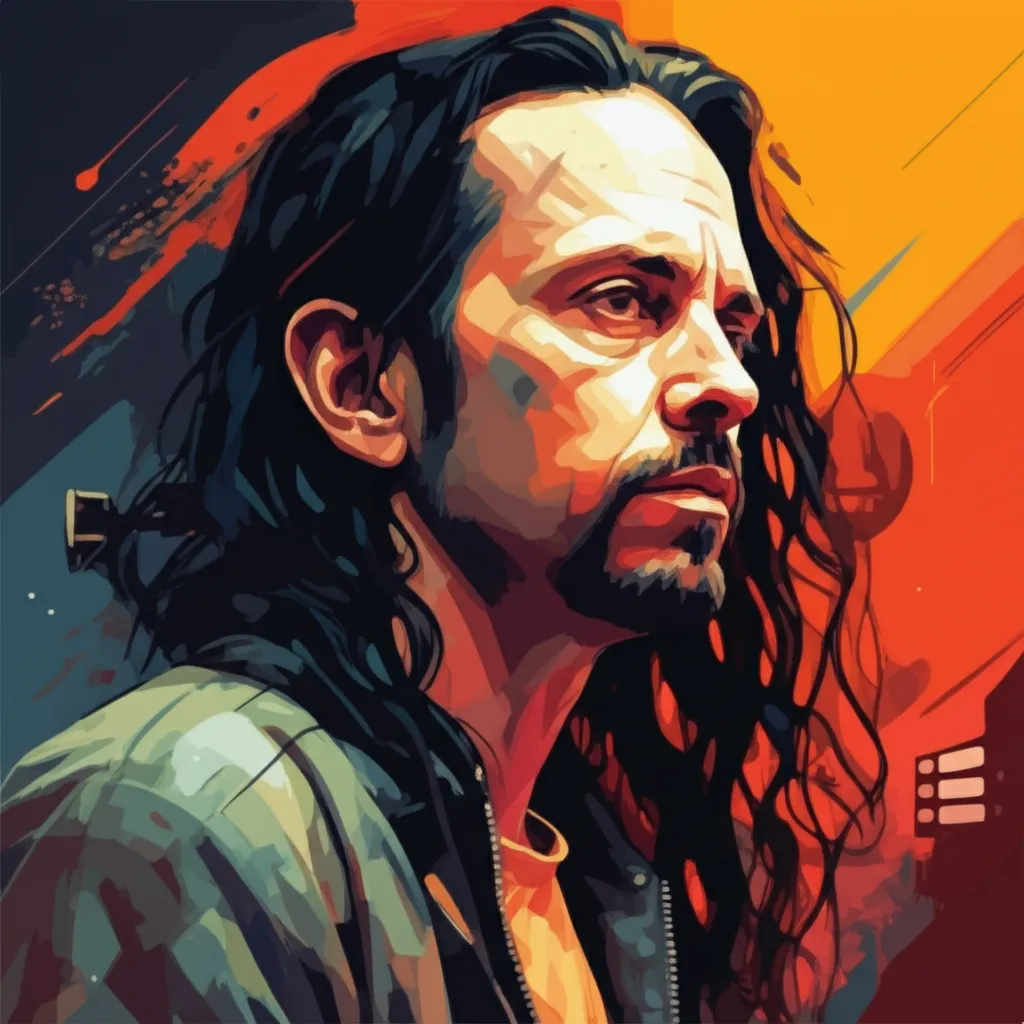
Rob Zombie
Rob Zombie is a multifaceted artist known for his work as a musician, filmmaker, and writer. As a film director, Zombie has made a significant impact on the horror genre with his distinct visual style and unapologetically gritty storytelling. His directorial debut came with the cult classic "House of 1000 Corpses" (2003), a visceral and deeply unsettling exploration of sadistic violence and depravity. Zombie's bold, unflinching approach to horror quickly established him as a formidable force in the genre. In "The Devil's Rejects" (2005), Zombie continued to push boundaries with a brutal and unrelenting narrative that delves into the twisted minds of a family of sadistic killers. Known for his visceral and raw storytelling, Zombie's films often confront audiences with uncomfortable truths and unflinchingly dark subject matter. His unapologetic embrace of the macabre, coupled with his penchant for creating deeply flawed yet compelling characters, has solidified his status as a pioneering figure in the horror genre. In "The Lords of Salem" (2012), Zombie ventured into more psychological and atmospheric horror, showcasing his versatility as a filmmaker. This film demonstrated his ability to create an immersive and haunting visual aesthetic while delving into themes of witchcraft and the occult. From his signature gritty visuals to his penchant for exploring the darker aspects of human nature, Zombie's films are characterized by their unrelenting intensity and uncompromising vision. Zombie's impact on cinema extends beyond his individual films, as he has carved out a niche for himself as a filmmaker unafraid to challenge conventions and delve into the darkest recesses of human experience. His unique directorial style, characterized by its unapologetic brutality and unflinching exploration of the human psyche, has left an indelible mark on the horror genre. With a fearless approach to storytelling and a commitment to pushing boundaries, Rob Zombie continues to be a driving force in shaping the landscape of contemporary horror cinema.
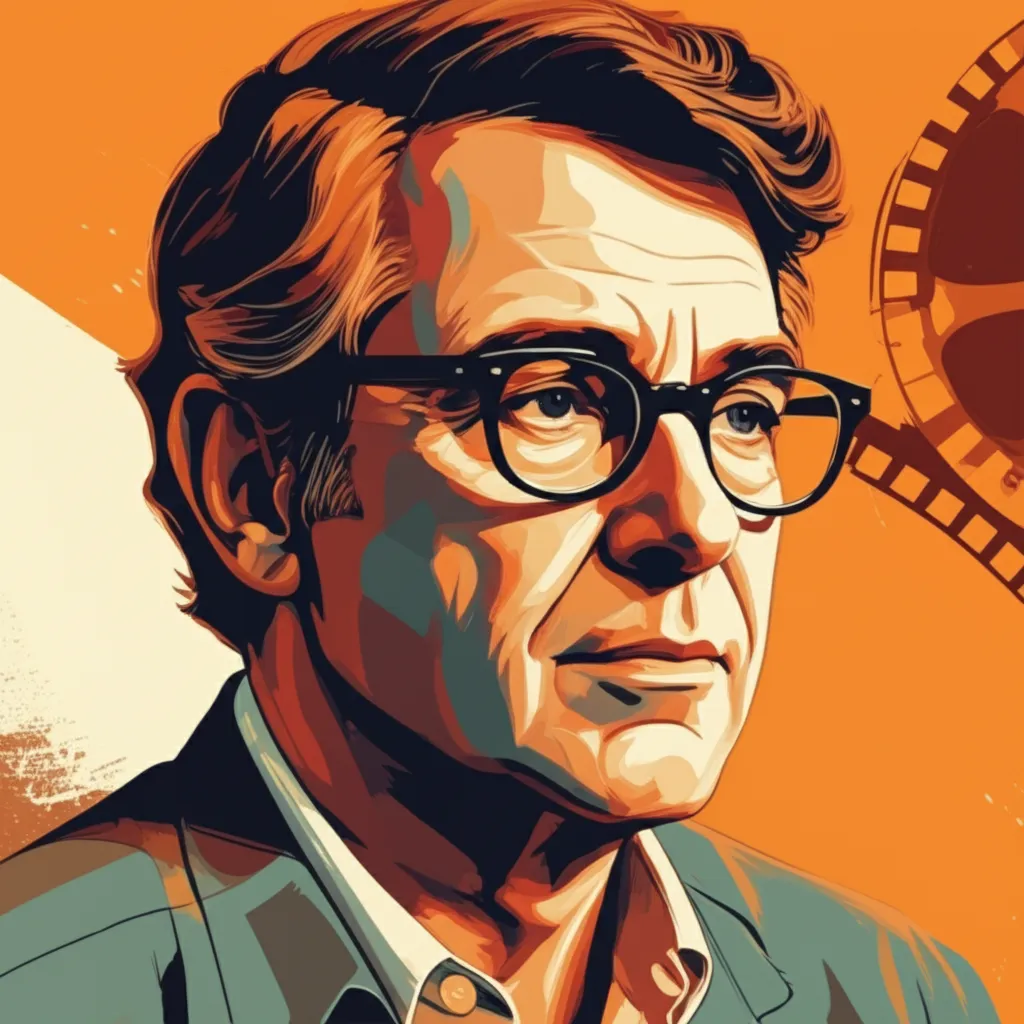
Rod Daniel
Rod Daniel was an American film director best known for his work in the action-comedy genre. He began his directing career in the 1970s, but it was in the 1980s and 1990s that he made his mark with several notable films. Daniel's directorial style often combined action, comedy, and crime, creating entertaining and engaging films that resonated with audiences. His ability to blend humor with compelling storytelling made him a sought-after director in the industry. One of Daniel's most significant works is "K-9" (1989), a buddy cop film that starred James Belushi as a detective partnered with a police dog. The movie was a commercial success and showcased Daniel's talent for blending action-packed sequences with comedic elements. His adeptness at balancing humor and intense action set him apart as a director with a unique vision. In 1993, Daniel directed "Beethoven's 2nd," a heartwarming family comedy that followed the adventures of the lovable St. Bernard, Beethoven. The film was a hit among audiences and demonstrated Daniel's versatility in handling family-friendly content while maintaining his signature blend of humor and warmth. His ability to navigate different genres while infusing his films with his distinctive directorial style solidified his reputation as a versatile and skilled filmmaker. Throughout his career, Rod Daniel's films often featured themes of friendship, loyalty, and the triumph of the underdog, resonating with audiences on an emotional level. His impact on cinema lies in his ability to deliver entertaining and relatable stories that stood the test of time. Though he may not have been a household name, his contributions to the action-comedy and family genres have left a lasting impression on the film industry. In conclusion, Rod Daniel's directorial career was defined by his ability to craft entertaining and engaging films that resonated with audiences across different genres. His talent for blending action, comedy, and heartwarming storytelling set him apart as a versatile director with a unique vision. While his filmography may be relatively modest, his impact on cinema is undeniable, and his films continue to be cherished by audiences worldwide.
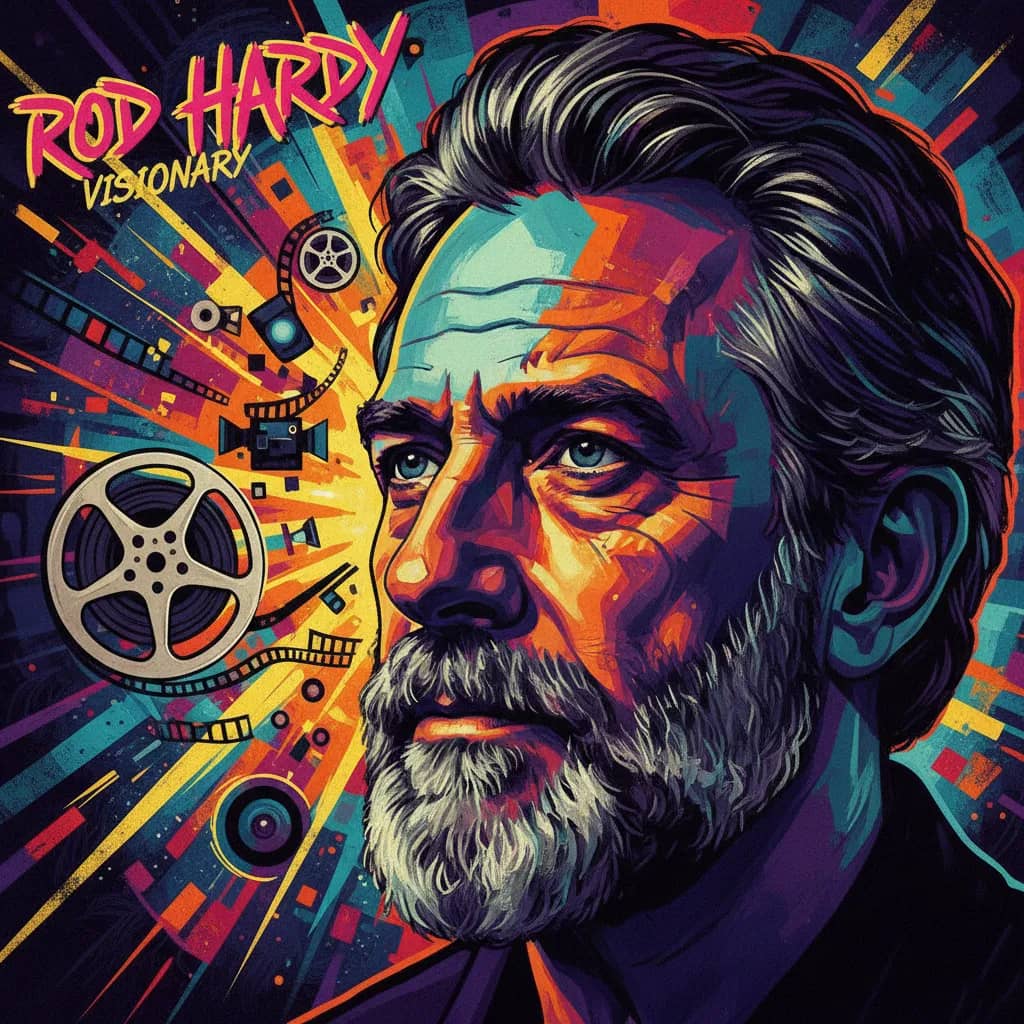
Rod Hardy
Rod Hardy is an Australian film and television director known for his diverse range of work, spanning across various genres and formats. His career began in the 1970s, and he has since made significant contributions to the entertainment industry. Hardy's directorial style is characterized by a keen visual sense, skillful storytelling, and the ability to evoke powerful emotions from his audience. His notable films include "December Boys" (2007), a coming-of-age drama with a touch of romance, and "Robinson Crusoe" (1997), an adventurous adaptation of the classic novel. In "December Boys," Hardy masterfully captured the complexities of adolescence and the bittersweet journey to adulthood. With stunning cinematography and compelling performances, he brought to life a poignant narrative that resonated with audiences worldwide. The film showcased Hardy's ability to infuse raw emotion into his storytelling, establishing him as a director with a profound understanding of human experiences. "Robinson Crusoe" further demonstrated Hardy's versatility, as he skillfully navigated the challenges of bringing a beloved literary work to the screen, creating a captivating adventure that stayed true to the essence of the original tale. Throughout his career, Hardy has exhibited a penchant for exploring themes of resilience, self-discovery, and the triumph of the human spirit. His films often delve into the complexities of relationships, the impact of personal choices, and the quest for identity. Hardy's contributions to cinema have left an indelible mark, showcasing his ability to craft compelling narratives that resonate with audiences on a deep, emotional level. Rod Hardy's unique vision and directorial prowess have solidified his status as a respected figure in the world of filmmaking. His ability to seamlessly transition between genres and evoke genuine, heartfelt performances from his actors has contributed to the lasting impact of his work. As a director, Hardy continues to inspire and captivate audiences with his rich storytelling and visual artistry, leaving an enduring legacy in the realm of cinema. In conclusion, Rod Hardy's career is a testament to his remarkable talent and unwavering dedication to the craft of filmmaking. With a diverse filmography that showcases his versatility and artistry, Hardy has established himself as a director with a profound understanding of the human experience. His impact on cinema is undeniable, and his contributions continue to resonate with audiences, solidifying his legacy as a visionary director.