Director Names Starting with R
Showing 181-192 out of 290
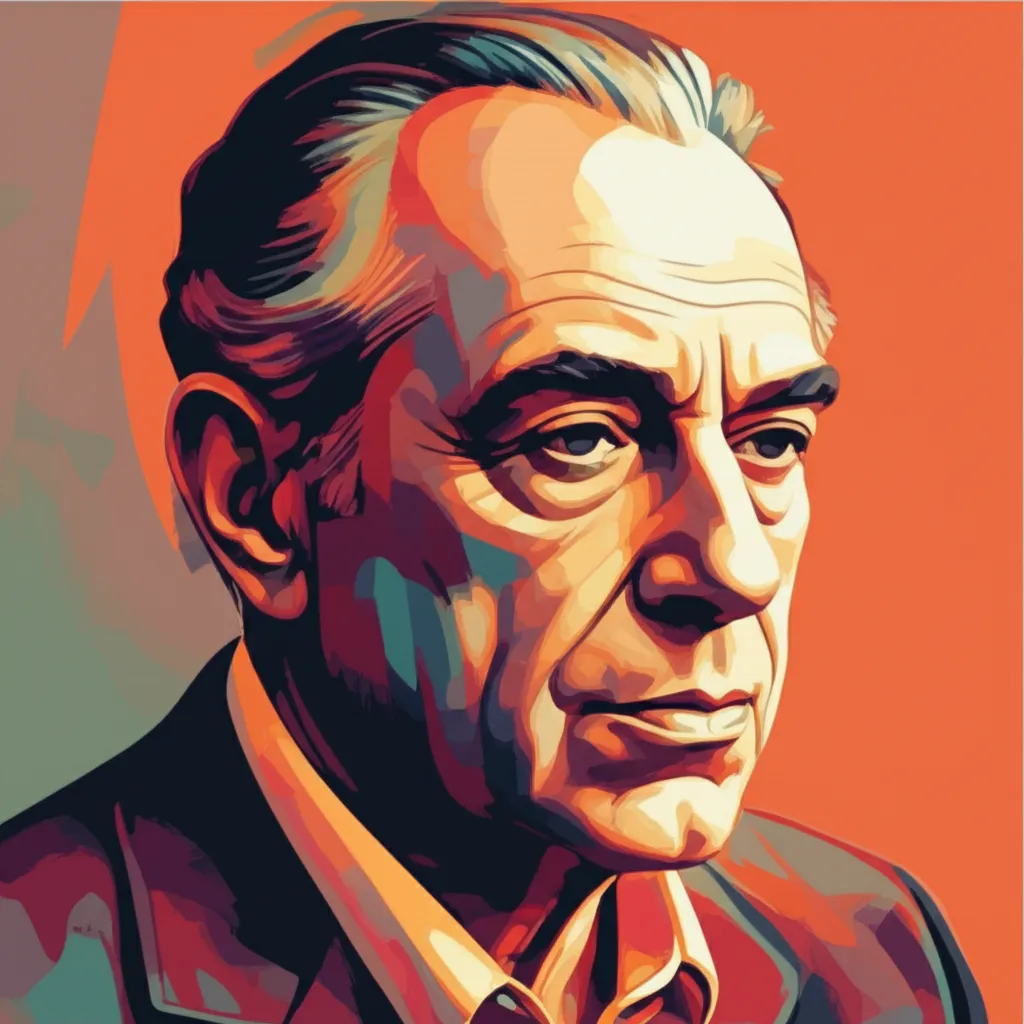
Robert Rossen
Robert Rossen was an American film director known for his impactful contributions to the world of cinema. Born in New York City in 1908, Rossen began his career as a writer before transitioning into directing. His directorial style is characterized by a keen focus on character-driven narratives and psychological depth. Rossen's films often explored themes of ambition, power, and moral dilemmas, captivating audiences with their gripping storytelling and nuanced character development. One of Rossen's most notable works is "The Hustler" (1961), a compelling drama set in the world of professional pool. Starring Paul Newman and featuring a stellar performance by Jackie Gleason, the film delves into the complex dynamics of competition, identity, and redemption. Rossen's deft direction brought a raw and gritty authenticity to the film, immersing viewers in the intense and emotionally charged world of the characters. "The Hustler" remains an enduring classic, celebrated for its powerful performances and Rossen's masterful storytelling. Throughout his career, Rossen consistently tackled themes of ambition, morality, and the human psyche, creating a body of work that resonated with audiences and critics alike. His films often delved into the darker aspects of human nature, offering thought-provoking explorations of the human condition. Rossen's impact on cinema is undeniable, as his directorial prowess and uncompromising vision have left an indelible mark on the art of storytelling through film. Robert Rossen's legacy as a director continues to inspire and influence filmmakers today, with his films standing as timeless examples of the power of cinema to illuminate the complexities of the human experience. His unique ability to craft compelling narratives and evoke profound emotional resonance has solidified his place in the pantheon of great directors, making him a revered figure in the history of film. Rossen's body of work serves as a testament to the enduring impact of visionary storytelling and stands as a testament to his enduring legacy in the world of cinema.
Robert Schwentke
Robert Schwentke is a German film director known for his diverse range of work spanning various genres. With a keen eye for crafting suspenseful narratives and visually striking scenes, Schwentke has made a significant impact on cinema. His directorial style is characterized by a meticulous attention to detail and a knack for building tension, making him a sought-after talent in the industry. One of Schwentke's notable films is "Flightplan" (2005), a gripping thriller that showcases his ability to create high-stakes situations and keep audiences on the edge of their seats. The film's taut pacing and masterful suspense exemplify Schwentke's skill in building tension throughout a narrative. In "The Divergent Series: Insurgent" (2015) and "Allegiant" (2016), Schwentke demonstrated his proficiency in directing action-packed sequences within the realm of science fiction, further solidifying his versatility as a director. In "The Captain" (2017), Schwentke delved into historical drama, showcasing his ability to tackle weighty subject matter with finesse. The film's intense portrayal of morality and power dynamics reflects Schwentke's penchant for exploring complex themes within his work. Additionally, "The Time Traveler's Wife" (2009) and "RED" (2010) highlight Schwentke's adeptness in blending genres, seamlessly transitioning from heartfelt drama to exhilarating action-comedy. Throughout his career, Schwentke has demonstrated a recurring theme of human resilience in the face of adversity, often exploring the depths of the human psyche and the complexities of interpersonal relationships. His films often feature protagonists navigating through extraordinary circumstances, reflecting Schwentke's interest in the human experience under extraordinary conditions. Overall, Robert Schwentke's unique vision and ability to navigate across genres have left an indelible mark on cinema. His skillful direction and ability to elicit powerful performances from his cast have solidified his status as a director to watch in the industry. With a diverse filmography that spans from pulse-pounding thrillers to thought-provoking dramas, Schwentke continues to captivate audiences with his distinct directorial style and unwavering commitment to storytelling.
Robert Shaye
Robert Shaye is an American film director and producer best known for his work in the science fiction fantasy genre. Shaye's directorial debut came with the 2007 film "The Last Mimzy," a captivating action-adventure drama that transports audiences to a world of wonder and imagination. His filmography as a director may be limited, but his impact on cinema as a producer and co-founder of New Line Cinema is substantial. Shaye's directorial style is characterized by his ability to blend fantastical storytelling with real-world themes, creating films that resonate with audiences of all ages. "The Last Mimzy" exemplifies Shaye's directorial approach, as he expertly weaves together elements of action, adventure, and drama to deliver a visually stunning and emotionally engaging cinematic experience. The film's exploration of the bond between siblings and the power of imagination reflects Shaye's recurring themes of family dynamics and the human connection to otherworldly phenomena. Through his direction, Shaye brings a sense of magic and wonder to the screen, captivating audiences with his unique vision and storytelling prowess. As a director, Shaye's impact on cinema lies in his ability to transport audiences to enchanting worlds while addressing universal themes that resonate deeply with viewers. While "The Last Mimzy" stands as his sole directorial credit, Shaye's influence as a producer and executive cannot be overstated. His role in shepherding groundbreaking franchises such as "The Lord of the Rings" and "The Nightmare on Elm Street" series has solidified his status as a visionary in the film industry. Shaye's contributions to genre-defining films have left an indelible mark on the cinematic landscape, earning him a well-deserved place in the annals of film history.
Robert Siodmak
Robert Siodmak was a German-born film director whose career spanned several decades and left an indelible mark on the film industry. Known for his mastery of suspense and atmospheric cinematography, Siodmak's directorial style helped define the film-noir genre in the 1940s. His most iconic works include "The Killers" (1946) and "The Spiral Staircase" (1946), both of which exemplify his ability to create gripping narratives with striking visual compositions. Siodmak's films often delved into the darker aspects of human nature, exploring themes of crime, morality, and psychological intrigue. His signature use of shadow and light, coupled with intricate storytelling, set a benchmark for film-noir directors to follow. "The Killers," based on Ernest Hemingway's short story, is regarded as a quintessential film-noir, featuring complex characters and a non-linear narrative that captivated audiences and critics alike. Meanwhile, "The Spiral Staircase" showcased Siodmak's adeptness at blending horror and mystery, utilizing suspenseful sequences and haunting imagery to create an unforgettable cinematic experience. Throughout his career, Siodmak's impact on cinema extended beyond his technical prowess. His films often grappled with moral ambiguity and the human psyche, reflecting the uncertainty and disillusionment of post-war society. This thematic depth, combined with his visual acumen, cemented Siodmak's status as a visionary director whose work continues to inspire filmmakers to this day. In conclusion, Robert Siodmak's directorial legacy is defined by his innovative approach to storytelling and his ability to craft visually arresting films that resonated with audiences. His contributions to the film-noir genre and his exploration of psychological complexities have solidified his place in cinematic history. Siodmak's influence can be seen in the works of subsequent directors, making him a seminal figure in the evolution of film aesthetics and narrative techniques.

Robert Smigel
Robert Smigel is best known for his work as a comedy writer and producer, but in 2018, he made his directorial debut with the Netflix original film "The Week Of." Smigel's directorial style is characterized by a sharp wit and a keen sense of comedic timing, honed through years of writing for popular comedy programs such as "Saturday Night Live" and creating iconic characters like Triumph the Insult Comic Dog. "The Week Of" showcases Smigel's ability to blend humor with heartfelt storytelling, as the film revolves around the chaotic week leading up to a wedding. Despite "The Week Of" being his first official directorial credit, Smigel's impact on the comedy world is substantial. He has been a key figure in shaping the comedic landscape for decades, contributing to classic SNL sketches and serving as the head writer for the show during the 1990s. His unique brand of humor often incorporates satire and absurdity, and these elements are evident in his directorial work. Smigel's filmography may be limited as a director, but his influence on the comedy genre is undeniable. With "The Week Of," he has demonstrated his ability to bring his distinct comedic sensibility to the big screen. His directorial debut serves as a testament to his versatility as a comedy writer and his potential as a filmmaker. As Smigel continues to explore the world of directing, audiences can expect to see more of his signature humor and insightful storytelling on display. In conclusion, Robert Smigel's directorial debut with "The Week Of" marks an exciting new chapter in his illustrious career. His impact on cinema extends beyond his directorial work, as his contributions to comedy have left an indelible mark on the entertainment industry. With his unique vision and comedic prowess, Smigel is poised to make further waves in the world of film directing, and audiences can anticipate more laughter and heartwarming moments in his future directorial endeavors.

Robert Stevenhagen
Robert Stevenhagen is a visionary director known for his exceptional work in the animation genre. One of his most notable directorial achievements is "The Tale of Despereaux" (2008), a captivating animated film that seamlessly blends adventure, comedy, and heartwarming storytelling. Stevenhagen's directorial style is characterized by his meticulous attention to detail, vibrant visual aesthetics, and ability to bring enchanting stories to life on the big screen. "The Tale of Despereaux" stands as a testament to Stevenhagen's unparalleled skill in creating immersive animated worlds that resonate with audiences of all ages. His distinct directorial approach is evident in the film's intricate character designs, stunning animation, and emotionally resonant narrative. Through his masterful direction, Stevenhagen brings a sense of wonder and magic to the screen, captivating viewers with his unique storytelling prowess. Throughout his career, Stevenhagen has demonstrated a keen eye for capturing the essence of timeless tales and infusing them with his own creative flair. His films often explore themes of bravery, friendship, and the triumph of the underdog, resonating with audiences on a profound and emotional level. Through his directorial contributions, Stevenhagen has left an indelible mark on the animation genre, inspiring and influencing a new generation of filmmakers. Stevenhagen's impact on cinema extends beyond his directorial achievements, as he continues to shape the landscape of animated filmmaking with his innovative vision and unwavering passion for storytelling. His dedication to pushing the boundaries of visual storytelling has solidified his status as a pioneering director in the animation industry. With each new project, Stevenhagen reaffirms his position as a visionary filmmaker, leaving an enduring legacy that will continue to inspire audiences and fellow filmmakers for years to come.
Robert Stevenson
Robert Stevenson was a British-born film director known for his remarkable contributions to the world of cinema. With a career spanning over five decades, Stevenson left an indelible mark on the industry, creating timeless classics that continue to captivate audiences to this day. He possessed a unique directorial style that seamlessly blended adventure, drama, and family themes, which became his signature touch across his filmography. Stevenson's directorial journey began to gain widespread recognition with the release of "Old Yeller" in 1957, a heartwarming adventure film that showcased his ability to evoke genuine emotion and portray the deep bond between humans and animals. His directorial prowess reached new heights with the iconic "Mary Poppins" in 1964, a whimsical and imaginative masterpiece that combined comedy, family dynamics, and fantastical elements in a visually stunning narrative. The film's enduring popularity and critical acclaim solidified Stevenson's status as a visionary director. In 1969, Stevenson continued to showcase his versatility as a director with "The Love Bug," a delightful comedy infused with the thrill of sports, further cementing his reputation as a director capable of delivering diverse and universally appealing cinematic experiences. His penchant for weaving together animation, adventure, and comedy was further evident in the enchanting "Bedknobs and Broomsticks" (1971), demonstrating his ability to transport audiences to magical realms while instilling timeless moral lessons. Stevenson's films often revolved around themes of love, friendship, and the triumph of the human spirit, resonating with viewers of all ages. His legacy extends beyond individual films, as he significantly impacted the landscape of family-oriented cinema, setting a standard for storytelling that continues to inspire contemporary filmmakers. Stevenson's unique vision and directorial finesse have left an indelible mark on the world of cinema, making him a revered figure in the history of film. In conclusion, Robert Stevenson's illustrious career as a director exemplifies his unparalleled ability to craft compelling narratives across various genres, leaving a lasting impact on cinema. His timeless films continue to enchant audiences, and his legacy as a visionary director remains an integral part of cinematic history.
Robert Stromberg
Robert Stromberg is a renowned film director known for his exceptional work in the adventure, family, and fantasy genres. His most notable directorial venture, "Maleficent" (2014), is a visually captivating reimagining of the classic fairy tale, "Sleeping Beauty". Stromberg's directorial style is marked by his keen eye for fantastical visuals and his ability to create immersive and enchanting cinematic worlds that captivate audiences of all ages. His meticulous attention to detail and imaginative storytelling have solidified his status as a visionary director in the realm of fantasy filmmaking. "Maleficent" stands as a testament to Stromberg's ability to breathe new life into beloved stories, offering a fresh perspective that resonates with contemporary audiences. His directorial debut was met with critical acclaim and commercial success, establishing him as a formidable force in the industry. Stromberg's emphasis on strong visual storytelling and the exploration of complex characters has set him apart in the realm of fantasy filmmaking, garnering admiration from both critics and audiences alike. Stromberg's career has been defined by his dedication to bringing visually stunning and emotionally resonant stories to the screen. His work often delves into themes of redemption, empathy, and the complexities of good and evil, offering thought-provoking narratives that transcend the boundaries of traditional fairy tales. His impact on cinema is evident in his ability to transport viewers into breathtaking and otherworldly landscapes, creating a sense of wonder and awe that has become synonymous with his directorial signature. In the world of fantasy filmmaking, Robert Stromberg has carved out a niche as a director with a unique vision and an unparalleled ability to transport audiences into fantastical realms. His contributions to the genre have left an indelible mark on cinema, inspiring future filmmakers to push the boundaries of visual storytelling and immerse audiences in captivating and imaginative worlds. As he continues to shape his directorial career, Stromberg's legacy as a visionary director in the realm of fantasy filmmaking is sure to endure for years to come.
Robert Towne
Robert Towne is a renowned film director known for his compelling storytelling and exceptional contributions to cinema. With a career spanning over several decades, Towne has left an indelible mark on the film industry. His directorial debut came in 1988 with the crime drama romance "Tequila Sunrise," which showcased his adeptness in capturing complex relationships and moral dilemmas on screen. Towne's directorial style is characterized by his meticulous attention to character development and intricate plot dynamics. He has a knack for delving into the human psyche, often exploring the complexities of emotions and the consequences of choices. His films are known for their evocative storytelling, often delving into the darker facets of human nature while maintaining a sense of poignancy and depth. "Tequila Sunrise" stands as a testament to Towne's directorial prowess, seamlessly blending elements of crime, drama, and romance. The film's intricate narrative and multifaceted characters underscore Towne's ability to craft compelling and multi-dimensional stories that resonate with audiences. Through his directorial work, Towne has consistently explored themes of loyalty, betrayal, and the intricacies of human relationships, establishing himself as a master storyteller. Towne's impact on cinema is far-reaching, with his directorial work inspiring and influencing a generation of filmmakers. His dedication to nuanced storytelling and his ability to elicit powerful performances from actors have cemented his status as a visionary director. Towne's legacy in the film industry is marked by his commitment to pushing artistic boundaries and creating films that leave a lasting impression on audiences. In conclusion, Robert Towne's directorial career has been defined by his unparalleled storytelling abilities and his adeptness in capturing the complexities of the human experience. His directorial debut with "Tequila Sunrise" marked the beginning of a remarkable journey, showcasing his unique vision and directorial prowess. Towne's impact on cinema is immeasurable, and his legacy as a director continues to inspire and resonate with filmmakers and audiences alike.
Robert Walker
Robert Walker is a renowned director known for his exceptional work in the animation genre. With a career spanning over two decades, Walker has made significant contributions to the world of cinema. His directorial debut came with the highly acclaimed animated film "Brother Bear" in 2003. The movie, which seamlessly blends elements of adventure, comedy, and heartwarming storytelling, showcased Walker's ability to create visually stunning and emotionally resonant animated features. Walker's directorial style is characterized by his keen attention to detail, vibrant storytelling, and the ability to infuse profound emotional depth into his films. "Brother Bear" stands as a testament to his unique vision, as he skillfully weaves together themes of friendship, self-discovery, and the interconnectedness of all living beings. Walker's commitment to portraying the complexities of human emotions through animation has set him apart as a director with a distinct and captivating approach to storytelling. The success of "Brother Bear" solidified Walker's position as a director capable of delivering compelling narratives that appeal to audiences of all ages. His ability to create visually stunning worlds and endearing characters has left an indelible mark on the animation industry. With a focus on themes of family, nature, and personal growth, Walker's films resonate with viewers on a deeply emotional level, transcending the boundaries of age and cultural background. Walker's impact on cinema extends beyond his individual films, as he has inspired a new generation of animators and directors to push the boundaries of storytelling through animation. His dedication to crafting immersive and thought-provoking narratives has elevated the status of animated films in the larger cinematic landscape. As the animation genre continues to evolve, Walker's influence remains palpable, with his body of work serving as a testament to the enduring power of storytelling through the art of animation.

Robert Wiene
Robert Wiene was a pioneering German film director best known for his groundbreaking work in the silent film era. Born in Breslau (now Wrocław, Poland) in 1873, Wiene honed his craft during the early years of cinema and left an indelible mark on the industry with his innovative storytelling and visual style. Wiene's directorial style was marked by a keen eye for visual expressionism, utilizing distorted sets, shadowy lighting, and exaggerated performances to create a surreal and haunting atmosphere in his films. Wiene's most enduring work is the iconic 1920 film "The Cabinet of Dr. Caligari," a masterpiece of German Expressionist cinema. This seminal horror-mystery-thriller film is celebrated for its striking visual design, featuring twisted, angular sets and eerie, dreamlike visuals that perfectly complement the film's psychological terror. "The Cabinet of Dr. Caligari" remains a touchstone of cinematic history and a testament to Wiene's groundbreaking contributions to the horror genre. In addition to "The Cabinet of Dr. Caligari," Wiene also directed a diverse range of films, including "Das Cabinet des Dr. Caligari," an alternate version of the aforementioned classic, which further solidified Wiene's reputation as a visionary director in the realms of fantasy, horror, and mystery. His films often delved into themes of madness, manipulation, and the fragility of reality, showcasing a profound fascination with the darker aspects of the human psyche. Wiene's impact on cinema cannot be overstated, as his innovative use of visual storytelling and psychological depth influenced countless filmmakers and continues to resonate in contemporary cinema. His visionary approach to storytelling and his pioneering work in the realm of German Expressionism left an indelible mark on the horror and thriller genres, inspiring generations of filmmakers to push the boundaries of storytelling and visual aesthetics. Robert Wiene's legacy as a director of unparalleled creativity and innovation cements his status as a true pioneer of cinematic artistry.
Robert Wise
Robert Wise was a prolific and versatile director who made an indelible mark on the world of cinema with his diverse filmography and innovative approach to storytelling. Throughout his career, Wise showcased his mastery across various genres, from musicals to science fiction, and his ability to seamlessly blend compelling narratives with visually stunning cinematography. His directorial style was characterized by meticulous attention to detail, nuanced character development, and a keen sense of visual storytelling. One of Wise's most iconic films, "The Sound of Music" (1965), solidified his reputation as a director capable of delivering timeless and beloved classics. This musical masterpiece not only showcased his ability to capture the beauty of Austria's landscapes but also highlighted his talent for infusing heartwarming family stories with unforgettable musical sequences. Wise's adeptness at capturing the emotional depth of his characters is evident in his acclaimed adaptation of "West Side Story" (1961), a film that seamlessly blended romance, drama, and music, earning widespread praise and multiple Academy Awards, including Best Director. Wise's foray into science fiction yielded remarkable results, with "The Day the Earth Stood Still" (1951) and "The Andromeda Strain" (1971) standing out as groundbreaking examples of the genre. His visionary approach to storytelling and ability to create immersive worlds showcased his mastery of the sci-fi genre. Additionally, his directorial contribution to the "Star Trek" franchise with "Star Trek: The Motion Picture" (1979) further solidified his status as a visionary director capable of bringing complex and thought-provoking narratives to life on the big screen. Wise's impact on cinema transcends individual genres, as his films continue to resonate with audiences and critics alike. His ability to seamlessly traverse various genres while maintaining a distinct directorial voice speaks to his enduring legacy as a visionary filmmaker. Robert Wise's unparalleled contributions to cinema have left an indelible mark on the industry, and his timeless films continue to inspire and captivate audiences around the world.