Director Names Starting with R
Showing 157-168 out of 290
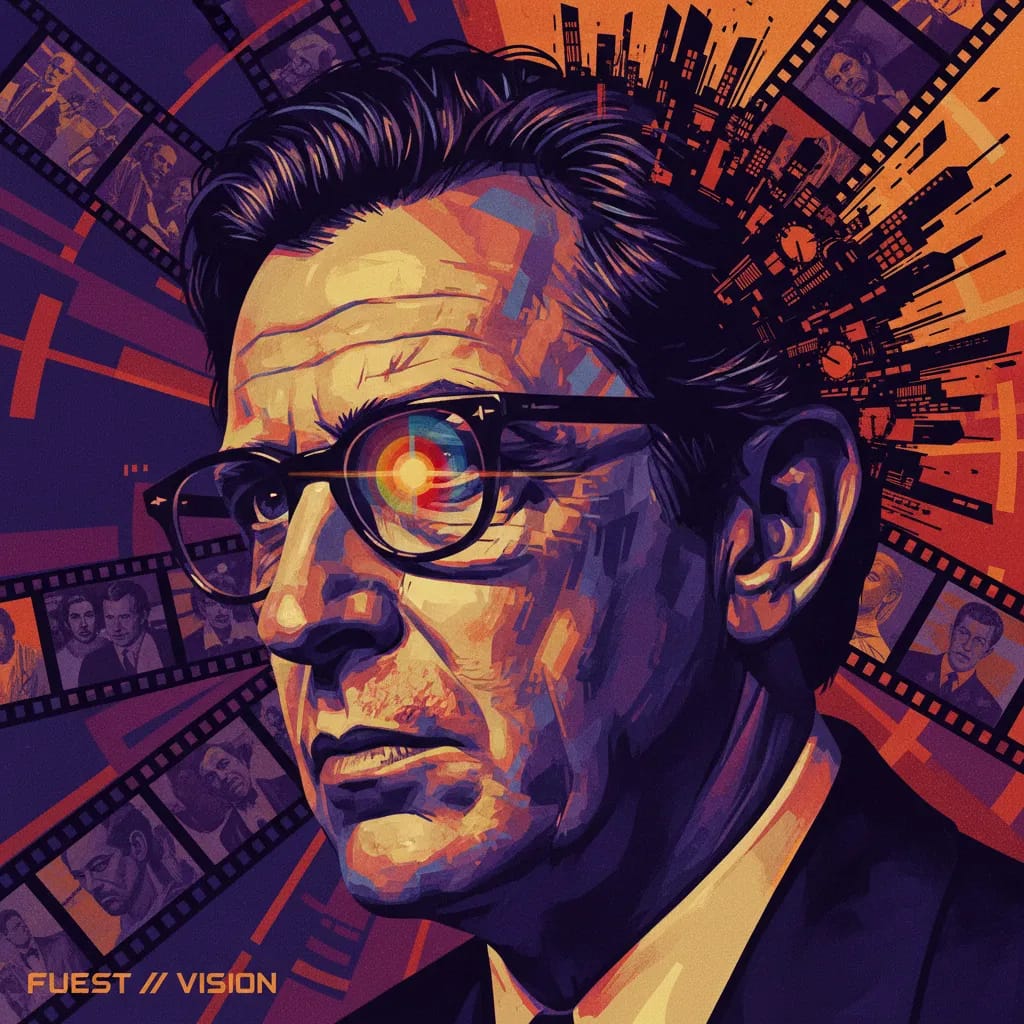
Robert Fuest
Robert Fuest, an English film director, made a significant impact on the horror genre with his distinctive style and unique vision. He is best known for his work on "The Abominable Dr. Phibes" (1971), a darkly comedic horror film that has become a cult classic. Fuest's directorial style is characterized by his keen eye for visual storytelling, striking use of color and lighting, and a penchant for blending horror with dark humor. "The Abominable Dr. Phibes" exemplifies Fuest's directorial approach, featuring elaborate sets, inventive death scenes, and a macabre sense of humor that sets it apart from traditional horror films. Fuest's visual flair and attention to detail are evident throughout the film, creating a surreal and visually stunning cinematic experience that has left a lasting impression on audiences and filmmakers alike. Fuest's career as a director was relatively brief, but his impact on cinema is undeniable. He brought a fresh and innovative approach to the horror genre, influencing subsequent filmmakers and leaving behind a legacy of visually striking and thematically rich films. His work continues to inspire and captivate audiences, cementing his status as a visionary director whose contributions to cinema are deserving of recognition and celebration. In addition to "The Abominable Dr. Phibes," Fuest also directed its sequel, "Dr. Phibes Rises Again" (1972), further showcasing his mastery of blending horror, dark humor, and stylish visuals. While his filmography may be limited, Fuest's influence on the horror genre and his ability to create visually stunning and thematically rich films solidify his status as a director of enduring significance in the history of cinema. Fuest's career may have been relatively short, but his impact on the horror genre and his ability to create visually stunning and thematically rich films solidify his status as a director of enduring significance in the history of cinema. His unique vision and directorial style continue to inspire filmmakers and captivate audiences, ensuring that his legacy lives on in the annals of cinematic history.

Robert Greenwald
Robert Greenwald is a prolific film director known for his unique vision and diverse body of work. With a career spanning several decades, Greenwald has made a significant impact on the film industry with his distinct directorial style and thought-provoking storytelling. One of his notable directorial works includes "Xanadu" (1980), a fantasy musical romance that captivated audiences with its innovative approach to storytelling and visual spectacle. Greenwald's directorial style is characterized by his ability to seamlessly blend genres and create visually stunning narratives that resonate with audiences. With "Xanadu," he showcased his talent for combining fantasy elements with musical and romantic themes, resulting in a film that continues to be celebrated for its unique and imaginative storytelling. Throughout his career, Greenwald has explored recurring themes such as love, fantasy, and the power of dreams, all of which are evident in "Xanadu." His ability to infuse these themes with compelling storytelling and captivating visuals has solidified his reputation as a visionary director with a keen eye for creating unforgettable cinematic experiences. Greenwald's impact on cinema extends beyond his individual films, as his innovative approach to storytelling has inspired and influenced a new generation of filmmakers. His ability to push the boundaries of traditional filmmaking and create visually stunning narratives has left an indelible mark on the industry, cementing his legacy as a director who has redefined the possibilities of storytelling on the big screen. In conclusion, Robert Greenwald's directorial career is a testament to his unparalleled creativity and visionary approach to filmmaking. With "Xanadu" and numerous other works, he has left an enduring legacy that continues to inspire and captivate audiences, solidifying his status as a pioneering director with an unparalleled impact on cinema.
Robert Hamer
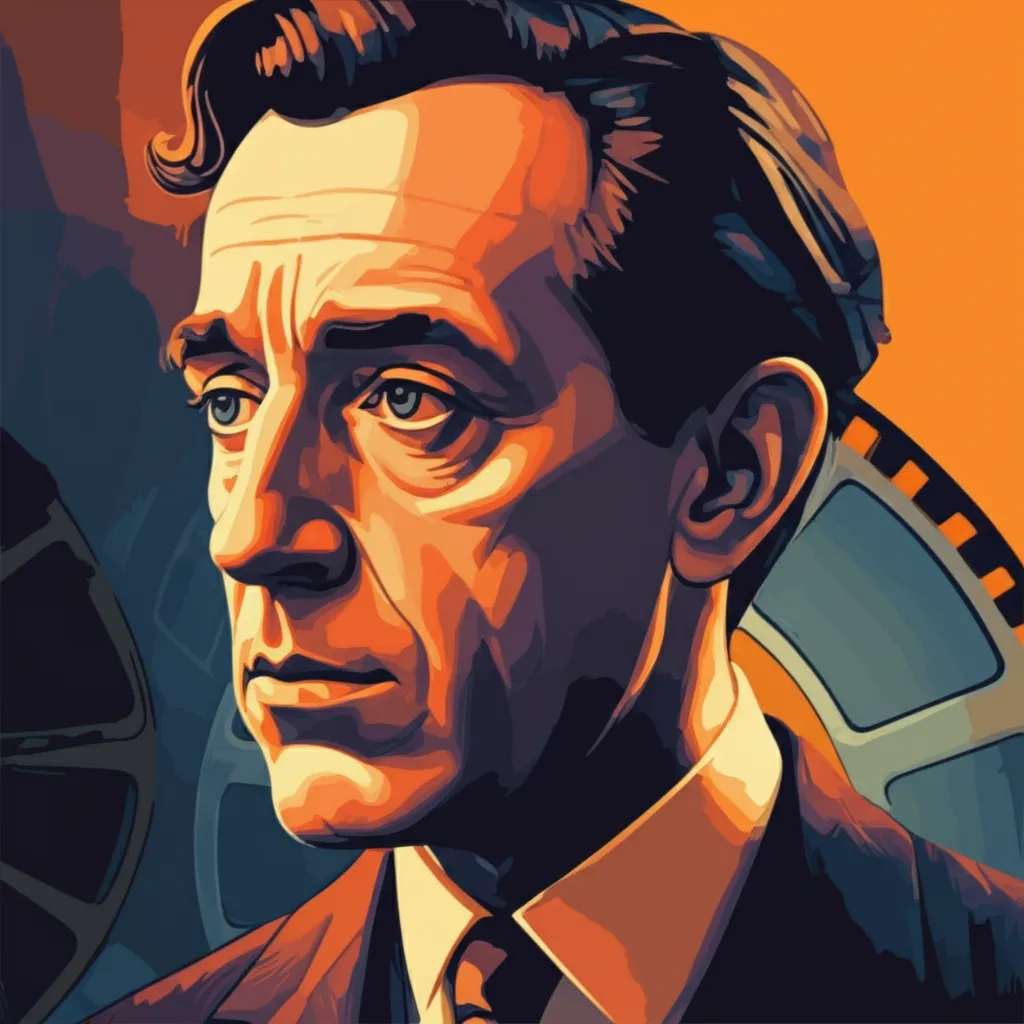
Robert Hamer was a British film director known for his distinctive blend of dark humor, social commentary, and exquisite craftsmanship. He began his career as an editor before transitioning to directing, making a significant impact on British cinema during the mid-20th century. Hamer's directorial style was characterized by his meticulous attention to detail, sharp wit, and ability to infuse even the bleakest subjects with a touch of humor. Hamer's most renowned work is the classic black comedy "Kind Hearts and Coronets" (1949), which remains a beloved gem in the British film canon. The film's clever storytelling, impeccable performances, and striking visual style solidified Hamer's reputation as a master filmmaker. "Kind Hearts and Coronets" showcased his ability to navigate complex narratives with a blend of sophistication and irreverence, a trademark that would define his subsequent projects. Throughout his career, Hamer often explored themes of social class, morality, and the human condition. His films often featured morally ambiguous characters and satirical commentary on the British aristocracy, reflecting his keen insight into societal dynamics. Despite a relatively small filmography, Hamer's impact on cinema was substantial, influencing subsequent generations of filmmakers with his unique approach to storytelling and visual storytelling. Hamer's contribution to the world of cinema remains enduring, with his films continuing to captivate audiences and inspire filmmakers. His legacy as a director who seamlessly merged wit, cynicism, and visual flair has cemented his status as a visionary auteur. With a filmography that may be modest in size but colossal in impact, Robert Hamer's work stands as a testament to the power of a director with a distinct and uncompromising artistic vision.

Robert Harmon
Robert Harmon is an American film director known for his exceptional work in the action, mystery, thriller, and horror genres. With a career spanning over three decades, Harmon has made a significant impact on cinema through his distinct directorial style and storytelling prowess. His notable films include "The Hitcher" (1986), "They" (2002), and "Nowhere to Run" (1993), each showcasing his unique vision and directorial flair. Harmon's directorial style is characterized by a keen sense of tension-building and atmospheric storytelling. In "The Hitcher," he masterfully crafted a suspenseful and intense narrative, establishing himself as a director capable of delivering gripping, edge-of-your-seat experiences. The film's success solidified Harmon's reputation as a director with an innate ability to create compelling stories within the thriller genre. Throughout his career, Harmon has explored recurring themes of survival, paranoia, and the darker aspects of human nature. His films often delve into the psychological and emotional turmoil of their characters, adding depth and complexity to the narratives. Harmon's ability to immerse audiences in the harrowing experiences of his characters sets his work apart and has earned him a dedicated following among fans of suspenseful cinema. Harmon's impact on the industry extends beyond his individual films, as his directorial contributions have influenced and inspired a new generation of filmmakers. His skillful blend of action, drama, and romance in "Nowhere to Run" demonstrated his versatility and cemented his standing as a director capable of delivering multifaceted and engaging storytelling. In conclusion, Robert Harmon's directorial career is defined by his exceptional ability to craft gripping and atmospheric narratives that leave a lasting impression on audiences. With a diverse filmography spanning various genres, he has left an indelible mark on cinema, earning acclaim for his unique vision and storytelling prowess. Harmon's films continue to resonate with viewers, solidifying his status as a director whose work transcends the boundaries of genre and time.
Robert Hiltzik
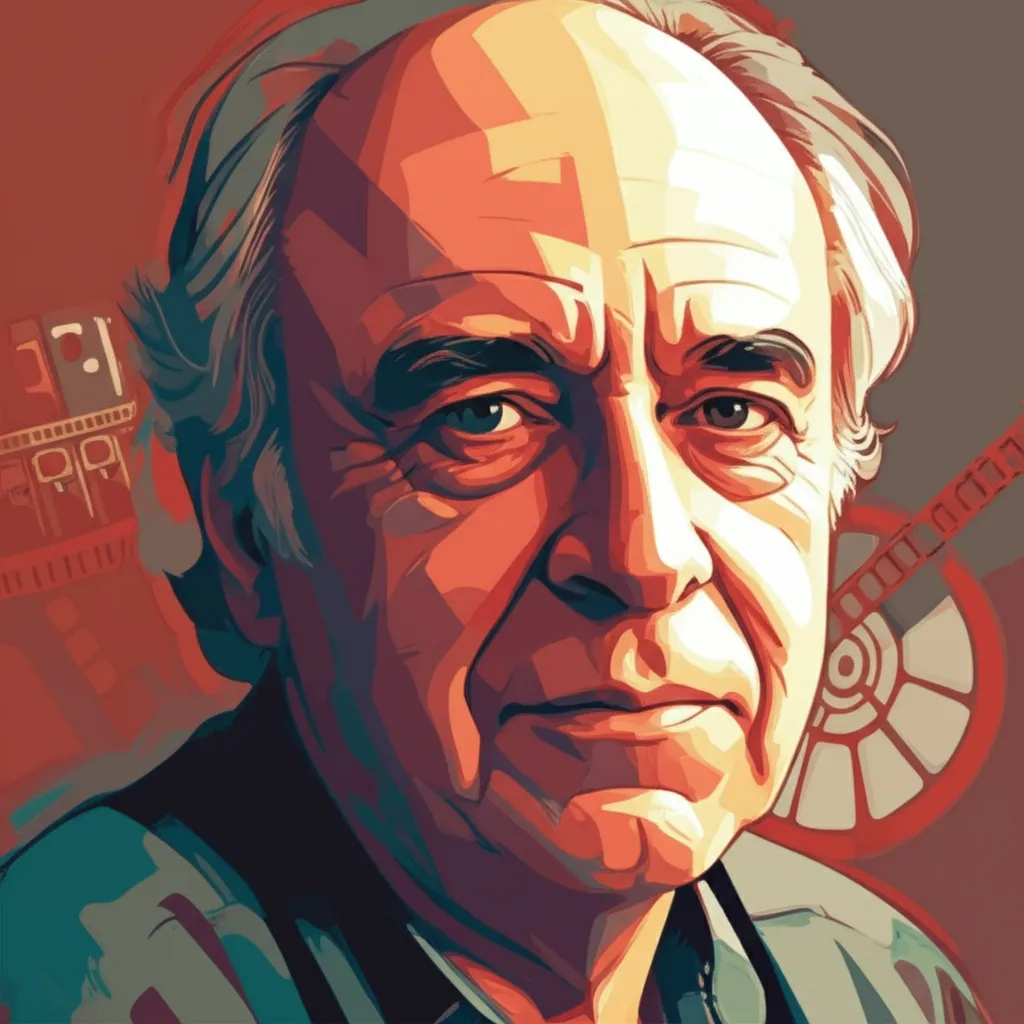
Robert Hiltzik is an American film director best known for his cult classic horror film "Sleepaway Camp" (1983). Hiltzik's directorial style is characterized by a keen understanding of suspense and tension, as well as a knack for crafting unforgettable horror moments. His work often delves into the psychological aspects of fear, creating an atmosphere of unease that lingers long after the credits roll. "Sleepaway Camp" has become a beloved staple of the horror genre, thanks to Hiltzik's distinct vision and storytelling prowess. Hiltzik's impact on cinema is evident in his ability to create a lasting impression with minimal resources. "Sleepaway Camp" is a testament to his talent for maximizing the impact of practical effects and clever camera work, showcasing his resourcefulness as a director. His ability to evoke genuine terror without relying on excessive gore or jump scares sets him apart as a master of atmospheric horror. Throughout his career, Hiltzik has explored recurring themes of the human psyche and the darkness that resides within. His films often tap into the primal fears that lurk beneath the surface, offering audiences a glimpse into the darker aspects of the human experience. This exploration of psychological horror has solidified Hiltzik's reputation as a director unafraid to push boundaries and challenge conventional storytelling norms. In the realm of horror cinema, Robert Hiltzik's contributions are undeniably influential. His ability to create an enduring sense of dread and his talent for crafting memorable, chilling moments have left an indelible mark on the genre. As a director, Hiltzik's unique vision and dedication to his craft continue to inspire filmmakers and captivate audiences, cementing his legacy as a trailblazer in the world of horror cinema.

Robert Houston
Robert Houston is a director known for his impactful contributions to the film industry. His most notable work is "Shogun Assassin," released in 1980. The film is a captivating blend of action and adventure, showcasing Houston's directorial prowess. With a keen eye for stunning visuals and intense storytelling, Houston has left an indelible mark on the action genre. "Shogun Assassin" stands as a testament to Houston's innovative directorial style. The film is celebrated for its masterful cinematography, dynamic action sequences, and compelling narrative. Houston's ability to blend adrenaline-pumping action with intricate storytelling has solidified his reputation as a visionary director. Throughout his career, Houston has displayed a penchant for exploring themes of honor, loyalty, and the human spirit. His films often delve into the complexities of the human experience, captivating audiences with their emotional depth and thought-provoking narratives. "Shogun Assassin" exemplifies Houston's commitment to creating immersive cinematic experiences that resonate with viewers on a profound level. Houston's impact on cinema extends beyond his directorial achievements. His ability to push the boundaries of traditional storytelling and create visually stunning narratives has influenced countless filmmakers. Houston's dedication to his craft and his unique vision have inspired a new generation of directors to push the envelope and redefine the action genre. In conclusion, Robert Houston's directorial career is a testament to his unparalleled creativity and commitment to storytelling. His film "Shogun Assassin" remains a timeless classic, showcasing his ability to craft captivating narratives and visually stunning sequences. Houston's unique directorial style, exploration of profound themes, and lasting impact on cinema solidify his status as a visionary director.

Robert Iscove
Robert Iscove is a seasoned film director known for his work in the romantic comedy genre. He made his mark in the late 1990s with the hit film "She's All That" (1999), which starred Freddie Prinze Jr. and Rachael Leigh Cook. The film, a modern take on the classic "Pygmalion" story, showcased Iscove's knack for blending humor, romance, and coming-of-age themes. It was a commercial success and solidified Iscove's reputation as a director with a keen eye for capturing the complexities of young love. In 2000, Iscove continued his exploration of young adult relationships with "Boys and Girls," a romantic comedy-drama that delved into the complexities of friendship and love. The film, starring Freddie Prinze Jr. and Claire Forlani, further established Iscove as a director who could adeptly navigate the nuances of romantic entanglements while infusing his work with humor and heart. Iscove's directorial style is characterized by his ability to infuse his films with an infectious energy and a relatable charm. His films often revolve around young protagonists navigating the ups and downs of love and friendship, and he excels at capturing the emotional rollercoaster of these experiences with authenticity and warmth. While Iscove's filmography may be relatively compact, his impact on the romantic comedy genre is undeniable. He has left an indelible mark on cinema with his ability to craft compelling narratives that resonate with audiences. Iscove's legacy lies in his unique vision for capturing the trials and triumphs of young love, and his films continue to be cherished for their timeless appeal. With a career marked by memorable storytelling and endearing characters, Robert Iscove remains a beloved figure in the world of romantic comedies.
Robert Klane
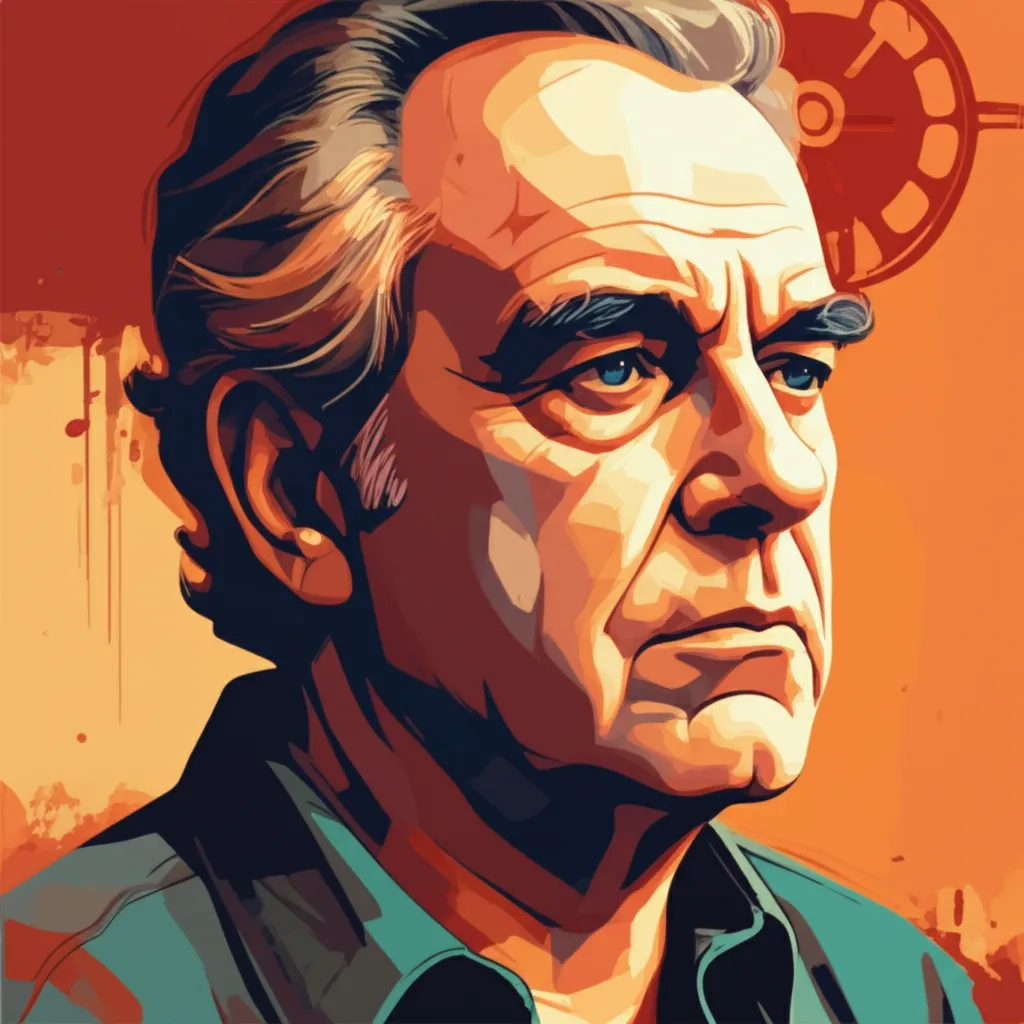
Robert Klane is an American film director known for his work in the comedy genre, with a career spanning over several decades. Klane is best recognized for his directorial role in the 1993 film "Weekend at Bernie's II," a sequel to the cult classic "Weekend at Bernie's." The film combines elements of adventure, comedy, and fantasy, showcasing Klane's versatility in creating entertaining and light-hearted cinema. Klane's directorial style is characterized by his ability to infuse humor into compelling narratives, creating films that resonate with audiences across generations. His keen understanding of comedic timing and visual storytelling shines through in "Weekend at Bernie's II," as he masterfully brings to life the absurd yet entertaining premise of the film. Klane's approach to directing is marked by his knack for delivering laugh-out-loud moments while maintaining a sense of whimsy and escapism, making his films a delightful viewing experience for audiences of all ages. While "Weekend at Bernie's II" remains a notable highlight in Klane's filmography, his contribution to the comedy genre extends beyond this singular project. Throughout his career, Klane has demonstrated a consistent flair for crafting comedic narratives that captivate and entertain viewers. His films often feature relatable characters caught in extraordinary circumstances, and his ability to extract humor from these situations has left a lasting impact on the comedy genre. In the realm of recurring themes, Klane's films often explore the absurdity of everyday life, presenting situations that are both outlandish and amusing. His directorial vision has contributed to the evolution of comedy in cinema, showcasing the enduring appeal of lighthearted storytelling that resonates with audiences globally. Klane's enduring legacy as a director lies in his ability to craft films that transcend time, delivering laughter and joy to audiences while leaving an indelible mark on the world of comedy filmmaking.

Robert Kurtzman
Robert Kurtzman is a renowned director and special effects makeup artist who has made significant contributions to the horror and fantasy genres. With a career spanning over three decades, Kurtzman has left an indelible mark on cinema with his distinctive directorial style and innovative approach to storytelling. He is best known for his directorial debut, "Wishmaster" (1997), a cult classic that seamlessly blends elements of fantasy and horror. As a director, Kurtzman's visual style is characterized by his ability to create immersive and visually stunning worlds that captivate audiences. His expertise in special effects makeup has allowed him to bring his distinctive vision to life, making his films visually striking and memorable. "Wishmaster" stands as a testament to Kurtzman's skill in crafting a dark and fantastical universe, complete with intricate creature designs and imaginative set pieces. Kurtzman's filmography showcases his penchant for exploring themes of fear, mortality, and the supernatural, often delving into the darker aspects of human nature. His films are known for their intense and visceral storytelling, with a focus on creating a sense of unease and suspense that keeps audiences on the edge of their seats. "Wishmaster" exemplifies Kurtzman's ability to craft a chilling and atmospheric narrative, infusing the film with a sense of dread and otherworldly terror. In the realm of cinema, Kurtzman has left a lasting impact through his innovative use of practical effects and his ability to push the boundaries of visual storytelling. His work has inspired a new generation of filmmakers and has solidified his legacy as a visionary director within the horror and fantasy genres. With his unique blend of creativity and technical mastery, Kurtzman continues to be a revered figure in the world of filmmaking, leaving an indelible mark on the industry. In conclusion, Robert Kurtzman's directorial career has been defined by his distinctive vision, innovative storytelling, and unparalleled mastery of special effects. His contributions to the horror and fantasy genres have left an enduring legacy, and his films continue to captivate audiences with their immersive worlds and haunting narratives. As a director, Kurtzman's work stands as a testament to his creative prowess and his ability to push the boundaries of visual storytelling, making him a revered figure in the world of cinema.

Robert Lieberman
Robert Lieberman is an accomplished film director known for his diverse range of work across various genres. With a career spanning several decades, Lieberman has left an indelible mark on the film industry through his unique directorial style and innovative storytelling. His notable works include "D3: The Mighty Ducks" (1996) and "Fire in the Sky" (1993), which showcase his versatility in directing action, comedy, drama, biography, fantasy, and more. In "D3: The Mighty Ducks," Lieberman brings his trademark blend of heartwarming storytelling and compelling action to the beloved sports comedy-drama franchise. His ability to capture the emotional depth of the characters while infusing the film with exhilarating sports sequences has solidified his reputation as a director capable of delivering both entertainment and substance. Meanwhile, "Fire in the Sky" demonstrates Lieberman's proficiency in handling intense and thought-provoking subject matter, as he skillfully navigates the realms of biography, drama, and fantasy to create a captivating and haunting cinematic experience. Lieberman's directorial style is characterized by his adeptness at immersing audiences in richly layered narratives, eliciting genuine emotions, and crafting visually stunning scenes. His films often explore themes of friendship, perseverance, and the human spirit, resonating with viewers on a profound level. Through his meticulous attention to detail and commitment to authenticity, Lieberman has consistently delivered impactful and memorable cinematic experiences that have stood the test of time. As a visionary director, Lieberman has made significant contributions to cinema by pushing the boundaries of storytelling and captivating audiences with his compelling narratives. His ability to seamlessly transition between genres while maintaining a distinct artistic voice sets him apart as a versatile and influential filmmaker. With a legacy marked by acclaimed works and a dedicated fan base, Robert Lieberman continues to inspire and entertain audiences with his exceptional directorial prowess. In conclusion, Robert Lieberman's illustrious career as a film director is defined by his ability to masterfully navigate diverse genres, infuse his films with profound themes, and leave an enduring impact on cinema. From heartwarming sports dramas to thought-provoking biographical narratives, Lieberman's directorial vision has captivated audiences and cemented his status as a cinematic trailblazer. With an impressive body of work that continues to resonate with viewers, he remains a revered figure in the world of filmmaking.

Robert Longo
Robert Longo is a visionary film director known for his bold, visually stunning approach to storytelling. While he may be best recognized for his 1995 cyberpunk film "Johnny Mnemonic," Longo has also made significant contributions as a visual artist and filmmaker. His directorial style is characterized by a keen eye for striking visuals, dynamic action sequences, and thought-provoking narratives that often intersect with themes of technology, dystopia, and the human condition. "Johnny Mnemonic" stands as a testament to Longo's distinct directorial vision, combining elements of action, drama, and science fiction to create a cinematic experience that remains influential in the genre. Longo's meticulous attention to detail and innovative use of special effects in this film have left a lasting impact on the sci-fi film landscape, setting new standards for visual storytelling and immersive world-building. Throughout his career, Longo has explored recurring themes such as the intersection of humanity and technology, the consequences of a hyper-connected world, and the struggle for individual identity within a rapidly changing society. His ability to infuse these themes with visceral action and emotional depth has earned him a place among the most distinctive voices in modern cinema. Longo's influence extends beyond the realm of filmmaking, as his multidisciplinary approach to art and culture has made him a significant figure in contemporary visual arts. His boundary-pushing creativity and willingness to challenge cinematic conventions have solidified his reputation as a director unafraid to push the boundaries of storytelling and visual expression. As audiences continue to seek out immersive, thought-provoking cinema, Robert Longo's impactful contributions to the world of film are sure to endure as a testament to his enduring legacy as a director and visual artist.
Robert Lorenz
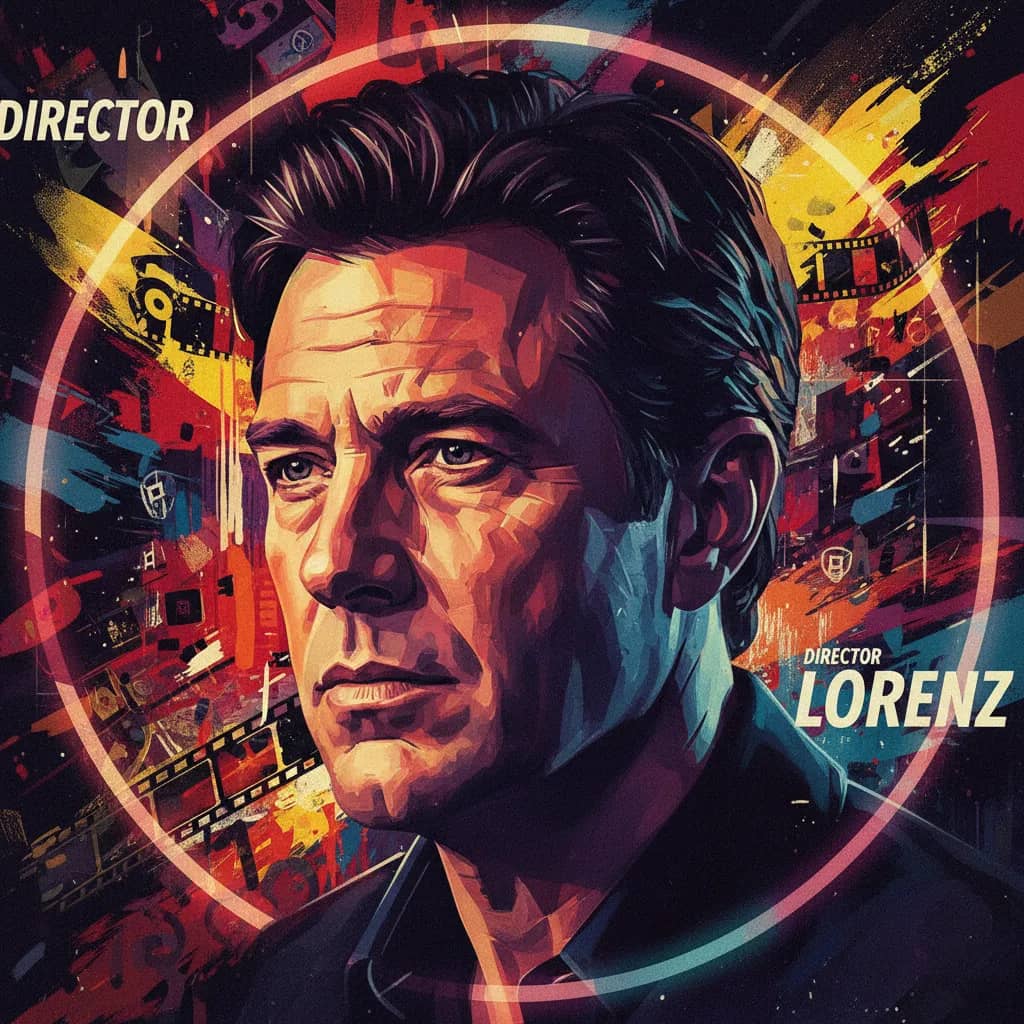
Robert Lorenz is an American film director known for his work in drama, sport, action, and thriller genres. Lorenz began his directing career with the critically acclaimed "Trouble with the Curve" in 2012, a heartwarming drama starring Clint Eastwood and Amy Adams. The film showcased Lorenz's ability to capture the emotional depth of characters while incorporating elements of sports and family dynamics. His keen eye for storytelling and character development was evident, establishing him as a director with a knack for bringing human stories to life on the screen. In 2021, Lorenz further solidified his directorial prowess with "The Marksman," a gripping action thriller that delves into themes of redemption and the bond between a young boy and a hardened rancher played by Liam Neeson. The film demonstrated Lorenz's versatility in seamlessly blending action-packed sequences with poignant storytelling. His ability to infuse depth into the characters and craft compelling narratives has made him a sought-after director in the industry. Lorenz's directorial style is characterized by his focus on nuanced character portrayals and emotionally resonant storytelling. His films often explore themes of family, redemption, and the human spirit, showcasing his commitment to presenting authentic and relatable narratives. Whether it's the emotional complexities of familial relationships or the adrenaline-fueled tension of survival, Lorenz skillfully navigates diverse genres while maintaining a cohesive directorial signature. With his notable films and consistent ability to evoke powerful performances from his actors, Robert Lorenz has made a significant impact on cinema. His dedication to storytelling and his adept direction have earned him a place among the esteemed directors of his generation. As he continues to carve out a niche for himself in the industry, audiences can anticipate more captivating and emotionally resonant films from this visionary director.