Director Names Starting with P
Showing 97-108 out of 198
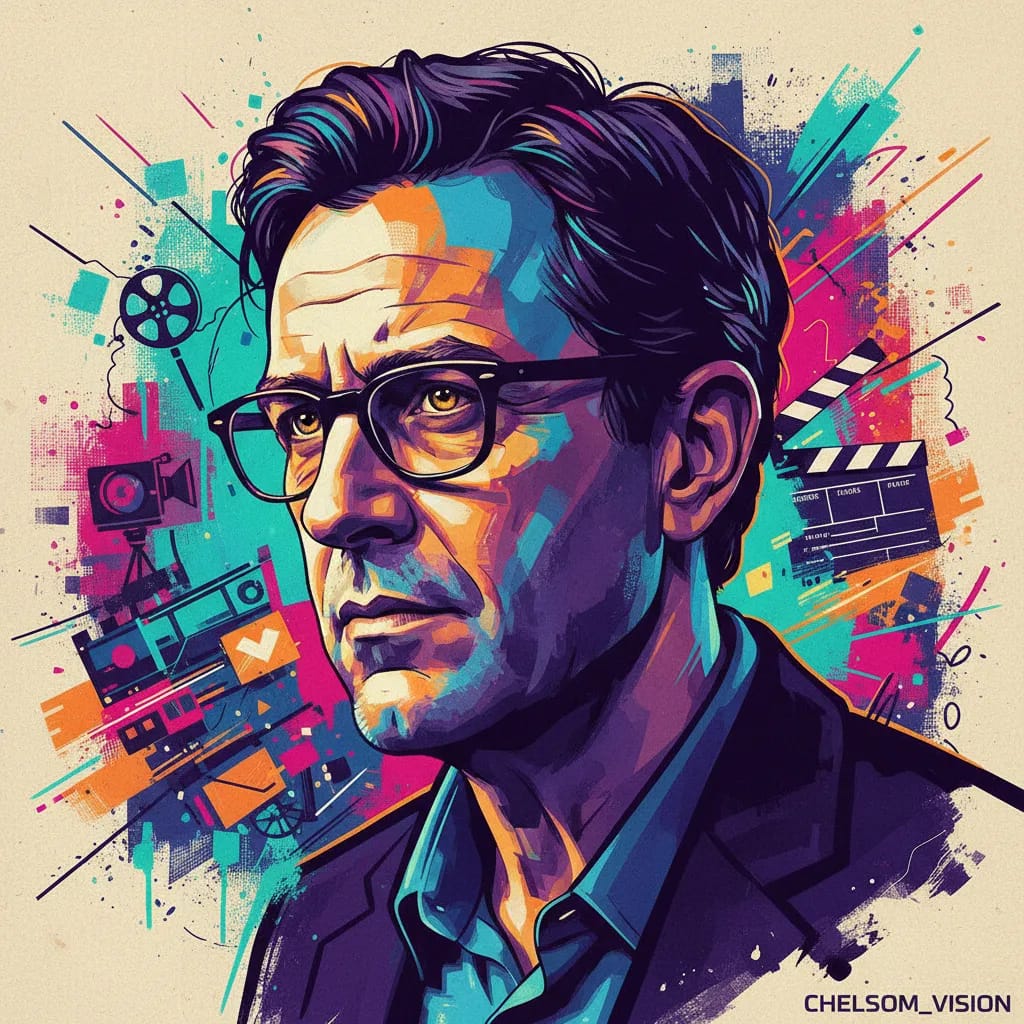
Peter Chelsom
Peter Chelsom is a renowned film director known for his ability to infuse heartwarming stories with a touch of whimsy and charm. With an impressive filmography spanning various genres, Chelsom has demonstrated his versatility and storytelling prowess. His directorial style often incorporates elements of comedy, drama, and romance, creating compelling narratives that resonate with audiences. One of Chelsom's most notable works is "Shall We Dance?" (2004), a delightful comedy-drama that revolves around the transformative power of dance. With a stellar cast and Chelsom's keen eye for capturing the intricacies of human relationships, the film struck a chord with viewers and showcased his ability to blend humor with heartfelt storytelling. Similarly, "Serendipity" (2001) exemplifies Chelsom's talent for crafting romantic comedies that blend serendipitous encounters with endearing characters, earning him a reputation as a master of the genre. Chelsom's directorial portfolio also includes family-friendly fare such as "Hannah Montana: The Movie" (2009), which saw him adeptly blending comedy and drama to create a heartwarming tale of self-discovery and family bonds. In "The Space Between Us" (2017), Chelsom ventured into the realm of science fiction, delivering a poignant romance set against the backdrop of space exploration, showcasing his ability to tackle diverse genres with finesse. Throughout his career, Chelsom has explored recurring themes of love, human connection, and the pursuit of happiness, often infusing his films with a sense of optimism and wonder. His works have left an indelible mark on cinema, resonating with audiences through their universal themes and relatable characters. Chelsom's unique vision and storytelling acumen have cemented his status as a director capable of delivering heartfelt, entertaining narratives that endure in the minds and hearts of viewers. In conclusion, Peter Chelsom's directorial career is characterized by a rich tapestry of films that showcase his ability to craft compelling stories across a spectrum of genres. With a penchant for infusing his works with heartwarming narratives, endearing characters, and a touch of enchantment, Chelsom has left an indelible mark on cinema. His contributions to the art of storytelling continue to captivate audiences, solidifying his reputation as a director with a unique vision and a flair for creating cinematic experiences that resonate deeply with viewers.

Peter Cornwell
Peter Cornwell is a talented film director known for his work in the horror genre. His most notable film, "The Haunting in Connecticut," released in 2009, cemented his reputation as a filmmaker with a unique vision for creating atmospheric and chilling cinematic experiences. Cornwell's directorial style is marked by a keen attention to detail, a knack for building suspense, and a talent for drawing out compelling performances from his cast. "The Haunting in Connecticut" is a prime example of Cornwell's directorial prowess, as he masterfully weaves a haunting narrative filled with supernatural elements and psychological tension. The film showcases his ability to create an immersive and unsettling atmosphere, keeping audiences on the edge of their seats throughout the gripping storyline. Cornwell's directorial approach often involves delving into the darker aspects of human nature, exploring themes of fear, trauma, and the unknown, which adds depth and complexity to his work. Throughout his career, Peter Cornwell has made a significant impact on the horror genre, contributing to the evolution of cinematic storytelling within this realm. His ability to craft suspenseful narratives and evoke genuine fear from audiences has earned him a dedicated following among horror enthusiasts. With "The Haunting in Connecticut," Cornwell demonstrated his skill in delivering a compelling and spine-tingling cinematic experience that continues to resonate with viewers. In conclusion, Peter Cornwell's directorial career is characterized by his ability to create atmospheric and chilling films that leave a lasting impact on audiences. His meticulous attention to detail, mastery of suspense, and exploration of dark themes have solidified his reputation as a director with a distinct and compelling vision. As he continues to make his mark on the horror genre, Cornwell's unique approach to storytelling ensures that his contributions to cinema will be remembered for years to come.

Peter Facinelli
Peter Facinelli is a multi-talented figure in the entertainment industry, best known for his work as an actor, but he has also made a significant impact as a director. In 2020, Facinelli made his directorial debut with the action-packed thriller "The Vanished." This film showcases his ability to seamlessly blend elements of action, crime, and horror, and it marks the beginning of what promises to be a compelling directorial career. In "The Vanished," Facinelli demonstrates a keen eye for creating tension and suspense while delivering a visually captivating experience for audiences. His directorial style is characterized by a meticulous attention to detail, as well as a deft handling of complex, multi-layered narratives. This film effectively showcases his ability to craft compelling visual sequences and evoke powerful emotions from his audience. Facinelli's directorial debut firmly establishes him as a filmmaker with a unique vision and a strong command of the cinematic language. His ability to seamlessly navigate between different genres while maintaining a cohesive and engaging narrative demonstrates his versatility and creativity as a director. This inaugural effort marks the beginning of what is sure to be a promising directorial career for Facinelli, and it will be exciting to see how his distinctive style evolves in future projects. As a director, Facinelli's work reflects a deep understanding of storytelling and an innate ability to bring his creative vision to life on the screen. His knack for creating intense and gripping narratives, as evidenced in "The Vanished," sets him apart as a director to watch in the coming years. With his directorial debut, Facinelli has firmly established himself as a filmmaker with a unique voice and a promising future in the industry, and audiences can eagerly anticipate the next chapter in his directorial journey.
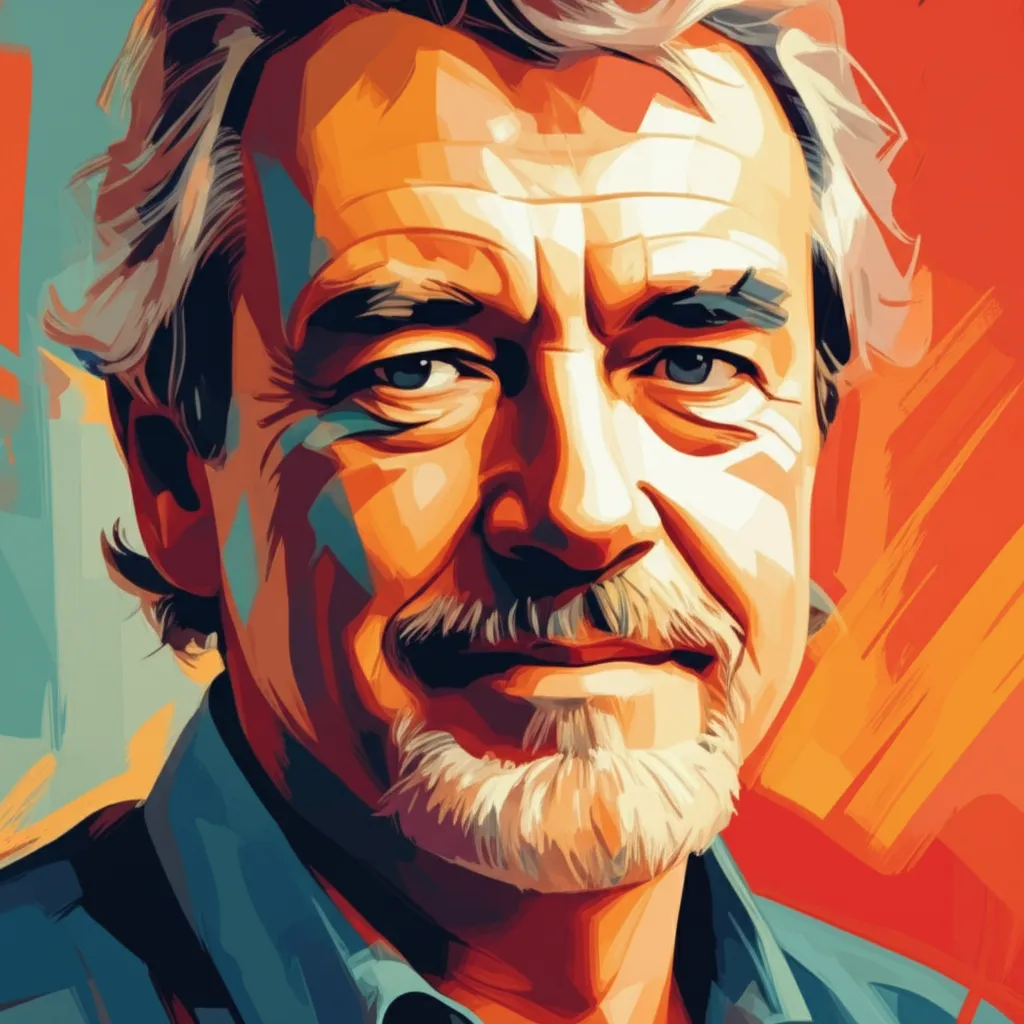
Peter Faiman
Peter Faiman is an Australian film director known for his work on the iconic film "Crocodile Dundee" (1986) and the comedy-drama "Dutch" (1991). Faiman's directorial style is characterized by a blend of action, adventure, and comedy, infused with a distinctive Australian flavor. His films often feature charismatic characters navigating humorous and adventurous situations, showcasing his ability to blend genres seamlessly. "Crocodile Dundee" remains Faiman's most significant contribution to cinema, achieving widespread acclaim and becoming a cultural phenomenon. The film's success propelled Faiman to international recognition, and its enduring popularity continues to cement his legacy. Faiman's adeptness at capturing the rugged beauty of the Australian landscape and the charm of its inhabitants is a recurring theme throughout his work, contributing to a distinct sense of place and identity in his films. In "Dutch," Faiman showcased his versatility by delving into the comedy-drama genre, demonstrating his ability to navigate different storytelling styles while maintaining his signature wit and humor. His films often feature endearing and relatable characters, highlighting Faiman's skill in creating engaging narratives that resonate with audiences. Faiman's impact on cinema extends beyond his directorial achievements, as he played a pivotal role in bringing Australian filmmaking to the global stage. Through his work, he showcased the richness of Australian culture and landscapes, inspiring a new wave of interest in Australian cinema. Faiman's unique vision and ability to craft compelling, entertaining stories have left an indelible mark on the film industry, solidifying his status as a trailblazing director. In summary, Peter Faiman's directorial career is defined by his ability to seamlessly blend genres, capture the essence of Australian identity, and create enduring cinematic experiences. His contributions to film, particularly through "Crocodile Dundee," have left an indelible mark on the industry, earning him a well-deserved place in the pantheon of influential directors.

Peter Farrelly
Peter Farrelly is a renowned American film director, writer, and producer, best known for his distinctive comedic style and his collaborations with his brother, Bobby Farrelly. His career took off with the release of the cult classic "Dumb and Dumber" in 1994, which showcased his knack for blending slapstick humor with heartfelt storytelling. Farrelly's directorial style often revolves around offbeat characters navigating through absurd and humorous situations, incorporating elements of buddy comedy and romantic entanglements. This unique approach has set him apart as a director with a keen eye for blending humor and heart. Farrelly's filmography is marked by a string of box office hits and critical successes, including "There's Something About Mary" (1998), "Me, Myself & Irene" (2000), and "Shallow Hal" (2001). Notably, "Green Book" (2018) marked a departure from his signature comedic style, delving into the biographical drama genre and earning widespread acclaim, including the Academy Award for Best Picture. This transition showcased Farrelly's versatility and ability to tackle diverse genres with finesse. Throughout his career, Farrelly has demonstrated a recurring theme of celebrating the underdog and exploring the complexities of human relationships with humor and empathy. His films often feature unconventional protagonists navigating through life's challenges, while also challenging societal norms and expectations. This thematic consistency has resonated with audiences and critics alike, solidifying his impact on the comedy genre and beyond. Farrelly's directorial contributions have left an indelible mark on cinema, influencing a generation of filmmakers with his distinct blend of comedy and pathos. His ability to infuse heartfelt storytelling with uproarious humor has made him a trailblazer in the industry, earning him a well-deserved place in the pantheon of influential directors. As he continues to push boundaries and explore new creative territories, Peter Farrelly remains a formidable force in the world of filmmaking, leaving an enduring legacy of laughter and humanity on the silver screen.
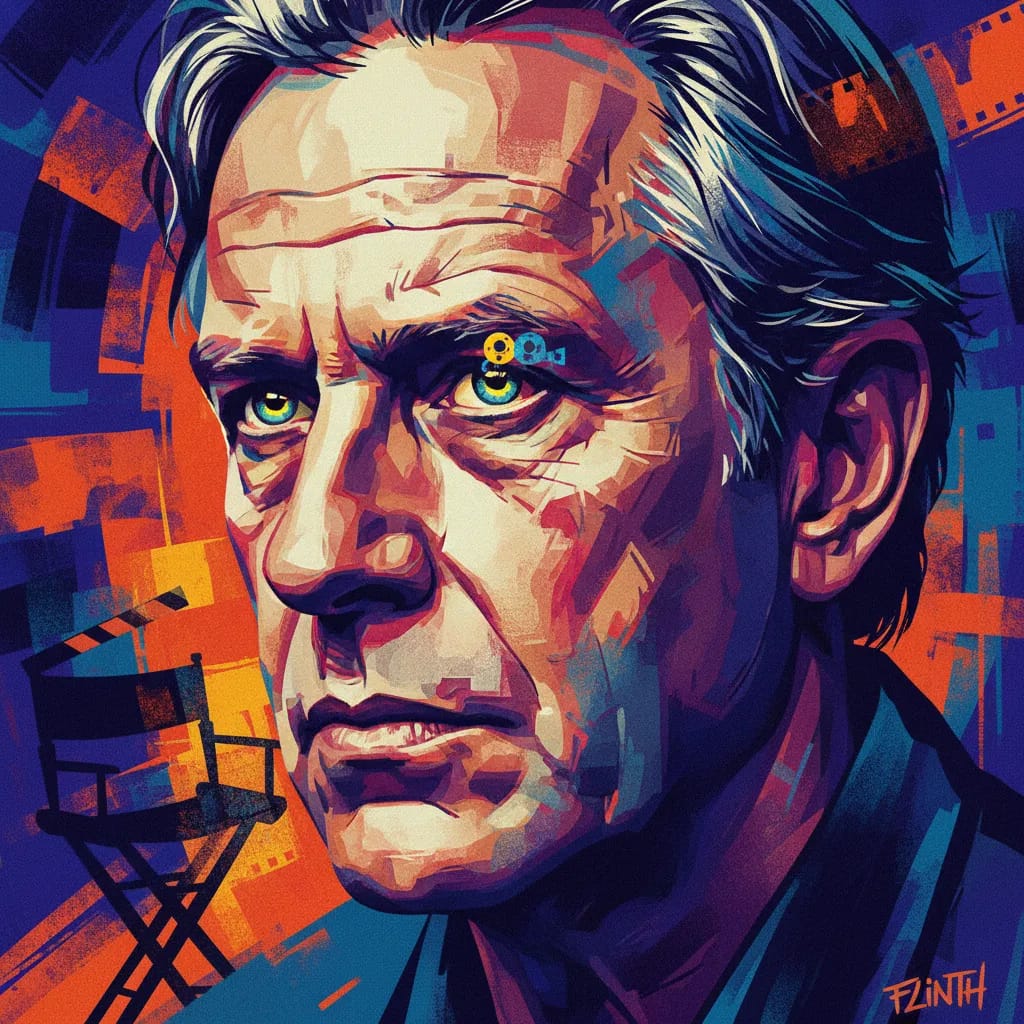
Peter Flinth
Peter Flinth is a Danish film director known for his compelling storytelling and visually stunning cinematic style. His career took off with the critically acclaimed historical epic "Arn: The Knight Templar" in 2007. This action-packed drama, featuring a mix of romance and historical intrigue, showcased Flinth's ability to helm large-scale productions while infusing them with emotional depth and captivating narratives. The success of "Arn" solidified Flinth's reputation as a director with a keen eye for historical detail, intense action sequences, and compelling character development. In 2022, Flinth returned to the director's chair with "Against the Ice," a captivating adventure drama that delves into the harrowing true story of the 1909 Denmark expedition to Greenland. With this film, Flinth continued to demonstrate his skill in bringing historical events to life on the big screen, capturing the raw human emotions and the unforgiving nature of the Arctic landscape. His ability to create immersive, atmospheric settings and evoke powerful performances from his cast has cemented his status as a masterful storyteller. Flinth's directorial style is characterized by his meticulous attention to detail, strong visual storytelling, and a knack for creating intense, emotionally charged scenes. His films often explore themes of honor, courage, and the human spirit in the face of adversity. Flinth's dedication to historical accuracy and his commitment to portraying complex characters in morally ambiguous situations have set him apart as a director who brings depth and authenticity to his projects. Throughout his career, Flinth has made significant contributions to the film industry, establishing himself as a director capable of crafting immersive historical dramas that resonate with audiences worldwide. His passion for storytelling, coupled with his ability to transport viewers to different time periods and landscapes, has left an indelible mark on cinema. As Flinth continues to explore new narratives and push the boundaries of visual storytelling, audiences can anticipate more captivating and emotionally resonant films from this visionary director.

Peter Foott
Peter Foott is an Irish film director known for his distinctive comedic style and his ability to blend humor with poignant storytelling. Foott made his mark in the film industry with his debut feature, "The Young Offenders" (2016), a coming-of-age adventure comedy that received widespread acclaim for its fresh and authentic portrayal of adolescence. The film, inspired by the true events of Ireland's largest cocaine seizure in 2007, follows two teenage boys as they embark on a misadventure to find a bale of cocaine washed ashore. Foott's directorial style is characterized by his keen eye for capturing the nuances of human relationships and the universal experiences of youth, all underscored by his sharp wit and comedic timing. "The Young Offenders" not only showcased Foott's directorial prowess but also established him as a filmmaker with a distinct voice in the industry. The film's success led to the creation of a television series adaptation, further solidifying Foott's impact on contemporary Irish cinema. His ability to infuse humor into otherwise weighty subject matter has set him apart as a director with a knack for finding the comedy in life's struggles, making his work resonate with audiences on a profound level. Foott's directorial approach often revolves around themes of friendship, resilience, and the triumph of the human spirit in the face of adversity. His films exude an inherent warmth and authenticity, resonating with viewers through their relatable characters and universal themes. Through his unique vision, Foott has not only brought a fresh perspective to the comedy genre but has also contributed to the reinvigoration of Irish cinema on the global stage. As he continues to make his mark in the industry, Peter Foott's directorial career promises to be a testament to the enduring power of storytelling and the art of finding humor in life's most unexpected moments. With his distinct blend of humor, heart, and humanity, Foott stands as a director to watch, poised to leave an indelible mark on the world of cinema for years to come.

Peter Glanz
Peter Glanz is a multi-talented director known for his unique blend of comedy, drama, and romance in his films. His most notable work includes "The Longest Week" (2014), a visually stunning and emotionally captivating film that showcases his distinctive directorial style. Glanz's films are characterized by their meticulous attention to detail, sophisticated storytelling, and complex characters that resonate with audiences on a deep and personal level. In "The Longest Week," Glanz expertly weaves together the complexities of love, friendship, and personal growth, creating a rich tapestry of emotions that captivates viewers from start to finish. His directorial prowess shines through in his ability to create visually striking scenes that are both aesthetically pleasing and emotionally impactful. Glanz's films are a testament to his keen understanding of human nature and his ability to bring out the raw, authentic emotions of his characters. Throughout his career, Glanz has demonstrated a consistent commitment to exploring themes of self-discovery, love, and the complexities of human relationships. His films often delve into the intricacies of human emotion, offering audiences a profound and thought-provoking cinematic experience. Glanz's impact on cinema is evident in his ability to create films that resonate with audiences on a universal level, transcending cultural and geographical boundaries. Glanz's unique vision and directorial style have solidified his status as a prominent figure in the film industry. His ability to craft compelling narratives and bring out the best in his actors has earned him a dedicated following of fans and critical acclaim from industry professionals. As he continues to push the boundaries of storytelling and visual aesthetics, Peter Glanz's influence on cinema is sure to endure for years to come.

Peter Glenville
Peter Glenville was a visionary director known for his powerful and thought-provoking films. He made a significant impact on cinema with his meticulously crafted works that often delved into historical and biographical narratives. Glenville's directorial style was marked by his ability to bring emotional depth and historical authenticity to his films, making them resonate with audiences on a profound level. One of Glenville's most notable films is "Becket" (1964), a compelling biographical drama that garnered critical acclaim and multiple Academy Award nominations. The film, which starred Richard Burton and Peter O'Toole, explored the complex relationship between Thomas Becket and King Henry II, delving into themes of loyalty, power, and religious conflict. Glenville's masterful direction brought this historically resonant story to life, creating a cinematic experience that continues to captivate audiences. Throughout his career, Glenville demonstrated a keen interest in bringing historical and biographical narratives to the screen, often focusing on characters and events that had a lasting impact on society. His films were characterized by their attention to detail, rich character development, and evocative storytelling, cementing his reputation as a director with a unique ability to breathe life into the past. Glenville's legacy as a director is defined by his commitment to storytelling that transcends time, resonating with audiences across generations. His films continue to be celebrated for their enduring relevance and emotional resonance, solidifying his place in the annals of cinematic history. Peter Glenville's contributions to film have left an indelible mark, and his works serve as a testament to the power of storytelling and the enduring impact of historical narratives on the human experience.

Peter Godfrey
Peter Godfrey was a prolific film director who made a significant impact on Hollywood during the classic era of cinema. Born in London, England, Godfrey began his career in the entertainment industry as an actor before transitioning to directing. His directorial style was characterized by a keen eye for storytelling, a flair for comedy, and an ability to bring out the best performances from his actors. One of Peter Godfrey's most notable films is "Christmas in Connecticut" (1945), a heartwarming comedy and romance that has become a beloved holiday classic. The film showcases Godfrey's adeptness at blending humor and romance, as well as his skill in creating charming and relatable characters. "Christmas in Connecticut" remains a timeless example of Godfrey's directorial prowess and his ability to capture the essence of a heartwarming holiday tale. Throughout his career, Godfrey demonstrated a knack for infusing his films with themes of wit, romance, and lighthearted humor. His storytelling often revolved around the intricacies of human relationships, and he had a talent for crafting narratives that resonated with audiences on an emotional level. His films were known for their warmth and sincerity, and he excelled in creating endearing and memorable cinematic experiences. Peter Godfrey's contributions to cinema have had a lasting impact, particularly within the realms of comedy and romance. His ability to evoke genuine emotion and laughter through his films has left an indelible mark on the entertainment industry. His legacy as a director is defined by his ability to transport audiences into captivating and heartwarming narratives, making him a revered figure in the history of classic Hollywood filmmaking. In conclusion, Peter Godfrey's directorial career was defined by his adeptness at crafting timeless comedies and romances that continue to enchant audiences to this day. His unique vision and storytelling prowess have secured him a place in the annals of cinematic history, and his films stand as enduring testaments to his talent and creativity as a director.
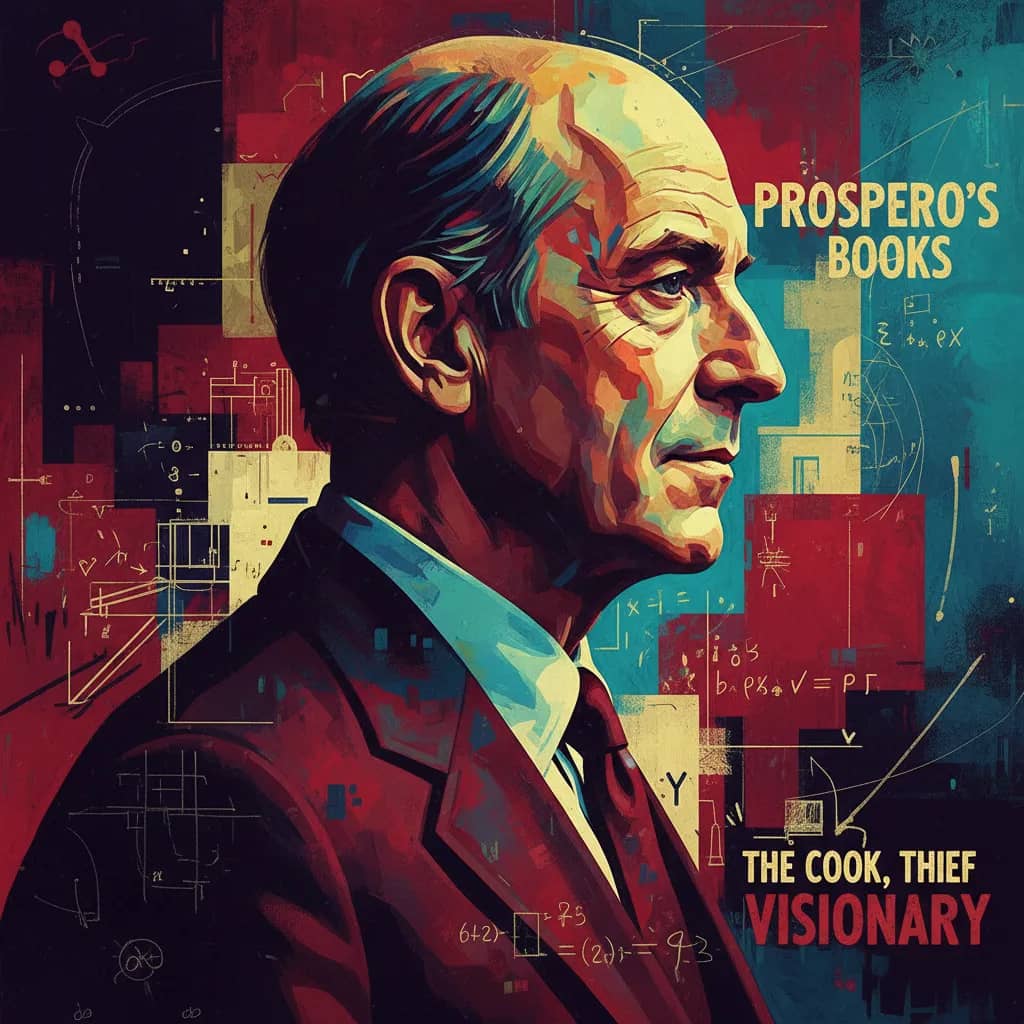
Peter Greenaway
Peter Greenaway is a British director known for his visually stunning and intellectually challenging films that defy traditional storytelling conventions. Born in 1942, Greenaway began his career as a painter and later transitioned to filmmaking, bringing an artist's eye for composition and aesthetics to the medium. His directorial style is characterized by meticulous attention to detail, elaborate set designs, and unconventional narratives that often incorporate elements of mystery and drama. One of Greenaway's most acclaimed works is "The Draughtsman's Contract" (1982), a period comedy-drama that showcases his penchant for intricate storytelling and visual storytelling techniques. The film is set in 17th-century England and follows a talented artist who becomes embroiled in a web of deceit and murder. Its striking cinematography and intricate plot established Greenaway as a distinctive voice in the world of cinema. Another notable film in Greenaway's repertoire is "The Cook, the Thief, His Wife & Her Lover" (1989), a crime drama that delves into themes of power, betrayal, and obsession. The film's bold visual style, provocative subject matter, and unflinching exploration of human nature solidified Greenaway's reputation as a director unafraid to challenge societal norms and provoke critical thought. In "The Pillow Book" (1995), Greenaway continued to push the boundaries of traditional filmmaking by incorporating elements of Japanese literature and calligraphy into a contemporary drama. The film's exploration of eroticism, identity, and the interplay between text and image further underscored Greenaway's innovative approach to storytelling and visual presentation. Throughout his career, Greenaway has consistently explored themes of art, sexuality, power dynamics, and the intersection of different forms of artistic expression. His impact on cinema is evident in his ability to seamlessly blend elements of painting, literature, and film into a cohesive and thought-provoking cinematic experience. Greenaway's films continue to inspire and challenge audiences, cementing his legacy as a visionary director with a unique and enduring contribution to the art of filmmaking.
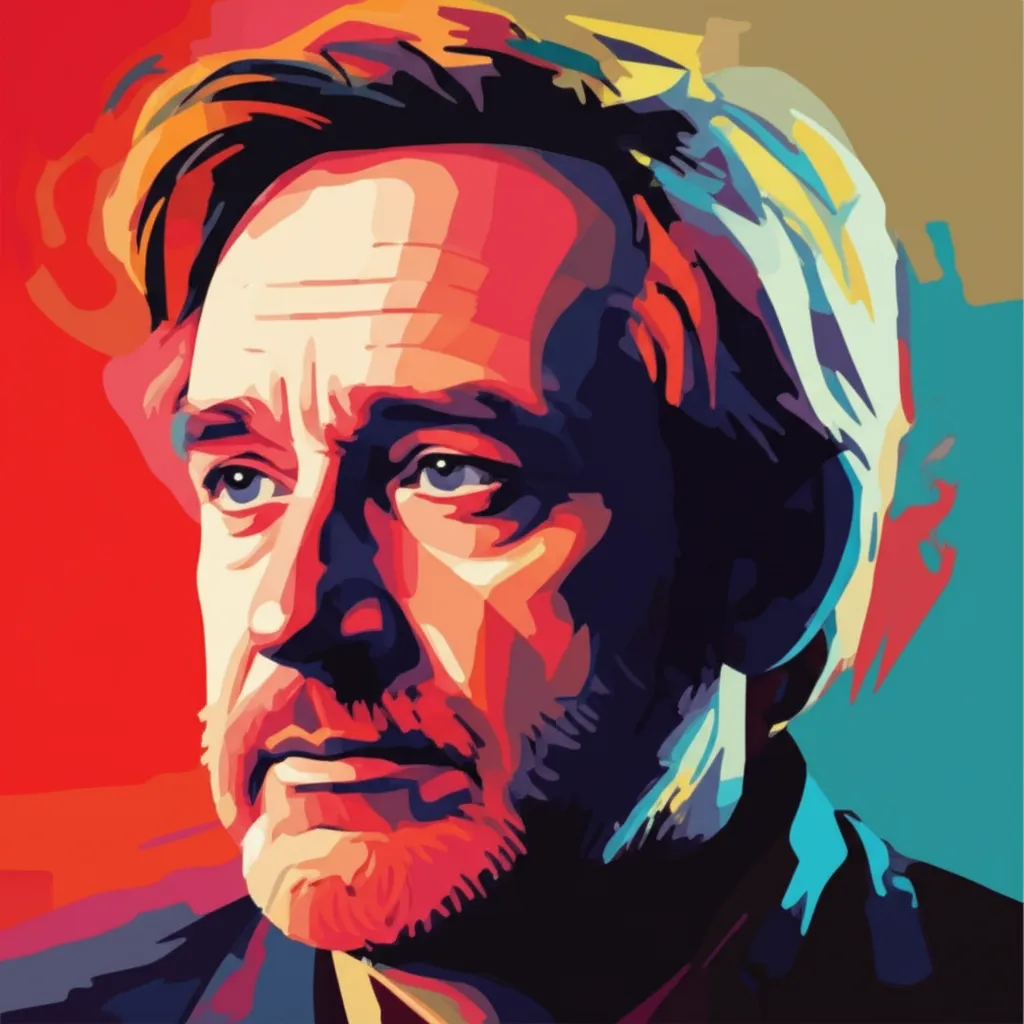
Peter Hedges
Peter Hedges is a talented American director known for his emotionally resonant storytelling and ability to create compelling family dramas. His filmography includes notable works such as "Ben Is Back" (2018), "Pieces of April" (2003), "Dan in Real Life" (2007), and "The Odd Life of Timothy Green" (2012). Hedges' directorial style is characterized by his keen insight into human relationships, often exploring the complexities of family dynamics and the universal struggle for connection and understanding. His films are known for their authentic portrayals of human emotions and experiences, drawing audiences in with their raw and heartfelt storytelling. One of Hedges' most acclaimed works is "Pieces of April," a poignant comedy-drama that showcases his ability to blend humor with deeply moving moments. The film's exploration of family dynamics and the complexities of human relationships resonated with audiences and critics alike. "Dan in Real Life" further solidified Hedges' reputation as a director who could infuse warmth and sincerity into his storytelling, while "The Odd Life of Timothy Green" demonstrated his ability to craft enchanting family-friendly narratives that tug at the heartstrings. Recurring themes in Hedges' work include the exploration of love, loss, redemption, and the resilience of the human spirit. His films often delve into the complexities of familial relationships, portraying the joys and struggles that come with them. Through his nuanced storytelling and compelling character development, Hedges has left a lasting impact on cinema, offering audiences a window into the emotional landscapes of the human experience. Peter Hedges' unique vision and ability to capture the intricacies of human emotions have made him a respected figure in the world of filmmaking. His films continue to touch the hearts of audiences, showcasing his enduring influence on the portrayal of family dynamics and the human condition in cinema. As a director, Hedges has cemented his place as a storyteller who can skillfully blend humor, drama, and emotion, leaving a lasting impression on those who experience his work. In summary, Peter Hedges' career as a director has been defined by his ability to create emotionally resonant and deeply human stories. His films stand as testaments to the power of storytelling in capturing the complexities of family relationships and the universal experiences that connect us all. With a keen eye for authentic storytelling and a talent for eliciting genuine emotions from his audiences, Hedges has made a significant impact on the world of cinema, leaving behind a legacy of heartfelt and