Director Names Starting with M
Showing 97-108 out of 362

Mark Robson
Mark Robson was an influential director known for his versatile talents, delivering gripping narratives across various genres. Robson's directorial career took off with his action-packed and suspenseful war film "Von Ryan's Express" (1965), starring Hollywood legend Frank Sinatra. His meticulous attention to detail and ability to build tension made this film a standout in his filmography. Robson's directorial style was marked by his adeptness at capturing the intensity of war and the human drama that unfolds within it. In 1974, Robson's directorial prowess was further solidified with the seismic disaster film "Earthquake". This action-packed drama brought to life the chaos and devastation caused by a catastrophic earthquake, showcasing Robson's ability to create thrilling and suspenseful scenes while also delving into the emotional depth of the characters' experiences. Robson's impact on the disaster film genre is undeniable, as "Earthquake" set a new standard for large-scale, high-stakes cinematic experiences. Throughout his career, Robson's films often explored themes of resilience, survival, and the complexities of human nature in the face of adversity. His ability to infuse action and adventure with profound emotional depth set him apart as a director who could engage audiences on multiple levels. His films often featured strong character development and intense, high-impact storytelling, cementing his reputation as a director who could deliver compelling narratives across a spectrum of genres. Mark Robson's contributions to cinema continue to resonate, as his films remain powerful and enduring examples of his unique vision. His legacy as a director who could seamlessly blend action, drama, and thrilling suspense has left an indelible mark on the film industry. Through his masterful storytelling and directorial skill, Robson has secured his place as a notable figure in cinematic history, leaving behind a body of work that continues to captivate audiences and inspire filmmakers to this day.

Mark Romanek
Mark Romanek is an influential American director known for his visually striking and emotionally resonant films. With a career spanning over three decades, Romanek has made a significant impact on the world of cinema through his distinctive directorial style and thought-provoking storytelling. His filmography includes the critically acclaimed "Never Let Me Go" (2010), a haunting drama that explores the complexities of love and identity in a dystopian world, and "One Hour Photo" (2002), a psychological thriller that delves into the darker aspects of human nature. Romanek's directorial style is characterized by meticulous attention to detail, striking visuals, and a deep exploration of human emotions. He is known for his ability to create atmospheres that are both visually stunning and emotionally evocative, drawing audiences into the inner worlds of his characters. His films often tackle complex themes such as love, loss, identity, and the human condition, inviting viewers to contemplate profound questions about life and morality. One of Romanek's notable contributions to cinema is his ability to seamlessly blend genres, infusing his films with elements of drama, romance, and science fiction to create multi-layered narratives that resonate with audiences on a profound level. His work has earned him a reputation as a visionary director with a unique ability to craft immersive and thought-provoking cinematic experiences. Throughout his career, Romanek has consistently demonstrated a commitment to pushing the boundaries of storytelling and visual aesthetics, earning him a dedicated following of admirers and cementing his status as a director with a distinctive and impactful voice in the film industry. His films continue to inspire and provoke audiences, solidifying his legacy as a director whose work will stand the test of time. In conclusion, Mark Romanek's career has been defined by his visionary approach to storytelling, his ability to evoke deep emotional responses from audiences, and his commitment to pushing the boundaries of visual storytelling. His films, including "Never Let Me Go" and "One Hour Photo," stand as testaments to his unique vision and enduring impact on cinema, ensuring that his legacy as a groundbreaking director will continue to be celebrated for years to come.

Mark Rosman
Mark Rosman is an accomplished film director known for his work in the comedy, family, and romance genres. With a career spanning several decades, Rosman has made a significant impact on cinema through his unique directorial style and ability to bring heartfelt and entertaining stories to the screen. Rosman's notable films include "A Cinderella Story" (2004) and "The Perfect Man" (2005), both of which showcase his talent for crafting heartwarming and relatable narratives. In "A Cinderella Story," Rosman reimagines the classic fairy tale with a modern twist, infusing the film with humor, romance, and a touch of whimsy. "The Perfect Man" further demonstrates Rosman's skill in capturing the complexities of family dynamics and youthful romance, making him a favorite among audiences seeking lighthearted and feel-good entertainment. Throughout his career, Rosman has been praised for his ability to infuse his films with a sense of warmth and sincerity, often exploring themes of love, self-discovery, and the importance of family connections. His directorial style is characterized by a keen eye for capturing emotional nuances and creating relatable characters that resonate with audiences of all ages. Rosman's contributions to cinema have left a lasting impression, particularly within the realm of family-friendly and romantic comedies. His films continue to be cherished by fans for their timeless appeal and enduring messages of hope, love, and personal growth. With an impressive body of work and a reputation for delivering heartwarming storytelling, Mark Rosman remains a beloved figure in the world of film direction, leaving an indelible mark on the industry. In conclusion, Mark Rosman's directorial career has been defined by his ability to bring joy and inspiration to audiences through his heartfelt storytelling and genuine portrayals of human relationships. With a focus on comedy, family, and romance, Rosman has carved out a niche for himself as a director who understands the intricacies of human emotion and the enduring power of love. His films continue to stand the test of time, captivating new generations of viewers and solidifying his legacy as a masterful storyteller in the world of cinema.
Mark Ruffalo
Mark Ruffalo is best known as a versatile actor, but he made his directorial debut with the 2012 film "Thanks for Sharing," a comedy-drama that delves into the complexities of sex addiction and relationships. Ruffalo's directorial approach in this film reflects his penchant for exploring raw emotions, human vulnerabilities, and the complexities of interpersonal relationships. His keen eye for capturing authentic performances and his ability to infuse humor into serious subject matters shine through in "Thanks for Sharing." Ruffalo's directorial style is characterized by a naturalistic approach, allowing his actors to embody their characters with depth and sincerity. His emphasis on character-driven storytelling and intimate moments creates a compelling and relatable viewing experience. In "Thanks for Sharing," Ruffalo adeptly navigates the sensitive subject of addiction with empathy and nuance, underscoring his ability to tackle challenging themes with sensitivity and insight. While "Thanks for Sharing" marked Ruffalo's directorial debut, it showcased his talent for crafting heartfelt narratives and eliciting authentic performances. His directorial efforts demonstrate a commitment to exploring the complexities of human behavior and relationships, making his work resonate with audiences on a profound level. Ruffalo's directorial debut stands as a testament to his ability to tackle thought-provoking subjects with authenticity and emotional resonance, solidifying his position as a multifaceted talent in the entertainment industry. Ruffalo's foray into directing with "Thanks for Sharing" showcases his ability to infuse depth and authenticity into his storytelling, setting the stage for future directorial endeavors. With his directorial debut, Ruffalo has proven himself as a filmmaker capable of delving into the intricacies of human nature while navigating emotionally charged narratives with grace and sensitivity. As Ruffalo's directorial career continues to unfold, audiences can anticipate more thought-provoking and emotionally resonant storytelling from this multifaceted artist.

Mark Rydell
Mark Rydell is a renowned film director known for his impactful contributions to the world of cinema. With a career spanning several decades, Rydell has left an indelible mark on the industry with his distinctive directorial style and compelling storytelling. His directorial debut came with the 1972 film "The Cowboys," a powerful adventure drama set in the backdrop of the American Old West. The film showcased Rydell's ability to capture the essence of rugged landscapes and the human spirit, establishing him as a director with a keen eye for visually arresting narratives. Rydell's most iconic work came in 1981 with the critically acclaimed film "On Golden Pond," a poignant drama that delved into themes of family dynamics, aging, and reconciliation. The film's emotional depth and nuanced character portrayals solidified Rydell's reputation as a director capable of eliciting powerful performances from his cast while crafting narratives that resonate with audiences on a profound level. "On Golden Pond" earned multiple Academy Award nominations and cemented Rydell's status as a master storyteller. Throughout his career, Rydell has demonstrated a penchant for exploring human relationships and the complexities of the human experience. His films often delve into themes of family, identity, and the passage of time, weaving together narratives that evoke deep emotional resonance. Rydell's directorial style is characterized by his ability to infuse his films with a sense of authenticity and raw emotion, creating immersive cinematic experiences that leave a lasting impact on viewers. Rydell's contributions to cinema have been significant, influencing a generation of filmmakers and leaving an enduring legacy in the industry. His ability to blend compelling storytelling with visually stunning cinematography has set him apart as a visionary director with a profound understanding of the human condition. As a director, Mark Rydell has carved out a unique niche in the world of cinema, leaving behind a body of work that continues to captivate and inspire audiences around the globe.

Mark Sandrich
Mark Sandrich was a prolific and influential film director known for his exceptional work in the classic Hollywood era. With a career spanning from the 1930s to the early 1940s, Sandrich left an indelible mark on cinema, particularly in the comedy and musical genres. His directorial style was characterized by a seamless blend of wit, charm, and visual flair, creating timeless films that have stood the test of time. One of Sandrich's most iconic films is "Top Hat" (1935), a delightful romantic comedy musical starring Fred Astaire and Ginger Rogers. This film exemplifies Sandrich's directorial prowess, with its dazzling dance sequences, sophisticated humor, and elegant visual compositions. His ability to bring out the best in his actors and choreograph intricate dance numbers cemented his reputation as a master of musical filmmaking. Another standout film in Sandrich's career is "Holiday Inn" (1942), a beloved classic that showcases his talent for infusing charm and warmth into his storytelling. This musical comedy-drama, starring Bing Crosby and Fred Astaire, remains a perennial favorite during the holiday season and is a testament to Sandrich's enduring impact on popular culture. Throughout his career, Sandrich demonstrated a keen eye for capturing the essence of romance, comedy, and music on the silver screen. His films often revolved around themes of love, escapism, and the joy of performance, resonating with audiences and leaving a lasting impression on the cinematic landscape. Sandrich's innovative approach to filmmaking and his ability to elevate the musical genre solidified his status as a visionary director whose influence continues to be felt in contemporary cinema. Mark Sandrich's contributions to the film industry have left an indelible legacy, inspiring generations of filmmakers and enchanting audiences with his timeless creations. His unique vision, directorial finesse, and ability to transport viewers to enchanting worlds through his films have secured his place as a revered figure in the history of cinema. Sandrich's work remains a testament to the enduring power of storytelling and the magic of the silver screen, ensuring that his legacy will continue to shine brightly for years to come.
Mark Steven Johnson
Mark Steven Johnson is an American film director known for his unique blend of comedy, romance, and action genres. Johnson's directorial style is characterized by his ability to infuse heartwarming and humorous storytelling with thrilling action sequences, making his films both entertaining and emotionally resonant. His notable films showcase his versatility, from the heartwarming coming-of-age tale "Simon Birch" (1998) to the action-packed superhero adaptation "Ghost Rider" (2007) and the romantic comedy "When in Rome" (2010). Throughout his career, Johnson has demonstrated a penchant for exploring themes of love, fate, and redemption, often weaving them into the fabric of his narratives. Whether it's the whimsical romantic escapades in "When in Rome" or the supernatural elements in "Ghost Rider," Johnson's films consistently explore the complexities of human relationships and the struggle for personal growth. His ability to seamlessly integrate these themes into diverse genres has earned him a dedicated following among audiences who appreciate his emotionally resonant storytelling. One of Johnson's most notable contributions to cinema is his adeptness at bringing beloved comic book characters to life on the big screen. "Ghost Rider," based on the Marvel Comics character, showcased Johnson's ability to capture the essence of the source material while infusing the film with his signature blend of action and drama. This successful adaptation solidified Johnson's reputation as a director capable of handling complex and beloved properties with reverence and creativity. In his more recent works, such as "Love, Guaranteed" (2020) and "Love in the Villa" (2022), Johnson continues to explore the intricacies of romantic relationships, showcasing his enduring commitment to crafting heartfelt stories that resonate with audiences. With his unique vision and ability to transcend genre boundaries, Mark Steven Johnson has left an indelible mark on cinema, earning a place among the most versatile and impactful directors in the industry.

Mark Tarlov
Mark Tarlov is an American film director known for his unique blend of comedy, drama, and fantasy elements in his work. His notable film, "Simply Irresistible" (1999), showcases his directorial style and thematic focus. Tarlov's career as a director has been marked by his ability to infuse whimsy and charm into his films, creating a visual and emotional experience that resonates with audiences. In "Simply Irresistible," Tarlov explores the theme of love and fate, weaving a captivating narrative that blends romance and magical realism. The film's enchanting visuals and imaginative storytelling highlight Tarlov's distinct directorial style, characterized by a playful approach to storytelling and a keen eye for visual details. His ability to seamlessly blend comedy, drama, and fantasy elements has set him apart as a director with a unique vision and storytelling prowess. Tarlov's impact on cinema lies in his ability to transport audiences into enchanting worlds filled with wonder and emotion. His films often feature strong, relatable characters and explore the complexities of human relationships, adding depth and resonance to his storytelling. Through his directorial work, Tarlov has demonstrated a commitment to creating engaging and heartfelt narratives that leave a lasting impression on viewers. Overall, Mark Tarlov's career as a director has been defined by his ability to infuse his films with a sense of magic and charm, offering audiences a captivating cinematic experience. His unique blend of comedy, drama, and fantasy elements, as showcased in "Simply Irresistible," has solidified his reputation as a director with a distinct vision and a talent for creating immersive and emotionally resonant storytelling. Tarlov's contributions to film have left an indelible mark on the industry, and his work continues to enchant and inspire audiences to this day.

Mark Tonderai
Mark Tonderai is a British filmmaker known for his work in the drama, horror, and thriller genres. His notable filmography includes the 2012 release "House at the End of the Street," which showcased his directorial prowess and storytelling abilities. Tonderai's directorial style is characterized by his ability to create tension and suspense, as well as his adeptness at blending psychological drama with elements of horror. His films often delve into the complexities of human relationships and the darker aspects of the human psyche, captivating audiences with their gripping narratives and memorable characters. "House at the End of the Street" served as a platform for Tonderai to exhibit his talent for crafting atmospheric and intense cinematic experiences. The film's success solidified his reputation as a director capable of delivering compelling and chilling stories that resonate with audiences. Tonderai's work frequently explores themes of fear, isolation, and the blurred lines between reality and the supernatural, showcasing his penchant for delving into the psychological and emotional depths of his characters. Tonderai's impact on cinema lies in his ability to infuse his films with a sense of unease and unpredictability, keeping viewers on the edge of their seats. His unique vision and storytelling sensibilities have contributed to the evolution of the horror and thriller genres, garnering critical acclaim and a dedicated fan base. With an intuitive understanding of tension-building and an eye for striking visuals, Tonderai continues to leave his mark on the film industry, solidifying himself as a director to watch. In conclusion, Mark Tonderai's directorial career has been defined by his adeptness at crafting suspenseful and emotionally resonant narratives within the realms of horror and thriller cinema. His contributions to the genre have left a lasting impression on audiences and industry peers alike, showcasing his distinctive directorial style and storytelling prowess. As Tonderai continues to explore the complexities of fear and human nature through his work, his impact on cinema remains undeniable, cementing his status as a visionary filmmaker.

Mark Waters
Mark Waters is an accomplished film director known for his versatile range and ability to seamlessly navigate between genres. A master of blending comedy with drama, fantasy, and romance, Waters has left an indelible mark on cinema. His notable films include "Mean Girls" (2004), "Freaky Friday" (2003), "Just Like Heaven" (2005), "Mr. Popper's Penguins" (2011), "Vampire Academy" (2014), and "The Spiderwick Chronicles" (2008). Waters' directorial style is marked by a keen understanding of human emotions and relationships, often infused with a touch of whimsy and fantasy. His films are characterized by their sharp wit, heartfelt moments, and imaginative storytelling. With an astute eye for casting, Waters has consistently brought out compelling performances from his actors, elevating the emotional resonance of his narratives. Notably, Waters has a knack for delving into the complexities of human nature, often exploring themes of self-discovery, redemption, and the importance of empathy. His films often feature relatable characters navigating extraordinary circumstances, resonating with audiences on a deeply personal level. Waters' impact on cinema is evident in his ability to create timeless, universally beloved stories that continue to captivate viewers across generations. With his adept storytelling and ability to infuse humor into even the most poignant moments, Mark Waters has earned a well-deserved reputation as a director who can enchant, entertain, and provoke thought in equal measure. His distinct directorial vision and commitment to crafting compelling narratives have solidified his place as a revered filmmaker in the industry. In summary, Mark Waters' filmography reflects a directorial journey marked by creativity, emotional depth, and a profound understanding of the human experience. His films continue to resonate with audiences, showcasing his enduring impact on cinema and cementing his status as a visionary director with a remarkable ability to captivate and inspire.
Mark Williams
Mark Williams is a versatile film director known for his work across multiple genres, including action, drama, and thrillers. With a keen eye for storytelling and a knack for creating compelling narratives, Williams has made a significant impact on the cinematic landscape. His notable films showcase his ability to effectively capture intense action sequences while delving into the complexities of human emotion. Williams made a splash in the action-thriller genre with his 2020 film "Honest Thief," which featured gripping performances and high-stakes suspense. The film's success solidified Williams as a director capable of delivering heart-pounding entertainment while maintaining a strong focus on character development. His directorial style often incorporates taut pacing, visually stunning sequences, and a deep exploration of moral dilemmas, making his films resonate with audiences on both an emotional and visceral level. In "A Family Man" (2016), Williams demonstrated his proficiency in crafting compelling drama, showcasing his ability to elicit raw, authentic performances from his cast. The film's exploration of the delicate balance between career ambitions and personal relationships highlighted Williams' nuanced approach to storytelling, earning him praise for his ability to capture the complexities of human experience on screen. With the release of "Blacklight" in 2022, Williams once again proved his directorial prowess, seamlessly blending action and drama to create a riveting cinematic experience. His adept handling of intricate plotlines and multi-dimensional characters has established him as a director with a distinct flair for crafting engaging and thought-provoking narratives. Through his body of work, Mark Williams has left an indelible mark on the film industry, earning recognition for his unique vision and storytelling abilities. His films consistently push the boundaries of traditional genre conventions, offering audiences a fresh and captivating perspective on familiar themes. As a director, Williams continues to captivate viewers with his evocative storytelling and has solidified his status as a filmmaker to watch in the ever-evolving world of cinema.
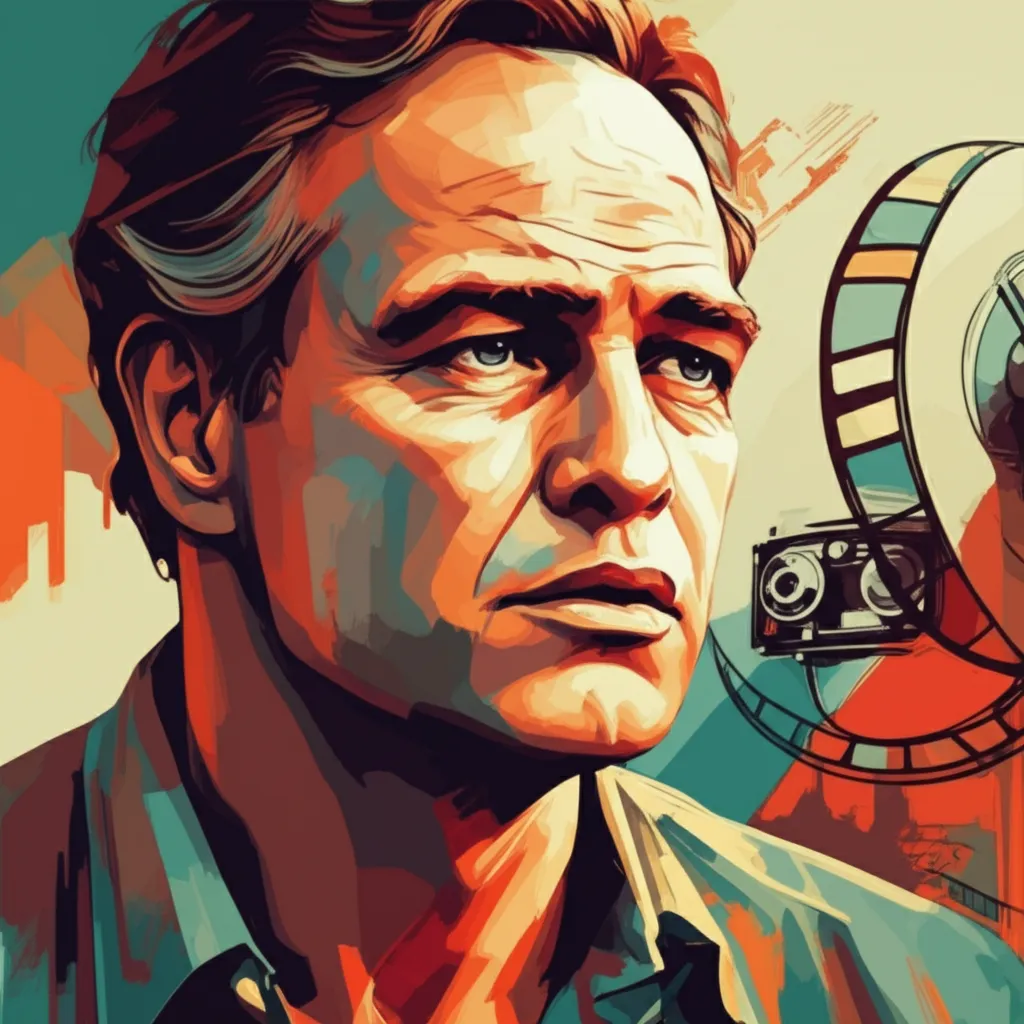
Marlon Brando
Marlon Brando is best known as one of the greatest actors of all time, but many are unaware that he also tried his hand at directing. Brando's sole directorial effort, "One-Eyed Jacks" (1961), is an ambitious and emotionally charged drama set in the Wild West. While Brando's career as a director was brief, his impact on cinema is undeniable. "One-Eyed Jacks" is a visually stunning and thematically complex film that showcases Brando's directorial style. Brando brought a raw and intense approach to the storytelling, capturing the rugged beauty of the American frontier while delving deep into the complexities of human relationships. His directorial debut demonstrated a keen eye for composition and a willingness to push boundaries, making it a unique addition to the Western genre. Brando's directorial style in "One-Eyed Jacks" reflected his nuanced approach to acting, as he emphasized the emotional depth of his characters and their internal struggles. The film's exploration of themes such as betrayal, redemption, and the passage of time resonated with audiences and critics alike, showcasing Brando's ability to deliver powerful and thought-provoking narratives from behind the camera. Despite directing only one film, Brando's impact on cinema as a director cannot be overstated. "One-Eyed Jacks" remains a testament to Brando's artistic vision and his willingness to challenge conventional storytelling. The film continues to inspire filmmakers and audiences, cementing Brando's legacy as a multifaceted talent whose contributions to cinema extend far beyond his iconic performances as an actor. In conclusion, while Marlon Brando's directorial career was brief, "One-Eyed Jacks" stands as a testament to his unique vision and his ability to leave an indelible mark on the world of cinema. Brando's foray into directing showcased his unparalleled creativity and storytelling prowess, solidifying his status as a true visionary in the realm of film.