Director Names Starting with M
Showing 121-132 out of 362
Martin Rosen
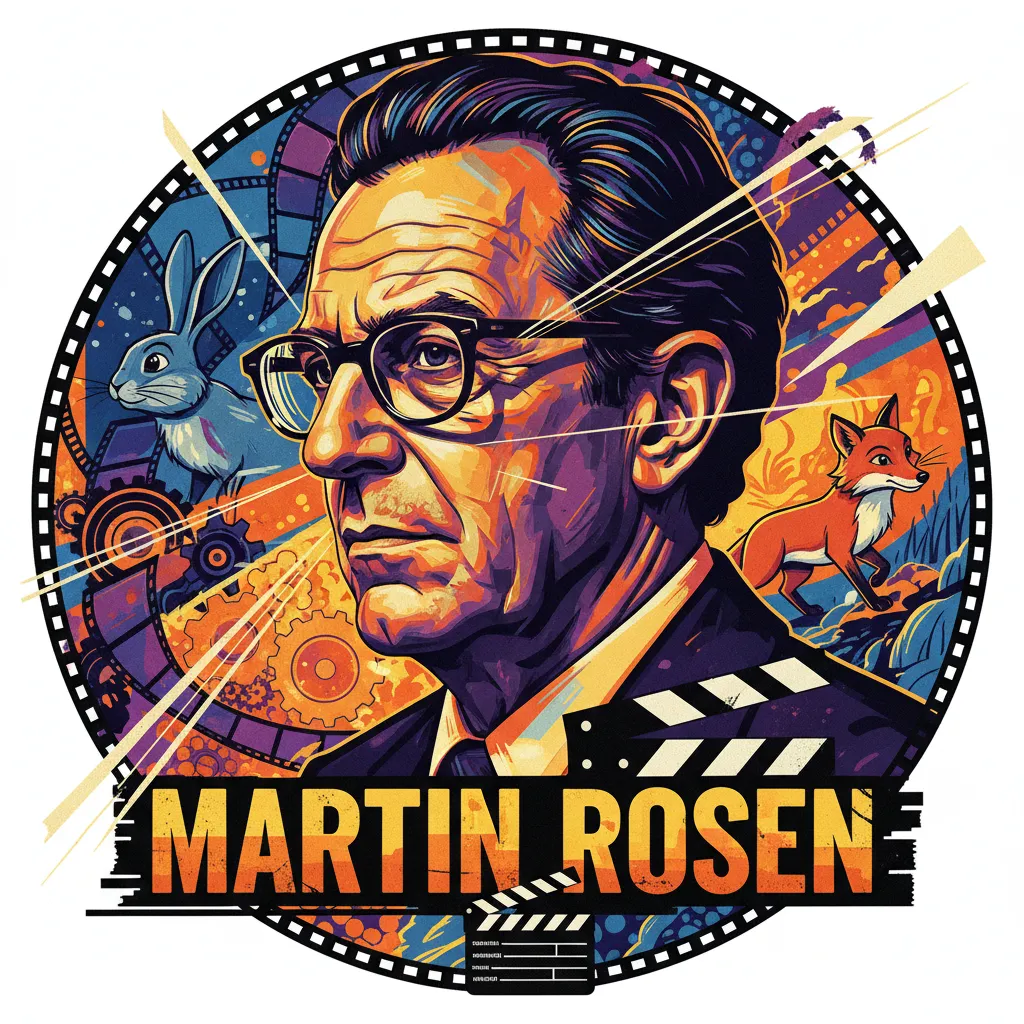
Martin Rosen, a visionary film director, is best known for his groundbreaking work in the animated film industry. His most notable film, "Watership Down" (1978), is a testament to his directorial prowess and storytelling abilities. Rosen's directorial style is characterized by his commitment to adapting complex and thought-provoking literary works into visually stunning and emotionally resonant cinematic experiences. Rosen's adaptation of Richard Adams's beloved novel "Watership Down" is a testament to his ability to bring depth and nuance to animated storytelling. The film, which seamlessly blends elements of animation, adventure, and drama, stands as a timeless masterpiece that continues to captivate audiences. Rosen's keen attention to detail and his ability to infuse profound emotion into his animated characters set him apart as a director with a unique and powerful vision. Throughout his career, Rosen has demonstrated a penchant for exploring deeply philosophical and existential themes within his work. His ability to infuse his films with a rich tapestry of complex emotions and thought-provoking narratives has solidified his status as a trailblazer in the animation genre. "Watership Down" remains a testament to Rosen's commitment to pushing the boundaries of animated storytelling and elevating the medium to new heights. Rosen's impact on cinema extends beyond his individual films, as he has paved the way for a new generation of directors to explore the limitless potential of animation as a vehicle for profound storytelling. His work continues to inspire and influence filmmakers, animators, and storytellers to this day, leaving an indelible mark on the art of animation and the broader landscape of cinema. Martin Rosen's legacy as a director is one of innovation, creativity, and a commitment to pushing the boundaries of traditional storytelling, ensuring that his contributions to cinema will be celebrated for generations to come.

Martin Scorsese
Martin Scorsese is a legendary filmmaker known for his electrifying directorial style and gritty, authentic storytelling. With a career spanning over five decades, Scorsese has left an indelible mark on cinema, crafting a diverse array of films that delve into the human psyche and societal complexities. His filmography boasts iconic works such as "Taxi Driver," "Goodfellas," "Raging Bull," and "The Departed," which have solidified his status as a master of the medium. Scorsese's directorial style is characterized by his meticulous attention to detail, kinetic camerawork, and a penchant for exploring the darker aspects of human nature. His films often feature morally complex protagonists navigating the underbelly of society, grappling with internal conflicts and external pressures. Scorsese's use of music and editing is also a defining aspect of his craft, infusing his films with an unparalleled energy and rhythm. Throughout his career, Scorsese has repeatedly delved into themes of crime, redemption, and the pursuit of power, often set against the backdrop of his beloved hometown, New York City. His exploration of Italian-American identity, Catholic guilt, and the dynamics of organized crime has become synonymous with his work, creating a rich tapestry of narratives that resonate with audiences worldwide. Scorsese's impact on cinema is immeasurable, as he has influenced generations of filmmakers and set a standard for uncompromising storytelling. His ability to seamlessly navigate between genres, from intense crime dramas to heartfelt biopics, showcases his versatility and innovation. With numerous accolades and a profound legacy, Martin Scorsese continues to shape the cinematic landscape, cementing his place as one of the most influential directors in history. In conclusion, Martin Scorsese's career stands as a testament to the power of visionary storytelling and a relentless dedication to the art of filmmaking. His oeuvre encompasses a wide range of genres and themes, reflecting his unparalleled ability to captivate audiences while pushing the boundaries of cinematic expression. As a true auteur, Scorsese's impact on the industry will continue to reverberate for generations to come, solidifying his place as a titan of cinema.
Martin Weisz
Martin Weisz is a German film director known for his work in the horror and thriller genres. He made his mark in Hollywood with his directorial debut, "The Hills Have Eyes 2" in 2007. Weisz's directorial style is characterized by his ability to create intense and visceral experiences for audiences, often utilizing elements of suspense, gore, and psychological terror to elicit strong emotional responses from viewers. "The Hills Have Eyes 2" is a sequel to the 2006 remake of Wes Craven's classic horror film. Weisz's take on the franchise showcased his talent for crafting tension-filled narratives and delivering shocking, visceral imagery. His work on the film demonstrated his penchant for creating a heightened sense of fear and unease, solidifying his reputation as a director with a keen eye for the macabre. Throughout his career, Weisz has explored recurring themes such as survival, human depravity, and the primal instincts that emerge in extreme situations. His films often delve into the darker aspects of human nature, placing characters in harrowing circumstances that push them to their limits. Weisz's ability to tap into these primal fears and anxieties has resonated with horror audiences, establishing him as a director capable of delivering gripping and unsettling cinematic experiences. Weisz's impact on cinema lies in his ability to push the boundaries of horror and thriller storytelling, infusing his films with a raw, unrelenting intensity that leaves a lasting impression on viewers. His contributions to the genre have solidified his status as a director who fearlessly confronts the darkest aspects of the human experience, leaving an indelible mark on the horror and thriller landscape. In conclusion, Martin Weisz's career as a director has been defined by his uncompromising approach to horror and thriller filmmaking. His ability to create visceral, tension-filled narratives and explore the depths of human terror has established him as a formidable force in the genre. With a knack for delivering shocking and immersive experiences, Weisz continues to captivate audiences with his unique vision and unflinching exploration of the darker facets of humanity.

Martin Wood
Martin Wood is a renowned film director known for his exceptional work in the entertainment industry. With a diverse filmography, one of his notable works is the heartwarming comedy, family, and romance film "Operation Christmas Drop" released in 2020. Wood's directorial style is characterized by his ability to blend humor and emotion seamlessly, creating captivating storytelling that resonates with audiences of all ages. His keen eye for detail and dedication to authentic character development are evident in his work, making him a standout director in the industry. "Operation Christmas Drop" showcases Wood's talent for crafting heartwarming narratives with a touch of humor, demonstrating his ability to bring out the best in his actors and capture genuine, relatable moments on screen. The film's success is a testament to Wood's unique vision and storytelling prowess, as it resonated with audiences globally. His recurring themes often revolve around the importance of family, love, and the human spirit, all of which are beautifully depicted in his work. Throughout his career, Martin Wood has made a significant impact on cinema through his ability to create compelling, feel-good films that leave a lasting impression. His dedication to bringing authentic stories to life has earned him a dedicated fan base and critical acclaim. With his exceptional directorial skills and commitment to delivering top-notch entertainment, Wood continues to be a driving force in the film industry, inspiring and influencing aspiring filmmakers. In conclusion, Martin Wood's directorial career is marked by his ability to infuse warmth, humor, and genuine emotion into his films, making him a highly respected figure in the industry. His contribution to cinema is undeniable, and his work continues to captivate audiences worldwide. With a remarkable filmography and a distinct directorial style, Martin Wood stands as a testament to the power of storytelling and its ability to connect people on a profound level.
Martin Zandvliet
Martin Zandvliet is a Danish film director known for his compelling storytelling and visually arresting cinematic style. With a keen eye for detail and a penchant for bringing historical narratives to life, Zandvliet has made a significant impact on the global film industry. His notable films include "Land of Mine" (2015) and "Under sandet" (2015), both of which have garnered critical acclaim and accolades for their powerful portrayal of human resilience and the moral complexities of war. Zandvliet's directorial style is characterized by his ability to immerse audiences in emotionally charged narratives while maintaining a sense of authenticity and historical accuracy. His films often explore the human condition in the face of adversity, delving into the psychological and moral dilemmas faced by individuals caught in the tumult of war. Through meticulous attention to detail and a nuanced approach to character development, Zandvliet crafts immersive experiences that resonate with viewers long after the credits roll. "Land of Mine" and "Under sandet" exemplify Zandvliet's recurring themes of redemption, sacrifice, and the harrowing impact of conflict on the human psyche. His films offer profound insights into the complexities of human nature, inviting audiences to confront the moral ambiguities inherent in wartime experiences. Through evocative visuals and nuanced storytelling, Zandvliet sheds light on lesser-known historical events, shedding a poignant light on the enduring effects of war on individuals and societies. Zandvliet's contributions to cinema have not only earned him international acclaim but have also sparked important conversations about the enduring relevance of historical narratives in contemporary storytelling. His ability to infuse his films with emotional depth and thought-provoking themes has solidified his status as a visionary director with a distinct voice in the cinematic landscape. With an impressive body of work and a commitment to bringing untold stories to the forefront, Martin Zandvliet continues to be a driving force in shaping the future of cinema. In conclusion, Martin Zandvliet's directorial career stands as a testament to his unwavering commitment to crafting poignant, thought-provoking narratives that resonate with audiences on a profound level. Through his distinctive directorial style and unwavering dedication to historical authenticity, Zandvliet has left an indelible mark on the film industry, solidifying his reputation as a visionary filmmaker with a unique ability to illuminate the human experience amidst the backdrop of history's most poignant moments.
Marwan Hamed
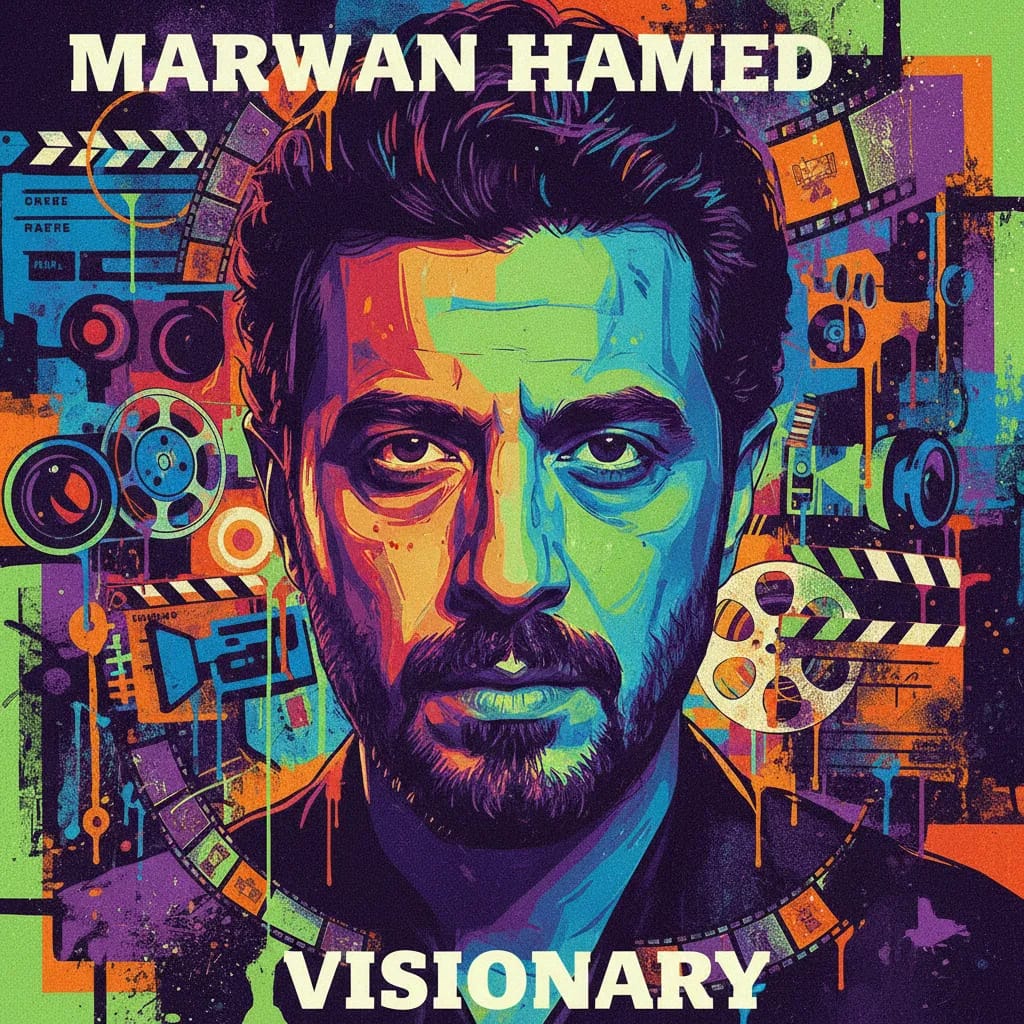
Marwan Hamed is an Egyptian film director known for his unique storytelling and visually captivating cinematic style. He gained international recognition for his work on "The Blue Elephant" (2014) and its sequel "The Blue Elephant 2" (2019). Hamed's distinct directorial approach blends elements of drama, horror, and mystery, creating a signature style that has left a lasting impact on the film industry. Hamed's directorial debut, "The Blue Elephant," marked a significant turning point in Egyptian cinema, drawing widespread acclaim for its innovative narrative and stunning visual effects. The film masterfully weaves together elements of psychological drama and supernatural horror, showcasing Hamed's ability to create an immersive and chilling atmosphere. His meticulous attention to detail and evocative storytelling have solidified his reputation as a visionary director with a penchant for pushing creative boundaries. In "The Blue Elephant 2," Hamed further demonstrated his directorial prowess by delving into the realms of crime, drama, and horror. The film's success reaffirmed Hamed's status as a trailblazer in Egyptian cinema, as he continued to captivate audiences with his compelling storytelling and intricate character development. Hamed's directorial style is characterized by its ability to evoke deep emotional responses from viewers, as he skillfully navigates the complexities of human psyche and the supernatural. Throughout his career, Hamed has explored recurring themes of psychological turmoil, the blurred lines between reality and illusion, and the intricacies of human nature. His films are marked by their thought-provoking narratives, rich symbolism, and visually striking imagery. Hamed's impact on cinema extends beyond his directorial achievements, as he has played a pivotal role in shaping the landscape of contemporary Egyptian filmmaking. Marwan Hamed's directorial legacy is defined by his unparalleled ability to transport audiences into immersive and thought-provoking cinematic worlds. His visionary storytelling, innovative approach to genre blending, and profound understanding of the human experience have firmly established him as a leading figure in the global film industry. As Hamed continues to push creative boundaries and inspire audiences worldwide, his contributions to cinema are sure to endure for generations to come.

Mary Agnes Donoghue
Mary Agnes Donoghue is a talented film director known for her work in the realms of comedy, drama, and romance. Her most notable directorial work includes the 2015 film "Jenny's Wedding," which showcases her distinct directorial style and storytelling prowess. Donoghue's directorial approach is characterized by her ability to infuse her films with authentic human emotions, thought-provoking narratives, and compelling character development. "Jenny's Wedding" stands as a testament to Donoghue's ability to craft heartfelt stories that resonate with audiences on a profound level. The film, which revolves around the complexities of family dynamics and societal expectations, exemplifies Donoghue's knack for delving into poignant themes with sincerity and depth. Through her direction, she skillfully navigates the delicate balance between comedy and drama, resulting in a film that is both touching and relatable. Throughout her career, Donoghue has consistently explored themes of love, identity, and personal growth, offering audiences an intimate and authentic glimpse into the human experience. Her directorial work has made a significant impact on the cinematic landscape, as she continues to contribute compelling narratives that challenge conventions and celebrate the complexities of human relationships. Donoghue's ability to capture the nuances of human emotions and relationships has cemented her status as a director with a unique and resonant vision. In conclusion, Mary Agnes Donoghue's directorial career is defined by her ability to craft compelling narratives that resonate with audiences on a profound level. Her distinct directorial style, coupled with her exploration of universal themes, has solidified her status as a director with a unique and impactful voice in the world of cinema. As audiences eagerly anticipate her future directorial endeavors, Donoghue's contributions to the film industry continue to leave an indelible mark, and her work remains a testament to the enduring power of storytelling.

Mary Harron
Mary Harron is a Canadian filmmaker known for her unique directorial style and thought-provoking storytelling. With a career spanning over three decades, Harron has left an indelible mark on cinema with her distinct perspective and talent for delving into complex characters and societal issues. Her notable films include "American Psycho" (2000) and "The Notorious Bettie Page" (2005), which showcase her ability to navigate diverse genres and deliver compelling narratives. In "American Psycho," Harron masterfully blends comedy, crime, and drama to bring Bret Easton Ellis's controversial novel to the screen. Her meticulous attention to detail and sharp satirical edge make this film a standout in the psychological thriller genre. Harron fearlessly navigates the psyche of the protagonist, Patrick Bateman, played by Christian Bale, and delves into themes of consumerism, identity, and the superficiality of 1980s yuppie culture. "The Notorious Bettie Page" sees Harron exploring the biography and drama genres as she tells the story of the iconic pin-up model. Through her direction, Harron brings to life the complexities of Page's life, offering a nuanced portrayal of a woman who defied societal norms and became a cultural icon. Her ability to capture the essence of the era and the struggles of a trailblazing figure is a testament to her directorial prowess. Harron's directorial style is characterized by her bold, unapologetic approach to storytelling and her knack for immersing audiences in the intricacies of her characters' psyches. Her films often confront societal taboos and challenge conventional norms, making her a trailblazer in the exploration of controversial subject matter. Harron's impact on cinema lies in her ability to provoke critical thinking while entertaining audiences, cementing her status as a director with a distinct and influential voice. In summary, Mary Harron's directorial career is defined by her unwavering commitment to telling compelling stories and her fearlessness in tackling challenging themes. Her films showcase her versatility across genres and her ability to offer fresh perspectives on complex characters and historical figures. Harron's unique vision and contributions to film have solidified her as a director whose work continues to resonate with audiences and leave a lasting impression on cinema.

Mary Lambert
Mary Lambert is a visionary film director known for her distinctive and impactful contributions to the horror and fantasy genres. With a career spanning several decades, Lambert has left an indelible mark on cinema through her unique directorial style and ability to evoke intense emotions from her audience. Her notable films include "Pet Sematary" (1989), "Pet Sematary II" (1992), and "A Castle for Christmas" (2021), each showcasing her versatility across genres such as fantasy, horror, thriller, adventure, comedy, and drama. Lambert's directorial style is characterized by her adeptness at creating atmospheres of palpable tension and evoking visceral reactions from viewers. She is renowned for her keen eye for visual storytelling, using striking cinematography and compelling narratives to immerse audiences in her worlds. Lambert's films often explore themes of mortality, the supernatural, and the human psyche, delving into the darker aspects of human nature while infusing her work with a sense of profound depth and introspection. "Pet Sematary" (1989) stands as one of Lambert's most iconic works, solidifying her reputation as a master of horror cinema. The film's chilling atmosphere, coupled with Lambert's deft direction, contributed to its enduring legacy in the genre. Lambert's ability to elicit fear and unease from her audience has cemented her status as a pioneering force in the realm of horror filmmaking. In "A Castle for Christmas" (2021), Lambert showcased her versatility by seamlessly transitioning into the realm of heartwarming comedy and drama. Her directorial prowess allowed her to infuse the film with warmth and charm, demonstrating her ability to navigate diverse genres with finesse and authenticity. Mary Lambert's impact on cinema is profound, as she continues to captivate audiences with her immersive storytelling and visually arresting compositions. Her directorial contributions have enriched the film landscape, leaving an enduring legacy that cements her as a trailblazer in the realm of horror, fantasy, and beyond. With a career marked by innovation and a fearless approach to storytelling, Lambert remains a luminary in the world of cinema.
Masaaki Yuasa
Masaaki Yuasa is a visionary Japanese animator and director celebrated for his unique and innovative approach to storytelling and animation. With an impressive filmography that includes standout works such as "Mind Game" (2004), Yuasa has left an indelible mark on the world of animation and cinema at large. Known for his unconventional visual style and thought-provoking narratives, Yuasa's films often blur the lines between reality and fantasy, delving into the complexities of human emotions and relationships. "Mind Game" (2004) stands as a prime example of Yuasa's directorial prowess, showcasing his ability to seamlessly blend animation with profound storytelling. The film, which falls under the genres of animation, adventure, and comedy, follows the journey of the protagonist through a series of surreal and mind-bending experiences, ultimately leading to self-discovery and personal growth. Through "Mind Game," Yuasa demonstrates his penchant for pushing the boundaries of traditional animation, employing a mix of art styles and techniques to create a visually stunning and emotionally resonant masterpiece. Yuasa's directorial style is characterized by its bold and experimental nature, often incorporating themes of existentialism, human connection, and the complexities of the human psyche. His distinctive visual aesthetic and willingness to tackle unconventional subject matter have solidified his status as a trailblazer in the world of animation. Additionally, Yuasa's work has had a significant impact on contemporary cinema, inspiring a new generation of animators and directors to explore the limitless possibilities of the medium. In summary, Masaaki Yuasa's career is defined by his unwavering commitment to pushing artistic boundaries and challenging the norms of animation. With "Mind Game" standing as a testament to his unparalleled creativity and storytelling prowess, Yuasa continues to be a driving force in the evolution of animated filmmaking, leaving an indelible legacy that will undoubtedly shape the future of cinema.
Masaharu Tomoda
Masaharu Tomoda is a distinguished Japanese film director renowned for his exceptional work in the animation genre. With a career spanning over several decades, Tomoda has made a significant impact on the global cinematic landscape. His unique directorial style is characterized by a profound emotional depth and a keen focus on human relationships, making his films resonate with audiences on a deeply personal level. One of Tomoda's most notable works is the critically acclaimed film "I Want to Eat Your Pancreas" (2018), which garnered widespread acclaim for its poignant storytelling and visually stunning animation. The film, a compelling blend of drama and family themes, showcases Tomoda's ability to capture the complexities of human emotions with sensitivity and nuance. Through his meticulous attention to detail and masterful storytelling, Tomoda has cemented his reputation as a visionary director with a profound understanding of the human experience. Throughout his career, Tomoda has consistently explored themes of love, loss, and the passage of time, creating a body of work that resonates with audiences of all ages. His films often delve into the intricacies of interpersonal relationships, offering profound insights into the human condition. Tomoda's impact on cinema extends beyond his artistic prowess, as he has inspired a new generation of filmmakers and has contributed to the global recognition of Japanese animation as a powerful and evocative storytelling medium. Masaharu Tomoda's directorial vision has left an indelible mark on the world of cinema, elevating the medium with his distinctive storytelling and unparalleled artistic expression. His films continue to captivate audiences and critics alike, solidifying his legacy as a visionary director whose work transcends cultural and linguistic barriers. As a trailblazer in the animation genre, Tomoda's contributions to the art of filmmaking are profound, and his influence will undoubtedly endure for generations to come.
Masahiro Andô
Masahiro Andô is a renowned Japanese animation director known for his exceptional talent in creating visually stunning and emotionally captivating films. With a career spanning over two decades, Andô has made a significant impact on the world of animation and has garnered a dedicated global fanbase. His notable film, "Sword of the Stranger" (2007), stands as a testament to his directorial prowess, blending seamlessly executed action sequences with a compelling narrative that resonates with audiences of all ages. Andô's directorial style is characterized by his meticulous attention to detail, masterful storytelling, and a keen eye for capturing the beauty of traditional hand-drawn animation. His films often feature impeccably choreographed action sequences that showcase his ability to infuse adrenaline-pumping excitement with profound emotional depth. Through his work, Andô has consistently showcased a dedication to pushing the boundaries of animation, setting a standard for excellence in the industry. "Sword of the Stranger" remains a standout in Andô's filmography, earning widespread critical acclaim and cementing his reputation as a visionary director. The film's seamless blend of stunning visuals, intense action, and compelling character development has solidified its status as a modern classic in the world of animation. Andô's ability to evoke genuine emotion through his storytelling and character-driven narratives has left an enduring impact on audiences and fellow filmmakers alike. Throughout his career, Andô has explored themes of honor, sacrifice, and the complexities of human nature, infusing his films with profound philosophical undertones. His commitment to storytelling that resonates on a deeper level has earned him a place among the most respected directors in the animation industry. Andô's contributions to cinema have not only elevated the medium of animation but have also inspired a new generation of filmmakers to push the boundaries of visual storytelling. In conclusion, Masahiro Andô's directorial legacy is defined by his unwavering dedication to crafting visually breathtaking films that resonate on a profound emotional level. His unique vision and ability to blend action, emotion, and storytelling have solidified his status as a true master of his craft. Andô's impact on cinema is undeniable, and his influence will continue to shape the future of animation for years to come.