Director Names Starting with M
Showing 25-36 out of 362

Maneesh Sharma
Maneesh Sharma is a prominent Indian film director known for his distinctive directorial style and knack for capturing the essence of contemporary Indian society. With a career marked by a string of successful films, Sharma has made a significant impact on Indian cinema. His directorial debut came in 2010 with the critically acclaimed "Band Baaja Baaraat," a refreshing take on the Indian wedding industry that garnered widespread praise for its vibrant storytelling and captivating performances. Sharma's directorial style is characterized by his ability to blend comedy, drama, and romance seamlessly, creating films that resonate with audiences across various demographics. His films often revolve around relatable themes such as love, ambition, and societal norms, presenting them in a refreshingly authentic and engaging manner. "Ladies vs. Ricky Bahl" (2011) and "Shuddh Desi Romance" (2013) further cemented Sharma's reputation as a director with a keen eye for human relationships and societal dynamics, while also showcasing his versatility in navigating different genres. One of Sharma's most notable films is "Fan" (2016), a groundbreaking action thriller that explored the complex relationship between a celebrity and his devoted fan. With this film, Sharma delved into uncharted territory, delivering a gripping narrative that challenged conventional storytelling norms. The film's innovative approach and intense portrayal of obsession solidified Sharma's reputation as a director unafraid to push creative boundaries and explore new cinematic frontiers. Sharma's impact on Indian cinema extends beyond his individual films, as he has played a pivotal role in redefining the narrative and visual language of contemporary Indian storytelling. His ability to infuse depth and authenticity into his characters, coupled with his innovative storytelling techniques, has set a new standard for Indian filmmakers. Maneesh Sharma's contributions have undoubtedly left an indelible mark on the industry, and his unique vision continues to inspire a new generation of filmmakers. In conclusion, Maneesh Sharma's career as a film director has been defined by his ability to craft compelling narratives that resonate with audiences on a profound level. With a diverse filmography that spans genres and themes, Sharma has consistently demonstrated his prowess in capturing the intricacies of human emotions and societal dynamics. His impact on Indian cinema is undeniable, and his visionary approach to storytelling has solidified his status as a pioneering force in the industry. As he continues to push the boundaries of cinematic expression, Maneesh Sharma remains a director to watch, with his influence reverberating throughout the

Mani Ratnam
Mani Ratnam is a highly acclaimed and influential Indian film director known for his distinctive storytelling and visually arresting cinema. With a career spanning over four decades, Ratnam has crafted a diverse and impressive filmography that has left an indelible mark on the Indian film industry. His directorial style is characterized by a seamless blend of compelling narratives, powerful performances, and breathtaking visuals, making him a true auteur in every sense. One of Ratnam's most notable films is "Nayakan" (1987), a crime drama that is widely regarded as a masterpiece in Indian cinema. The film showcases Ratnam's ability to delve into complex characters and explore the human condition with depth and nuance. Another standout work is "Roja" (1992), a gripping romantic thriller that garnered international acclaim and brought Ratnam's work to a global audience. His collaboration with renowned composer A.R. Rahman in "Roja" also marked the beginning of a prolific partnership that has produced some of the most iconic soundtracks in Indian cinema. Ratnam's recurring themes often revolve around love, politics, and societal issues, presented with a keen sense of realism and emotional depth. His ability to tackle complex subjects with sensitivity and authenticity has earned him widespread praise and cemented his status as a trailblazer in Indian filmmaking. Additionally, his films often feature breathtaking cinematography and innovative storytelling techniques, further solidifying his reputation as a visionary director. Ratnam's impact on cinema extends beyond his individual films, as he has contributed significantly to the evolution of Indian filmmaking and storytelling. His ability to seamlessly blend commercial success with artistic integrity has inspired countless filmmakers and set a standard for excellence in the industry. With his upcoming epic "Ponniyin Selvan" (2022, 2023), Ratnam continues to push boundaries and redefine cinematic storytelling, further solidifying his legacy as one of the most influential directors in Indian cinema.

Måns Mårlind
Måns Mårlind is a Swedish film director known for his work in the action, fantasy, and horror genres. His most notable film to date is "Underworld: Awakening" (2012), the fourth installment in the popular "Underworld" series. Mårlind's directorial style is characterized by his ability to blend high-octane action sequences with dark, atmospheric visuals, creating a sense of tension and suspense that captivates audiences. In "Underworld: Awakening," Mårlind brought his unique vision to the franchise, infusing the film with his signature flair for dynamic, visually striking cinematography and intense, pulse-pounding action set pieces. His skillful direction elevated the film, contributing to its success at the box office and solidifying his reputation as a director capable of delivering thrilling cinematic experiences. Mårlind's work often explores themes of supernatural beings, the battle between good and evil, and the complexities of the human condition, all of which are prevalent in "Underworld: Awakening." His ability to immerse audiences in fantastical worlds while grounding his characters in relatable emotions has been a hallmark of his directorial career. Mårlind's impact on cinema lies in his ability to breathe new life into established franchises and deliver visually stunning, adrenaline-fueled spectacles that resonate with audiences. His contributions to the action, fantasy, and horror genres have cemented his status as a director to watch, and his future projects are eagerly anticipated by fans and critics alike. In conclusion, Måns Mårlind's directorial career has been defined by his distinctive style, notable contributions to popular franchises, and his ability to craft immersive, visually captivating films that leave a lasting impression on audiences. With "Underworld: Awakening," he solidified his standing as a visionary director capable of delivering high-impact cinematic experiences, and his ongoing influence on the action, fantasy, and horror genres ensures that his work will continue to shape the landscape of modern filmmaking.

Mansoor Khan
Mansoor Khan is a renowned Indian film director known for his exceptional storytelling and captivating directorial style. Born into a family deeply rooted in the Indian film industry, Mansoor Khan made his directorial debut with the groundbreaking romantic drama "Qayamat Se Qayamat Tak" in 1988. This film not only marked the debut of Aamir Khan but also introduced a fresh and youthful perspective to Indian cinema. Mansoor Khan's directorial prowess was evident in the way he seamlessly blended drama, romance, and music, setting the stage for his future cinematic endeavors. One of Mansoor Khan's most iconic works is "Jo Jeeta Wohi Sikandar" (1992), a coming-of-age sports drama that resonated with audiences across generations. This film showcased Khan's ability to infuse a compelling narrative with elements of comedy, romance, and intense drama. His unique directorial style was characterized by his skillful portrayal of complex human emotions, reflected through vibrant characters and relatable storylines. The film's impact was felt not only in the realm of Indian cinema but also in its influence on subsequent sports-themed films. In "Josh" (2000), Mansoor Khan ventured into the action genre, once again showcasing his versatility as a filmmaker. The film masterfully combined high-octane action sequences with poignant storytelling and soul-stirring musical compositions. This marked a pivotal moment in Khan's career, demonstrating his ability to transcend genre boundaries while maintaining his signature directorial flair. Throughout his career, Mansoor Khan has consistently delivered films that resonate with audiences on an emotional level, earning him a reputation as a visionary director with a keen understanding of human dynamics. Mansoor Khan's films often revolve around themes of love, rivalry, and the triumph of the human spirit, resonating with audiences worldwide. His directorial contributions have left an indelible mark on Indian cinema, inspiring a new wave of filmmakers and shaping the industry's narrative landscape. With a penchant for crafting compelling narratives and a distinct directorial style, Mansoor Khan continues to be celebrated for his invaluable contributions to the world of cinema.

Marc Abraham
Marc Abraham is a highly acclaimed film director known for his compelling storytelling and ability to bring real-life stories to the big screen with authenticity and emotional depth. Throughout his career, Abraham has made a significant impact on cinema through his directorial work, with a focus on biographical and dramatic films. His notable film, "Flash of Genius" (2008), exemplifies his directorial style and commitment to portraying the complexities of human experience. In "Flash of Genius," Abraham skillfully captures the real-life story of college professor and inventor Robert Kearns, who fought against the automotive industry for recognition of his invention, the intermittent windshield wiper. Abraham's meticulous attention to detail and his ability to delve into the emotional and ethical dilemmas faced by his characters are evident throughout the film. His directorial style emphasizes the human aspect of the story, creating a deeply moving and thought-provoking cinematic experience for audiences. Abraham's directorial approach often revolves around portraying the resilience and determination of individuals facing adversity, as seen in "Flash of Genius." He has a unique talent for bringing out the human element in his films, showcasing the triumphs and struggles of his characters in a way that resonates with audiences on a profound level. His films often explore themes of justice, perseverance, and the pursuit of truth, reflecting his commitment to telling stories that inspire and provoke contemplation. As a director, Abraham has made a significant impact on cinema by bringing important true stories to the forefront and shedding light on the remarkable achievements and challenges faced by real-life figures. His ability to infuse his films with authenticity and emotional depth has cemented his reputation as a director with a unique vision and a profound understanding of the human experience. With his compelling storytelling and dedication to capturing the essence of his subjects, Marc Abraham continues to leave an indelible mark on the world of cinema.

Marçal Forés
Marçal Forés is a visionary director known for his unique blend of comedy, drama, and romance in his films. His directorial style is characterized by a delicate balance of humor and emotional depth, which allows him to explore complex human relationships with authenticity and sensitivity. Forés first gained recognition for his directorial debut, "Animals" (2012), a coming-of-age drama that showcased his ability to capture the intricacies of adolescence with raw honesty and poignancy. The film received critical acclaim and established Forés as a promising talent in the industry. In 2022, Forés released "Through My Window," a captivating exploration of love, friendship, and self-discovery. The film exemplifies his ability to infuse profound emotional resonance into lighthearted storytelling, making it a delightful yet thought-provoking cinematic experience. Forés' narrative prowess and keen insight into human nature are evident in his storytelling, as he masterfully crafts multifaceted characters and compelling interpersonal dynamics. His films often feature a rich tapestry of emotions, from heartwarming moments to poignant revelations, all underscored by his keen understanding of human behavior and the complexities of the human experience. Forés' work frequently revolves around themes of identity, self-acceptance, and the universal quest for connection, resonating with audiences on a deeply personal level. His directorial approach is marked by an exquisite blend of visual storytelling and nuanced character development, creating a captivating cinematic world that invites viewers to immerse themselves in the intricacies of the human condition. With "Through My Window," Forés continues to leave an indelible mark on cinema, reaffirming his status as a director with a distinct voice and a profound understanding of the human experience. Marçal Forés' contributions to the film industry have not only showcased his exceptional storytelling abilities but also demonstrated his commitment to portraying authentic and relatable narratives. His films have resonated with audiences worldwide, earning him a dedicated following of cinephiles who eagerly anticipate his next directorial endeavor. As Forés continues to evolve as a filmmaker, his distinct vision and artistic integrity position him as a significant voice in contemporary cinema, shaping the landscape of storytelling with his evocative and insightful narratives.
Marc Caro
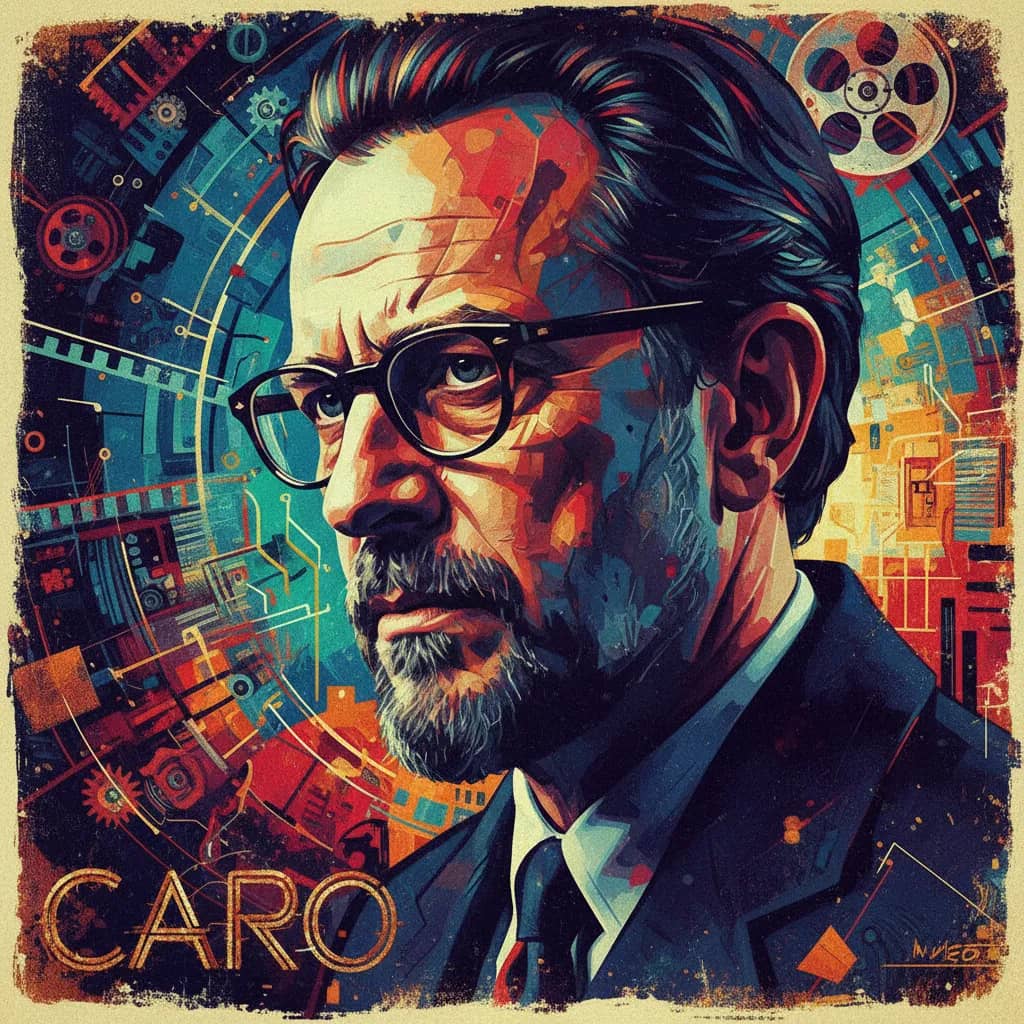
Marc Caro is a visionary French director renowned for his unique blend of dark fantasy, dystopian settings, and surreal storytelling. His collaboration with Jean-Pierre Jeunet resulted in two critically acclaimed and visually stunning films, "Delicatessen" (1991) and "The City of Lost Children" (1995). Caro's directorial style is characterized by his meticulous attention to detail, atmospheric world-building, and a penchant for blending genres such as drama, fantasy, and sci-fi. "Delicatessen" marked Caro's directorial debut and instantly established him as a master of dark humor and visually striking imagery. Set in a post-apocalyptic world, the film weaves a twisted tale of love, cannibalism, and eccentric characters living in a dilapidated apartment building. Caro's keen eye for creating a foreboding yet strangely enchanting atmosphere is evident throughout the film, making it a cult classic beloved by audiences and critics alike. In "The City of Lost Children," Caro continued to showcase his flair for crafting visually arresting and thematically rich narratives. Teaming up with Jeunet once again, the duo created a phantasmagorical world inhabited by bizarre characters, intricate steampunk-inspired settings, and a poignant exploration of the nature of dreams and childhood. The film's stunning production design, innovative special effects, and Caro's distinct directorial imprint solidified his status as a trailblazing filmmaker with an unparalleled imagination. Caro's films often revolve around themes of societal decay, the resilience of the human spirit, and the blurred lines between reality and fantasy. His influence on cinema is undeniable, inspiring a generation of filmmakers and captivating audiences with his darkly poetic storytelling. With a relatively small but impactful body of work, Marc Caro has left an indelible mark on the film industry, and his films continue to enchant and bewitch viewers with their haunting beauty and profound depth. In conclusion, Marc Caro's directorial career is characterized by a bold and singular vision that transcends traditional genre boundaries, creating a cinematic universe that is both mesmerizing and thought-provoking. His collaborations with Jean-Pierre Jeunet resulted in timeless masterpieces that have cemented Caro's legacy as a true auteur. With an unmistakable aesthetic and a penchant for crafting immersive and emotionally resonant narratives, Marc Caro remains a revered figure in the realm of visionary filmmaking.

Marcel Camus
Marcel Camus was a visionary Brazilian film director whose impactful career left an indelible mark on the world of cinema. Born in 1912 in Rio de Janeiro, Camus's directorial style was characterized by a fusion of vibrant storytelling, rhythmic music, and captivating visuals, showcasing the rich cultural tapestry of Brazil. His most celebrated film, "Black Orpheus" (1959), is a timeless masterpiece that garnered critical acclaim and solidified his reputation as a pioneering filmmaker. "Black Orpheus" is a mesmerizing blend of drama, music, and romance, inspired by the Greek myth of Orpheus and Eurydice and set against the backdrop of Rio de Janeiro's vibrant Carnival. Camus's directorial prowess shines through in the film's captivating visuals, evocative use of music, and poignant storytelling, earning him the prestigious Palme d'Or at the Cannes Film Festival and the Academy Award for Best Foreign Language Film. The film's enduring impact on cinema is a testament to Camus's ability to craft a mesmerizing cinematic experience that transcends cultural and linguistic barriers. Throughout his career, Camus's films often explored themes of love, passion, and the human spirit, set against the backdrop of Brazil's rich cultural heritage. His unique directorial vision and ability to seamlessly integrate music and dance into his narratives set him apart as a trailblazer in the realm of musical cinema. Camus's directorial legacy continues to inspire filmmakers and audiences alike, serving as a testament to the enduring power of his storytelling prowess and his profound influence on Brazilian and global cinema. Marcel Camus's illustrious career as a director continues to be celebrated for its groundbreaking contributions to the world of cinema, cementing his status as a visionary auteur whose indelible mark on film endures to this day. His directorial style, marked by a harmonious blend of music, vibrant visuals, and poignant storytelling, remains a source of inspiration for filmmakers seeking to craft evocative and culturally resonant narratives. From "Black Orpheus" to his other notable works, Marcel Camus's legacy as a pioneering filmmaker continues to captivate audiences and enrich the cinematic landscape with its unparalleled artistry and cultural significance.

Marcel Carné
Marcel Carné, a pioneering figure in French cinema's poetic realism movement, is widely regarded as one of the most influential film directors of the 20th century. Born in 1906, Carné's directorial career spanned several decades and produced a remarkable body of work that continues to captivate audiences worldwide. His directorial style is characterized by his meticulous attention to detail, emotionally rich storytelling, and a deep exploration of human emotions and desires. Carné's most renowned film, "Children of Paradise" (1945), stands as a monumental achievement in cinematic history. Set in 19th-century Paris, the film is a sprawling epic that weaves together intricate narratives of love, jealousy, and passion. Its grand scale, lush cinematography, and complex characters have solidified its status as a masterpiece of world cinema, earning accolades for its profound storytelling and visual opulence. Throughout his career, Carné exhibited a penchant for exploring themes of love, fate, and the human condition. His films often delved into the complexities of human relationships and the struggles of individuals against societal constraints, creating a rich tapestry of emotions and experiences. His directorial vision was marked by a keen sensitivity to the human experience, capturing the essence of life's triumphs and tragedies with profound depth and authenticity. Carné's impact on cinema extends beyond his artistic contributions. His directorial prowess and innovative storytelling techniques have left an indelible mark on the evolution of film, influencing generations of filmmakers and shaping the trajectory of cinematic expression. By pushing the boundaries of visual storytelling and infusing his films with profound emotional resonance, Carné has secured his place as a visionary director whose legacy continues to inspire and captivate audiences worldwide.

Marcel Langenegger
Marcel Langenegger is a Swiss film director known for his compelling storytelling and visually striking cinematic style. He made his directorial debut with the 2008 film "Deception," a gripping crime thriller that delves into the world of intrigue, seduction, and betrayal. The film, starring Ewan McGregor, Hugh Jackman, and Michelle Williams, showcases Langenegger's adeptness at creating tension and mystery on screen. His directorial style is characterized by meticulous attention to detail, skillful pacing, and a keen eye for atmospheric visuals. "Deception" exemplifies Langenegger's penchant for exploring the darker aspects of human nature and the complexities of interpersonal relationships. His storytelling often revolves around themes of trust, manipulation, and the blurred lines between illusion and reality. Through his films, Langenegger invites audiences to question their perceptions and confront the moral ambiguity of the characters' actions. Langenegger's impact on cinema lies in his ability to craft narratives that keep viewers on the edge of their seats while weaving thought-provoking themes into the fabric of his storytelling. His directorial contributions have carved a niche in the crime thriller genre, earning him recognition for his ability to infuse suspense with psychological depth. His directorial approach sets him apart as a filmmaker who skillfully balances commercial appeal with artistic integrity, resonating with audiences on both emotional and intellectual levels. With "Deception," Marcel Langenegger demonstrated his adeptness at crafting a taut and emotionally charged narrative, leaving an indelible mark on the crime thriller genre. His unique vision and directorial prowess continue to captivate audiences, solidifying his status as a director to watch in the realm of suspenseful and enigmatic storytelling. Langenegger's commitment to pushing the boundaries of conventional storytelling and his ability to engage audiences with gripping narratives ensure that his contributions to cinema remain impactful and enduring.
Marcello Fondato
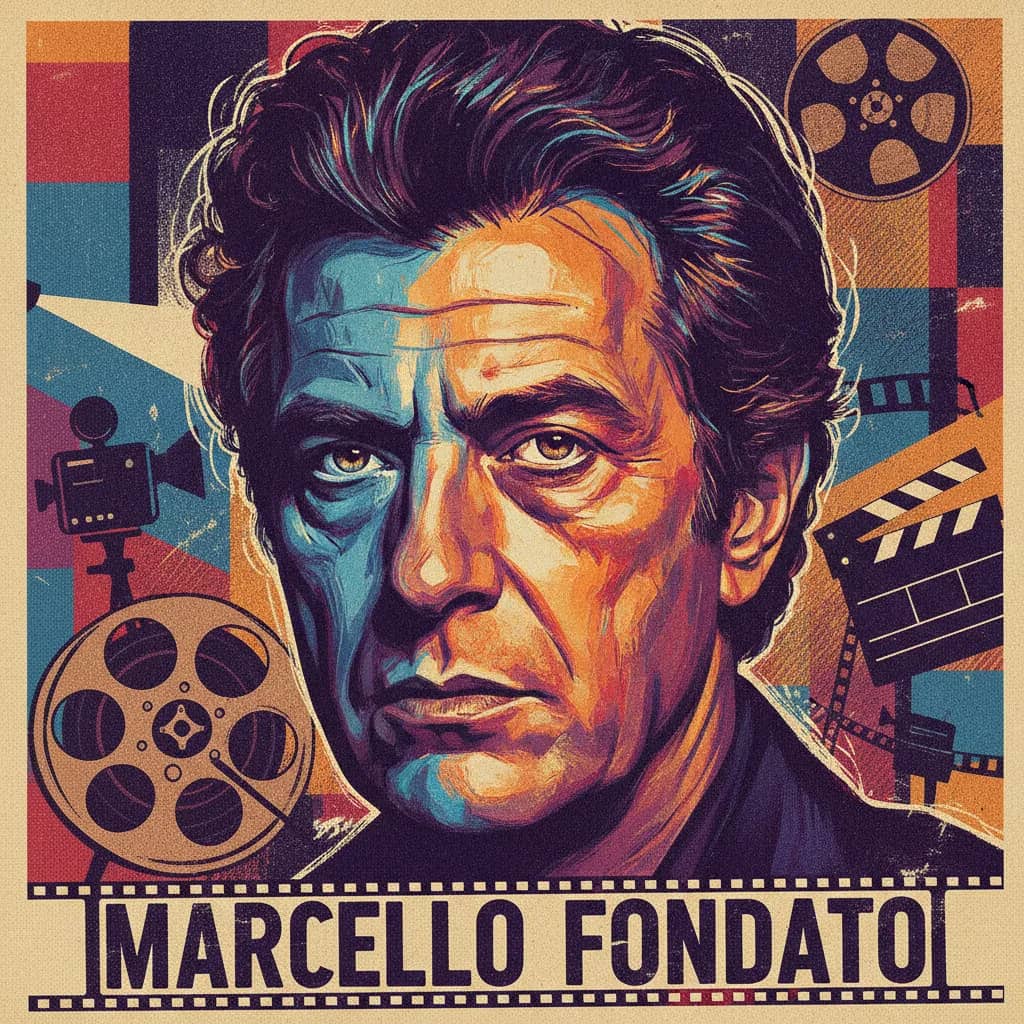
Marcello Fondato is an Italian film director who made a significant impact on the international film scene. Fondato's directorial style is characterized by his ability to seamlessly blend action and comedy, creating a unique and memorable cinematic experience. His notable film "Watch Out, We're Mad" (1974) exemplifies his knack for crafting high-energy, comedic action films that resonate with audiences across generations. Fondato's directorial career was defined by his ability to infuse his films with a sense of lightheartedness and entertainment, while also addressing underlying social and cultural themes. "Watch Out, We're Mad" is an exemplar of his directorial prowess, as it showcases his talent for creating adrenaline-pumping action sequences alongside laugh-out-loud comedic moments. Fondato's filmography reflects his commitment to delivering engaging and entertaining content that captivates audiences of all ages. Throughout his career, Fondato demonstrated a penchant for exploring themes of friendship, adventure, and the triumph of the underdog. His films often feature dynamic characters embarking on thrilling escapades, resonating with viewers through their relatability and charm. Fondato's directorial contributions have left an indelible mark on the action-comedy genre, inspiring future filmmakers and captivating audiences with his timeless storytelling. Marcello Fondato's impact on cinema extends beyond his directorial achievements, as he has contributed to the enduring popularity of action-comedy films. His ability to balance heart-pounding action with side-splitting comedy has solidified his place in the annals of cinematic history. Fondato's unique vision and directorial finesse have made him a revered figure in the film industry, with "Watch Out, We're Mad" standing as a testament to his enduring legacy as a master of action-comedy filmmaking. In conclusion, Marcello Fondato's directorial career has left an indelible mark on the world of cinema, with "Watch Out, We're Mad" serving as a testament to his unparalleled talent for crafting action-packed, comedic masterpieces. His ability to seamlessly blend adrenaline-fueled sequences with uproarious humor showcases his distinctive directorial style, making him a revered figure in the realm of action-comedy filmmaking. Fondato's enduring impact on cinema continues to resonate with audiences, solidifying his status as a visionary director whose contributions have shaped the landscape of modern filmmaking.

Marcelo Piñeyro
Marcelo Piñeyro, the acclaimed Argentine director, has made a significant impact on the world of cinema with his unique directorial style and thought-provoking storytelling. With a career spanning over three decades, Piñeyro has established himself as a visionary filmmaker, known for his ability to seamlessly blend drama and thriller elements to create compelling narratives that resonate with audiences worldwide. One of Piñeyro's most notable works is "The Method" (2005), a gripping drama-thriller that delves into the cutthroat world of corporate recruitment. The film, which revolves around a group of candidates competing for a coveted job at a prestigious company, showcases Piñeyro's keen eye for psychological tension and complex character dynamics. With its intense performances and taut storytelling, "The Method" solidified Piñeyro's reputation as a master of suspense and intrigue. Throughout his career, Piñeyro has explored recurring themes such as power dynamics, moral ambiguity, and the human psyche, often using them as a lens to examine societal issues and interpersonal relationships. His directorial style is characterized by meticulous attention to detail, evocative cinematography, and a knack for eliciting raw, emotionally charged performances from his actors. Piñeyro's impact on cinema extends beyond his individual films, as he has inspired a new generation of filmmakers to push the boundaries of storytelling and visual storytelling. His ability to craft multi-layered narratives that challenge and engage audiences has solidified his status as a trailblazer in the world of international cinema. In conclusion, Marcelo Piñeyro's directorial career is a testament to his unwavering commitment to creating thought-provoking, emotionally resonant films. With "The Method" and other acclaimed works, he has left an indelible mark on the cinematic landscape, and his legacy as a visionary director continues to inspire and captivate audiences around the world.