Director Names Starting with M
Showing 13-24 out of 362
Mahmood Farooqui
Mahmood Farooqui is a renowned Indian director known for his remarkable work in the film industry. He gained widespread acclaim for his directorial debut, "Peepli Live" (2010), a thought-provoking comedy-drama that shed light on the plight of farmers in India, while also addressing the sensationalism of media. The film received critical acclaim and garnered numerous accolades, establishing Farooqui as a director with a keen eye for social commentary and a distinctive storytelling style. Farooqui's directorial style is characterized by a deep understanding of societal issues, coupled with a unique blend of humor and drama. His films often delve into the complexities of human behavior and the impact of socio-political dynamics on individuals and communities. Farooqui's keen sense of observation and his ability to infuse realism into his narratives have set him apart as a director with a strong artistic vision. "Peepli Live" stands as a testament to Farooqui's ability to tackle pertinent themes with nuance and wit, marking a significant contribution to Indian cinema. The film's success not only highlighted Farooqui's directorial prowess but also brought attention to the power of thought-provoking storytelling in the realm of entertainment. With a focus on the human experience and the exploration of pressing societal issues, Farooqui's work has left an indelible mark on the film industry, inspiring audiences and fellow filmmakers alike. Farooqui's impact on cinema extends beyond his directorial achievements, as he continues to shape the landscape of Indian filmmaking through his thought-provoking narratives and socially relevant storytelling. His unique vision and commitment to addressing pertinent issues through his work have cemented his status as a director to watch, with the potential to further influence the trajectory of Indian cinema for years to come.
Mahsun Kirmizigül
Mahsun Kirmizigül is a prominent Turkish film director known for his powerful storytelling and compelling visual style. His directorial career has spanned several decades, during which he has made a significant impact on Turkish cinema. Kirmizigül's films often explore complex human emotions, societal issues, and the human condition, captivating audiences with his unique vision and distinct directorial style. One of Kirmizigül's most notable films is "I Saw the Sun," a poignant drama that delves into the struggles and resilience of a young boy growing up in a war-torn region. The film garnered critical acclaim and solidified Kirmizigül's reputation as a director capable of tackling profound and emotionally resonant themes with sensitivity and depth. "I Saw the Sun" showcased Kirmizigül's ability to craft compelling narratives while eliciting authentic performances from his cast. In "Act of Vengeance (2010)," Kirmizigül demonstrated his versatility by venturing into the action genre while still infusing the film with thought-provoking drama. The film showcased his adeptness at creating intense and gripping sequences, further establishing him as a director capable of navigating diverse genres with finesse. Kirmizigül's directorial prowess was further showcased in "The Miracle (2015)," a captivating blend of comedy and drama that highlighted his ability to infuse his storytelling with both emotional depth and lighthearted moments. The film resonated with audiences and critics alike, solidifying Kirmizigül's reputation as a director with a keen understanding of human experiences and relationships. Throughout his career, Kirmizigül has explored recurring themes such as resilience, human connections, and the impact of societal challenges on individuals. His films have left an indelible mark on Turkish cinema, contributing to the enrichment of the country's film landscape. Kirmizigül's unique directorial style, coupled with his ability to craft compelling narratives that resonate with audiences, has firmly established him as a significant figure in the world of cinema. Overall, Mahsun Kirmizigül's directorial career is characterized by a commitment to telling meaningful stories that resonate with audiences on an emotional and intellectual level. His ability to navigate various genres while infusing his films with depth and authenticity has cemented his status as a director with a distinct and impactful vision. Kirmizigül's contributions to Turkish cinema have left an enduring legacy, and his films continue to

Maïwenn
Maïwenn Le Besco, known professionally as Maïwenn, is a French director, actress, and screenwriter whose work is known for its raw emotion and unflinching portrayal of human complexity. With a career spanning over two decades, Maïwenn has made a significant impact on the French film industry with her distinct directorial style and uncompromising storytelling. Her notable films include "Polisse" (2011) and "My King" (2015), both of which showcase her ability to delve into the depths of human emotion and societal issues. Maïwenn's directorial style is characterized by its intense, intimate portrayal of human relationships and the complexities of human nature. She has a keen eye for capturing the raw, unfiltered emotions of her characters, often delving into the darker aspects of human behavior with unapologetic honesty. Her films are marked by their gritty realism and unflinching portrayal of societal issues, making her a distinctive voice in contemporary French cinema. "Polisse" (2011) stands as one of Maïwenn's most acclaimed works, earning her the Jury Prize at the Cannes Film Festival. The film, which she also co-wrote, offers a harrowing and unvarnished look at the lives of officers in the Child Protection Unit in Paris, delving into the complexities of their daily struggles and the impact of their work on their personal lives. "My King" (2015) further showcases Maïwenn's directorial prowess, exploring the tumultuous and destructive nature of a passionate romantic relationship with unflinching honesty. Throughout her career, Maïwenn has demonstrated a commitment to exploring the depths of human emotion and the complexities of interpersonal relationships. Her films often tackle challenging subject matter with a fearless approach, shedding light on the harsh realities of life while also finding moments of beauty and resilience. With her unique vision and uncompromising directorial style, Maïwenn has left an indelible mark on French cinema, solidifying her status as a bold and influential filmmaker whose work continues to resonate with audiences and critics alike.

Majid Majidi
Majid Majidi is an Iranian film director renowned for his emotionally resonant storytelling and deeply humanistic approach to cinema. With a career spanning over three decades, Majidi has crafted a diverse array of films that have left an indelible mark on the global cinematic landscape. His directorial style is characterized by a keen eye for capturing the beauty of everyday life, often delving into the lives of children and families facing adversity with a blend of poignancy and hope. Majidi's works often explore themes of resilience, empathy, and the triumph of the human spirit in the face of hardship, making his films universally relatable and emotionally impactful. One of Majid Majidi's most celebrated films is "Children of Heaven" (1997), a poignant drama that garnered international acclaim and earned an Academy Award nomination for Best Foreign Language Film. The film exemplifies Majidi's ability to infuse simple, everyday narratives with profound emotional depth, showcasing his talent for capturing the universal experiences of childhood and familial love. Another notable work is "The Color of Paradise" (1999), which further solidified Majidi's reputation as a master storyteller. This visually stunning drama delves into the complex relationship between a blind boy and his father, exploring themes of disability, nature, and the transcendent power of love. In 2015, Majid Majidi's epic biographical drama "Muhammad: The Messenger of God" captivated audiences with its sweeping portrayal of the early years of Islam. The film marked a significant departure from his earlier works, demonstrating Majidi's versatility and ambition as a director. His ability to tackle diverse genres while maintaining his signature emotional resonance underscores his status as a visionary filmmaker with a profound understanding of the human experience. Throughout his career, Majidi has consistently pushed boundaries and offered a unique perspective on universal themes, earning him a revered status in the realm of world cinema. Majid Majidi's impact on cinema extends beyond the boundaries of his native Iran, as his films have resonated with audiences worldwide. His ability to infuse his works with universal themes and authentic human experiences has garnered him a devoted international following. Majidi's directorial legacy is defined by his unwavering commitment to portraying the beauty and resilience of the human spirit, making him a revered figure in the realm of world cinema. With each new project, Majidi continues to captivate audiences with his profound storytelling and visual artistry, solidifying his place as a visionary director whose

Makoto Kamiya
Makoto Kamiya is a Japanese director known for his work in the animation, action, and horror genres. He gained prominence for his directorial contributions to the popular "Resident Evil" franchise, particularly with the films "Resident Evil: Degeneration" (2008) and "Resident Evil: Damnation" (2012). Kamiya's directorial style is characterized by his ability to seamlessly blend intense action sequences with elements of horror, creating a compelling and immersive viewing experience for audiences. In "Resident Evil: Degeneration," Kamiya's meticulous attention to detail and his mastery of animation techniques brought to life the iconic video game series on the big screen. The film was praised for its visually stunning animation, thrilling action set pieces, and faithful adaptation of the "Resident Evil" universe. Kamiya's adept direction ensured that the film captured the essence of the video game franchise while also delivering a cinematic experience that appealed to both fans and newcomers to the series. Kamiya continued to showcase his directorial prowess with "Resident Evil: Damnation," further solidifying his reputation as a skilled filmmaker within the realm of animated horror and action. The film received acclaim for its immersive storytelling, dynamic characters, and pulse-pounding action sequences, all of which were brought to life through Kamiya's visionary direction. Throughout his career, Makoto Kamiya has demonstrated a penchant for exploring themes of survival, fear, and the human condition within the context of horror and action narratives. His ability to infuse his films with a sense of tension and unease, coupled with his keen eye for captivating visuals, has left an indelible mark on the cinema landscape. Kamiya's contributions to the "Resident Evil" franchise have not only resonated with fans of the series but have also elevated the standard for animated horror and action films, cementing his legacy as a director with a distinct and influential vision.

Makoto Shinkai
Makoto Shinkai is a visionary Japanese film director known for his mesmerizing animation, poignant storytelling, and evocative themes. With a career spanning several critically acclaimed films, Shinkai has carved a niche for himself in the world of animation and cinema. His directorial style is characterized by stunning visuals, deeply emotional narratives, and a keen attention to detail, making him a master of the anime genre. One of Shinkai's most notable works is "Your Name." (2016), a groundbreaking film that captivated audiences worldwide with its blend of romance, fantasy, and beautifully rendered animation. The film's exploration of themes such as love, fate, and connection struck a chord with viewers and solidified Shinkai's status as a director with a unique storytelling prowess. Another standout in his filmography is "The Garden of Words" (2013), which showcases Shinkai's ability to infuse ordinary moments with profound emotional depth, all set against breathtaking visuals of rain-drenched landscapes. Recurring themes in Shinkai's films include the exploration of human relationships, the passage of time, and the intertwining of destiny and choice. His films often feature a strong connection to nature, with lushly detailed environments serving as a backdrop for the emotional journeys of his characters. Shinkai's impact on cinema extends beyond his storytelling, as his meticulous approach to animation has raised the bar for visual excellence in the medium. Shinkai's latest work, "Weathering with You" (2019), continues to showcase his ability to weave fantastical elements into deeply human stories, all while pushing the boundaries of animation. With his unparalleled vision and unwavering dedication to crafting immersive cinematic experiences, Makoto Shinkai stands as a trailblazer in the world of animation and an influential figure in contemporary filmmaking. In summary, Makoto Shinkai's directorial career is defined by his unparalleled ability to blend captivating visuals with emotionally resonant storytelling, earning him a dedicated global following and cementing his status as a visionary in the world of animation. His films continue to inspire and captivate audiences, setting a high standard for the art of storytelling through animation. Keywords: Makoto Shinkai, film director, animation, Your Name, The Garden of Words, Weathering with You, Japanese cinema, anime, directorial style, storytelling prowess, visual excellence

Malcolm D. Lee
Malcolm D. Lee is a prominent film director known for his distinctive blend of comedy, drama, and music, which has resonated with audiences worldwide. His career took off with the 1999 hit "The Best Man," a romantic comedy-drama that showcased his ability to infuse heartfelt storytelling with witty humor. Lee's directorial style often revolves around exploring the complexities of relationships, infusing his narratives with authentic emotions and relatable characters. This approach has been evident in subsequent films like "The Best Man Holiday" and "Welcome Home, Roscoe Jenkins," where he has further delved into the dynamics of friendship, love, and family ties. One of Lee's most notable works, "Girls Trip," stands out as a testament to his directorial prowess. This adventurous comedy-drama not only garnered critical acclaim but also became a box office sensation, solidifying Lee's status as a director capable of delivering commercial success without compromising artistic integrity. Furthermore, his directorial venture in "Undercover Brother" showcased his ability to seamlessly blend action and comedy, resulting in a film that resonated with audiences for its sharp wit and social commentary. Lee's impact on cinema extends beyond his individual works, as he has consistently championed diversity and representation in his projects. His commitment to telling stories that reflect the multifaceted experiences of marginalized communities has contributed to a more inclusive landscape in the film industry. With "Night School" and "Barbershop: The Next Cut," Lee continued to explore societal issues while infusing his trademark comedic touch, demonstrating his versatility as a director unafraid to tackle relevant themes. Overall, Malcolm D. Lee's directorial body of work is defined by its ability to blend humor with poignant storytelling, creating films that resonate with audiences on a profound level. His distinct directorial style, emphasis on authentic relationships, and dedication to diverse storytelling have left an indelible mark on cinema, making him a trailblazer in the industry. As he continues to bring his unique vision to the big screen, Malcolm D. Lee remains a director to watch, continually shaping the landscape of contemporary filmmaking. SEO Keywords: Malcolm D. Lee, film director, comedy-drama, Girls Trip, The Best Man, directorial style, diversity in cinema, societal themes, impact on film industry

Malcolm Venville
Malcolm Venville is a British director known for his unique blend of comedy, crime, and drama in his films. His notable work includes "Henry's Crime" (2010), a captivating heist film that showcases his distinct directorial style. Venville's approach to storytelling often revolves around complex characters and intricate plots, creating an immersive and engaging experience for the audience. In "Henry's Crime," Venville demonstrates his ability to infuse humor into a crime drama, offering a fresh take on the genre. His directorial style balances the tension of the criminal underworld with the comedic elements, resulting in a film that is both entertaining and thought-provoking. Venville's skillful direction allows the characters to shine, bringing depth and authenticity to their performances. Throughout his career, Venville has explored recurring themes such as redemption, the human experience, and the consequences of one's actions. His films often delve into the psychological and emotional motivations of his characters, providing audiences with a deeper understanding of the human condition. Venville's ability to intertwine these themes with compelling narratives has solidified his reputation as a director with a keen eye for storytelling. Venville's impact on cinema lies in his ability to push the boundaries of traditional genre conventions, creating films that defy categorization and resonate with diverse audiences. His unique vision and innovative approach to storytelling have contributed to the evolution of crime and comedy genres, establishing him as a director with a distinct voice in the industry. As Venville continues to explore new avenues in filmmaking, his contributions to the art form are sure to leave a lasting impression on future generations of filmmakers and film enthusiasts alike.
Malik Bader
Malik Bader is a visionary filmmaker known for his gripping storytelling and visually stunning direction. With a keen eye for action and crime genres, Bader has made a significant impact on cinema with his unique directorial style. His notable film, "Killerman" (2019), stands as a testament to his ability to captivate audiences with intense and thrilling narratives. Bader's directorial style is characterized by its raw and visceral portrayal of crime and action, often delving into the gritty underbelly of society. His films are marked by their immersive and high-octane sequences, which draw audiences into the heart of the action. Bader's masterful command of pacing and tension keeps viewers on the edge of their seats, making his films an exhilarating and unforgettable experience. "Killerman" (2019) is a prime example of Bader's directorial prowess, showcasing his ability to create a compelling narrative within the action and crime genres. The film's seamless blend of adrenaline-pumping sequences and character-driven storytelling underscores Bader's talent for crafting immersive and emotionally resonant cinematic experiences. Throughout his career, Bader has consistently explored themes of redemption, morality, and the consequences of one's actions. His films often present complex characters navigating morally ambiguous situations, adding depth and nuance to the genre. Bader's ability to infuse his narratives with profound human emotions sets him apart as a director with a distinct and thought-provoking vision. In the realm of action and crime cinema, Malik Bader's contributions are undeniably influential. His commitment to pushing the boundaries of storytelling within these genres has solidified his reputation as a director with a bold and uncompromising vision. As he continues to make his mark on the industry, audiences can anticipate more electrifying and impactful films from this visionary director.

Mamoru Hosoda
Mamoru Hosoda is a visionary Japanese director acclaimed for his emotionally resonant and visually stunning animated films. His directorial style is characterized by a seamless blend of fantastical elements with deeply human narratives, captivating audiences with his ability to infuse depth and emotion into his storytelling. Hosoda's films often explore themes of family, identity, and the passage of time, creating a profound connection with viewers. Notable films in Hosoda's filmography include "Wolf Children" (2012), a poignant exploration of the challenges and joys of single motherhood, and "Mirai" (2018), a beautifully crafted tale of a young boy's magical encounter with his future sister. His earlier works, such as "The Girl Who Leapt Through Time" (2006) and "Summer Wars" (2009), showcase his adeptness at blending adventure and comedy with heartfelt storytelling. "The Boy and the Beast" (2015) further solidified Hosoda's reputation, as it delved into themes of mentorship and self-discovery within the backdrop of a captivating fantasy world. Hosoda's impact on cinema is far-reaching, as he has carved a niche for himself in the animation industry by creating films that transcend age demographics and cultural boundaries. His unique vision has garnered critical acclaim and a devoted international fanbase. With his exceptional ability to infuse his films with both emotional depth and stunning visuals, Hosoda has become a trailblazer in the world of animation, influencing a new generation of filmmakers and captivating audiences worldwide. In conclusion, Mamoru Hosoda's directorial career is a testament to his unparalleled ability to craft emotionally resonant and visually captivating animated films. His recurring themes of family, self-discovery, and the passage of time have left an indelible mark on cinema, earning him a well-deserved reputation as a visionary director. As he continues to push the boundaries of animated storytelling, Hosoda remains a driving force in the industry, leaving an enduring legacy of innovation and inspiration for future filmmakers.
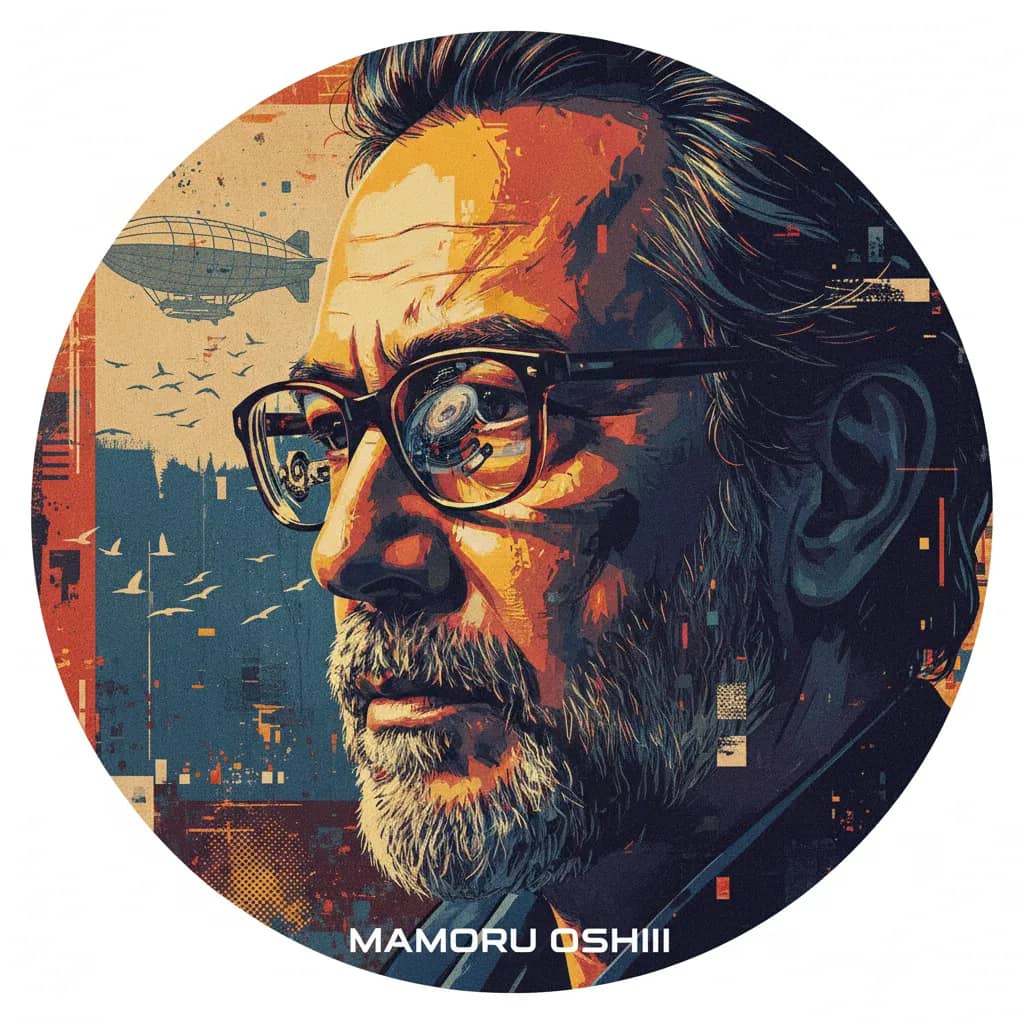
Mamoru Oshii
Mamoru Oshii is a visionary Japanese director known for his groundbreaking work in animation and live-action cinema. With a career spanning several decades, Oshii has left an indelible mark on the industry with his distinct directorial style and thought-provoking storytelling. Oshii's filmography includes a diverse range of projects, from the iconic "Kôkaku Kidôtai" (1995) to the mesmerizing "Avalon" (2001) and the visually stunning "Ghost in the Shell 2.0" (2008) and "Ghost in the Shell 2: Innocence" (2004). Oshii's directorial style is characterized by his meticulous attention to detail, visually striking imagery, and thought-provoking narratives. His films often explore complex themes such as identity, consciousness, and the intersection of humanity and technology. Oshii's ability to seamlessly blend animation and live-action elements has set him apart as a true innovator in the industry, earning him a dedicated global fanbase and critical acclaim. Notable for his exploration of existential and philosophical themes, Oshii's films often delve into the nature of reality, consciousness, and the impact of technology on humanity. His thought-provoking narratives and visually stunning aesthetics have solidified his reputation as a director with a unique and influential vision. Oshii's impact on cinema extends beyond his individual films, as he has inspired countless filmmakers and artists with his innovative approach to storytelling and visual design. His influence can be seen in the work of contemporary directors and animators, cementing his legacy as a trailblazer in the world of animation and live-action filmmaking. As a director, Mamoru Oshii has left an indelible mark on the industry, with a body of work that continues to captivate and inspire audiences around the world.
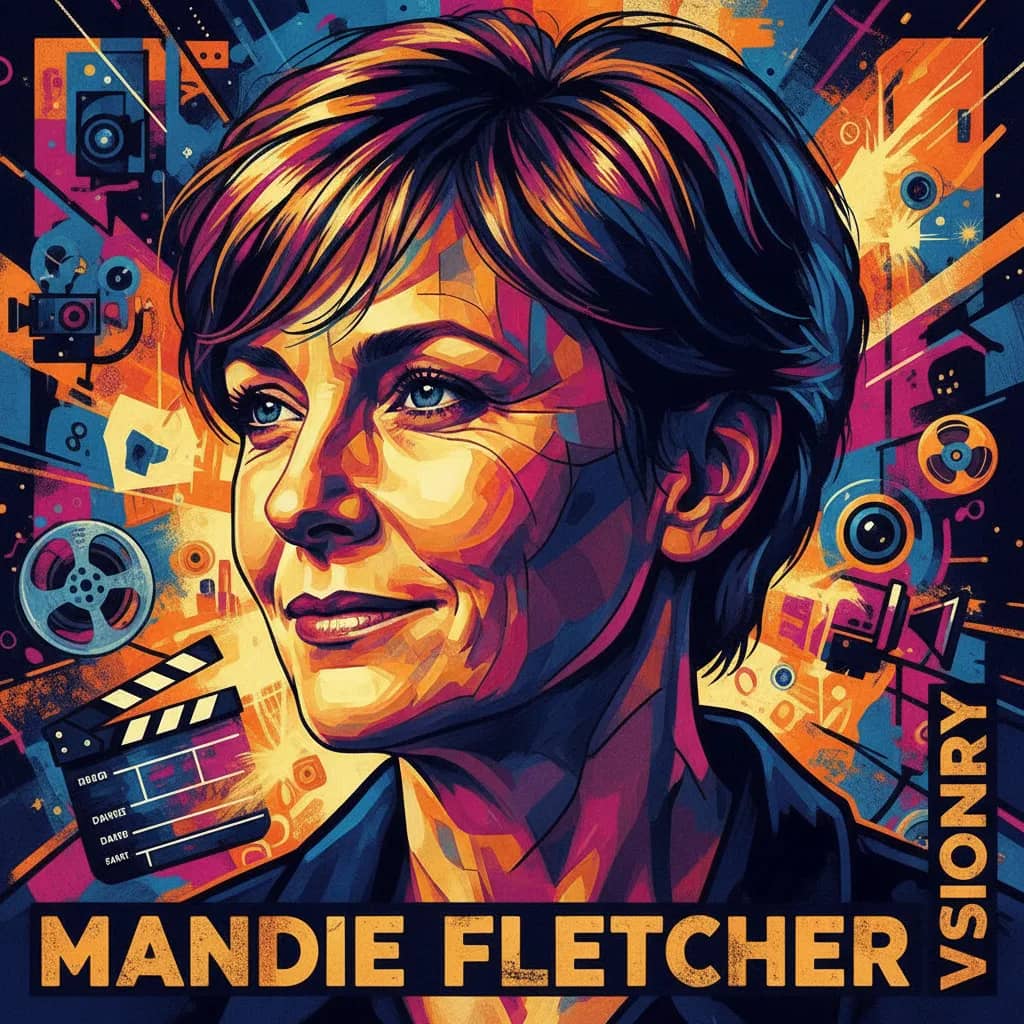
Mandie Fletcher
Mandie Fletcher is a highly acclaimed British film and television director known for her exceptional storytelling and comedic flair. With a career spanning several decades, Fletcher has made a significant impact on the entertainment industry. Her directorial style is characterized by sharp wit, vibrant visuals, and a keen understanding of comedic timing, making her a standout talent in the world of comedy filmmaking. One of Fletcher's most notable works is "Absolutely Fabulous: The Movie" (2016), an uproarious comedy film based on the beloved British television series. The movie showcases Fletcher's ability to seamlessly translate a cult classic to the big screen while infusing it with her own creative energy. Known for her adept handling of comedic material, Fletcher expertly navigates the film's blend of humor and crime elements, delivering a riotous and visually stunning cinematic experience. Throughout her career, Fletcher has demonstrated a remarkable talent for capturing the essence of flawed yet endearing characters, often delving into themes of friendship, identity, and the absurdity of everyday life. Her distinctive directorial vision has left an indelible mark on cinema, earning her a dedicated following of fans and critical acclaim from industry peers. Fletcher's contributions to film have not only entertained audiences but also paved the way for female filmmakers in a predominantly male-dominated industry. Her ability to bring complex characters to life with humor and heart has solidified her status as a trailblazer in the world of comedy directing, inspiring future generations of filmmakers. In conclusion, Mandie Fletcher's illustrious career as a director has left an indelible mark on the entertainment industry. With her exceptional storytelling prowess, comedic sensibilities, and unique directorial vision, she continues to be a driving force in the world of cinema, captivating audiences with her unforgettable characters and captivating narratives.