Director Names Starting with M
Showing 313-324 out of 362

Mike Figgis
Mike Figgis is a renowned British film director, writer, and composer known for his innovative and boundary-pushing approach to filmmaking. With a career spanning over four decades, Figgis has left an indelible mark on the industry with his distinct directorial style and compelling storytelling. His filmography includes several notable works such as "Internal Affairs" (1990), "Leaving Las Vegas" (1995), and "Cold Creek Manor" (2003), each showcasing his versatility and ability to tackle diverse genres with finesse. Figgis is celebrated for his bold and unflinching directorial style, often incorporating unconventional narrative structures and experimental techniques to create a visceral and immersive viewing experience. His films are characterized by their raw emotional depth, nuanced character portrayals, and exploration of complex human relationships. Figgis' directorial prowess is evident in "Leaving Las Vegas," a haunting and poignant drama that earned critical acclaim and accolades, including an Academy Award for Best Actor for Nicolas Cage's mesmerizing performance. Throughout his career, Figgis has demonstrated a penchant for delving into the darker aspects of the human psyche, often grappling with themes of addiction, alienation, and existential angst. His films possess a raw, unvarnished quality that resonates with audiences, offering a candid portrayal of the human condition. Figgis' directorial vision has had a profound impact on cinema, inspiring a new generation of filmmakers to push the boundaries of traditional storytelling and embrace innovative approaches to visual storytelling. In addition to his directorial achievements, Figgis is also a prolific composer, often creating evocative musical scores for his own films, further showcasing his multi-faceted talents as a creative visionary. His willingness to experiment with narrative structure, visual aesthetics, and thematic content has solidified his status as a trailblazing director whose contributions continue to shape the landscape of contemporary cinema. Mike Figgis' enduring legacy as a groundbreaking filmmaker is a testament to his unparalleled vision and unwavering commitment to pushing the boundaries of cinematic storytelling.
Mike Flanagan
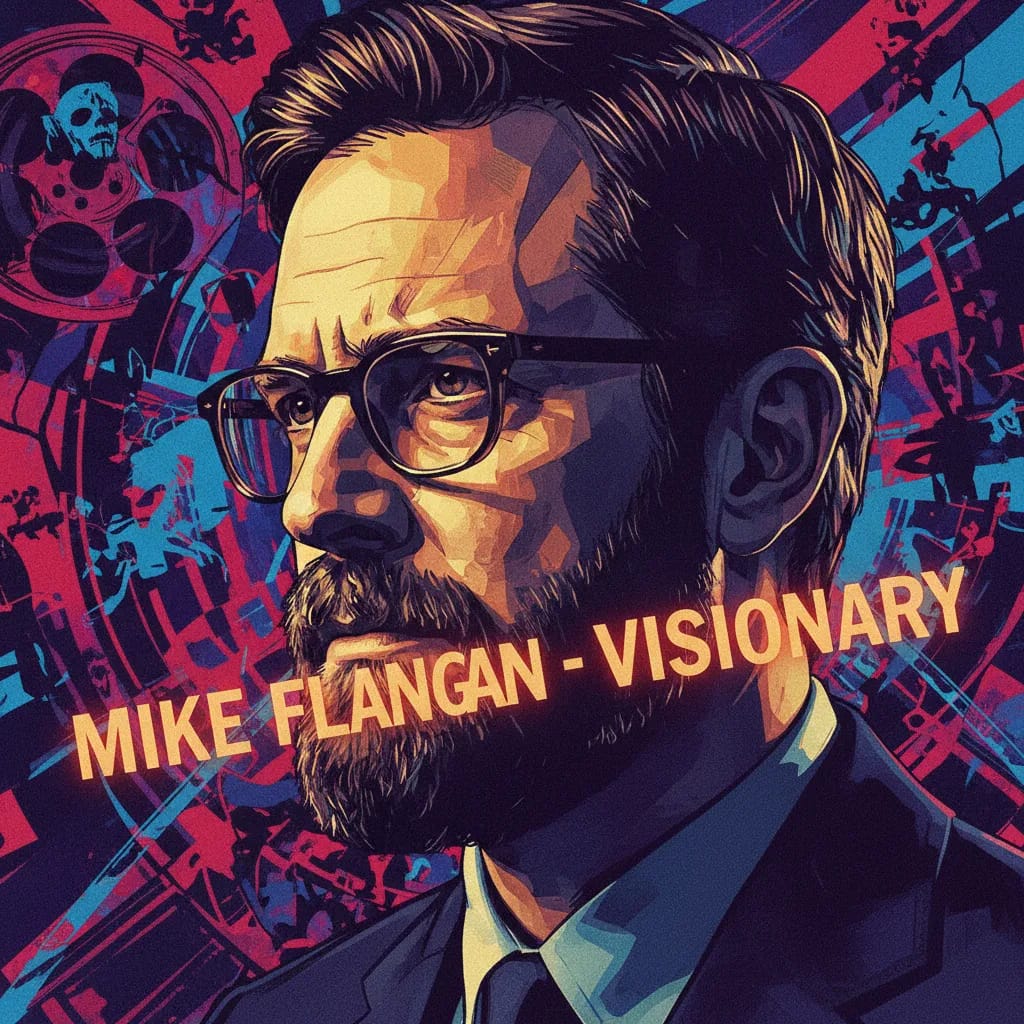
Mike Flanagan is a celebrated director known for his unique vision in the horror and thriller genres. His career took off with his breakthrough film "Absentia" (2011), a haunting blend of drama, horror, and mystery. Flanagan's directorial style is characterized by his ability to create atmospheres of intense psychological tension and to delve deeply into the human psyche, often using supernatural elements to explore personal trauma and fears. Flanagan's filmography is a testament to his mastery of the horror genre, with standout films such as "Oculus" (2013), "Hush" (2016), "Ouija: Origin of Evil" (2016), "Gerald's Game" (2017), and "Doctor Sleep" (2019). Each film showcases his talent for crafting compelling narratives and eliciting genuine scares, while also infusing his stories with emotional depth and complex character development. One of Flanagan's recurring themes is the exploration of grief, trauma, and the human capacity for resilience in the face of unimaginable horror. His films often center on characters grappling with personal demons and past traumas, using the supernatural as a means to delve into the darker recesses of the human experience. This thematic depth, combined with his skillful direction and storytelling, has earned Flanagan a dedicated following and critical acclaim. Flanagan's impact on cinema can be seen in his ability to breathe new life into the horror genre, offering audiences thought-provoking and emotionally resonant experiences that extend beyond mere jump scares. His films have redefined audience expectations for horror, setting a high standard for storytelling and character-driven narratives within the genre. With a keen eye for visual storytelling and a knack for creating palpable tension, Flanagan continues to be a trailblazing force in the world of horror cinema.

Mike Gabriel
Mike Gabriel is a renowned film director and animator known for his impressive contributions to the animation genre. With a career spanning several decades, Gabriel has left an indelible mark on the industry through his distinctive directorial style and visionary storytelling. His notable works include "The Rescuers Down Under" (1990) and "Pocahontas" (1995), both of which showcase his exceptional talent in crafting captivating animated features. Gabriel's directorial style is characterized by his ability to infuse his films with a sense of adventure, humor, and emotional depth. His keen understanding of animation as a storytelling medium allows him to create visually stunning and emotionally resonant narratives that appeal to audiences of all ages. He has a remarkable talent for bringing characters to life through animation, capturing their nuances and emotions in a way that immerses viewers in the story. "The Rescuers Down Under" marked Gabriel's directorial debut and established him as a skilled animator with a penchant for creating compelling adventures. The film's breathtaking visuals and engaging storytelling set a new standard for animated features, earning Gabriel widespread acclaim for his directorial prowess. "Pocahontas" further solidified his reputation, as the film delved into themes of love, courage, and cultural understanding, showcasing Gabriel's ability to tackle complex subject matter with sensitivity and creativity. Throughout his career, Gabriel has demonstrated a commitment to exploring themes of heroism, friendship, and the beauty of the natural world. His films often celebrate the human spirit and the power of love and resilience, resonating with audiences on a profound level. Gabriel's impact on cinema extends beyond his individual films, as he has influenced countless animators and filmmakers with his innovative approach to storytelling and animation. In conclusion, Mike Gabriel's directorial career has been defined by his exceptional talent, visionary storytelling, and lasting impact on the world of animation. His films continue to captivate audiences and inspire future generations of filmmakers, cementing his legacy as a pioneering director in the realm of animated cinema.

Mike Hodges
Mike Hodges is a British film director known for his compelling and visually striking contributions to cinema. With a career spanning several decades, Hodges has left an indelible mark on the industry with his distinct directorial style and diverse range of films. His directorial debut, "Get Carter" (1971), is a seminal work in the action, crime, and thriller genres, showcasing Hodges' penchant for gritty storytelling and dynamic visuals. The film's impact on the crime genre and its influence on subsequent filmmakers solidified Hodges as a visionary director. In "Croupier" (1998), Hodges demonstrated his ability to craft compelling crime dramas with a neo-noir flair. The film's taut narrative and atmospheric cinematography underscore Hodges' mastery in creating tension and intrigue on screen. Additionally, his foray into horror with "Damien: Omen II" (1978) showcased his versatility as a director, delving into the realm of supernatural terror while maintaining a nuanced approach to storytelling and character development. Hodges' directorial prowess reached new heights with "Flash Gordon" (1980), an iconic action-adventure film set in the realm of science fiction. The film's extravagant visuals and imaginative world-building exemplify Hodges' ability to transport audiences to fantastical realms while infusing the narrative with depth and excitement. Throughout his career, Hodges has consistently delivered films that captivate audiences and push the boundaries of storytelling, cementing his legacy as a visionary director with an unparalleled creative vision. Hodges' oeuvre is characterized by recurring themes of moral ambiguity, complex characters, and immersive atmospheres, all of which contribute to the enduring impact of his films. His directorial style is marked by a keen attention to detail, evocative cinematography, and a deft handling of tension and suspense. Hodges' contributions to cinema have not only influenced subsequent generations of filmmakers but have also left an indelible imprint on the cinematic landscape, solidifying his status as a trailblazing director whose visionary approach continues to inspire and captivate audiences worldwide.

Mike Johnson
Mike Johnson is a talented film director known for his work in the animation genre. He first gained widespread recognition for his directorial debut with the critically acclaimed film "Corpse Bride" in 2005. The film, which falls under the animation, drama, and family genres, was a collaborative effort with the renowned director Tim Burton. Johnson's directorial style is characterized by his ability to infuse dark and whimsical elements into his storytelling, creating visually stunning and emotionally resonant films that captivate audiences of all ages. "Corpse Bride" stands as a testament to Johnson's creative vision and expertise in crafting visually striking animated worlds. The film's gothic aesthetic and captivating narrative underscore Johnson's penchant for blending macabre themes with heartfelt storytelling, a signature element that has become synonymous with his directorial style. Johnson's meticulous attention to detail and innovative use of stop-motion animation techniques have set him apart as a visionary director in the animation realm. Throughout his career, Johnson has exhibited a penchant for exploring themes of love, loss, and the human experience, often delving into the complexities of relationships and the human psyche. His films resonate with audiences due to their ability to seamlessly intertwine dark and whimsical elements, creating a unique and immersive cinematic experience. Johnson's impact on cinema is evident through his ability to push the boundaries of storytelling within the animation genre, consistently delivering films that are visually stunning and thematically rich. His collaboration with Tim Burton on "Corpse Bride" solidified his position as a director capable of crafting emotionally compelling narratives within the animated medium. In conclusion, Mike Johnson's directorial career has been defined by his unique vision, innovative storytelling, and ability to push the artistic boundaries of animation. With "Corpse Bride," he solidified his status as a visionary director, leaving an indelible mark on the film industry. Johnson's ability to seamlessly blend dark and whimsical elements has cemented his place as a leading figure in the animation genre, and his contributions continue to resonate with audiences worldwide.
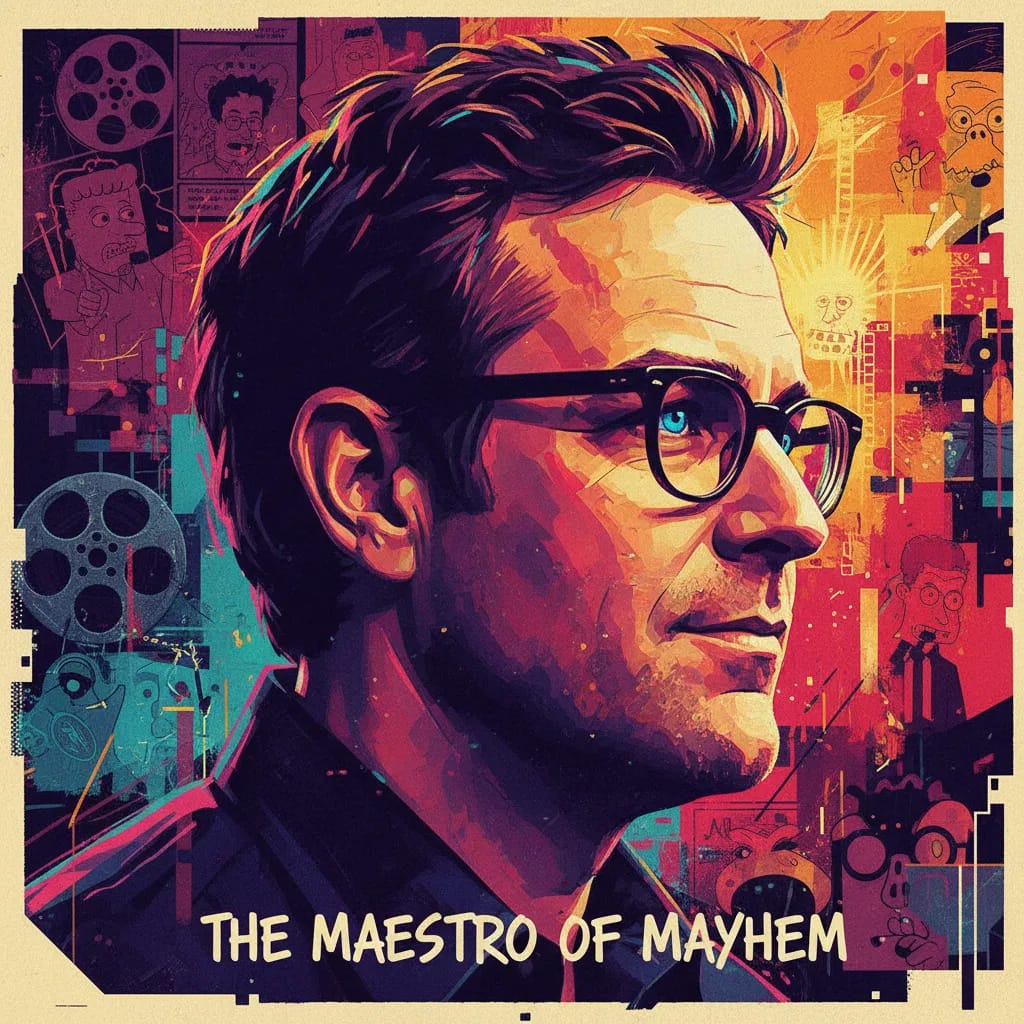
Mike Judge
Mike Judge is a renowned film director known for his unique comedic sensibilities and incisive satirical takes on American culture and workplace dynamics. His directorial style is characterized by sharp wit, deadpan humor, and a keen understanding of the absurdities of modern life. With a career spanning several decades, Judge has left an indelible mark on the film industry, particularly within the comedy genre. One of Judge's most iconic films is "Office Space" (1999), a cult classic that hilariously skewers the mundanity and soul-crushing nature of office environments. The film's sharp dialogue, memorable characters, and relatable workplace frustrations have solidified its status as a beloved comedy staple and a touchstone for those navigating the corporate world. Judge's acute observations about the absurdities of office culture and the quest for individuality within a stifling environment have resonated with audiences worldwide. In "Beavis and Butt-Head Do America" (1996), Judge showcased his versatility by delving into the world of animation, blending irreverent humor with a road trip adventure. The film demonstrated his ability to appeal to a wide range of audiences while maintaining his signature brand of subversive comedy. "Idiocracy" (2006) further exemplifies Judge's talent for crafting thought-provoking satires, presenting a dystopian future where societal intelligence has deteriorated, offering a biting commentary on the potential consequences of societal complacency. Throughout his filmography, Judge consistently explores themes of individuality, societal conformity, and the absurdities of everyday life. His distinctive directorial voice has had a lasting impact on cinematic comedy, influencing a new generation of filmmakers and earning him a dedicated fan base. Judge's ability to infuse his work with social commentary, coupled with his sharp comedic timing, has solidified his reputation as a visionary director with a keen eye for cultural critique. In conclusion, Mike Judge's directorial career stands as a testament to his unparalleled ability to dissect the idiosyncrasies of contemporary society with humor and insight. His films continue to entertain and provoke thought, cementing his status as a pioneering force in the realm of comedy and satire. Judge's enduring contributions to cinema have left an indelible impression, ensuring that his films will be celebrated for years to come.

Mike Leigh
Mike Leigh is a British director renowned for his distinctive approach to filmmaking, characterized by his improvisational methods and deeply humanistic storytelling. With a career spanning over five decades, Leigh has established himself as a master of intimate character studies and socially conscious narratives. Known for eschewing traditional scripts in favor of collaborative workshops with actors, his films often delve into the complexities of everyday life, offering poignant and insightful observations on the human condition. One of Leigh's most celebrated works is "Secrets & Lies" (1996), which earned him international acclaim and garnered five Academy Award nominations, including Best Director and Best Original Screenplay. The film's exploration of family dynamics, identity, and the impact of long-held secrets exemplifies Leigh's ability to craft deeply resonant and emotionally authentic narratives. Another standout in Leigh's filmography is "Vera Drake" (2004), a powerful drama that delves into the moral and ethical dilemmas surrounding abortion in 1950s England. The film earned Leigh his second Academy Award nomination for Best Director and reaffirmed his reputation for thought-provoking, socially relevant storytelling. Leigh's directorial style is characterized by his meticulous attention to character development and his unwavering commitment to capturing the nuances of human interaction. His films often revolve around ordinary individuals navigating life's challenges, and his keen observational eye lends a sense of realism and authenticity to his work. Additionally, Leigh's penchant for delving into the complexities of interpersonal relationships, often within the context of working-class environments, has cemented his status as a filmmaker with a keen understanding of the human experience. Throughout his career, Leigh has consistently tackled themes such as class dynamics, resilience in the face of adversity, and the enduring power of compassion. His ability to infuse his narratives with empathy and depth has left an indelible mark on the world of cinema, influencing a generation of filmmakers and earning him a place among the most revered auteurs in the industry. As a director, Mike Leigh's commitment to presenting authentic, multifaceted portrayals of the human experience has not only shaped his own illustrious filmography but has also contributed to the broader landscape of cinematic storytelling. In summary, Mike Leigh's directorial career is defined by his unwavering dedication to exploring the complexities of human existence through deeply empathetic storytelling. With a repertoire of acclaimed films that navigate the intricacies of interpersonal relationships, social issues, and the resilience of the human spirit, Leigh has solidified his legacy

Mike Maguire
Mike Maguire is a talented film director known for his distinct comedic style and sharp wit. With a career that spans over several decades, Maguire has made a significant impact on the comedy genre in cinema. His most notable work includes "The Onion Movie" (2008), a satirical comedy that showcases his adeptness at blending humor with social commentary. Maguire's directorial style is characterized by his ability to infuse absurdity and satire into his storytelling, creating a unique and memorable viewing experience for audiences. His films often provoke thought while eliciting laughter, making them stand out in the comedy genre. "The Onion Movie" exemplifies Maguire's knack for delivering biting humor that critiques various aspects of contemporary society, demonstrating his keen observational skills and sharp wit. Throughout his career, Maguire has consistently explored recurring themes such as media manipulation, societal absurdities, and the human condition. His films often serve as a mirror to the world, reflecting its idiosyncrasies and contradictions in a humorous yet thought-provoking manner. Maguire's ability to seamlessly blend comedy with astute social commentary has earned him a dedicated following and critical acclaim. In the realm of cinema, Mike Maguire's contributions are noteworthy for their ability to push the boundaries of traditional comedy and provide a fresh perspective on societal norms. His meticulous attention to detail and storytelling prowess have solidified his status as a respected figure in the industry. Maguire's impact on comedy in film is undeniable, and his work continues to inspire and entertain audiences worldwide. In conclusion, Mike Maguire's directorial career is defined by his distinct comedic style, keen observations of society, and ability to provoke thoughtful introspection through humor. His filmography, particularly "The Onion Movie," serves as a testament to his unique vision and contributions to the comedy genre. Maguire's enduring influence on cinema ensures that his work will continue to be celebrated for years to come.

Mike Marvin
Mike Marvin is a visionary director known for his unique blend of action, horror, and romance in the cult classic film "The Wraith" (1986). With a career spanning several decades, Marvin has made a lasting impact on cinema with his distinct directorial style and thematic explorations. "The Wraith" stands as a testament to Marvin's ability to seamlessly merge adrenaline-pumping car chases, supernatural elements, and poignant romantic narratives into a cohesive and captivating cinematic experience. Marvin's directorial approach is characterized by his skillful manipulation of tension and suspense, as well as his ability to infuse his films with a sense of otherworldly mystique. "The Wraith" exemplifies his penchant for crafting visually stunning and emotionally resonant narratives that leave a lasting impression on audiences. His films often feature compelling characters grappling with themes of love, loss, and the supernatural, creating a rich tapestry of human emotions against the backdrop of high-octane action. "The Wraith" remains a cornerstone of Marvin's filmography, showcasing his knack for blending genres and pushing the boundaries of storytelling. The film's enduring cult status is a testament to Marvin's ability to create timeless and captivating cinematic experiences. His directorial vision has left an indelible mark on the world of cinema, inspiring filmmakers and audiences alike with his innovative storytelling and evocative visuals. As a director, Marvin's influence extends beyond the confines of the screen, shaping the way audiences perceive and engage with storytelling. His unparalleled ability to craft immersive and emotionally charged narratives has solidified his status as a trailblazer in the film industry. With a career defined by groundbreaking work and a commitment to pushing creative boundaries, Mike Marvin continues to be a revered figure in the world of cinema, leaving an enduring legacy that will continue to inspire filmmakers for generations to come.

Mike McCoy
Mike McCoy is a highly talented film director known for his exceptional work in the action-adventure-thriller genre. His most notable film, "Act of Valor" (2012), garnered widespread acclaim for its intense and realistic portrayal of Navy SEAL operations. McCoy's directorial style is characterized by his ability to immerse audiences in high-stakes, adrenaline-pumping scenarios, and his dedication to authenticity has set him apart in the industry. "Act of Valor" made a significant impact on cinema, as it was one of the first films to feature active-duty Navy SEALs in leading roles, adding a level of authenticity and realism rarely seen in the genre. McCoy's collaboration with the military brought a unique perspective to the film, capturing the true essence of special operations and garnering praise for its portrayal of the sacrifices and heroism of the SEALs. Throughout his career, McCoy has demonstrated a keen eye for capturing breathtaking action sequences and infusing them with emotional depth. His films often explore themes of loyalty, sacrifice, and the human spirit in the face of danger, resonating with audiences on a visceral level. McCoy's commitment to showcasing the courage and skill of real-life heroes has left an indelible mark on the action genre. McCoy's directorial vision has not only entertained audiences but also raised the bar for authenticity and storytelling in action cinema. His dedication to portraying the reality of military operations and the bravery of those who serve has earned him a well-deserved reputation as a director with a unique and impactful voice in the industry. With his unparalleled ability to bring heart-pounding action to the screen while honoring the sacrifices of real-life heroes, McCoy continues to leave a lasting impression on audiences and filmmakers alike.

Mike Mills
Mike Mills is a visionary filmmaker known for his distinctive directorial style and unique storytelling approach. With a career spanning over two decades, Mills has made a significant impact on the world of cinema through his thought-provoking narratives and visually captivating films. His filmography features notable works such as "C'mon C'mon" (2021), "Beginners" (2010), and "Thumbsucker" (2005), each showcasing his ability to seamlessly blend genres while delving into the complexities of human relationships. Mills' directorial style is characterized by its emotional depth, introspective exploration, and intimate portrayals of his characters. His films often navigate the intricacies of human emotions, family dynamics, and personal growth, resonating with audiences on a profound level. With a keen eye for visual storytelling, he masterfully crafts evocative scenes that linger in the minds of viewers long after the credits roll. "Beginners," one of Mills' most celebrated works, stands as a testament to his ability to seamlessly intertwine comedy, drama, and romance. The film, inspired by his own father's late-life realization of his homosexuality, garnered widespread acclaim for its poignant portrayal of love, loss, and self-discovery. Similarly, "Thumbsucker" showcases Mills' talent for depicting the complexities of adolescence with a blend of humor and sincerity, cementing his reputation as a director with a profound understanding of the human experience. Throughout his career, Mills has consistently explored themes of identity, self-expression, and the impact of personal history on individuals' lives. His films serve as compelling character studies, offering a profound exploration of the human condition. Mills' unique vision and unwavering commitment to authenticity have left an indelible mark on the cinematic landscape, earning him a dedicated following and critical acclaim. As a director, Mike Mills has reshaped the cinematic narrative, infusing his works with sincerity, vulnerability, and an unwavering commitment to storytelling. His ability to craft emotionally resonant narratives and bring forth nuanced performances from his cast has solidified his status as a director with a distinct voice and a profound impact on the art of filmmaking. With a career defined by thought-provoking storytelling and an unparalleled ability to capture the intricacies of human emotion, Mike Mills continues to inspire and captivate audiences with his evocative cinematic creations.

Mike Mitchell
Mike Mitchell is a versatile film director known for his ability to seamlessly blend genres and create entertaining, visually stunning films. With a career spanning over two decades, Mitchell has left an indelible mark on the film industry with his unique directorial style and innovative storytelling. He has directed a diverse range of films, including the animated hit "Trolls" (2016), the action-packed "Sky High" (2005), and the beloved "Shrek Forever After" (2010). One of Mitchell's notable directorial trademarks is his knack for infusing humor and heart into his films, making them appealing to audiences of all ages. His keen understanding of comedic timing and character development is evident in his work, as seen in the uproarious "Deuce Bigalow: Male Gigolo" (1999) and the imaginative "The SpongeBob Movie: Sponge Out of Water" (2015). Mitchell's films often explore themes of friendship, self-discovery, and the power of teamwork, resonating with viewers on a deeper emotional level. In addition to his directorial prowess, Mitchell has made significant contributions to the animation genre, particularly with his work on "Trolls" and "The Lego Movie 2: The Second Part" (2019). His visually captivating storytelling and ability to create immersive animated worlds have solidified his reputation as a groundbreaking director in the realm of animation. Mitchell's impact on cinema extends beyond his individual films, as he has continually pushed the boundaries of storytelling and visual effects, earning him a reputation as a visionary director. His ability to innovate and captivate audiences with his imaginative storytelling sets him apart as a director with a distinct and enduring influence on the film industry. In conclusion, Mike Mitchell's career as a film director is characterized by his exceptional versatility, ability to blend genres, and his innovative approach to storytelling. With a diverse filmography that spans comedy, animation, and action, Mitchell has left an indelible mark on cinema, captivating audiences with his unique vision and directorial prowess. His impact on the film industry is undeniable, and his contributions to animation and storytelling continue to inspire future generations of filmmakers.