Director Names Starting with M
Showing 325-336 out of 362

Mike Newell
Mike Newell is an accomplished British director known for his diverse filmography that spans across multiple genres. His career took off with the critically acclaimed romantic comedy "Four Weddings and a Funeral" (1994), which showcased his ability to seamlessly blend humor and romance. Newell's versatility as a director became evident as he transitioned into directing the biographical crime drama "Donnie Brasco" (1997), further establishing his prowess in capturing complex human emotions and riveting storytelling. Newell's foray into the fantasy genre with "Harry Potter and the Goblet of Fire" (2005) demonstrated his adeptness in helming big-budget, visually stunning productions while staying true to the essence of the source material. His ability to bring magical worlds to life and evoke a sense of wonder contributed significantly to the success of the film. Furthermore, Newell's directorial style was exemplified in "Mona Lisa Smile" (2003), a thought-provoking drama that delved into societal norms and the pursuit of personal fulfillment, showcasing his knack for crafting compelling narratives with strong female characters at the forefront. In "Prince of Persia: The Sands of Time" (2010), Newell showcased his skill in creating exhilarating action sequences and immersive adventure, demonstrating his adaptability to diverse genres. Additionally, his directorial finesse was evident in "The Guernsey Literary and Potato Peel Pie Society" (2018) and "Love in the Time of Cholera" (2007), where he masterfully depicted themes of love, resilience, and the human spirit in the face of adversity, solidifying his reputation as a director with a keen understanding of human emotions and relationships. Overall, Mike Newell's directorial career is marked by his ability to navigate various genres with finesse, infusing each film with compelling storytelling, rich character development, and captivating visuals. His impact on cinema is evident through his diverse body of work, which continues to resonate with audiences worldwide, solidifying his status as a director with a unique vision and a lasting influence on the film industry.
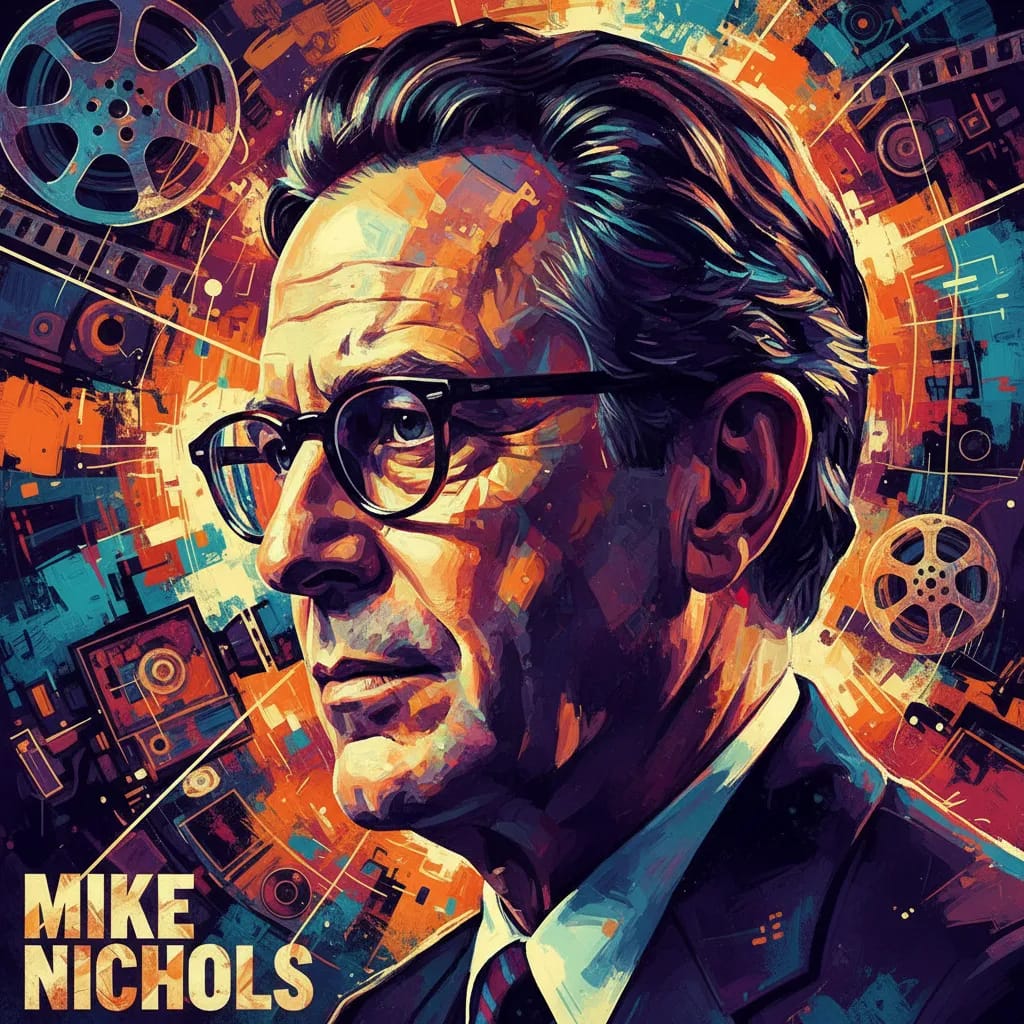
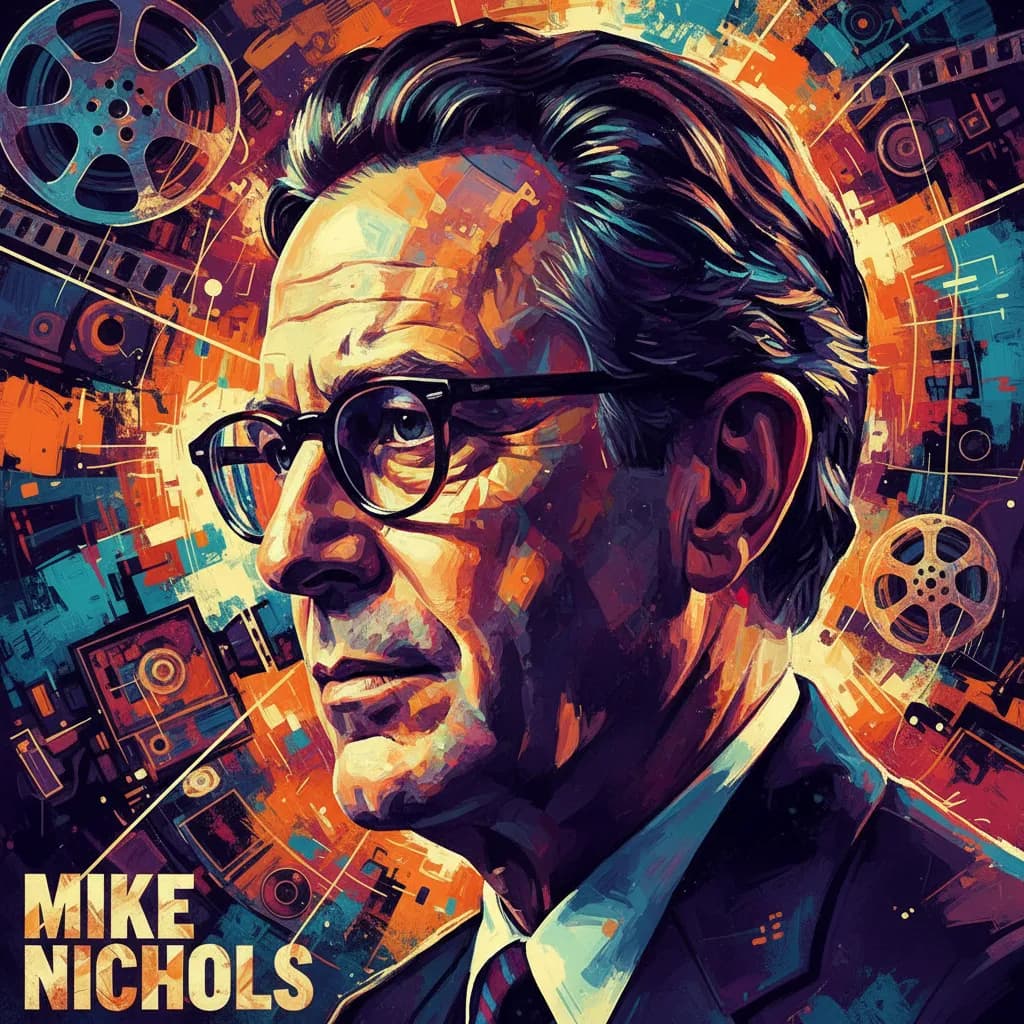
Mike Nichols
Mike Nichols was a visionary film director whose career spanned several decades, leaving an indelible mark on the world of cinema. Born in Berlin, Germany, Nichols immigrated to the United States and quickly rose to prominence as a director known for his ability to seamlessly blend comedy, drama, and romance. His unique directorial style often explored complex human relationships and societal issues, captivating audiences with his insightful storytelling and compelling characters. Notable for his directorial debut with "Who's Afraid of Virginia Woolf?" in 1966, Nichols immediately established himself as a director with a keen eye for delving into the intricacies of human emotion. The film's success catapulted him into the spotlight, and he continued to deliver memorable works such as "The Graduate" (1967), a film that not only captured the spirit of the era but also showcased Nichols' ability to explore themes of alienation and rebellion. This film would go on to become an iconic piece of cinema and solidify Nichols' status as a visionary director. Throughout his career, Nichols demonstrated a versatile directorial approach, effortlessly transitioning between genres. From the biographical drama "Silkwood" (1983) to the comedic charm of "Working Girl" (1988) and the thought-provoking "Closer" (2004), his filmography is a testament to his ability to tackle diverse subject matters with finesse. His directorial style often emphasized character-driven narratives, delving into the complexities of human behavior and relationships. Nichols' impact on cinema extends beyond his directorial achievements, as he left an indelible mark on the industry through his thought-provoking storytelling and unparalleled ability to evoke raw emotions from his audiences. His films continue to be celebrated for their timeless appeal and insightful commentary on the human experience. Mike Nichols' legacy as a director is one of innovation, creativity, and a deep understanding of the human condition, making him an enduring figure in the history of cinema. In conclusion, Mike Nichols' directorial career is a testament to his unparalleled talent and visionary approach to filmmaking. His ability to seamlessly navigate between genres and explore the complexities of human relationships has left an indelible mark on the world of cinema. From his directorial debut to his later works, Nichols' films continue to resonate with audiences, solidifying his legacy as a pioneering director whose impact on cinema remains unmatched.

Mike P. Nelson
Mike P. Nelson is a dynamic director known for his work in the action, horror, and sci-fi genres. His notable feature film, "The Domestics" (2018), showcases his unique directorial style and vision. Nelson's work is characterized by his ability to blend intense action sequences with thought-provoking storytelling, creating a compelling and immersive cinematic experience for audiences. "The Domestics" is a testament to Nelson's ability to craft a gripping narrative within the realm of horror and science fiction. The film delves into a post-apocalyptic world where society has splintered into rival gangs, with the protagonist couple fighting for survival against the odds. Nelson's directorial flair is evident in the way he masterfully builds tension and suspense, while also delivering adrenaline-pumping action sequences that keep viewers on the edge of their seats. Throughout his career, Nelson has shown a penchant for exploring themes of survival, resilience, and the human condition in the face of adversity. His films often delve into the darker aspects of humanity, presenting a visceral and unflinching portrayal of the human experience in extreme circumstances. This thematic depth, coupled with his adept direction of action and horror elements, sets Nelson apart as a director with a distinct and compelling voice in the industry. Nelson's impact on cinema lies in his ability to push the boundaries of genre filmmaking, infusing his work with a fresh perspective and a keen eye for storytelling. His contributions to the action, horror, and sci-fi genres have garnered him a dedicated following and solidified his status as a director to watch in the industry. As audiences continue to seek out captivating and immersive cinematic experiences, Mike P. Nelson's directorial prowess is sure to leave a lasting impression on the world of film.

Mike Rohl
Mike Rohl is a versatile and accomplished film director known for his work in the comedy, drama, and family genres. With a career spanning several decades, Rohl has honed his craft and garnered a dedicated following for his ability to infuse warmth, humor, and charm into his films. His notable works include "The Princess Switch" (2018) and its sequel "The Princess Switch: Switched Again" (2020), both of which have been widely praised for their captivating storytelling and endearing characters. Rohl's directorial style is marked by his adeptness at capturing the essence of heartfelt and entertaining narratives. His films often boast visually stunning cinematography, complemented by a keen sense of pacing and rhythm that keeps audiences engaged from start to finish. Rohl's attention to detail and his skill in creating vibrant and relatable characters have made him a sought-after director in the realm of family-friendly entertainment. Notably, Rohl's filmography includes a focus on themes of love, friendship, and self-discovery, all presented within the framework of enchanting and uplifting stories. His ability to infuse his films with a sense of wonder and escapism has endeared him to audiences of all ages, solidifying his reputation as a director who understands the power of storytelling in conveying universal emotions and experiences. Rohl's impact on cinema lies in his dedication to crafting films that resonate with viewers on both an emotional and entertainment level. His contributions to the comedy, drama, and family genres have not only entertained audiences but have also left a lasting impression, showcasing his ability to create enduring and beloved cinematic experiences. With a deft touch and an eye for heartwarming narratives, Mike Rohl continues to leave an indelible mark on the world of film, captivating audiences with his unique vision and storytelling prowess. In conclusion, Mike Rohl's directorial career is a testament to his ability to bring joy and inspiration to audiences through his captivating storytelling and visually enchanting films. With a focus on themes of love, friendship, and self-discovery, Rohl has carved out a niche for himself as a director who understands the power of heartfelt narratives and their ability to resonate with viewers of all ages. His impact on cinema is undeniable, and his contributions to the comedy, drama, and family genres have solidified his reputation as a director with a unique vision and a talent for creating enduring and beloved cinematic experiences.

Mike van Diem
Mike van Diem is a Dutch film director known for his unique vision and contribution to the world of cinema. His notable film "Character" (1997) garnered international acclaim, earning him an Academy Award for Best Foreign Language Film. Van Diem's directorial style is characterized by his attention to detail, strong narrative storytelling, and ability to create atmospheric, thought-provoking films. "Character" stands as a testament to van Diem's directorial prowess, as he skillfully delves into the crime, drama, and mystery genres. The film's intricate plot and compelling characters showcase van Diem's ability to create a riveting cinematic experience that resonates with audiences on a deep emotional level. His keen eye for capturing the essence of complex human relationships and moral dilemmas is evident throughout his work. Van Diem's films often explore themes of morality, redemption, and the human condition. His storytelling is marked by a deep understanding of the complexities of human nature, and he has a talent for crafting layered, multidimensional characters that leave a lasting impact on viewers. Through his films, van Diem has made a significant impact on the cinematic landscape, influencing and inspiring fellow filmmakers and captivating audiences worldwide. In summary, Mike van Diem's directorial career is defined by his ability to create compelling, emotionally resonant films that leave a lasting impression. His unique vision and storytelling prowess have solidified his reputation as a masterful director, and his contributions to the world of cinema continue to be celebrated and admired by film enthusiasts and industry professionals alike.

Mike White
Mike White is a versatile writer, director, and actor known for his distinctive blend of comedy and drama, often infused with music. His directorial debut, "Brad's Status" (2017), exemplifies his ability to craft introspective narratives that explore the complexities of human emotion and relationships. White's directorial style is characterized by his keen observation of contemporary society and his knack for eliciting authentic, emotionally resonant performances from his cast. "Brad's Status" is a poignant exploration of midlife crisis and existential angst, following the titular character, played by Ben Stiller, as he grapples with feelings of inadequacy and compares his life to those of his more successful friends. The film's seamless integration of music, particularly its use of acoustic guitar-driven melodies, underscores the introspective nature of the story and adds an evocative layer to the emotional journey of the protagonist. White's career spans a diverse array of projects, including writing for acclaimed television series such as "Freaks and Geeks" and "Dawson's Creek," as well as penning screenplays for hit films like "School of Rock" and "The Good Girl." His directorial work often delves into themes of self-discovery, societal pressures, and the search for meaning in a fast-paced, competitive world. White's nuanced storytelling and ability to capture the nuances of human behavior have earned him a reputation as a director with a keen understanding of the human experience. With "Brad's Status," Mike White further solidified his position as a filmmaker who fearlessly explores the inner lives of his characters, offering audiences a thought-provoking and emotionally rich cinematic experience. His impact on cinema lies in his ability to infuse his storytelling with sincerity and empathy, creating narratives that resonate with audiences on a deeply personal level. As a director, White continues to carve out a unique niche in the industry, bringing his distinct blend of comedy, drama, and music to the forefront of contemporary cinema. In conclusion, Mike White's directorial career showcases a commitment to crafting films that delve into the complexities of the human psyche, while offering a fresh perspective on the universal themes of identity, ambition, and personal fulfillment. His ability to infuse his work with emotional depth, coupled with his skillful direction of actors, cements his status as a filmmaker with a distinct voice and a lasting impact on the world of cinema.

Mikhail Kalatozov
Mikhail Kalatozov, a pioneering Soviet film director, is best known for his groundbreaking work in the 1950s and 1960s. His directorial style was characterized by innovative cinematography, emotional depth, and a profound understanding of human experiences. Kalatozov's most notable film, "The Cranes Are Flying" (1957), is a timeless masterpiece that showcases his ability to capture the emotional turmoil of war and its impact on personal relationships. This film earned him the Palme d'Or at the Cannes Film Festival and solidified his reputation as a visionary director. Kalatozov's films often revolved around themes such as love, sacrifice, and the resilience of the human spirit in the face of adversity. His unique visual storytelling, marked by striking compositions and bold camera movements, set him apart from his contemporaries and left a lasting impression on the world of cinema. His collaboration with cinematographer Sergei Urusevsky resulted in visually stunning and emotionally evocative films that pushed the boundaries of cinematic language. In addition to "The Cranes Are Flying," Kalatozov's other notable works include "Letter Never Sent" (1959) and "I Am Cuba" (1964). These films further showcased his ability to capture the human experience in visually arresting ways, and they continue to inspire filmmakers and cinephiles to this day. Kalatozov's impact on cinema extended beyond his own films, as his innovative techniques and storytelling continue to influence generations of filmmakers around the world. Mikhail Kalatozov's legacy is one of artistic innovation and emotional resonance. His ability to blend breathtaking visuals with powerful storytelling has left an indelible mark on the history of cinema. His films remain timeless classics that continue to captivate audiences and inspire filmmakers, ensuring that his visionary contributions to the art of filmmaking will be celebrated for generations to come.

Mikkel Nørgaard
**Mikkel Nørgaard: A Directorial Visionary** Mikkel Nørgaard is a Danish director known for his distinct blend of dark humor, gripping drama, and compelling narratives. His directorial style seamlessly weaves together elements of comedy, crime, and mystery, creating a unique cinematic experience. Nørgaard's notable films include "Klown" (2010), "Department Q: The Absent One" (2014), and "Department Q: The Keeper of Lost Causes" (2013), which have garnered critical acclaim and established him as a prominent figure in Danish cinema. Nørgaard's directorial approach is characterized by a keen eye for storytelling and an ability to delve deep into the complexities of human nature. In "Klown," he skillfully navigates the nuances of comedic timing while infusing the narrative with poignant reflections on friendship and maturity. His work on the "Department Q" series showcases his adeptness at crafting intense crime dramas layered with mystery and psychological depth, captivating audiences with their intricate plots and compelling characters. One of Nørgaard's recurring themes is the exploration of flawed and multi-dimensional characters, often navigating the blurred lines between morality and human frailty. His films delve into the darker aspects of the human psyche, offering a raw and unapologetic portrayal of human behavior. Nørgaard's directorial prowess lies in his ability to seamlessly blend these complex themes with moments of levity, creating a cinematic experience that is both thought-provoking and entertaining. Nørgaard's impact on cinema extends beyond his ability to craft captivating narratives. His work has contributed to the reinvigoration of Danish cinema on the international stage, garnering attention and accolades from audiences and critics worldwide. His unique vision and storytelling prowess have solidified his status as a directorial visionary, shaping the landscape of contemporary cinema and leaving an indelible mark on the industry. In summary, Mikkel Nørgaard's directorial career is defined by his ability to seamlessly blend diverse genres, crafting narratives that resonate with audiences on a profound level. With a keen understanding of human complexities and an unmistakable directorial style, Nørgaard continues to leave an indelible mark on the cinematic landscape, solidifying his position as a visionary director whose work will continue to captivate and inspire audiences for years to come.

Milan Luthria
Milan Luthria is a renowned Indian film director known for his distinct storytelling style and ability to bring out riveting narratives on the big screen. With a career spanning over two decades, Luthria has made a significant impact on Indian cinema with his unique directorial vision and compelling storytelling techniques. His notable films, including "Once Upon a Time in Mumbaai" (2010), "Taxi No. 9 2 11: Nau Do Gyarah" (2006), and "The Dirty Picture" (2011), have garnered critical acclaim and commercial success, solidifying his position as a prominent filmmaker in the industry. Luthria's directorial style is characterized by his adeptness at crafting gripping narratives within the realms of action, crime, drama, comedy, and thriller genres. He has a keen eye for capturing the nuances of human emotions and relationships, often delving into the complexities of characters and their motivations. His films are known for their intense storytelling, well-defined characters, and immersive cinematic experiences that resonate with audiences. One of Luthria's most celebrated works, "Once Upon a Time in Mumbaai," is a crime drama that masterfully captures the essence of the 1970s era in Mumbai, depicting the rise of the underworld and the dynamics of power struggles. The film received widespread acclaim for its compelling narrative, authentic portrayal of the period setting, and stellar performances by the cast. Luthria's directorial prowess shines through in his ability to intricately weave together elements of action, drama, and suspense, creating a cinematic masterpiece that continues to captivate audiences. In "The Dirty Picture," a biographical drama based on the life of actress Silk Smitha, Luthria showcased his versatility as a director by delving into the unconventional and bold subject matter. The film garnered accolades for its fearless portrayal of the entertainment industry and the complexities of fame, while also highlighting Luthria's ability to bring out powerful performances from his actors. Milan Luthria's contributions to Indian cinema have been significant, with his films leaving a lasting impression on audiences and critics alike. His ability to bring compelling narratives to life, coupled with his distinct directorial style, has cemented his status as a visionary filmmaker. Luthria's work continues to inspire and influence aspiring filmmakers, making him a prominent figure in the realm of Indian cinema.
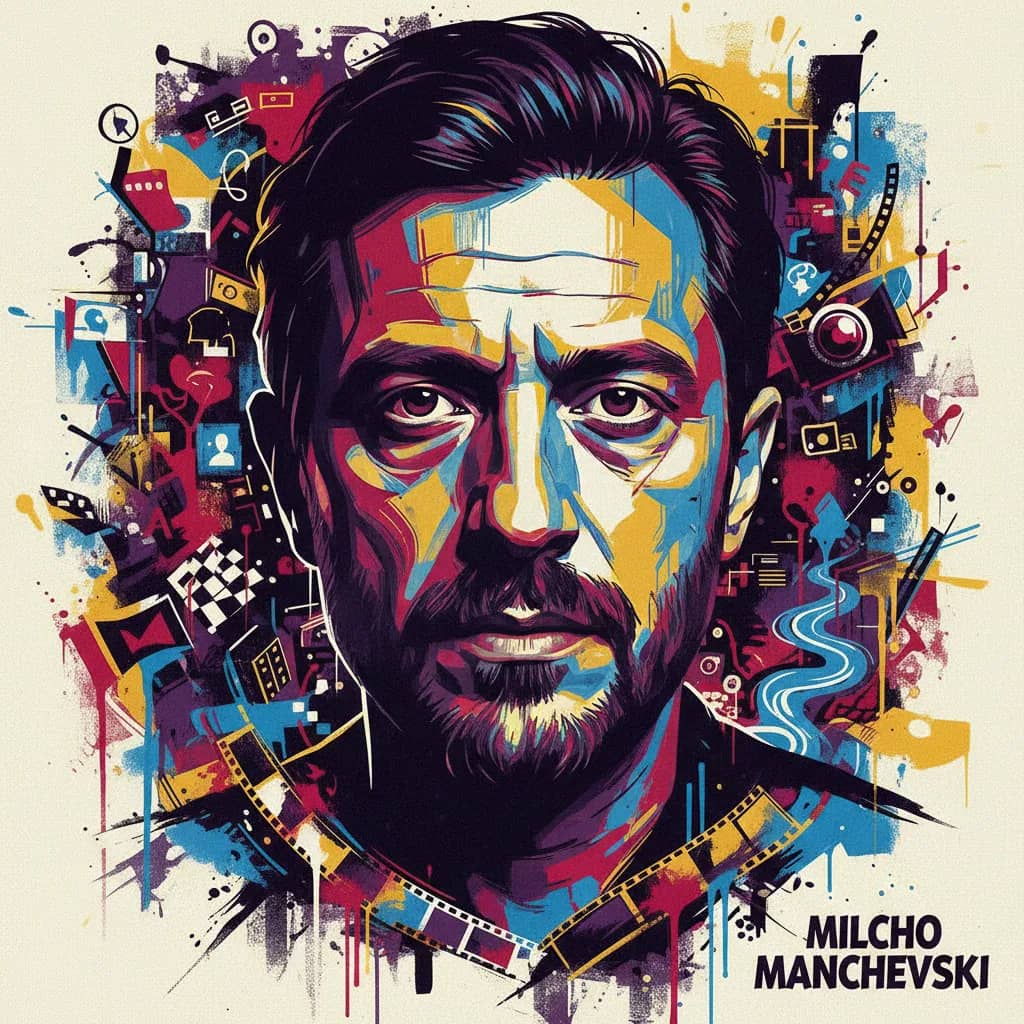
Milcho Manchevski
Milcho Manchevski is a Macedonian film director known for his unique storytelling style and thought-provoking narratives. His most acclaimed work, "Before the Rain" (1994), garnered international recognition and solidified his status as a visionary director. The film, a compelling blend of drama, romance, and war, captivated audiences with its intricate storytelling and stunning cinematography. Manchevski's directorial style is characterized by his ability to intricately weave together multiple storylines, while delving into the complexities of human emotions and societal issues. His films often explore themes of love, violence, and the human condition, showcasing his profound understanding of the human experience. "Before the Rain" remains a landmark achievement in Manchevski's career, earning him numerous accolades, including an Academy Award nomination for Best Foreign Language Film. The film's impact on cinema extends beyond its critical acclaim, as it has inspired a generation of filmmakers and continues to be studied for its innovative narrative structure and visual storytelling. Beyond "Before the Rain," Manchevski has continued to leave his mark on the industry with subsequent projects, further solidifying his reputation as a director with a distinct and powerful voice. His work has resonated with audiences worldwide, earning him a dedicated following and cementing his place as a pioneering force in international cinema. In conclusion, Milcho Manchevski's directorial career has been defined by his unparalleled ability to craft compelling narratives that resonate on a universal level. His impact on cinema is undeniable, and his films continue to inspire and captivate audiences, solidifying his legacy as a visionary director with a profound understanding of the human experience.

Milos Avramovic
Milos Avramovic is a Serbian director known for his compelling work in the crime, drama, and thriller genres. His most notable film to date is "South Wind" (2018), which garnered significant attention and acclaim for its gripping storytelling and intense portrayal of the criminal underworld. Avramovic's directorial style is characterized by his ability to delve deep into the complexities of human nature, often exploring the darker aspects of society with unflinching honesty. His films are marked by their intense atmosphere, evocative cinematography, and raw, unapologetic portrayals of the human experience. "South Wind" stands as a testament to Avramovic's directorial prowess, showcasing his talent for crafting immersive and visceral narratives. The film's success solidified Avramovic's reputation as a director with a keen eye for capturing the raw and unfiltered emotions that drive his characters. His work often delves into themes of power, loyalty, and the consequences of one's choices, offering a thought-provoking exploration of the human condition. Avramovic's impact on cinema lies in his ability to push boundaries and challenge audiences with his unflinching portrayal of gritty and often harrowing subject matter. His films resonate with audiences for their raw authenticity and uncompromising vision, earning him a dedicated following of viewers drawn to his distinct approach to storytelling. As a director, Avramovic continues to carve out a niche for himself in the industry, establishing a reputation as a filmmaker unafraid to confront the darker aspects of human nature while delivering captivating and thought-provoking cinema. In conclusion, Milos Avramovic has firmly established himself as a director with a unique and uncompromising vision, offering audiences a raw and unflinching portrayal of the human experience through his work in crime, drama, and thriller genres. With "South Wind," he has cemented his status as a filmmaker capable of crafting immersive, intense, and thought-provoking narratives that resonate deeply with audiences. As he continues to evolve as a director, his contributions to cinema are sure to leave a lasting impression on both audiences and the industry as a whole.

Milos Forman
Milos Forman was a visionary and versatile Czech-American film director known for his distinct blend of drama, comedy, and biography. With a career spanning over five decades, Forman left an indelible mark on cinema with his unique directorial style and uncompromising storytelling. Forman's filmography includes a wide array of critically acclaimed and award-winning films, such as "One Flew Over the Cuckoo's Nest," "Amadeus," "The People vs. Larry Flynt," "Man on the Moon," and "The Firemen's Ball." Forman's directorial style is characterized by his ability to seamlessly navigate between genres, infusing his films with rich character development, thought-provoking narratives, and visually striking storytelling. His films often explore the complexities of human nature, the pursuit of artistic excellence, and the societal forces that shape individuals. Forman's meticulous attention to detail and his penchant for capturing the human experience have solidified his reputation as a master storyteller. Notable for his recurring themes of rebellion, individualism, and the human spirit's resilience, Forman's films often challenge societal norms and celebrate the triumph of the human will. His ability to infuse his narratives with a sense of authenticity and emotional depth has resonated with audiences worldwide, earning him numerous accolades and cementing his status as a revered director. Forman's impact on cinema extends beyond his filmography, as he has influenced generations of filmmakers with his innovative approach to storytelling and his unwavering commitment to artistic integrity. His legacy continues to inspire directors to push boundaries, explore the human condition, and fearlessly pursue their creative vision. Milos Forman's unparalleled contributions to the world of cinema have left an indelible imprint on the film industry, solidifying his place as one of the most influential and respected directors in cinematic history. His ability to craft compelling narratives, explore the depths of the human experience, and challenge conventional storytelling norms has set him apart as a true visionary in the world of filmmaking.