Director Names Starting with M
Showing 241-252 out of 362
Michael Grandage
Michael Grandage is a renowned British director who has made a significant impact on the world of cinema with his distinct directorial style and impressive body of work. With a career spanning across both stage and screen, Grandage's directorial approach is marked by a keen attention to detail, compelling storytelling, and stirring character development. Throughout his career, he has seamlessly transitioned between genres, showcasing his versatility and ability to breathe life into a wide range of narratives. Grandage's directorial portfolio boasts several noteworthy films, with "Genius" (2016) standing out as a powerful biographical drama that delves into the complex relationship between acclaimed author Thomas Wolfe and his editor, Maxwell Perkins. This film is a testament to Grandage's ability to craft emotionally resonant narratives and draw out compelling performances from his cast. Additionally, "My Policeman" (2022) further demonstrates Grandage's directorial prowess, as he adeptly navigates the intricacies of human emotions and relationships in this captivating drama. Throughout his filmography, Grandage consistently explores themes of creativity, human connection, and the impact of personal relationships on artistic endeavors. His films often delve into the complexities of the human psyche, offering audiences a thought-provoking and immersive cinematic experience. Grandage's unique vision and storytelling sensibilities have left an indelible mark on cinema, earning him a reputation as a director who fearlessly tackles emotionally charged narratives with finesse and nuance. As a director, Michael Grandage has made a lasting impact on the film industry, captivating audiences with his compelling narratives, striking visuals, and nuanced character portrayals. His ability to seamlessly navigate between genres and infuse his films with emotional depth has solidified his status as a visionary director. With a remarkable body of work that continues to resonate with audiences, Michael Grandage stands as a testament to the enduring power of storytelling in cinema and the profound impact of a director with a distinct and compelling artistic vision.
Michael Greenspan
Michael Greenspan is a Canadian filmmaker known for his directorial debut in the gripping survival thriller "Wrecked" (2010). This film showcases Greenspan's ability to create tension and suspense through his masterful use of visuals and storytelling. "Wrecked" follows a man, played by Adrien Brody, who wakes up in a car wreck, trapped in the wilderness with no memory of how he got there. Greenspan's directorial style in "Wrecked" is characterized by its intense atmosphere, compelling visuals, and the exploration of the human psyche under extreme circumstances. The director's keen eye for creating an immersive and intense cinematic experience is evident in "Wrecked," as he skillfully builds tension and drama throughout the film. Greenspan's ability to convey the protagonist's struggle for survival and sanity in a desolate setting is a testament to his directorial prowess. The film's emphasis on mystery, survival, and human resilience aligns with recurring themes in Greenspan's work, highlighting his fascination with the human condition and the complexities of the human mind. Greenspan's impact on cinema lies in his ability to craft a compelling narrative that captivates audiences and delves into the psychological and emotional depths of his characters. His directorial debut, "Wrecked," garnered critical acclaim for its immersive storytelling and Brody's compelling performance. Greenspan's unique vision as a director is marked by his commitment to creating thought-provoking narratives and pushing the boundaries of visual storytelling. In conclusion, Michael Greenspan's directorial career is defined by his ability to create compelling, atmospheric films that delve into the complexities of human nature and the human spirit. "Wrecked" serves as a testament to his directorial talent, showcasing his ability to craft intense and immersive cinematic experiences. As he continues to make his mark in the industry, audiences can anticipate more thought-provoking and visually arresting works from this talented filmmaker. Keywords: Michael Greenspan, director, Wrecked, survival thriller, filmmaker, cinematic experience, human condition, storytelling, psychological depth

Michael Haneke
Michael Haneke is an Austrian film director known for his uncompromising and thought-provoking approach to filmmaking. Throughout his career, Haneke has consistently challenged audiences with his exploration of human nature, society's ills, and the complexities of interpersonal relationships. His directorial style is characterized by long, unbroken takes, minimal use of music, and a stark, unflinching portrayal of his subjects. Haneke's films often delve into uncomfortable and taboo subjects, offering a searing critique of contemporary society. One of Haneke's most renowned works is "Caché (Hidden)," a gripping drama-thriller that delves into issues of guilt, surveillance, and the consequences of repressed history. The film is emblematic of Haneke's signature use of suspense and tension to explore deeper societal and psychological themes. Another standout in his filmography is "Amour," a poignant and tender portrayal of an elderly couple facing the challenges of aging and illness. The film garnered widespread critical acclaim and won the Palme d'Or at the Cannes Film Festival, solidifying Haneke's reputation as a master of emotional storytelling. Haneke's recurring themes include the deconstruction of violence in media and the impact of technology on human behavior, as seen in films like "Funny Games" and "Benny's Video." His unflinching examination of the darker aspects of human nature has earned him a reputation as a provocateur and a leading figure in European cinema. Haneke's impact on the film industry is undeniable, as his work continues to influence and inspire a new generation of filmmakers. His uncompromising vision and dedication to pushing boundaries have cemented his status as a cinematic trailblazer, leaving an indelible mark on the world of cinema. In summary, Michael Haneke's directorial career is defined by a fearless exploration of the human condition, societal critique, and unrelenting storytelling. His films provoke, challenge, and resonate, leaving an enduring impact on audiences and the world of cinema. Haneke's uncompromising vision and unwavering commitment to his craft have solidified his place as one of the most influential and revered directors in contemporary filmmaking.
Michael Herbig
Michael Herbig, widely known as "Bully," is a German director and comedian whose career has left an indelible mark on the world of cinema. Herbig's directorial style is characterized by a seamless blend of humor, drama, and historical context, creating a unique and immersive viewing experience for audiences. His notable films include "Manitou's Shoe" (2001) and "Balloon" (2018), each showcasing his versatility and storytelling prowess. "Manitou's Shoe" catapulted Herbig to international acclaim, establishing him as a master of blending comedy with other genres. This Western parody, set in the 19th century, delighted audiences with its slapstick humor, compelling narrative, and memorable characters. Herbig's keen sense of comedic timing and penchant for whimsical storytelling make "Manitou's Shoe" a timeless classic that continues to captivate viewers worldwide. In "Balloon," Herbig's directorial acumen shines as he delves into a gripping historical drama. The film, based on true events, follows the daring escape of two families from East to West Germany in a homemade hot air balloon during the Cold War. Herbig expertly navigates the tension and suspense of the thriller genre while infusing the narrative with emotional depth and historical significance. "Balloon" stands as a testament to Herbig's ability to craft compelling, thought-provoking stories that resonate with audiences on a profound level. Throughout his career, Herbig has demonstrated a recurring theme of pushing boundaries and defying cinematic conventions, seamlessly blending genres to create captivating and unforgettable films. His impact on cinema extends beyond mere entertainment, as he has brought a fresh perspective to storytelling, breathing new life into established genres and historical narratives. With his unique vision and storytelling prowess, Michael Herbig continues to be a trailblazing force in the world of film, leaving an enduring legacy that will inspire and captivate audiences for generations to come.

Michael Herz
Michael Herz is a pioneering filmmaker and co-founder of Troma Entertainment, a renowned independent film production and distribution company. Herz's career took off with the release of the cult classic "The Toxic Avenger" in 1984, which he co-directed with Lloyd Kaufman. The film, a unique blend of action, comedy, and horror, quickly gained a devoted following and solidified Herz's reputation as a maverick director with an unapologetically offbeat and irreverent style. Herz's directorial approach is characterized by a fearless embrace of the unconventional, often blending over-the-top humor with graphic violence and social commentary. His films frequently push the boundaries of taste and propriety, challenging audiences to confront taboo subjects with a subversive and satirical edge. With a keen eye for absurdity and a penchant for shock value, Herz's work has left an indelible mark on the cult cinema landscape. "The Toxic Avenger" remains Herz's most iconic and influential work, earning a place in the pantheon of B-movie classics. The film's success spurred a franchise, multiple sequels, and a musical adaptation, cementing Herz's legacy as a trailblazer in the realm of exploitation cinema. His films often explore themes of underdog triumph, societal outcasts, and the grotesque, all filtered through a lens of dark humor and gleeful subversion. Michael Herz's impact on cinema extends beyond his directorial achievements, as Troma Entertainment has provided a platform for countless independent filmmakers, championing boundary-pushing, low-budget, and DIY filmmaking. Through his relentless dedication to independent, outsider cinema, Herz has inspired a generation of filmmakers to embrace their creative freedom and challenge the status quo. In conclusion, Michael Herz's directorial career is defined by an uncompromising dedication to audacious storytelling, boundary-pushing content, and a steadfast commitment to independent filmmaking. His contributions to the world of cult cinema have left an indelible mark, shaping the landscape of underground and alternative filmmaking for decades to come. With a penchant for the bizarre and a fearless approach to taboo subject matter, Herz's legacy as a director and provocateur continues to resonate with audiences and filmmakers alike.

Michael Hoffman
Michael Hoffman is an accomplished film director known for his diverse range of work spanning across various genres. His directorial style is characterized by a keen eye for storytelling, emotional depth, and an ability to bring out authentic performances from his actors. With a career that has produced an impressive body of work, Hoffman has left an indelible mark on the world of cinema. One of Hoffman's notable films, "A Midsummer Night's Dream" (1999), is a whimsical adaptation of William Shakespeare's classic play. The film showcases Hoffman's ability to seamlessly blend comedy, fantasy, and romance, while staying true to the original source material. This film exemplifies his knack for creating visually stunning and thematically rich narratives. In "The Last Station" (2009), Hoffman delves into the biographical drama genre, offering a poignant portrayal of the final year in the life of renowned author Leo Tolstoy. The film received critical acclaim for its compelling storytelling, nuanced character development, and evocative cinematography. Hoffman's adept direction brought this historical narrative to life, leaving a lasting impact on audiences and critics alike. Hoffman's filmography also includes the romantic drama "The Best of Me" (2014), the charming comedy "One Fine Day" (1996), the witty crime caper "Gambit" (2012), the lighthearted "Soapdish" (1991), and the thought-provoking "The Emperor's Club" (2002). This diverse range of films underscores his versatility as a director, showcasing his ability to navigate across different genres with finesse and creativity. Throughout his career, Michael Hoffman has demonstrated a commitment to storytelling that resonates with audiences on an emotional level. His films often explore themes of love, ambition, human relationships, and the complexities of the human experience. Hoffman's unique vision and directorial prowess have left an indelible mark on cinema, earning him a place among the most respected and influential filmmakers of his generation. In summary, Michael Hoffman's prolific career as a director has been defined by his ability to craft compelling narratives across a wide spectrum of genres. His unique directorial style, ability to bring out authentic performances from his actors, and his exploration of universal themes have solidified his reputation as a visionary filmmaker. With a filmography that boasts both critical and commercial successes, Hoffman's impact on cinema is undeniable, and his contributions to the art of storytelling continue to inspire and captivate audiences
Michael Ian Black
Michael Ian Black is an accomplished comedian, actor, and writer known for his sharp wit and comedic timing. However, in 2006, he made his directorial debut with the romantic comedy "Wedding Daze." Despite being his sole directorial credit to date, Black's foray into directing showcased his ability to infuse humor and heart into his work, solidifying his reputation as a versatile talent in the entertainment industry. In "Wedding Daze," Black demonstrated a light-hearted and whimsical directorial style, which complemented the film's comedic and romantic elements. His keen understanding of comedic timing, honed through years of performing and writing, translated seamlessly to the director's chair, allowing him to elicit genuine laughs and heartfelt moments from the audience. Black's directorial approach emphasized relatable characters and authentic emotions, underscoring his commitment to portraying human connections with sincerity and humor. While Black's directorial career may be limited to "Wedding Daze," his impact on cinema extends beyond his directorial debut. As a multifaceted artist, Black's contributions to the film industry encompass his work as a writer, actor, and comedian, all of which have left an indelible mark on popular culture. His distinctive comedic voice and ability to navigate seamlessly between different facets of entertainment have established him as a respected figure in the comedy genre, with "Wedding Daze" serving as a testament to his creative versatility. Black's directorial debut exemplifies his inclination toward exploring themes of love, relationships, and the complexities of human interaction. Through "Wedding Daze," he presented a lighthearted yet poignant portrayal of romance, demonstrating his ability to infuse traditional genre tropes with his unique comedic sensibilities. Despite the limited scope of his directorial work, Black's ability to capture the nuances of human connection and deliver them with humor has undoubtedly left an enduring impression on audiences. As an artist with a diverse and prolific career, Michael Ian Black's directorial debut with "Wedding Daze" offers a glimpse into his creative vision and storytelling prowess. While his directorial ventures may be limited, his impact on cinema is palpable through his multifaceted contributions to the industry. Whether behind the camera or in front of it, Black's ability to infuse humor, heart, and relatable themes into his work cements his status as a dynamic and influential talent in the world of entertainment.
Michael Jelenic
Michael Jelenic is a highly acclaimed film director known for his exceptional work in the animated film industry. His notable directorial endeavors include the highly anticipated "The Super Mario Bros. Movie" (2023), a thrilling animated adventure packed with comedy and excitement. Jelenic's directorial style is characterized by his ability to infuse humor and heart into his storytelling, captivating audiences of all ages. Jelenic's career has been marked by a series of successes, with his work consistently resonating with viewers and critics alike. He has a knack for bringing beloved characters to life on the big screen, and his unique vision has left an indelible mark on the animation genre. With "The Super Mario Bros. Movie," Jelenic has once again demonstrated his prowess in crafting engaging narratives that stay true to the spirit of the source material while offering fresh and imaginative interpretations. Throughout his career, Jelenic has exhibited a keen understanding of the recurring themes that resonate with audiences, including the power of friendship, the triumph of the underdog, and the importance of perseverance. His films often explore these universal themes in ways that are both entertaining and thought-provoking, making them accessible to viewers of all backgrounds. Jelenic's impact on cinema is evident in his ability to create immersive worlds that transport audiences to fantastical realms while delivering meaningful messages that endure long after the credits roll. As a director, Michael Jelenic has contributed significantly to the evolution of animated filmmaking, pushing boundaries and setting new standards for storytelling in the medium. His ability to balance humor, adventure, and heart has solidified his reputation as a visionary director with a deep understanding of what resonates with audiences. With "The Super Mario Bros. Movie," Jelenic continues to showcase his talent for bringing beloved characters to life in ways that captivate and inspire, cementing his status as a creative force in the world of animation.
Michael J. Gallagher
Michael J. Gallagher is an American director known for his work in the action, drama, and horror genres. His notable filmography includes "The Thinning" (2016), a gripping dystopian thriller that garnered attention for its thought-provoking narrative and intense action sequences. Gallagher's directorial style is characterized by his ability to blend high-stakes drama with compelling storytelling, creating an immersive experience for his audiences. "The Thinning" stands out as a testament to Gallagher's skill in crafting tension-filled narratives and eliciting powerful performances from his actors. The film's exploration of societal issues and the consequences of a high-stakes academic system showcases Gallagher's penchant for thought-provoking storytelling. With a keen eye for visual storytelling and a knack for building suspense, Gallagher has positioned himself as a director with a unique vision for the genre. Gallagher's work often delves into themes of power, control, and the human condition, offering audiences a captivating blend of entertainment and social commentary. His directorial contributions have demonstrated a commitment to pushing the boundaries of traditional genre conventions, creating films that resonate with audiences on both an emotional and intellectual level. With "The Thinning," Gallagher has made a significant impact on cinema, showcasing his ability to deliver compelling narratives that captivate and challenge viewers. In the competitive landscape of contemporary cinema, Michael J. Gallagher's work continues to stand out for its distinctive style and thought-provoking storytelling. His ability to craft immersive and impactful narratives has solidified his reputation as a director with a unique vision and a significant impact on the industry. As audiences eagerly anticipate his future projects, Gallagher's influence on the action, drama, and horror genres remains a testament to his enduring contributions to the world of film.
Michael Lander
Michael Lander is an American film director known for his thought-provoking and visually striking works. His notable filmography includes the 2010 drama-thriller "Peacock," which showcases his distinctive directorial style. Lander's approach to storytelling is characterized by a keen eye for detail and a penchant for delving into the complexities of human nature. His films often explore psychological and emotional themes, captivating audiences with their intense and immersive narratives. "Peacock" stands as a testament to Lander's ability to craft compelling and multi-layered stories. The film weaves a gripping tale of a man leading a double life, masterfully capturing the tension and psychological turmoil of the protagonist. Lander's directorial prowess is evident in his adept handling of the film's suspenseful and atmospheric elements, creating an immersive viewing experience that resonates with audiences long after the credits roll. Lander's directorial style is marked by a meticulous attention to detail and a knack for eliciting powerful performances from his cast. His films often delve into the complexities of human behavior, offering profound insights into the human psyche. Through his work, Lander has made a significant impact on cinema, earning acclaim for his ability to infuse his films with emotional depth and compelling storytelling. With "Peacock," Michael Lander has solidified his reputation as a director with a unique vision and a distinct voice in the film industry. His contributions to cinema have left an indelible mark, captivating audiences and critics alike with his compelling narratives and thought-provoking themes. As Lander continues to craft evocative and resonant films, his legacy as a visionary director is sure to endure, leaving an indelible imprint on the cinematic landscape for years to come.
Michael Lehmann
Michael Lehmann is a versatile film director known for his distinct blend of comedy, romance, and crime genres. With a career spanning over three decades, Lehmann has left an indelible mark on the entertainment industry with his unique directorial style and keen eye for storytelling. He first gained widespread recognition with his 1988 cult classic "Heathers," a dark comedy that explored the complexities of high school life and teenage angst. The film's sharp wit, bold visual style, and subversive themes set Lehmann apart as a visionary director unafraid to push boundaries. One of Lehmann's most beloved works is "The Truth About Cats & Dogs" (1996), a charming romantic comedy that showcased his ability to infuse humor with genuine emotion. This film demonstrated Lehmann's adeptness at capturing the complexities of human relationships while maintaining a lighthearted and entertaining tone. In "Airheads" (1994), Lehmann delved into the world of music and crime, delivering a riotous comedy that showcased his ability to balance humor with high-stakes situations. Lehmann's directorial style often incorporates a bold and vibrant visual aesthetic, complemented by sharp dialogue and compelling character dynamics. His films frequently explore themes of rebellion, individuality, and the complexities of human connection, resonating with audiences on a profound level. Lehmann's impact on cinema lies in his ability to craft narratives that are both entertaining and thought-provoking, creating a lasting impression on viewers and influencing subsequent generations of filmmakers. Throughout his career, Lehmann has consistently demonstrated a knack for infusing his films with a sense of irreverence and authenticity, making him a standout figure in the world of comedy and romance. Whether tackling the nuances of interpersonal relationships or diving into the realm of crime and adventure, Lehmann's work remains a testament to his unwavering commitment to storytelling. As a director, he continues to inspire and captivate audiences with his unique vision and unparalleled ability to capture the human experience on screen.
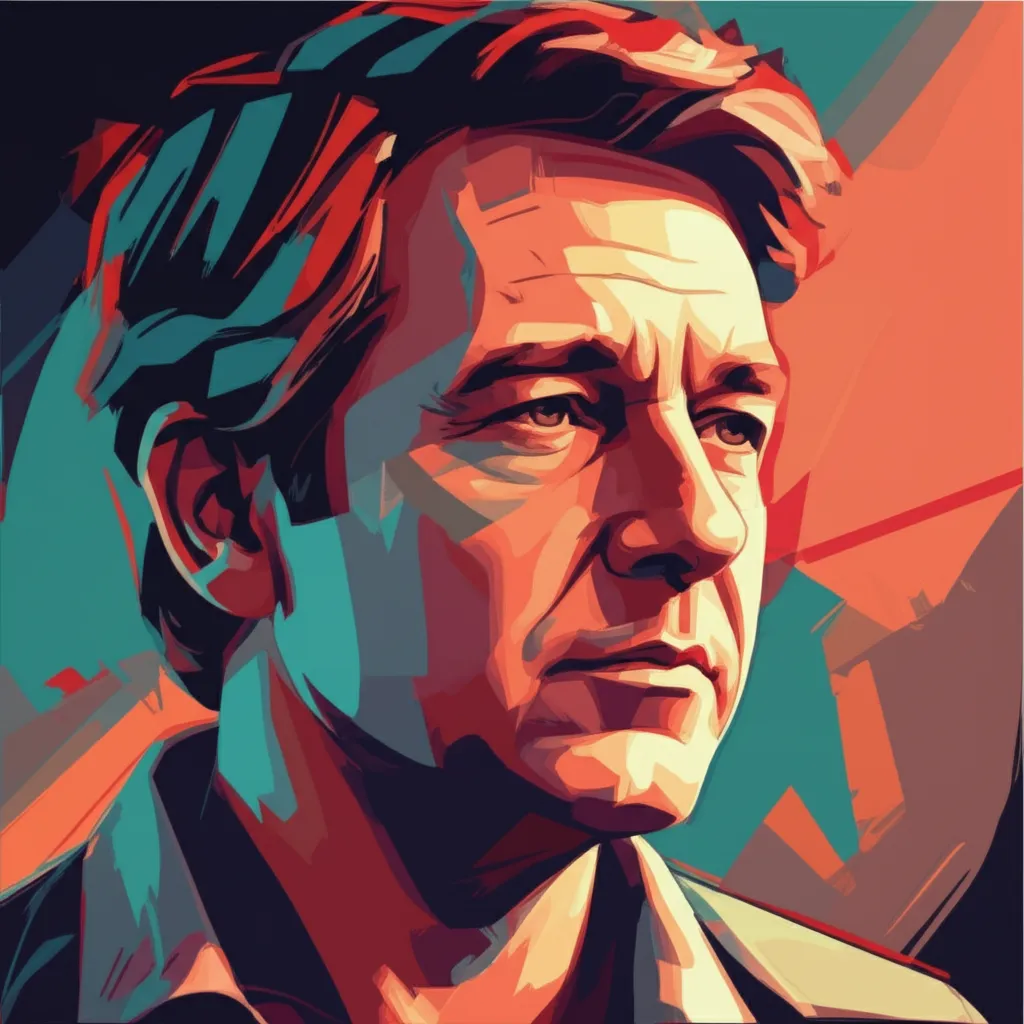
Michael Lembeck
Michael Lembeck is a renowned film director known for his contributions to the comedy, family, and fantasy genres. With a career spanning several decades, Lembeck has established himself as a skilled storyteller with a knack for creating heartwarming and entertaining films that resonate with audiences of all ages. His directorial style is characterized by a blend of humor, whimsy, and heartfelt storytelling, making him a standout figure in the world of family-friendly cinema. Lembeck's notable films include "Tooth Fairy" (2010), "The Santa Clause 2" (2002), and "The Santa Clause 3: The Escape Clause" (2006). These films showcase his ability to infuse fantastical elements with relatable human experiences, resulting in endearing and memorable cinematic experiences. Through his work, Lembeck has demonstrated a talent for crafting imaginative worlds while grounding his storytelling in themes of love, redemption, and the power of belief. One of the recurring themes in Lembeck's films is the exploration of the magical and extraordinary within everyday life. Whether it's the enchanting world of the Tooth Fairy or the whimsical escapades of Santa Claus, Lembeck has a gift for celebrating the wonder and joy found in the mundane. His films often emphasize the importance of imagination, resilience, and the enduring spirit of hope, resonating with audiences on a profound emotional level. Lembeck's impact on cinema lies in his ability to create timeless, feel-good movies that have left a lasting impression on viewers worldwide. His work has contributed to the rich tapestry of family-friendly entertainment, offering audiences a chance to escape into enchanting worlds while embracing universal themes of love, compassion, and the magic of the holiday season. As a director, Michael Lembeck continues to inspire and delight audiences with his unique vision and unwavering commitment to crafting heartfelt and uplifting stories. In conclusion, Michael Lembeck's directorial career is a testament to his passion for creating enchanting and heartwarming films that have become beloved classics in the world of family entertainment. With a distinctive directorial style and a focus on timeless themes, Lembeck's work continues to captivate audiences and leave a lasting impact on the cinematic landscape.