Director Names Starting with M
Showing 229-240 out of 362
Michael Davis
Michael Davis is a visionary film director known for his distinct style and unique approach to storytelling. He burst onto the scene with his action-packed, darkly comedic thriller "Shoot 'Em Up" (2007), which showcased his penchant for high-octane, adrenaline-fueled cinema. Davis's directorial style is characterized by fast-paced action, sharp wit, and a bold visual aesthetic, making his films a rollercoaster ride of entertainment. "Shoot 'Em Up" exemplifies Davis's directorial prowess, combining over-the-top action sequences with clever humor and a relentless pace. The film's stylized violence, kinetic camerawork, and dark humor have solidified it as a cult classic in the action-comedy genre. Davis's ability to infuse his films with a unique blend of humor and high-stakes action has set him apart as a director with a distinct voice in the industry. Throughout his career, Davis has explored themes of chaotic morality, anti-establishment rebellion, and the absurdity of violence, often presenting them through a lens of dark humor and exaggerated action. His influence on cinema can be seen in the way he pushes the boundaries of genre conventions and fearlessly embraces the absurdity of his storytelling, creating an immersive experience for audiences. Davis's impact on the film industry is undeniable, as he has carved out a niche for himself as a director unafraid to take risks and deliver unapologetically entertaining films. His ability to blend action, comedy, and thrills in a way that feels fresh and exhilarating has cemented his status as a director with a cult following and a lasting impact on the world of cinema. With his unique vision and boundary-pushing approach, Michael Davis continues to leave an indelible mark on the film industry, inspiring a new generation of filmmakers to embrace audacious storytelling and bold directorial choices.
Michael Dougherty
Michael Dougherty is an American filmmaker known for his unique blend of horror, fantasy, and adventure. With a penchant for crafting visually stunning spectacles, Dougherty has established himself as a director with a distinctive style and a knack for creating immersive cinematic experiences. His directorial debut came with the cult classic "Trick 'r Treat" in 2007, a horror anthology film that showcased his talent for blending humor and terror in a seamless and captivating manner. This early success set the stage for Dougherty's ascent in the world of genre filmmaking. In 2015, Dougherty further solidified his reputation as a master of dark fantasy with "Krampus," a holiday-themed horror film that garnered critical acclaim for its inventive storytelling and striking visuals. The film's exploration of the darker side of Christmas folklore showcased Dougherty's ability to infuse familiar narratives with an eerie and captivating twist. His keen eye for blending fantasy elements with horror themes has set him apart as a director with a distinct and evocative vision. Dougherty's directorial prowess reached new heights with the 2019 blockbuster "Godzilla: King of the Monsters," a monumental action-adventure film that showcased his ability to handle large-scale productions while maintaining a keen focus on character development and emotional resonance. The film's breathtaking visual effects and epic scale further cemented Dougherty's reputation as a director capable of delivering thrilling and visually stunning spectacles. Throughout his career, Dougherty has exhibited a penchant for exploring themes of darkness, mythology, and the supernatural, often infusing his films with a sense of macabre whimsy that sets them apart from traditional genre fare. His ability to interweave gripping narratives with visually arresting imagery has made him a sought-after director in the realm of fantasy and horror cinema. In conclusion, Michael Dougherty's career is defined by his ability to infuse his films with a distinct blend of horror, fantasy, and adventure, creating captivating and immersive cinematic experiences. With a string of notable films to his name, including "Trick 'r Treat," "Krampus," and "Godzilla: King of the Monsters," Dougherty has left an indelible mark on cinema, establishing himself as a visionary director with a unique and evocative storytelling style. His contributions to the genre have solidified his status as a filmmaker with an enduring impact on the world of cinema.
Michael Dowse
Michael Dowse is a Canadian director known for his unique blend of comedy, drama, and action in his films. He burst onto the scene with his breakout film "It's All Gone Pete Tong" (2004), a biographical comedy-drama that follows the tumultuous life of a DJ who becomes deaf. This film showcased Dowse's ability to infuse comedy with poignant drama, setting the stage for his future works. One of Dowse's most notable films is "Goon" (2011), a comedy-drama-sports film that follows the story of a bouncer turned hockey enforcer. With a keen eye for character development and an offbeat sense of humor, Dowse brought a fresh perspective to the sports genre, earning critical acclaim and a dedicated fanbase. Dowse's directorial style is characterized by his ability to seamlessly blend genres, creating films that are both entertaining and thought-provoking. His recurring themes often explore the complexities of human relationships, the pursuit of identity, and the humor found in life's everyday absurdities. In "Coffee & Kareem" (2020), Dowse ventured into the action-comedy-crime genre, demonstrating his versatility as a director. His ability to infuse high-octane action with laugh-out-loud humor solidified his reputation as a director with a knack for delivering crowd-pleasing entertainment. With films like "What If" (2013), "Take Me Home Tonight" (2011), and "Stuber" (2019), Dowse has consistently pushed the boundaries of genre conventions, leaving an indelible mark on cinema. His unique vision and ability to navigate diverse genres have made him a director to watch, and his impact on the film industry continues to resonate with audiences and critics alike. Michael Dowse's directorial career is a testament to his creative prowess and ability to craft compelling narratives that resonate with audiences across genres. His distinct directorial style and penchant for blending comedy, drama, and action have solidified his status as a visionary filmmaker, and his contributions to cinema continue to captivate and entertain audiences worldwide.
Michael Dudok de Wit
Michael Dudok de Wit is a renowned Dutch animator and director known for his visually stunning and emotionally resonant films. His most notable work to date is "The Red Turtle" (2016), a captivating animated feature that garnered critical acclaim and audience adoration. Dudok de Wit's directorial style is marked by its poetic and contemplative storytelling, coupled with breathtaking hand-drawn animation. With a keen eye for capturing the beauty of the natural world and the complexities of human emotions, he crafts films that transcend language barriers and speak to the universal human experience. "The Red Turtle" stands as a testament to Dudok de Wit's ability to weave poignant narratives through captivating visuals. The film, a co-production between Studio Ghibli and Wild Bunch, showcases his penchant for exploring themes of isolation, resilience, and the interconnectedness between humanity and nature. His films often eschew dialogue, relying instead on evocative imagery and immersive soundscapes to convey the story's emotional depth, a trademark that distinguishes his work in the realm of animation. Dudok de Wit's impact on cinema extends beyond his individual films, as he has consistently pushed the boundaries of traditional animation, earning accolades and inspiring a new generation of animators and filmmakers. His dedication to the art form has cemented his status as a visionary director, earning him the reverence of cinephiles and industry professionals alike. His commitment to storytelling that transcends cultural and linguistic barriers has made his films accessible and celebrated on a global scale, further solidifying his position as a trailblazer in the world of animated cinema. As Dudok de Wit continues to shape the landscape of animation with his distinctive vision and unparalleled artistry, audiences eagerly anticipate his future endeavors, eager to be transported once again by the enchanting worlds he creates. With a career marked by artistic integrity and a commitment to pushing the boundaries of storytelling, Michael Dudok de Wit remains a luminary in the world of animation, leaving an indelible mark on cinema for generations to come.
Michael Fimognari
Michael Fimognari is a talented American director known for his work in the romantic comedy genre. He made his mark in the film industry with his directorial debut in "To All the Boys: P.S. I Still Love You" (2020) and continued to captivate audiences with the sequel "To All the Boys: Always and Forever" (2021). Fimognari's directorial style is characterized by his ability to infuse heartwarming storytelling with visually stunning cinematography, creating an immersive and emotionally resonant experience for viewers. Fimognari's notable films, "To All the Boys: P.S. I Still Love You" and "To All the Boys: Always and Forever," have garnered widespread acclaim for their authentic portrayal of young love and coming-of-age narratives. His films often explore themes of self-discovery, the complexities of relationships, and the universal experiences of growing up, resonating with audiences of all ages. Fimognari's adeptness at capturing the nuances of human emotions and relationships has made him a standout director in the romantic comedy genre. Fimognari's impact on cinema lies in his ability to breathe new life into the romantic comedy genre, infusing it with a fresh perspective and modern sensibility. His films have resonated with a diverse audience, capturing the hearts of viewers around the world. Fimognari's unique vision and storytelling prowess have solidified his position as a director to watch in the industry, with his work serving as a testament to the enduring appeal of heartfelt storytelling and visually captivating filmmaking. In conclusion, Michael Fimognari's directorial career is defined by his ability to craft heartfelt and visually arresting narratives that transcend traditional genre boundaries. His contributions to the romantic comedy genre have reinvigorated the cinematic landscape, showcasing his talent for capturing the complexities of love, relationships, and personal growth. With a keen eye for emotive storytelling and a distinct visual aesthetic, Fimognari continues to leave an indelible mark on the film industry, inspiring audiences and aspiring filmmakers alike.
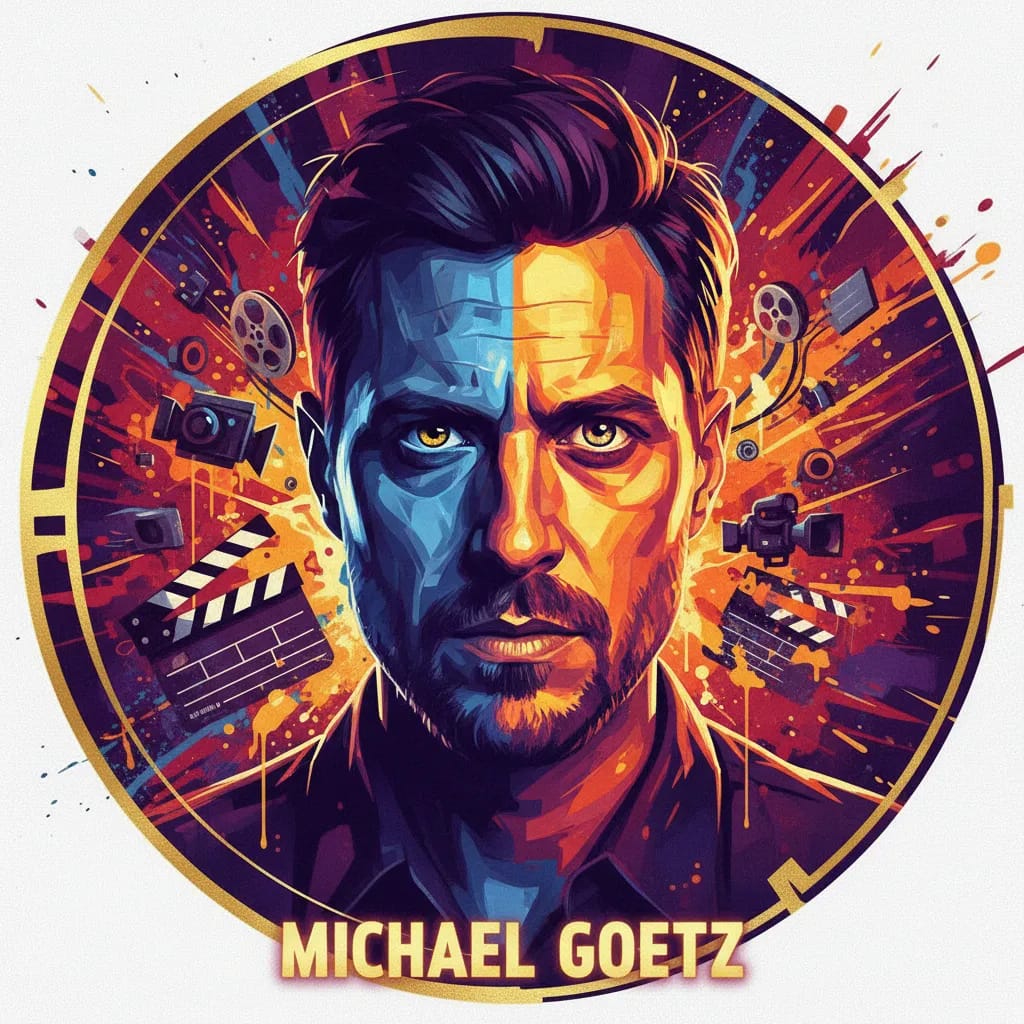
Michael Goetz
Michael Goetz is a talented film director known for his work in the drama and thriller genres. He made a significant impact with his debut feature film, "Scenic Route" (2013), which garnered critical acclaim for its intense storytelling and gripping performances. Goetz's directorial style is marked by a keen focus on character development and a knack for building tension, creating an immersive experience for the audience. "Scenic Route" stands as a testament to Goetz's ability to craft a compelling narrative within the confines of a character-driven drama. The film follows the story of two friends stranded in the desert, delving into the complexities of their relationship and the psychological toll of their predicament. Goetz's adept handling of the film's themes of survival, friendship, and desperation showcased his directorial prowess and established him as a promising talent in the industry. One of Goetz's notable strengths as a director lies in his ability to elicit raw, authentic performances from his actors, drawing the audience into the emotional core of his stories. His work often explores the darker aspects of the human psyche, delving into the depths of despair and resilience. This thematic depth, coupled with his distinctive visual style and meticulous attention to detail, sets Goetz apart as a director with a unique and compelling vision. In the realm of cinema, Michael Goetz has left an indelible mark with his debut feature, "Scenic Route," and has solidified his position as a director to watch in the industry. His dedication to storytelling, nuanced character portrayals, and immersive directorial approach have garnered him recognition and praise, positioning him as a filmmaker with a promising future. As Goetz continues to evolve and expand his body of work, his distinct directorial voice is sure to leave a lasting impression on audiences and fellow filmmakers alike.
Michael Goi
Michael Goi is an accomplished film director and cinematographer known for his exceptional work in the horror genre. With a career spanning over three decades, Goi has made a significant impact on the world of cinema through his unique directorial style and his ability to evoke strong emotions from his audience. His most notable film, "Megan Is Missing" (2011), is a haunting and visceral exploration of the dangers of online predators, leaving a lasting impression on viewers with its raw and unflinching approach to storytelling. Goi's directorial style is characterized by his keen ability to create an atmosphere of palpable tension and unease, often utilizing handheld camera work and naturalistic lighting to immerse the audience in his narratives. His films are known for their unapologetic exploration of dark and disturbing themes, delving deeply into the human psyche and the horrors that lurk within. Goi's work often leaves a lasting impact on viewers, provoking introspection and sparking important conversations about the darker aspects of society. "Megan Is Missing" stands as a testament to Goi's ability to craft a harrowing and unforgettable cinematic experience. The film's uncompromising portrayal of the dangers faced by young people in the digital age solidified Goi's reputation as a director unafraid to tackle challenging subject matter. With this film, Goi demonstrated his willingness to push boundaries and shed light on uncomfortable truths, cementing his status as a director with a distinct and powerful voice in the industry. Goi's contribution to the horror genre has been significant, as he has consistently delivered films that resonate with audiences on a deep and visceral level. His ability to tap into primal fears and expose the darker aspects of human nature has earned him a dedicated following among horror enthusiasts. With his uncompromising vision and fearless storytelling, Michael Goi continues to make a lasting impact on cinema, leaving an indelible mark on the genre and inspiring future generations of filmmakers to fearlessly explore the depths of human experience through the art of visual storytelling.
Michael Goldbach
Michael Goldbach is a Canadian director known for his debut feature film "Daydream Nation" (2010), which seamlessly blends elements of drama and romance. Goldbach's directorial style is characterized by a keen eye for emotional depth and a talent for crafting complex narratives. His work often explores the complexities of human relationships, presenting them against visually striking backdrops that captivate audiences. "Daydream Nation" showcases Goldbach's ability to create a thought-provoking and visually stunning film that resonates with viewers long after the credits roll. In "Daydream Nation," Goldbach delves into the lives of his characters, capturing their inner turmoil and desires with a raw and unflinching honesty. The film's narrative weaves together themes of love, adolescence, and the challenges of finding one's place in the world, all against the backdrop of a small town. Goldbach's ability to infuse his storytelling with depth and nuance elevates "Daydream Nation" into a compelling exploration of the human experience. Goldbach's impact on cinema lies in his ability to create films that transcend genre conventions, offering audiences a fresh and innovative take on familiar themes. His directorial debut firmly established him as a filmmaker with a unique vision and a talent for crafting emotionally resonant stories. Goldbach's work continues to inspire and engage audiences, cementing his status as a director to watch in the contemporary film landscape. In the years since "Daydream Nation," Goldbach has continued to make waves in the film industry, and audiences eagerly anticipate his future projects. His ability to infuse his films with emotional depth, visually striking imagery, and thought-provoking narratives sets him apart as a director with a distinctive and compelling voice. Goldbach's contributions to cinema have undoubtedly left a lasting impression, and his work remains a testament to the power of storytelling in the hands of a visionary director.
Michael Gordon
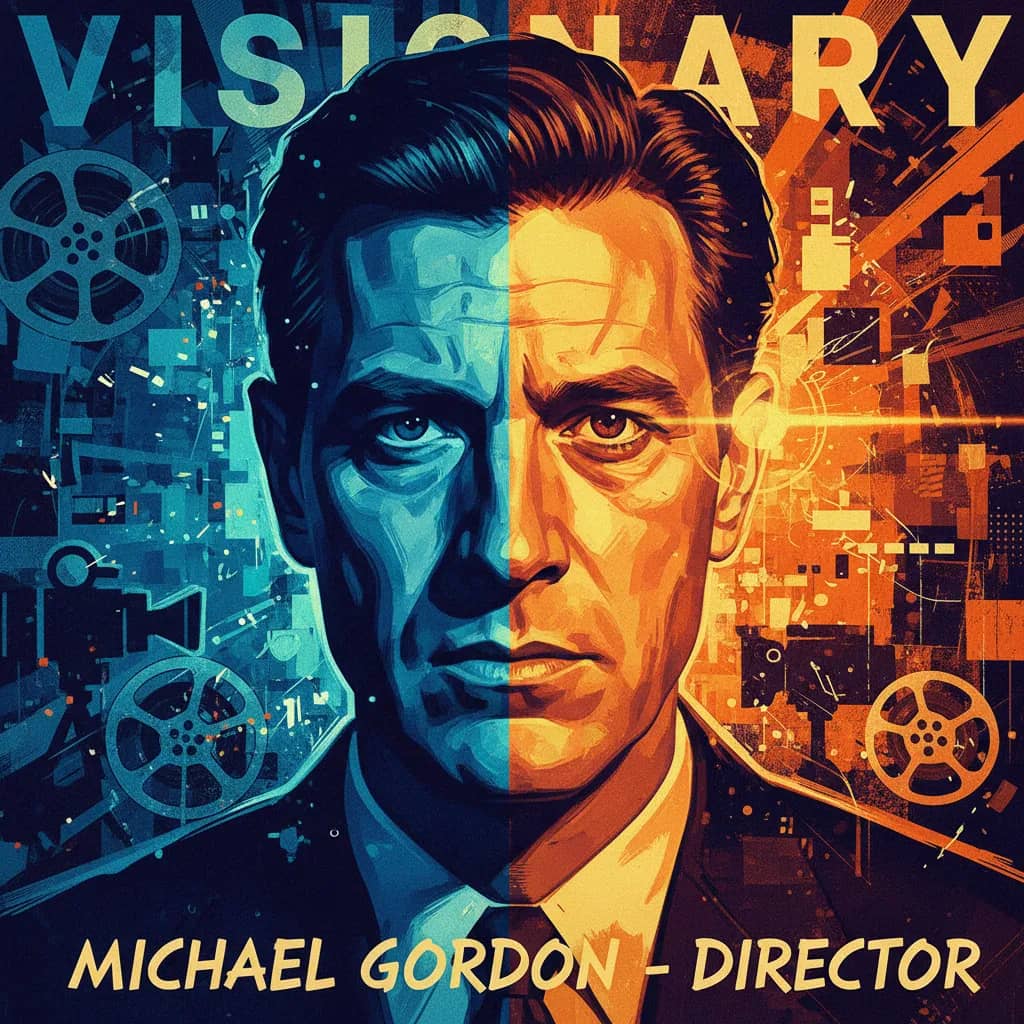
Michael Gordon was an American film director known for his contributions to the romantic comedy genre. With a career spanning several decades, Gordon made a significant mark on the golden age of Hollywood. He was particularly recognized for his work on the iconic film "Pillow Talk" (1959), a classic romantic comedy that starred Doris Day and Rock Hudson. Through his distinct directorial style, Gordon brought a delightful blend of humor, romance, and sophistication to the silver screen. Gordon's directorial approach was characterized by his ability to infuse charm and wit into his films, creating an irresistible allure for audiences. His keen understanding of comedic timing and his knack for capturing the essence of romantic entanglements made his work stand out. "Pillow Talk" is a prime example of Gordon's directorial prowess, as he expertly navigated the complexities of love and miscommunication with a lighthearted touch, earning critical acclaim and leaving an indelible mark on the romantic comedy genre. Throughout his career, Gordon demonstrated a consistent flair for crafting stories that revolved around the intricacies of human relationships. His films often explored themes of love, attraction, and the comedic misunderstandings that arise between characters, resonating with audiences on a deeply relatable level. Gordon's impact on cinema can be seen in the enduring popularity of his films, which continue to entertain and inspire audiences to this day. In the annals of Hollywood history, Michael Gordon's legacy as a director remains a testament to his ability to capture the essence of romance and comedy on film. His timeless contributions to the romantic comedy genre have left an indelible imprint on the medium, cementing his status as a revered filmmaker whose work continues to enchant audiences worldwide.
Michael Gornick
Michael Gornick is a highly regarded American film director known for his work in the fantasy and horror genres. Gornick's most notable directorial achievement is "Creepshow 2" (1987), a sequel to the 1982 horror anthology film "Creepshow," which was directed by the legendary George A. Romero. Gornick's directorial style is characterized by his adeptness at creating a palpable atmosphere of dread and suspense, often accompanied by visually striking and eerie cinematography. His films frequently explore the darker aspects of human nature and the supernatural, captivating audiences with their chilling narratives and haunting imagery. "Creepshow 2" stands as a testament to Gornick's directorial prowess, featuring three terrifying tales that showcase his ability to craft compelling and unsettling stories. Gornick's keen eye for detail and his skillful use of practical effects and lighting techniques contribute to the creation of an immersive and spine-tingling viewing experience. His work on "Creepshow 2" solidified his reputation as a master of horror and fantasy filmmaking, earning him a dedicated following among genre enthusiasts. Throughout his career, Gornick has demonstrated a penchant for exploring themes of fear, mortality, and the unknown, often delving into the macabre and the supernatural. His films are renowned for their ability to elicit a strong emotional response from audiences, as well as for their enduring impact on the horror genre. Gornick's contributions to cinema have left an indelible mark, inspiring future generations of filmmakers and influencing the evolution of horror and fantasy storytelling on the silver screen. In conclusion, Michael Gornick's directorial career has been defined by his exceptional talent for crafting immersive and chilling cinematic experiences. With "Creepshow 2" as a standout achievement in his filmography, Gornick has solidified his status as a visionary director in the realm of horror and fantasy cinema. His enduring impact on the genre and his ability to evoke fear and fascination through his storytelling make him a revered figure in the world of filmmaking.

Michael Gottlieb
Michael Gottlieb is an American film director best known for his work on the 1987 romantic comedy fantasy film, "Mannequin." Gottlieb's directorial style blends elements of comedy, romance, and fantasy to create whimsical and lighthearted storytelling. "Mannequin" remains a beloved cult classic, showcasing Gottlieb's ability to infuse fantastical elements into relatable and heartwarming narratives. Gottlieb's directorial debut with "Mannequin" showcased his talent for crafting imaginative and enchanting worlds while exploring the theme of true love transcending time and space. The film's enduring popularity is a testament to Gottlieb's ability to create memorable and endearing characters within a fantastical backdrop. His directorial approach often incorporates elements of humor and charm, creating a unique cinematic experience that continues to resonate with audiences. "Mannequin" not only solidified Gottlieb's reputation as a director with a penchant for blending romance and fantasy but also left an indelible mark on popular culture. The film's enduring legacy and devoted fan base are a testament to Gottlieb's impact on the romantic comedy genre. His ability to infuse storytelling with a sense of magic and whimsy has influenced subsequent filmmakers and contributed to the enduring appeal of fantasy-tinged romantic comedies. While "Mannequin" remains Gottlieb's most iconic directorial work, its impact on cinema is undeniable. His unique vision and ability to seamlessly blend romance, comedy, and fantasy have left an indelible mark on the romantic comedy genre. Gottlieb's directorial contributions continue to inspire filmmakers and entertain audiences, cementing his status as a visionary director with a distinct storytelling style.
Michael Gracey
Michael Gracey is an Australian film director known for his exceptional work in the biographical drama musical genre. He gained widespread acclaim for his directorial debut with "The Greatest Showman" in 2017. Gracey's directorial style is characterized by his ability to seamlessly blend captivating storytelling with visually stunning musical sequences, drawing audiences into the worlds he creates on screen. "The Greatest Showman" proved to be a pivotal moment in Gracey's career, showcasing his talent for crafting emotionally resonant narratives set against the backdrop of dazzling musical performances. The film's success not only solidified Gracey's reputation as a visionary director but also left an indelible mark on the world of musical cinema. His meticulous attention to detail and innovative approach to choreography and cinematography have set a new standard for the genre. Gracey's work often explores themes of ambition, perseverance, and the triumph of the human spirit, resonating with audiences on a profound level. His ability to infuse his films with a sense of grandeur and spectacle while maintaining a focus on the intimate emotional journeys of the characters has set him apart as a director with a truly unique vision. With "The Greatest Showman," Gracey has firmly established himself as a director capable of creating cinematic experiences that leave a lasting impact. His contributions to the world of film have reinvigorated the musical genre and inspired a new generation of filmmakers to push the boundaries of storytelling through the powerful combination of music and visuals. Gracey's future projects are highly anticipated, as audiences eagerly await the next chapter in the career of this visionary director.