Director Names Starting with M
Showing 133-144 out of 362
Masahiro Hosoda
Masahiro Hosoda is a renowned Japanese animator and director, best known for his work on the critically acclaimed film "Dragon Ball Z: Battle of Gods" (2013). Hosoda's directorial style is characterized by his ability to seamlessly blend high-octane action sequences with emotionally resonant storytelling, captivating audiences with his dynamic and visually stunning approach to animation. Through his work, he has made a significant impact on the anime genre, earning a dedicated following of fans worldwide. "Dragon Ball Z: Battle of Gods" stands as a testament to Hosoda's directorial prowess, as he successfully revitalized the iconic "Dragon Ball" franchise, infusing it with a fresh perspective while remaining faithful to its beloved characters and mythology. The film's breathtaking animation and expertly choreographed fight sequences showcase Hosoda's talent for bringing larger-than-life battles to the screen in a way that feels both exhilarating and emotionally engaging. Hosoda's recurring themes often explore the duality of strength and vulnerability, as well as the enduring power of friendship and perseverance in the face of adversity. His ability to imbue his characters with depth and complexity has contributed to his reputation as a master storyteller within the animation industry. Hosoda's impact on cinema extends beyond his directorial achievements, as he has played a pivotal role in shaping the landscape of modern anime, inspiring a new generation of animators and directors. His dedication to pushing the boundaries of visual storytelling has cemented his status as a visionary filmmaker, with his work continuing to resonate with audiences and industry professionals alike. In conclusion, Masahiro Hosoda's directorial career is defined by his exceptional ability to breathe new life into beloved franchises while pushing the boundaries of animation. His unique vision and unwavering commitment to storytelling have left an indelible mark on the world of cinema, solidifying his legacy as a pioneering force in the anime industry.

Masaki Kobayashi
Masaki Kobayashi was a groundbreaking Japanese film director known for his uncompromising vision and profound impact on world cinema. Born in 1916, Kobayashi's career spanned several decades, during which he left an indelible mark on the industry with his thought-provoking and visually striking films. His directorial style was characterized by meticulous attention to detail, deep exploration of moral and ethical dilemmas, and a keen sense of visual storytelling. One of Kobayashi's most notable films is "Harakiri" (1962), a searing critique of the samurai code and the futility of honor in a corrupt society. This action-packed drama is a testament to Kobayashi's skill in crafting intense, emotionally charged narratives that delve into complex human emotions. Another standout film is "Kwaidan" (1964), a visually stunning anthology of ghost stories that showcases Kobayashi's mastery of the supernatural and his ability to create an eerie, haunting atmosphere. Throughout his career, Kobayashi frequently explored themes of societal injustice, individual rebellion against oppressive systems, and the existential struggles of the human condition. His films often challenged the status quo and shed light on the darker aspects of humanity, earning him a reputation as a fearless and socially conscious filmmaker. Kobayashi's directorial legacy continues to inspire filmmakers and audiences alike, as his uncompromising commitment to storytelling and his unique artistic vision continue to resonate in the world of cinema. Masaki Kobayashi's impact on cinema extends far beyond his native Japan, as his films have influenced generations of filmmakers and garnered international acclaim. His meticulous attention to detail, powerful storytelling, and unflinching exploration of human morality have solidified his place as a master of world cinema. With a filmography that includes timeless classics like "Samurai Rebellion" (1967) and "Seppuku" (1962), Kobayashi's legacy as a visionary director remains an integral part of film history, and his work continues to captivate and inspire audiences around the world.
Masanori Hata
Masanori Hata is a highly esteemed Japanese film director known for his exceptional work in the adventure, drama, and family genres. His most iconic film, "The Adventures of Milo and Otis" (1986), remains a beloved classic that has enthralled audiences worldwide with its heartwarming tale of friendship and courage. Hata's directorial style is characterized by a keen eye for capturing the beauty of nature and a deep understanding of the emotional complexities of his characters. His films often resonate with viewers on a deeply emotional level, making him a masterful storyteller whose impact on cinema is truly remarkable. "The Adventures of Milo and Otis" stands as a testament to Hata's directorial prowess, as he skillfully weaves together breathtaking landscapes and captivating animal performances to create an enchanting and unforgettable cinematic experience. Hata's ability to elicit genuine emotions from his audience through the universal themes of friendship, loyalty, and perseverance has solidified his reputation as a director with a unique vision and an unparalleled understanding of the human connection. Throughout his career, Hata has consistently delivered films that not only entertain but also inspire and uplift. His recurring themes of resilience, companionship, and the beauty of the natural world have left an indelible mark on the film industry, influencing countless filmmakers and shaping the way stories are told on the big screen. Hata's dedication to crafting visually stunning narratives that resonate with audiences of all ages has cemented his legacy as a director whose impact on cinema continues to be felt to this day. In summary, Masanori Hata's directorial career is defined by his exceptional ability to create timeless cinematic experiences that transcend language and culture. With "The Adventures of Milo and Otis" as his crowning achievement, Hata has left an enduring legacy as a director who possesses a rare gift for storytelling and an unwavering commitment to bringing joy and inspiration to audiences around the world. His influence on the film industry is immeasurable, and his work will continue to be celebrated for generations to come.

Masashi Koizuka
Masashi Koizuka is a highly talented and innovative Japanese film director known for his exceptional work in the world of animation. His most notable directorial work includes "Attack on Titan: Chronicle" (2020), which has garnered immense acclaim for its stunning animation, gripping action sequences, and compelling adventure narrative. Koizuka's directorial style is characterized by his meticulous attention to detail, dynamic storytelling, and ability to infuse emotional depth into his characters, making his films resonate deeply with audiences. "Attack on Titan: Chronicle" stands as a testament to Koizuka's remarkable directorial prowess, as he masterfully brings to life the captivating world of the popular "Attack on Titan" series through his unique vision and creative direction. His ability to seamlessly blend animation, action, and adventure has solidified his reputation as a visionary director with a keen eye for delivering visually stunning and emotionally resonant cinematic experiences. Throughout his career, Koizuka has exhibited a penchant for exploring themes of resilience, survival, and the complexities of humanity within the context of epic, high-stakes narratives. His directorial contributions have left an indelible mark on the animation genre, inspiring and influencing a new generation of filmmakers and animators. Koizuka's dedication to pushing the boundaries of storytelling and animation has firmly established him as a trailblazer in the industry, with "Attack on Titan: Chronicle" serving as a testament to his enduring impact on cinema. In conclusion, Masashi Koizuka's directorial career is a testament to his unparalleled talent and visionary approach to filmmaking. His work on "Attack on Titan: Chronicle" exemplifies his ability to craft immersive and emotionally resonant narratives that captivate audiences worldwide. With a commitment to pushing the boundaries of animation and storytelling, Koizuka continues to make a lasting impact on the world of cinema, solidifying his status as a director to watch in the years to come.

Masayuki
Masayuki is a highly acclaimed Japanese film director known for his remarkable contributions to the world of animation and action cinema. His directorial style is characterized by a unique blend of stunning visuals, intricate storytelling, and emotionally compelling narratives. With a career spanning several decades, Masayuki has left an indelible mark on the film industry, particularly through his work on the iconic "Evangelion" series. One of Masayuki's most notable directorial achievements is his involvement in the "Evangelion" film series. His directorial debut, "Evangelion: 1.0 You Are (Not) Alone" (2007), garnered widespread acclaim for its breathtaking animation, intense action sequences, and deep exploration of existential themes. This success was followed by "Evangelion: 2.0 You Can (Not) Advance" (2009) and "Evangelion: 3.0 You Can (Not) Redo" (2012), both of which further solidified Masayuki's reputation as a visionary director in the realm of animated cinema. Masayuki's directorial style is marked by a profound exploration of human emotions, existential dilemmas, and the complexities of interpersonal relationships. His films often delve into the psychological and emotional struggles of his characters, creating a deeply immersive experience for audiences. This thematic depth, combined with his masterful command of visual storytelling, has cemented Masayuki's status as a pioneer in the realm of animated drama. Masayuki's impact on cinema extends beyond his directorial prowess, as he has significantly influenced the evolution of animation and action genres. His ability to seamlessly blend stunning visuals with thought-provoking narratives has set a new standard for animated filmmaking, inspiring a generation of filmmakers and captivating audiences worldwide. Masayuki's dedication to pushing the boundaries of storytelling and visual artistry has earned him a place among the most influential directors in contemporary cinema, and his legacy continues to shape the future of animated filmmaking. In conclusion, Masayuki's illustrious career as a film director has been defined by his unparalleled vision, thematic richness, and artistic innovation. Through his work on the "Evangelion" series and beyond, he has redefined the possibilities of animated storytelling, leaving an indelible mark on the film industry. Masayuki's legacy as a visionary director continues to inspire and captivate audiences, solidifying his position as a true master of his craft.

Massy Tadjedin
Massy Tadjedin is a talented Iranian-American director known for her distinct directorial style and poignant storytelling. Her notable film, "Last Night" (2010), is a compelling drama that delves into the complexities of modern relationships. Tadjedin's directorial approach is marked by her ability to capture raw emotions and interpersonal dynamics with subtlety and nuance, making her a noteworthy figure in contemporary cinema. In "Last Night," Tadjedin skillfully explores the intricacies of love, trust, and temptation as a married couple faces the challenges of fidelity during a night apart. Through her keen directorial eye, Tadjedin weaves a compelling narrative that delves into the complexities of human relationships, showcasing her ability to craft intimate and emotionally resonant stories. Tadjedin's directorial style is characterized by its emotional depth and thought-provoking storytelling, which has garnered her acclaim from audiences and critics alike. Her films often revolve around themes of love, infidelity, and moral dilemmas, delving into the intricacies of human behavior and the complexities of interpersonal relationships. As a director, Tadjedin has made a significant impact on cinema by offering a fresh perspective on the human experience and challenging societal norms through her thought-provoking narratives. Her ability to capture the nuances of human emotions and relationships has solidified her reputation as a director with a unique vision and a distinct voice in the film industry. Overall, Massy Tadjedin's directorial career is characterized by her ability to craft emotionally resonant stories that delve into the complexities of human relationships with depth and authenticity. Her unique directorial style and thought-provoking narratives have cemented her status as a notable figure in contemporary cinema, making her a director to watch in the years to come.

Mastan Alibhai Burmawalla
Mastan Alibhai Burmawalla, often referred to as Abbas-Mustan, is a renowned Indian film director duo known for their gripping thrillers and stylish filmmaking. With a career spanning several decades, they have left an indelible mark on Indian cinema. Their directorial style is characterized by high-octane action sequences, intricate plot twists, and sleek visuals, all of which have contributed to their immense popularity among audiences. One of their most iconic films is "Baazigar" (1993), a crime drama musical that catapulted Shah Rukh Khan to stardom and established the duo as masters of the thriller genre. The film's unconventional storyline, coupled with Abbas-Mustan's deft direction, made it a groundbreaking success. Another standout in their filmography is "Aitraaz" (2004), a gripping drama that delves into themes of power, manipulation, and seduction. The film's intense narrative and taut direction showcased their ability to handle complex, multi-layered storylines with finesse. Abbass-Mustan's impact on Indian cinema is palpable through their ability to seamlessly blend elements of action, crime, and suspense, captivating audiences with their trademark storytelling. Their films often revolve around themes of betrayal, revenge, and deception, reflecting their penchant for crafting narratives that keep viewers on the edge of their seats. Their meticulous attention to detail and penchant for creating visually striking sequences have set them apart as visionary directors in the Indian film industry. The duo's magnum opus "Race 2" (2013) exemplifies their knack for delivering adrenaline-pumping entertainment. With its pulse-pounding action and labyrinthine plot, the film solidified Abbas-Mustan's reputation as masters of the thriller genre. Their seamless integration of high-stakes heists, glamorous settings, and intricate schemes has cemented their legacy as directors who consistently push the boundaries of cinematic storytelling. In conclusion, Abbas-Mustan's directorial prowess has left an indelible imprint on Indian cinema, with their unique vision and penchant for crafting gripping narratives earning them a dedicated fan base. Their ability to infuse thrillers with a distinct sense of style and intrigue has made them stalwarts in the industry, and their contributions continue to inspire a new generation of filmmakers.

Mateo Gil
Mateo Gil is a Spanish director known for his distinct vision and storytelling prowess. He made his mark on the international film scene with his 2011 directorial debut, "Blackthorn," a gripping action-adventure drama that captivated audiences and critics alike. The film is a modern-day Western that follows the legendary outlaw Butch Cassidy in his twilight years as he embarks on one last adventure. Gil's direction in "Blackthorn" showcases his ability to blend thrilling action sequences with deep, introspective character exploration, establishing him as a directorial force to be reckoned with. Gil's directorial style is characterized by his meticulous attention to detail and his ability to infuse his films with a rich, atmospheric quality that immerses viewers in the worlds he creates. "Blackthorn" exemplifies his penchant for crafting visually stunning landscapes and his adeptness at weaving intricate, character-driven narratives. His ability to balance action-packed sequences with poignant emotional depth sets him apart as a director with a keen understanding of storytelling dynamics. In addition to his directorial talents, Gil has a knack for exploring themes of redemption, resilience, and the complexities of human nature, evident in "Blackthorn" and other projects he has been involved in as a screenwriter and producer. His impact on cinema extends beyond his directorial work, as he has contributed to the industry through his collaborations with prominent filmmakers and his commitment to pushing creative boundaries. Mateo Gil's directorial debut with "Blackthorn" solidifies his status as a directorial talent to watch. His ability to breathe new life into classic genres while infusing his projects with depth and emotional resonance speaks to his timeless appeal. As he continues to make his mark on the film world, audiences can anticipate more thought-provoking, visually stunning work from this visionary director.
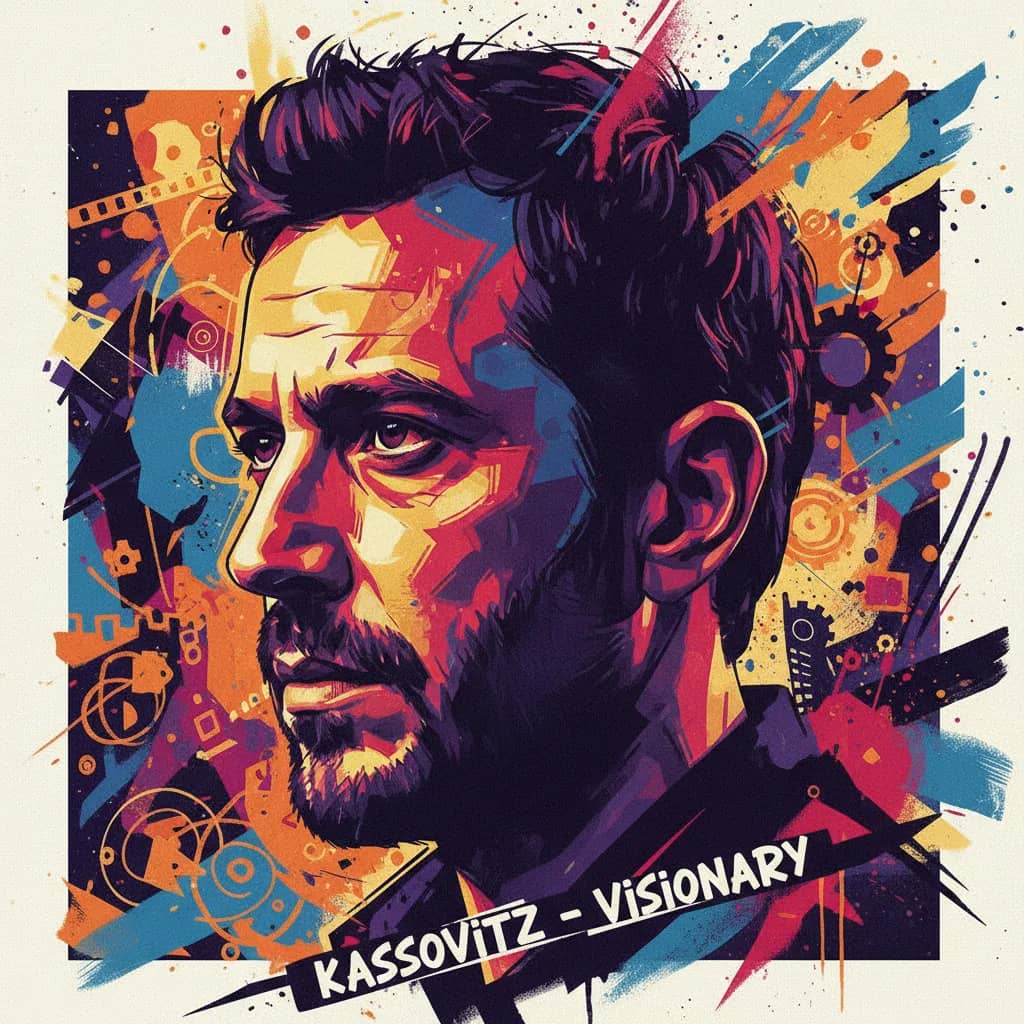
Mathieu Kassovitz
Mathieu Kassovitz is a French director who has made a significant impact on the world of cinema with his unique vision and thought-provoking storytelling. Kassovitz burst onto the international scene with his groundbreaking film "La Haine" (1995), a raw and intense portrayal of social unrest in the French suburbs. This critically acclaimed film not only showcased Kassovitz's directorial prowess but also earned him the Best Director award at the Cannes Film Festival, propelling him into the spotlight as a visionary filmmaker. Known for his bold and innovative approach to filmmaking, Kassovitz has a penchant for delving into gritty, socially relevant subject matter. His filmography includes "The Crimson Rivers" (2000), a gripping crime thriller that masterfully combines elements of mystery and suspense, and "Gothika" (2003), a chilling horror film that delves into the realms of psychological terror. Kassovitz's directorial style is characterized by his ability to create atmospheric tension and captivate audiences with compelling narratives that explore the darker aspects of human nature. In 2008, Kassovitz took on the ambitious project "Babylon A.D.," a dystopian action-adventure set in a futuristic world. While the film received mixed reviews, it showcased Kassovitz's versatility as a director and his willingness to tackle complex and visually stunning narratives. Throughout his career, Kassovitz has exhibited a knack for crafting visually arresting scenes and eliciting powerful performances from his actors. A recurring theme in Kassovitz's work is his exploration of societal issues, often shedding light on the marginalized and disenfranchised. His films offer a stark commentary on the human condition, challenging audiences to confront uncomfortable truths and examine the complexities of the human experience. Kassovitz's impact on cinema extends beyond his directorial achievements, as he continues to inspire a new generation of filmmakers with his uncompromising vision and dedication to pushing the boundaries of storytelling. In conclusion, Mathieu Kassovitz stands as a trailblazing director whose influential body of work has left an indelible mark on world cinema. His ability to infuse his films with emotional depth, social relevance, and visual flair has solidified his status as a visionary storyteller. Kassovitz's contributions to the film industry have sparked important conversations and challenged the status quo, cementing his legacy as a director who fearlessly confronts the complexities of the
Mathieu Turi
Mathieu Turi is a French director who made a significant impact in the film industry with his unique directorial style and compelling storytelling. Turi's notable film, "Meander" (2020), showcases his ability to seamlessly blend drama, horror, and mystery, captivating audiences with his distinct vision and narrative prowess. Throughout his career, Turi has demonstrated a penchant for creating intense and atmospheric cinematic experiences. His directorial style is characterized by a masterful command of tension and suspense, as well as a keen eye for visual storytelling. Turi's ability to immerse audiences in the psychological and emotional depths of his characters sets him apart as a director with a distinct cinematic voice. "Meander" stands as a testament to Turi's ability to explore the darker aspects of human nature, as well as the boundaries of fear and survival. The film's thematic depth and thought-provoking narrative exemplify Turi's commitment to crafting compelling stories that resonate with audiences on a profound level. In addition to "Meander," Turi's body of work reflects a recurring exploration of existential themes, human resilience, and the complexities of the human psyche. His impact on cinema is evident through his ability to push the boundaries of genre filmmaking, offering audiences a fresh perspective on familiar themes while delivering a cinematic experience that lingers in the mind long after the credits roll. Mathieu Turi's directorial career is a testament to his commitment to pushing the boundaries of storytelling and captivating audiences with his unique vision. As he continues to cement his place in the industry, Turi's contributions to film are poised to leave a lasting impression on both audiences and aspiring filmmakers, solidifying his status as a visionary director with an enduring impact on cinema. Overall, Mathieu Turi's directorial career is marked by an unwavering dedication to crafting compelling narratives that resonate with audiences, showcasing his ability to seamlessly blend genres and immerse viewers in thought-provoking cinematic experiences. With each project, Turi continues to solidify his reputation as a director with a distinct vision and a profound impact on the world of cinema.
Mathukutty Xavier
Mathukutty Xavier is a promising Indian film director who made his directorial debut with the 2022 film "Mili," a gripping drama-thriller that captivated audiences and critics alike. Xavier's directorial style is marked by a keen eye for storytelling, nuanced character development, and an ability to create tension and suspense on screen. His directorial debut marked the beginning of what promises to be a remarkable career in the Indian film industry. "Mili" stands as a testament to Xavier's ability to weave complex narratives while delving deep into the psyche of his characters. The film showcases his distinct directorial style, which is characterized by its emotional depth and thought-provoking themes. Xavier's storytelling is marked by a unique blend of drama and thriller elements, creating an immersive cinematic experience for the audience. Xavier's work often delves into themes of human psychology, resilience, and the complexities of interpersonal relationships. His films are known for their thought-provoking exploration of the human condition, and "Mili" is no exception. Through his directorial vision, Xavier has managed to carve a niche for himself in the industry, offering audiences a fresh perspective and a captivating cinematic experience. With "Mili," Mathukutty Xavier has made a significant impact on Indian cinema, introducing audiences to his unique directorial voice and establishing himself as a director to watch. As he continues to hone his craft and create compelling stories, Xavier's contributions to the world of cinema are sure to leave a lasting impression, solidifying his status as a director with a distinctive vision and a promising future in the film industry. In conclusion, Mathukutty Xavier's directorial debut with "Mili" has firmly established him as a director with a unique storytelling style and a knack for crafting emotionally resonant narratives. With his ability to delve into the complexities of human relationships and psychology, Xavier has made a significant impact on Indian cinema, and his future projects are highly anticipated by audiences and critics alike.

Mati Diop
Mati Diop is a trailblazing filmmaker who has made a significant impact on the world of cinema with her unique directorial style and thought-provoking storytelling. Born in Paris to a Senegalese father and French mother, Diop's multicultural background has deeply influenced her work, allowing her to bring a fresh perspective to her films. Diop's directorial debut, "Atlantics" (2019), garnered widespread acclaim for its captivating blend of drama, fantasy, and mystery. The film not only marked her first feature-length work but also made history as the first film directed by a black woman to compete at the prestigious Cannes Film Festival, where it received the Grand Prix. Diop's directorial style is characterized by its poetic and visually stunning approach, often intertwining elements of realism with a touch of the supernatural. "Atlantics" exemplifies her ability to seamlessly blend genres, creating a mesmerizing and otherworldly atmosphere that captivates audiences. Her storytelling is deeply rooted in exploring themes of migration, identity, and the intersection between the past and the present, offering a poignant reflection on the human experience. With "Atlantics," Mati Diop has solidified her position as a visionary director, earning accolades for her ability to craft emotionally resonant narratives that transcend cultural boundaries. Her impact on cinema extends beyond her directorial achievements, as she has become a prominent voice for underrepresented storytellers, advocating for greater diversity and inclusion within the film industry. Diop's work serves as a testament to the power of cinema to bridge cultural divides and shed light on universal truths. As Mati Diop continues to pave the way for emerging filmmakers, her contributions to the art of filmmaking are sure to leave a lasting imprint on the industry. Her distinct directorial voice, coupled with her unwavering dedication to authentic storytelling, cements her status as a visionary auteur whose work will continue to inspire and resonate with audiences for years to come.