Director Names Starting with L
Showing 37-48 out of 143

Lee Byeong-heon
Lee Byeong-heon is a South Korean film director known for his unique blend of action, comedy, and crime genres. With a career characterized by compelling storytelling and visually striking scenes, Lee Byeong-heon has made a significant impact on the global cinema landscape. His notable film "Extreme Job" (2019) stands as a testament to his directorial prowess, receiving critical acclaim and commercial success. Lee Byeong-heon's directorial style is marked by his ability to seamlessly interweave elements of action, comedy, and crime, creating a captivating cinematic experience for audiences. His keen eye for dynamic visuals and meticulous attention to detail are evident throughout his work, elevating the overall quality of his films. "Extreme Job" exemplifies his adeptness at crafting high-energy, entertaining narratives that resonate with viewers. One of Lee Byeong-heon's recurring themes is the exploration of complex characters within the context of thrilling and often humorous situations. His films often delve into the intricacies of human behavior, adding depth and emotional resonance to the adrenaline-fueled action and comedic moments. This thematic approach has contributed to his reputation as a director who brings depth and substance to genre films. Lee Byeong-heon's impact on cinema extends beyond his ability to entertain audiences. His innovative storytelling techniques and ability to push the boundaries of traditional genre conventions have cemented his status as a visionary director. His contributions to the film industry have not only garnered widespread acclaim but have also inspired a new generation of filmmakers to explore the potential of blending genres in creative and impactful ways. In conclusion, Lee Byeong-heon's directorial career is defined by his distinct vision, masterful storytelling, and a remarkable ability to captivate audiences with his unique brand of cinema. His films, particularly "Extreme Job," showcase his unparalleled talent for infusing action, comedy, and crime with depth and originality. As a director, Lee Byeong-heon continues to leave an indelible mark on the cinematic landscape, and his contributions will undoubtedly inspire and influence future generations of filmmakers.
Lee Chang-dong
As one of South Korea's most acclaimed filmmakers, Lee Chang-dong has left an indelible mark on world cinema with his emotionally resonant storytelling and visually arresting directorial style. With a career spanning over two decades, Lee Chang-dong has consistently delivered thought-provoking and masterfully crafted films that have garnered widespread critical acclaim and numerous accolades. With his directorial debut, "Peppermint Candy" (1999), Lee Chang-dong immediately established himself as a formidable force in the world of cinema. The film's non-linear narrative and poignant exploration of the human condition set the stage for his subsequent works. His film "Poetry" (2010) further solidified his reputation as a director with a keen eye for human drama, receiving widespread acclaim for its sensitive portrayal of an elderly woman grappling with the complexities of life and art. However, it was Lee Chang-dong's 2018 film "Burning" that truly propelled him into the international spotlight. Adapted from Haruki Murakami's short story, the film captivated audiences with its enigmatic storytelling, rich character development, and haunting exploration of class dynamics and existential themes. "Burning" garnered widespread critical acclaim and earned numerous accolades, including a nomination for the Palme d'Or at the Cannes Film Festival. Lee Chang-dong's directorial style is characterized by his meticulous attention to character development, evocative storytelling, and profound exploration of human emotions and societal issues. His films often delve into themes of alienation, identity, and the human psyche, offering audiences a captivating and introspective cinematic experience. In the realm of contemporary cinema, Lee Chang-dong's films stand as a testament to his unparalleled ability to craft deeply moving narratives that resonate on a universal level. His contributions have not only enriched the landscape of South Korean cinema but have also left an indelible impact on the global film industry, cementing his status as a visionary director with an enduring legacy. Keywords: Lee Chang-dong, director, South Korean filmmaker, Peppermint Candy, Poetry, Burning, cinema, directorial style, recurring themes, impact on cinema.
Lee Cronin
Lee Cronin is an Irish film director best known for his work in the horror genre. With a keen eye for atmospheric storytelling and a knack for creating tension, Cronin has made a name for himself as a director to watch in the world of horror cinema. His feature film debut, "The Hole in the Ground" (2019), garnered critical acclaim for its chilling atmosphere and psychological depth. The film follows a mother and her young son as they encounter unsettling occurrences in their new rural home, exploring themes of motherhood, identity, and the supernatural. Cronin's ability to blend psychological horror with visually striking imagery has solidified his reputation as a director with a distinct and compelling vision. In 2023, Cronin is set to direct "Evil Dead Rise," the next installment in the iconic horror franchise. This highly anticipated project has generated significant buzz within the horror community, and fans are eager to see how Cronin will bring his unique directorial style to the beloved series. With his background in crafting immersive and intense horror experiences, Cronin's take on "Evil Dead Rise" is poised to inject new life into the franchise while staying true to its roots. Cronin's directorial style is marked by a meticulous attention to detail and an ability to create an eerie atmosphere that lingers long after the credits roll. His films often delve into the psychological and emotional depths of their characters, adding layers of complexity to the horror genre. Cronin's work resonates with audiences by tapping into primal fears and universal themes, showcasing his talent for crafting stories that are both haunting and thought-provoking. As a director, Cronin has demonstrated a commitment to pushing the boundaries of horror cinema while paying homage to its rich traditions. Through his films, he has proven himself to be a master of building suspense and evoking genuine terror, earning him a dedicated following among horror aficionados. With "Evil Dead Rise" on the horizon, Cronin's impact on the genre is only set to grow, cementing his status as a visionary director with a profound influence on the future of horror cinema.
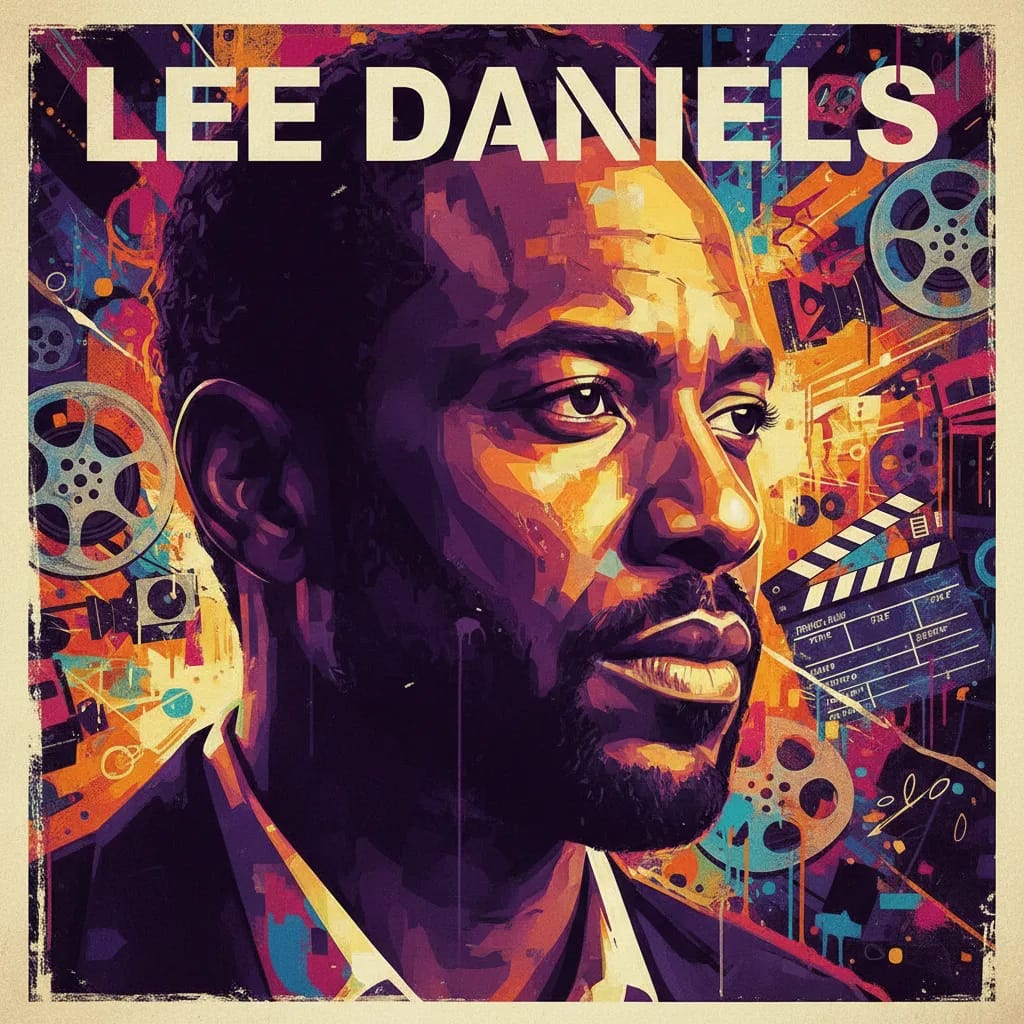
Lee Daniels
Lee Daniels is a trailblazing film director known for his bold and unapologetic storytelling style, which often delves into the harsh realities of life. His directorial career has been marked by a series of critically acclaimed and impactful films that have left an indelible mark on cinema. Daniels' work often explores themes of social injustice, human resilience, and the complexities of the human experience, making him a distinctive voice in the industry. One of Daniels' most notable films is "Precious" (2009), which garnered widespread acclaim and earned him an Academy Award nomination for Best Director. The film's raw and uncompromising portrayal of a young woman's struggles in the face of abuse and adversity showcased Daniels' ability to fearlessly tackle difficult subject matter with sensitivity and authenticity. "The Butler" (2013) further solidified Daniels' reputation as a director with a knack for bringing poignant real-life stories to the screen, as the film chronicled the life of a White House butler who served multiple presidents. In "The Paperboy" (2012), Daniels ventured into the crime and mystery genre, demonstrating his versatility as a director with a penchant for pushing boundaries. The film's gritty and atmospheric portrayal of a journalist investigating a death row inmate's case showcased Daniels' ability to infuse his storytelling with tension and intrigue. Most recently, Daniels directed "The United States vs. Billie Holiday" (2021), a biographical drama that shed light on the persecution faced by the legendary jazz singer. This film further exemplifies Daniels' commitment to shining a spotlight on underrepresented stories and historical injustices. Throughout his career, Daniels has become known for his visually striking and emotionally charged films that fearlessly confront societal issues. His directorial style often incorporates intimate character studies, evocative visuals, and a keen eye for capturing the complexities of human relationships. With his unflinching approach to storytelling and his dedication to amplifying marginalized voices, Lee Daniels has cemented his status as a pioneering director whose impact on cinema continues to resonate.
Lee Hae-jun
Lee Hae-jun is a South Korean film director known for his unique storytelling and visually captivating cinematography. His notable filmography includes the critically acclaimed "Castaway on the Moon" (2009), a genre-defying blend of comedy, drama, and romance. Hae-jun's directorial style is characterized by a meticulous attention to detail, emotionally resonant narratives, and a keen understanding of human nature. In "Castaway on the Moon," Hae-jun masterfully weaves a tale of isolation, redemption, and human connection. The film follows the story of a man who becomes stranded on a deserted island in the middle of Seoul, where he forms an unlikely bond with a reclusive woman living in a nearby apartment. Hae-jun's ability to infuse the narrative with both humor and poignancy showcases his adeptness at blending genres and eliciting a wide range of emotions from his audience. One of the recurring themes in Hae-jun's work is the exploration of the human psyche and the complexities of interpersonal relationships. Through his nuanced character development and thought-provoking storytelling, he delves into the depths of human emotion and the universal desire for connection. His films often challenge societal norms and offer a fresh perspective on the human experience, making them resonate with audiences on a deep, emotional level. Hae-jun's impact on cinema extends beyond his individual films, as he has contributed to the global recognition of South Korean cinema. His ability to transcend cultural barriers and touch the hearts of audiences worldwide has solidified his reputation as a visionary director. With his distinct directorial style and thought-provoking narratives, Lee Hae-jun continues to be a driving force in the world of filmmaking, leaving an indelible mark on the industry. In conclusion, Lee Hae-jun's directorial career is defined by his ability to craft compelling narratives that transcend genres and cultural boundaries. His films, particularly "Castaway on the Moon," stand as a testament to his unique vision and storytelling prowess, earning him a well-deserved place in the pantheon of visionary directors. As he continues to push the boundaries of storytelling and captivate audiences with his evocative films, Lee Hae-jun remains a prominent figure in the world of cinema, shaping the landscape of contemporary filmmaking.
Lee H. Katzin
Lee H. Katzin was an American film and television director best known for his work on "Le Mans" (1971), an action-packed racing film starring Steve McQueen. Katzin's directorial style often emphasized intense, immersive action sequences and a focus on authentic, gritty realism. His approach to storytelling and visual flair made him a notable figure in the world of filmmaking. "Le Mans" remains Katzin's most significant contribution to cinema. The film is celebrated for its groundbreaking use of in-car cameras, which provided audiences with a visceral and unprecedentedly realistic portrayal of auto racing. Katzin's ability to capture the high-stakes drama and adrenaline-fueled action of the Le Mans 24 Hours race set a new standard for the portrayal of motorsport on screen. His meticulous attention to detail and dedication to authenticity in filming racing sequences left an indelible mark on the genre. Throughout his career, Katzin demonstrated a penchant for exploring themes of courage, determination, and the pursuit of excellence. His films often featured protagonists facing insurmountable challenges, and he excelled at creating tension-filled narratives that kept audiences on the edge of their seats. In "Le Mans," Katzin's skillful direction brought to life the intense competition and danger faced by race car drivers, showcasing his ability to convey the raw emotion and perilous nature of their profession. Katzin's impact on cinema extends beyond his individual films, as he helped shape the visual language of action and sports dramas. His innovative techniques and commitment to capturing the authenticity of his subjects set a precedent for future filmmakers working in similar genres. As a director, Lee H. Katzin left an enduring legacy, inspiring subsequent generations of filmmakers to push the boundaries of storytelling and visual storytelling in action cinema.

Lee Isaac Chung
Lee Isaac Chung is an American director who made a significant impact on the film industry with his deeply personal and emotionally resonant storytelling. Chung gained widespread recognition for his critically acclaimed film "Minari" (2020), which earned six Academy Award nominations, including Best Director and Best Picture. Known for his evocative directorial style, Chung has a remarkable ability to infuse his films with raw emotion and authenticity, capturing the complexities of human relationships and the immigrant experience. Chung's directorial debut, "Minari," is a semi-autobiographical film that draws from his own upbringing as the child of Korean immigrants in rural Arkansas. The film beautifully captures the struggles and triumphs of the immigrant experience, exploring themes of family, identity, and the pursuit of the American dream. Through his nuanced storytelling and visually stunning cinematography, Chung masterfully immerses audiences in the world of his characters, creating a deeply moving and immersive cinematic experience. One of Chung's notable directorial strengths is his ability to portray the universal human experience within specific cultural contexts. His films often explore the complexities of identity, belonging, and cultural assimilation, resonating with audiences across diverse backgrounds. Chung's work reflects a deep understanding of human emotion and the complexities of interpersonal relationships, showcasing his talent for crafting deeply empathetic and relatable narratives. Chung's impact on cinema extends beyond his individual films, as he has become a leading voice for underrepresented storytellers in the industry. Through his groundbreaking work, Chung has paved the way for greater diversity and inclusivity in filmmaking, inspiring a new generation of filmmakers to share their unique perspectives and experiences on the big screen. With his authentic storytelling and keen insight into the human condition, Lee Isaac Chung continues to be a driving force in shaping the future of cinema.
Lee Jeong-beom
Lee Jeong-beom is a South Korean film director known for his gripping and visually stunning works in the action, crime, and drama genres. His most notable film, "The Man from Nowhere" (2010), catapulted him to international acclaim and solidified his reputation as a master of intense and emotionally charged storytelling. With a keen eye for detail and an innate ability to capture raw human emotion on screen, Lee Jeong-beom has carved a niche for himself in the world of cinema. As a director, Lee Jeong-beom is celebrated for his distinctive style, characterized by meticulous attention to choreography in action sequences, immersive storytelling, and a penchant for exploring complex characters and their moral dilemmas. His films often feature morally ambiguous protagonists caught in high-stakes situations, leading to riveting narratives that keep audiences on the edge of their seats. Furthermore, Lee Jeong-beom's meticulous approach to cinematography and his ability to infuse intense emotion into every frame make his films a visually captivating experience. "The Man from Nowhere" stands as a testament to Lee Jeong-beom's directorial prowess, with its masterful blend of heart-pounding action and poignant drama. The film not only showcased his ability to deliver compelling and visceral action sequences but also demonstrated his adeptness at delving into the depths of human emotion, resulting in a truly immersive cinematic experience. In terms of recurring themes, Lee Jeong-beom often explores the concept of redemption, the enduring resilience of the human spirit, and the complexities of morality in his films. His work has left an indelible mark on the action and crime genres, influencing a new wave of filmmakers and inspiring a fresh approach to storytelling within these genres. Lee Jeong-beom's impact on cinema extends beyond his ability to craft captivating narratives and stunning visuals. His films have resonated with audiences globally, earning him a dedicated following and cementing his status as a visionary director. With a career defined by a commitment to pushing creative boundaries and a dedication to crafting emotionally resonant stories, Lee Jeong-beom continues to leave an indelible mark on the world of cinema.

Lee Kirk
Lee Kirk is an American director known for his work in the comedy-drama genre. His most notable film, "The Giant Mechanical Man" (2012), showcases his directorial style, characterized by heartfelt storytelling, genuine characters, and a touch of whimsy. Kirk's approach to filmmaking often revolves around exploring the complexities of human relationships, blending emotional depth with lighthearted humor to create a relatable and engaging cinematic experience. "The Giant Mechanical Man" stands as a testament to Kirk's ability to craft intimate narratives that resonate with audiences. The film follows the lives of two lost souls who find solace in each other's company amidst the chaos of modern life. Kirk's directorial prowess shines through in his adeptness at capturing authentic human emotions and crafting endearing, multi-dimensional characters. His emphasis on interpersonal connections and personal growth serves as a recurring theme throughout his works, reflecting his keen insight into the human condition. In the realm of cinema, Lee Kirk has made a distinctive mark by infusing his films with a refreshing blend of sincerity and humor. His directorial contributions have enriched the comedy-drama landscape, offering audiences a departure from conventional storytelling and inviting them into a world where genuine emotions and genuine laughs coexist harmoniously. Through his unique vision, Kirk has carved out a niche for himself as a director who celebrates the beauty of life's imperfections, portraying them with warmth, empathy, and a touch of whimsy. Kirk's impact on cinema lies in his ability to create films that resonate with viewers on a deeply human level. His directorial style, marked by its authenticity and emotional resonance, has garnered acclaim for its ability to capture the intricacies of human relationships with sincerity and wit. As he continues to pursue his craft, Lee Kirk's work serves as a testament to the enduring power of storytelling and the universal appeal of genuine, heartfelt narratives in the world of filmmaking.

Lee Sternthal
Lee Sternthal is an accomplished film director known for his work in the drama, mystery, and romance genres. His most notable directorial effort is "The Words" (2012), a thought-provoking film that delves into the complexities of identity, ambition, and the consequences of one's actions. Sternthal's directorial style is characterized by his ability to craft compelling narratives that resonate with audiences on an emotional level. His keen eye for detail and nuanced storytelling have solidified his reputation as a director with a distinct and evocative vision. "The Words" stands as a testament to Sternthal's ability to seamlessly blend genres, offering audiences a captivating and multi-layered cinematic experience. His directorial approach is marked by a meticulous attention to character development and a deep exploration of moral dilemmas, which have become recurring themes in his work. Sternthal's films often challenge viewers to question their own beliefs and values, creating a lasting impact that extends beyond the screen. In the realm of cinema, Sternthal has made significant contributions by pushing the boundaries of traditional storytelling and infusing his films with a sense of depth and introspection. His ability to evoke raw emotions and provoke introspection has earned him a dedicated following and critical acclaim. Sternthal's directorial prowess lies in his ability to create thought-provoking narratives that transcend the confines of genre, leaving a lasting impression on audiences and fellow filmmakers alike. As a director, Lee Sternthal continues to shape the landscape of contemporary cinema with his unique vision and storytelling prowess. His impact on the industry is evident through his ability to craft compelling narratives that resonate with audiences and critics alike. With his distinct directorial style and thought-provoking themes, Sternthal remains a formidable force in the world of cinema, leaving an indelible mark on the art of storytelling through film.
Lee Tamahori
Lee Tamahori is a New Zealand director known for his diverse filmography spanning various genres, from action to drama and thriller. He burst onto the international scene with his feature film debut, "Once Were Warriors" in 1994. The gritty and powerful portrayal of Maori urban life garnered critical acclaim and announced Tamahori as a director to watch. This film showcased his ability to delve into complex societal issues and human struggles, a theme that would be a recurring element in his subsequent works. Tamahori's directorial style is characterized by his keen eye for visual storytelling and his knack for creating intense, edge-of-your-seat moments. He has a penchant for exploring the darker aspects of human nature, often delving into themes of power, identity, and moral ambiguity. This is evident in films such as "Mulholland Falls" and "The Devil's Double," where he skillfully navigates the complexities of crime, power dynamics, and the human psyche. His ability to craft compelling narratives within these themes has solidified his reputation as a director unafraid to tackle challenging subject matter. One of Tamahori's most notable contributions to cinema is his direction of the James Bond film "Die Another Day." His distinctive visual style and flair for high-octane action sequences breathed new life into the iconic franchise, earning him a place among the notable directors in the Bond series. This film showcased his versatility as a director, seamlessly transitioning from intimate character-driven dramas to large-scale, pulse-pounding action spectacles. Tamahori's impact on cinema lies in his ability to infuse his films with a sense of raw authenticity and emotional depth, drawing audiences into the visceral experiences of his characters. Through his diverse filmography, he has proven himself to be a director capable of tackling a wide range of genres while maintaining a distinct directorial voice. As he continues to push boundaries and challenge conventional storytelling, Lee Tamahori remains a formidable force in the world of filmmaking, leaving an indelible mark on the industry with his unique vision and storytelling prowess.
Lee Toland Krieger
Lee Toland Krieger is a talented American film director known for his unique storytelling and visually stunning cinematic style. Krieger's directorial debut came with the 2007 film "The Vicious Kind," which immediately showcased his ability to craft emotionally rich narratives and complex character dynamics. His distinct directorial style often incorporates elements of comedy, drama, and romance, allowing him to explore the intricacies of human relationships with depth and authenticity. One of Krieger's most notable works is "Celeste & Jesse Forever" (2012), a critically acclaimed comedy-drama that he both directed and co-wrote. The film, which delves into the complexities of modern relationships, received praise for its sharp dialogue, well-drawn characters, and Krieger's sensitive direction. His ability to infuse romantic narratives with emotional depth and genuine human experiences has established him as a director with a keen understanding of the human condition. Krieger continued to captivate audiences with "The Age of Adaline" (2015), a visually enchanting drama that intertwines romance and fantasy. The film's timeless and ethereal quality, coupled with Krieger's meticulous attention to detail, garnered widespread acclaim. His ability to seamlessly blend genres while maintaining a strong focus on character development has solidified his reputation as a versatile and visionary director in contemporary cinema. Throughout his career, Krieger has demonstrated a penchant for exploring themes of love, loss, and the passage of time, often imbuing his films with a sense of magic and wonder. His visually striking storytelling and emotional resonance have left an indelible mark on cinema, influencing a new generation of filmmakers. With a keen eye for human emotion and a commitment to crafting captivating narratives, Lee Toland Krieger continues to be a director to watch, poised to make an enduring impact on the world of filmmaking.