Director Names Starting with K
Showing 37-48 out of 172

Katt Shea
Katt Shea is an accomplished film director known for her distinctive and impactful contributions to the world of cinema. With a career spanning several decades, Shea has made a name for herself through her unique directorial style and her ability to delve into complex and thought-provoking narratives. She is recognized for her work in a variety of genres, including drama, thriller, and horror, and has left an indelible mark on the film industry. One of Shea's most notable works is the 1992 film "Poison Ivy," which garnered critical acclaim for its exploration of the complexities of female adolescence and sexuality. The film, starring Drew Barrymore, showcased Shea's ability to craft compelling and evocative storytelling, establishing her as a director with a keen eye for nuanced character portrayals and emotional depth. Additionally, Shea's directorial prowess was further exemplified in "The Rage: Carrie 2" (1999), a horror sci-fi film that demonstrated her versatility in navigating different genres while maintaining her signature impactful storytelling. Throughout her career, Shea has consistently explored themes of empowerment, identity, and the human experience, often infusing her films with a raw and unflinching portrayal of the human condition. Her directorial style is characterized by a bold and fearless approach, unafraid to confront societal taboos and challenge conventional norms. Shea's dedication to presenting multidimensional and authentic characters has resonated with audiences and critics alike, cementing her status as a director with a distinct and powerful voice in the industry. Shea's impact on cinema extends beyond her individual works, as she has paved the way for aspiring filmmakers and has contributed to the evolution of storytelling in film. Her ability to craft narratives that resonate with audiences on a profound level has solidified her legacy as a visionary director. With a career defined by innovation and a commitment to pushing artistic boundaries, Katt Shea continues to inspire filmmakers and captivate audiences with her unparalleled directorial prowess.

Kay Cannon
Kay Cannon is a talented film director known for her unique blend of comedy and drama. With her directorial debut in the 2018 film "Blockers," Cannon quickly made a name for herself in the industry. Her directorial style is characterized by sharp wit, heartfelt storytelling, and a keen understanding of human relationships. In "Blockers," Cannon demonstrated her ability to navigate the complexities of teenage sexuality and the challenges of parenting with equal parts humor and empathy. Cannon's impact on cinema is evident through her ability to infuse her films with relatable characters and authentic emotions. "Blockers" received praise for its fresh take on the coming-of-age genre, tackling issues such as friendship, love, and parental guidance with honesty and humor. Cannon's directorial approach has resonated with audiences, making her a director to watch in the industry. With "Blockers," Cannon established herself as a director unafraid to delve into the intricacies of human experience, exploring themes of friendship, love, and self-discovery. Her ability to balance humor and heartfelt moments has set her apart as a director with a distinct voice in the entertainment industry. Cannon's work showcases her commitment to creating compelling narratives that resonate with a wide audience. Kay Cannon's directorial debut with "Blockers" marked the beginning of an exciting career in filmmaking. Her ability to navigate the complexities of human relationships with authenticity and humor has set her apart as a director to watch. With her unique vision and storytelling prowess, Cannon is poised to continue making a significant impact on cinema, solidifying her status as a prominent director in the industry. In summary, Kay Cannon's directorial career has been marked by her ability to infuse her films with humor, heart, and relatable characters. With "Blockers," she has made a lasting impression on cinema and positioned herself as a director with a distinctive voice. As she continues to explore the complexities of human experience in her future projects, Cannon is sure to leave an indelible mark on the film industry.

Kay Pollak
Kay Pollak is a Swedish film director known for his poignant storytelling and visually captivating films, with a career spanning over several decades. His most notable work, "As It Is in Heaven" (2004), is a poignant drama that intertwines themes of love, music, and self-discovery. The film received critical acclaim and was nominated for an Academy Award for Best Foreign Language Film, solidifying Pollak's status as a prominent figure in the world of cinema. Pollak's directorial style is characterized by his ability to seamlessly blend elements of comedy, drama, and music to create emotionally resonant narratives. His films often explore the complexities of human relationships, the pursuit of passion, and the transformative power of art. Pollak's keen attention to detail and his ability to evoke raw, authentic performances from his actors have made him a revered director in the industry. "As It Is in Heaven" stands as a testament to Pollak's ability to craft deeply moving stories that resonate with audiences on a profound level. The film's universal themes and emotionally charged performances have left an indelible mark on cinema, earning Pollak a dedicated following of fans and admirers. Kay Pollak's impact on cinema extends beyond his directorial prowess. His ability to infuse his films with a sense of humanity and emotional depth has cemented his legacy as a visionary filmmaker. His work continues to inspire aspiring directors and captivate audiences worldwide, making him a true luminary in the world of cinema. In conclusion, Kay Pollak's career is defined by his ability to create films that transcend cultural boundaries and speak to the essence of the human experience. His unique directorial style, coupled with his ability to tackle universal themes with sensitivity and nuance, has solidified his position as a master storyteller in the world of cinema. With a filmography that continues to stand the test of time, Pollak's impact on the industry is undeniable, and his contributions to the art of filmmaking are truly invaluable.

Kazuaki Kiriya
Kazuaki Kiriya is a Japanese film director known for his visually stunning and innovative approach to filmmaking. His unique directorial style combines elements of action, sci-fi, and historical drama, creating visually captivating and thought-provoking cinematic experiences. Kiriya made his directorial debut with the highly acclaimed film "Casshern" in 2004. The film, set in a dystopian future, seamlessly blended breathtaking visual effects with a compelling narrative, establishing Kiriya as a filmmaker with a distinct visual flair. In 2015, Kiriya further showcased his directorial prowess with "Last Knights," an action-packed historical drama starring Clive Owen and Morgan Freeman. The film demonstrated Kiriya's ability to infuse historical settings with modern action sensibilities, resulting in a visually striking and emotionally resonant cinematic experience. Kiriya's films often feature themes of redemption, honor, and the human spirit, exploring the complexities of human nature against the backdrop of fantastical and historical settings. Kiriya's impact on cinema lies in his ability to push the boundaries of visual storytelling, utilizing cutting-edge technology to create immersive and otherworldly cinematic worlds. His innovative use of visual effects and cinematography has set him apart as a visionary director with a keen eye for detail and aesthetics. Kiriya's films often blur the line between reality and fantasy, inviting audiences into mesmerizing and atmospheric landscapes that linger in the mind long after the credits roll. With a distinct directorial style that marries stunning visuals with compelling storytelling, Kiriya continues to leave an indelible mark on the world of cinema. His ability to seamlessly blend genres and create immersive cinematic experiences has solidified his reputation as a director with a distinct and visionary approach to filmmaking. As Kiriya's career continues to evolve, audiences can anticipate further boundary-pushing works that defy traditional storytelling conventions and transport viewers into captivating and visually arresting worlds. In conclusion, Kazuaki Kiriya's directorial career has been defined by his unique vision, innovative use of visual effects, and ability to craft visually stunning and emotionally resonant cinematic experiences. His films, including "Casshern" and "Last Knights," have showcased his distinct directorial style, blending genres and pushing the boundaries of visual storytelling. Kiriya's impact on cinema is undeniable, as he continues to captivate audiences with his visionary approach to filmmaking, creating cinematic worlds that transcend traditional storytelling conventions.

Kazuhisa Takenouchi
Kazuhisa Takenouchi is a renowned Japanese film director best known for his directorial work on the visually mesmerizing and musically captivating animated film, "Interstella 5555: The 5tory of the 5ecret 5tar 5ystem" (2003). With a career marked by a distinct and imaginative directorial style, Takenouchi has left an indelible mark on the world of animation and music-infused cinema. In "Interstella 5555," Takenouchi's directorial prowess shines through as he seamlessly blends stunning animation with an electrifying soundtrack by the iconic electronic duo Daft Punk. The film, which serves as a visual accompaniment to Daft Punk's album "Discovery," masterfully weaves together a narrative that unfolds through music, imagery, and minimal dialogue, showcasing Takenouchi's innovative approach to storytelling. Throughout his career, Takenouchi has demonstrated a penchant for crafting immersive visual experiences that transport audiences to extraordinary worlds. His directorial style is characterized by a keen attention to detail, inventive use of animation, and a deep understanding of how music can enhance storytelling. "Interstella 5555" stands as a testament to Takenouchi's ability to create a symbiotic relationship between music and visuals, elevating the overall cinematic experience. Notable for its seamless integration of music and narrative, Takenouchi's work often explores themes of identity, creativity, and the transcendent power of music. His films resonate with audiences on a profound emotional level, thanks to his ability to evoke a sense of wonder and awe through his directorial vision. Takenouchi's impact on cinema extends beyond his individual projects, as he has influenced a generation of filmmakers with his innovative approach to storytelling and his ability to push the boundaries of animation as a medium for artistic expression. With his distinctive style and visionary storytelling, Kazuhisa Takenouchi continues to be a trailblazer in the world of animation and music-driven cinema, leaving an enduring legacy that has shaped the landscape of contemporary filmmaking.

Kazuya Tsurumaki
Kazuya Tsurumaki is a highly acclaimed Japanese film director and animator, best known for his work on the iconic "Neon Genesis Evangelion" series. His directorial style is characterized by a dynamic and visually striking approach that seamlessly blends action, drama, and animation. Tsurumaki's keen eye for detail and his ability to craft immersive and emotionally resonant narratives have solidified his status as a trailblazer in the world of anime cinema. Tsurumaki's most notable works include "Neon Genesis Evangelion: The End of Evangelion" (1997) and the subsequent installments in the "Evangelion" series, such as "Evangelion: 1.0 You Are (Not) Alone" (2007), "Evangelion: 2.0 You Can (Not) Advance" (2009), "Evangelion: 3.0 You Can (Not) Redo" (2012), and the highly anticipated "Evangelion: 3.0+1.01 Thrice Upon a Time" (2021). These films have garnered widespread acclaim for their complex storytelling, stunning animation, and thought-provoking exploration of existential themes. Tsurumaki's directorial vision often revolves around the human psyche, existentialism, and the complexities of interpersonal relationships. He is known for infusing his works with deep philosophical undertones and engaging character dynamics, which have resonated with audiences across the globe. His distinct visual style, coupled with his ability to evoke raw emotions through his storytelling, has had a profound impact on the world of cinema, influencing numerous filmmakers and animators. Tsurumaki's contributions to the film industry have redefined the boundaries of animated storytelling, earning him a revered status among both cinephiles and anime enthusiasts. His ability to push the envelope and challenge conventional norms has cemented his legacy as a visionary director whose impact on cinema continues to be felt to this day. As a true auteur, Tsurumaki's body of work stands as a testament to his unparalleled creativity and unwavering commitment to pushing the boundaries of storytelling through animation.

Keanu Reeves
Keanu Reeves, best known for his iconic performances in blockbuster movies, stepped behind the camera to make his directorial debut with "Man of Tai Chi" in 2013. The film marked a significant shift in Reeves' career, showcasing his multifaceted talents as both an actor and director. "Man of Tai Chi" is a mesmerizing blend of action and drama, reflecting Reeves' penchant for visually striking storytelling and intense character development. Reeves' directorial style is characterized by a meticulous attention to detail and a deep understanding of the art of storytelling. In "Man of Tai Chi," he skillfully captures the raw energy of martial arts through dynamic fight sequences and evocative cinematography. His ability to infuse the film with emotional depth while maintaining a high-octane pace solidifies his status as a versatile filmmaker with a keen eye for visual storytelling. Notable for its seamless fusion of Eastern and Western cinematic elements, "Man of Tai Chi" exemplifies Reeves' commitment to pushing artistic boundaries and exploring diverse cultural influences. The film's exploration of themes such as personal transformation, inner conflict, and the pursuit of excellence resonates with audiences on a profound level, cementing Reeves' reputation as a director with a distinct narrative voice and a penchant for thought-provoking storytelling. Reeves' impact on cinema as a director is reflected in his ability to seamlessly transition from being a beloved actor to a visionary filmmaker. "Man of Tai Chi" not only showcases Reeves' directorial prowess but also serves as a testament to his dedication to crafting compelling narratives that transcend cultural and artistic boundaries. His directorial debut stands as a testament to his commitment to creating immersive cinematic experiences that leave a lasting impression on audiences worldwide. As Reeves continues to expand his directorial repertoire, his contributions to the world of cinema are poised to leave an indelible mark on the industry for years to come.

Keenen Ivory Wayans
Keenen Ivory Wayans is a multi-talented filmmaker, actor, comedian, and writer who has made a significant impact on the world of comedy and film. Born on June 8, 1958, in New York City, Wayans is best known for his directorial work on iconic comedy films such as "Scary Movie," "I'm Gonna Git You Sucka," and "White Chicks." Wayans' directorial style is defined by his sharp wit, irreverent humor, and keen sense of parody. He has a knack for blending various genres, especially in "I'm Gonna Git You Sucka," where he skillfully merged action, comedy, and crime elements to create a hilarious and memorable film. This ability to seamlessly blend different genres has become a hallmark of his directorial approach. Notable for his bold and unapologetic comedic style, Wayans fearlessly tackles social issues, race relations, and identity in his films. He often uses satire and exaggeration to shed light on these topics, making his work both thought-provoking and entertaining. "White Chicks," for example, is a prime example of his ability to use comedy to explore issues of race and gender in a lighthearted and humorous manner. Throughout his career, Wayans has left an indelible mark on cinema by pushing boundaries and challenging conventions. His films have become cult classics, celebrated for their originality, humor, and social commentary. Wayans' unique vision and comedic sensibilities have paved the way for a new wave of comedy in film, inspiring a generation of filmmakers and comedians to explore uncharted territory and fearlessly tackle societal norms. In conclusion, Keenen Ivory Wayans' directorial career has been defined by his bold, boundary-pushing comedic style, his ability to blend genres seamlessly, and his fearlessness in addressing social issues through humor. His films continue to entertain audiences and inspire future filmmakers, solidifying his legacy as an influential figure in the world of comedy and cinema.

Kei'ichi Sato
Kei'ichi Sato is a renowned Japanese film director known for his exceptional contributions to the world of animation, particularly in the genres of science fiction, action, and drama. Sato's imaginative storytelling, coupled with his visually stunning animation, has solidified his status as a visionary director in the industry. His notable film "Gantz: O" (2016) exemplifies his directorial style, showcasing his ability to seamlessly blend intense action sequences with deep emotional narratives. Sato's directorial style is characterized by a meticulous attention to detail and a penchant for pushing the boundaries of visual storytelling. His films often feature captivating and intricately designed characters and settings, drawing audiences into richly immersive worlds. Sato's innovative approach to animation has earned him a dedicated following and critical acclaim, positioning him as a trailblazer in the realm of animated cinema. "Gantz: O" stands as a testament to Sato's directorial prowess, as he skillfully navigates the complexities of the source material, infusing the film with a compelling blend of adrenaline-pumping action and thought-provoking drama. Sato's ability to craft captivating narratives within the animated medium has cemented his reputation as a director capable of transcending traditional genre boundaries, appealing to a diverse audience. Throughout his career, Sato has explored recurring themes of existentialism, morality, and the human condition, infusing his work with philosophical undertones that resonate deeply with viewers. His films often delve into the complexities of human emotion and the consequences of our actions, showcasing a depth of storytelling that elevates his work beyond mere entertainment. Kei'ichi Sato's impact on cinema extends far beyond his individual films, as he continues to inspire and influence aspiring filmmakers and animation enthusiasts worldwide. His unique vision and unwavering commitment to pushing the boundaries of animated storytelling have left an indelible mark on the industry, cementing his legacy as a director whose work will continue to shape the future of cinema for years to come.
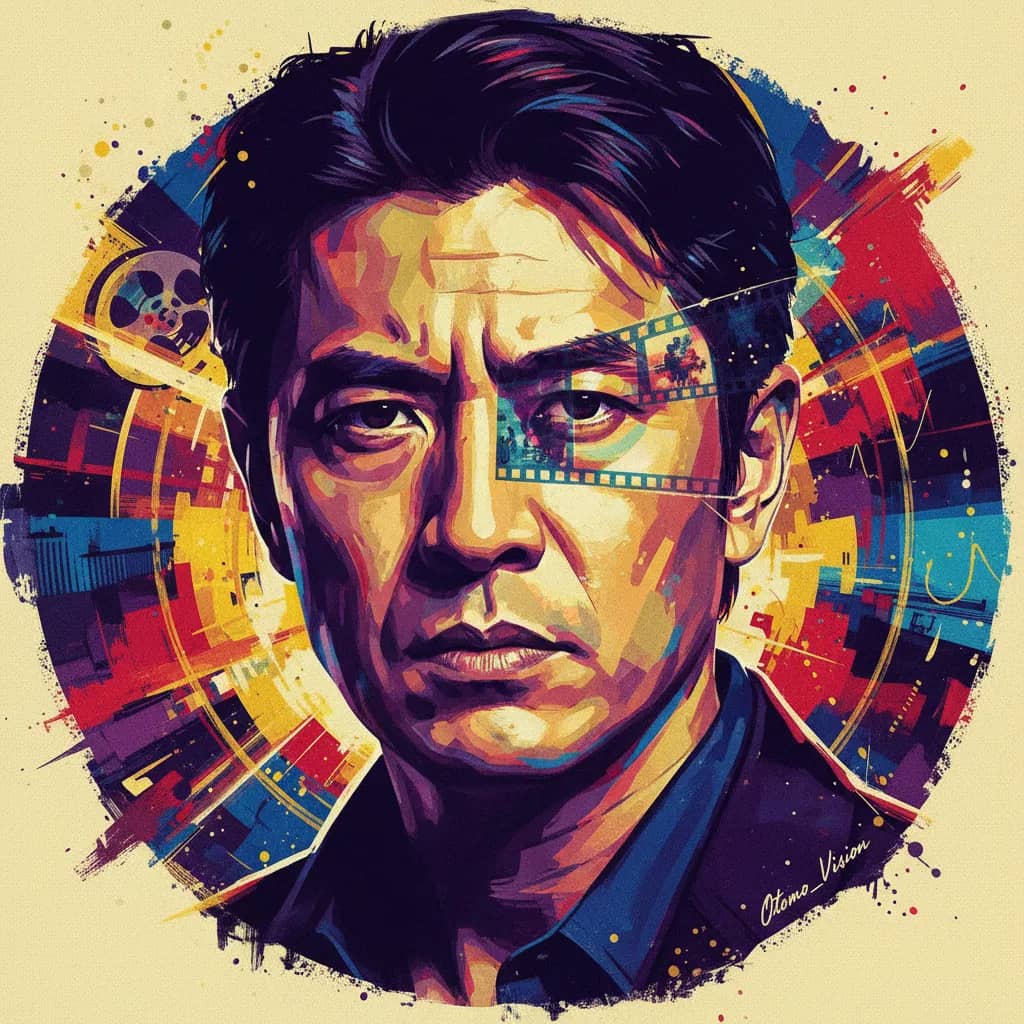
Keishi Otomo
Keishi Otomo is a Japanese film director renowned for his exceptional work in the action-adventure genre. Otomo's notable filmography includes the highly acclaimed "Rurouni Kenshin" trilogy, comprising "Rurouni Kenshin Part I: Origins" (2012), "Rurouni Kenshin Part II: Kyoto Inferno" (2014), and "Rurouni Kenshin: The Legend Ends" (2014). These films have solidified Otomo's reputation as a masterful director with a unique vision, firmly establishing him as a leading figure in the Japanese film industry. Otomo's directorial style is characterized by his adeptness in capturing intense action sequences while infusing profound emotional depth into his storytelling. His meticulous attention to detail and ability to seamlessly blend dynamic fight choreography with compelling character development sets him apart in the realm of action cinema. Otomo's films often showcase breathtaking visuals and meticulous period detail, transporting audiences to the vivid world of historical Japan. A recurring theme in Otomo's work is the exploration of redemption, honor, and the internal conflicts faced by his protagonists. His films delve into the complexities of morality and the struggle for personal transformation, resonating with audiences on a profound level. Otomo's storytelling prowess lies in his ability to infuse his action-packed narratives with philosophical and ethical dilemmas, elevating the genre beyond mere spectacle. Otomo's impact on cinema extends beyond the boundaries of his native Japan, as his "Rurouni Kenshin" trilogy has garnered international acclaim, captivating audiences worldwide. His films have not only redefined the standards for action-adventure cinema but have also contributed to the global appreciation of Japanese filmmaking. Otomo's unique vision and directorial finesse have left an indelible mark on the industry, inspiring a new generation of filmmakers and captivating audiences with his unparalleled storytelling. In summary, Keishi Otomo stands as a visionary director whose prowess in crafting captivating narratives and breathtaking action sequences has cemented his legacy in cinema. His "Rurouni Kenshin" trilogy serves as a testament to his exceptional talent, and his contributions continue to shape and redefine the landscape of action-adventure filmmaking. With a keen eye for detail and an innate ability to infuse depth into his work, Otomo remains a cinematic force to be reckoned with, leaving an enduring impact on the world of cinema.

Kelly Asbury
Kelly Asbury was a celebrated director known for his exceptional contributions to the world of animation. He cemented his status as a visionary director with a distinct flair for crafting heartwarming stories and captivating visuals. Asbury's directorial style was characterized by his ability to infuse animated worlds with depth, emotion, and humor, making his films appealing to audiences of all ages. With a career spanning several iconic films, Asbury made an indelible mark on the industry, leaving a legacy that continues to inspire aspiring filmmakers and entertain audiences worldwide. One of Asbury's most notable directorial achievements was "Smurfs: The Lost Village" (2017), a delightful animated adventure that showcased his creative prowess. The film exemplified Asbury's ability to breathe new life into beloved characters while delivering a compelling and visually stunning narrative. His directorial finesse was also on display in "Gnomeo & Juliet" (2011), a charming retelling of the classic love story set against the backdrop of warring garden gnomes. Asbury's unique touch was evident in the film's seamless blend of humor, romance, and adventure, making it a standout in the animated film landscape. Asbury's impact on cinema extended beyond his directorial endeavors, as he played a pivotal role in shaping the success of blockbuster hits such as "Shrek 2" (2004). His creative input and directorial acumen contributed to the film's widespread acclaim and box office triumph, solidifying his reputation as a director capable of delivering commercial and critical success. Furthermore, Asbury's directorial contribution to "Spirit: Stallion of the Cimarron" (2002) demonstrated his versatility in bringing to life a captivating tale of friendship, freedom, and adventure through animation. Throughout his career, Asbury consistently demonstrated a propensity for weaving timeless themes of friendship, love, and self-discovery into his directorial projects, endearing him to audiences and critics alike. His ability to infuse animated worlds with emotional depth and relatable characters set him apart as a director with an innate understanding of storytelling and visual storytelling. Asbury's legacy continues to resonate in the world of animation, where his influence remains palpable, and his films continue to enchant and inspire audiences of all generations. In conclusion, Kelly Asbury's directorial career was characterized by a unique vision and an unwavering commitment to bringing imaginative stories to life through animation. His notable films, including "Smurfs:

Kelly Fremon Craig
Kelly Fremon Craig is an accomplished film director known for her unique blend of comedy and drama, as evidenced in her notable work "The Edge of Seventeen" (2016). Throughout her career, Craig has demonstrated a keen ability to capture the complexities of adolescence with authenticity and humor, establishing herself as a distinctive voice in the world of cinema. In "The Edge of Seventeen," Craig masterfully navigates the tumultuous journey of a high school student, played by Hailee Steinfeld, as she grapples with the challenges of friendship, family dynamics, and self-discovery. The film's sharp wit, heartfelt moments, and relatable characters showcase Craig's directorial style, characterized by her ability to infuse emotionally resonant narratives with a refreshing sense of humor. Notably, Craig's directorial debut with "The Edge of Seventeen" garnered widespread acclaim for its insightful exploration of teenage angst and the complexities of growing up. Her ability to authentically capture the emotional turbulence of adolescence has solidified her status as a director with a keen understanding of the human experience, particularly during the formative years of youth. One of Craig's recurring themes is the portrayal of authentic and multifaceted characters who grapple with the universal challenges of identity, relationships, and personal growth. Her films resonate with audiences due to their genuine portrayal of the human experience, creating a lasting impact on viewers and establishing Craig as a director with a distinctive and relatable storytelling approach. Kelly Fremon Craig's impact on cinema is evident through her ability to create poignant coming-of-age narratives that transcend genre conventions. Her directorial vision, characterized by its emotional depth and comedic flair, has left an indelible mark on the film industry, inspiring audiences and aspiring filmmakers alike. As she continues to shape compelling stories that resonate with viewers, Craig's contributions to cinema are sure to endure as a testament to her talent and artistry.