Director Names Starting with K
Showing 1-12 out of 172

Kaare Andrews
Kaare Andrews is a Canadian director known for his unique vision and contributions to the horror and sci-fi genres. With a career spanning over a decade, Andrews has established himself as a distinct voice in the film industry. He is best recognized for his directorial work on "Altitude" (2010) and "The ABCs of Death" (2012), where he showcased his talent for delivering compelling narratives within the realms of horror, mystery, sci-fi, and comedy. Andrews' directorial style is characterized by a keen sense of visual storytelling and a knack for creating tension and suspense. His films often feature a blend of atmospheric cinematography, intense pacing, and striking visuals that immerse audiences into the worlds he creates. "Altitude" exemplifies Andrews' ability to craft a claustrophobic and chilling atmosphere within the confines of a single location, while "The ABCs of Death" demonstrates his versatility in navigating the realms of horror and comedy with a unique and inventive approach. Notable themes that resonate throughout Andrews' work include the exploration of human fear, the unknown, and the psychological complexities of his characters. His films often delve into the darker aspects of human nature, offering audiences a thought-provoking and immersive experience. Andrews' impact on cinema lies in his ability to push creative boundaries, challenge genre conventions, and deliver fresh perspectives that captivate and engage audiences. As a director, Kaare Andrews has carved out a niche for himself by infusing his projects with a distinct visual flair and a commitment to storytelling that resonates with audiences. His dedication to crafting memorable and impactful narratives has solidified his position as a director to watch in the world of genre filmmaking. With a promising career ahead, Andrews continues to leave his mark on the industry with his innovative approach to filmmaking and a commitment to delivering captivating and unforgettable cinematic experiences.

Kabir Khan
Kabir Khan is a highly acclaimed Indian film director known for his distinctive storytelling and visually captivating narratives. With a diverse filmography that spans across various genres, Khan has made a significant impact on Indian cinema through his thought-provoking and emotionally resonant films. His directorial style is characterized by a seamless blend of powerful storytelling, compelling characters, and striking visuals, which have garnered him a dedicated fan base and critical acclaim. One of Khan's notable works is "New York" (2009), a gripping crime drama that delves into the complexities of post-9/11 racial profiling and its impact on individuals. The film's intense narrative and nuanced portrayal of its characters established Khan as a director with a keen eye for social and political issues. "Bajrangi Bhaijaan" (2015), another milestone in Khan's career, showcased his versatility as a director by seamlessly blending action, adventure, and comedy while delivering a heartwarming story about the bond between a young mute girl and an earnest man striving to reunite her with her family across the border. Khan's directorial prowess is further exemplified in "Once There Was a Tiger," a compelling action-adventure romance that highlights his ability to craft visually stunning sequences and evoke profound emotions through his storytelling. His recurring themes often revolve around human resilience, compassion, and the triumph of the human spirit, reflecting his commitment to portraying stories that resonate deeply with audiences. Kabir Khan's impact on Indian cinema is undeniable, as he continues to push boundaries and challenge conventional narratives, earning him a reputation as a visionary director with a unique ability to connect with audiences on a profound level. His contributions have solidified his position as one of the most influential directors in contemporary Indian cinema, and his work continues to inspire and captivate audiences worldwide.
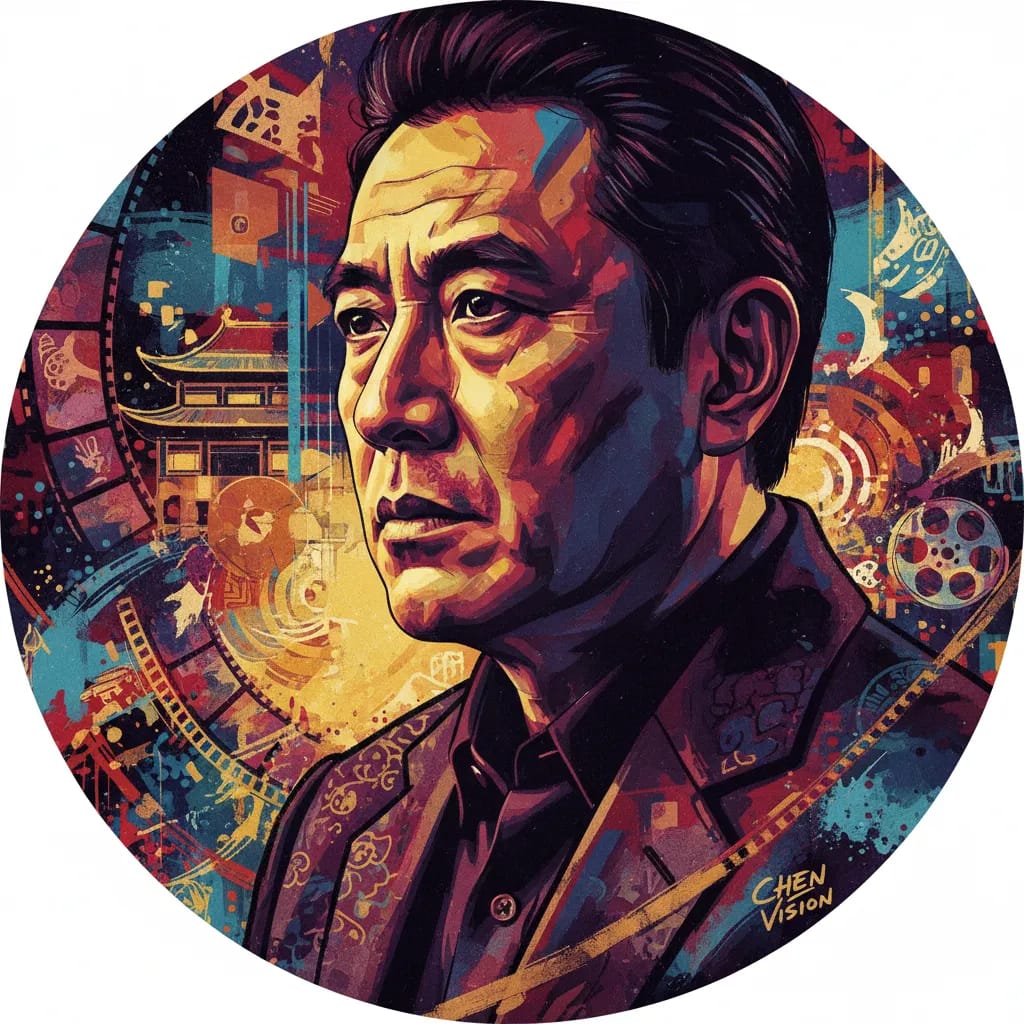
Kaige Chen
Kaige Chen is a renowned Chinese film director known for his visually stunning and emotionally resonant works that have left an indelible mark on global cinema. Born on August 12, 1952, in Beijing, China, Chen's early exposure to artistic and intellectual circles greatly influenced his directorial style. Graduating from the Beijing Film Academy in 1982, he quickly rose to prominence as a leading figure in the Chinese Fifth Generation film movement, a group of filmmakers who challenged traditional cinematic conventions and explored complex social and political themes. Chen's directorial prowess truly came to the fore with his magnum opus, "Farewell My Concubine" (1993). This epic drama, set against the backdrop of China's tumultuous history, beautifully captures the intricacies of love and friendship amidst political upheaval. The film's success catapulted Chen to international acclaim, earning him the Palme d'Or at the Cannes Film Festival and garnering widespread critical acclaim. In "Ba wang bie ji" (1993), also known as "Farewell My Concubine," Chen skillfully intertwines the worlds of Peking opera and real-life drama to create a multi-layered narrative that delves into the complexities of gender, identity, and societal change. This landmark film not only solidified Chen's reputation as a master storyteller but also showcased his ability to blend historical context with deeply personal narratives. Chen's directorial style is marked by a keen eye for detail, exquisite visual compositions, and a profound understanding of human emotions. His films often delve into the human psyche, addressing themes of love, sacrifice, and the struggle for individual and collective identity. "Killing Me Softly" (2002) further exemplifies Chen's ability to weave intricate mysteries within the framework of compelling romantic dramas, demonstrating his versatility as a director. With a career spanning several decades, Kaige Chen continues to leave an indelible mark on the world of cinema. His unique vision and unwavering dedication to storytelling have not only shaped the landscape of Chinese cinema but have also left an enduring impact on the global film industry. As a visionary director, Chen's contributions to the art of filmmaking are characterized by their profound emotional depth, thematic richness, and visual splendor, cementing his legacy as a cinematic trailblazer.

Kamal Haasan
Kamal Haasan, the iconic Indian actor and filmmaker, has left an indelible mark on the world of cinema with his diverse and impactful directorial ventures. With a career spanning over five decades, Haasan is renowned for his distinctive directorial style that seamlessly blends innovation, social commentary, and compelling storytelling. He is celebrated for his ability to navigate across genres, from action-packed thrillers to heartwarming family dramas, showcasing his versatility and creative prowess. One of his most notable directorial endeavors is the 2013 action thriller "Vishwaroopam," a film that exemplifies Haasan's penchant for pushing boundaries and exploring complex themes. Through this film, he masterfully intertwines adrenaline-pumping action sequences with thought-provoking narratives, solidifying his status as a visionary director in the Indian film industry. Additionally, Haasan's 1997 comedy-drama "Chachi 420" stands as a testament to his ability to infuse humor and emotion, showcasing his range as a filmmaker. Haasan's directorial repertoire also includes the historical drama "Hey Ram" (2000), a film that delves into the complexities of human emotions and political turmoil. Known for his thought-provoking storytelling, Haasan consistently incorporates social and political commentary into his films, sparking conversations and challenging societal norms. With a keen eye for detail and a commitment to authenticity, Haasan's directorial style captivates audiences while shedding light on a diverse array of themes. His impact on cinema extends beyond the screen, as he continues to inspire aspiring filmmakers to fearlessly pursue their creative visions, regardless of societal constraints. Kamal Haasan's directorial contributions have not only redefined Indian cinema but have also earned him a revered status as a trailblazer in the world of filmmaking. His unwavering dedication to storytelling and his ability to seamlessly traverse genres have solidified his place as a visionary director, leaving an indelible legacy that continues to shape the landscape of cinema.

Kamal Tabrizi
Kamal Tabrizi is an influential Iranian film director known for his distinct style and unique storytelling. With a career spanning several decades, Tabrizi has made a significant impact on the Iranian film industry, earning acclaim for his thought-provoking narratives and engaging characters. His notable film, "The Lizard" (2004), is a testament to his directorial prowess, combining comedy and drama to create a compelling and entertaining cinematic experience. Tabrizi's directorial style is characterized by his ability to seamlessly blend humor with deeper social commentary, creating films that resonate with audiences on multiple levels. "The Lizard" exemplifies this approach, as it follows the story of a convict who escapes from prison by disguising himself as a cleric, leading to a series of comical and poignant encounters. Through his work, Tabrizi has demonstrated a keen understanding of human nature and societal issues, using his films as a platform to explore complex themes with sensitivity and depth. Throughout his career, Tabrizi has consistently delved into themes of identity, morality, and the human condition, offering audiences thought-provoking narratives that challenge conventional perspectives. His ability to infuse his films with humor while addressing serious subjects has set him apart as a visionary director with a unique storytelling voice. Tabrizi's contributions to Iranian cinema have been widely recognized, cementing his status as a trailblazer in the industry. As a director, Kamal Tabrizi has left an indelible mark on the Iranian film landscape, captivating audiences with his compelling narratives and innovative approach to storytelling. His ability to craft films that resonate with both humor and depth has solidified his reputation as a visionary director with a lasting impact on cinema. With a career defined by insightful storytelling and memorable characters, Tabrizi continues to be a celebrated figure in the world of film, leaving an enduring legacy through his exceptional body of work. In conclusion, Kamal Tabrizi's directorial career is distinguished by his ability to create films that entertain, provoke thought, and resonate deeply with audiences. His unique vision and storytelling prowess have earned him a well-deserved place among the most influential directors in Iranian cinema, and his impact on the industry continues to be felt to this day.
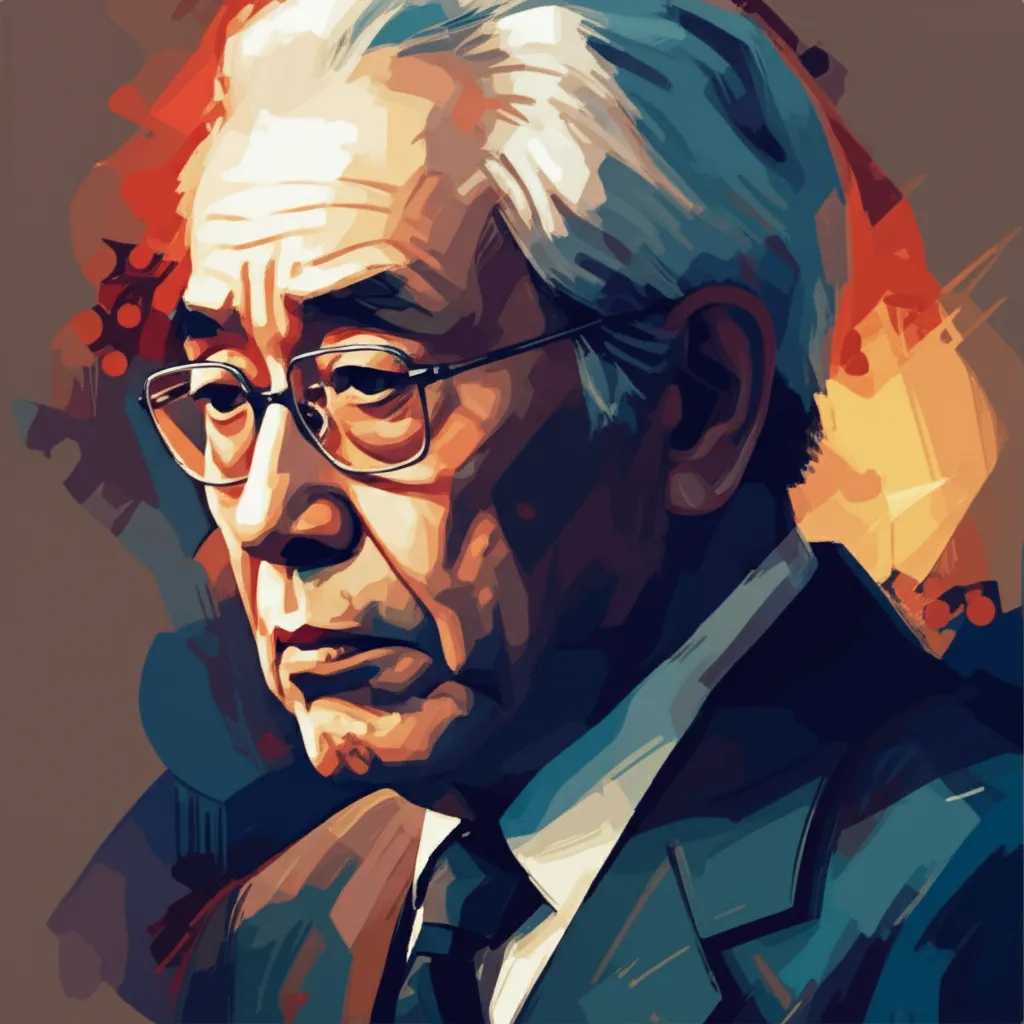
Kaneto Shindô
Kaneto Shindô was a visionary Japanese film director known for his profound impact on world cinema. Born in 1912, Shindô began his career as a scriptwriter and assistant director, eventually establishing himself as a prolific and influential filmmaker. His directorial style was characterized by a deep understanding of human emotions, stunning visual storytelling, and a unique blend of traditional Japanese aesthetics with contemporary themes. One of Shindô's most notable and influential works is the 1964 film "Onibaba." This haunting and atmospheric drama-horror-thriller is set in feudal Japan and follows the story of two women living in a remote, war-torn marshland, who lure wandering samurai to their deaths. "Onibaba" is celebrated for its eerie and evocative visuals, intense performances, and its exploration of primal human instincts and the impact of war on individuals. The film's atmospheric and haunting imagery showcases Shindô's masterful use of cinematography and his ability to create a deeply immersive experience for the audience. Throughout his career, Shindô frequently explored themes of human resilience, the impact of war, and the complexities of human relationships. His films often delved into the psychological and emotional depths of his characters, portraying their struggles and triumphs with profound sensitivity and insight. Shindô's directorial approach was marked by a deep reverence for Japanese culture and traditions, which he seamlessly integrated into his storytelling, creating films that were both visually stunning and thematically rich. Kaneto Shindô's contributions to cinema have left an indelible mark on the industry, inspiring countless filmmakers and captivating audiences around the world. His profound understanding of the human condition, coupled with his mastery of visual storytelling, has solidified his legacy as a true auteur. Shindô's films continue to be celebrated for their timeless relevance, compelling narratives, and their ability to resonate with audiences on a deeply emotional level, cementing his status as one of the most influential directors in the history of Japanese cinema.

Kangana Ranaut
Kangana Ranaut is an acclaimed Indian actress who made her directorial debut with the historical epic "Manikarnika: The Queen of Jhansi" in 2019. The film, which falls under the action, biography, and drama genres, marked Ranaut's foray into directing, showcasing her multifaceted talents in the Indian film industry. Ranaut's directorial style is characterized by her meticulous attention to detail and her ability to capture powerful and emotive performances from her actors. "Manikarnika" exemplifies Ranaut's dedication to bringing historical narratives to life on the big screen, with its grand scale and intense action sequences. Her directorial debut solidified her status as a versatile talent, proving her capabilities behind the camera as well as in front of it. Notable for her fearless approach to storytelling, Ranaut's films often explore themes of female empowerment, resilience, and the complexities of human emotion. "Manikarnika" is a testament to her commitment to portraying strong, independent female characters who defy societal norms and challenge the status quo. Ranaut's directorial vision has left a lasting impact on Indian cinema, inspiring audiences and fellow filmmakers alike with her unapologetic storytelling and bold directorial choices. As a director, Ranaut's influence extends beyond the screen, as she continues to push boundaries and spark important conversations within the industry. Her directorial debut serves as a testament to her dedication to bringing untold stories to the forefront, showcasing her ability to tackle ambitious projects with grace and precision. Ranaut's unique perspective and contributions as a director have undoubtedly left an indelible mark on the world of Indian cinema, setting the stage for even more groundbreaking work in the future.

Kang Je-kyu
Kang Je-kyu is a South Korean film director known for his powerful storytelling, visually stunning cinematography, and intense action sequences. With a distinct directorial style that blends heart-wrenching drama with adrenaline-pumping action, Kang has made a significant impact on the world of cinema. His notable films often revolve around themes of patriotism, friendship, and the human spirit amidst the backdrop of war and conflict. In 2004, Kang Je-kyu's magnum opus, "Tae Guk Gi: The Brotherhood of War," took the international film community by storm. This epic war drama, set during the Korean War, follows the journey of two brothers who are forcibly drafted into the conflict. The film's unflinching portrayal of the harsh realities of war, coupled with breathtaking battle sequences, solidified Kang's reputation as a masterful director capable of capturing raw human emotions within the chaos of war. Following the success of "Tae Guk Gi," Kang Je-kyu continued to showcase his directorial prowess with "My Way" in 2011. This action-packed historical drama, set against the backdrop of World War II, follows the intertwined destinies of two men from different countries as they navigate the horrors of war. Once again, Kang's ability to intertwine intense action with deeply emotional storytelling captivated audiences and critics alike, further cementing his status as a visionary filmmaker. Kang Je-kyu's directorial style is characterized by his meticulous attention to detail, immersive storytelling, and the ability to evoke powerful performances from his actors. His films often explore the human cost of war, the bonds of brotherhood, and the resilience of the human spirit in the face of adversity. Kang's influence on cinema extends beyond South Korea, as his films have resonated with global audiences, earning him a reputation as a director with a unique vision and an unparalleled ability to craft emotionally resonant narratives. Overall, Kang Je-kyu's impact on cinema is undeniable. His directorial contributions have not only elevated the war drama genre but have also set a new standard for storytelling and visual spectacle in filmmaking. As a visionary director, Kang Je-kyu continues to inspire audiences with his gripping narratives, breathtaking visuals, and profound exploration of the human experience in times of conflict.
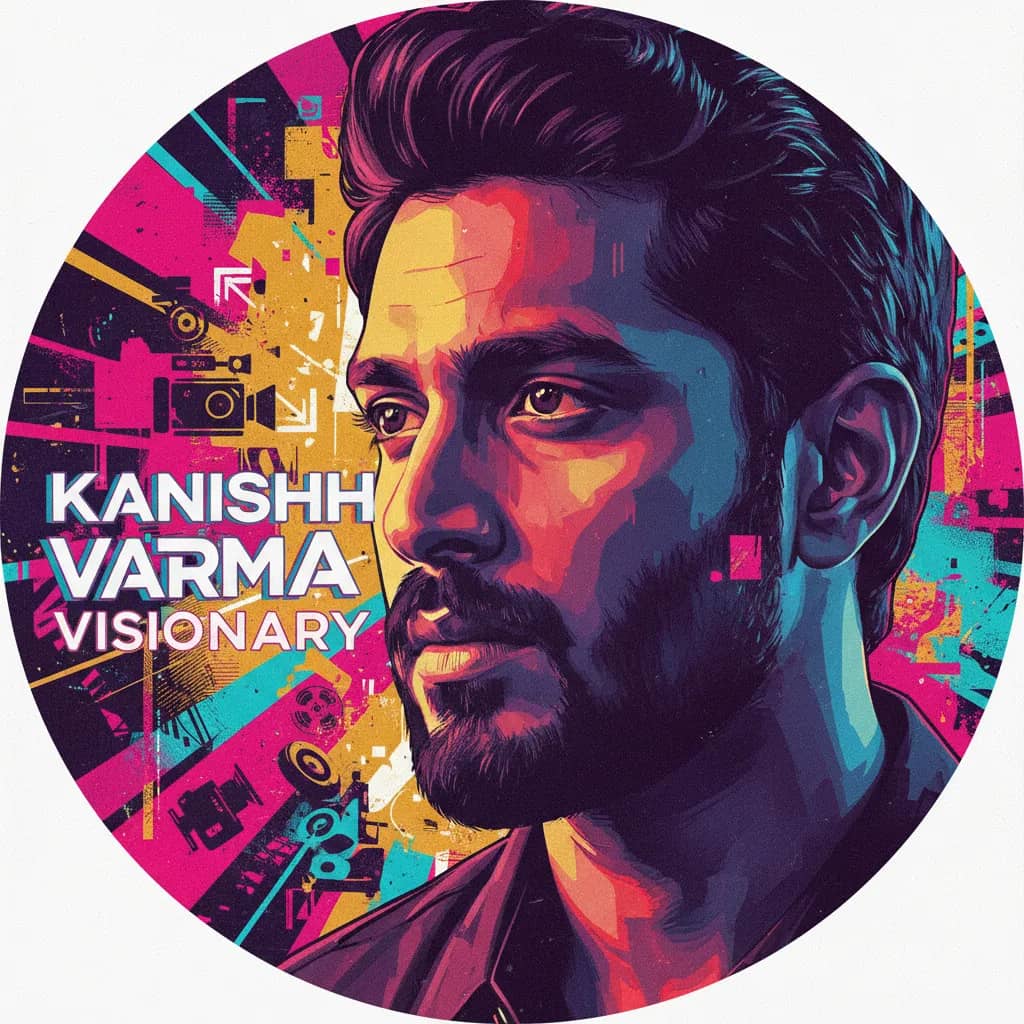
Kanishk Varma
Kanishk Varma is a talented director known for his gripping and visually stunning films, with his most notable work being the action thriller "Sanak" released in 2021. Varma's directorial style is characterized by his ability to seamlessly blend high-octane action sequences with intense drama, creating an immersive and adrenaline-pumping cinematic experience for audiences. "Sanak" stands as a testament to Varma's directorial prowess, showcasing his keen eye for capturing heart-stopping action and crafting compelling narratives. The film has garnered praise for its dynamic storytelling, innovative cinematography, and powerful performances, cementing Varma's reputation as a director capable of delivering edge-of-your-seat entertainment. Varma's films often delve into themes of resilience, courage, and the triumph of the human spirit in the face of adversity. His storytelling is marked by a palpable sense of urgency and tension, keeping viewers on the edge of their seats while also delving into the emotional depth of his characters. In the ever-evolving landscape of cinema, Kanishk Varma's contributions have significantly impacted the action genre, redefining the standards for high-octane filmmaking. His unique vision and commitment to pushing the boundaries of storytelling have solidified his status as a director to watch in the industry. As Varma continues to captivate audiences with his distinct directorial style, his influence on the cinematic landscape is sure to endure for years to come.

Kantemir Balagov
Kantemir Balagov is a rising star in the world of cinema, known for his distinct directorial style and poignant storytelling. Hailing from Russia, Balagov made waves with his critically acclaimed film "Beanpole" (2019), a gripping drama set in the aftermath of World War II. The film not only garnered widespread international acclaim but also earned Balagov the Best Director award in the Un Certain Regard section at the Cannes Film Festival. With "Beanpole," Balagov showcased his remarkable ability to blend raw emotional depth with striking visual storytelling, solidifying his status as a director to watch. Balagov's directorial style is characterized by meticulous attention to detail and an unflinching exploration of human experiences amid harrowing circumstances. His films often delve into the complexities of relationships, trauma, and resilience, offering a deeply immersive and thought-provoking cinematic experience. "Beanpole" exemplifies his penchant for crafting visually arresting sequences that underscore the psychological and emotional turmoil of his characters, while also conveying broader societal themes with profound sensitivity. In "Beanpole," Balagov deftly explores the aftermath of war through the lens of two women grappling with loss and survival in post-World War II Leningrad. The film's haunting portrayal of friendship, trauma, and the struggle to find hope amidst devastation resonated deeply with audiences and critics alike. Balagov's ability to infuse his work with authentic human experiences while weaving in larger socio-political commentary showcases his mastery of the medium and his commitment to pushing artistic boundaries. Balagov's impact on cinema extends beyond his exceptional storytelling skills; he has emerged as a distinct voice in contemporary filmmaking, garnering accolades for his ability to confront challenging subject matter with nuance and empathy. As he continues to carve his path in the film industry, Kantemir Balagov's innovative approach and unwavering dedication to crafting evocative narratives ensure that he remains a director whose work will continue to captivate and resonate with audiences around the globe.
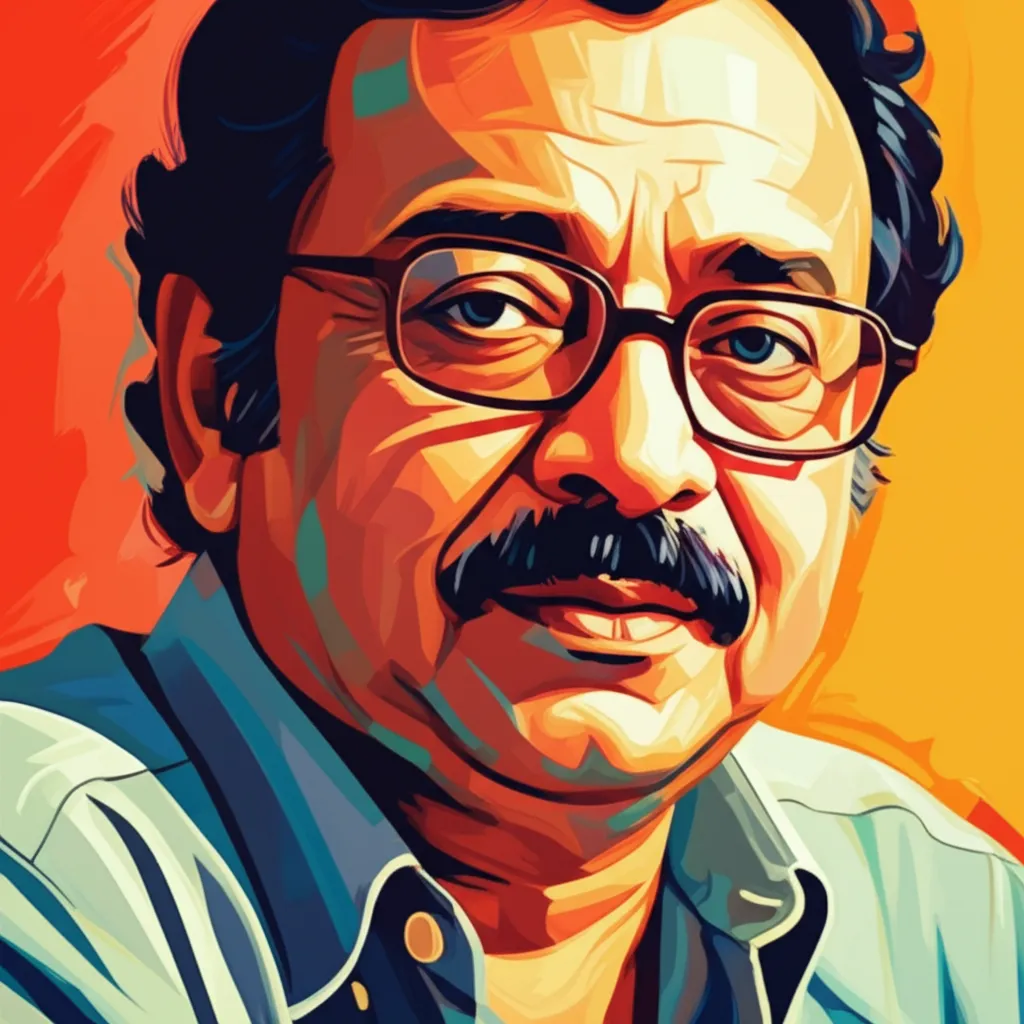
Kanti Shah
Kanti Shah is an Indian film director known for his unique blend of action, comedy, and crime genres. His most notable work includes the cult classic "Gunda" (1998), which has achieved a legendary status in Indian cinema. Shah's directorial style is characterized by over-the-top action sequences, larger-than-life characters, and a distinct blend of humor and drama. His films often feature a unique mix of colorful visuals, catchy dialogues, and memorable performances, making them stand out in the crowded landscape of Indian cinema. One of Kanti Shah's most significant contributions to cinema is his ability to create cult films that have garnered a dedicated fan following over the years. "Gunda" in particular has achieved a cult status, with its quirky dialogues, eccentric characters, and memorable scenes becoming iconic in popular culture. Shah's directorial approach often incorporates elements of camp and kitsch, embracing the absurd and the outrageous to create an unforgettable cinematic experience. Throughout his career, Kanti Shah has demonstrated a knack for infusing his films with a distinct blend of entertainment and escapism. His movies often explore themes of crime, justice, and the triumph of the underdog, resonating with audiences who seek out larger-than-life narratives and characters. Shah's films have left an indelible mark on Indian cinema, inspiring a new generation of filmmakers and earning him a dedicated fan base. In conclusion, Kanti Shah's directorial career has left an enduring impact on Indian cinema, with his unique vision and storytelling prowess setting him apart as a maverick filmmaker. His cult classic "Gunda" continues to be celebrated for its audacious storytelling and has cemented Shah's reputation as a director with a flair for creating memorable and entertaining cinematic experiences. With his distinct directorial style and penchant for creating cult favorites, Kanti Shah has secured his place in the pantheon of Indian filmmakers.

Karan Johar
Karan Johar is one of the most prominent and influential figures in Indian cinema, renowned for his directorial prowess and significant contributions to the film industry. With a directorial career spanning over two decades, Johar has crafted a unique and captivating style that seamlessly blends drama, romance, and musical elements. His films often feature lavish sets, compelling storylines, and memorable soundtracks, captivating audiences with their emotional depth and visual splendor. Johar's directorial debut, "Kuch Kuch Hota Hai" (1998), quickly established him as a formidable force in Bollywood, garnering widespread acclaim for its heartwarming narrative and memorable performances. Known for his adept handling of complex interpersonal relationships, Johar's films often explore themes of love, friendship, and familial bonds. "Kabhi Alvida Naa Kehna" (2006) and "Kabhi Khushi Kabhie Gham..." (2001) exemplify his ability to delve into the intricacies of human emotions, earning accolades for their compelling storytelling and evocative cinematography. In addition to his directorial ventures, Johar has also made significant strides in producing impactful and thought-provoking films, further solidifying his status as a visionary filmmaker. "My Name Is Khan" (2010) stands as a testament to his directorial versatility, delving into socially relevant themes with a nuanced and empathetic approach. Furthermore, his collaboration on the anthology film "Lust Stories" (2018) showcased his willingness to explore unconventional narratives, earning praise for its bold storytelling and compelling performances. Johar's directorial repertoire also includes "Ae Dil Hai Mushkil" (2016) and "Student of the Year" (2012), both of which exemplify his ability to infuse vibrant energy and contemporary flair into his storytelling. With a keen eye for detail and a penchant for crafting visually stunning cinematic experiences, Johar continues to leave an indelible mark on the world of Indian cinema, inspiring a new generation of filmmakers and captivating audiences with his unparalleled directorial vision. His enduring impact on the industry is a testament to his artistry and unwavering commitment to pushing artistic boundaries, solidifying his legacy as a trailblazing director. Key SEO terms: Karan Johar, director, Bollywood, films, Kuch Kuch Hota Hai, Kabhi Alvida Naa Kehna, My Name Is Khan, Ae Dil Hai Mush