Director Names Starting with H
Showing 97-103 out of 103

Hugo Haas
Hugo Haas was a Czech-born film director who made a significant impact on Hollywood during the 1950s. Known for his unique directorial style and penchant for exploring complex human emotions, Haas cemented his reputation through his work in the film "The Girl on the Bridge" (1951), a compelling mix of comedy, drama, and romance. Haas's directorial style was characterized by a keen focus on character-driven narratives and nuanced explorations of human relationships. He had a remarkable ability to capture the raw emotions and vulnerabilities of his characters, drawing audiences into their inner struggles and conflicts. "The Girl on the Bridge" exemplifies Haas's directorial prowess, as he skillfully weaves together a captivating story of love, loss, and redemption, showcasing his adeptness at navigating the complexities of human emotions. Notable for his exploration of themes such as love, betrayal, and the human condition, Haas's films often delved into the intricacies of romantic relationships and the impact of societal norms on personal choices. His directorial vision and storytelling sensibilities set him apart in an era dominated by larger-than-life spectacles, as he focused on intimate, emotionally resonant narratives that left a lasting impression on audiences. Haas's contributions to cinema are undeniable, as he carved a niche for himself in the industry by creating thought-provoking and emotionally charged films that defied convention. His ability to infuse depth and authenticity into his characters and narratives solidified his place as a director of substance, earning him a dedicated following and critical acclaim. Although Haas's directorial career may not have received the widespread recognition it deserved, his impact on cinema remains undeniable, with "The Girl on the Bridge" standing as a testament to his directorial prowess and enduring legacy in the world of filmmaking. Hugo Haas's unique vision and unwavering commitment to storytelling have left an indelible mark on the history of cinema, ensuring that his contributions continue to inspire and resonate with audiences to this day.
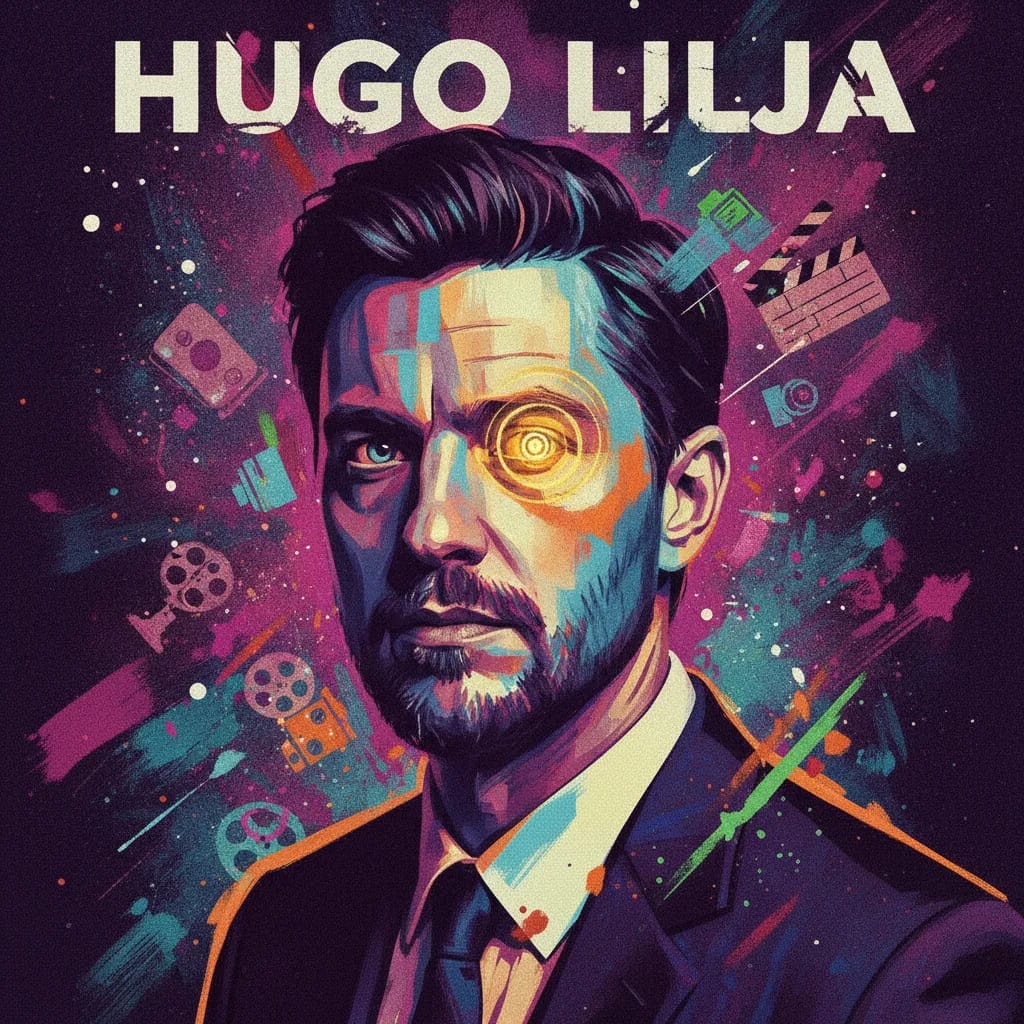
Hugo Lilja
Hugo Lilja is a Swedish director known for his captivating storytelling and visually stunning cinematography. His most notable work includes the 2018 film "Aniara," a thought-provoking drama set in a dystopian future. Lilja's directorial style is characterized by his ability to seamlessly blend genres, combining elements of drama and science fiction to create immersive and engaging narratives. His meticulous attention to detail and ability to evoke powerful emotions from his audiences have established him as a visionary director in the contemporary film industry. "Aniara" stands as a testament to Lilja's directorial prowess, as he skillfully navigates the complexities of human emotion and existentialism within the confines of a sci-fi setting. The film's exploration of the human condition in the face of adversity and despair has resonated with audiences worldwide, earning critical acclaim for its thought-provoking themes and masterful direction. Lilja's ability to infuse his work with profound philosophical undertones showcases his dedication to pushing the boundaries of traditional storytelling, cementing his status as a director unafraid to tackle challenging and intellectually stimulating subject matter. Lilja's films often explore themes of existentialism, human resilience, and the impact of technological advancement on society, reflecting his deep contemplation of the human experience. His unique approach to storytelling and his commitment to pushing the boundaries of conventional narratives have left an indelible mark on the world of cinema. With "Aniara," Lilja has solidified his position as a director with an unparalleled ability to craft visually arresting and thematically rich films that leave a lasting impression on audiences. Hugo Lilja's impact on cinema extends beyond his directorial achievements, as he continues to inspire and influence emerging filmmakers with his innovative approach to storytelling. His ability to seamlessly weave together intricate narratives and compelling visuals has established him as a directorial force to be reckoned with, and his contributions to the film industry are sure to resonate for years to come.
Hun Jang
Hun Jang is a South Korean director known for his powerful storytelling and ability to blend action, drama, and history in his films. His most notable work to date is "A Taxi Driver," a 2017 release that captured international attention for its gripping portrayal of real-life events. The film is set against the backdrop of the 1980 Gwangju Uprising and follows the journey of a taxi driver who becomes unwittingly involved in transporting a foreign journalist to the city, where a brutal crackdown on pro-democracy protesters is taking place. "A Taxi Driver" not only showcases Jang's directorial prowess but also underscores his penchant for delving into historical events and weaving them into compelling narratives. Jang's directorial style is characterized by meticulous attention to detail, immersive storytelling, and a keen understanding of human emotions. His ability to infuse historical context with deeply personal experiences has resonated with audiences and critics alike. "A Taxi Driver" received widespread acclaim for its evocative portrayal of the Gwangju Uprising, shedding light on a pivotal moment in South Korean history. The film's success solidified Jang's reputation as a director with a distinct voice and a talent for bringing important stories to the screen. Throughout his career, Jang has demonstrated a commitment to exploring complex themes such as courage, resilience, and the human spirit in the face of adversity. His films often delve into the sociopolitical landscape of South Korea, offering poignant reflections on the country's history and societal challenges. Jang's work has contributed to a deeper understanding of Korean cinema on the global stage, and "A Taxi Driver" stands as a testament to his ability to craft emotionally resonant and thought-provoking narratives. Hun Jang's impact on cinema extends beyond his individual films, as he has played a pivotal role in shaping the landscape of South Korean cinema. With his unique blend of historical context, compelling storytelling, and emotional depth, Jang has left an indelible mark on the industry. As he continues to pursue projects that push the boundaries of cinematic storytelling, audiences can anticipate further contributions from Jang that are bound to captivate and inspire.
Hunter Richards
Hunter Richards is a director known for his unique storytelling and visual style that effortlessly blends drama and romance. His notable film, "London" (2005), showcases his ability to delve into the complexities of human relationships and emotions. Richards has a talent for capturing the raw and intimate moments that define his characters, and his direction often immerses viewers in a thought-provoking exploration of love, heartbreak, and personal growth. "London" is a prime example of Richards' directorial prowess, as it skillfully navigates the intricacies of love and addiction through a captivating narrative and multidimensional characters. His directorial style is marked by a keen attention to detail, allowing him to create an immersive and emotionally resonant experience for audiences. Richards' films often confront the complexities of human connection, offering a deep and introspective look into the human experience. Throughout his career, Richards has consistently explored themes of self-discovery, emotional turmoil, and the pursuit of happiness. His films often confront the challenges and triumphs of navigating relationships and self-identity, resonating with audiences on a deeply personal level. Richards' impact on cinema lies in his ability to craft authentic and relatable stories that resonate with viewers long after the credits roll. His directorial contributions have enriched the film industry with poignant narratives that challenge conventions and offer a refreshing perspective on the human experience. In conclusion, Hunter Richards' directorial career has been defined by his ability to craft emotionally charged narratives that resonate with audiences on a profound level. His unique vision and directorial style have left an indelible mark on the film industry, offering a fresh and introspective approach to storytelling. As a director, Richards has consistently pushed the boundaries of conventional storytelling, offering audiences a thought-provoking and immersive cinematic experience that lingers long after the final frame.
H. Vinoth
H. Vinoth is a prominent film director in the Indian film industry, known for his distinctive storytelling and directorial style. His filmography boasts a series of action-packed, intense, and gripping narratives that have captivated audiences and critics alike. Vinoth made his directorial debut with "Sathuranga Vettai" (2014), a crime thriller that laid the foundation for his signature directorial approach. His meticulous attention to detail and ability to infuse realism into his narratives have set him apart as a visionary filmmaker. One of Vinoth's most notable works is "Theeran Adhigaram Ondru" (2017), a riveting action-crime thriller that received widespread acclaim for its gritty portrayal of real-life events and impeccable storytelling. The film's success solidified Vinoth's reputation as a director with a keen eye for realism and a knack for crafting compelling narratives. His directorial prowess was further showcased in "Nerkonda Paarvai" (2019), a thought-provoking remake of the acclaimed film "Pink," which delved into social issues and garnered praise for its impactful portrayal of contemporary societal challenges. Vinoth's directorial style is characterized by his ability to seamlessly blend intense action sequences with gripping storytelling, resulting in emotionally resonant cinematic experiences. His upcoming projects, including "Valimai" (2022) and "Thunivu" (2023), are highly anticipated for their promise of delivering high-octane action and compelling narratives, further solidifying Vinoth's position as a director to watch. With each film, Vinoth continues to push the boundaries of storytelling, showcasing a commitment to authenticity and a deep understanding of the human experience. In the realm of Indian cinema, H. Vinoth has made a profound impact by challenging traditional storytelling conventions and elevating the action-crime genre with his unique vision. His ability to craft narratives that resonate with audiences while maintaining a sense of realism has established him as a directorial force to be reckoned with. As he continues to evolve and push the boundaries of cinematic storytelling, Vinoth's contributions to the film industry are poised to leave a lasting impression, inspiring future generations of filmmakers to embrace authenticity and innovation in their craft.
Hwang Dong-hyuk
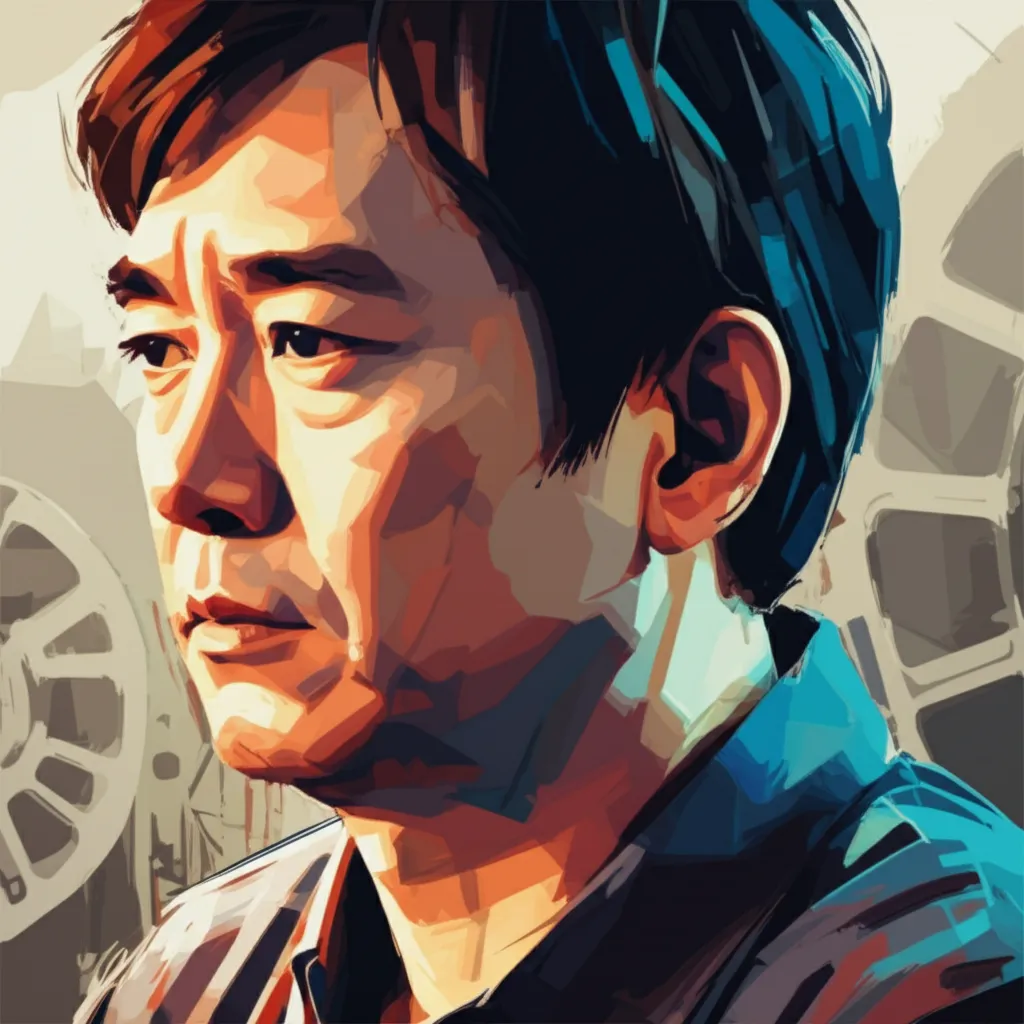
Hwang Dong-hyuk is a South Korean film director known for his impactful storytelling and thought-provoking narratives. His notable film "Silenced" (2011) made a significant impact on both audiences and the industry, shedding light on social issues and advocating for change. Hwang's directorial style is marked by a meticulous attention to detail, compelling character development, and a deep exploration of societal issues. "Silenced" is a harrowing drama that delves into the pervasive issue of sexual abuse in a school for hearing-impaired children. The film's unflinching portrayal of abuse and its consequences sparked national outrage and led to legislative changes, illustrating the power of cinema to effect social change. Hwang's ability to tackle such sensitive subjects with empathy and authenticity underscores his commitment to raising awareness and igniting meaningful conversations through his work. Hwang Dong-hyuk's filmography may be relatively modest, but his impact on cinema is undeniable. His films often explore themes of justice, resilience, and the human spirit in the face of adversity. Through his storytelling, Hwang offers a poignant commentary on the complexities of human nature and the societal structures that shape our lives. His directorial vision resonates with audiences, provoking introspection and fostering a deeper understanding of the world around us. In the realm of South Korean cinema, Hwang Dong-hyuk stands out as a director who fearlessly confronts challenging and controversial subjects, using his platform to amplify marginalized voices and advocate for change. His ability to craft compelling narratives that resonate on a universal level has solidified his reputation as a filmmaker with a distinct and impactful vision. As the global reach of South Korean cinema continues to expand, Hwang's contributions to the industry are poised to leave a lasting impression on audiences worldwide.
Hype Williams
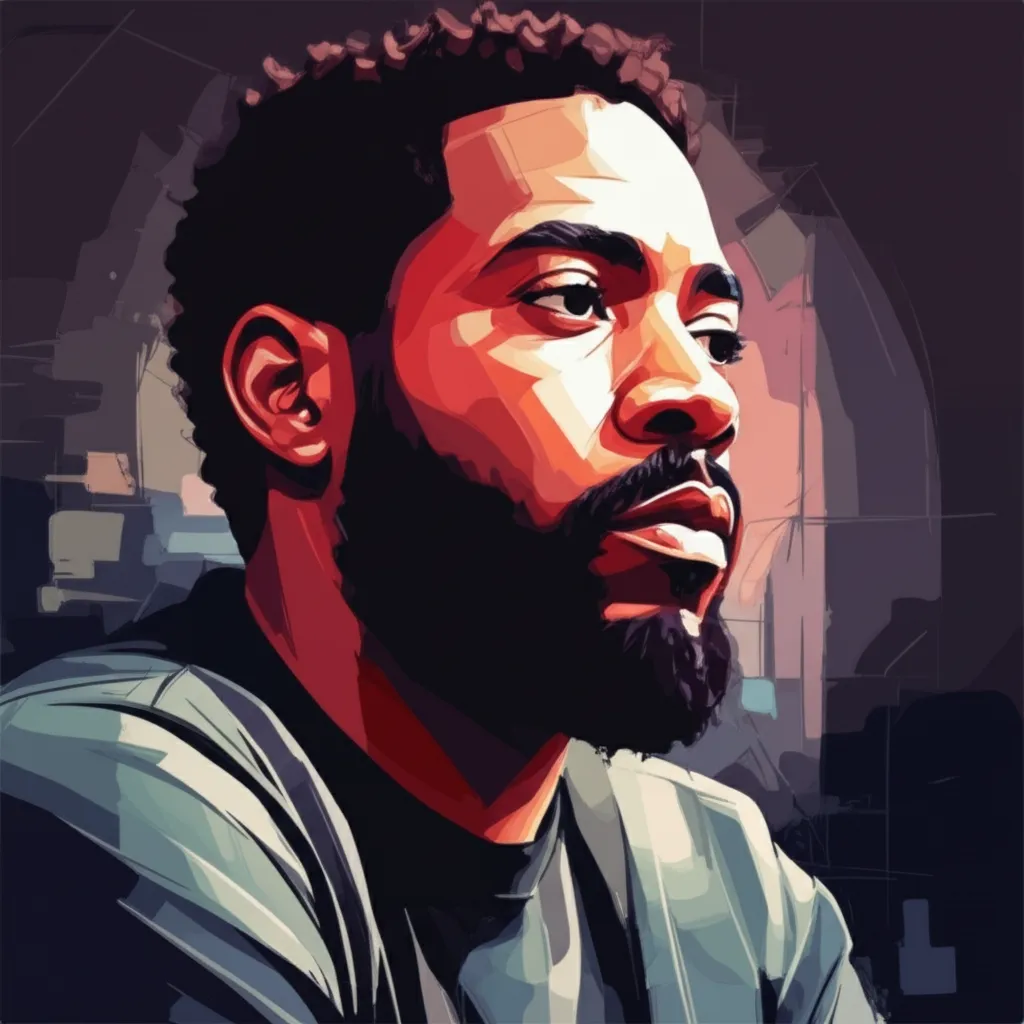
Hype Williams, a trailblazing director known for his visually stunning and innovative approach to filmmaking, has left an indelible mark on the world of cinema. With a career spanning several decades, Williams has been revered for his distinct directorial style, which often features bold, vibrant visuals and a keen eye for capturing the essence of urban culture. One of his most notable films, "Belly" (1998), stands as a testament to his prowess in crafting compelling narratives within the crime and drama genres. Williams' directorial style is characterized by his use of striking cinematography, dynamic camera movements, and a penchant for infusing his films with an electrifying energy that resonates with audiences. His visual storytelling has set him apart as a visionary director, with a penchant for creating immersive and visually arresting cinematic experiences. "Belly" (1998) stands as a testament to Williams' directorial prowess, showcasing his ability to delve into the complexities of urban life while delivering a visually stunning and thought-provoking narrative. The film's raw portrayal of crime, loyalty, and the pursuit of the American dream solidified Williams' reputation as a director unafraid to tackle gritty and authentic subject matter. Throughout his career, Williams has consistently explored themes of identity, ambition, and the human experience, often within the context of urban environments. His films have resonated with audiences for their unapologetic portrayal of the struggles and triumphs of individuals navigating the complexities of urban life. Hype Williams' impact on cinema extends beyond his individual films, as he has influenced a generation of filmmakers with his groundbreaking visual style and unyielding commitment to pushing the boundaries of storytelling. His directorial legacy continues to inspire a new wave of filmmakers to embrace bold, visually-driven narratives that captivate and challenge audiences. As a visionary director, Williams has shaped the landscape of contemporary cinema and remains a celebrated figure in the realm of filmmaking.