Director Names Starting with H
Showing 85-96 out of 103

Houda Benyamina
Houda Benyamina is a French-Moroccan director whose captivating storytelling and unique directorial style have earned her widespread acclaim in the international film community. Her notable film, "Divines" (2016), is a compelling crime drama that showcases Benyamina's ability to immerse audiences in the gritty and complex world of marginalized youths in Paris. The film not only garnered critical praise but also earned the prestigious Caméra d'Or at the Cannes Film Festival, solidifying Benyamina's status as a rising talent in the industry. Benyamina's directorial style is characterized by its raw and unflinching portrayal of societal issues, particularly those affecting marginalized communities. Her films often delve into the experiences of individuals grappling with poverty, discrimination, and the pursuit of their aspirations against formidable odds. Through her lens, Benyamina offers a potent commentary on the human condition, shedding light on the resilience and tenacity of those often overlooked by society. "Divines" stands as a testament to Benyamina's thematic exploration of the complexities of adolescence, the allure of rebellion, and the enduring power of friendship. Her adept handling of these themes, coupled with her knack for crafting emotionally resonant narratives, has positioned her as a director with a distinct and compelling voice in contemporary cinema. In her relatively short but impactful career, Houda Benyamina has made a significant mark on the film industry, both as a storyteller and a filmmaker unafraid to confront societal taboos. Her contributions have not only enriched the cinematic landscape but have also paved the way for underrepresented voices to take center stage. As she continues to evolve as a director, audiences can anticipate more thought-provoking and visually arresting works that challenge conventions and inspire introspection. In conclusion, Houda Benyamina's directorial prowess is a force to be reckoned with, and her impact on cinema is undeniable. Her ability to infuse her films with authenticity, empathy, and unyielding honesty speaks to her status as a visionary director whose work will undoubtedly continue to captivate and provoke audiences for years to come.

Howard Deutch
Howard Deutch is an accomplished film director known for his ability to seamlessly blend comedy, romance, and drama in his work. With a career spanning over three decades, Deutch has left an indelible mark on the film industry with his distinct directorial style and memorable contributions to cinema. Deutch's breakout film, "Pretty in Pink" (1986), solidified his reputation as a director who could expertly navigate the complexities of teenage romance and coming-of-age themes. The film's success catapulted Deutch into the spotlight and set the stage for a series of iconic directorial endeavors. Following the success of "Pretty in Pink," Deutch continued to explore themes of love and adolescence in films such as "Some Kind of Wonderful" (1987), further establishing himself as a master storyteller of human emotions and relationships. In addition to his prowess in capturing the nuances of human connection, Deutch has also delved into the realm of comedy with films like "The Great Outdoors" (1988) and "The Replacements" (2000). His ability to infuse humor with heart has endeared him to audiences and cemented his status as a versatile director capable of eliciting both laughter and introspection. Throughout his career, Deutch has demonstrated a keen eye for creating compelling narratives that resonate with audiences on a profound level. His films often explore the universal themes of love, friendship, and self-discovery, all while showcasing his adeptness at eliciting authentic performances from his actors. This unique directorial vision has not only garnered critical acclaim but has also left an enduring impact on the cinematic landscape. Overall, Howard Deutch's directorial style is characterized by its ability to capture the complexities of human emotion and relationships, often infused with humor and heart. His notable films, including "Pretty in Pink," "Some Kind of Wonderful," and "The Great Outdoors," have showcased his talent for crafting timeless stories that continue to resonate with audiences. With a prolific career marked by memorable directorial achievements, Deutch's contributions to film have solidified his legacy as a visionary director with an unparalleled ability to evoke genuine emotion on the screen.

Howard Franklin
Howard Franklin is an American film director known for his unique, offbeat comedic style and his contributions to the crime genre. His notable filmography includes the 1990 hit "Quick Change," a dark comedy crime film that showcased Franklin's knack for blending humor with suspense. Franklin's directorial approach is characterized by sharp wit, clever storytelling, and a keen eye for detail, making his films memorable and entertaining for audiences. "Quick Change" stands as a testament to Franklin's ability to infuse crime narratives with humor and levity, creating a distinct blend of genres that sets his work apart. The film follows a bank robber who orchestrates a clever heist, only to find himself navigating a series of comedic obstacles while attempting to escape New York City. Franklin's direction brings a refreshing and unconventional perspective to the crime genre, earning him acclaim for his inventive storytelling and comedic timing. Throughout his career, Franklin has demonstrated a talent for exploring themes of absurdity, resilience, and human folly in his films. His directorial style often incorporates elements of satire and dark humor, offering audiences a thought-provoking and entertaining viewing experience. By infusing his work with a distinct blend of comedy and crime, Franklin has carved out a niche for himself in the film industry, leaving a lasting impact on the cinematic landscape. As a director, Howard Franklin's contributions have enriched the comedy and crime genres, offering audiences a fresh take on familiar themes. His ability to seamlessly blend humor with suspense and his unique directorial vision have solidified his status as a filmmaker with a distinct voice. With "Quick Change" and his other directorial endeavors, Franklin has left an indelible mark on cinema, showcasing his talent for crafting engaging narratives that resonate with audiences worldwide.
Howard Hawks
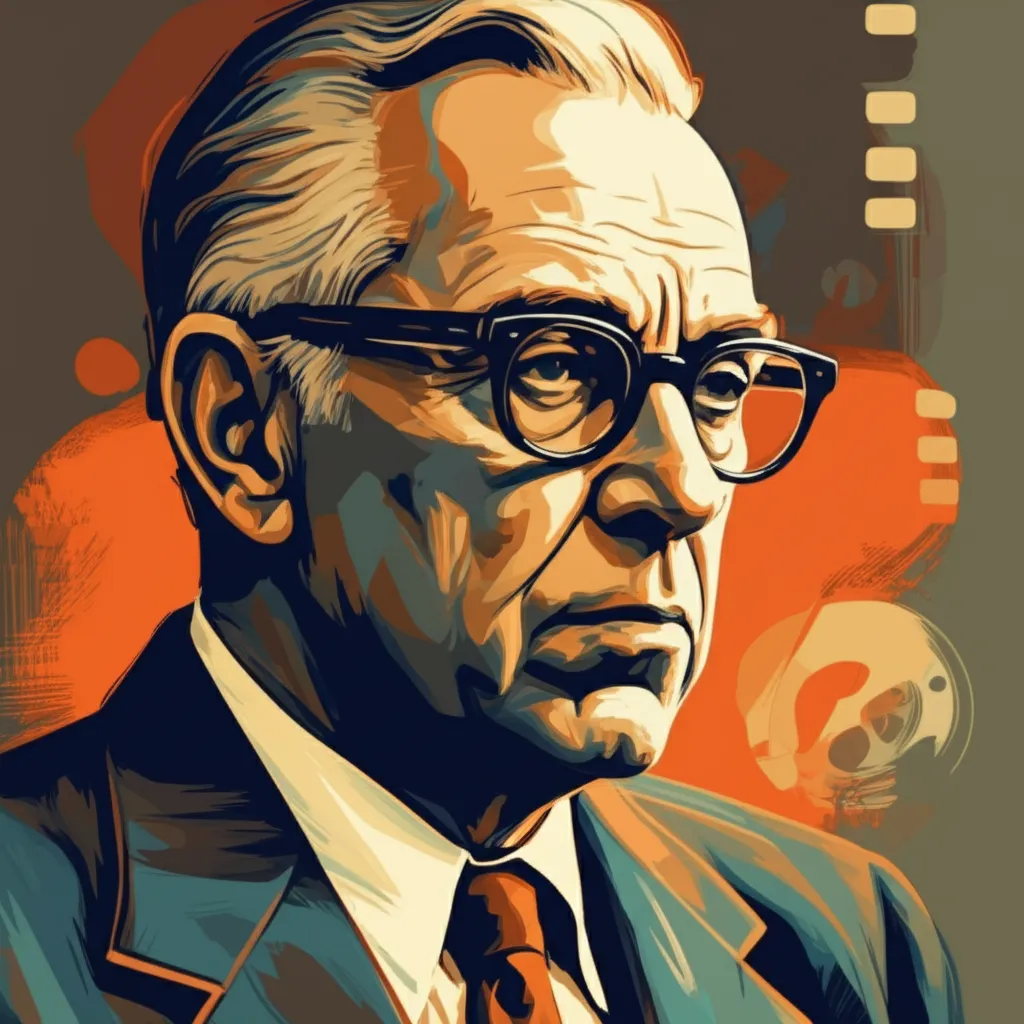
Howard Hawks was a versatile and influential film director known for his mastery across multiple genres. With a career spanning several decades, Hawks left an indelible mark on cinema, crafting timeless classics that continue to resonate with audiences today. His directorial style was marked by a focus on strong character development, witty dialogue, and seamless blend of action and romance. One of Hawks' most iconic works is "His Girl Friday" (1940), a fast-paced comedy that remains a benchmark for screwball comedies. In "Rio Bravo" (1959), Hawks showcased his adeptness at directing action and drama in the Western genre, while "To Have and Have Not" (1944) exemplified his skill at crafting compelling adventure and romance narratives. Hawks' films often featured strong, independent female characters, as seen in "Ball of Fire" (1941) and "Gentlemen Prefer Blondes" (1953), reflecting his progressive approach to storytelling. Notable for his thematic versatility, Hawks seamlessly transitioned from comedies to Westerns, dramas, and even horror with "The Thing from Another World" (1951). His films often explored themes of honor, camaraderie, and the complexities of human relationships, adding depth and resonance to his narratives. Hawks' impact on cinema is evident in the enduring popularity of his films, which continue to be celebrated for their sharp dialogue, memorable characters, and enduring entertainment value. In conclusion, Howard Hawks' directorial legacy is defined by his ability to navigate diverse genres with finesse and creativity, leaving an indelible mark on each. His unique vision and storytelling prowess cemented his status as a cinematic trailblazer, inspiring generations of filmmakers and captivating audiences with his timeless works.

Howard Storm
Howard Storm is an American film and television director, best known for his work in the 1985 comedy-drama fantasy film "Once Bitten." Storm's directorial style is characterized by a sharp wit, a keen sense of timing, and a talent for blending humor with poignant storytelling. His work often showcases a blend of fantastical elements with real-world themes, creating a unique and memorable cinematic experience. In "Once Bitten," Storm demonstrated his ability to infuse a lighthearted comedy with elements of fantasy, as the film follows the story of a vampire countess who preys on high school students. The film was notable for its clever humor, imaginative storytelling, and a charismatic performance by Jim Carrey in one of his early leading roles. Storm's adept direction helped the film achieve a cult following and remains a beloved classic in the comedy-fantasy genre. Throughout his career, Storm has displayed a penchant for exploring the intersection of fantasy and reality, often delving into the human experience with a whimsical touch. His work is underscored by a strong emphasis on character development and emotional resonance, as he deftly weaves humor with deeper themes. Storm's impact on cinema lies in his ability to create films that entertain and resonate with audiences, while offering a fresh perspective on storytelling. With "Once Bitten," Howard Storm cemented his reputation as a director capable of crafting imaginative and entertaining narratives that endure the test of time. His unique vision and contributions to the comedy-fantasy genre have left an indelible mark on cinema, inspiring future filmmakers to explore the limitless possibilities of storytelling. Storm's ability to blend humor, fantasy, and drama has made him a distinctive voice in the film industry, and his work continues to captivate audiences with its charm and originality.

Howard Zieff
Howard Zieff was an American film director known for his ability to infuse comedy with heartwarming drama, creating memorable and endearing films that resonated with audiences. Born in 1927, Zieff's career in directing spanned several decades, leaving an indelible mark on the world of cinema. His directorial style was characterized by a keen understanding of human emotions, coupled with a sharp wit and comedic timing that brought his characters to life on the screen. One of Zieff's most notable films is "Private Benjamin" (1980), a comedy set against the backdrop of the military, starring Goldie Hawn. The film was a commercial success and showcased Zieff's ability to blend humor with social commentary. Another highlight in Zieff's filmography is "My Girl" (1991), a heartwarming coming-of-age story that seamlessly combined comedy and drama. The film's success cemented Zieff's reputation as a director who could elicit genuine emotions from his audience while still delivering moments of levity. In "The Dream Team" (1989), Zieff ventured into the realm of comedy and crime, demonstrating his versatility as a director. His ability to navigate different genres and infuse them with his unique directorial touch set him apart in the industry. Zieff's films often revolved around themes of family, friendship, and the human experience, with a focus on authentic storytelling and character development. Zieff's impact on cinema lies in his ability to create films that resonated with audiences on a profound level. His unique vision and directorial prowess brought a sense of humanity and warmth to the screen, earning him a dedicated following. Zieff's legacy continues to inspire aspiring filmmakers, and his contributions to the world of cinema remain enduring and influential.

Hoyt Yeatman
Hoyt Yeatman is a celebrated American film director known for his work in the animation, action, and adventure genres. His notable directorial debut came with the 2009 film "G-Force," which seamlessly blended groundbreaking visual effects with a thrilling narrative. Yeatman's directorial style is characterized by his ability to bring fantastical worlds to life on screen, captivating audiences with his imaginative storytelling and visually stunning cinematic experiences. "G-Force" stands as a testament to Yeatman's expertise in crafting family-friendly, action-packed adventures that resonate with audiences of all ages. The film showcases his talent for seamlessly integrating live-action and CGI elements, resulting in a truly immersive viewing experience. Yeatman's directorial approach emphasizes the importance of spectacle and excitement, while also infusing his projects with heartwarming themes and relatable characters. Throughout his career, Yeatman has demonstrated a penchant for creating compelling narratives that center around the extraordinary exploits of endearing characters. His directorial vision often revolves around the exploration of teamwork, friendship, and the triumph of the underdog, resonating with audiences on a profound level. Yeatman's commitment to pushing the boundaries of visual storytelling has left an indelible mark on the world of cinema, inspiring a new generation of filmmakers to embrace innovation and imagination. Yeatman's impact on cinema is undeniable, as he continues to be a driving force in the evolution of animation and action genres. His ability to seamlessly blend cutting-edge technology with captivating storytelling has solidified his status as a visionary director. With his unique contributions to the film industry, Hoyt Yeatman has carved out a distinct niche for himself, leaving an enduring legacy that will continue to inspire and entertain audiences for years to come.

Hrishikesh Mukherjee
Hrishikesh Mukherjee was a prolific Indian film director known for his heartwarming and relatable storytelling. With a career spanning over four decades, he left an indelible mark on Indian cinema with his unique directorial style and insightful narratives. Mukherjee's films often delved into the simplicity of everyday life, human relationships, and the comedic nuances of the human experience. His ability to blend humor with poignant storytelling set him apart as a masterful director. Mukherjee's filmography boasts several iconic movies that have stood the test of time. "Anand" (1971) is a poignant drama that explores the themes of life, death, and friendship, and is celebrated for its memorable performances and soul-stirring music. "Chupke Chupke" (1975) is a delightful comedy that showcases Mukherjee's adeptness at creating lighthearted yet thought-provoking narratives. "Gol Maal" (1979) is another classic in his repertoire, known for its seamless blend of comedy and romance, and remains a beloved favorite among audiences. Throughout his career, Mukherjee's directorial style was characterized by its simplicity, authenticity, and emphasis on human emotions. He had a keen eye for capturing the nuances of everyday life and portraying them with sincerity on the silver screen. Mukherjee's films often revolved around the dynamics of family, love, and societal norms, resonating deeply with audiences across generations. His ability to infuse humor and warmth into his narratives made his films universally appealing and timeless. Mukherjee's impact on Indian cinema is immeasurable, as he not only entertained audiences but also influenced a generation of filmmakers. His signature blend of humor, emotion, and relatable storytelling has left an enduring legacy in the world of cinema, inspiring countless directors to explore similar themes and storytelling techniques. Hrishikesh Mukherjee's contributions to film continue to be celebrated, and his films remain a testament to his unparalleled vision and storytelling prowess.
Hsiao-Hsien Hou
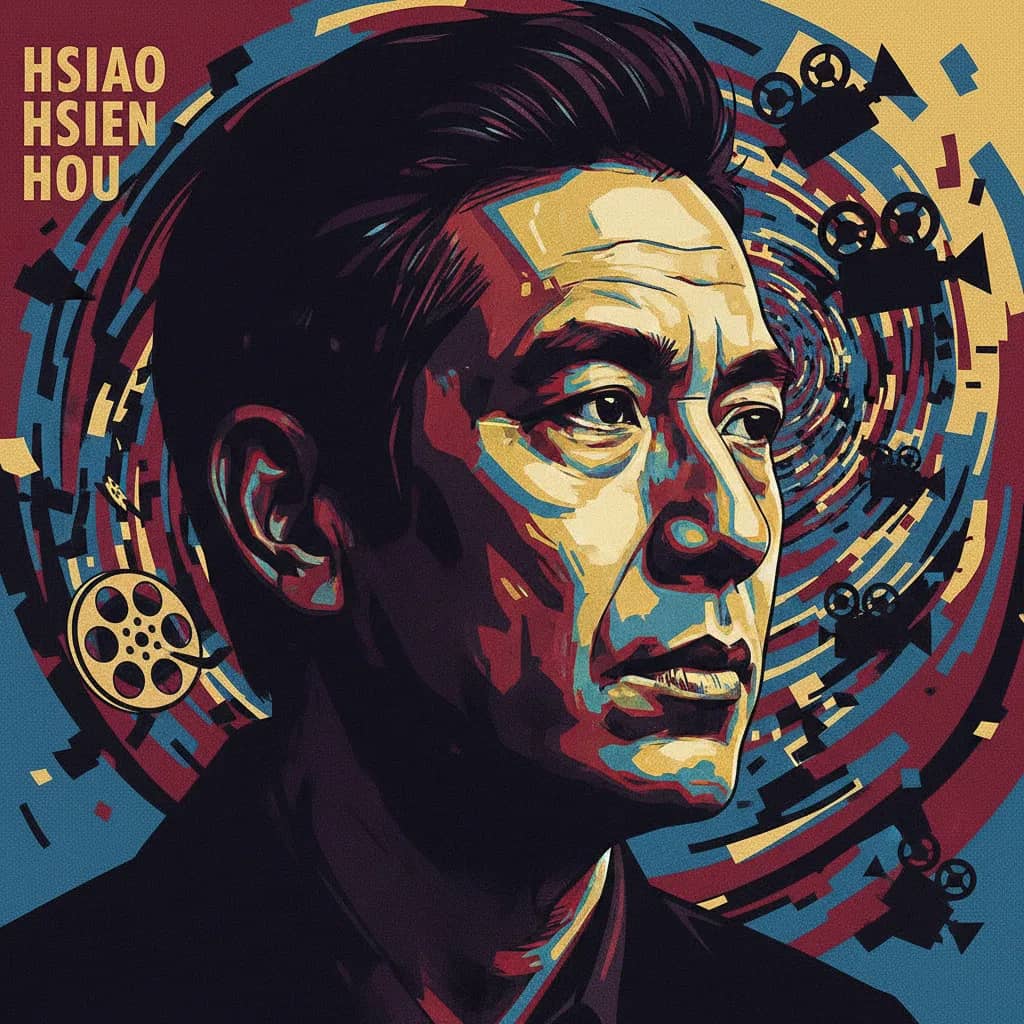
Hsiao-Hsien Hou is a revered Taiwanese film director known for his visually stunning and emotionally resonant works. With a career spanning several decades, Hou has established himself as a master of art house cinema, captivating audiences with his exquisite attention to detail and profound storytelling. His films often explore the complexities of human relationships, cultural identity, and the passage of time, while showcasing a meticulous visual style that has earned him widespread acclaim. One of Hou's most iconic films is "The Assassin" (2015), a breathtaking martial arts epic that garnered international attention for its mesmerizing cinematography and evocative storytelling. Set in 9th century China, the film weaves a tale of honor, duty, and personal sacrifice, all underscored by Hou's trademark atmospheric visuals and contemplative pacing. "The Assassin" exemplifies Hou's ability to infuse historical narratives with a modern sensibility, creating a cinematic experience that is both timeless and profoundly relevant. Throughout his career, Hou has consistently delved into themes of memory, loss, and the human experience, often with a focus on the intersection of tradition and modernity. His directorial style is characterized by long, meditative takes and a keen eye for capturing the beauty of everyday life, allowing audiences to immerse themselves in the rich emotional landscapes of his films. Hou's ability to evoke powerful emotions through subtle, understated storytelling has cemented his status as a visionary director with a unique and profound cinematic voice. Hou's impact on cinema extends far beyond his individual films, as he has inspired countless filmmakers with his innovative approach to storytelling and visual composition. His influence on the world of cinema has been felt not only in Taiwan but also on the global stage, as his work continues to resonate with audiences and critics alike. Hsiao-Hsien Hou stands as a testament to the power of cinema to transcend cultural boundaries and speak to the universal truths of the human experience, solidifying his place as a luminary in the pantheon of visionary directors.

Hugh Hudson
Hugh Hudson is a renowned British film director best known for his exceptional work in the biographical drama and adventure genres. Hudson's directorial debut came in 1981 with the critically acclaimed film "Chariots of Fire," which garnered widespread acclaim and earned him an Academy Award nomination for Best Director. The film's compelling storytelling and Hudson's keen eye for capturing the human spirit through sports made it a timeless classic and a significant milestone in his career. The film's success solidified Hudson's reputation as a director with a unique ability to bring historical narratives to life with authenticity and emotional depth. In 1984, Hudson further showcased his directorial prowess with "Greystoke: The Legend of Tarzan, Lord of the Apes," an epic adventure drama that reimagined the classic tale of Tarzan. The film's stunning visuals and Hudson's adeptness at portraying the complexities of human and animal relationships solidified his status as a versatile director with a penchant for captivating storytelling. Throughout his career, Hudson has exhibited a distinct directorial style characterized by his meticulous attention to detail, evocative visual imagery, and a deep understanding of human emotions and relationships. Hudson's films often explore themes of determination, resilience, and the triumph of the human spirit in the face of adversity. His ability to infuse historical narratives with contemporary relevance and universal themes has left a lasting impact on cinema. Hudson's directorial contributions have not only enriched the film industry but also inspired future filmmakers to approach storytelling with depth and sincerity. As a visionary director, Hudson's influence extends beyond his individual films, serving as an inspiration for aspiring filmmakers and a benchmark for excellence in cinematic storytelling. His legacy is marked by a dedication to bringing compelling stories to the screen with authenticity, emotional resonance, and an unwavering commitment to artistic integrity. With a career spanning decades, Hugh Hudson continues to be celebrated for his unique vision and enduring contributions to the art of filmmaking.
Hugh Wilson
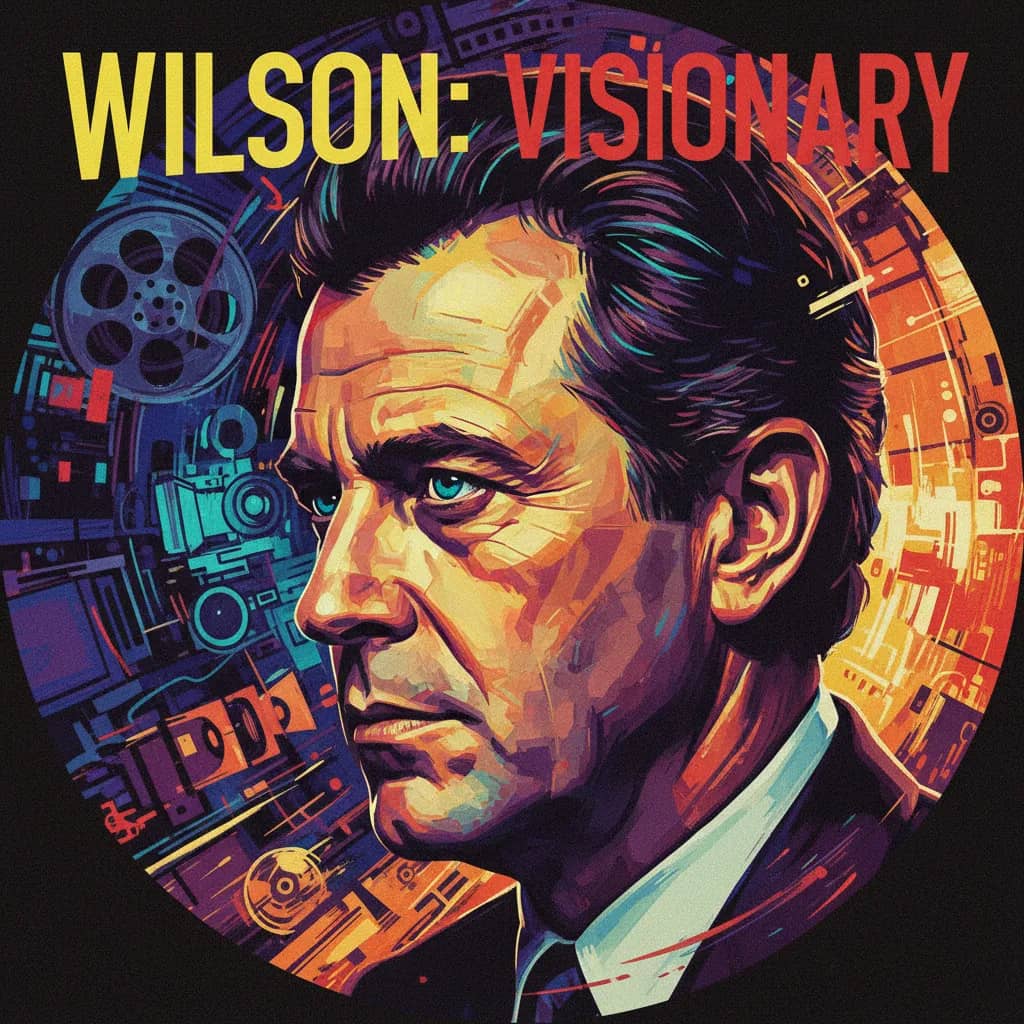
Hugh Wilson was an accomplished film director known for his distinct comedic style and contributions to the world of cinema. He made a significant impact with his unique vision, leaving an indelible mark on the comedy genre. Wilson's directorial career began with the iconic "Police Academy" in 1984, which was a massive box office success and established him as a prominent director in the industry. His ability to blend humor with heart was evident in films like "Guarding Tess" (1994), a comedy-drama that showcased his talent for infusing depth and emotion into his work. In 1996, Wilson directed "The First Wives Club," a comedy that became a cultural phenomenon and further solidified his reputation as a master of the genre. The film, which starred Hollywood heavyweights Bette Midler, Goldie Hawn, and Diane Keaton, showcased Wilson's knack for creating memorable characters and delivering sharp, witty dialogue. This film also underscored his recurring theme of female empowerment and solidarity, which resonated with audiences and critics alike. Wilson's directorial prowess was further demonstrated in "Blast from the Past" (1999), a unique blend of comedy, drama, and romance. The film showcased his versatility as a director and his ability to seamlessly navigate between different genres while maintaining his signature comedic flair. Throughout his career, Wilson consistently delivered films that entertained and resonated with audiences, earning him a dedicated fan base and cementing his legacy as a trailblazer in the comedy genre. Hugh Wilson's impact on cinema is undeniable, as his films continue to be celebrated for their enduring charm and timeless appeal. His directorial style, characterized by sharp wit, heartfelt storytelling, and memorable characters, has left an indelible imprint on the comedy genre. Wilson's ability to infuse humor with genuine emotion and universal themes has made him a beloved figure in the world of film. His legacy lives on through his influential body of work, which continues to inspire and delight audiences to this day.
Hugo Gélin
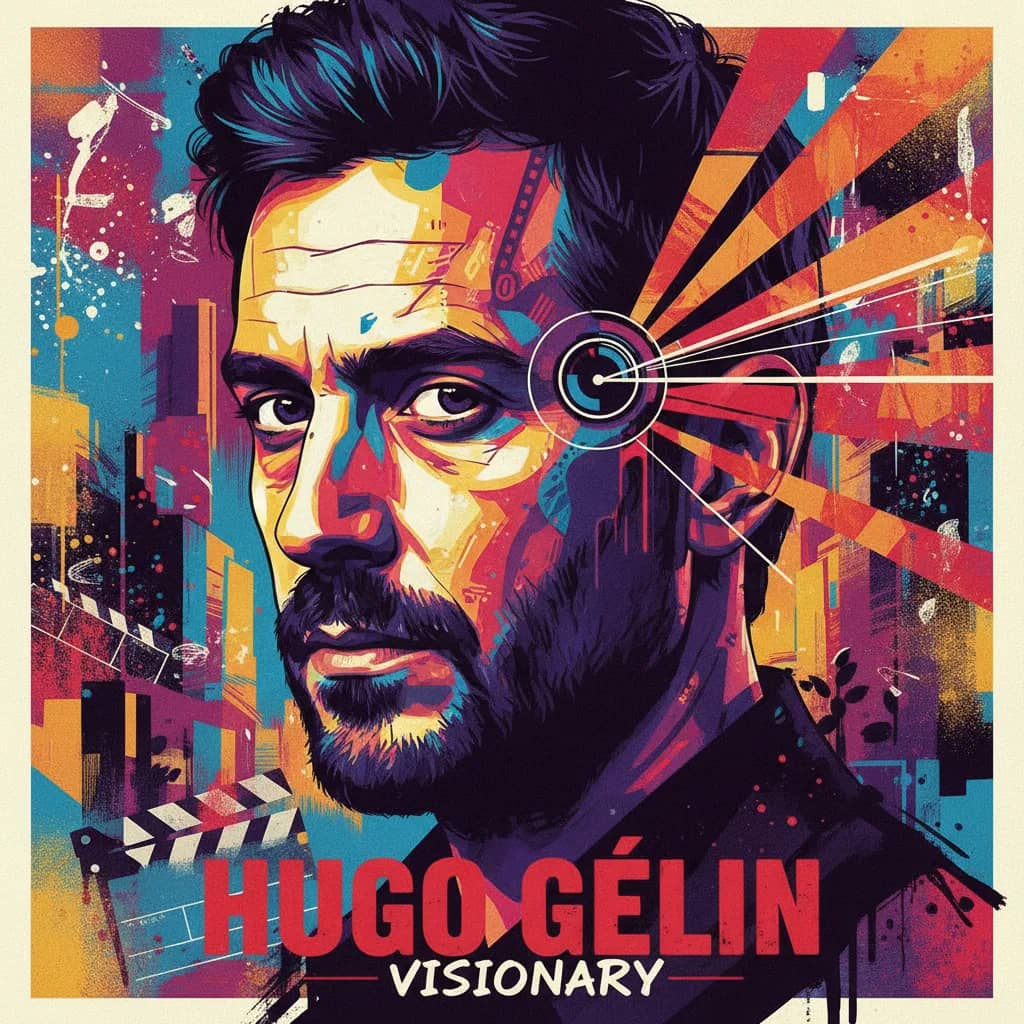
Hugo Gélin is a French director known for his heartwarming and emotionally resonant storytelling. His directorial style is characterized by a deft balance of comedy and drama, often exploring the complexities of human relationships with sincerity and depth. Gélin has made a significant impact on cinema with his ability to craft narratives that tug at the heartstrings while maintaining a sense of levity and humor. Gélin's breakout film, "Two Is a Family" (2016), exemplifies his directorial prowess. This comedy-drama follows the journey of a carefree bachelor whose life is turned upside down when a baby girl is left on his doorstep, leading to a poignant exploration of parenthood, love, and sacrifice. The film received critical acclaim for its heartfelt storytelling and Gélin's adept direction, earning it a special place in the hearts of audiences worldwide. One of Gélin's recurring themes is the transformative power of familial bonds and the resilience of the human spirit. His films often delve into the intricacies of family dynamics, portraying the joys and challenges of parenthood, sibling relationships, and the enduring connections that shape our lives. Gélin's ability to infuse his narratives with authenticity and emotional depth has solidified his reputation as a director with a keen understanding of human nature and the universal experiences that unite us. Gélin's contributions to the cinematic landscape extend beyond his storytelling prowess. His commitment to portraying genuine human experiences with sensitivity and nuance has resonated with audiences, cementing his status as a director with a distinct and impactful vision. With a keen eye for capturing the complexities of human emotions and relationships, Gélin continues to leave an indelible mark on cinema, inspiring audiences and fellow filmmakers alike with his evocative storytelling and empathetic portrayal of the human experience.