Director Names Starting with H
Showing 25-36 out of 103

Hark Tsui
Hark Tsui, a trailblazing Hong Kong director, has left an indelible mark on the global film industry. His innovative directorial style and groundbreaking contributions to action, adventure, and drama genres have solidified his status as a visionary filmmaker. With a career spanning decades, Tsui has helmed an impressive array of films, including the action-packed "Twin Dragons" (1992), the epic "Once Upon a Time in China" (1991), its sequel "Once Upon a Time in China II" (1992), and the mesmerizing "Detective Dee: The Mystery of the Phantom Flame" (2010). Tsui's directorial style is characterized by his masterful blend of kinetic action sequences, compelling storytelling, and visually stunning cinematography. His films often feature intricate fight choreography, breathtaking set pieces, and a strong emphasis on historical and cultural contexts. Tsui's penchant for infusing his narratives with rich character development and thought-provoking themes has garnered him a dedicated global fanbase. Notable for his recurring themes of heroism, societal upheaval, and the clash of tradition and modernity, Tsui has consistently challenged cinematic norms, inspiring a new generation of filmmakers. His groundbreaking work has significantly impacted the action and adventure genres, influencing directors worldwide. Tsui's directorial prowess has elevated Hong Kong cinema onto the international stage, earning him a revered status among film aficionados. With a career marked by critical acclaim and commercial success, Hark Tsui's visionary approach to filmmaking continues to captivate audiences and inspire aspiring directors. His enduring legacy as a cinematic trailblazer underscores his unparalleled contributions to the art of storytelling through the lens of action, adventure, and drama. Hark Tsui's artistry and influence have undoubtedly left an indelible imprint on the fabric of global cinema, solidifying his status as a true visionary in the realm of film direction.

Harmony Korine
Harmony Korine is a renowned American director known for his provocative and unconventional approach to filmmaking. With a career spanning over two decades, Korine has made a significant impact on the indie film scene, pushing boundaries and challenging audiences with his distinctive directorial style. His filmography includes notable works such as "The Beach Bum" (2019), "Gummo" (1997), and "Spring Breakers" (2012), each showcasing his ability to blend dark humor, raw emotion, and social commentary. Korine's directorial style is marked by a raw and gritty aesthetic, often employing non-linear narratives and a documentary-like approach to storytelling. His films are characterized by a visceral and unflinching portrayal of marginalized characters and subcultures, offering a stark and unapologetic glimpse into the underbelly of society. Through his use of handheld cameras, natural lighting, and unscripted dialogue, Korine creates an immersive and unsettling cinematic experience that challenges traditional filmmaking conventions. Notable for his exploration of themes such as alienation, youth culture, and the pursuit of hedonistic pleasures, Korine's films often provoke polarizing reactions from audiences and critics alike. His unapologetic portrayal of taboo subjects and his willingness to confront uncomfortable truths have solidified his reputation as a bold and uncompromising filmmaker. With "The Beach Bum," Korine continues to defy expectations, delivering a vibrant and irreverent comedy that deftly explores the absurdity of the human experience. Korine's impact on cinema extends beyond his directorial work, as he has also made significant contributions as a screenwriter and producer. His uncompromising vision and willingness to confront societal taboos have influenced a new generation of filmmakers, inspiring them to push boundaries and challenge the status quo. As a trailblazer in independent cinema, Korine continues to captivate audiences with his audacious storytelling and uncompromising directorial style, solidifying his legacy as an iconic and influential figure in the world of film.

Harold Becker
Harold Becker is a renowned American film director celebrated for his compelling storytelling and masterful ability to captivate audiences with his distinct directorial style. With a career spanning several decades, Becker has left an indelible mark on the world of cinema with his diverse filmography and impactful contributions to the art form. Becker's directorial style is characterized by a keen focus on character-driven narratives and intense, riveting storytelling. His films often delve into the complexities of human relationships, moral dilemmas, and the darker aspects of society, all brought to life through his meticulous attention to detail and evocative visuals. Becker's ability to create palpable tension and suspense on screen has solidified his reputation as a director with a penchant for crafting gripping and thought-provoking stories. One of Becker's most notable films is "Sea of Love" (1989), a crime drama mystery starring Al Pacino and Ellen Barkin. The film's compelling narrative and Becker's adept direction garnered critical acclaim and solidified his status as a director to watch. "Mercury Rising" (1998), an action crime drama, further showcased Becker's versatility as a director, demonstrating his ability to helm high-octane, adrenaline-pumping films while maintaining a strong focus on character development. Throughout his career, Becker has explored recurring themes such as the complexities of human nature, the thin line between good and evil, and the moral ambiguity that often permeates his characters' journeys. This thematic depth has contributed to the enduring impact of Becker's work on the cinematic landscape, as his films resonate with audiences on a profound and visceral level. Becker's directorial prowess has left an indelible mark on cinema, influencing a generation of filmmakers and captivating audiences with his compelling narratives and nuanced storytelling. His ability to infuse his films with a palpable sense of tension and emotional depth has cemented his legacy as a director whose work continues to be celebrated and studied by cinephiles and aspiring filmmakers alike.

Harold Cronk
Harold Cronk is a talented film director known for his work in the adventure, comedy, and drama genres. His most notable film to date is "God's Not Dead," released in 2014. Cronk's directorial style is characterized by his ability to blend thought-provoking storytelling with engaging visuals, creating films that resonate with audiences on both emotional and intellectual levels. "God's Not Dead" is a prime example of Cronk's directorial prowess, as he skillfully weaves a compelling narrative that delves into faith, belief, and philosophical discourse. The film's success at the box office and its impact on popular culture solidified Cronk's reputation as a director capable of tackling complex, spiritually-driven themes with finesse. Cronk's films often explore the timeless struggle between faith and doubt, offering audiences a fresh perspective on age-old questions. His ability to infuse his work with genuine emotion and relatable characters has cemented his status as a director who can touch the hearts of viewers while challenging them to contemplate deeper existential themes. In the realm of contemporary cinema, Harold Cronk has made a significant impact by carving out a niche for thought-provoking, faith-based storytelling. His commitment to exploring the complexities of human belief and spirituality through the lens of entertainment has earned him a dedicated following and critical acclaim. As Cronk continues to contribute to the film industry, audiences can anticipate more thought-provoking, visually compelling works that push the boundaries of traditional storytelling and offer new perspectives on timeless themes. With his unique vision and dedication to creating impactful cinema, Harold Cronk remains a director to watch in the ever-evolving landscape of filmmaking.

Harold Ramis
Harold Ramis, a prolific director and writer, made an indelible mark on American comedy with his sharp wit, distinctive style, and keen understanding of human nature. Beginning his career as a writer for SCTV and later as a performer and writer on "The National Lampoon Radio Hour," Ramis honed his comedic skills before transitioning to film. His directorial debut came with the uproarious "Caddyshack" in 1980, a film that seamlessly blended comedy and sport, showcasing his ability to infuse humor into any subject matter. Ramis's directorial style is characterized by his knack for blending absurdity with heart, creating films that are not only hilarious but also deeply human. His films often explore themes of redemption, second chances, and the absurdities of everyday life. "Groundhog Day," one of his most iconic works, perfectly encapsulates these elements, as the film's protagonist finds himself trapped in a time loop, providing ample opportunity for introspection and personal growth. Ramis's adept handling of the film's comedic and existential elements solidified his reputation as a director capable of delivering both laughter and profound insights. Throughout his career, Ramis consistently delivered a string of comedic hits, including "Analyze This," "Multiplicity," and "The Ice Harvest," each showcasing his ability to infuse humor into a variety of genres, from crime to romance to science fiction. His films are distinguished by their sharp dialogue, relatable characters, and memorable comedic set pieces, all of which have left an indelible impact on the comedy genre. The enduring influence of Harold Ramis's work is evident in the countless comedies that have followed in his footsteps, as well as the enduring popularity of his films among audiences of all ages. With his unique vision, unwavering wit, and ability to find the humor in life's most absurd moments, Ramis has secured his place as a true luminary in the world of comedy filmmaking.

Harrison Ford
It seems there might be some confusion. Harrison Ford is a well-known actor, not a film director. If you would like a career summary for a different director, please provide their name and I'd be happy to assist you with that.

Harry Bradbeer
Harry Bradbeer is a British film director known for his adeptness in crafting captivating and imaginative narratives within the realms of action, adventure, and crime genres. His distinct directorial style is characterized by a keen eye for detail, dynamic storytelling, and a knack for seamlessly blending thrilling action sequences with compelling character development. Bradbeer made a significant impact on the film industry with his directorial debut, "Enola Holmes" (2020), a Netflix original film that garnered widespread acclaim for its fresh take on the classic detective genre. In "Enola Holmes," Bradbeer skillfully weaves together a tale of mystery, adventure, and empowerment, showcasing his ability to breathe new life into well-established genres. The film's success led to the highly anticipated sequel, "Enola Holmes 2" (2022), further solidifying Bradbeer's position as a visionary director with a unique ability to captivate audiences with his storytelling prowess. One of Bradbeer's notable strengths lies in his ability to infuse his films with compelling themes of independence, resilience, and the power of self-discovery. His films often feature strong, multifaceted protagonists who defy traditional gender norms and societal expectations, resonating with audiences on a deep and meaningful level. Bradbeer's contributions to cinema extend beyond his directorial achievements, as he has played a pivotal role in expanding the representation of diverse narratives on screen. His commitment to pushing boundaries and challenging conventions has cemented his status as a trailblazing director with a penchant for creating impactful and unforgettable cinematic experiences. Overall, Harry Bradbeer's directorial career is characterized by a commitment to storytelling innovation, a dedication to showcasing powerful and multifaceted characters, and an unwavering passion for bringing fresh perspectives to the screen. His unique vision and directorial prowess continue to shape the landscape of contemporary cinema, leaving an indelible mark on audiences and aspiring filmmakers alike.

Harry d'Abbadie d'Arrast
Harry d'Abbadie d'Arrast was a French film director known for his contributions to the Golden Age of Hollywood cinema. He began his career as an assistant to renowned directors such as René Clair and Jean Epstein before making a name for himself as a director in his own right. His directorial style was characterized by a sophisticated blend of drama, romance, and war, often exploring the complexities of human relationships and the impact of war on individuals. One of d'Arrast's most notable works is "Wings" (1927), a groundbreaking film that won the first Academy Award for Best Picture. This epic drama set during World War I showcased d'Arrast's ability to capture the emotional turmoil of war while also weaving a poignant love story into the narrative. The film's stunning aerial combat sequences and emotional depth solidified d'Arrast's reputation as a masterful storyteller and visual artist. Throughout his career, d'Arrast often explored themes of love, sacrifice, and the human experience in the face of adversity. His unique ability to infuse his films with emotional depth and visual grandeur set him apart as a visionary director of his time. While he may not have achieved the same level of recognition as some of his contemporaries, d'Arrast's impact on cinema is undeniable, and his work continues to influence filmmakers to this day. Harry d'Abbadie d'Arrast's legacy lies in his ability to transcend the boundaries of genre and create films that resonate with audiences on a deeply emotional level. His directorial style, marked by a keen attention to detail and a flair for capturing the human experience, cemented his reputation as a director of extraordinary talent. Though his career was relatively brief, d'Arrast's contributions to the art of cinema remain timeless, and his work continues to inspire and captivate audiences around the world.

Harry Elfont
Harry Elfont is a talented film director known for his distinctive style and knack for creating captivating comedies with a touch of music and romance. Elfont's directorial career kicked off with the 1998 hit "Can't Hardly Wait," a coming-of-age comedy that resonated with audiences and critics alike. His ability to infuse heartwarming romance with humor and relatable characters quickly established him as a director to watch in the industry. In 2001, Elfont further showcased his directorial prowess with "Josie and the Pussycats," a cult classic that seamlessly blended comedy and music. This film not only highlighted Elfont's unique vision but also underscored his ability to create vibrant, memorable worlds on screen. With its catchy soundtrack and witty humor, "Josie and the Pussycats" solidified Elfont's reputation as a director capable of delivering entertainment that resonates with diverse audiences. Elfont's directorial style is characterized by his keen understanding of human connections and the complexities of relationships, often portrayed through humor and endearing storytelling. His films frequently explore themes of friendship, self-discovery, and the pursuit of dreams, resonating with viewers on a deeply emotional level. This distinctive approach has contributed to Elfont's enduring impact on the comedy and romance genres, as he continues to inspire aspiring filmmakers and entertain audiences with his unique brand of storytelling. Harry Elfont's contribution to cinema lies in his ability to infuse his films with a blend of wit, charm, and infectious energy, creating a lasting impression on viewers. His directorial career has left an indelible mark on the industry, as his films remain beloved by fans and continue to be celebrated for their timeless appeal. With a penchant for crafting heartwarming narratives and memorable characters, Elfont's work has cemented his status as a visionary director whose influence will continue to be felt in the world of entertainment for years to come.
Harry Hook
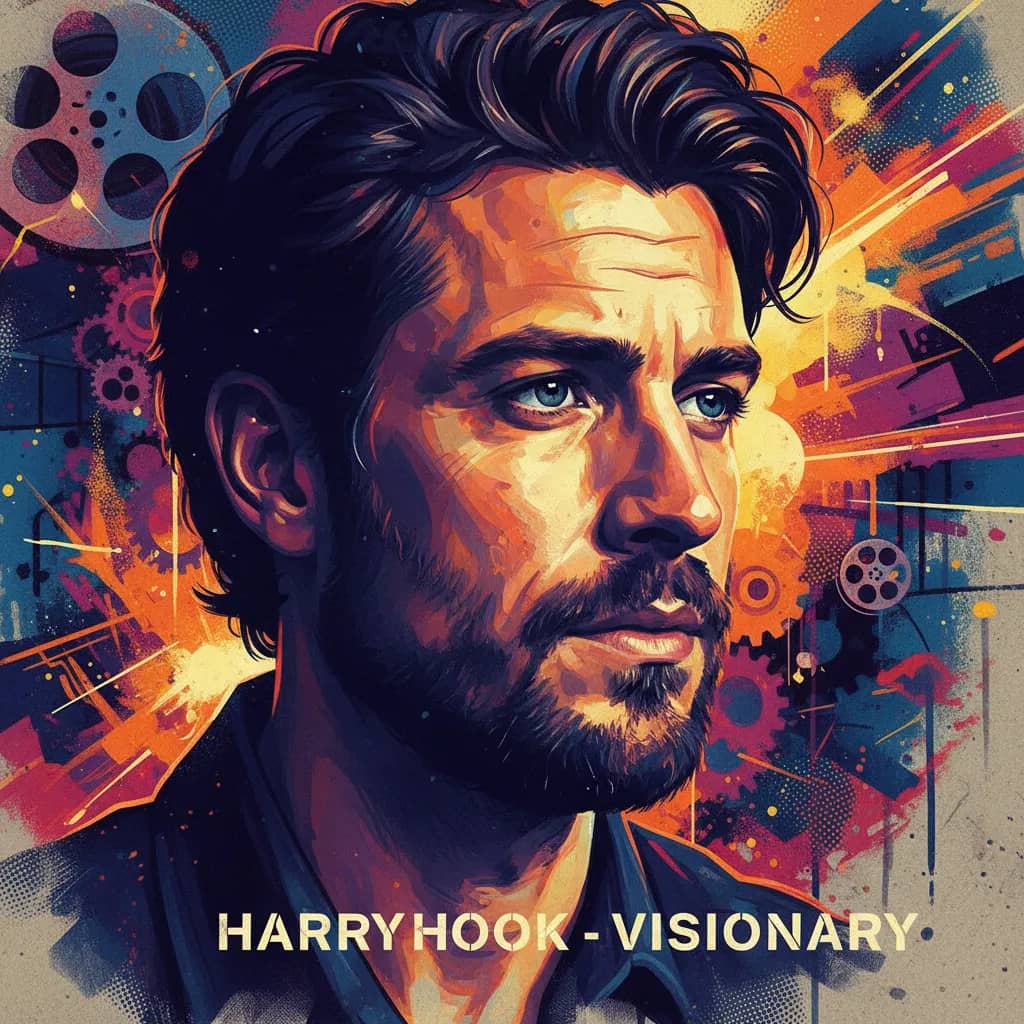
Harry Hook is a British film director known for his captivating storytelling and visually stunning works. His most notable film, "Lord of the Flies" (1990), is a powerful adaptation of William Golding's classic novel. Hook's directorial style is characterized by his ability to delve into the psychological depths of his characters while creating a visually immersive experience for the audience. "Lord of the Flies" stands as a testament to Hook's mastery of capturing the complexities of human nature in extreme circumstances. The film seamlessly blends adventure, drama, and thriller elements to create a thought-provoking narrative that remains relevant and impactful to this day. Hook's keen eye for detail and his ability to draw out raw, visceral performances from his cast make this film a standout in his career and a significant contribution to the cinematic landscape. Throughout his career, Hook has shown a penchant for exploring themes of power dynamics, morality, and the human condition. His films often confront the darker aspects of humanity, challenging viewers to confront uncomfortable truths. This approach has solidified Hook's reputation as a director unafraid to push boundaries and provoke introspection. Harry Hook's impact on cinema is undeniable, as he has left an indelible mark with his distinctive directorial voice. His ability to bring classic literature to life on the silver screen, while adding his own unique perspective, has earned him a place among the most respected directors in the industry. With a career spanning decades, Hook continues to inspire audiences and fellow filmmakers with his visionary approach to storytelling. In conclusion, Harry Hook's career is a testament to the power of a director's singular vision. His filmography, with "Lord of the Flies" as its shining jewel, reflects his commitment to exploring the depths of human nature through compelling narratives and stunning visuals. With a legacy that continues to resonate with audiences, Harry Hook stands as a true auteur whose impact on cinema is both enduring and influential.

Harry Winer
Harry Winer is an accomplished film director known for his work in the adventure, family, and sci-fi genres. His most notable film, "SpaceCamp" (1986), is a beloved family-friendly adventure that captured the imagination of audiences with its compelling storyline and impressive special effects. Winer's directorial style is characterized by his ability to blend heartwarming storytelling with visually stunning cinematic experiences, making him a standout in the industry. "SpaceCamp" stands as a testament to Winer's talent for creating captivating and imaginative films that resonate with audiences of all ages. The movie's enduring popularity is a testament to Winer's ability to craft timeless stories that continue to engage viewers decades after their release. Winer's distinctive directorial approach often incorporates themes of perseverance, friendship, and the triumph of the human spirit, resonating with audiences on a deep emotional level. Winer's impact on cinema lies in his ability to transport viewers to extraordinary worlds while instilling a sense of wonder and awe. His contributions to the adventure and sci-fi genres have left an indelible mark on the industry, inspiring future filmmakers to push the boundaries of storytelling and visual effects. Winer's dedication to creating compelling narratives and memorable characters has solidified his status as a visionary director with a profound influence on the cinematic landscape. In conclusion, Harry Winer's directorial career has been defined by his exceptional ability to craft captivating and emotionally resonant films that have left an indelible mark on audiences worldwide. Through his work on "SpaceCamp" and beyond, Winer has proven himself to be a master storyteller with a unique vision for creating immersive cinematic experiences. His impact on the industry is undeniable, and his contributions to the adventure, family, and sci-fi genres continue to inspire and captivate audiences to this day.

Harshavardhan Kulkarni
Harshavardhan Kulkarni is a talented Indian film director known for his distinct storytelling style and unique vision. With the release of "Badhaai Do" in 2022, Kulkarni has firmly established himself as a noteworthy director in the Indian film industry. His directorial debut, "Hunterrr" (2015), garnered attention for its refreshing take on adult comedy, and Kulkarni's knack for blending humor with thought-provoking narratives has set him apart in the industry. Kulkarni's directorial style is characterized by his ability to seamlessly blend genres, as evidenced by "Badhaai Do," which combines elements of comedy, crime, and drama. His films often delve into unconventional themes and societal taboos with a touch of humor, offering audiences a fresh perspective on contemporary issues. Kulkarni's storytelling is marked by its relatable characters and realistic portrayals, allowing viewers to connect with the narratives on a deeper level. "Badhaai Do" stands as a testament to Kulkarni's ability to tackle sensitive subjects with nuance and empathy while infusing the narrative with lighthearted moments. The film's success further solidifies Kulkarni's impact on Indian cinema, as he continues to push boundaries and challenge traditional storytelling norms. His work has opened up opportunities for discussions on important social issues, all the while entertaining audiences with his unique brand of cinema. As Kulkarni's career continues to evolve, his contributions to the film industry are undeniable. With a penchant for crafting compelling narratives and exploring uncharted territories, Kulkarni has carved a niche for himself as a director unafraid to break the mold, making him a force to be reckoned with in the world of Indian cinema. His thought-provoking storytelling and ability to navigate complex themes with authenticity have cemented his status as a director to watch, and audiences eagerly anticipate his future projects.