Director Names Starting with G
Showing 133-144 out of 187

Gowtam Tinnanuri
Gowtam Tinnanuri is an Indian film director known for his compelling storytelling and unique directorial style. His most notable film, "Jersey" (2019), is a poignant drama that revolves around the sport of cricket. Tinnanuri's directorial approach is characterized by his ability to infuse raw emotions and depth into his storytelling, captivating audiences with his powerful narratives. "Jersey" stands as a testament to Tinnanuri's directorial prowess, garnering critical acclaim and leaving a lasting impact on Indian cinema. The film's exploration of human emotions, resilience, and the pursuit of dreams resonated with audiences, showcasing Tinnanuri's remarkable ability to craft a compelling and emotionally resonant narrative. Tinnanuri's directorial style is marked by his attention to detail, nuanced character development, and the ability to create an immersive cinematic experience. In addition to "Jersey," Tinnanuri's filmography reflects his commitment to creating thought-provoking and emotionally stirring cinema. His unique vision and directorial finesse have cemented his status as a director to watch in the Indian film industry. Tinnanuri's films often revolve around themes of perseverance, personal growth, and the triumph of the human spirit, reflecting his penchant for crafting narratives that resonate on a deeply emotional level. Tinnanuri's impact on cinema is undeniable, as he continues to push the boundaries of storytelling and bring forth narratives that leave a lasting impression on audiences. His directorial contributions have elevated the cinematic landscape, earning him accolades and establishing him as a filmmaker with a distinct and impactful voice. As Tinnanuri's career continues to unfold, audiences eagerly anticipate the next chapter in his directorial journey, eager to experience the emotional depth and compelling narratives for which he is renowned.

Graham Annable
Graham Annable is a visionary director known for his exceptional contributions to the world of animation. His most notable work includes "The Boxtrolls" (2014), a visually captivating and emotionally rich animated film that showcases his unique directorial style. With a background in animation and a keen eye for storytelling, Annable's career has been marked by his unparalleled ability to bring imaginative worlds to life on the big screen. Annable's directorial style is characterized by its attention to detail and ability to seamlessly blend humor with heartwarming narratives. His work often delves into themes of identity, acceptance, and the power of friendship, resonating with audiences of all ages. "The Boxtrolls" exemplifies Annable's distinct approach to storytelling, with its enchanting visuals and endearing characters leaving a lasting impression on viewers. Throughout his career, Annable has made a significant impact on the animation industry, pushing boundaries and redefining the possibilities of the medium. His dedication to creating immersive and visually stunning worlds has solidified his position as a visionary director with a knack for crafting timeless stories. As a result, "The Boxtrolls" remains a beloved and influential film in the realm of animated cinema, showcasing Annable's enduring impact on the art form. In conclusion, Graham Annable's directorial career has been marked by his exceptional talent for bringing imaginative stories to life through animation. With "The Boxtrolls" as a standout example of his directorial prowess, Annable continues to captivate audiences with his unique vision and ability to infuse his work with depth and charm. As an influential figure in the animation industry, Annable's contributions have left an indelible mark on cinema, solidifying his legacy as a director whose work will continue to inspire and enchant audiences for years to come.

Graham Baker
Graham Baker is a British film director known for his contributions to the horror and science fiction genres. With a career spanning over two decades, Baker has left an indelible mark on cinema with his unique directorial style and compelling storytelling. His notable works include "The Final Conflict" (1981) and "Alien Nation" (1988), both of which showcase his ability to blend intense thrills with thought-provoking themes. In "The Final Conflict," Baker demonstrated his adeptness at creating atmospheric and chilling horror. As the third installment in "The Omen" film series, the movie delves into the battle between good and evil, with Baker infusing the narrative with his signature visual flair and suspenseful pacing. His directorial prowess in crafting a palpable sense of dread and tension solidified his reputation as a master of the horror genre. Baker's foray into science fiction yielded another triumph with "Alien Nation." The film, set in a dystopian future where aliens coexist with humans, allowed Baker to explore themes of prejudice, identity, and societal integration. His deft handling of action sequences and world-building, coupled with insightful social commentary, cemented "Alien Nation" as a standout entry in the science fiction canon. Throughout his career, Baker has consistently showcased a penchant for weaving intricate narratives with compelling characters, often delving into the human psyche and societal dynamics. His directorial style is marked by a seamless fusion of captivating visuals, engrossing storytelling, and thought-provoking themes, captivating audiences and critics alike. Graham Baker's impact on cinema is underscored by his ability to transcend genre conventions and deliver films that resonate on a profound level. His directorial contributions have enriched the horror and science fiction genres, leaving an enduring legacy that continues to inspire filmmakers and entertain audiences worldwide.

Graham Moore
Graham Moore is a multifaceted talent who has made a name for himself as a director with his gripping and atmospheric storytelling. While he first gained recognition as an Oscar-winning screenwriter for "The Imitation Game," Moore's directorial debut with "The Outfit" in 2022 firmly established him as a force to be reckoned with in the world of cinema. "The Outfit" showcases Moore's distinctive directorial style, characterized by its intense and immersive narrative, masterful pacing, and keen attention to detail. His knack for creating a palpable sense of tension and suspense elevates the crime, drama, and mystery genres to new heights, drawing audiences into his meticulously crafted cinematic worlds. Moore's directorial debut is a testament to his ability to seamlessly blend elements of intrigue, moral ambiguity, and psychological depth, which are recurrent themes in his work. His films often delve into the complexities of human nature, ethical dilemmas, and the consequences of personal choices, resonating with audiences on a profound and thought-provoking level. As a director, Moore's impact on cinema lies in his commitment to pushing boundaries and challenging the status quo. His dedication to bringing fresh perspectives to storytelling, coupled with his unwavering pursuit of authenticity, has earned him a reputation as a visionary filmmaker who consistently delivers compelling narratives that captivate and resonate with audiences worldwide. With "The Outfit," Graham Moore has firmly established himself as a director to watch, and his unique vision and unwavering dedication to his craft are sure to leave an indelible mark on the cinematic landscape for years to come.

Grant Harvey
Grant Harvey is a Canadian film director known for his work in the horror and fantasy genres. With a career spanning over two decades, Harvey has established himself as a visionary filmmaker with a distinct directorial style. His notable films include "Ginger Snaps Back: The Beginning" (2004) and "A Christmas Horror Story" (2015), both of which showcase his adeptness at creating atmospheric and chilling narratives. Harvey's directorial style is characterized by a keen attention to detail and a knack for building tension and suspense. In "Ginger Snaps Back: The Beginning," he skillfully crafts a haunting period piece that delves into the origins of the iconic werewolf tale. The film's dark and brooding atmosphere, coupled with Harvey's meticulous direction, solidified his reputation as a director capable of delivering gripping and visually stunning storytelling. In "A Christmas Horror Story," Harvey demonstrates his versatility by seamlessly blending elements of fantasy, horror, and mystery to create a holiday-themed film with a sinister twist. His ability to infuse traditional narratives with a macabre and imaginative flair distinguishes him as a director with a unique vision and a penchant for pushing creative boundaries. Throughout his career, Harvey has explored recurring themes of fear, transformation, and the supernatural, often delving into the darker aspects of human nature. His films resonate with audiences by tapping into primal fears while offering thought-provoking and visually arresting cinematic experiences. Grant Harvey's impact on cinema lies in his ability to captivate audiences with his distinctive storytelling and visually striking compositions. As a director, he continues to carve out a niche in the horror and fantasy genres, leaving an indelible mark on the film industry with his evocative and immersive narratives. With a penchant for crafting atmospheric and spine-tingling tales, Grant Harvey remains a formidable force in the realm of genre filmmaking, earning acclaim for his ability to transport audiences to otherworldly and chilling realms.

Grant Heslov
Grant Heslov is a versatile director known for his work in the comedy and war genres. Heslov first gained recognition as a director with the 2009 film "The Men Who Stare at Goats," which blended elements of humor with a thought-provoking exploration of the military's experiments with psychic abilities. His directorial style often incorporates a balance of wit and social commentary, making his films both entertaining and intellectually stimulating. In "The Men Who Stare at Goats," Heslov showcased his ability to infuse serious subject matter with comedic elements, creating a unique and engaging viewing experience. His skillful navigation of complex themes within the framework of humor has set him apart as a director with a distinct vision. Heslov's keen eye for blending genres and his storytelling prowess have earned him a dedicated following among audiences who appreciate thought-provoking cinema with a touch of levity. One of Heslov's notable contributions to cinema is his knack for addressing weighty topics through a lens of satire and humor. His films often explore the human condition and societal issues while employing a comedic approach, offering audiences a fresh perspective on serious subjects. This combination of depth and levity in his storytelling has made Heslov a director whose work resonates with a wide range of viewers. Heslov's impact on cinema lies in his ability to challenge conventions and push boundaries while maintaining a strong narrative thread. His directorial style, characterized by a seamless blend of comedy and drama, has carved out a unique space for him in the film industry. Heslov's work stands as a testament to the power of thoughtfully crafted storytelling and the potential for humor to serve as a vehicle for exploring profound themes. As a director, he continues to leave an indelible mark on the cinematic landscape, offering audiences an insightful and entertaining perspective on the world around them.

Grant Sputore
Grant Sputore is an Australian film director known for his remarkable directorial debut, "I Am Mother" (2019). His venture into the world of cinema began with this gripping science fiction drama, which garnered critical acclaim and showcased his distinctive directorial style. Sputore's directorial approach is characterized by a meticulous attention to detail, a penchant for thought-provoking storytelling, and a mastery of visual storytelling techniques. "I Am Mother" immediately established Sputore as a director to watch, as he skillfully navigated the complexities of human emotion and artificial intelligence within a dystopian setting. The film's seamless blend of drama, mystery, and sci-fi elements exemplifies Sputore's ability to create an immersive cinematic experience that resonates with audiences on a profound level. His knack for crafting visually arresting scenes and eliciting compelling performances from his cast solidifies his status as a visionary director with a keen eye for storytelling. Sputore's directorial style often delves into themes of identity, morality, and the human condition, as evidenced in "I Am Mother." His exploration of these recurring themes adds depth and substance to his films, inviting audiences to contemplate the implications of technological advancements and the essence of humanity. Through his directorial work, Sputore has made a significant impact on the sci-fi genre, infusing it with intellect and emotional depth. As a director, Grant Sputore continues to push the boundaries of cinematic storytelling, captivating audiences with his unique vision and thought-provoking narratives. With "I Am Mother," he has firmly established himself as a directorial force to be reckoned with, and his future contributions to cinema are eagerly anticipated. Sputore's ability to craft compelling narratives and visually stunning films ensures that his directorial legacy will endure in the annals of cinematic history.

Greg Barker
Greg Barker is a distinguished film director celebrated for his compelling storytelling and profound exploration of real-life events. His latest directorial endeavor, "Sergio" (2020), epitomizes his penchant for thought-provoking biographical dramas that delve into historical narratives. Barker's directorial style is marked by meticulous attention to detail, an emphasis on emotional authenticity, and a knack for capturing the essence of his subjects. His films are characterized by their immersive narratives that offer audiences a profound insight into the human experience. "Sergio" stands as a testament to Barker's directorial prowess, as he skillfully navigates the complexities of the life and legacy of diplomat Sergio Vieira de Mello. The film skillfully intertwines historical accuracy with a deeply emotional portrayal of a man dedicated to making a difference in the world. Barker's ability to infuse his films with a sense of humanity and empathy is a defining feature of his directorial approach. Throughout his career, Barker has shown a predilection for crafting narratives that center on the resilience of the human spirit, the impact of political upheaval, and the profound connections that shape our world. His body of work reflects a commitment to shedding light on individuals and events that have left an indelible mark on history. Barker's films resonate with audiences due to their ability to provoke introspection and foster a deeper understanding of the human condition. Greg Barker's contributions to cinema extend beyond his directorial achievements, as his films have had a lasting impact on the industry by setting a benchmark for biographical storytelling. His ability to bring historical figures to life on the silver screen has solidified his status as a director with a unique vision and an unwavering dedication to preserving the essence of his subjects. With "Sergio" and his previous works, Barker continues to leave an indelible mark on the cinematic landscape, offering audiences a glimpse into the lives and legacies of remarkable individuals.

Greg Beeman
Greg Beeman is a prolific film and television director known for his work in the comedy genre. He made his feature film directorial debut with "License to Drive" in 1988, a coming-of-age comedy that quickly garnered attention for its lighthearted humor and relatable teenage escapades. Beeman's directorial style is characterized by his ability to infuse his projects with a sense of youthful exuberance and a keen understanding of the human experience, making his films both entertaining and emotionally resonant. "License to Drive" remains one of Beeman's most notable films, showcasing his adeptness at crafting endearing and relatable characters within a comedic framework. His knack for capturing the universal struggles of adolescence has endeared him to audiences, and his work continues to be celebrated for its timeless appeal. Throughout his career, Beeman has explored recurring themes of friendship, self-discovery, and the triumph of the underdog, imbuing his films with a sense of optimism and heartwarming sincerity. His ability to tap into the universal experiences of growing up has made him a beloved figure in the world of comedy filmmaking. Beeman's impact on cinema lies in his ability to create films that resonate with audiences of all ages, bridging the gap between generations and offering a nostalgic glimpse into the trials and triumphs of youth. His unique vision and dedication to storytelling have solidified his status as a director with a distinct voice in the industry. In summary, Greg Beeman's career as a director has been defined by his ability to capture the essence of youth and friendship through his comedic lens. With "License to Drive" as a standout example of his directorial prowess, Beeman's films continue to endure as timeless classics, reminding audiences of the universal experiences that bind us all together.

Greg Berlanti
Greg Berlanti is a prolific film and television director known for his diverse body of work that spans across various genres. With a career that has seen him make significant contributions to both the big and small screens, Berlanti has established himself as a versatile and visionary filmmaker. His directorial style is marked by a keen understanding of human emotions and relationships, often infused with warmth, humor, and a poignant sense of realism. One of Berlanti's most notable films is "Love, Simon" (2018), a groundbreaking coming-of-age comedy-drama that received widespread acclaim for its heartfelt portrayal of a young man's journey of self-discovery and coming out. Berlanti's sensitive and inclusive approach to storytelling made "Love, Simon" a landmark film in LGBTQ+ cinema, resonating with audiences worldwide. Additionally, "Life as We Know It" (2010) showcased Berlanti's ability to blend comedy, drama, and romance seamlessly, further solidifying his reputation as a director capable of crafting emotionally resonant narratives. Throughout his career, Berlanti has consistently explored themes of love, identity, and the complexities of human relationships. His films often tackle universal experiences with empathy and authenticity, inviting audiences to connect with the characters on a profound level. Berlanti's impact on cinema extends beyond his individual films, as he continues to pave the way for greater representation and inclusivity in storytelling, particularly within the LGBTQ+ community. As a director, Greg Berlanti has left an indelible mark on the film industry, utilizing his unique vision to bring stories of love, acceptance, and personal growth to the forefront. His ability to navigate various genres while infusing them with emotional depth has set him apart as a director capable of crafting compelling narratives that resonate with audiences of all backgrounds. With a career marked by critical acclaim and cultural significance, Berlanti's contributions to film continue to shape the landscape of contemporary storytelling.
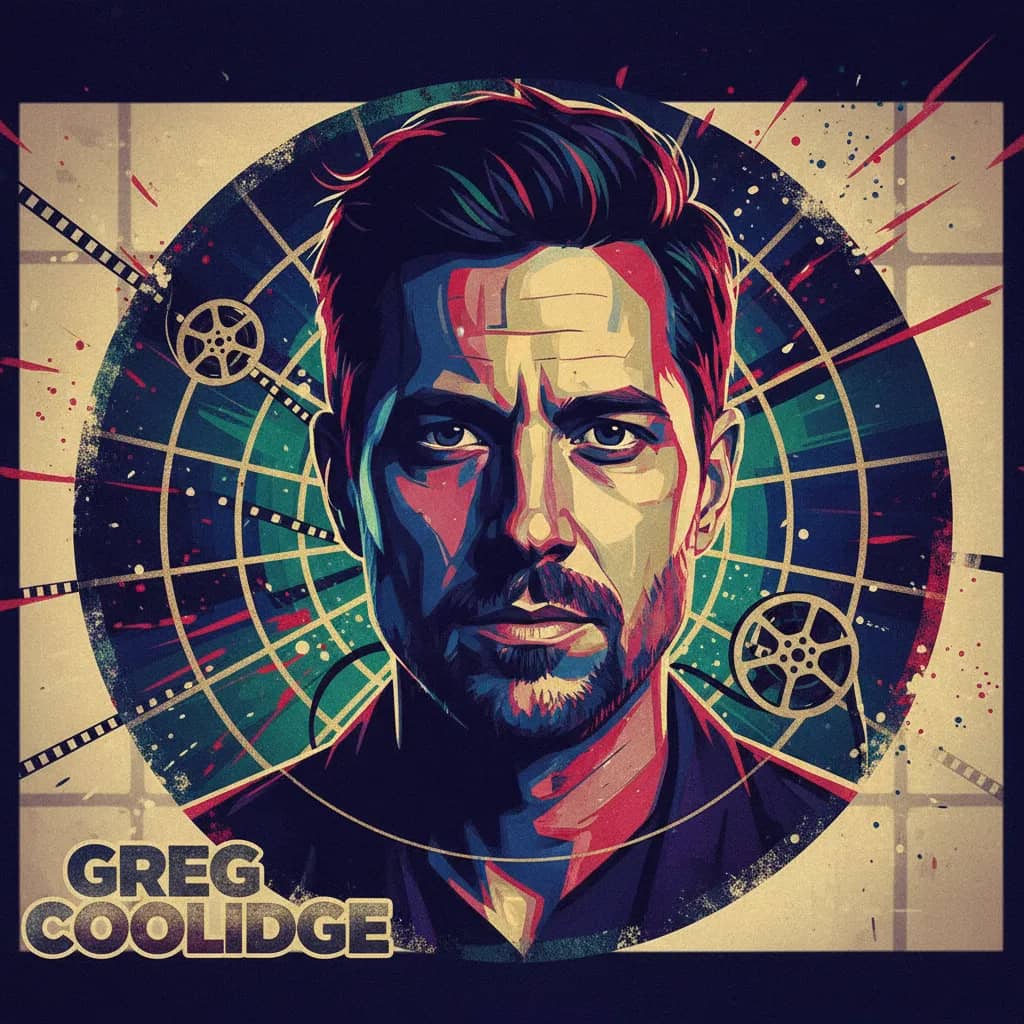
Greg Coolidge
Greg Coolidge is an American film director, screenwriter, and actor known for his work in the comedy genre. Coolidge's directorial debut came with the 2006 film "Employee of the Month," a comedy-drama starring Dane Cook and Jessica Simpson. The film follows the story of a group of supermarket employees competing for the coveted title of "Employee of the Month." Coolidge's approach to directing this film displayed his penchant for blending humor with relatable human experiences, creating a lighthearted yet emotionally resonant narrative. As a director, Coolidge often incorporates elements of slapstick comedy, witty dialogue, and character-driven storytelling in his films. His directorial style is characterized by a balance between humor and heartfelt moments, allowing audiences to connect with the characters while enjoying the comedic elements of the story. "Employee of the Month" served as a launching pad for Coolidge's career as a director, showcasing his ability to infuse mainstream comedies with genuine emotional depth. Notable for his ability to capture the essence of workplace dynamics and interpersonal relationships, Coolidge's films often explore themes of ambition, friendship, and self-discovery. His directorial work reflects an understanding of human nature, presenting characters who navigate the complexities of everyday life with humor and resilience. Coolidge's approach to storytelling has resonated with audiences, earning him a reputation as a director who brings a fresh perspective to the comedy genre. In the realm of cinema, Coolidge's contributions as a director have made a significant impact on the comedy genre, offering audiences an entertaining fusion of humor and heart. His directorial debut, "Employee of the Month," remains a testament to his ability to craft engaging narratives that transcend the boundaries of traditional comedy. As Coolidge continues to expand his directorial portfolio, audiences can anticipate more captivating stories that showcase his unique vision and his dedication to creating films that entertain and resonate with viewers.

Gregg Araki
Gregg Araki is a visionary filmmaker known for his unique blend of edgy, provocative storytelling and visually arresting style. With a career spanning over three decades, Araki has crafted a distinctive niche in independent cinema, earning a dedicated following and critical acclaim. His filmography includes a diverse array of works, ranging from the darkly comedic "Smiley Face" (2007) to the enigmatic and genre-defying "Kaboom" (2010), showcasing his versatility and willingness to push boundaries. Araki's directorial style is characterized by a fearless exploration of taboo subjects and a penchant for subverting traditional narrative conventions. His films often delve into themes of sexuality, identity, and alienation, presenting a raw and unflinching portrayal of the human experience. Notable for their vivid, dreamlike visuals and evocative soundtracks, Araki's works create an immersive and emotionally charged viewing experience. "The Doom Generation" (1995) stands as one of Araki's most iconic films, showcasing his talent for blending dark humor, crime, and drama in a visually striking and thought-provoking manner. The film's unapologetic exploration of youthful rebellion and nihilism solidified Araki's reputation as a bold and uncompromising filmmaker. In "Mysterious Skin" (2004), Araki delves into the harrowing aftermath of childhood trauma with sensitivity and depth, establishing himself as a masterful storyteller capable of navigating complex and emotionally resonant narratives. Araki's impact on cinema is undeniable, as he has carved out a space for authentic and unapologetic storytelling within the independent film landscape. His willingness to confront societal taboos and challenge conventional norms has paved the way for a new generation of filmmakers to embrace bold, uncompromising narratives. With a distinct visual aesthetic and a fearless approach to storytelling, Gregg Araki continues to leave an indelible mark on the cinematic landscape, solidifying his status as a true auteur and trailblazer in the world of independent film.