Director Names Starting with G
Showing 121-132 out of 187
Glen Morgan
Glen Morgan is a prolific film director and writer known for his contributions to the horror and thriller genres. His notable work includes the 2003 film "Willard," a dark and twisted drama that explores the complex relationship between a young man and his army of rats. With a keen eye for suspense and a knack for storytelling, Morgan has made a name for himself as a director with a unique vision and a penchant for crafting chilling narratives. Morgan's directorial style is characterized by its unflinching exploration of the human psyche and the darker aspects of humanity. He has a talent for creating tension and building suspense, often using atmospheric visuals and haunting sound design to immerse audiences in his films. His work often delves into the psychological and emotional turmoil of his characters, creating a sense of unease and disquiet that lingers long after the credits roll. "Willard" stands as a testament to Morgan's ability to infuse horror with psychological depth. The film received praise for its unsettling atmosphere, compelling performances, and deft direction, firmly establishing Morgan as a director to watch in the genre. His meticulous attention to detail and his ability to craft compelling narratives have solidified his reputation as a master of psychological horror. Throughout his career, Morgan has explored themes of isolation, obsession, and the blurred line between reality and delusion. His films often delve into the darker aspects of human nature, challenging audiences to confront their deepest fears and anxieties. With a keen understanding of the human condition and a talent for crafting spine-tingling narratives, Morgan has left an indelible mark on the world of horror cinema. In conclusion, Glen Morgan's directorial career is defined by his unique vision and his ability to weave intricate and haunting tales that resonate with audiences on a profound level. With "Willard" and other notable works, he has solidified his status as a master of psychological horror, leaving an enduring impact on the genre and cementing his legacy as a director with an unparalleled ability to chill and captivate audiences.
Glenn Ficarra
Glenn Ficarra is a highly accomplished film director known for his distinctive blend of comedy, drama, and romance. With a career spanning several decades, Ficarra has left an indelible mark on the film industry with his unique directorial style and thought-provoking storytelling. His notable works include "Whiskey Tango Foxtrot" (2016), a biographical comedy-drama that showcases Ficarra's ability to deftly navigate complex narratives and infuse them with humor and heart. In "I Love You Phillip Morris" (2009), Ficarra delves into the true story of a con artist's unconventional love story, seamlessly blending elements of biography, comedy, and crime. Ficarra's directorial style is characterized by his adeptness at weaving together diverse genres, creating films that resonate with audiences on multiple levels. In "Focus" (2015), he brings his comedic sensibilities to the forefront, infusing the crime-drama with witty dialogue and captivating performances. Ficarra's ability to balance humor with compelling storytelling is further evident in "Crazy, Stupid, Love." (2011), a romantic comedy-drama that explores the complexities of modern relationships with sincerity and wit. Throughout his career, Ficarra has demonstrated a penchant for exploring themes of love, identity, and human connection. His films often delve into the intricacies of interpersonal relationships, offering audiences a poignant and relatable portrayal of the human experience. Ficarra's impact on cinema lies in his ability to infuse his projects with a palpable sense of authenticity, drawing viewers into the worlds he creates with genuine emotion and wit. Glenn Ficarra's career stands as a testament to his remarkable talent and versatility as a director. His ability to navigate diverse genres while maintaining a distinct directorial voice has solidified his status as a visionary filmmaker. With each new project, Ficarra continues to captivate audiences with his unique blend of humor, drama, and heartfelt storytelling, cementing his legacy as a director whose work will undoubtedly stand the test of time.

Glenn Gordon Caron
Glenn Gordon Caron is an American director, producer, and writer best known for his work in television, particularly as the creator of the hit series "Moonlighting" and "Medium." However, Caron has also made a foray into feature films with the 1997 romantic comedy "Picture Perfect." With a unique blend of humor, drama, and romance, Caron's directorial style is characterized by his ability to infuse his storytelling with genuine emotional depth and wit. "Picture Perfect" marked Caron's directorial debut in the world of feature films, and it showcased his talent for crafting compelling narratives that resonate with audiences. The film tells the story of an ambitious career woman, played by Jennifer Aniston, who fabricates a fake fiancé to advance her career but finds herself in a tangle of romantic complications. Caron's keen eye for capturing the complexities of relationships and the pursuit of success is evident throughout the film, as he deftly balances comedic moments with poignant reflections on love and self-discovery. Caron's directorial approach in "Picture Perfect" reflects his penchant for exploring the intricacies of human relationships and the complexities of modern life. His storytelling often revolves around strong, multidimensional female characters, and he infuses his work with sharp dialogue and a keen understanding of human nature. With "Picture Perfect," Caron demonstrated his ability to craft engaging narratives that resonate with audiences, establishing himself as a director capable of bringing emotional depth and authenticity to the screen. While "Picture Perfect" remains Caron's sole feature film directorial credit, his impact on cinema is undeniable. Through his successful television career and his directorial debut, Caron has established himself as a storyteller with a distinctive voice and a knack for capturing the nuances of human experiences. His ability to blend humor, drama, and romance in a way that feels both relatable and refreshing has left a lasting impression on audiences, solidifying his reputation as a versatile and insightful director. In conclusion, Glenn Gordon Caron's directorial career, though primarily rooted in television, made a significant impact on the world of film with his directorial debut "Picture Perfect." With a keen focus on authentic storytelling, multidimensional characters, and emotional depth, Caron's unique directorial style continues to resonate with audiences, cementing his status as a talented and influential filmmaker.
Glenn McQuaid
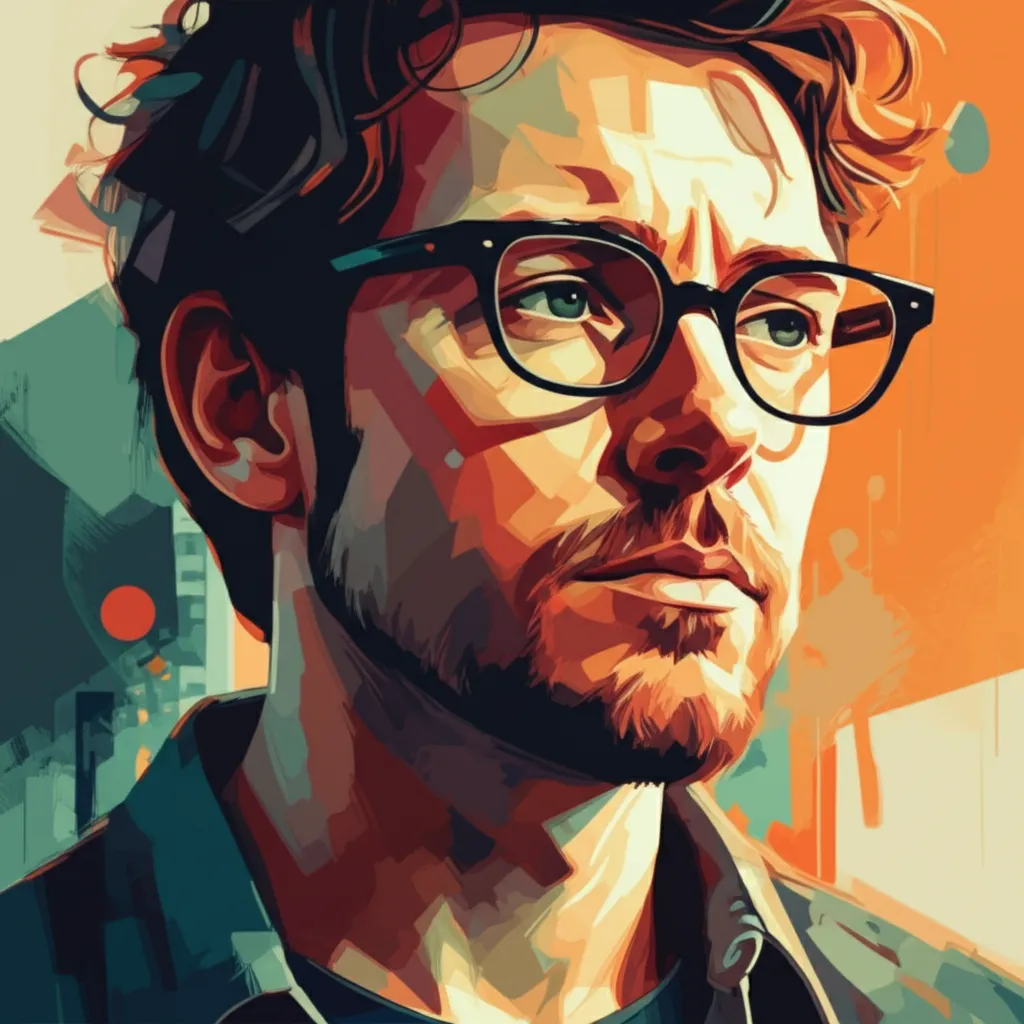
Glenn McQuaid is an Irish film director known for his unique blend of comedy and horror in his works. His most notable film is "I Sell the Dead" (2008), a darkly comedic horror film that showcases his distinctive directorial style. McQuaid's films often feature a quirky and offbeat sense of humor, combined with elements of horror that create an engaging and entertaining viewing experience. "I Sell the Dead" stands as a testament to McQuaid's ability to infuse horror with humor, making for a refreshing take on the genre. His directorial style is characterized by a keen eye for visual storytelling and a talent for creating an immersive atmosphere that keeps audiences on the edge of their seats. McQuaid's work often delves into the supernatural and macabre, exploring the darker aspects of human nature while injecting a dose of levity and wit. Throughout his career, McQuaid has demonstrated a knack for crafting compelling narratives that captivate audiences. His films often explore themes of mortality, morality, and the unknown, offering a thought-provoking and thrilling cinematic experience. With "I Sell the Dead," McQuaid has left an indelible mark on the horror-comedy subgenre, showcasing his ability to seamlessly blend humor and horror to create a truly unique and memorable film. McQuaid's impact on cinema lies in his ability to push the boundaries of genre filmmaking, infusing his work with a distinctive voice and vision that sets him apart in the industry. His dedication to crafting compelling stories and creating immersive worlds has solidified his status as a director to watch. As he continues to explore the intersection of comedy and horror in his films, McQuaid is sure to leave a lasting legacy in the world of genre cinema.

Gonzalo López-Gallego
Gonzalo López-Gallego is a Spanish film director known for his work in the horror, mystery, and science fiction genres. His directorial style is characterized by a deft blend of suspense, tension, and atmospheric storytelling, creating immersive experiences for audiences. López-Gallego's notable films include "Open Grave" (2013) and "Apollo 18" (2011), both of which showcase his penchant for crafting gripping narratives within the realm of speculative fiction. In "Open Grave," López-Gallego delves into the horror and mystery genres, weaving a chilling tale of amnesia, survival, and the unknown. The film's atmospheric tension and psychological depth demonstrate his ability to immerse viewers in a world of uncertainty and fear. "Apollo 18" further exemplifies López-Gallego's skill in creating tension and suspense, as he explores the eerie possibilities of a fictional moon landing mission gone awry. Throughout his career, López-Gallego has demonstrated a penchant for exploring themes of isolation, paranoia, and the unexplained, often using these elements to craft narratives that push the boundaries of traditional genre conventions. His films are marked by a distinct visual style and a knack for building tension through meticulous pacing and expertly crafted suspense. López-Gallego's impact on cinema lies in his ability to engage audiences with thought-provoking storytelling and to push the boundaries of genre filmmaking. His unique vision and storytelling prowess have solidified his status as a director to watch in the realm of horror, mystery, and science fiction. As he continues to craft immersive and gripping narratives, López-Gallego's contributions to the film industry are sure to resonate with audiences and fellow filmmakers alike. In summary, Gonzalo López-Gallego's directorial career is marked by a commitment to creating immersive, tension-filled experiences within the horror, mystery, and science fiction genres. His notable films, including "Open Grave" and "Apollo 18," showcase his unique vision and storytelling prowess, cementing his status as a director with a distinct voice in genre filmmaking. As he continues to push the boundaries of storytelling and visual style, López-Gallego's impact on cinema is sure to endure, captivating audiences and inspiring future generations of filmmakers.
Goran Dukic
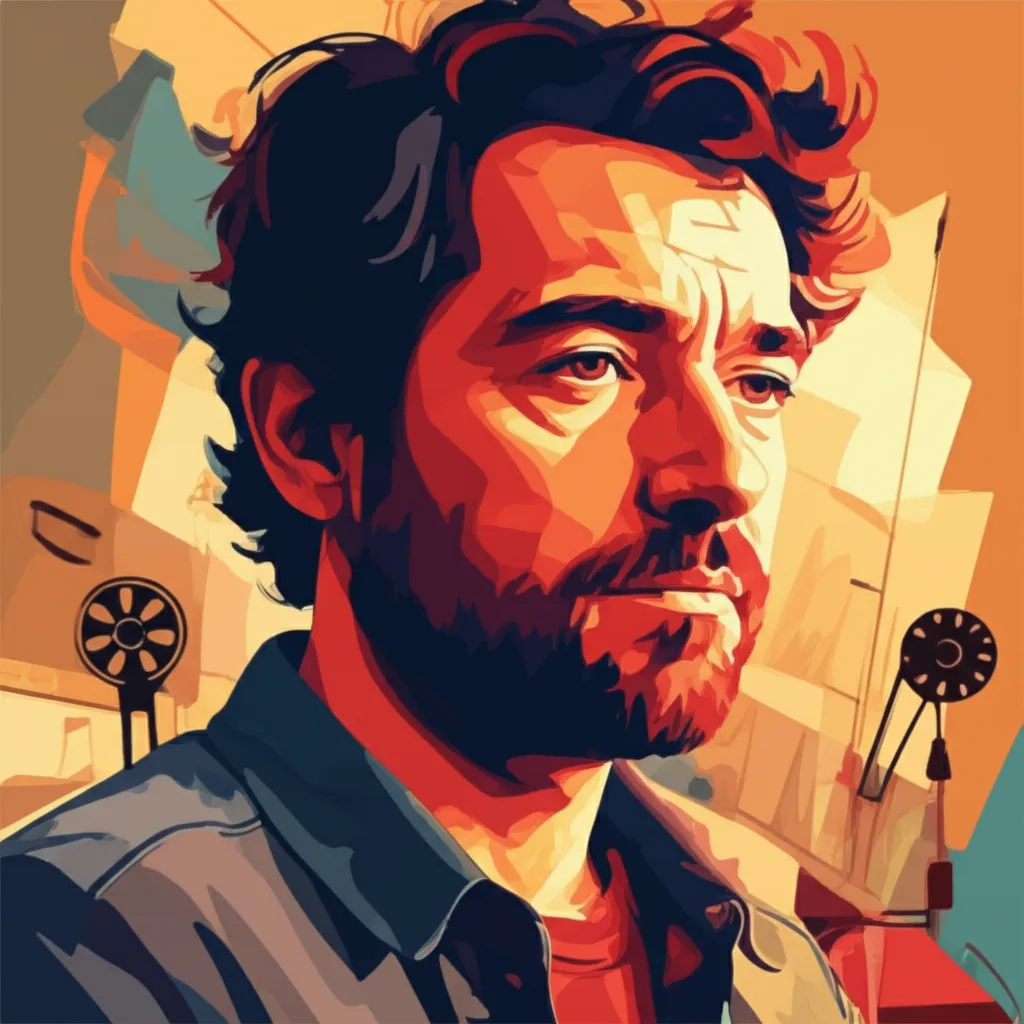
Goran Dukic is a visionary film director known for his unique blend of dark comedy, drama, and fantasy elements. His most notable work, "Wristcutters: A Love Story" (2006), has garnered widespread acclaim for its thought-provoking narrative and distinctive directorial style. Dukic's films often explore existential themes and the human experience, creating a cinematic universe that is both surreal and deeply emotional. "Wristcutters: A Love Story" stands as a testament to Dukic's directorial prowess, as he masterfully navigates the delicate balance between fantasy and reality. The film follows the journey of Zia, a young man who embarks on a surreal road trip through a purgatory-like afterlife after taking his own life. Dukic's storytelling is marked by its dark humor and poignant exploration of love, loss, and redemption, making "Wristcutters" a truly unique and unforgettable cinematic experience. Dukic's directorial style is characterized by his ability to seamlessly blend whimsical fantasy with raw, human emotion, creating a visual and narrative language that is distinctly his own. His films often delve into the complexities of the human psyche, portraying characters in surreal and otherworldly settings while delving into universal themes of love, hope, and the search for meaning. With "Wristcutters: A Love Story," Goran Dukic has solidified his status as a visionary director with an unparalleled ability to create immersive and thought-provoking cinematic experiences. His impact on cinema is undeniable, as he continues to push the boundaries of storytelling and visual artistry, captivating audiences with his unique vision and deeply resonant narratives. Dukic's body of work stands as a testament to his unparalleled creativity and his profound influence on the world of film.
Gordon Chan
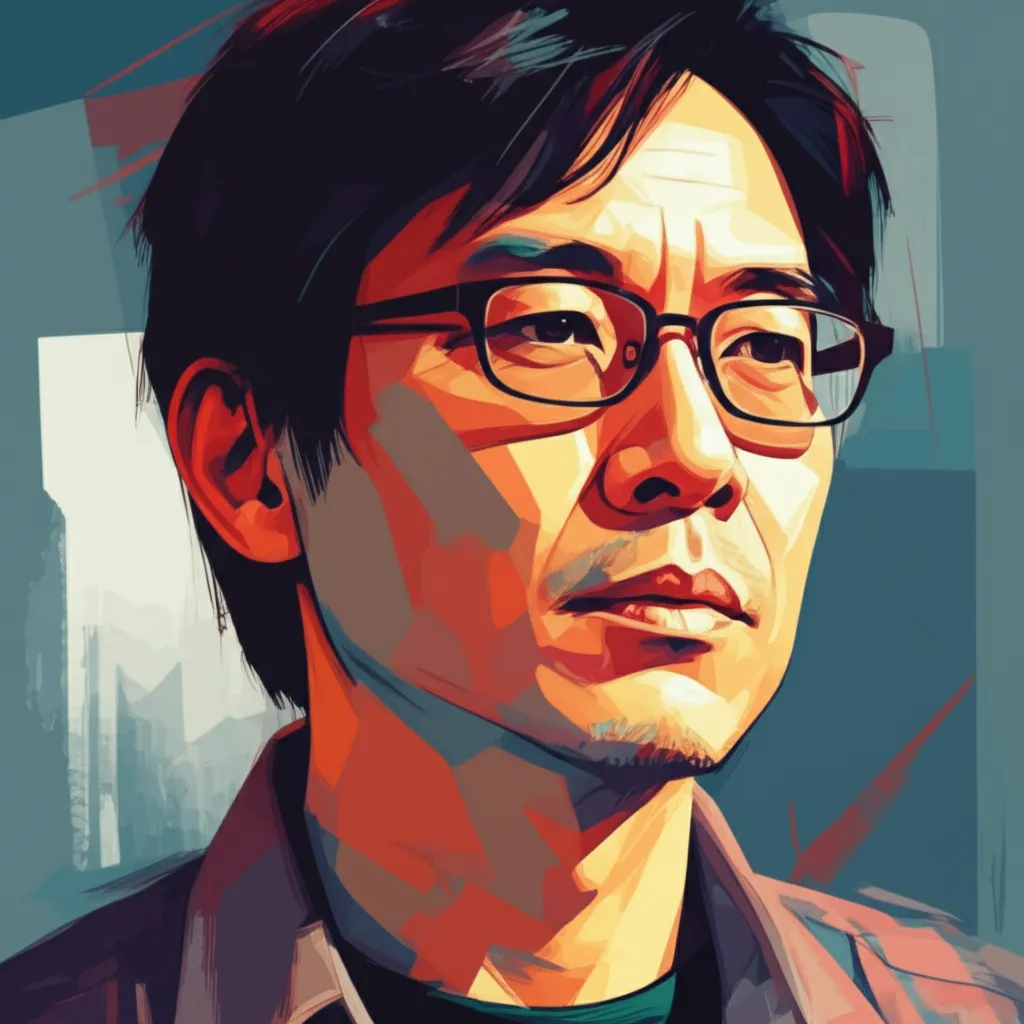
Gordon Chan, a Hong Kong film director, has made significant contributions to the action and martial arts film genres. With a distinguished career spanning several decades, Chan's directorial style is characterized by his ability to seamlessly blend action, comedy, and fantasy elements, captivating audiences with visually stunning sequences and compelling storytelling. His notable films include "The Medallion" (2003) and "Fist of Legend" (1994), both of which have left an indelible mark on the world of action cinema. In "The Medallion," Chan showcased his knack for infusing high-octane action with comedic flair and fantastical elements, creating a unique cinematic experience that resonated with audiences worldwide. The film's seamless integration of martial arts choreography and CGI effects underscored Chan's innovative approach to storytelling, cementing his reputation as a visionary director capable of pushing the boundaries of the action genre. "Fist of Legend," a martial arts masterpiece, exemplifies Chan's directorial prowess, as he expertly navigates the complexities of human drama within the framework of breathtaking fight sequences. The film's exploration of themes such as honor, betrayal, and redemption underscores Chan's ability to infuse his work with depth and substance, elevating the action genre to new heights. Chan's impact on cinema extends beyond his individual films, as his body of work has inspired and influenced countless filmmakers and performers in the action and martial arts genres. His dedication to pushing the envelope in terms of storytelling, choreography, and visual effects has helped shape the evolution of action cinema, leaving an indelible imprint on the industry. In conclusion, Gordon Chan's directorial career stands as a testament to his unparalleled vision and creativity, with his unique blend of action, comedy, and fantasy setting him apart as a trailblazer in the world of cinema. His ability to craft compelling narratives while delivering exhilarating action sequences has solidified his status as a director of immense talent and influence, leaving an enduring legacy that continues to resonate with audiences and filmmakers alike.

Gordon Douglas
Gordon Douglas was a prolific director whose career spanned over five decades, leaving an indelible mark on the world of cinema. With a diverse filmography that encompassed various genres, Douglas showcased his versatility and distinctive directorial style. One of his most notable contributions to the film industry was the 1954 science fiction horror classic, "Them!". "Them!" is widely regarded as one of the quintessential creature features of the 1950s, and it exemplifies Douglas's adeptness at crafting tension-filled, atmospheric narratives. His directorial prowess shines through in the film's masterful pacing, skillful handling of suspense, and innovative use of special effects for the giant ant creatures. This landmark film not only solidified Douglas's reputation as a director with a keen eye for creating gripping cinematic experiences but also left an enduring impact on the horror and science fiction genres. Throughout his career, Douglas displayed a penchant for infusing his films with a sense of urgency and dynamism, often employing visually striking compositions and expertly choreographed action sequences. His directorial style emphasized a balance between compelling storytelling and visually arresting imagery, capturing the attention of audiences and critics alike. In addition to his work in the horror and science fiction realms, Douglas also ventured into Westerns, crime dramas, and war films, showcasing his adaptability and range as a director. A recurring theme in Douglas's films was the exploration of humanity's resilience and capacity for survival in the face of extraordinary challenges, a motif that resonated with audiences and added depth to his narratives. His ability to blend gripping storytelling with thought-provoking themes solidified his status as a director with a profound understanding of the human experience. Gordon Douglas's impact on cinema is undeniable, as his body of work continues to inspire and captivate audiences to this day. His contributions to the horror and science fiction genres, in particular, have cemented his legacy as a visionary director who pushed the boundaries of storytelling and visual innovation. With "Them!" standing as a testament to his directorial prowess, Douglas's legacy as a trailblazing filmmaker endures, leaving an indelible imprint on the history of cinema.
Gore Verbinski
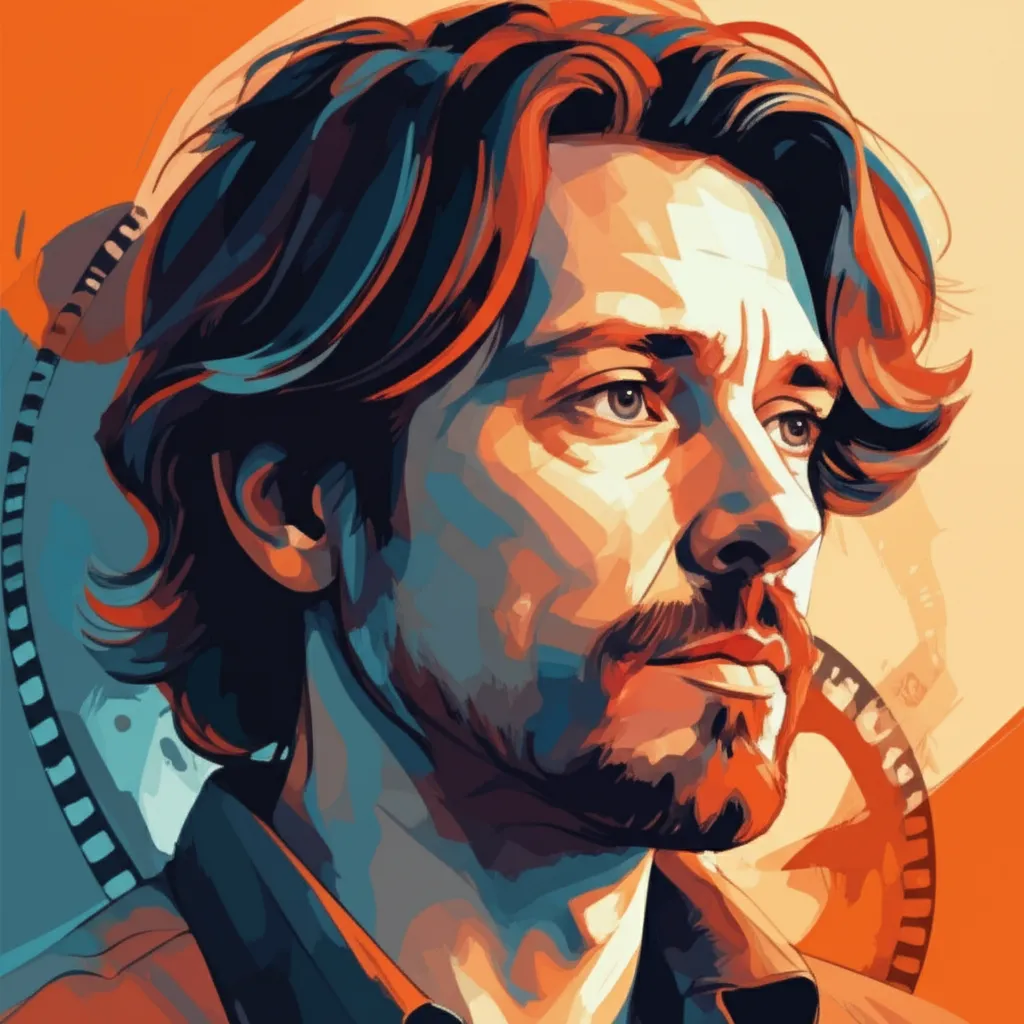
Gore Verbinski is a visionary film director known for his distinct storytelling style and visually stunning cinematic creations. With a diverse filmography spanning various genres, Verbinski has made a significant impact on the film industry, captivating audiences with his unique vision and storytelling prowess. Verbinski's breakout success came with the swashbuckling adventure film "Pirates of the Caribbean: The Curse of the Black Pearl" (2003), which not only reinvigorated the pirate genre but also solidified his reputation as a masterful director of action and fantasy. His ability to blend thrilling action sequences with compelling storytelling and charismatic characters has become a hallmark of his directorial style. One of Verbinski's notable films, "The Ring" (2002), showcased his adeptness at creating atmospheric and chilling horror movies. The film's haunting visuals and suspenseful narrative demonstrated his ability to immerse audiences in a world of palpable dread. Additionally, "Rango" (2011), a critically acclaimed animated feature, further showcased Verbinski's versatility as a director, offering a unique and visually captivating experience that resonated with both adult and younger audiences. A recurring theme in Verbinski's work is his exploration of unconventional narratives, often blending elements of fantasy, adventure, and dark humor to create immersive cinematic experiences. His meticulous attention to detail and penchant for pushing creative boundaries has set him apart as a director with a distinct and innovative approach to storytelling. Verbinski's impact on cinema extends beyond the box office success of his films, as he has influenced a new generation of filmmakers with his imaginative storytelling and groundbreaking visual techniques. His ability to transport audiences to fantastical worlds while infusing his films with emotional depth has cemented his legacy as a director whose work continues to inspire and captivate audiences worldwide.
Gorô Miyazaki
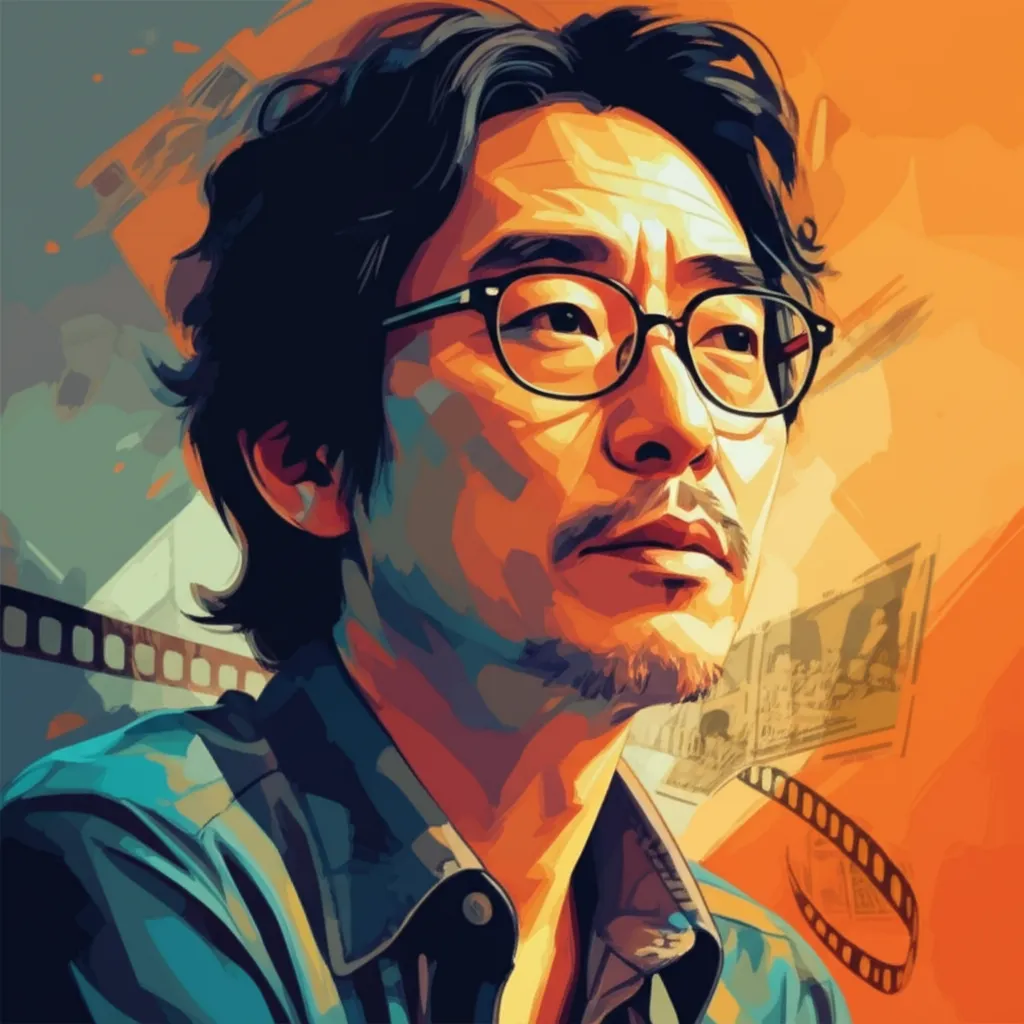
Gorô Miyazaki, the son of legendary Japanese animator Hayao Miyazaki, has carved out a distinctive niche for himself in the world of animation. Despite initially pursuing a career in landscape architecture, Miyazaki eventually found himself following in his father's footsteps. His directorial debut came with "Tales from Earthsea" in 2006, a visually stunning adaptation of Ursula K. Le Guin's beloved fantasy novel. The film showcased Miyazaki's talent for creating lush, immersive worlds and his ability to infuse his work with a sense of wonder and magic. His second feature, "From Up on Poppy Hill" (2011), further cemented his reputation as a director with a keen eye for evocative storytelling and heartfelt character development. Miyazaki's directorial style is characterized by a deep appreciation for the natural world and a commitment to portraying the complexities of human relationships. His films often feature richly detailed landscapes and meticulously crafted settings that serve as integral components of the narrative. Additionally, Miyazaki's storytelling tends to prioritize emotional depth and introspection, allowing audiences to connect with his characters on a profound level. His dedication to creating authentic, relatable portrayals of human experiences sets him apart as a director with a unique and deeply resonant vision. Notable themes that recur throughout Miyazaki's work include the significance of tradition and the passage of time, as well as the exploration of personal growth and self-discovery. His films frequently delve into the tension between preserving the past and embracing the future, offering poignant reflections on the complexities of navigating change and evolving societal norms. Miyazaki's ability to weave these themes into his narratives with subtlety and grace has earned him a dedicated following and critical acclaim. Gorô Miyazaki's impact on cinema extends beyond his familial connections, as he has proven himself to be a formidable creative force in his own right. His contributions to the world of animation have enriched the medium by offering audiences a fresh perspective on timeless themes and a visually arresting approach to storytelling. As he continues to expand his body of work, Miyazaki's influence on the industry is poised to endure, solidifying his status as a director of remarkable talent and vision.

Gorô Taniguchi
Gorô Taniguchi is a highly acclaimed Japanese film director known for his exceptional work in the animation, action, and adventure genres. With a career spanning several decades, Taniguchi has made a significant impact on the world of cinema through his unique directorial style and visionary storytelling. His most recent directorial venture, "One Piece Film: Red" (2022), exemplifies his prowess in creating captivating animated adventures that resonate with audiences worldwide. Taniguchi's directorial style is characterized by a masterful blend of stunning visuals, intricate storytelling, and dynamic action sequences. His meticulous attention to detail and ability to infuse emotion into animated characters have earned him a dedicated following among fans of anime and animation. Taniguchi's films often showcase a deep understanding of the human experience, as well as the exploration of friendship, loyalty, and the triumph of the human spirit, making his work relatable and impactful to viewers of all ages. "One Piece Film: Red" stands as a testament to Taniguchi's unparalleled talent in bringing beloved characters to life on the big screen. The film's seamless animation, exhilarating action, and compelling narrative are a testament to Taniguchi's ability to transport audiences to fantastical worlds and immerse them in captivating adventures. His directorial prowess has played a pivotal role in shaping the landscape of animated cinema, influencing a new generation of filmmakers and inspiring audiences to embrace the magic of storytelling through animation. Throughout his career, Taniguchi has demonstrated a consistent commitment to delivering high-quality, thought-provoking content that pushes the boundaries of animated filmmaking. His ability to infuse his works with timeless themes and universal messages has solidified his status as a visionary director with a lasting influence on the cinematic landscape. As "One Piece Film: Red" continues to captivate audiences, it serves as a testament to Taniguchi's enduring legacy and his ongoing contributions to the art of storytelling through animation. With a career marked by creativity, innovation, and artistic excellence, Gorô Taniguchi remains a prominent figure in the world of filmmaking, leaving an indelible mark on the industry and captivating the hearts of audiences worldwide.
Götz Spielmann
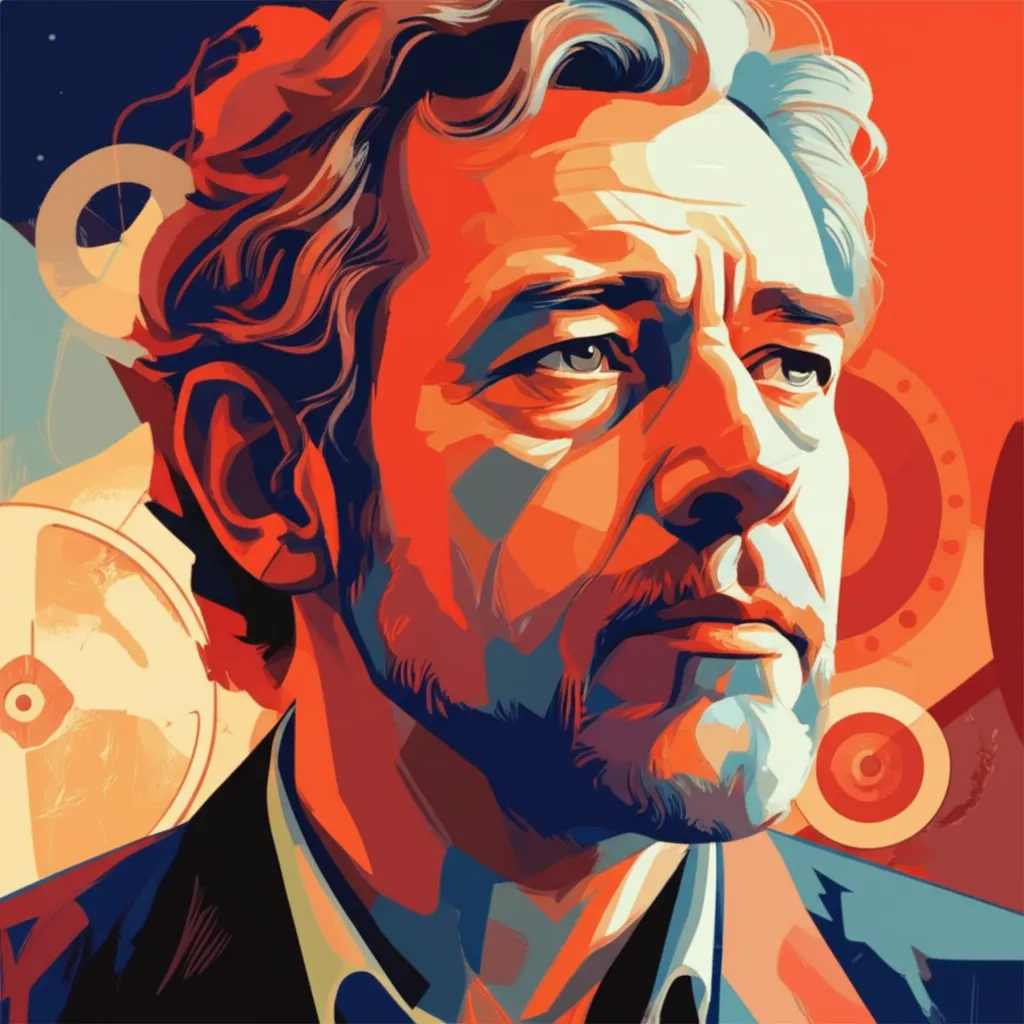
Götz Spielmann, the Austrian film director, is renowned for his compelling storytelling and distinctive directorial style. With a career spanning over four decades, Spielmann has made a significant impact on world cinema. His critically acclaimed film "Revanche" (2008) garnered widespread acclaim and cemented his reputation as a masterful filmmaker. Spielmann's directorial style is characterized by its meticulous attention to detail, immersive storytelling, and deep exploration of human emotions. His films often delve into complex moral and ethical dilemmas, creating a thought-provoking cinematic experience for audiences. "Revanche" exemplifies Spielmann's ability to intertwine crime, drama, and romance seamlessly while delving into the human psyche with profound insight. One of Spielmann's recurring themes is the examination of the human condition, often portraying characters grappling with internal conflicts and moral choices. His films are known for their raw, unflinching portrayal of human emotions, which resonates with audiences on a profound level. Spielmann's ability to capture the nuances of human relationships and the intricacies of the human experience has established him as a visionary director. Spielmann's impact on cinema extends beyond his storytelling prowess. He has been instrumental in putting Austrian cinema on the global map, earning widespread recognition and accolades for his contributions to the industry. His films have received numerous awards at prestigious film festivals, further solidifying his status as a trailblazer in contemporary cinema. In conclusion, Götz Spielmann's directorial career is marked by a commitment to storytelling that delves deep into the human experience, resonating with audiences on a universal level. His unique vision, masterful storytelling, and profound exploration of human emotions have firmly established him as a director of unparalleled talent, leaving an indelible mark on the world of cinema.