Director Names Starting with D
Showing 61-72 out of 283
Danny Strong
Danny Strong is a multi-talented filmmaker who has made a name for himself as a director, screenwriter, and actor. While he is primarily known for his work in television, including the critically acclaimed series "Empire," he has also ventured into the world of feature film directing. Strong's directorial debut came with the 2017 film "Rebel in the Rye," a biographical drama that delves into the life of renowned author J.D. Salinger. The film explores Salinger's journey to becoming a literary sensation, capturing the essence of his struggles, relationships, and the creation of his iconic novel, "The Catcher in the Rye." As a director, Strong has displayed a keen eye for storytelling, infusing his projects with emotional depth and compelling narratives. "Rebel in the Rye" showcases his ability to bring real-life stories to the screen with authenticity and sensitivity. Strong's directorial style is marked by a meticulous attention to detail and a commitment to capturing the essence of his subjects, making his films both visually striking and emotionally resonant. In "Rebel in the Rye," Strong tackles themes of artistic passion, creative struggle, and the complexities of fame, offering audiences a poignant exploration of the human experience. His ability to delve into the inner lives of his characters and convey their inner turmoil sets him apart as a director with a profound understanding of human nature. Strong's impact on cinema lies in his dedication to bringing compelling true stories to the screen, shedding light on the lives of extraordinary individuals and the challenges they faced. His directorial debut serves as a testament to his skill in capturing the essence of historical figures and translating their experiences into captivating cinematic narratives. With "Rebel in the Rye," Danny Strong has solidified his place as a director with a unique vision and a commitment to bringing meaningful stories to audiences worldwide.
Dan O'Bannon
Dan O'Bannon was an influential American filmmaker, best known for his contributions to the horror, sci-fi, and comedy genres. His directorial debut came in 1985 with the cult classic "The Return of the Living Dead," a film that cleverly blended horror and comedy elements. O'Bannon's directorial style was characterized by a knack for creating tension and suspense while injecting dark humor into his narratives. His ability to balance these contrasting elements set him apart as a director with a unique vision and approach to storytelling. O'Bannon's impact on cinema extends beyond his directorial work. He made significant contributions to the science fiction genre as a screenwriter, with his screenplay for "Alien" (1979) becoming a seminal work in the genre. His collaborations with director Ridley Scott on "Alien" helped redefine the sci-fi horror genre and solidified O'Bannon's status as a visionary storyteller. In "The Return of the Living Dead," O'Bannon demonstrated his talent for infusing horror with humor, creating a film that delighted audiences with its blend of scares and laughs. The movie's success solidified O'Bannon's reputation as a director capable of delivering unique and entertaining experiences. His directorial work showcased his ability to craft visually striking scenes and elicited powerful performances from his cast, cementing his status as a director with a keen eye for storytelling. Throughout his career, O'Bannon explored recurring themes of fear, mortality, and the unknown, often using these themes as a backdrop for exploring the human condition. His films often delved into the psychological aspects of horror, delving into the fears and anxieties that plague the human mind. O'Bannon's ability to tap into these primal emotions set his work apart and contributed to his lasting impact on the horror and sci-fi genres. In conclusion, Dan O'Bannon's directorial career may have been brief, but his contributions to cinema were significant. His unique directorial style, memorable films, and exploration of recurring themes have left an indelible mark on the horror, sci-fi, and comedy genres. O'Bannon's legacy lives on through his influential body of work, which continues to captivate audiences and inspire new generations of filmmakers.
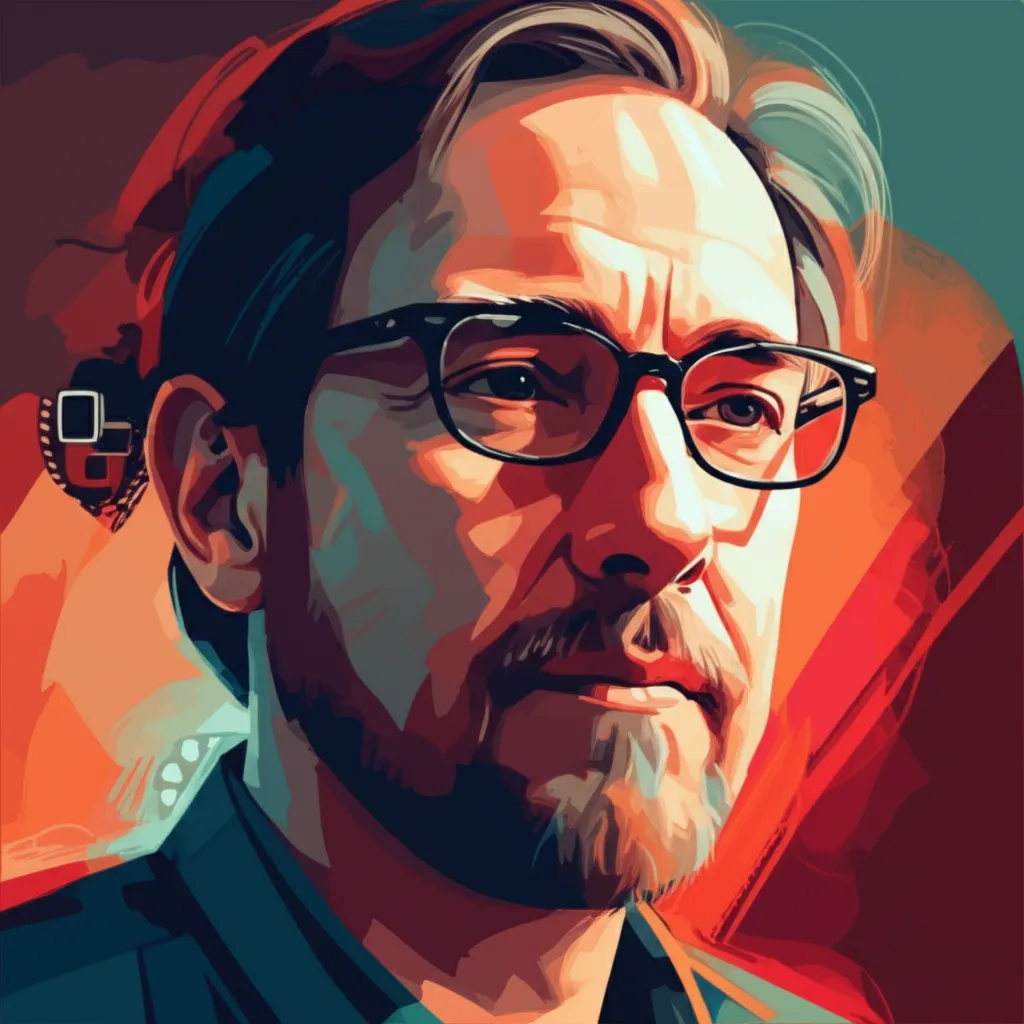
Dan Rush
Dan Rush was an American film director known for his work in the drama genre. His most notable film, "Everything Must Go," was released in 2010 and marked his directorial debut. Starring Will Ferrell in a departure from his typical comedic roles, the film received positive reviews for its poignant storytelling and emotional depth. Rush's directorial style is characterized by his ability to blend introspective character studies with a keen eye for human emotion and vulnerability. "Everything Must Go" showcases Rush's talent for crafting intimate narratives that delve into the complexities of the human experience. The film follows the story of a man who, after losing his job and his wife, decides to live on his front lawn and sell off his belongings. Through this minimalist setting, Rush explores themes of redemption, self-discovery, and the resilience of the human spirit. His storytelling approach resonates with audiences, as he skillfully captures the universal struggles and triumphs that define the human condition. Rush's impact on cinema lies in his ability to infuse his films with raw authenticity and emotional resonance. His directorial debut demonstrated his capacity to elicit powerful performances from his actors while creating a compelling visual narrative. Despite a limited filmography, Rush's work has left a lasting impression on viewers and critics alike. His thoughtful exploration of themes such as loss, redemption, and the search for meaning in everyday life has established him as a director with a unique voice and a talent for conveying the depth of human emotions on screen. In conclusion, Dan Rush's directorial career may have been brief, but his contribution to cinema is undeniably impactful. His directorial debut, "Everything Must Go," stands as a testament to his ability to create emotionally resonant stories that resonate with audiences on a profound level. Rush's unique vision and storytelling prowess have left an indelible mark on the world of cinema, and his work continues to be celebrated for its authenticity and emotional depth.
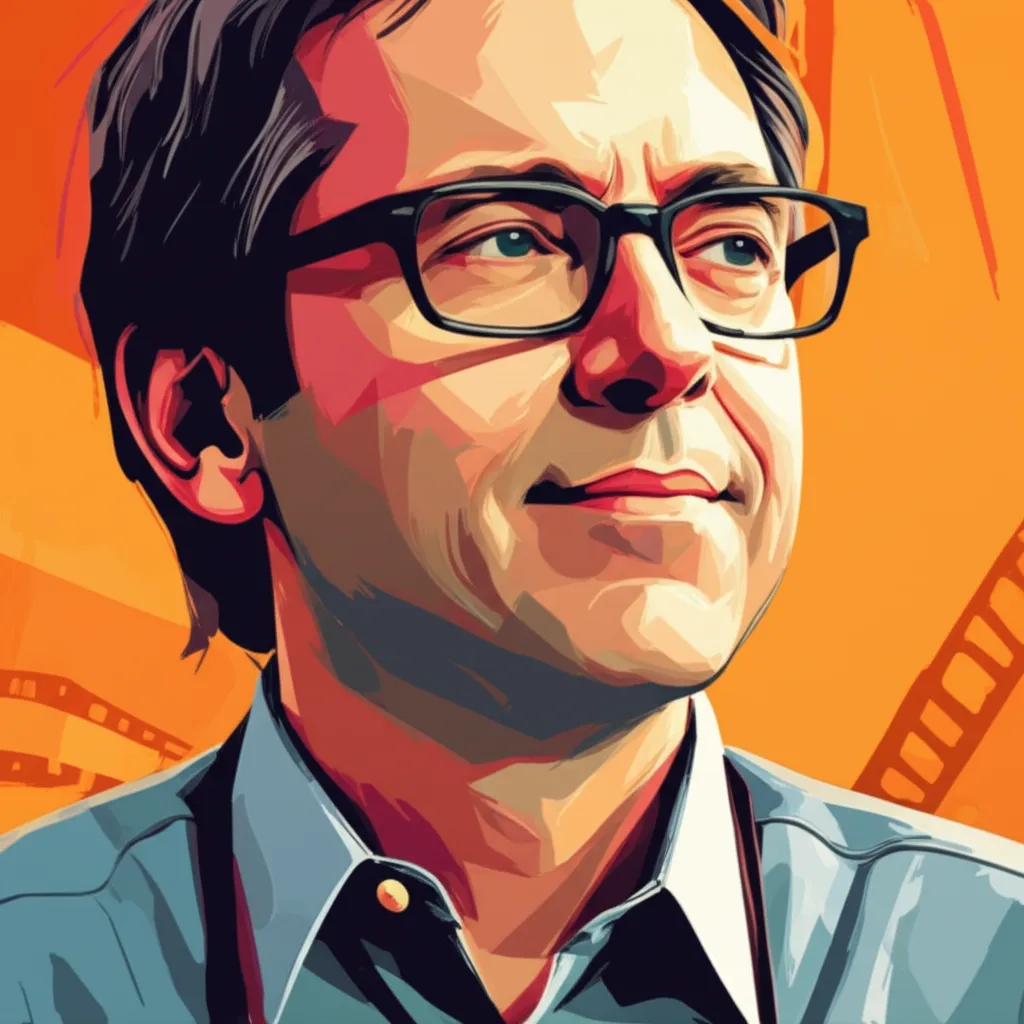
Dan Scanlon
Dan Scanlon is a highly acclaimed film director known for his exceptional storytelling and visionary approach to animation. With a career spanning over a decade, Scanlon has made a significant impact on the industry, creating memorable films that resonate with audiences of all ages. His directorial style is characterized by a perfect blend of heartwarming narratives, visually stunning animation, and a touch of humor, making his films both entertaining and emotionally compelling. One of Scanlon's most notable works is "Monsters University" (2013), a prequel to the beloved "Monsters, Inc." The film showcased Scanlon's ability to bring beloved characters to life while delivering a fresh and engaging storyline. His keen eye for detail and his dedication to character development were evident in this film, earning him widespread acclaim from critics and audiences alike. In 2020, Scanlon further solidified his reputation as a visionary director with the release of "Onward." This animated adventure film seamlessly combined fantasy elements with heartfelt storytelling, captivating viewers with its imaginative world-building and emotional depth. Scanlon's ability to infuse his films with relatable themes and universal messages has positioned him as a master of storytelling, capable of resonating with audiences on a profound level. Scanlon's films often explore themes of friendship, self-discovery, and the power of resilience, appealing to audiences of all ages. His unique vision and dedication to pushing the boundaries of animation have had a lasting impact on cinema, inspiring a new generation of filmmakers and leaving an indelible mark on the industry. With a talent for crafting emotionally rich narratives and a commitment to pushing the boundaries of animation, Dan Scanlon continues to be a driving force in the world of filmmaking, and his future projects are eagerly anticipated by fans and industry professionals alike.
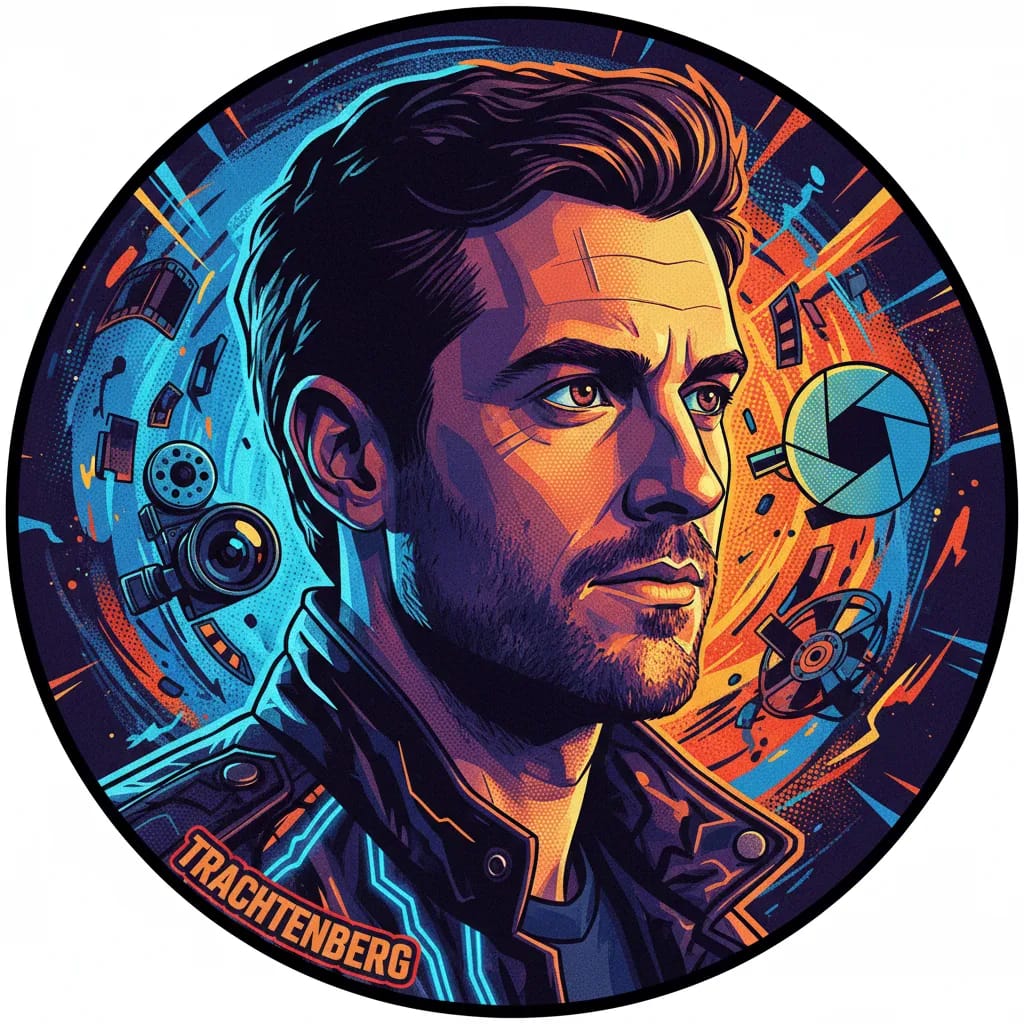
Dan Trachtenberg
Dan Trachtenberg is a visionary film director known for his unique and innovative approach to storytelling and visual style. With a relatively short but impactful career, Trachtenberg has already left an indelible mark on the film industry. He burst onto the scene with his directorial debut, "10 Cloverfield Lane," a psychological thriller that captivated audiences and critics alike. Trachtenberg's directorial style is characterized by his ability to create tension and suspense through meticulous pacing, striking visuals, and immersive storytelling. Following the success of "10 Cloverfield Lane," Trachtenberg continued to showcase his directorial prowess with the highly anticipated action-adventure film "Prey" (2022). The film exemplifies Trachtenberg's knack for blending elements of action, adventure, and drama, delivering a captivating cinematic experience that resonates with audiences. With "Prey," Trachtenberg further solidifies his reputation as a director who pushes boundaries and challenges conventional genre norms. Notable themes that often recur in Trachtenberg's work include the exploration of psychological depth, the complexities of human relationships, and the interplay between fear and resilience. His films often delve into the depths of the human psyche, creating intense and thought-provoking narratives that leave a lasting impact on viewers. Trachtenberg's ability to infuse his projects with rich thematic content while maintaining a high level of entertainment value sets him apart as a director with a profound understanding of storytelling. Trachtenberg's impact on cinema extends beyond his individual projects, as he continues to inspire a new generation of filmmakers with his innovative techniques and boundary-pushing storytelling. His dedication to crafting immersive, visually stunning narratives has earned him a dedicated following and cemented his status as a director to watch in the industry. As Trachtenberg's career continues to evolve, audiences can anticipate even more groundbreaking work that challenges and redefines the cinematic landscape.
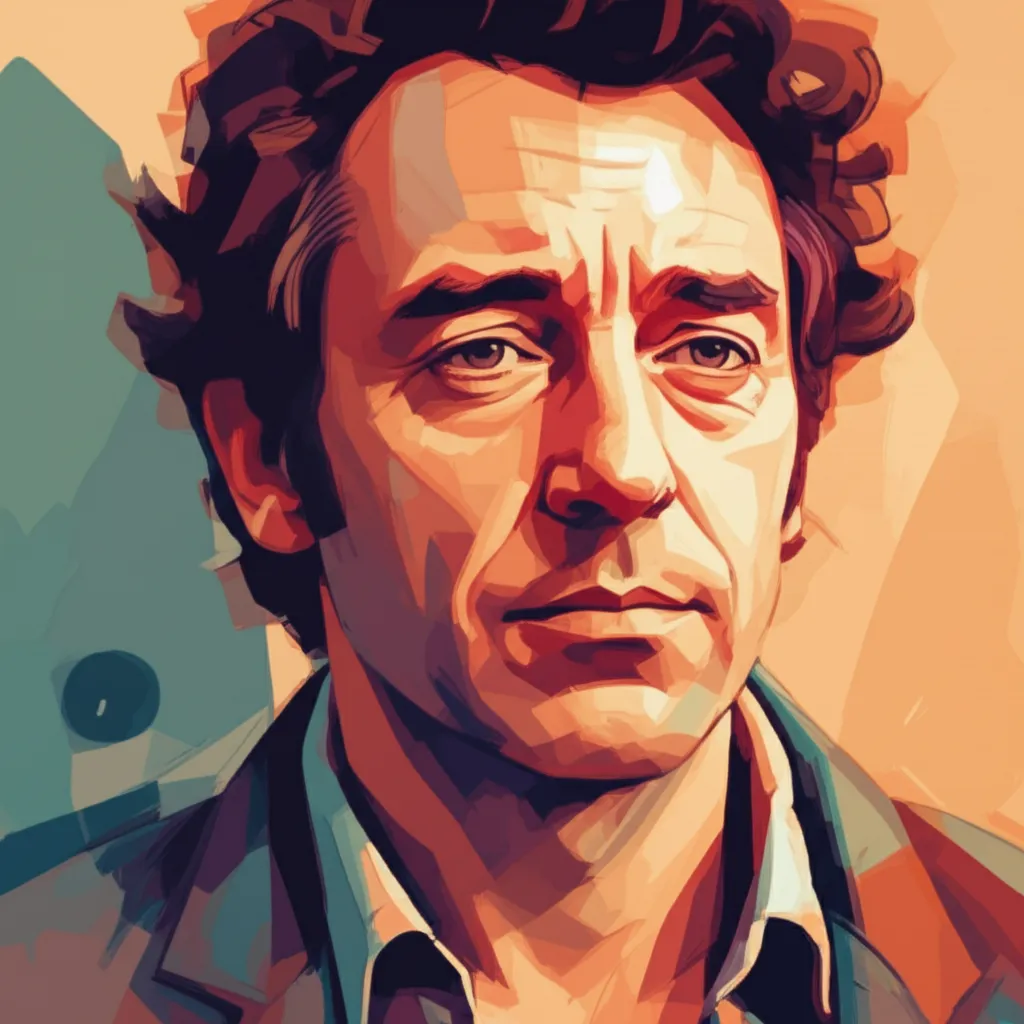
Dany Boon
Dany Boon is a celebrated French filmmaker whose unique blend of comedy and heartwarming storytelling has solidified his status as one of the most influential directors in contemporary cinema. Boon's directorial style is characterized by his ability to infuse humor with poignant narratives, creating films that resonate with audiences on a deep emotional level. His keen understanding of human relationships and his knack for capturing the complexities of everyday life have made him a beloved figure in the world of cinema. Boon's directorial debut, "Welcome to the Sticks" (2008), catapulted him to international acclaim, becoming the highest-grossing film in French history at the time. The film's success cemented Boon's status as a director capable of delivering both commercial success and critical acclaim. His follow-up film, "Nothing to Declare" (2010), further showcased his talent for crafting side-splitting comedies while incorporating themes of friendship, love, and cultural differences. With a penchant for exploring the dynamics of human connection, Boon's films often revolve around themes of belonging, identity, and the universal quest for understanding. His ability to infuse lighthearted humor with heartfelt storytelling has endeared him to audiences worldwide, earning him a dedicated fan base and numerous accolades throughout his career. Dany Boon's impact on cinema extends beyond his directorial prowess; he has played a vital role in shaping the landscape of modern French filmmaking. His ability to seamlessly blend comedy with genuine emotion has set a new standard for the genre, inspiring a generation of filmmakers to explore the depths of human experience through the lens of humor. In conclusion, Dany Boon's directorial career has been marked by a remarkable ability to craft films that are as emotionally resonant as they are uproariously funny. His unique vision and unwavering commitment to storytelling have left an indelible mark on the world of cinema, making him a true trailblazer in the realm of comedic filmmaking. With a filmography that continues to captivate audiences, Boon's influence on the industry is sure to endure for years to come.

Darin J. Sallam
Darin J. Sallam is an up-and-coming film director known for his captivating storytelling and visually stunning approach to filmmaking. His most recent work, "Farha" (2021), is a compelling drama that showcases Sallam's ability to delve into the complexities of human relationships and emotions. With a keen eye for detail and a deep understanding of character dynamics, Sallam's directorial style is marked by a seamless blend of intimate storytelling and striking visual imagery. "Farha" stands as a testament to Sallam's talent for crafting thought-provoking narratives that resonate with audiences on a profound level. The film's exploration of love, loss, and resilience reflects Sallam's recurring themes of human connection and the enduring strength of the human spirit. Through his work, Sallam has demonstrated a commitment to portraying authentic and emotionally rich stories that leave a lasting impact on viewers. In addition to "Farha," Sallam's body of work includes several short films and commercial projects, each showcasing his versatility and innovative approach to storytelling. His dedication to pushing creative boundaries and challenging traditional storytelling conventions has garnered him recognition within the industry and positioned him as a director to watch. Sallam's impact on cinema lies in his ability to infuse his films with a palpable sense of humanity, creating an immersive experience that resonates long after the credits roll. As he continues to carve his path in the film industry, Sallam's unique vision and unwavering commitment to storytelling are sure to solidify his standing as a directorial force to be reckoned with. With each new project, audiences eagerly anticipate the next chapter in Sallam's cinematic journey, eagerly awaiting the stories he will bring to life on the silver screen.
Dario Argento
Dario Argento, an Italian film director and screenwriter, is renowned for his contributions to the horror and thriller genres. With a career spanning over five decades, Argento's distinctive directorial style has left an indelible mark on the world of cinema. Known for his visually striking and atmospheric storytelling, Argento's films often feature intricate murder mysteries, intense psychological elements, and lavish set designs. His directorial debut, "The Bird with the Crystal Plumage" (1970), showcased his talent for creating suspenseful narratives and establishing him as a master of the giallo genre. Argento's filmography boasts several iconic works, including "Deep Red" (1975), "Suspiria" (1977), and "Tenebrae" (1982), which have garnered cult followings and influenced generations of filmmakers. His films are characterized by their vibrant color palettes, haunting scores, and unflinching depictions of violence, showcasing his commitment to pushing the boundaries of horror cinema. With "Suspiria," Argento crafted a visually stunning and nightmarish tale set in a prestigious dance academy, solidifying his reputation as a visionary director with a penchant for the macabre. Recurring themes in Argento's films include the exploration of the human psyche, the interplay of light and shadow, and the blurring of reality and delusion. His distinct aesthetic sensibilities and penchant for creating immersive, otherworldly environments have cemented his status as a maestro of horror. Additionally, Argento's influence can be seen in the works of contemporary filmmakers, with his signature style serving as a touchstone for aspiring directors seeking to elicit visceral reactions from their audiences. As a pioneer of the horror genre, Dario Argento's impact on cinema is undeniable. His bold directorial choices, penchant for psychological terror, and visual storytelling have solidified his legacy as an auteur whose work continues to captivate audiences and inspire filmmakers worldwide. With a career marked by uncompromising creativity and a commitment to pushing artistic boundaries, Argento remains a revered figure in the realm of horror cinema.
Dario Piana
Dario Piana is an Italian film director known for his work in the horror and thriller genres. He made his mark on the industry with his feature film debut, "The Deaths of Ian Stone" (2007), a gripping and atmospheric horror-thriller that showcased his talent for creating tension and suspense. Piana's directorial style is characterized by his ability to blend elements of psychological terror with visceral, heart-pounding horror, captivating audiences with his unique visual storytelling and immersive narratives. "The Deaths of Ian Stone" served as a launching pad for Piana's career, earning him recognition for his adeptness at crafting chilling and thought-provoking cinema. His filmography may be limited, but his impact on the horror genre is undeniable. Piana's work often delves into the darker aspects of human nature, exploring themes of existential dread, identity, and the unknown, all while maintaining a keen eye for striking visuals and haunting imagery. His ability to evoke deep-seated fears and provoke introspection has solidified his status as a director with a distinct and compelling vision. Piana's contribution to cinema lies in his capacity to push the boundaries of traditional horror storytelling, infusing his films with a sense of unease and uncertainty that lingers long after the credits roll. His directorial approach reflects a dedication to creating an immersive and unsettling experience for viewers, with an emphasis on psychological horror that resonates on a profound level. Despite his relatively small body of work, Piana's impact on the genre has been substantial, earning him a place among the ranks of visionary horror directors. In conclusion, Dario Piana's directorial career is marked by his ability to craft evocative and spine-tingling horror films that leave a lasting impression on audiences. His unique vision and penchant for exploring the depths of fear and human psyche have cemented his status as a director to watch in the world of horror cinema. With a promising debut and a keen understanding of the genre, Piana's contributions to film are sure to continue captivating and chilling audiences for years to come.
Darius Marder
Darius Marder is a visionary film director known for his unique storytelling and captivating directorial style. With a notable filmography that includes "Sound of Metal" (2019), Marder has made a significant impact on the cinematic landscape. His directorial debut, "Sound of Metal," is a compelling drama that delves into the world of a heavy metal drummer who experiences sudden hearing loss, and the film's exploration of identity, perseverance, and the human experience has garnered critical acclaim. Marder's directorial style is characterized by immersive storytelling, meticulous attention to detail, and a deep exploration of complex emotional landscapes. His films often feature intricate character studies and compelling narratives that resonate with audiences on a profound level. "Sound of Metal" showcases Marder's ability to craft an emotionally resonant and thought-provoking story that transcends traditional storytelling conventions. Throughout his career, Marder has demonstrated a keen eye for capturing raw, authentic performances and creating a visceral cinematic experience that stays with viewers long after the credits roll. His exploration of themes such as resilience, personal transformation, and the human condition has cemented his status as a director with a distinct and resonant voice in the industry. Marder's impact on cinema is undeniable, as his directorial work has redefined the boundaries of storytelling and pushed the medium to new heights. His ability to infuse his films with depth, emotion, and authenticity has solidified his place as a director to watch in the contemporary film landscape. With "Sound of Metal," Marder has proven himself as a director capable of delivering powerful, emotionally charged cinema that leaves a lasting impression on audiences. In conclusion, Darius Marder's directorial career is characterized by a commitment to pushing artistic boundaries, crafting emotionally resonant narratives, and showcasing the depth and complexity of the human experience. His directorial debut, "Sound of Metal," stands as a testament to his exceptional talent and his ability to create cinema that is both impactful and unforgettable. As Marder continues to shape the cinematic landscape with his visionary storytelling, audiences can eagerly anticipate the profound impact of his future directorial endeavors.

Darnell Martin
Darnell Martin is a trailblazing director whose work has left an indelible mark on the film industry. With a career spanning over three decades, Martin has cemented her reputation as a versatile and visionary filmmaker. She is best known for her critically acclaimed film "Cadillac Records" (2008), a biographical drama that delves into the vibrant and tumultuous world of 1950s Chicago music scene. The film showcases Martin's penchant for blending historical narratives with compelling character-driven storytelling, all underscored by a rich musical backdrop. Martin's directorial style is characterized by a deft blend of raw authenticity and emotional depth. Her films often explore themes of resilience, identity, and the human spirit, resonating with audiences on a profound level. "Cadillac Records" exemplifies her ability to breathe life into historical figures and events, capturing the essence of an era while infusing it with contemporary relevance. Her meticulous attention to detail and commitment to authenticity have set her apart as a director with a keen eye for historical accuracy and cultural nuance. Beyond "Cadillac Records," Darnell Martin's filmography boasts a diverse array of projects that showcase her range as a director. From her early work on television to her forays into feature films, Martin has consistently demonstrated her storytelling prowess and directorial acumen. Her impact on cinema extends beyond her individual projects, as she has paved the way for women and filmmakers of color, breaking barriers and challenging industry norms. Darnell Martin's contributions to the film industry have not only enriched the cinematic landscape but have also opened doors for underrepresented voices in storytelling. Her dedication to crafting compelling narratives and her ability to infuse her work with cultural significance have solidified her status as a director to be celebrated and revered. As cinema continues to evolve, Darnell Martin's influence will undoubtedly endure, leaving an indelible legacy for future generations of filmmakers to draw inspiration from.
Darren Aronofsky
Darren Aronofsky is an American director known for his distinct, boundary-pushing style and thought-provoking storytelling. His filmography is marked by a diverse array of genres, from psychological thrillers to epic dramas, each infused with his signature visual flair and intense emotional depth. Aronofsky's career took off with his debut feature, "Pi" (1998), a mind-bending thriller that showcased his talent for creating immersive, haunting atmospheres. This was followed by "Requiem for a Dream" (2000), a harrowing exploration of addiction and despair that solidified Aronofsky's reputation as a director unafraid to tackle challenging subject matter. One of Aronofsky's most acclaimed works is "Black Swan" (2010), a psychological thriller set in the world of ballet that earned widespread critical acclaim and multiple awards, including an Academy Award for Natalie Portman's performance. The film showcased Aronofsky's ability to blend elements of horror and psychological drama, creating a mesmerizing and unsettling cinematic experience. His ability to delve into the darkest corners of the human psyche has become a recurring theme throughout his filmography, as seen in "The Wrestler" (2008), a poignant character study of a washed-up professional wrestler portrayed by Mickey Rourke. In "The Fountain" (2006), Aronofsky delved into themes of love, mortality, and the quest for immortality, using stunning visual effects and a non-linear narrative to create a deeply philosophical and visually arresting film. His ambitious vision continued with "Noah" (2014), a reimagining of the biblical story that showcased his knack for blending epic spectacle with intimate human drama. Aronofsky's most recent project, "The Whale" (2022), promises to further showcase his ability to tackle weighty, emotionally charged material with sensitivity and depth. Aronofsky's impact on cinema is undeniable, as he continues to push the boundaries of storytelling and visual expression. His films are characterized by their raw emotion, striking imagery, and unflinching exploration of the human condition. Whether exploring the depths of obsession, the complexities of faith, or the fragility of the human mind, Aronofsky's work challenges audiences to confront uncomfortable truths and engage with the profound themes that define the human experience. With his unique vision and uncompromising dedication to his craft, Aronofsky has secured his place as a visionary director