Director Names Starting with D
Showing 13-24 out of 283
Damien Power
Damien Power is an Australian film director known for his gripping storytelling and ability to craft intense and atmospheric films. His notable filmography includes the 2022 release "No Exit," a riveting drama, mystery, and thriller that showcases his directorial prowess. Power's directorial style is marked by a keen eye for suspense and a talent for creating immersive and tension-filled narratives that captivate audiences. In "No Exit," Power demonstrates his mastery of building suspense and creating a sense of unease, drawing viewers into a world filled with mystery and intrigue. The film exemplifies his ability to craft compelling characters and intricate plotlines, keeping audiences on the edge of their seats throughout the gripping tale. Power's directorial work often delves into themes of survival, morality, and the complexities of human nature. His films are characterized by their intense and visceral storytelling, as he expertly weaves together elements of mystery and psychological depth to create an immersive cinematic experience. Power's directorial contributions have made a significant impact on the thriller genre, earning him a reputation as a director with a unique vision and a knack for delivering tension-filled narratives that leave a lasting impression on audiences. With "No Exit," Power continues to solidify his position as a director with a distinct voice in the industry, showcasing his ability to deliver compelling and thought-provoking storytelling. As he continues to expand his body of work, Damien Power's directorial talent and penchant for crafting gripping narratives are sure to leave a lasting mark on the world of cinema, cementing his status as a visionary filmmaker to watch.
Damon Beesley
Damon Beesley is a British film director best known for his work in the comedy genre. His most notable film to date is "The Inbetweeners 2," released in 2014, which further solidified his reputation as a talented director with a keen eye for comedic storytelling. Beesley's directorial style is characterized by his ability to capture the essence of youth and friendship, often infused with raucous humor and relatable coming-of-age experiences. His work frequently explores the humorous and awkward moments of adolescence, resonating with audiences through its authenticity and wit. Beesley's films are known for their sharp, observational humor and the ability to find comedy in the everyday experiences of his characters. "The Inbetweeners 2" stands as a testament to Beesley's talent and vision, as it seamlessly blends humor with genuine emotion, capturing the essence of friendship and self-discovery amidst the chaos of young adulthood. The film was a commercial success, further cementing Beesley's status as a director capable of delivering crowd-pleasing, laugh-out-loud entertainment. In terms of recurring themes, Beesley's films often delve into the complexities of male friendships, the awkwardness of adolescence, and the universal experiences of growing up. His work resonates with audiences by tapping into the shared experiences of navigating the challenges and absurdities of youth, making his films both relatable and highly entertaining. Damon Beesley's impact on cinema lies in his ability to create films that resonate with audiences on a deeply personal level, while also delivering uproarious comedy. His unique vision and storytelling prowess have contributed to the continued popularity of the comedy genre, and his work stands as a testament to the enduring appeal of relatable, character-driven storytelling in film. With a successful track record, Beesley's future projects are eagerly anticipated by fans and industry insiders alike.
Damon Santostefano
Damon Santostefano is an American film director known for his work in the comedy and romance genres. With a career spanning over two decades, Santostefano has made a mark in the film industry with his distinct directorial style and ability to infuse humor and heart into his projects. Santostefano's breakthrough came with his feature film "Three to Tango" (1999), starring Matthew Perry and Neve Campbell. The film follows the story of a love triangle involving a businessman, an artist, and a mistaken assumption about their relationships. Santostefano's direction showcased his knack for crafting witty and endearing romantic comedies, earning him recognition for his ability to balance humor with genuine emotion. Throughout his career, Santostefano has demonstrated a penchant for exploring themes of love, relationships, and the complexities of human connection, often through the lens of humor and charm. His films often feature relatable characters and engaging narratives that resonate with audiences, making him a beloved figure in the romantic comedy genre. Santostefano's impact on cinema lies in his ability to create entertaining and heartwarming films that appeal to a wide audience. His directorial approach has influenced the genre, inspiring other filmmakers to explore similar themes and storytelling techniques. With his unique vision and storytelling prowess, Santostefano continues to leave a lasting impression on the film industry. In conclusion, Damon Santostefano's directorial career is defined by his ability to infuse comedy and romance with genuine emotion, creating films that resonate with audiences. His work on "Three to Tango" solidified his reputation as a talented director with a distinctive style, and his contributions to the romantic comedy genre have left an indelible mark on cinema. Santostefano's films continue to entertain and captivate audiences, cementing his status as a notable figure in the world of film directing.

Dan Aykroyd
Canadian-American actor, comedian, and musician Dan Aykroyd, best known for his iconic performances in films such as "Ghostbusters" and "The Blues Brothers," made his directorial debut with the 1991 dark comedy "Nothing But Trouble." Despite receiving mixed reviews, Aykroyd's directorial effort showcased his unique vision and creativity behind the camera. Aykroyd's directorial style in "Nothing But Trouble" demonstrated his penchant for blending humor with macabre and offbeat elements. Known for his quirky sense of humor, Aykroyd infused the film with a dark, satirical tone, creating a surreal and visually striking world that showcased his distinct directorial voice. The film's unconventional narrative and eccentric characters reflected Aykroyd's penchant for pushing boundaries and challenging traditional storytelling conventions. While "Nothing But Trouble" may not have achieved widespread critical acclaim, Aykroyd's directorial debut highlighted his willingness to take risks and experiment with unconventional storytelling. The film's bold and audacious approach showcased Aykroyd's commitment to creating unique cinematic experiences that defy categorization and leave a lasting impression on audiences. Aykroyd's foray into directing may have been brief, but his impact on cinema as a versatile and multi-talented artist remains undeniable. His directorial debut stands as a testament to his willingness to explore new creative avenues and push the boundaries of traditional filmmaking, cementing his status as a visionary artist with a distinctive directorial style. In conclusion, while "Nothing But Trouble" may not have catapulted Aykroyd into the ranks of acclaimed directors, it served as a testament to his fearless creativity and willingness to explore unconventional storytelling. Aykroyd's directorial debut remains a fascinating entry in his storied career, showcasing his unique vision and distinct directorial voice.
Dan Beers
Dan Beers is a talented American director known for his unique blend of comedy, drama, and fantasy in his films. His notable work includes the 2014 film "Premature," which garnered attention for its fresh and imaginative storytelling. Beers' directorial style is characterized by a keen sense of humor, heartfelt storytelling, and a touch of surrealism, making his films stand out in the industry. "Premature" is a coming-of-age comedy that follows a high school senior who finds herself reliving the same day over and over again. Beers' clever and inventive approach to storytelling, combined with his ability to infuse humor and emotional depth, sets him apart as a director with a distinct vision. His films often explore themes of self-discovery, the passage of time, and the complexities of human relationships, resonating with audiences on a profound level. Beers' impact on cinema lies in his ability to infuse traditional genres with fresh perspectives and imaginative narratives, appealing to a wide range of viewers. His films have received critical acclaim for their originality and emotional resonance, establishing him as a director to watch in the industry. With an eye for blending comedy, drama, and fantasy in a seamless and captivating manner, Beers continues to push boundaries and surprise audiences with his thought-provoking storytelling. In conclusion, Dan Beers has made a lasting impression on cinema with his unique directorial style and imaginative storytelling. His ability to seamlessly blend comedy, drama, and fantasy sets him apart as a visionary director. Through his films, Beers has showcased his talent for crafting emotionally resonant narratives that resonate with audiences. As he continues to explore new creative avenues, his impact on the industry is sure to grow, solidifying his status as a director with a distinct and compelling vision.
Dan Berk
Dan Berk is a talented film director known for his unique blend of comedy, drama, and horror. With a distinct directorial style, Berk has made a mark in the industry with his thought-provoking and entertaining films. His notable works include "Villains" (2019) and "Novocaine" (2025), both of which showcase his ability to seamlessly intertwine different genres to create compelling narratives. In "Villains," Berk masterfully combines elements of comedy, drama, and horror to craft a darkly comedic and thrilling story. The film delves into the lives of two petty criminals who stumble upon a dark secret at a remote house, leading to a series of unexpected and suspenseful events. Berk's directorial prowess shines through as he expertly navigates the tonal shifts, keeping audiences on the edge of their seats while infusing moments of dark humor into the narrative. "Novocaine" further demonstrates Berk's versatility as a director, delving into the realms of comedy, crime, and drama. The film follows a group of individuals whose lives intersect in unexpected ways, leading to a web of deceit, betrayal, and dark humor. Berk's keen eye for storytelling and his ability to create multi-layered characters make "Novocaine" a captivating and immersive cinematic experience. Berk's directorial style is characterized by his ability to infuse depth and nuance into his storytelling, creating films that resonate with audiences on an emotional and intellectual level. His films often explore themes of morality, human nature, and the complexities of relationships, offering thought-provoking insights while keeping viewers entertained. With his unique vision and directorial talent, Dan Berk has made a significant impact on cinema, earning a reputation for delivering compelling and memorable films. His ability to seamlessly blend genres and craft engaging narratives sets him apart as a director to watch, and his contributions to the industry continue to shape the landscape of contemporary filmmaking.
Dan Bradley
Dan Bradley is an accomplished film director renowned for his work in the action, drama, and thriller genres. His notable directorial debut came with the 2012 film "Red Dawn," which showcased his adeptness in crafting high-octane, adrenaline-pumping sequences. Known for his meticulous attention to detail and ability to capture heart-stopping action on screen, Bradley's directorial style has left an indelible mark on the cinematic landscape. "Red Dawn" exemplifies Bradley's penchant for creating visceral, pulse-pounding experiences for audiences. His mastery of choreographing intense combat scenes and dynamic set pieces has solidified his reputation as a director who elevates the action genre. With a keen eye for capturing the raw intensity of warfare and the human drama that unfolds within it, Bradley's directorial approach resonates with fans of gripping, edge-of-your-seat storytelling. Throughout his career, Bradley has demonstrated a consistent focus on themes of resilience, heroism, and the human spirit in the face of adversity. His films often explore the complexities of interpersonal relationships amidst high-stakes scenarios, adding emotional depth to the heart-racing action that defines his work. By infusing his narratives with compelling character dynamics and moral dilemmas, Bradley brings a thought-provoking dimension to the action and thriller genres. Bradley's impact on cinema extends beyond his directorial prowess; his ability to seamlessly integrate practical stunts and cutting-edge visual effects has set new standards for the genre. His dedication to authenticity and immersion has earned him accolades from both audiences and industry professionals, cementing his status as a visionary director whose work continues to captivate and inspire. As a directorial force in action filmmaking, Dan Bradley's contributions have left an enduring imprint on the world of cinema, and his legacy continues to shape the evolution of the genre.
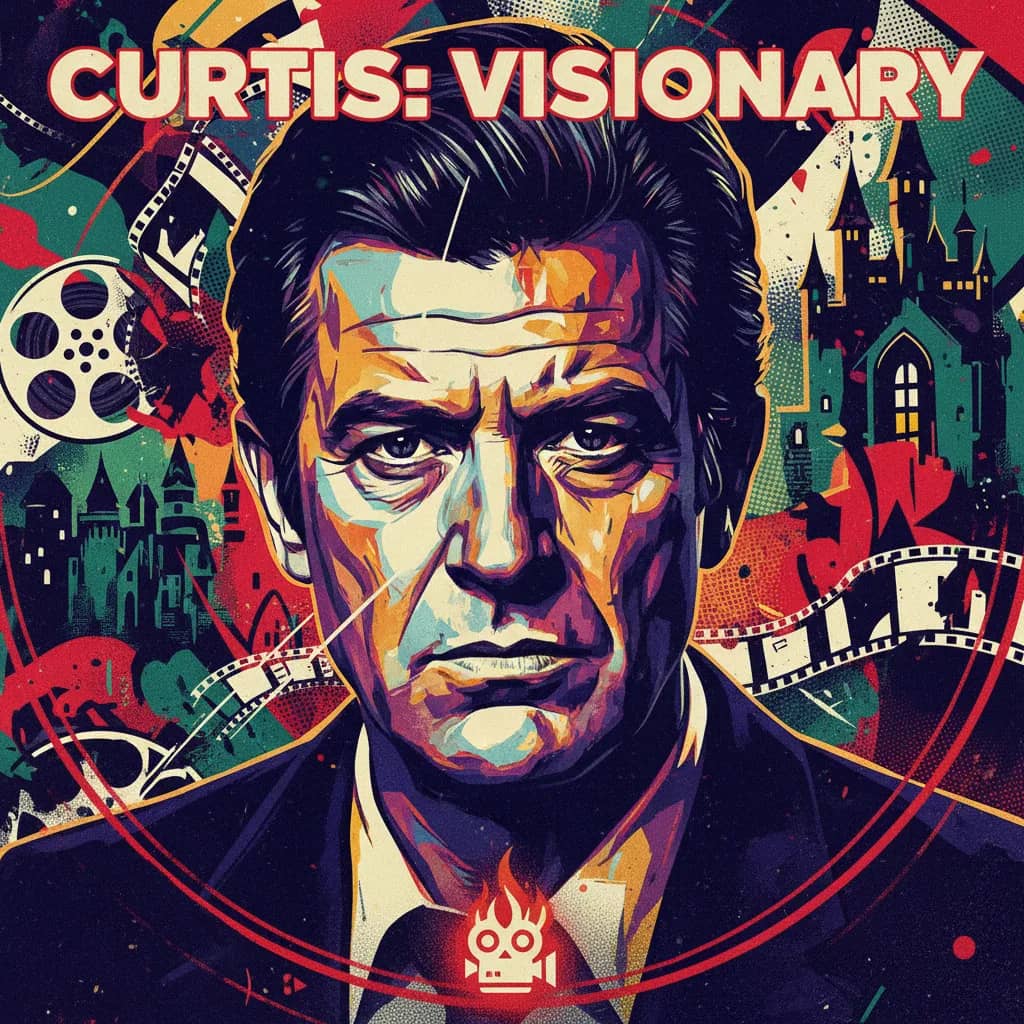
Dan Curtis
Dan Curtis was a visionary director known for his groundbreaking work in the horror genre. With a career spanning over three decades, Curtis left an indelible mark on cinema with his distinct directorial style and innovative storytelling. His notable film, "Burnt Offerings" (1976), remains a cult classic in the horror, mystery, and thriller genres, showcasing Curtis's ability to create an atmosphere of dread and suspense. Throughout his career, Curtis demonstrated a penchant for crafting haunting narratives that delved into the darker aspects of the human psyche. His directorial style often incorporated atmospheric cinematography, eerie sound design, and compelling character development, captivating audiences with his ability to evoke genuine terror and unease. "Burnt Offerings" stands as a prime example of Curtis's mastery in building tension and suspense, as he skillfully weaves a chilling tale of a family's descent into madness within a mysterious, malevolent mansion. Curtis's impact on cinema extends beyond his individual films, as he played a pivotal role in revolutionizing horror storytelling for the small screen as well. He is widely recognized for his influential work on the acclaimed television series "Dark Shadows," a gothic soap opera that introduced supernatural elements and gothic horror to daytime television, leaving an enduring legacy in the realm of serialized storytelling. Recurring themes in Curtis's work often revolved around the exploration of the supernatural, psychological terror, and the blurred lines between reality and the supernatural. His ability to infuse his films with a palpable sense of dread and existential fear set him apart as a director with a unique vision and a profound impact on the horror genre. Dan Curtis's contributions to film and television continue to resonate with audiences and filmmakers alike, cementing his status as a trailblazer in the realm of horror storytelling.
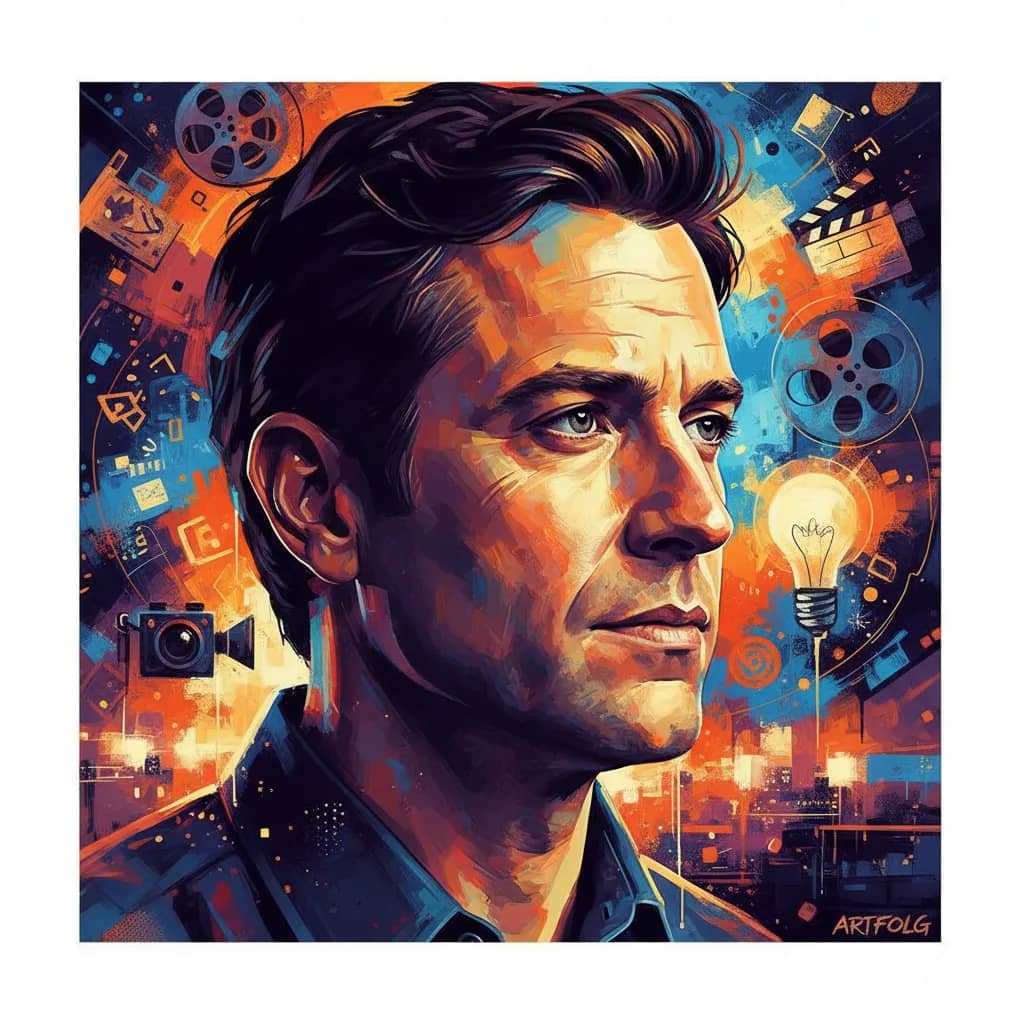
Dan Fogelman
Dan Fogelman is a multi-talented filmmaker renowned for his work as a director, screenwriter, and producer. His directorial style is characterized by a deep exploration of human emotions, complex storytelling, and a blend of drama and comedy. Fogelman is known for infusing his films with poignant narratives and compelling characters that resonate with audiences on an emotional level. His notable films include "Life Itself" (2018), a powerful drama and romance that weaves together multiple generations and storylines, and "Danny Collins" (2015), a biographical comedy-drama that showcases Fogelman's knack for crafting heartfelt narratives. Fogelman's films often revolve around the themes of love, loss, family dynamics, and the human experience. He has a unique ability to craft stories that are deeply moving while also incorporating elements of humor and wit. His work as a director has made a significant impact on cinema by demonstrating the power of storytelling to evoke genuine emotional responses from viewers. Fogelman's films have been praised for their authenticity, powerful performances, and thought-provoking narratives, solidifying his reputation as a visionary director with a keen understanding of the human condition. In "Life Itself," Fogelman skillfully intertwines multiple storylines to create a rich tapestry of interconnected lives, showcasing his talent for crafting intricate narratives with emotional depth. The film's exploration of love, tragedy, and the resilience of the human spirit resonates with audiences on a profound level. Similarly, "Danny Collins" exhibits Fogelman's ability to infuse a biographical narrative with warmth, humor, and a deep sense of humanity, making it a standout film in his directorial career. Overall, Dan Fogelman's directorial contributions have left an indelible mark on the film industry, earning him recognition as a masterful storyteller with a distinctive vision. His ability to seamlessly blend drama and comedy while delving into the complexities of human relationships has solidified his status as a director whose work continues to captivate and inspire audiences worldwide.
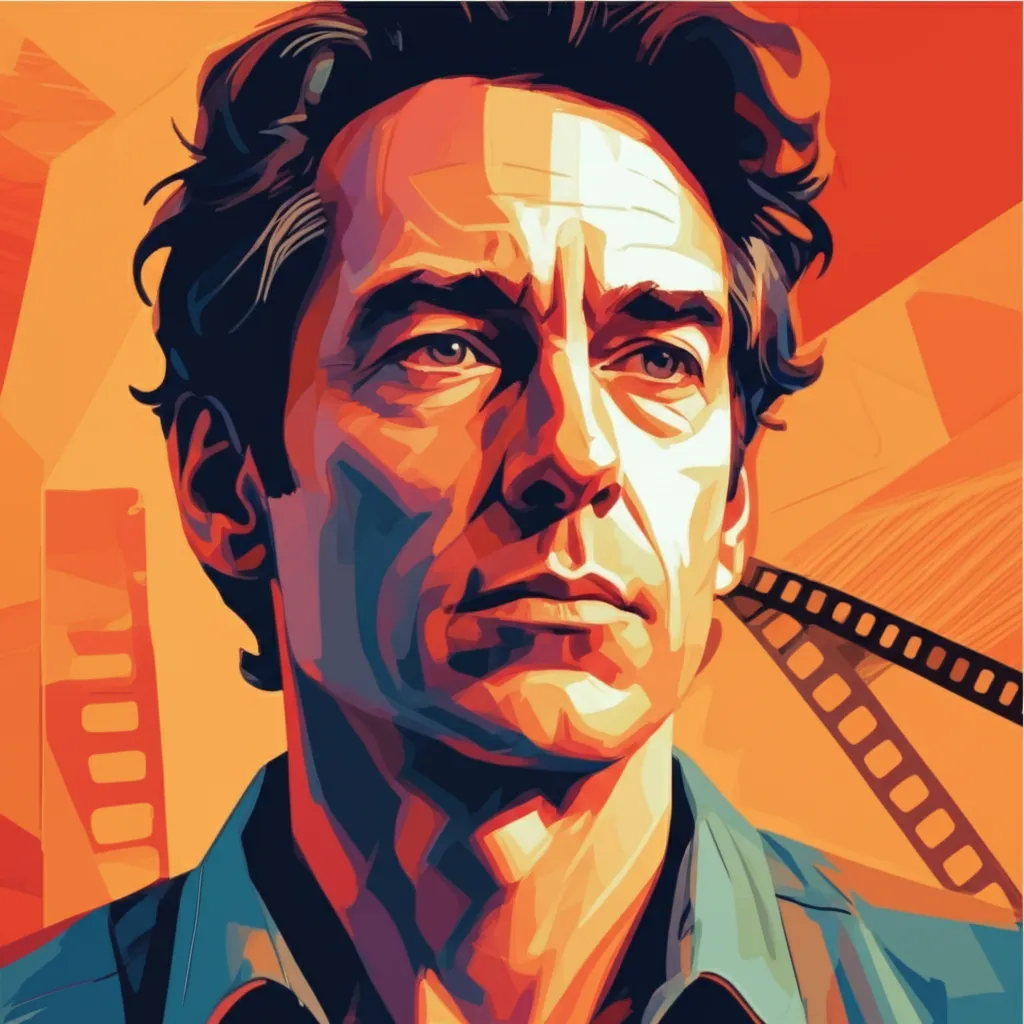
Dan Gilroy
Dan Gilroy is a visionary director known for his unique approach to storytelling and compelling visual style. With a career spanning over three decades, Gilroy has left an indelible mark on the film industry with his thought-provoking narratives and intense character studies. His directorial debut, "Nightcrawler" (2014), immediately garnered critical acclaim and established him as a formidable force in the world of cinema. The film, a gripping crime thriller, showcased Gilroy's ability to create a dark and atmospheric portrayal of the underbelly of Los Angeles, while also delving into the morally ambiguous world of crime journalism. His meticulous attention to detail and ability to build suspense through masterful pacing and cinematography solidified his reputation as a director to watch. In 2017, Gilroy once again captivated audiences with "Roman J. Israel, Esq.," a compelling crime drama that delved deep into the complexities of the legal system and the moral dilemmas faced by its characters. The film showcased Gilroy's penchant for crafting multi-layered narratives and eliciting powerful performances from the cast. His ability to infuse social commentary into his storytelling while maintaining a taut and engaging narrative has become a hallmark of his directorial style. In 2019, Gilroy ventured into the realm of horror with "Velvet Buzzsaw," a satirical thriller that explored the intersection of art and commerce. This departure from his previous works demonstrated his versatility as a director, as he seamlessly transitioned into a different genre while maintaining his signature visual flair and narrative depth. Gilroy's films often grapple with themes of ambition, morality, and the darker aspects of human nature, providing audiences with thought-provoking and immersive cinematic experiences. Dan Gilroy's impact on cinema extends beyond his individual films, as his body of work has contributed to the evolution of storytelling in the medium. His ability to create immersive and visually stunning worlds while delving into the complexities of human behavior has solidified his status as a director with a distinct and compelling vision. With each new project, Gilroy continues to push the boundaries of storytelling and captivate audiences with his unique directorial style, making him a prominent figure in contemporary cinema.

Dania Pasquini
Dania Pasquini is an Italian director known for her work in the drama, music, and romance genres. Her most notable film, "StreetDance 3D" (2010), has garnered attention for its energetic choreography, compelling storytelling, and vibrant visual style. Pasquini's directorial approach is characterized by her ability to seamlessly blend music and dance with emotionally resonant narratives, creating an immersive cinematic experience for audiences. "StreetDance 3D" stands as a testament to Pasquini's talent for capturing the raw energy and passion of dance while infusing the film with a heartfelt romance and compelling drama. Her keen eye for detail and dynamic visual storytelling have solidified her reputation as a director capable of delivering visually stunning and emotionally impactful films. With "StreetDance 3D," Pasquini has made a notable impact on the dance film genre, showcasing her ability to push the boundaries of visual storytelling while maintaining a strong focus on character development and emotional depth. Her directorial style is marked by a commitment to authenticity and a dedication to capturing the essence of the human experience through the universal language of music and dance. In the world of cinema, Dania Pasquini has carved out a distinct niche for herself as a director who brings a fresh perspective to the intersection of music, dance, and romance. Her ability to create visually captivating and emotionally resonant films has earned her a dedicated following and solidified her status as a visionary director with a unique voice in the industry. As she continues to expand her body of work, Pasquini's influence on the cinematic landscape is sure to endure, leaving an indelible mark on the world of film.
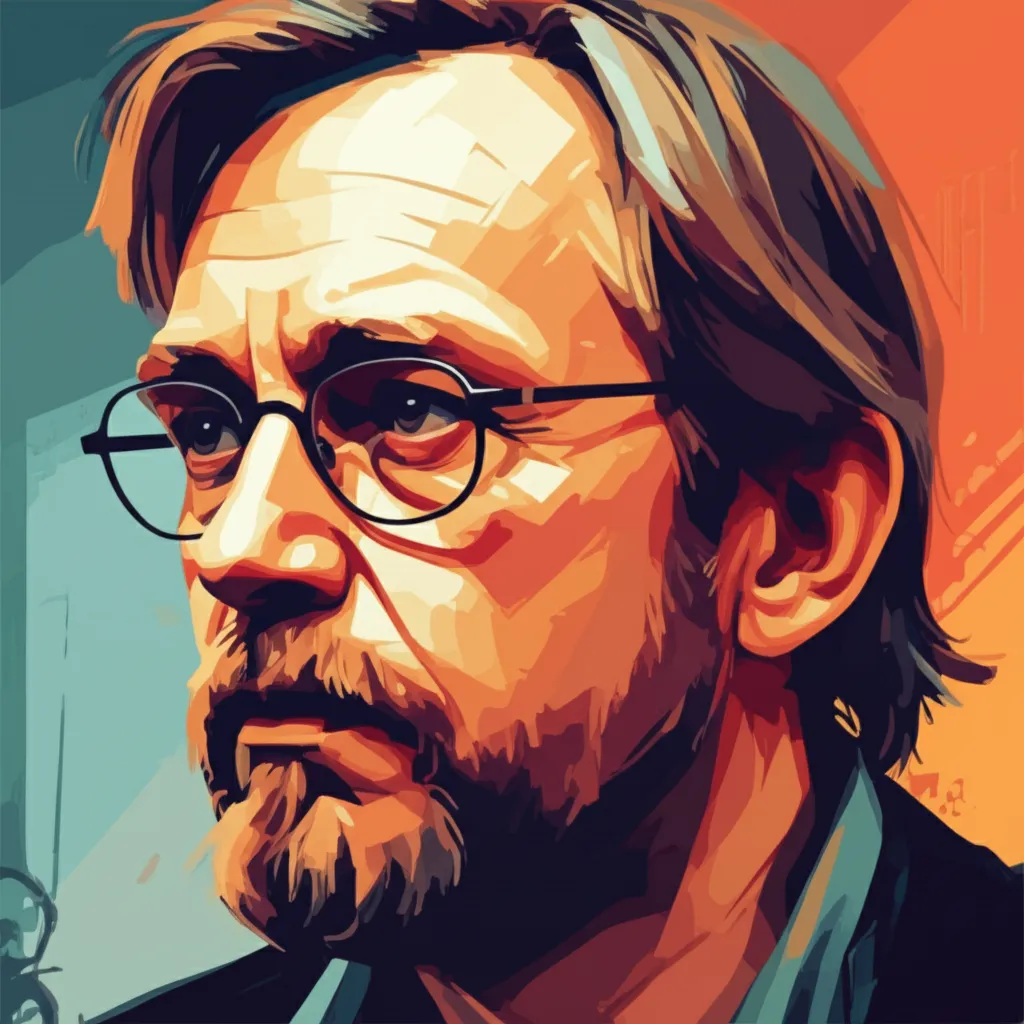
Daniel Alfredson
Daniel Alfredson is a Swedish film director known for his compelling storytelling and keen eye for suspenseful thrillers. With a diverse filmography that spans across various genres, Alfredson has made a name for himself in the industry with his distinct directorial style. His notable films include "The Girl Who Kicked the Hornet's Nest" (2009), "The Girl Who Played with Fire" (2009), "Kidnapping Mr. Heineken" (2015), and "Blackway" (2015). Alfredson's directorial style is characterized by his ability to create intense and gripping narratives that keep audiences on the edge of their seats. His films often delve into the darker aspects of human nature, exploring themes of crime, deception, and the complexities of the human psyche. Alfredson's meticulous attention to detail and masterful pacing have solidified his reputation as a director capable of delivering high-stakes, emotionally charged storytelling. "The Girl Who Kicked the Hornet's Nest" and "The Girl Who Played with Fire" are standout films in Alfredson's career, adapted from Stieg Larsson's Millennium series. These films showcase his adeptness at crafting intricate and layered narratives, as well as his ability to bring complex characters to life on the screen. Meanwhile, "Kidnapping Mr. Heineken" and "Blackway" further demonstrate Alfredson's versatility, as he seamlessly transitions between genres while maintaining his signature tension-filled storytelling. Alfredson's impact on cinema lies in his ability to captivate audiences with his immersive storytelling and his knack for bringing out the best in his cast and crew. His films have garnered critical acclaim and have left a lasting impression on viewers, solidifying his status as a director with a unique vision and a talent for creating gripping cinematic experiences. As a director, Alfredson's contributions to the film industry have undoubtedly left an indelible mark, and his body of work continues to resonate with audiences worldwide. In conclusion, Daniel Alfredson's directorial career is defined by his ability to weave intricate narratives, his skillful handling of tension and suspense, and his knack for tapping into the darker aspects of human nature. His impact on cinema is evident in the lasting impression his films have left on audiences, solidifying his status as a director with a unique vision and a talent for delivering compelling storytelling. Whether it's delving into the depths of crime or crafting intense thrillers, Alfredson's work continues to captivate and