Director Names Starting with D
Showing 193-204 out of 283
Dennis Iliadis
Dennis Iliadis is a Greek film director known for his work in the horror and thriller genres. He burst into the international film scene with his 2009 remake of the classic horror film "The Last House on the Left." Iliadis brought his distinct directorial style to the film, infusing it with a heightened sense of tension and psychological terror. Iliadis's directorial approach often delves into the darker aspects of human nature, exploring themes of violence, morality, and the primal instincts that drive individuals to extreme actions. His films are characterized by their intense and visceral storytelling, creating an atmosphere that keeps audiences on the edge of their seats. "The Last House on the Left" showcases Iliadis's talent for building suspense and crafting chilling, unforgettable moments that linger long after the credits roll. His adept handling of the genre has solidified his reputation as a director with a keen eye for delivering gripping and impactful narratives. Iliadis's impact on cinema lies in his ability to infuse the horror and thriller genres with fresh perspectives and innovative storytelling techniques. His work has resonated with audiences and critics alike, earning him a dedicated following within the genre. Overall, Dennis Iliadis's contributions to the film industry have left an indelible mark on the horror and thriller genres, cementing his status as a director with a unique vision and a penchant for crafting spine-tingling experiences that captivate audiences. His directorial style and thematic exploration continue to influence and inspire filmmakers within the genre.
Dennis Lee
Dennis Lee is a talented filmmaker known for his distinctive directorial style and emotionally resonant storytelling. His notable film, "Fireflies in the Garden" (2008), is a compelling drama that showcases Lee's ability to craft complex characters and explore the intricacies of family dynamics. The film boasts a stellar ensemble cast including Julia Roberts, Ryan Reynolds, and Willem Dafoe, and is a poignant exploration of love, loss, and forgiveness. Lee's directorial style is marked by its introspective and intimate approach, capturing the nuances of human relationships with sensitivity and depth. His films often delve into the complexities of familial bonds, delving into themes of reconciliation, trauma, and resilience. This thematic richness has earned him acclaim for his ability to evoke genuine emotional responses from audiences. "Fireflies in the Garden" stands as a testament to Lee's impact on cinema, as it showcases his adeptness at weaving together intricate narratives while eliciting powerful performances from his cast. The film's narrative structure and visual storytelling underscore Lee's ability to create deeply affecting cinematic experiences. His work reflects a keen understanding of human nature and an unwavering commitment to storytelling that resonates on a deeply personal level. While Lee's directorial career may be relatively brief, his impact has been significant. His unique vision and dedication to crafting emotionally resonant narratives have positioned him as a filmmaker to watch. As he continues to explore the complexities of human experience through his work, Dennis Lee's contributions to cinema are poised to endure, leaving an indelible mark on the art of storytelling through film.
Dennis Widmyer
Dennis Widmyer is a visionary director known for his distinctive contributions to the horror genre. His breakout film, "Starry Eyes" (2014), immediately established him as a force to be reckoned with in the world of independent horror cinema. The film revolves around a struggling actress who makes a Faustian bargain to achieve fame, and it quickly garnered critical acclaim for its intense, atmospheric storytelling and thought-provoking exploration of the price of success. With "Starry Eyes," Widmyer showcased his talent for creating unsettling, psychologically complex narratives that linger in the minds of audiences long after the credits roll. Widmyer's directorial style is characterized by a meticulous attention to detail, a keen understanding of suspense and tension, and a penchant for delving into the darker aspects of human nature. His films often feature strong, multidimensional female protagonists and delve into themes of ambition, identity, and the consequences of pursuing one's desires at any cost. Widmyer's ability to craft visually arresting and emotionally resonant storytelling has solidified his status as a prominent figure in the contemporary horror landscape. With "Starry Eyes," Widmyer carved out a niche for himself as a director unafraid to push boundaries and explore the depths of human fear and desire. His work has resonated with both critics and audiences, earning him a dedicated following and cementing his reputation as a director with a unique and uncompromising vision. As Widmyer continues to make his mark on the world of cinema, his influence on the horror genre is undeniable, and his films stand as testaments to his unwavering commitment to storytelling that challenges, provokes, and captivates. In conclusion, Dennis Widmyer's career has been defined by a commitment to crafting thought-provoking, emotionally resonant horror films that push the boundaries of the genre and explore the complexities of the human experience. With "Starry Eyes," he announced himself as a director with a distinct voice and a penchant for creating immersive, unsettling narratives that leave a lasting impact. Widmyer's work continues to shape the landscape of contemporary horror cinema, and his contributions to the genre are sure to endure as a testament to his unwavering dedication to storytelling that challenges, provokes, and captivates audiences.
Denys Arcand
Denys Arcand is a prominent Canadian filmmaker known for his thought-provoking and socially relevant films. Born in Quebec, Canada in 1941, Arcand began his career as a documentary filmmaker before transitioning to feature films in the 1970s. His directorial style is characterized by a keen eye for social commentary, blending sharp wit with incisive observations on contemporary issues. Arcand's films often explore the complexities of human relationships, the clash between modernity and tradition, and the impact of political and cultural forces on individuals. One of Arcand's most acclaimed works is "The Barbarian Invasions" (2003), which won the Academy Award for Best Foreign Language Film. This poignant comedy-drama delves into the intricacies of family dynamics, friendship, and mortality, as a group of estranged friends reunite to support a dying man. The film showcases Arcand's ability to infuse serious subjects with humor and warmth, creating a deeply humanistic portrayal of life's complexities. Throughout his career, Arcand has been lauded for his ability to tackle weighty themes with a deft touch, earning a reputation as a master storyteller. His films often serve as reflections of contemporary society, offering incisive critiques while maintaining a sense of empathy and understanding for his characters. Arcand's body of work has had a profound impact on Canadian cinema and has garnered international acclaim, solidifying his status as a trailblazing director with a distinct voice. Denys Arcand's recurring themes and insightful storytelling have made him a revered figure in the world of cinema. His unique ability to blend humor with profound social commentary has left an indelible mark on the film industry, influencing a generation of filmmakers and captivating audiences worldwide. With a career spanning several decades, Arcand continues to be celebrated for his exceptional contributions to the art of filmmaking, cementing his legacy as a visionary director with an enduring influence.
Denzel Washington
Denzel Washington, best known for his illustrious acting career, has also made a significant mark as a director. Washington's directorial style is characterized by powerful storytelling, intense emotional depth, and a focus on human experiences. His notable films showcase his ability to bring compelling narratives to the screen with a keen eye for detail and an unwavering commitment to authenticity. In 2002, Washington made his directorial debut with "Antwone Fisher," a poignant biographical drama that delves into the life of a young sailor struggling to come to terms with his past. The film earned critical acclaim for its raw portrayal of personal growth and resilience, setting the stage for Washington's future directorial ventures. In 2007, he directed "The Great Debaters," a gripping biographical drama that explores the trials and triumphs of a debate team from a historically black college in the 1930s. The film not only highlighted Washington's adeptness at capturing the human spirit but also shed light on the power of intellectual discourse and the pursuit of justice. However, it was "Fences" in 2016 that truly solidified Washington's reputation as a director to be reckoned with. Adapted from August Wilson's Pulitzer Prize-winning play, "Fences" is an emotionally charged drama that delves into the complexities of family, race, and personal aspirations. The film received widespread acclaim, earning Washington an Academy Award nomination for Best Director and further cementing his legacy as a multifaceted talent in the film industry. Washington's directorial efforts often revolve around themes of resilience, identity, and the human condition, showcasing a deep understanding of the complexities that shape our lives. His impact on cinema extends beyond his acting prowess, as he continues to carve out a distinct niche as a director with a unique vision and an unwavering commitment to storytelling. With each film, Washington brings a sense of authenticity and emotional resonance, leaving an indelible mark on audiences and the cinematic landscape alike.
Deon Taylor
Deon Taylor is a prominent African American film director known for his gripping storytelling and visually striking films. His directorial style often delves into the realms of thriller, horror, and action, captivating audiences with intense narratives and compelling visuals. Taylor's notable films include "Fatale" (2020), "Meet the Blacks" (2016), "The Intruder" (2019), "Black and Blue" (2019), and "Traffik" (2018), each contributing to his diverse and impactful body of work. Notably, "Fatale" showcases Taylor's adeptness at crafting suspenseful narratives, drawing audiences into a web of intrigue and mystery. In "The Intruder," Taylor explores the horror genre with a distinct flair, skillfully building tension and delivering chilling thrills. His action-packed film "Black and Blue" adeptly combines heart-pounding sequences with thought-provoking social commentary, showcasing Taylor's versatility as a director. Throughout his filmography, Taylor often explores themes of power dynamics, moral ambiguity, and the complexities of human relationships. His films frequently confront societal issues, providing a visceral and thought-provoking lens through which audiences can engage with pressing social concerns. Deon Taylor's impact on cinema is underscored by his ability to create compelling narratives that resonate with diverse audiences. His unique vision and dedication to storytelling have solidified his status as a director to watch in the industry. With a keen eye for immersive visuals and a talent for crafting gripping narratives, Taylor continues to leave an indelible mark on the world of film, consistently pushing boundaries and challenging conventions. In conclusion, Deon Taylor's directorial career is marked by a diverse range of films that showcase his distinct style and thematic depth. His ability to navigate various genres while infusing his storytelling with social relevance has established him as a director with a powerful voice in contemporary cinema. As Taylor continues to evolve as a filmmaker, audiences can anticipate more captivating and resonant works that further cement his legacy in the world of cinema.
Deran Sarafian
Deran Sarafian has carved a niche for himself in the film industry with his distinct directorial style and impressive body of work. A versatile filmmaker, Sarafian has made a mark in various genres, including action, crime, mystery, and romance. His notable films include "Death Warrant" (1990) and "Terminal Velocity" (1994), both of which showcase his ability to craft engaging and thrilling narratives that captivate audiences. Sarafian's directorial style is characterized by his adeptness at creating high-octane action sequences and building tension throughout his films. He has a keen eye for visual storytelling, employing dynamic camera work and innovative techniques to immerse viewers in the on-screen drama. His films often feature intricate plotlines and compelling characters, adding depth and complexity to the narratives. One of Sarafian's recurring themes is the exploration of the human psyche under extreme circumstances, as evidenced in "Death Warrant" and "Terminal Velocity." He delves into the psychological motivations of his characters, adding layers of depth to the action-packed scenarios. Sarafian's films also often feature strong, resilient protagonists who navigate perilous situations with courage and determination, making for compelling and relatable storytelling. Sarafian's impact on cinema lies in his ability to deliver pulse-pounding entertainment while infusing his films with thought-provoking themes. He has demonstrated a knack for creating memorable cinematic experiences that resonate with audiences long after the credits roll. His contributions to the action and mystery genres have solidified his reputation as a director with a unique vision and a talent for crafting compelling narratives. In conclusion, Deran Sarafian's directorial career has been defined by his ability to seamlessly blend action, mystery, and romance into gripping and memorable films. His distinct directorial style, recurring themes, and impactful contributions to cinema have cemented his status as a filmmaker worth noting. With a penchant for crafting engaging narratives and delivering visually stunning sequences, Sarafian continues to leave an indelible mark on the film industry.
Derek Cianfrance
Derek Cianfrance is a highly acclaimed film director known for his emotionally raw and visually stunning storytelling. His notable films include "The Light Between Oceans" (2016), "The Place Beyond the Pines" (2012), and "Blue Valentine" (2010). Cianfrance's directorial style is characterized by his ability to delve deep into the complexities of human relationships and emotions, often portraying the raw and unvarnished truth of human experiences. His films are marked by their intense performances, immersive cinematography, and powerful narratives that linger long after the credits roll. In "The Light Between Oceans," Cianfrance masterfully captures the poignant romance and heart-wrenching moral dilemmas faced by the characters, set against the backdrop of breathtaking landscapes. "The Place Beyond the Pines" showcases Cianfrance's talent for weaving together interconnected stories of family, legacy, and the consequences of decisions, all within a gripping crime thriller. "Blue Valentine" stands as a testament to Cianfrance's ability to authentically depict the complexities of love and heartache, earning critical acclaim for its raw portrayal of a disintegrating relationship. Cianfrance's recurring themes revolve around love, loss, and the human condition, often exploring the profound impact of personal choices and the ripple effects they create. His films are notable for their unflinching portrayal of the human experience, often leaving audiences introspective and deeply moved. Cianfrance's impact on cinema lies in his ability to create emotionally resonant stories that are both visually striking and thematically profound, earning him a dedicated following and critical acclaim. With his unique vision and uncompromising approach to storytelling, Derek Cianfrance has solidified his place as a director who fearlessly explores the depths of human emotion, leaving an indelible mark on the cinematic landscape. His films stand as a testament to his ability to capture the raw essence of human experiences, making him a revered figure in the world of cinema.
Derek Drymon
Derek Drymon is a respected figure in the animation world, renowned for his contributions to the industry. With a career spanning over two decades, Drymon has established himself as a versatile and innovative director. He is best known for his work on the animated film "Hotel Transylvania 4: Transformania," which showcases his distinct directorial style and creative vision. Drymon's directorial style is characterized by a seamless blend of animation, adventure, and comedy, which he expertly weaves together to create captivating and entertaining films. His keen understanding of storytelling and visual aesthetics allows him to bring characters to life in a vibrant and dynamic manner. Drymon's ability to infuse humor and heart into his work sets him apart as a director with a unique and engaging approach to storytelling. "Hotel Transylvania 4: Transformania" stands as a testament to Drymon's talent and creativity. As the director of this highly anticipated film, he has once again demonstrated his ability to create a memorable and visually stunning cinematic experience. His dedication to pushing the boundaries of animation and his commitment to delivering top-notch entertainment have solidified his reputation as a visionary director. Throughout his career, Drymon has consistently explored themes of transformation, friendship, and self-discovery, resonating with audiences of all ages. His films often feature relatable characters facing extraordinary circumstances, allowing viewers to connect with the emotional core of the stories. This human element, combined with his distinct directorial style, has made Drymon a sought-after director in the animation genre. In conclusion, Derek Drymon's impact on cinema is undeniable, as he continues to leave an indelible mark on the animation industry. His ability to craft engaging narratives, coupled with his innovative approach to animation, has cemented his status as a director to watch. With "Hotel Transylvania 4: Transformania," Drymon's creative vision and directorial prowess are on full display, captivating audiences and solidifying his legacy as a masterful storyteller in the world of animation.
Derek Lee
Derek Lee is a visionary filmmaker known for his innovative approach to the horror genre. His most notable work, "Afflicted" (2013), showcases his directorial prowess and unique storytelling abilities. Lee's directorial style is characterized by a blend of action, adventure, and horror, creating intense and gripping cinematic experiences for audiences. In "Afflicted," Lee demonstrates his ability to infuse traditional horror elements with a fresh and contemporary perspective. The film follows two friends who embark on a journey around the world, only to encounter a series of terrifying and supernatural events. Lee's skillful direction and masterful storytelling captivate viewers, making "Afflicted" a standout entry in the horror genre. Lee's directorial vision often explores themes of transformation, fear, and the unknown, drawing audiences into immersive and suspenseful narratives. His ability to craft compelling characters and build tension throughout his films has left a lasting impact on cinema, solidifying his reputation as a director with a distinct and influential voice. With "Afflicted," Derek Lee has established himself as a director who fearlessly pushes the boundaries of conventional horror, delivering thought-provoking and adrenaline-fueled experiences for audiences. His contributions to the genre have garnered critical acclaim and have cemented his status as a director to watch in the world of cinema. Derek Lee's work continues to resonate with audiences and critics alike, as he consistently delivers groundbreaking and unforgettable cinematic experiences. His unique directorial style and innovative storytelling have positioned him as a visionary filmmaker, pushing the horror genre into new and exciting territories. As Derek Lee's career continues to evolve, audiences eagerly anticipate his future projects, knowing that each film will undoubtedly leave a lasting impression on the world of cinema.
Derek Tsang
Derek Tsang, a prominent figure in the Hong Kong film industry, has made a significant impact with his directorial prowess and storytelling finesse. Tsang's notable work includes his 2019 film "Better Days," a compelling exploration of crime, drama, and romance that captivated audiences and critics alike. His directorial style is marked by a keen eye for emotive storytelling and an ability to delve into the complexities of human relationships and societal issues. "Better Days" stands as a testament to Tsang's ability to craft visually stunning narratives that resonate deeply with audiences. The film's raw portrayal of the challenges faced by young individuals in contemporary society showcases Tsang's commitment to shedding light on pressing social issues. Through his direction, Tsang skillfully brings together elements of crime, drama, and romance to create a gripping and emotionally charged cinematic experience. Throughout his career, Tsang has shown a penchant for exploring themes of resilience, the human condition, and the impact of societal pressures on individuals. His work often delves into the emotional and psychological landscapes of his characters, offering audiences a profound and thought-provoking viewing experience. Tsang's ability to infuse his films with a sense of authenticity and emotional depth has cemented his status as a director with a distinct and compelling vision. In the realm of Hong Kong cinema, Derek Tsang has emerged as a director who fearlessly tackles challenging and socially relevant subject matter. His contributions have enriched the cinematic landscape, earning him accolades and recognition for his unique storytelling approach. With "Better Days," Tsang has solidified his position as a director capable of crafting impactful narratives that resonate on a universal level, leaving an indelible mark on the world of cinema.
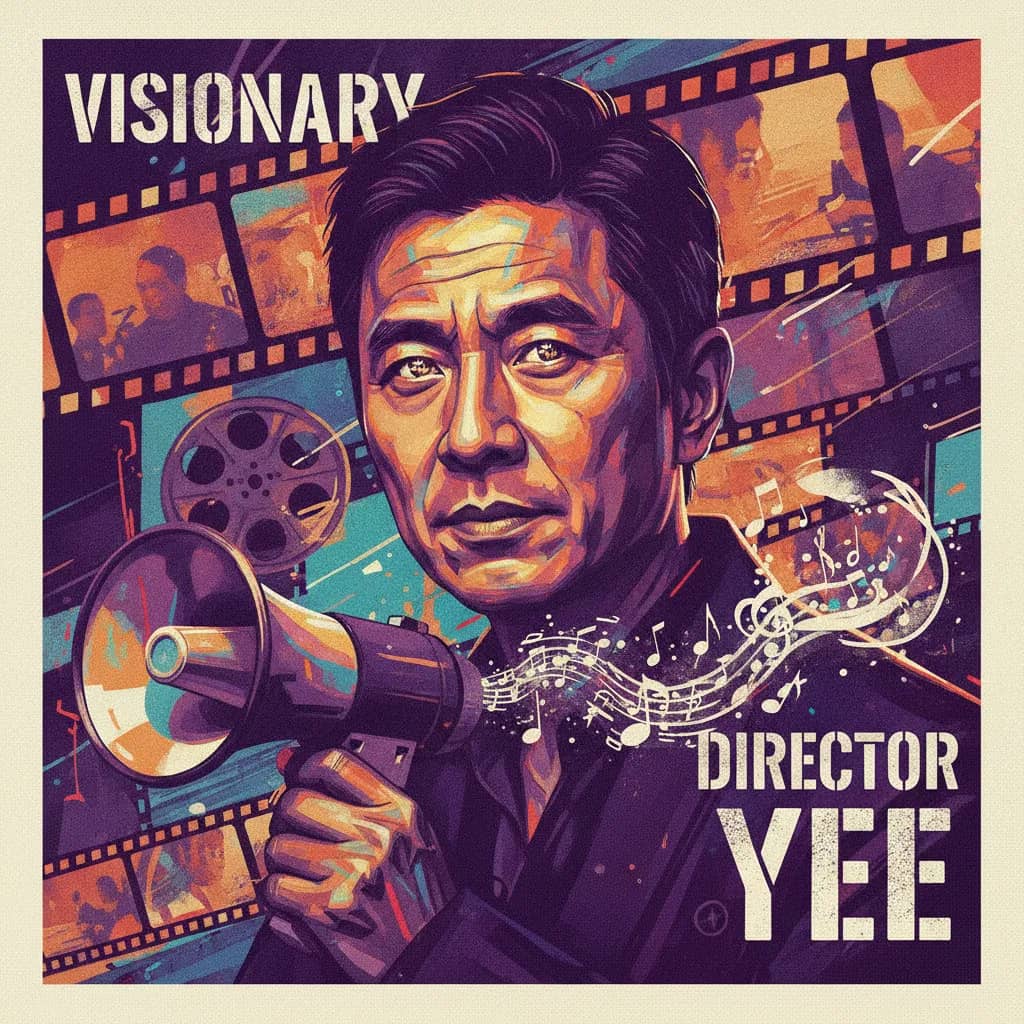
Derek Tung-Sing Yee
Derek Tung-Sing Yee is a Hong Kong film director known for his impactful and gritty storytelling style, which often delves into the underbelly of society. Yee made his mark in the film industry with his 2009 release, "Shinjuku Incident." This action-packed crime drama stars martial arts legend Jackie Chan and follows the story of a Chinese immigrant navigating the treacherous underworld of Tokyo's Shinjuku district. Yee's directorial style in "Shinjuku Incident" is characterized by its intense and immersive depiction of the criminal underworld, showcasing his ability to capture the raw emotions and complexities of human nature. Yee's directorial approach often revolves around exploring the darker aspects of human existence, delving into themes of survival, moral ambiguity, and the struggle for identity. His films are known for their unflinching portrayal of the human condition, often presenting characters who are forced to confront their inner demons and make difficult moral choices. Yee's work reflects a deep understanding of the complexities of human nature, as well as a keen eye for portraying the harsh realities of life in the criminal underworld. "Shinjuku Incident" stands as a testament to Yee's ability to create gripping and multi-layered narratives that resonate with audiences on a profound level. The film received critical acclaim for its intense storytelling, compelling performances, and Yee's masterful direction. Yee's impact on cinema lies in his ability to craft films that offer a raw and unflinching look at the human experience, showcasing the struggles and triumphs of characters caught in the midst of morally ambiguous situations. Derek Tung-Sing Yee's directorial career has firmly established him as a filmmaker with a unique vision and a penchant for delving into the complexities of human nature. His work continues to inspire audiences and fellow filmmakers alike, solidifying his place as a director who fearlessly explores the depths of the human psyche through his compelling storytelling and impactful visuals. With a reputation for creating emotionally charged and thought-provoking cinema, Yee's contributions to the film industry are sure to leave a lasting impression for years to come.